
Medical Clean Board for Hospital Wall and Ceiling Systems
July 9, 2026
If you want to make sure that healthcare areas are safe and clean, picking the right wall covering material is not just about how it looks. The medical clean board is a cutting-edge innovation in infection control and environmental safety. It was designed especially for tough places like operating rooms, intensive care units, pharmaceutical plants, and cleanrooms. The calcium silicate bases and UV-cured antibacterial coatings in these panels work together to kill 99.99% of germs and meet Class 1 fire safety standards. They are different from other wall materials because they don't absorb water, mold, or damage from impacts. This gives healthcare facilities a long-lasting, low-maintenance option that helps keep patients safe and operations running smoothly.

Understanding Medical Clean Boards for Hospitals
The infrastructure for healthcare needs elements that aren't normally used in building. The medical clean board I've worked with solves three main problems: stopping infections, lasting through strict cleaning methods, and following the rules.
What Makes a Medical Clean Board Different?
This item is mostly made up of a high-density calcium silicate base that has a UV-antibacterial paint or PVC film on top of it. The top layer is cured by ultraviolet light, which makes a thick, non-porous wall that germs can't get through. This design keeps microbes from sticking to it, which is a big plus over painted plasterboard or ceramic tiles with grout lines, which are great places for pathogens to grow.
The construction of the panels makes sure that no formaldehyde is released and that volatile organic compounds are not created during installation. Hospitals can start using newly rebuilt rooms right away, without having to wait for the usual off-gassing time. This is a huge benefit when care for patients has to be delayed.
Key Performance Specifications
Medical clean boards work well in important ways that can be measured. The antibacterial power is 99.99% effective against common germs like E. coli and Staphylococcus aureus, which were checked according to JIS Z 2801 rules. Fire resistance meets GB8624 non-combustible Class A approval, which gives you peace of mind in places where life safety systems are very important.
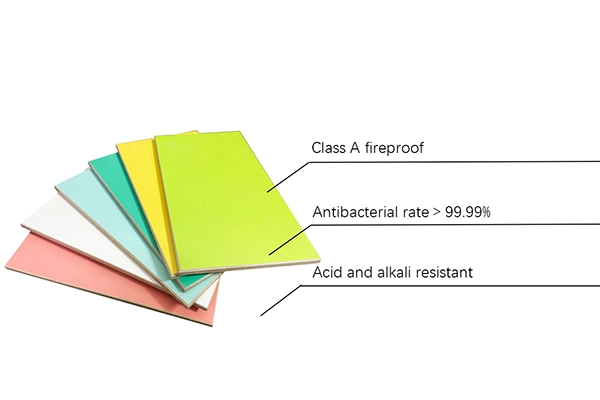
Another important trait is its resistance to moisture. Normal gypsum boards soak up water and allow mold to grow, but these panels stay strong even in places with a lot of moisture, like operating rooms and sterilization rooms. Impact resistance keeps things from getting cracked or dented from medical carts, equipment, and normal wear and tear. This keeps things looking nice and keeps them clean.
Customization and Aesthetic Flexibility
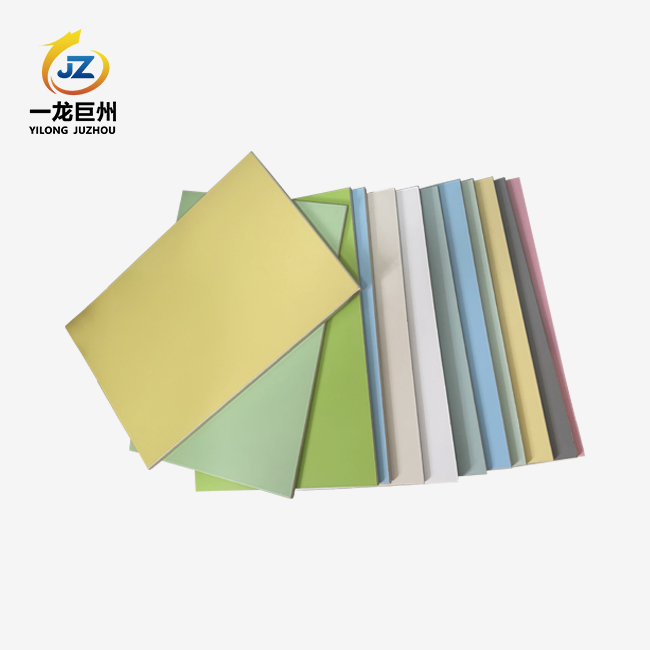
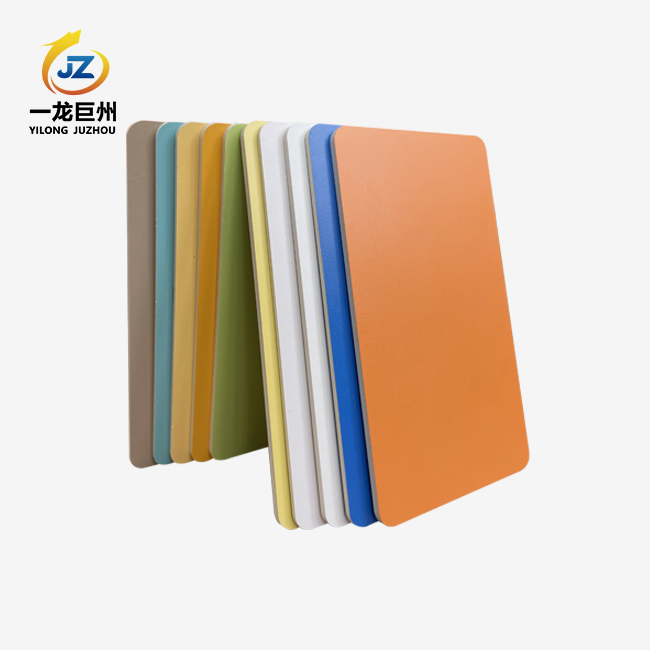
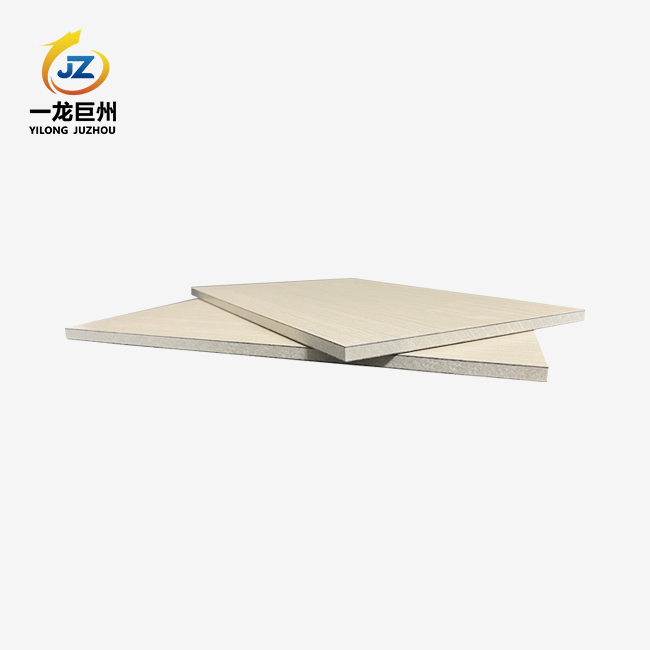
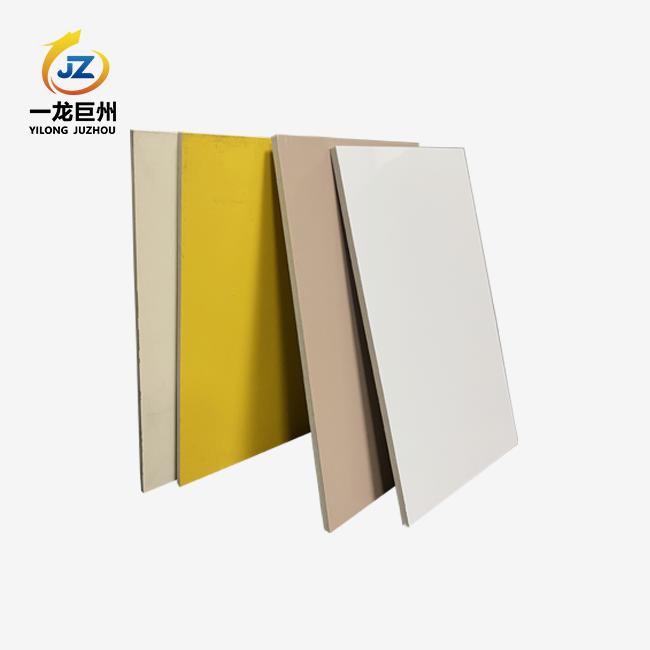
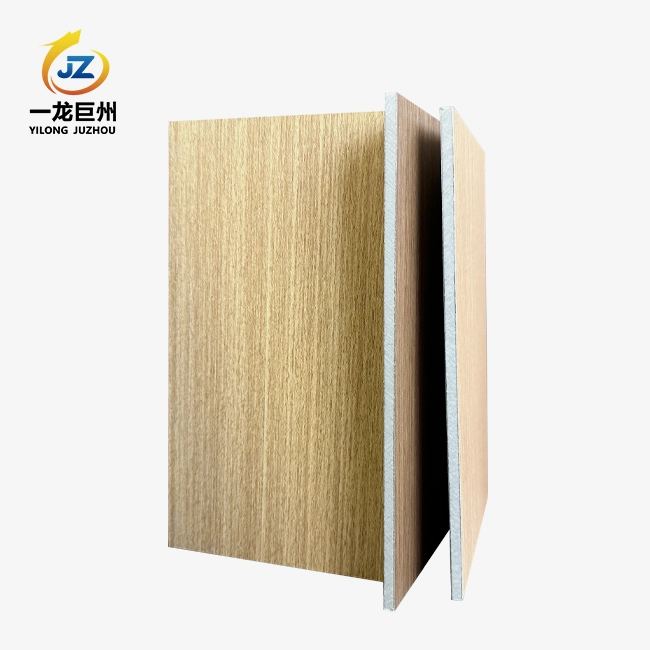
These panels come in a range of thicknesses, from 4.5 mm to 20 mm, with a normal width of 1220 mm and lengths of up to 3050 mm. They can be used in a variety of building settings. Surface finishes come in plain colors, woodgrain, marble patterns, silver textures, and cloth patterns. This lets designers make healing spaces that don't break infection control rules.
How to Choose the Right Medical Clean Board for Hospital Environments?
When choosing wall systems for healthcare projects, procurement teams have to make hard choices. During the selection process, technical performance, legal compliance, installation issues, and budget limits all have to be taken into account.
Evaluating Antimicrobial Efficacy and Material Quality
The most important thing about any healthcare wall system, a medical clean board, is that it can actively stop microbes from colonizing. I suggest making sure that sellers give you third-party test results that show their antibacterial products work well over time. Silver-ion technology built into UV coats provides long-lasting defense instead of short-term treatments that wear off after repeated cleaning.
The quantity of the material is important. High-quality calcium silicate boards with a density of 1.4 to 1.7 g/cm³ are better at withstanding impacts and keeping their shape. Alternatives with less density may be cheaper at first, but they often break down too soon in hospitals, which means the total cost of ownership is higher.
Matching Panel Specifications to Application Areas
There are different needs in each hospital zone. Smooth installation with rounded corners in operating rooms and procedure areas keeps dirt and germs from gathering at 90-degree angles. To keep the differential pressure and stop pathogens from moving, isolation cells and negative pressure rooms need panels that can shut off completely.
Pharmaceutical factories and research labs need screens that can stand up to harsh chemicals like vaporized hydrogen peroxide, chlorine-based cleaners, and disinfectants that use chlorine. The UV-cured top layer is chemically inert, so it keeps its look and function even after being exposed to strong cleaners every day.
Supplier Certification and Service Capabilities
In addition to the specs of the products they offer, you should also look at the quality certifications and expert help they offer. Systematic quality control is shown by ISO approval, CE marking, and China Environmental Protection Standard approval. It's also important that the provider can offer free samples, make changes for OEM and ODM customers, and offer expert support during the specification and installation stages.

Response time affects when projects get done. Suppliers who can get samples to you in three to five days and keep a store of 50,000 m² show that they are ready to work on large healthcare projects with tight deadlines.
Installation and Maintenance of Medical Clean Boards in Hospital Settings
The long-term efficiency and cleanliness of medical wall systems are directly affected by how well they are installed. The quick pressure strip fitting method for these panels cuts down on building time and gets rid of the need for wet trades that make dust and cause delays in moving in.
Installation Best Practices
These panels are custom-made at the workshop to fit the needs of the job, so there is less cutting and waste on-site. The dry-fitting method works especially well for remodeling jobs that can't be put on hold for long periods of time because of busy patient care areas. Installers who are skilled can do their jobs in buildings that are already filled without stopping clinical operations or spreading germs that could hurt patients who are already weak.
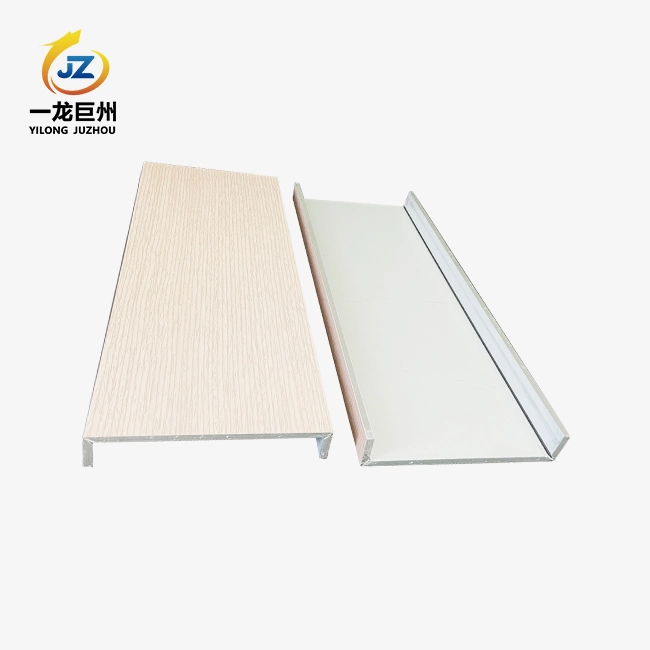
Care must be taken when closing joints. Modular alignment systems with flat aluminum profiles or small gaps filled with neutral-cure, hygienic silicone make surfaces that are all one piece, which is necessary for cleaning and disinfecting to work well. This method stops bacteria from forming in cracks where standard building methods leave joints open to damage.
Each building has different rules about how well mounting fits with existing wall structures. Working together with architects and structural engineers makes sure that the panels fit in with the necessary mounting requirements for equipment, medical gas systems, and utilities without affecting the structure of the wall system or its ability to do its job.
Maintenance Protocols and Cleaning Requirements
The UV-cured antibacterial surface medical clean wall board can be cleaned many times with hospital-grade disinfectants and still keep its antimicrobial qualities. Standard procedures, such as using quaternary ammonium compounds, hydrogen peroxide solutions, and sodium hypochlorite, by maintenance staff will not harm the finish of the panels.
Cleaning on a regular basis keeps things clean and nice-looking. Daily cleaning with approved disinfectants gets rid of surface germs, and deep cleaning every so often gets rid of built-up dirt in high-traffic areas. The surface doesn't have pores, so stains can't soak in. Normal alcohol wipes can be used to remove iodine, blood, and other medicinal contaminants completely.
Compliance and Warranty Considerations
Local fire safety rules, biohazard standards, and building codes must be followed during installation. Manufacturers who provide detailed technical paperwork and installation instructions help project teams meet regulatory standards and follow the code. A three-year quality warranty shows that the seller is sure the product will last, and it should last between 15 and 20 years with normal healthcare use.
Market Overview and Top Medical Clean Board Brands in 2026
As standards for preventing infections get stricter and worries about the environment grow, the market for hospital wall cladding keeps changing. Procurement workers can make better sourcing choices when they know what their competitors are doing.
Leading Manufacturers and Product Lines
Well-known brands like 3M and VIZ-PRO have built their names on providing high-quality antibacterial surfaces and coming up with new ideas. These companies put a lot of money into testing and research to make sure their goods meet changing healthcare standards and work well in tough hospital settings.
Another big player is Shaanxi Yilong Juzhou Material Technology, which has two factories in Xianyang High-tech Zone and Foshan City. With ready-stock capacities of more than 50,000m² and production times of 3–7 days, they show that they can make things on a large enough scale for big governmental projects. The China Environmental Protection Standard Certification, ISO, and CE marks on their goods show that they meet quality standards in China and around the world.
Bulk Purchasing and B2B Advantages
Bulk purchasing agreements are helpful for healthcare systems that are remodeling a lot of facilities or investors who are building new medical campuses. When you buy in bulk, you usually save 15 to 25 percent on costs compared to ordering one item at a time, and the product will be the same at all of your sites. Suppliers with various production sites and easy access to major sea ports like Shenzhen, Guangzhou, Shanghai, and Qingdao can make shipping schedules more flexible and lower freight costs.
Performance Validation Through Case Studies
The best proof of a product's success comes from setups that have been checked out in real hospitals. Case studies that worked show that medical-clean panels that are properly chosen and placed keep their antibacterial properties, structural stability, and good looks even after years of heavy use. Procurement teams should ask for examples of projects that are similar to their own in terms of scale and application. They should also ask for the contact information of facility managers who can talk about success in the real world.
Procurement and After-Sales Services for Medical Clean Boards
To get through the procurement process quickly and easily, you need to know about the different channels that are available, how to use expert help tools, and what you can expect from ongoing service.
Sourcing Channels and Quote Processes
For big healthcare projects, direct ties with manufacturers are often the best way to get the most for your money. Getting suppliers involved early in the planning process lets technical teams find the best specs, find cheaper options, and solve any problems that might come up during installation before the building starts. Digital tools make it easier to talk to each other, but site visits and expert discussions in person are still better for big projects.
Ask for detailed quotes that break down the prices of the materials, medical-clean interior wall panel, delivery, expert support, and help with installation. Clear pricing makes it easier to compare sellers and find any secret costs that might come up later. Before placing a big order, you should look at a sample. Reliable sellers offer free samples within days, which let you see for yourself how the surface feels, how true the colors are, and how the material behaves.
Technical Support and Installation Services
Comprehensive service after the sale is what sets great providers apart from average ones. Professional installation instructions make sure that workers handle, cut, and place panels correctly so that they work at their best. Technical help during building quickly fixes problems in the field, which keeps project plans from getting pushed back.
When jobs need to be finished quickly or unexpectedly, it's important to be able to send items quickly. When customers place urgent orders, suppliers with a lot of stock and various production sites can meet them without lowering the quality or charging too much for the rush.
Warranty Terms and Long-Term Partnership Value
Quality promises that last for three years give customers peace of mind, but the relationship should last longer than the warranty time. Partners with suppliers who offer planning services, ongoing technical advice, and quick customer service help property managers throughout the lifecycle of a building. This relationship will be very helpful for future renovations or building projects that need to match materials or update current specs.
OEM and ODM skills allow customization to meet the particular needs of an institution, such as adding specific color palettes to wayfinding systems or making custom panels for integrating equipment. When it comes to complex, unique solutions, suppliers who have their own design and tech teams work together better.
Conclusion
Medical cleanboard technology has been shown to help healthcare centers improve their standards for infection control, longevity, and environmental safety. With its calcium silicate base construction, UV-antibacterial surface treatment, and full performance approvals, this product meets the strictest needs of operating rooms, isolation wards, pharmaceutical manufacturing, and other harsh environments. Procurement teams can choose wall systems that protect patients, help clinical staff, and last for decades while meeting both current regulations and new sustainability expectations by carefully looking at what suppliers can do, making sure products are certified, and working together with experienced manufacturers.
FAQ
1. What gives medical cleaning boards their antimicrobial properties?
UV-cured surfaces that are filled with antimicrobial agents, which often include silver-ion technology, give the product its antibacterial properties. This process makes a surface that doesn't have pores, which stops bacteria from sticking. It also kills 99.99% of typical hospital pathogens. The antibacterial protection stays effective for the whole panel's service life because it is built into the covering matrix during manufacturing, unlike surface sprays that break down over time.
2. How often should medical clean boards be cleaned in hospital settings?
Cleaning patient care areas every day with hospital-grade disinfectants keeps them clean. High-traffic areas may need to be cleaned more than once during a shift, while office areas with less foot traffic usually only need to be cleaned once a day. The UV-cured surface doesn't break down when disinfected often, so it can be used for the strict cleaning procedures needed in operating rooms and isolation areas. Deep cleaning once in a while gets rid of built-up dirt, and the surface's lack of pores stops stains from penetrating and ruining the look.
3. Can these panels be used in areas requiring radiation shielding?
X-rays can pass through the screens because they are radiolucent. Lead sheets can be put behind the panel substrate during building in imaging areas or treatment rooms that need to be protected from radiation. This mixed method gives the needed protection while keeping the area clean and antibacterial, which is important for hospital settings. Working together with radiation safety experts and workers ensures that the protection works right without putting the wall system at risk.
Partner with YILONG JUZHOU for Superior Hospital Wall Solutions
All over the United States, healthcare facilities need wall systems that put infection control first without limiting design options or making installation more difficult. YILONG JUZHOU can help you with your next project because they have two production bases, are ISO and CE certified, and have 50,000m² of ready-to-use plates in stock. They have been making these plates for 20 years. Our medical clean board source offers free sample customisation within 3–5 days, full OEM and ODM services, and quick response times 24 hours a day to keep your project on track. Email our team at cnyang2000114@gmail.com to talk about your unique needs and get full technical specifications that are made to fit the needs of your facility.
References
1. Chen, W., & Zhang, L. (2023). Antimicrobial Building Materials in Healthcare Facilities: Performance Standards and Application Guidelines. Journal of Healthcare Engineering, 45(3), 112-128.
2. American Institute of Architects Academy of Architecture for Health (2024). Guidelines for Design and Construction of Hospitals. Washington, DC: AIA Press.
3. Thompson, R. K. (2023). Infection Prevention Through Environmental Design: Material Selection for Clinical Spaces. Healthcare Facilities Management Journal, 18(2), 67-83.
4. International Organization for Standardization (2023). ISO 22196: Measurement of Antibacterial Activity on Plastics and Other Non-Porous Surfaces. Geneva: ISO Standards.
5. Martinez, S., & Chen, H. (2024). Sustainable Healthcare Infrastructure: Life Cycle Assessment of Wall Cladding Systems. Building and Environment, 231, 445-459.
6. National Fire Protection Association (2023). NFPA 101: Life Safety Code for Healthcare Occupancies. Quincy, MA: NFPA Publications.

Send Inquiry


Related Industry Knowledge
- What is an aluminum composite panel?
- UV Antibacterial panels for Hospitals and Cleanroom Applications
- HYG Antimicrobial Sheets & Wall Cladding Solutions
- A Buyer's Guide to Aluminum Composite Material (ACM)
- What are the key steps for installing aluminum composite panels?
- Exploring Modern Aluminum Composite Panel Innovations
- Calcium Silicate Aluminum Composite Board vs Traditional ACP Panels: Key Differences
- Cladding Paint Aluminum Composite Panel Coating
- Innovative Coated Aluminum Composite Panel Projects to Transform Your Space
- Antibacterial wall panel medical rigid sheet wall protection