
UV Antibacterial panels for Hospitals and Cleanroom Applications
July 7, 2026
Choosing the right inner wall solutions is a very important buying choice when infection control and hygiene standards mean life or death. UV antibacterial panels are a new way to make building materials that are cleaner and safer. They were made to be used in hospitals, clean rooms, and other places where microbes can be a problem. These special panels have ultraviolet-cured coatings that have antimicrobial agents (usually silver ions) built right in. This makes surfaces that actively stop bacteria growth while still having the sturdiness and good looks needed in educational settings. As hospital-acquired infections continue to be a problem for healthcare systems across the US, procurement managers and building engineers are looking more and more to high-tech wall cladding systems that protect walls even when they're not being cleaned.
Understanding UV Antibacterial Panels: Technology and Benefits
What Defines UV Antibacterial Wall Systems?
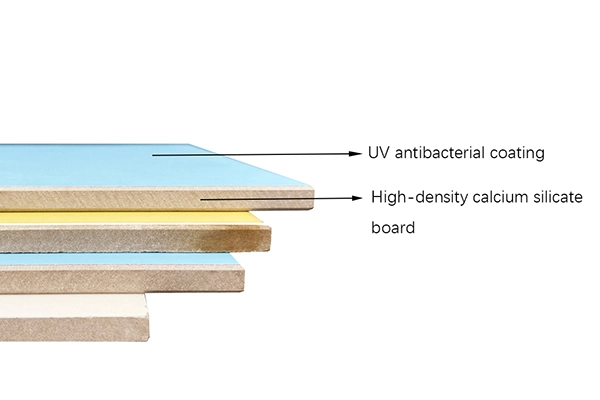
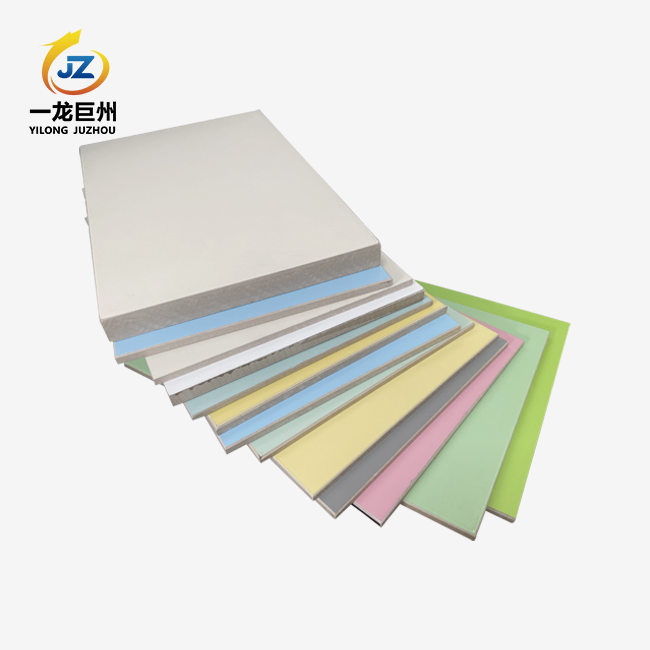
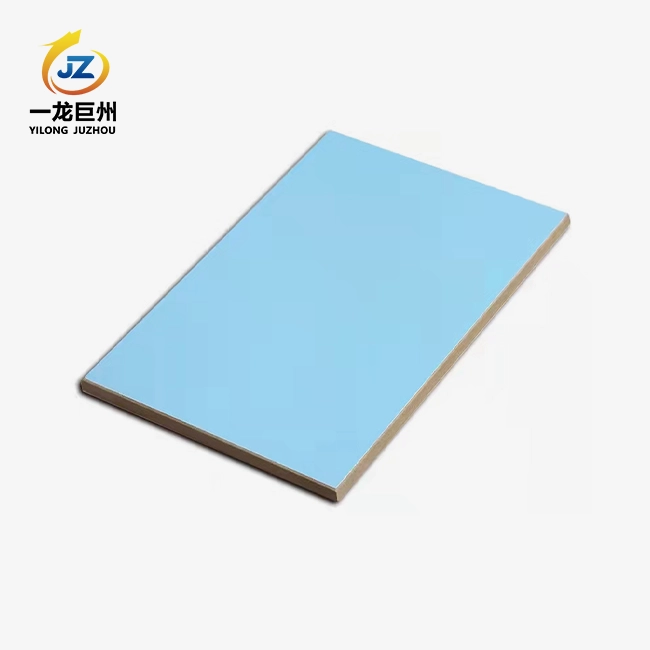
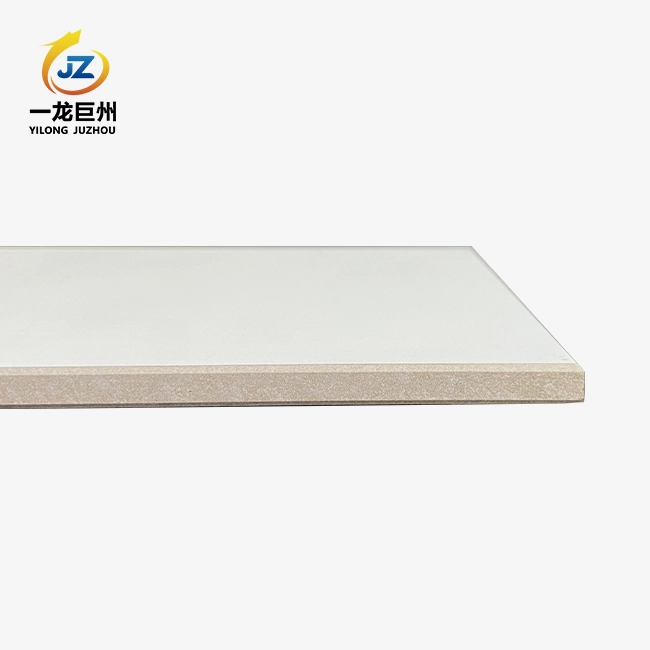
UV antibacterial panels are made of a calcium silicate board base that has been covered with a special ultraviolet-cured paint that has inorganic antimicrobial agents in it. In contrast to painted surfaces, these panels go through a photopolymerization process where UV light quickly connects the molecules of the coating, making a surface that is very thick and hard. The antibacterial agents, which are mostly nano-silver particles, are forever incorporated into this polymer matrix instead of just sitting on top of it for a short time. Standard cleaning methods can't wash away or break down the active ingredients because they are structurally integrated.
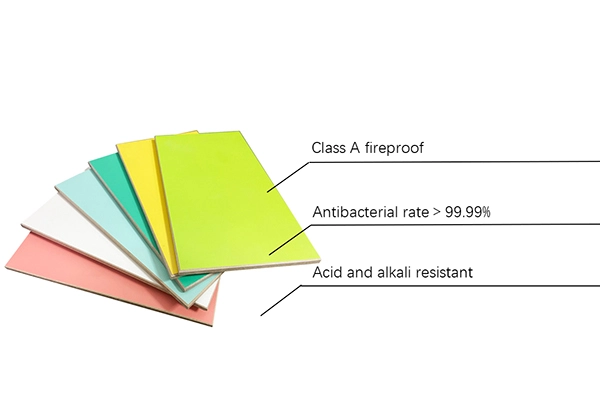
GB8624 non-combustible Class A grades show that the calcium silicate core is very resistant to fire, and they are also better at resisting moisture than usual gypsum-based options. This mix takes care of two important issues in healthcare construction: making sure the building meets fire safety standards and keeping mold from growing in areas that tend to be damp, like operating rooms and areas where drugs are made.
Core Performance Advantages
Testing in the lab shows that these panels are 99.99% effective at killing common germs like E. coli and Staphylococcus aureus, which were checked according to JIS Z 2801 rules. The UV-cured surface is 3H to 6H hard, which is much harder than melamine or normal polyurethane finishes. This hardness means that the wall is better at resisting scratches and impacts, which are important qualities in places where moving tools and a lot of foot traffic could damage the wall.
Another important benefit is that it doesn't absorb moisture. The non-porous UV covering stops water from getting through, which can cause the base to swell, peel, and grow mold. When used in a laboratory where humidity levels must be controlled, these panels keep their shape without letting fungi grow on them. The substance itself doesn't have any volatile chemical molecules or benzene derivatives in it, and the UV curing process completely encapsulates the base, so there is almost no off-gassing. Facilities can be used right away without having to wait for long amounts of time for the air to clear out after adding solvent-based painted systems.
Certification and Compliance Standards
When purchasing these systems, teams should check that they meet regional fire safety codes and have ISO 22196 antibacterial activity certifications. The material has a Class A fire rating, which meets the strict standards of all US healthcare building rules. These panels support LEED and other green building efforts without sacrificing hygiene, as they have low-VOC emissions and environmental standards such as CARB Phase 2 formaldehyde compliance.
Comparing UV Antibacterial Panels with Other Solutions
Healthcare facility managers often look at more than one way to make wall surfaces clean. Making more strategic choices about buying is helped by knowing the relative pros and cons of each option.
At first, white plasterboard is still the cheapest choice, but it doesn't have any antimicrobial properties built in. Paint surfaces are pretty weak, which makes micro-textures where biofilms can stick. Paint films break down over time when they are exposed to hospital-grade disinfectants, which causes cracks, peeling, and more upkeep rounds. Painting causes problems with operations and brings VOCs that require building downtime.
Fiber-reinforced plastic walls (UV antibacterial panels) are resistant to water and easy to clean, but they don't usually have antimicrobial qualities built in unless they are specially made with additives. Their joint systems can hold dirt and water, which could allow bacteria to grow in the seams where the pieces join. Although high-pressure laminate panels are strong, their antimicrobial properties depend on whether the maker added active ingredients to the top glue.
UV sterilization lights are a completely different method. They kill germs through germicidal wavelengths, but they need to be used in areas with no people around to keep people safe. During cleaning processes, these systems get rid of germs in the air and on surfaces, but they don't protect against them afterward.
The thing that makes UV antibacterial panels stand out is that they kill germs continuously and passively. The silver ions work 24 hours a day, seven days a week, without using any power, needing human help, or needing the building to be evacuated. The panels cover the structure, keep out water, make the unit fire-safe, and provide a clean surface all at the same time. This means that they meet many functional needs in a single fixed system. Because the UV covering is so hard and doesn't react with chemicals, these surfaces can be cleaned with industrial disinfectants thousands of times without losing their antimicrobial protection or finish.
Choosing the Right UV Antibacterial Panels for Hospitals and Cleanrooms
Critical Selection Parameters
Before judging suppliers, procurement professionals should set clear standards for success. The UV antibacterial panel's width has a direct effect on how well it supports weight and how quiet it is. Options range from 4.5 mm to 20 mm to meet the needs of different installation situations and wall assembly standards. Usually, operating rooms and pharmaceutical cleanrooms ask for panels that are stronger so they can withstand impacts better and block out noise better.
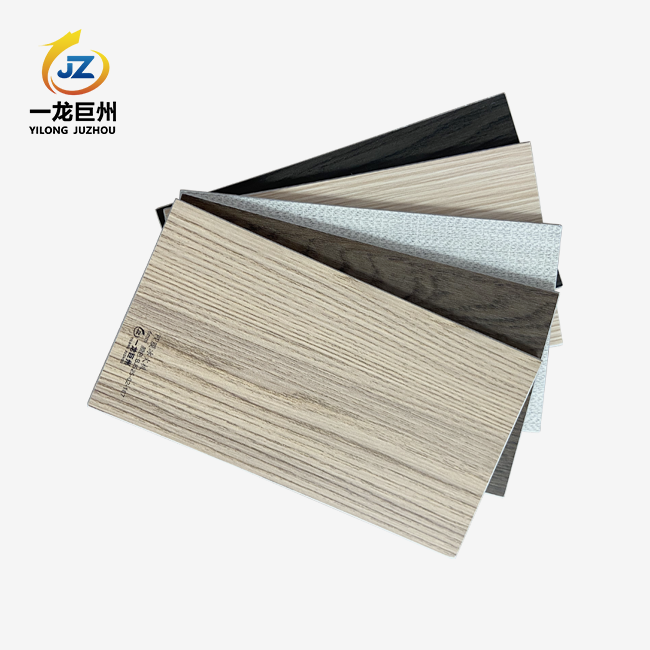
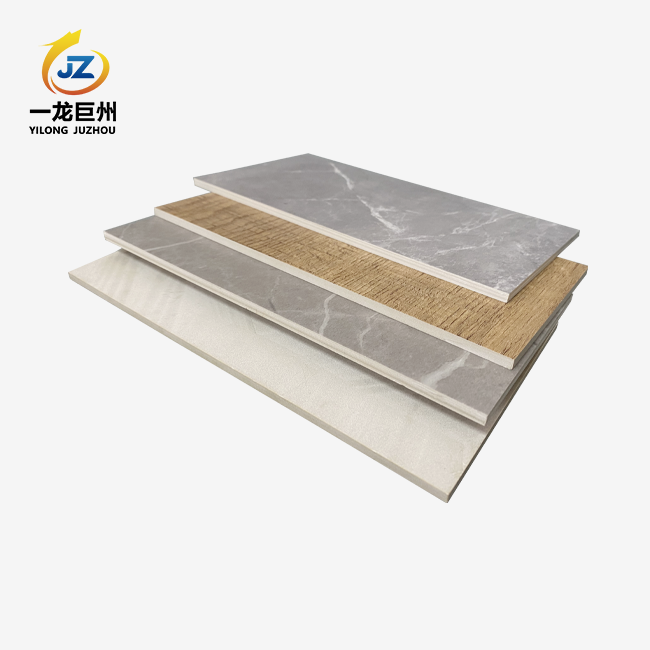
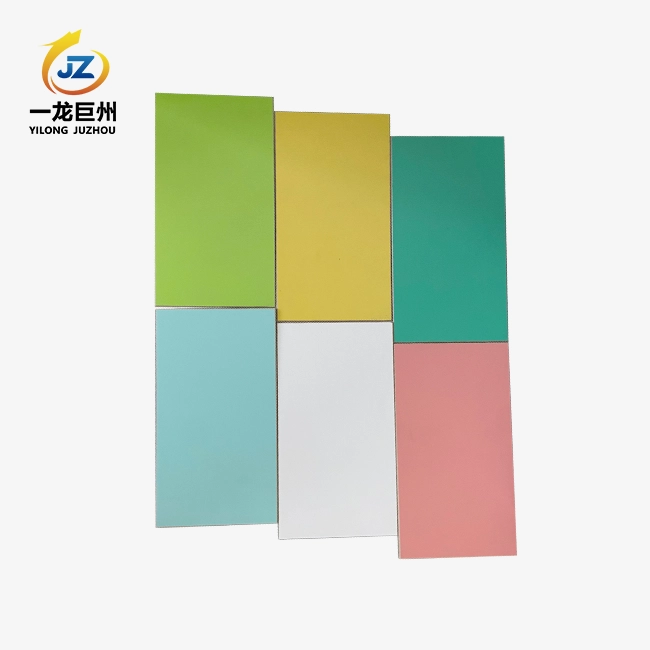
You can choose from basic colors, woodgrain designs, marble effects, metallic textures, and fabric looks for the surface finish. Aesthetic tastes vary, but places where cleanliness is important tend to choose finishes that are smooth and don't have any texture. This is because they keep particles from building up and make cleaning easier. Choosing the right color has an effect on how much light it reflects. This is important in surgical and lab settings where correct color rendering affects clinical processes.
Standard sizes of 1220 mm wide and 2440 mm long are the same as standard building modules. However, maximum heights of 3050 mm allow for floor-to-ceiling systems that minimize horizontal joints. Cutting down on the number of seams makes cleaning easier and less likely to harbor contamination, which is an important thing to think about in pharmaceutical manufacturing, where sterile proof requires showing that surfaces are properly cleaned.
Supplier Evaluation and Quality Verification
When looking for a manufacturing partner, you need to look at their production skills, quality systems, and expert help infrastructure. Suppliers with ISO-certified facilities use organized quality control methods that are needed to make sure that big sales of the same product always work well. Managers in charge of buying things should ask for antimicrobial test reports from a third party that say the log reduction values meet or beat 99.9% bacterial kill rates. Cross-hatch adhesion tests show that the covering stays attached to the substrate even when it's put under a lot of mechanical stress. This keeps the coating from peeling off, which would be bad for both health and appearance.
Managing lead times becomes very important in phased building jobs. Suppliers who keep a large inventory—ideally 50,000 square meters or more—can support tighter deadlines and adapt to change orders without slowing activities that are on the critical path. The ability to make custom orders within three to seven days allows for just-in-time shipping tactics that cut down on the need for on-site storage and lower the risk of damage from handling materials.
Logistics prices and transport reliability are affected by where goods are made. When a manufacturer has more than one facility, it can make the supply chain more reliable and ship materials from the facility that is closest to the project site. Having access to big ports makes foreign projects easier, and transportation hubs in the United States help continental distribution networks work.
Customization and Technical Support
Custom panel designs are often needed for large university projects, UV interior wall panels, to deal with unique architectural issues or infection control zoning strategies. When a supplier offers OEM and ODM services, they can change standard products' measurements, edge profiles, joint systems, and surface processes to meet specific performance needs or design goals. This ability to be customized is especially helpful for rebuilding projects where new panels need to fit in with existing wall systems or look good with the way things look now.
Getting technical help during the specification step is important for turning regulatory standards and clinical performance goals into material specifications. Suppliers who help with design, installation, and submission paperwork speed up the approval process and make it easier for project teams to coordinate. By sending samples within three to five days, manufacturers let builders and end users check the finish quality, color accuracy, and compatibility with other materials before they buy the whole thing.
Practical Maintenance and Safety Tips for UV Antibacterial Panels
Installation Best Practices
An installation that is done right sets the stage for long-term success. The quick-pressure strip mounting method lets you place it directly over existing walls or onto stud framing, so you don't have to do the time-consuming taping and finishing that you would have to do with regular plasterboard. Before attaching a panel, installers should make sure that the substrate areas are clean, dry, and physically sound. Keeping the reveal spacing the same at joints makes the lines look even and lets the material expand and contract without bowing or gaps appearing.

Panel edges need to be properly sealed with silicone or polyurethane seals that are suitable and keep the panels flexible while keeping water out from behind them. Continuous sealed joins keep particles from moving from interstitial areas into controlled environments in cleanrooms. The non-flammable calcium silicate base gets rid of the need to worry about stopping fires at penetrations and changes, making it easier to work with the mechanical and electrical trades.
Cleaning and Maintenance Protocols
Cleaning on a regular basis keeps things looking nice and keeps them clean. The surface that has been treated by the UV antibacterial panel light is Class 1A chemically resistant to acids, alkalis, and liquids that are common in hospital-grade disinfectants. The panel surfaces can be cleaned using standard methods with quaternary ammonium compounds, sodium hypochlorite solutions, or cleaners that are based on hydrogen peroxide. The layer doesn't let cleaners soak in, which would make painting surfaces more likely to get stained or discolored.
How often something is cleaned depends on what it is used for. For example, operating rooms and isolation units need to be cleaned several times a day, while office hallways may only need to be cleaned every so often. The antimicrobial surface keeps working between cleanings to stop bacteria from colonizing. This successfully extends the period of hygiene effectiveness compared to inactive materials that allow bacteria to grow right after cleaning.
Facility managers should stay away from rough cleaning pads that could scratch the surface and weaken the finish. When used with the right cleaning products, microfiber cloths or soft hairbrushes can remove dirt without hurting the barrier. The high surface hardness stops normal wear patterns, so the look and function last for years without needing to be refinished or replaced.
Safety and Regulatory Compliance
The word "UV antibacterial" refers to the process of curing with ultraviolet light and the antimicrobial qualities that come from it, not to the light that is given off when it is used. Installed panels don't expose inmates or staff to UV light, so there are no longer any safety concerns about germicidal UV lamp systems that need protective procedures and access limits.
Fire safety rules are still very important in hospital buildings. The non-combustible Class A grade ensures that these panels add to the total fire resistance of the building instead of making it less resistant. During installation and for the life of the building, the panels keep their fire-rated performance without losing it. This meets the standards for facility approval and insurance.
Material health paperwork for hospital decoration solid color 6 mm UV Antibacterial panels, make sure that there are no harmful chemicals and that health product declarations are followed, which is becoming more and more important in healthcare buildings. The zero-VOC emission profile helps meet indoor air quality goals and takes away worries about chemical sensitivity in patients with weak immune systems.
Conclusion
For healthcare and cleanroom settings where infection control, longevity, and regulatory compliance all come together, UV antibacterial panels offer a complete answer. The addition of antimicrobial technology to a UV-cured coating system kills germs continuously, and the calcium silicate base protects against fire and moisture, which are important for demanding institutional uses. When purchasing these systems, people in charge should look for ones with proven antibiotic performance, the right certifications, and suppliers who can meet both short-term project needs and long-term building management goals. By investing in advanced wall cladding systems, you can see a clear improvement in cleanliness, less work for maintenance staff, and a better environment for patients, staff, and overall operating efficiency.
FAQ
1. Can UV Antibacterial Panels Function Effectively in Occupied Hospital Rooms?
Of course. The "UV" label only refers to the curing process during production, not to light output during use. Once these screens are put up, they work as passive antimicrobial surfaces, and people inside will not be exposed to any ultraviolet rays. Ionic contact between the embedded silver ions breaks down bacterial cell walls all the time, protecting you around the clock without needing a power source, human help, or limits on who can be in the room. Because of this, they work great in patient rooms, nurse stations, and other clinical areas that are always being used, where germicidal UV lights would not be appropriate.
2. What Lifespan Can Be Expected in High-Traffic Cleanroom Environments?
When it comes to longevity, UV antibacterial panels are much better than painted surfaces. The cross-linked polymer layer doesn't break down when disinfectants are used over and over again, and it keeps its shape through thousands of cleaning rounds. When put correctly, panels usually last between 10 and 15 years in harsh cleanroom environments before they need to be replaced. During this time, the antibacterial effect stays the same because the silver ions are forever mixed into the coating matrix and aren't just put on the surface and wear off.
3. How Do Costs Compare Against Traditional Antimicrobial Solutions?
Although the initial cost of materials for UV antibacterial panels is about 200–300% higher than the cost of painted plasterboard, the overall cost of ownership frequently favors the more sophisticated system. Eliminating the need to paint every three to five years, lowering the risk of infection-related problems, and cutting down on upkeep work all add up to big savings over the lifecycle. When healthcare facilities are thinking about making an investment in infection control, they should add up all the costs, such as installation, maintenance, replacement cycles, and the effects on operations caused by surface-related contamination.
Partner with YILONG JUZHOU for Your UV Antibacterial Panel Requirements
YILONG JUZHOU is a specialist in creating UV Antibacterial panels made to meet the needs of hospitals, drug factories, and cleanrooms. Our two factories, one in Shaanxi and one in Guangdong, keep more than 50,000 square meters of goods on hand to support fast fulfilment. We can also make special products in three to seven days to meet the needs of specific projects. We send free samples within three to five days so that buying teams can check the finish quality and antimicrobial effectiveness before making a promise. Our production methods are ISO and CE certified, so the quality is always the same even when we get a lot of orders. We also have a lot of technical paperwork to help with bid reviews and regulatory submissions. Whether you need standard setups or OEM/ODM changes for a unique solution, our engineering team can help you translate your infection control goals into the best panel systems. To talk about your project needs with a top UV Antibacterial panels maker, email our sourcing experts at cnyang2000114@gmail.com. We give your building the technical know-how, output capacity, and responsive support infrastructure it needs.
References
1. Centers for Disease Control and Prevention. (2019). Guidelines for Environmental Infection Control in Health-Care Facilities. U.S. Department of Health and Human Services.
2. Salgado, C.D., Sepkowitz, K.A., John, J.F., et al. (2003). Copper Surfaces Reduce the Rate of Healthcare-Acquired Infections in the Intensive Care Unit. Infection Control & Hospital Epidemiology, 34(5), 479-486.
3. Weber, D.J., Anderson, D., Rutala, W.A. (2013). The Role of the Surface Environment in Healthcare-Associated Infections. Current Opinion in Infectious Diseases, 26(4), 338-344.
4. Dancer, S.J. (2014). Controlling Hospital-Acquired Infection: Focus on the Role of the Environment and New Technologies for Decontamination. Clinical Microbiology Reviews, 27(4), 665-690.
5. Otter, J.A., Yezli, S., Salkeld, J.A., French, G.L. (2013). Evidence that Contaminated Surfaces Contribute to the Transmission of Hospital Pathogens. Journal of Hospital Infection, 85(3), 171-181.
6. American Society of Healthcare Engineering. (2020). Surface Materials for Healthcare Facilities: Selection Criteria for Infection Prevention. American Hospital Association.

Send Inquiry


Related Industry Knowledge
- What Is ice fireproof board and How Does It Resist High Heat?
- How to Beat the Heat with Aluminium Composite Panels
- How to Prepare Aluminum Composite Material (ACM) for Painting
- Medical Clean Board Features and Benefits Explained
- A Buyer's Guide to Aluminum Composite Material (ACM)
- Using Calcium Silicate Aluminum Composite Boards in Industrial Insulation Projects
- What are aluminum composite panels used for?
- How to install an aluminum composite panel?
- Antibacterial wall panel medical rigid sheet wall protection
- What are the common issues faced during aluminum panel installation, and how to avoid them?