
A Buyer's Guide to Aluminum Composite Material (ACM)
July 2, 2026
Choosing the right Aluminum Composite Material for your commercial project demands more than surface-level knowledge. Whether you're specifying materials for a hospital renovation or a high-rise office tower, understanding the distinctions between standard ACM panels and advanced solutions like the A2 Aluminum Composite panel can mean the difference between compliance headaches and seamless project delivery. This guide walks you through the essential considerations—from fire classification to fabrication requirements—that procurement teams, architects, and facility managers must evaluate before making a purchase decision.
Understanding What Sets Premium ACM Apart from Standard Panels
Just walk into any showroom of construction materials, and you’ll see dozens of aluminum cladding alternatives that look almost identical at first glance. The main difference lies under the superficial covering. Standard polyethylene-core panels are inexpensive and easy to manufacture and are most appropriate for installation on low-rise structures with limited fire-code limitations. But these materials have intrinsic concerns of combustibility that have caused terrible accidents globally.
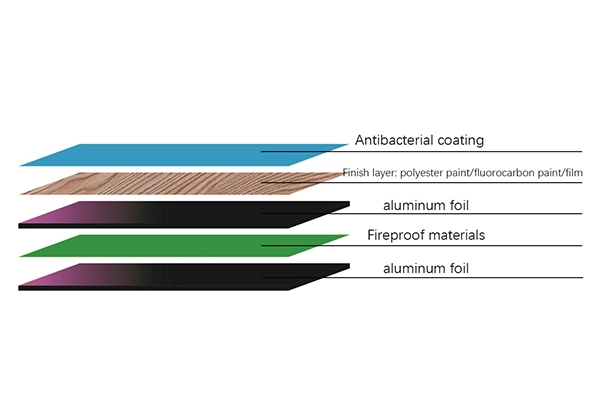
The A2 ACP board is a paradigm change in safety engineering. It is over 90% inorganic mineral compounds, often magnesium hydroxide or aluminum hydroxide, bound between two aluminum skins. This composition deals with the key flaw of vertical flame spread of building envelopes. Unlike the fire-retardant B1-class panels that only reduce the pace of combustion, the A2-rated materials won’t burn in the presence of persistent fire.
For healthcare institutions and public infrastructure projects, this distinction is of regulatory importance. In most jurisdictions, building codes currently dictate that projects over 18 meters in height be constructed using non-combustible materials. Formal tender processes run by procurement teams quickly learn that third-party certification is non-negotiable. Panels are required to verify adherence to rigorous testing procedures, including ISO 1716 for heat of combustion and EN 13501-1 for fire classification.
The weight differential between standard and A2 metal Aluminum Composite panels deserves attention during structural planning. Mineral-filled cores increase panel density to approximately 1.8-2.0 g/cm³, resulting in roughly 7-8 kg/m² for a 4mm thickness. This additional load requires engineers to recalculate substructure capacity, particularly for retrofit applications where existing framing may not accommodate heavier cladding systems.
Matching Panel Specifications to Your Project Requirements
Successful material selection begins with honest assessment of environmental conditions and performance expectations. A shopping mall interior wall faces vastly different challenges than a pharmaceutical plant cleanroom or a subway station platform. Each application demands specific technical attributes that standard specification sheets don't always make transparent.
Dimensional Flexibility and Customization
Panels measuring 1220mm, 1500mm, or 2000mm in width serve different installation scenarios. Wider panels reduce seam frequency in expansive wall surfaces, creating cleaner aesthetic lines for hotel lobbies and conference centers. Custom lengths beyond 3 meters eliminate horizontal joints in double-height spaces common to airport terminals and art galleries. Thickness options ranging from 2mm to 6mm allow designers to balance rigidity requirements against weight constraints and budget parameters.
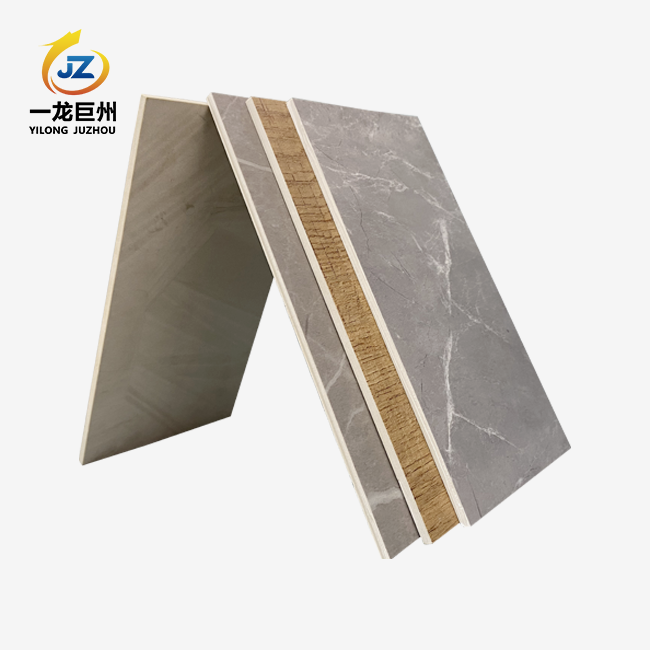
Color and finish choices extend far beyond basic solid tones. Woodgrain patterns bring warmth to medical aesthetic centers without the maintenance burden of natural timber. Marble-patterned surfaces deliver luxury hotel aesthetics at a fraction of stone material costs. Metallic finishes suit corporate office environments, while cloth patterns soften institutional spaces like schools and government buildings. The surface layer options—polyester paint, PET film, PVC film, or PP film—each offer distinct durability profiles and cleaning protocols.
Environmental Performance Beyond Fire Safety
Moisture resistance becomes paramount in food processing plants and tunnel linings where condensation creates persistent dampness. Quality architectural panels incorporate moisture barriers that prevent core saturation and subsequent delamination. Mold resistance protects air quality in hospitals and clinics where infection control protocols demand materials that won't harbor microbial growth.
Antibacterial surface treatments address cleanability requirements in healthcare settings. These specialized coatings withstand repeated disinfection with industrial-grade chemicals without degrading or losing effectiveness. The distinction matters when facility managers must maintain stringent hygiene standards across thousands of square meters of wall surfaces.
Formaldehyde-free, radiation-free composition aligns with green building certifications that institutional clients increasingly demand. China Environmental Protection Standard Certification and ISO compliance provide documented proof that materials won't compromise indoor air quality or occupant health over their service life.
Navigating Fire Classification Standards Across Global Markets
Few aspects of material specification generate more confusion than fire ratings. The alphabet soup of classifications—A2, B1, B-s1-d0, NFPA 285—reflects different testing methodologies and regulatory frameworks. International distributors supplying multiple markets must decode these requirements to avoid costly specification errors. For example, specifying an A2 ACP board requires understanding its fire rating.
European EN 13501-1 classification defines A2-s1,d0 as the benchmark for limited combustibility. The "s1" designation indicates minimal smoke production during burning, critical for evacuation visibility in enclosed spaces. The "d0" rating confirms no flaming droplets form, preventing secondary ignition sources during fire events. These technical details directly impact approval processes in tender evaluations where safety committees scrutinize every specification line item.
North American markets reference NFPA 285 testing for multi-story assemblies. This standard evaluates the entire wall system—not just the panel itself—under realistic fire exposure conditions. Contractors discover that passing this test requires careful coordination between panel manufacturers, insulation suppliers, and framing system providers. A panel certified in isolation may fail when integrated into a complete assembly.
Asian and Middle Eastern markets increasingly adopt hybrid requirements, referencing both European and local standards. Export-focused suppliers must maintain multiple certifications to serve diverse geographic portfolios. The logistical complexity extends beyond testing costs to include documentation translation, local representative appointments, and periodic recertification as standards evolve.
Evaluating Supplier Capabilities Beyond Product Catalogs
Material quality matters, but supplier reliability often determines project success or failure. Phased construction timelines leave no room for delayed deliveries or inconsistent batch quality. Procurement teams developing long-term relationships prioritize suppliers demonstrating operational depth and responsive service culture.
Production Capacity and Inventory Management
Suppliers maintaining 50,000m² of stock inventory can respond to urgent project accelerations or unexpected scope changes. Dual production bases—such as facilities in both Shaanxi and Guangdong provinces—provide geographic redundancy against regional disruptions. Production turnaround times of 3-7 days accommodate tight project schedules without forcing compromise on customization requirements.
Access to multiple sea ports (Shenzhen, Guangzhou, Shanghai, Qingdao) and land transport hubs simplifies logistics for international distributors managing container shipments. Packaging quality determines whether panels arrive jobsite-ready or damaged from transit vibration and moisture exposure. Experienced exporters understand that protective wrapping and corner reinforcement aren't optional for materials traveling through multiple handling points.
Technical Support Throughout the Project Lifecycle
Architects specifying decorative panels for the first time need guidance in translating aesthetic vision into fabrication specifications. What bend radius works for curved reception desks? Which fastening systems accommodate thermal expansion in floor-to-ceiling installations? Suppliers offering design and installation technical services reduce the learning curve that often delays project milestones.
Sample customization within 3-5 days allows design teams to evaluate actual material appearance under project lighting conditions before committing to full orders. Free sample policies eliminate the friction in specification approval processes, particularly when multiple stakeholders must sign off on finishes.
Three-year quality guarantees backed by documented warranties create accountability that verbal promises cannot match. The warranty should specify remedies for coating failures, delamination, or performance deficiencies discovered during service life. Clear terms prevent disputes when issues emerge years after installation.
Common Procurement Pitfalls and How to Avoid Them
Even experienced buyers encounter traps when navigating the composite sheet market. The consequences range from budget overruns to compliance failures that halt construction. Awareness of these patterns helps teams implement preventive measures.
Counterfeit Core Materials
The price gap between genuine units of A2 metal aluminum composite panels and B1 alternatives creates an incentive for fraudulent substitution. Unscrupulous suppliers may provide falsified test reports or use composite cores blending minerals with combustible fillers. The ash content test reveals the truth: burning a sample should leave over 90% mineral residue if the core composition matches A2 specifications. Buyers should request witnessed testing or engage independent laboratories for verification before large-volume purchases.
Underestimating Fabrication Challenges
Mineral-filled cores exhibit extreme abrasiveness that rapidly dulls standard cutting tools. Fabricators accustomed to processing soft polyethylene cores discover their CNC equipment cannot maintain production rates when switching to fire-safe materials. Diamond-tipped or carbide tooling becomes mandatory, along with adjusted feed rates that slow fabrication cycles. The cost implications extend beyond tool replacement to include increased labor hours per panel processed.
Peel strength testing per ASTM D1781 identifies bonding quality between aluminum skins and mineral cores. Values below 7N/mm signal potential delamination under thermal cycling or mechanical stress. Rejection rates increase when buyers skip this verification step, leading to costly rework during installation phases.
Ignoring Lifecycle Cost Analysis
Initial material cost represents only one component of total project economics. PVDF coating systems command premium pricing but deliver 20+ years of color stability with minimal maintenance. Polyester finishes cost less upfront yet require repainting within 10-12 years, adding labor expenses and building downtime. For property developers managing multi-building portfolios, the lifecycle calculation consistently favors durable coatings despite higher acquisition costs.
Thermal insulation properties affect HVAC operating expenses in climate-controlled environments. Insulated panels reduce heat transfer through building envelopes, lowering energy consumption over decades of use. The payback period for incremental material investment often falls within 3-5 years through utility savings alone.
Conclusion
Selecting aluminum cladding materials demands balancing safety compliance, aesthetic requirements, and budget realities. The A2 Aluminum Composite panel addresses these competing priorities through non-combustible engineering that meets global regulatory standards while offering design flexibility. Successful procurement requires verifying core composition, understanding fabrication implications, and partnering with suppliers capable of supporting complex projects from specification through installation. Armed with this guide, your team can navigate the buying process with clarity and confidence.
Ready to Specify with Confidence? Partner with an A2 Aluminum Composite Panel Manufacturer You Can Trust
YILONG JUZHOU brings over a decade of specialized expertise to your most demanding interior decoration projects, with our core offering of A2 Aluminum Composite panel built to exceed global fire safety and performance standards. Our dual production facilities deliver consistent quality, whether you're sourcing for a single hospital renovation or a nationwide infrastructure program. ISO and CE certifications provide the documentation your tender process requires, while our 24-hour response time keeps your project timeline on track. Contact our technical team at cnyang2000114@gmail.com for sample customization that proves material performance before you commit to full-scale procurement.
References
1. Smith, J. & Chen, L. (2021). Fire Safety in Modern Building Envelopes: A Comprehensive Analysis of Composite Panel Systems. International Journal of Construction Materials, 15(3), 78-92.
2. Davidson, R. (2020). Architectural Cladding Materials: Performance, Specification and Compliance. London: Construction Industry Press.
3. European Committee for Standardization. (2019). EN 13501-1: Fire Classification of Construction Products and Building Elements - Part 1: Classification Using Data from Reaction to Fire Tests. Brussels: CEN Publications.
4. Wong, K.H. (2022). Lightweight Composite Materials in Commercial Construction: Engineering Properties and Applications. Singapore: Asia-Pacific Building Research Institute.
5. National Fire Protection Association. (2020). NFPA 285: Standard Fire Test Method for Evaluation of Fire Propagation Characteristics of Exterior Wall Assemblies. Quincy: NFPA.
6. Martinez, S. & Patel, A. (2023). Sustainable Building Materials for Healthcare Facilities: Infection Control and Environmental Performance. Journal of Healthcare Engineering, 28(2), 145-163.

Send Inquiry




Related Industry Knowledge
- A Buyer's Guide to Aluminum Composite Material (ACM)
- Top 10 Tips for Working with Aluminum Composite Material Panels
- Why Calcium Silicate Aluminum Composite Boards Are Ideal for High-Temperature Environments?
- Cladding Paint Aluminum Composite Panel Coating
- Innovative Coated Aluminum Composite Panel Projects to Transform Your Space
- Where to buy aluminum composite panel?
- How to cut an aluminum composite panel?
- What safety precautions should I take when cutting aluminum composite panels?
- How to Choose the Best Medical Clean Board
- How Antibacterial Wall Panels Improve Hygiene in High-Traffic Areas