
melamine fireproof board vs HPL Fireproof Panels Comparison
July 16, 2026
When choosing interior wall systems for hospitals, office buildings, or transit hubs, the choice between melamine fireproof board and HPL fireproof panels often affects both the cost of the project and how long the walls will last. Even though both materials say they are fire-resistant, they are not the same in how they are made, how well they work in great heat, or how well they work in high-traffic areas. When procurement teams know these differences, they can match technology needs with reliable, code-compliant solutions that protect people while also meeting goals for appearance and cost.
Understanding Melamine Fireproof Board and HPL Fireproof Panels
What Is Melamine Fireproof Board?
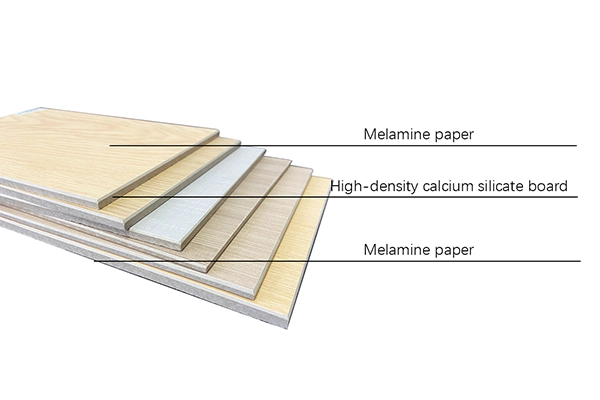
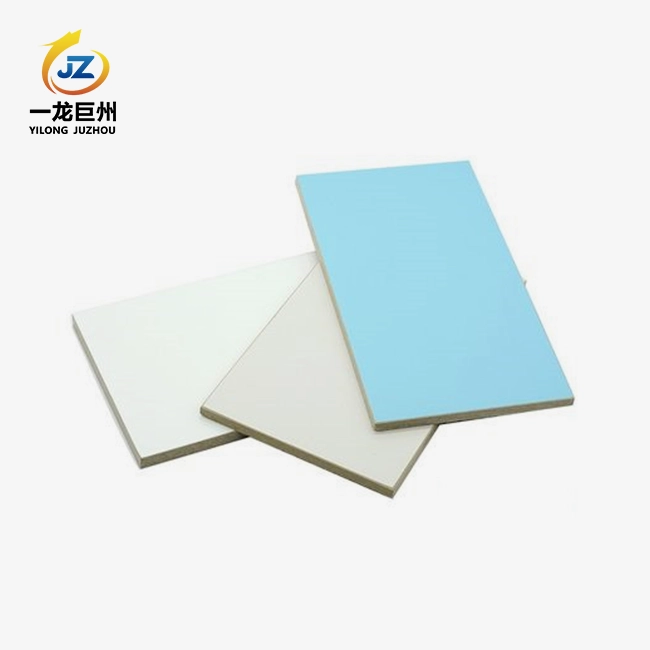
A melamine fireproof board has a calcium silicate base that doesn't catch fire and a decorative layer of melamine paper on one or both sides. In contrast to most particleboard laminates, this setup gets Class A fire ratings by using the naturally flame-resistant mineral board. The calcium silicate core can withstand temperatures above 1000°C without breaking down. The melamine surface, which is fused under controlled heat and pressure, forms a hard, scratch- and water-resistant finish that can be cleaned. This two-layer approach solves a common problem in commercial interiors: making spaces look different without lowering safety standards required by strict fire codes.
The calcium silicate base is made from silica, lime, and reinforcing fibres. This makes a board that doesn't burn or give off harmful fumes. The thermosetting resins in the melamine overlay make a permanent bond with the core. This means that the cheaper composites don't have to worry about delamination. According to ASTM E84 or EN 13501-1 testing, the material has flame-spread indices below 25 and smoke-developed indices below 50. This means it can be used in public exit passageways and enclosed areas where fast flame spread could put lives at risk.
What Are HPL Fireproof Panels?
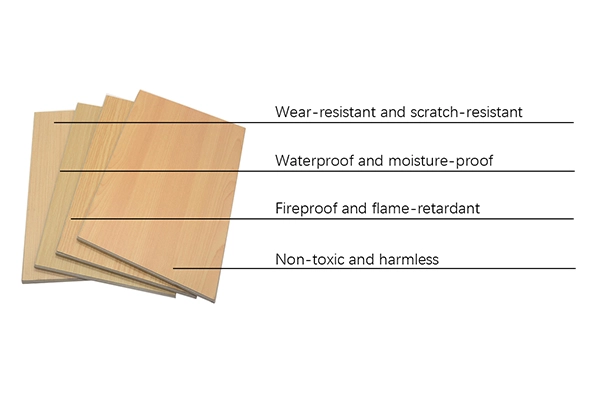
Multiple sheets of kraft paper saturated with phenolic resin are stacked on top of each other to make High-Pressure Laminate (HPL) fireproof panels. These are then covered with a decorative layer made of melamine and pressed together under pressures of over 1000 PSI and temperatures above 135°C. Fire-retardant types have halogen-free chemicals or fibre cement cores that don't burn to stop fires. The material that was made is very hard—often harder than 1350 kg/m³ density—and very durable on the surface; in Taber tests, it can withstand over 400 wear cycles. For example, lift walls and lab tables are great places to use HPL panels because they are both aesthetically pleasing and strong.
Because HPL panels are made with great care, they have tight tolerances on dimensions and the same surface properties across large production runs. This is important for keeping colour consistency in construction projects that are being built in stages. But the paper-based core needs to be carefully sealed around the edges to keep water out, even if flame retardants are used. Over time, this could make the fire less effective.
Fire Resistance Standards and Certifications
Both goods are meant to meet international standards for fire safety, but they do so in different ways. Melamine fireproof boards use the fact that calcium silicate doesn't burn naturally to meet ASTM E136 standards for non-combustible products. This rating is important in places like hospitals and airports where building rules require materials that don't add to the risk of fire. On the other hand, HPL fireproof panels get their Class A or B1 grades by being chemically resistant. When they burn, they make protective char layers that slow the transfer of heat and lower the density of the smoke.
Third-party certifications, such as ISO 9001 for quality management, CE marking for European compliance, and environmental certifications like CARB Phase 2 for low formaldehyde emissions, should be checked by procurement teams. These qualifications show that the production process is rigorous and can be tracked, which is important when projects are put through official bid reviews or audits after they have been completed.
Melamine Fireproof Board vs HPL Fireproof Panels: Performance and Durability Comparison
Mechanical Strength and Thermal Stability
Looking at load-bearing capacity and temperature resilience reveals different performance profiles. The structure of melamine fireproof boards stays strong even when they are very hot, because the calcium silicate core has very low expansion coefficients, even when the temperature changes quickly. This stability keeps the joints from breaking or warping in places where the temperature changes a lot, like industrial kitchens or medical alcoves that are steam-sterilised. The strength of breakage is usually higher than 8 MPa, which is enough for vertical wall cladding without any extra support.
The tightly consolidated resin matrix in HPL panels makes them more resistant to impact than softer surfaces. They can take hits that would dent softer materials. Impact tests in the lab show that they are stronger than 20 kJ/m², which makes them perfect for high-traffic areas where people often bump into each other, like school halls or changing rooms in stores. Even though their thermal expansion rates are low, they are higher than those of mineral-based boards. This means that expansion joints are needed in big setups to keep the surface from bowing.
Durability Analysis: Scratches, Moisture, and Chemicals
How much it costs to maintain a building over its lifetime depends on how resilient its surfaces are to daily wear and tear. The melamine finish on both items doesn't get stained by common things like coffee, ink, and weak acids, but it reacts very differently to water. The edges of melamine fireproof boards are either sealed at the factory or treated in the field with waterproof coatings. This keeps moisture out of the substrate, which would cause it to swell otherwise. This resistance to moisture is very important in cleanrooms for pharmaceuticals and food processing plants that use bleach or quaternary ammonium compounds for cleaning a lot.
Surfaces of HPL panels don't absorb water as quickly, but edges that aren't covered with PVC bands or silicone sealants are still at risk. Edge sealing should be required in wet areas according to the procurement requirements. This will stop the kraft paper core from wicking water, which breaks down fire suppressant chemicals and helps mould grow. Both materials are very stable chemically. For example, the cured melamine surface can handle alcohol-based disinfectants and hydrogen peroxide solutions without getting dull or discoloured, so it stays clean between 10-year service intervals.
Aesthetic Options and Long-Term Maintenance
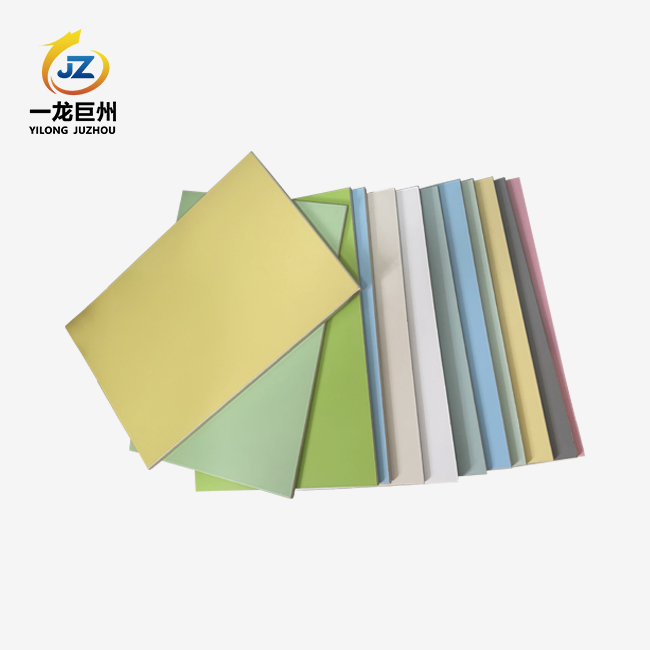
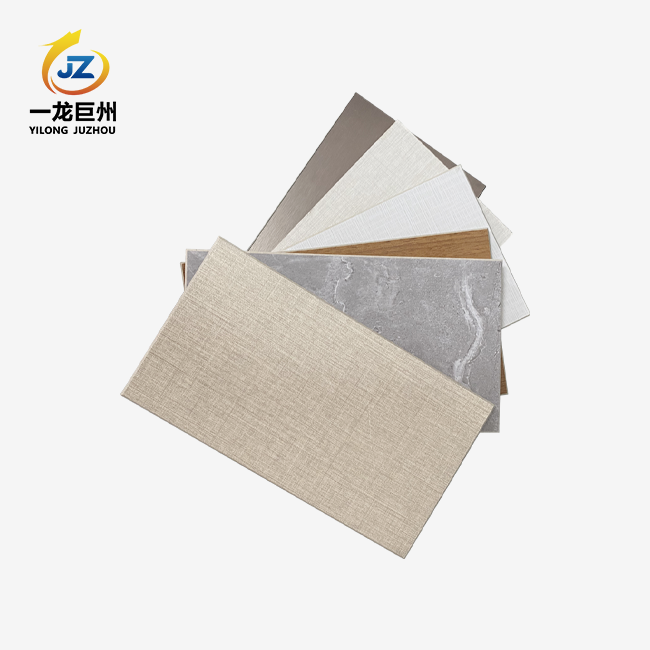
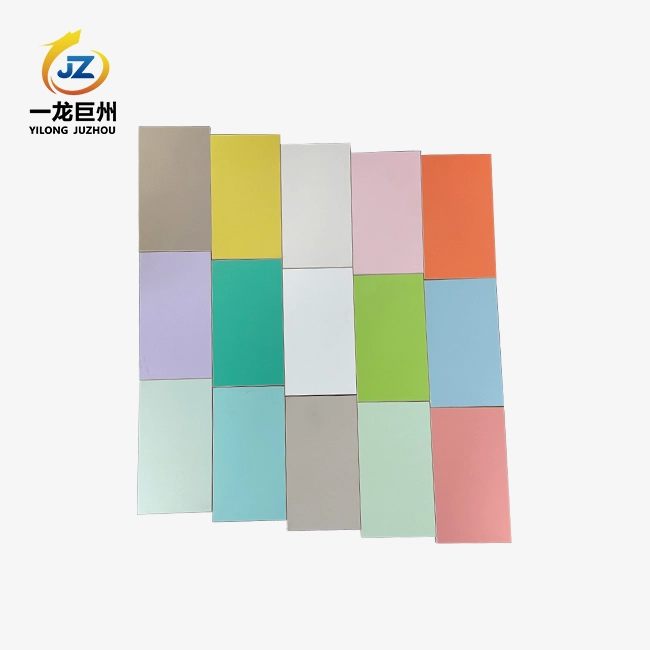
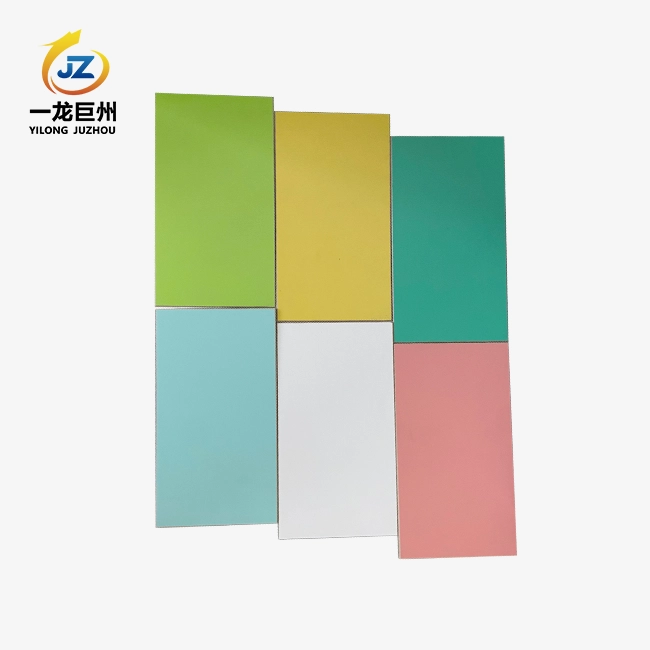
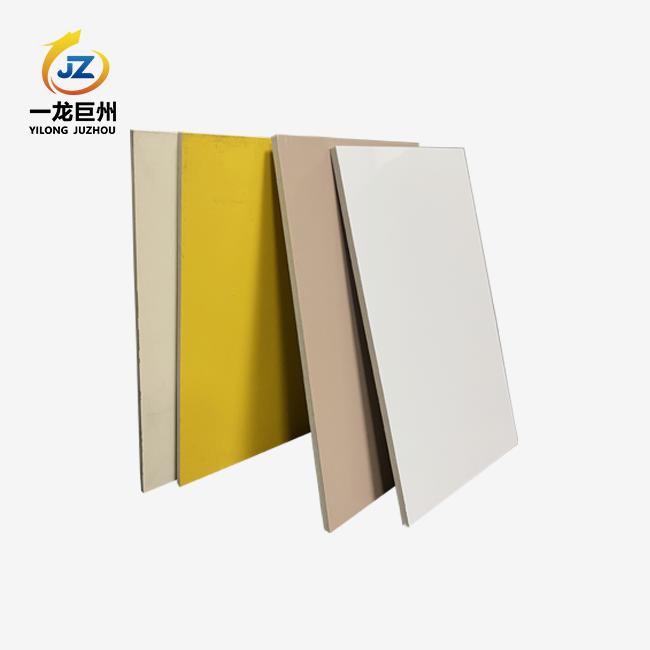
When external branding is important, design freedom affects the choice of materials. YILONG JUZHO U's melamine fireproof boards come in a wide range of pattern libraries, including solid colours, wood grains, marble textures, metallic finishes, and fabric patterns that are used as decorative melamine papers during production. Panels that are 1220 mm wide and 2440 mm long (and can be extended to 3050 mm) can be used from floor to ceiling with few seams, making hallways and meeting rooms feel more connected. There are different thicknesses available, ranging from 4.5 mm to 15 mm. These thicknesses give structural flexibility, matching the weight limits of ceiling grids with the impact needs of wainscoting.
In the same way, HPL panels offer a wide range of design options, and modern printing methods make them look just like natural materials. The thicker multilayer structure, on the other hand, makes it harder to machine than calcium silicate composites; when cutting or routing, makers must use carbide-tipped tools to keep the material from chipping. To keep both materials in good shape, all you have to do is damp-wipe them down with pH-neutral cleaners. Don't use rough powders that damage surfaces. The UV-cured coatings that are put on high-quality melamine boards make the colours last longer and stop phenolic laminates from turning yellow when they are in direct sunlight.
Application Scenarios and Industry Use Cases
Healthcare and Public Infrastructure Facilities
In hospitals and clinics, both fire safety and infection control are important, which makes material selection more complicated. Melamine fireproof boards are 99.99% effective at killing germs thanks to embedded silver-ion technology or photocatalytic coatings. This makes it harder for pathogens to grow on surfaces that get a lot of use, like nurse station tops and hallway wainscots. The smooth, non-porous melamine finish gets rid of grout lines and cracks where biofilm can gather, making it easier to follow the cleaning rules set by infection preventionists.
Both types of materials are used in tube stops and airport hubs to keep people safe. Calcium silicate-based boards have a Class A fire rating that meets NFPA 130 standards for underground transit systems. In these systems, smoke toxicity and flame spread directly affect how well people can get out of the building. The boards are easy for installation teams to work with because the panels can be cut cleanly with standard saws, mounted using pressure-strip systems instead of glue, and weigh less than similar HPL assemblies, which means they put less stress on metal stud framing.
Commercial Construction and Real Estate Development
Hotels and office towers have to balance their design goals with the need to follow building codes. Developers like melamine fireproof boards for renovation improvement projects because they can be put up quickly and don't give off much of an odour, which lets people move in gradually. The material's factory-customised sizes cut down on waste on-site, and the quick-mount installation method saves 30% on labour costs compared to wet-applied finishes that need more time to cure.
High-end store woodwork and lift cab interiors are mostly made of HPL panels, which are more expensive because they are scratch-resistant and stable in size. Because the laminate can be post- formed or bent around radiused corners, it opens up more design options for curved reception desks and column wraps. Lifecycle cost benefits are reported by property managers; the wear-resistant surface delays refurbishment cycles, which more than makes up for the initial premiums through lower downtime and replacement costs.
Industrial and Specialised Spaces
Pharmaceutical and food preparation plants have strict rules about cleanliness and the environment. The Melamine Fire and Ice Board has surfaces that meet FDA standards and don't let mould grow, even when the relative humidity stays at 85% for a long time. The boards can handle the harsh cleaning chemicals and temperature changes that happen in autoclave rooms and cold storage areas because they don't absorb water or rust. Custom panel layouts allow for holes to be cut for conduit and ventilation, keeping the air barrier continuous, which is very important in controlled-atmosphere settings.
The boards' low smoke density and inability to catch fire make them useful for tunnel linings and underground parking structures. Engineers choose calcium silicate surfaces for these uses because they don't add to the fuel load and don't give off toxic gases during a fire. This is in line with life-safety engineering principles that put escape conditions above flame resistance.
Procurement and Cost Considerations for B2B Buyers
Pricing Structures and Lifecycle Value
The initial cost of materials depends on the type of substrate and the complexity of the surface. Standard melamine fireproof boards in plain colours cost $12 to $18 per square metre for a 6 mm thickness. Patterns like wood grain or marble cost $20 to $28 per square metre because of more advanced printing methods. Because the high-pressure lamination process uses a lot of energy and the raw materials are heavier, HPL protective panels usually cost 15 to 25 per cent more.
Lifecycle analysis shows value ideas that aren't obvious. Both materials last longer, so they don't need to be replaced as often. Projects call for 10-15-year service lives, compared to 5-7 years for painted gypsum or vinyl wallcoverings. Maintenance costs go down a lot because melamine surfaces don't need to be refinished. This means that painting workers, volatile organic compound issues, and moving people out are all eliminated. When procurement managers make budgets, they should model the total cost of ownership, which includes the potential cost of not renovating as soon as possible, the speed of installation, and the terms of the guarantee.
Sourcing from Trusted Manufacturers
The ability to produce, the number of certifications, and the speed with which customisations can be made all affect the choice of supplier. The company YILONG JUZHOU has two factories, one in Shaanxi and one in Guangdong. It keeps a 50,000 m² stock of goods ready to ship quickly for large orders. Short production lead times (3–7 days) allow for quick project completion, and the location near the ports of Shenzhen, Guangzhou, and Shanghai makes foreign shipping easier for wholesalers serving markets in the Middle East, Africa, and Southeast Asia.
Check to see if the makers have up-to-date ISO 9001 quality certifications and environmental certifications that are in line with the rules of the market where the product is going (for example, CARB for California, REACH for the EU, and Green Guard for LEED projects). Ask for examples of testing methods that show they meet the fire standards for ASTM E84, EN 13501-1, or GB 8624 in your area. Reliable providers offer technical data sheets in English, CAD details for integrating specifications, and dedicated technical help to solve installation problems during the administration phases of building.
Customisation Options and Order Lead Times
For business projects, custom solutions are needed that go beyond stock sizes. YILONG JUZHOU is open to OEM and ODM partnerships and can engineer panels with specific thicknesses, match colours exactly to RAL or Pantone standards, and create unique surface textures that are in line with brand guidelines. Sample customisation usually arrives in three to five days, giving design teams time to check how mock-ups look before committing to full production runs.
Procurement strategies for melamine paper fireproof wall panels are affected by minimum order sizes and the logistics of shipping. The most cost-effective way to ship goods is by container load; a 40-foot container can hold about 2,500 m² of 6 mm panels. Consignment inventory arrangements are good for distributors that work with regional contractor networks because they free up capital that would otherwise be stuck in stock and make sure that materials are available for quick projects. Quick responses (guaranteed within 24 hours) answer questions about specifications and keep track of the state of shipments, which protects the integrity of the building schedule.
Conclusion
It's important to make sure that the fire performance, longevity, and stylistic goals of both melamine fireproof boards and HPL fireproof panels are in line with the needs of the project. Melamine boards with calcium silicate cores work well in places where they won't catch fire, won't absorb water, and won't harbour bacteria, like hospitals, transit hubs, and industrial cleanrooms. HPL panels have the hardest surfaces and can't be damaged by impacts, making them perfect for commercial spaces with a lot of foot traffic. Both materials meet strict fire codes if they come from qualified producers who can show proof of testing. The success of procurement depends on looking at lifecycle costs, customisation options, and how responsive suppliers are. This way, you can be sure that the solutions you choose will protect people and support your architectural vision in challenging interior environments.
FAQ
1. How do fire resistance levels differ between melamine fireproof boards and HPL panels?
ASTM E136 standards say that calcium silicate surfaces that don't burn or add fuel to fires are what give melamine fireproof boards their Class A grades. Chemical flame retardants in HPL fireproof panels create protective char layers during burning, which is similar to how other fireproof materials are classified. Both meet the code standards, but mineral-based boards are better for high-scrutiny areas like healthcare and transit because they don't catch fire easily.
2. Can these panels be installed in high-moisture environments?
And yes, as long as the ends are properly sealed. Melamine fireproof boards have a mineral core and waterproof coatings on the outside, so they don't absorb water. They can be used in business restaurants and pharmaceutical cleanrooms. In wet areas, HPL panels need PVC edge banding to keep the kraft paper core from swelling up because of the humidity. Both materials can be cleaned regularly with disinfectants without losing their surface.
3. What installation methods ensure optimal fire resistance?
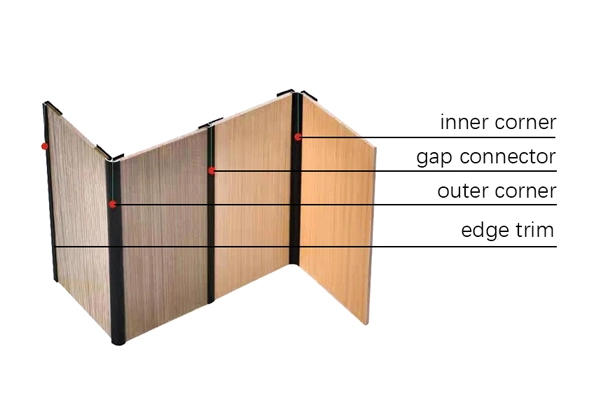
Use pressure strips or hidden clips for mechanical fastening methods that keep the panel in contact with the base without any adhesive gaps that let heat through. Leave 3–5 mm of space between panels for growth, and seal them with fire-resistant intumescent glue. Instead of using exposed fasteners that create thermal bridges to go through panels, use hat-channel furring systems that spread the load across the backs of the panels.
Get Expert Guidance from YILONG JUZHOU for Your Next Project
If procurement managers and design professionals are looking for trusted providers of melamine fireproof board, they can email YILONG JUZHOU's technical team at cnyang2000114@gmail.com to get customised quotes and proof of performance. Our two factories keep a lot of stock, so we can ship orders within three to seven days. Our ISO, CE, and environmental certifications are recognised and trusted in more than 30 foreign markets. You can get free samples to check out the finishes on the surfaces and the strength of the panels, or you can talk to the OEM about customising the panels to meet your specific fire safety and aesthetic needs.
References
1. American Society for Testing and Materials. (2020). ASTM E84 Standard Test Method for Surface Burning Characteristics of Building Materials. West Conshohocken: ASTM International.
2. European Committee for Standardization. (2018). EN 13501-1: Fire Classification of Construction Products and Building Elements. Brussels: CEN Publications.
3. National Fire Protection Association. (2021). NFPA 101 Life Safety Code Handbook. Quincy: NFPA Press.
4. Green Building Council. (2019). LEED v4.1 Building Design and Construction Guide. Washington: USGBC.
5. International Code Council. (2021). International Building Code Chapter 8: Interior Finishes. Country Club Hills: ICC Publications.
6. Underwriters Laboratories. (2020). UL 723 Standard for Surface Burning Characteristics of Building Materials. Northbrook: UL Standards.

Send Inquiry

Related Industry Knowledge
- How Does melamine fireproof board Enhance Interior Fire Safety?
- Where Are Antibacterial Wall Panels Most Commonly Used
- UV Antibacterial panels vs Traditional Wall Panels: Key Differences
- UV Antibacterial panels Durability and Scratch Resistance Explained
- How to Beat the Heat with Aluminium Composite Panels
- How to Prepare Aluminum Composite Material (ACM) for Painting
- Medical Clean Board Features and Benefits Explained
- How to Choose the Right Calcium Silicate Aluminum Composite Board for Your Project
- How do I choose the right aluminum composite panels for my building?
- What safety precautions should I take when cutting aluminum composite panels?