
Where Are Antibacterial Wall Panels Most Commonly Used
July 7, 2026
Antibacterial wall panels are now necessary in places where cleanliness can't be ignored. Most of the time, these special surfaces are used in places like hospitals and surgery rooms for medical care, factories that make medicines, food processing plants, business kitchens, schools, and public transportation systems. Their ability to kill 99.99% of bacteria while still being durable makes them essential for preventing infections and spreading germs in a wide range of business and educational settings.
Understanding Antibacterial Wall Panels: Composition and Functionality
Knowing what makes antibacterial surfaces different is very important when looking at indoor wall options for places where cleanliness is very important. These antibacterial wall panels are a mix of structural engineering and the science of bacterial safety.
What Makes These Panels Antibacterial?
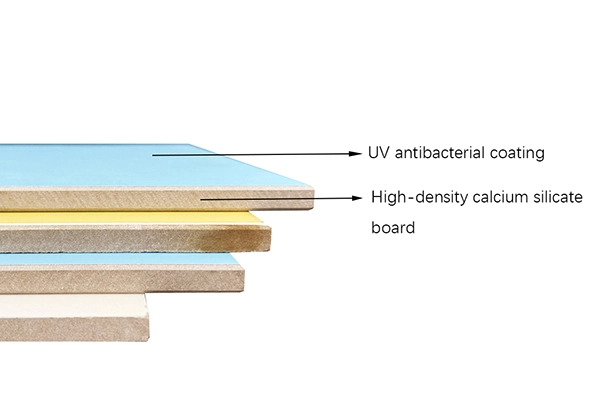
The antibiotic power comes from UV antibacterial paint being put on top of a calcium silicate board base. This cleaning of the surface makes it impossible for microbes to live there without using harmful chemicals. These antibacterial wall panels actively stop germs from sticking to and multiplying on them, unlike passive surfaces that just let you clean them. When exposed to UV light, the coating hardens into a thick, non-porous layer that keeps water out and fills in tiny gaps where germs like to live.
The efficiency of our screens comes from the materials we use. The calcium silicate core keeps the structure strong and prevents fires, meeting GB8624 non-combustible Class A standards. The UV antibiotic top layer goes through ultraviolet fixing, which joins the polymer chains together to make a finish that lasts a very long time. During production, this method gets rid of volatile organic compounds. This makes sure that the finished product doesn't give off any benzene or other dangerous chemicals.
How Do They Function in Real-World Conditions?
Performance goes beyond tests in the lab and into tough operating settings. The screens can be cleaned many times with hospital-grade germ-killers, quaternary ammonium compounds, and chlorine-based germ-killers without losing their shine. Their resistance to moisture keeps mold from growing even in places with a lot of humidity, like business restaurants or pharmaceutical cleanrooms.
Impact resistance keeps equipment from smashing into each other, which can happen in healthcare hallways and food processing plants. The UV-cured surface keeps its color even when it is constantly exposed to cleaning products and UV light. This means that standard wall covers won't fade or change color. Because they last longer, places don't have to repair them as often, which lowers their lifecycle costs.
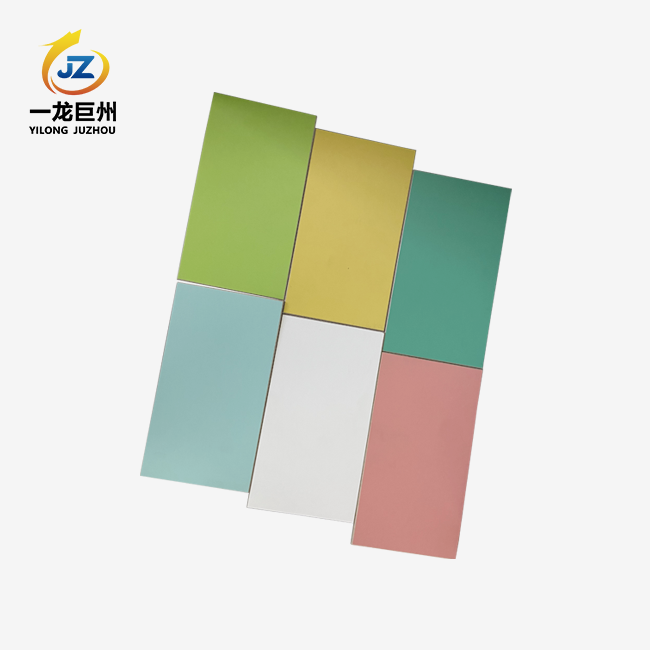
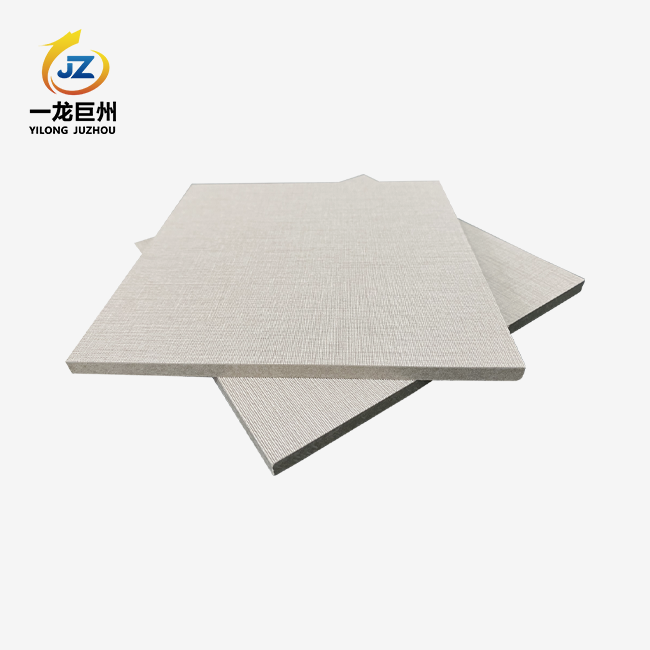
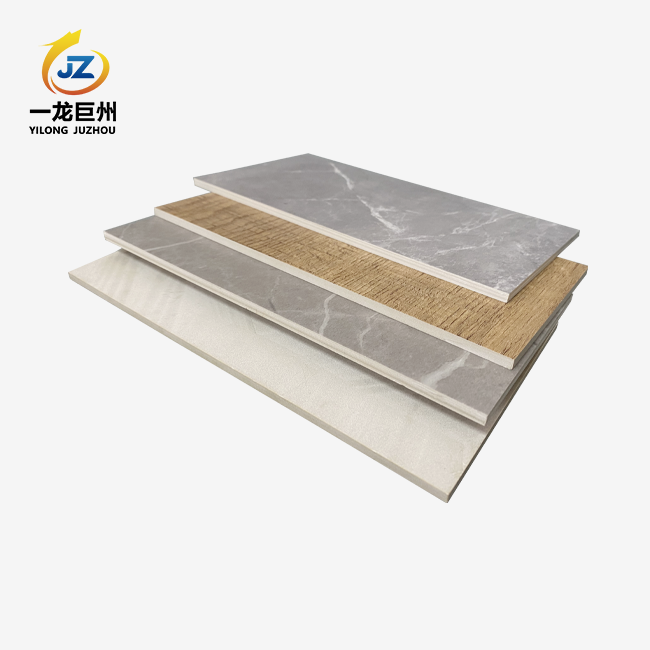
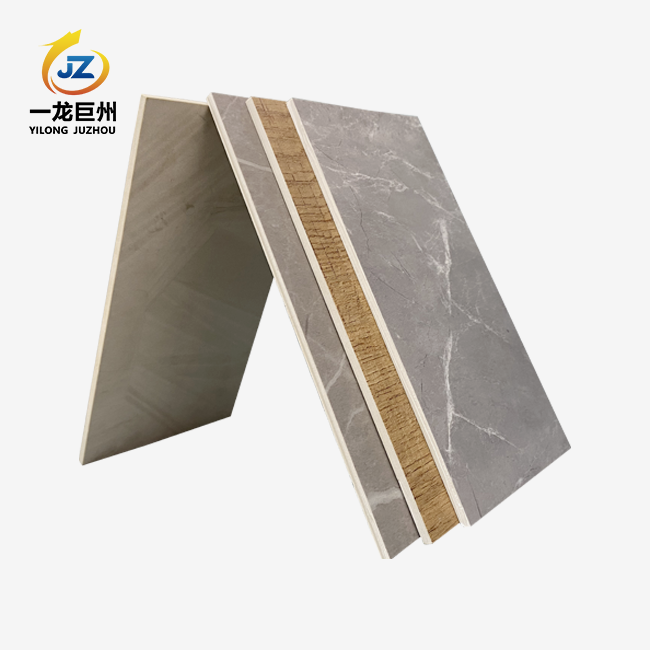
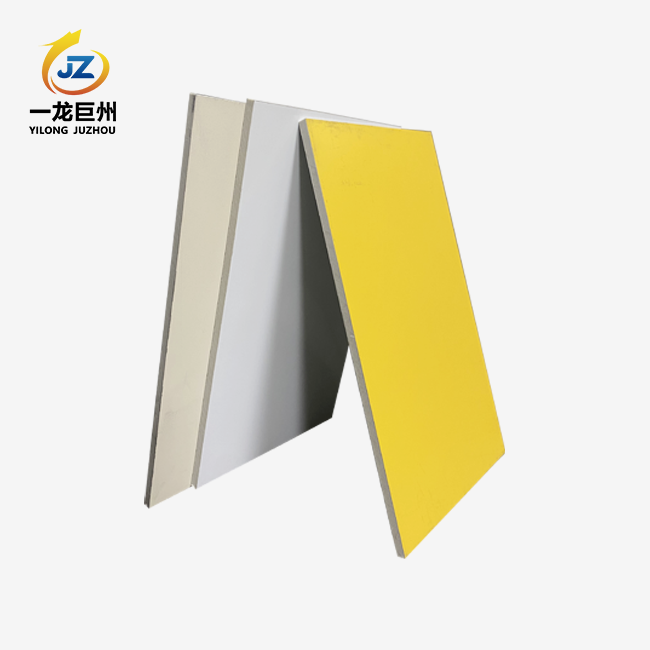
With standard widths of 1220 mm and lengths of up to 3050 mm, these antibacterial wall panels come in a range of thicknesses, from 4.5 mm to 20 mm. They can also be made to fit a wide range of design needs. Surface finishes include plain colors, woodgrain patterns, shiny effects, and fabric looks, so designers can be creative without losing sight of how well the surface cleans.
Key Application Areas for Antibacterial Wall Panels
Procurement teams can make smart investments in building equipment when they know where these antibacterial wall panels will give them the most value.
Healthcare Facilities and Medical Environments
There is always pressure on hospitals to cut down on healthcare-associated diseases. Surfaces that can withstand strict sterilization procedures are needed in operating rooms, urgent care units, patient recovery areas, and medical aesthetic centers. These antibacterial wall panels make wall systems that are smooth, so there are no grout lines or other surface flaws where germs can grow.
When it comes to animal-borne diseases, pet hospitals have their own problems. Because the antibacterial wall panels are easy to clean and won't get scratched by animals, they are perfect for veterinary exam rooms and operating rooms. In the same way, dental clinics gain because the antibacterial wall panels can handle being cleaned many times between patients' visits.
Pharmaceutical and Food Production Facilities
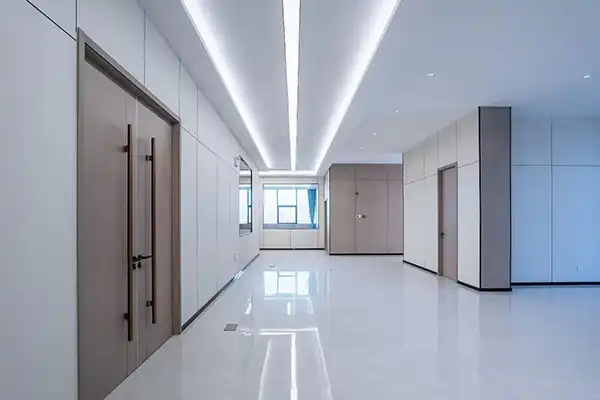
Controlling contamination in pharmaceutical production must meet the norms of Good Manufacturing Practice. Cleanrooms need wall systems that don't create any particulate matter and can handle chemical spills from production. Our antibacterial wall panels create sealed walls that are necessary to keep drug mixing areas under tight control.
Food processing companies have to follow HACCP and FSMA rules, which say that surfaces must be clean and not absorbent. When working with raw proteins, dairy products, or fresh produce, production areas need walls that can handle the heat from hot water washdowns and keep Listeria and Salmonella from growing. The antibacterial wall panels' smooth placement gets rid of cracks where dirt and other organic matter can gather, making it easier to check for cleanliness.
The rules for commercial kitchens in hotels, restaurants, and school cafeterias are pretty much the same. Splash zones near cleaning stations and food prep areas are better off with these antibacterial wall panels because they are waterproof and don't react with chemicals that are used to cut grease.
Educational and Public Infrastructure Settings
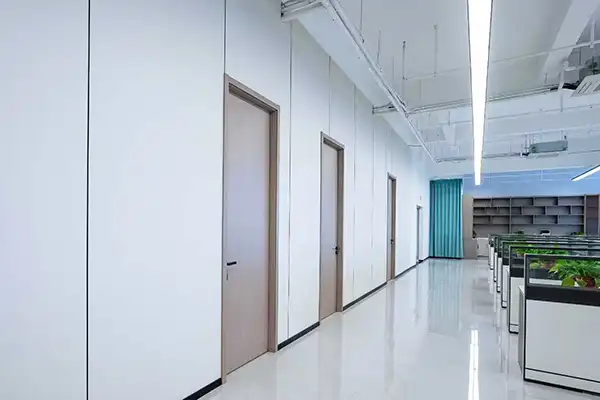
Schools and daycares need surfaces that are long-lasting, clean, and safe for children and adults who are easily hurt. Easy-to-clean walls help keep germs from spreading in places like cafeterias, bathrooms, and nurses' offices, especially when it's cold or flu season.
With a lot of people walking through them and few repair windows, public transit systems, like tube stops, have their own problems. The antibacterial wall panels are resistant to contact and easy to clean, which allows for quick turnaround cleaning while keeping the antibacterial wall panels' good looks. Shopping malls and sports grounds both benefit from surfaces that meet both the needs for cleanliness and good design.
As part of health efforts at work, more and more government buildings and offices have antibacterial surfaces. More safety is added to conference rooms, public waiting areas, and restrooms against the spread of seasonal illnesses.
Industrial and Specialized Applications
Tunnels and other underground buildings have to deal with water getting in and not enough airflow. Because the walls are resistant to mold and fire, they can be used in transportation systems where strict safety rules apply to passengers.
Antimicrobial surfaces are becoming more popular in bathrooms, laundry rooms, and kitchens because people know how useful they are. The quick installation method using pressure strips minimizes building damage, letting people move in right away without worries about off-gassing.
Antibacterial Wall Panels vs. Alternative Wall Coverings: Making Informed Choices
When making a procurement choice, it helps to clearly compare the options that are offered and what they will mean in the long run.

Performance and Maintenance Comparison
Bathrooms and kitchens have traditionally used ceramic tile to keep them clean. But grout lines need to be maintained all the time, and germs can live in them even after being cleaned very well. Putting in tiles takes skilled workers and longer building schedules. Our antibacterial wall panels don't need any grout at all, and they last just as long as other panels while costing less to install.
Epoxy glue gives a smooth finish, but it breaks down when chemicals are used over and over again. Painting every year causes problems and releases VOCs while the paint is drying. The antibacterial properties of the UV-cured antibacterial wall panels last as long as they are used, so they don't need to be reapplied or give off dangerous fumes.
Vinyl wall covers come in many patterns, but seams can be seen, and edges can lift in places that get a lot of moisture. They aren't built to be fire-resistant, which is required by business building rules. Our antibacterial wall panels have Class A fire ratings and are great at keeping out wetness, which keeps the base from getting damaged.
Fiberglass-reinforced walls can be used in some situations, but they usually don't have antibacterial qualities built in. Adding antibacterial drugs as extra solutions doesn't always work and doesn't last very long. Our production process embeds antibacterial protection all the way through the top layer so that it works the same way every time and for a long time.
Cost Analysis and Lifecycle Value
The cost of materials per square meter is only one part of the total cost of the job. When compared to tile setting or specialized painting skills, our quick pressure-strip method saves both time and skilled labor, which has a big effect on the budget.
Over the life of a building, maintenance costs add up. Traditional materials that need to be deep cleaned once a year, painted every so often, or grout replaced create ongoing costs. Our antibacterial wall panels and medical antibacterial boards only need to be cleaned regularly with common disinfectants, so we don't need to pay for any special care contracts. Because they don't break easily when hit, they save money on repairs for wall damage that happens a lot in high-traffic healthcare areas.
Long-term planning takes into account replacement rounds. Every three to five years, paint needs to be redone, and plastic covers wear out after seven years. Our antibacterial wall panels keep working well for decades, and we back up our three-year quality promise with setups that have been tested in the field. This durability lowers the cost of getting rid of trash and keeps operations running smoothly during renovations.
Procurement Considerations for Antibacterial Wall Panels
For strategic sourcing to work, you need to know what your suppliers can do, what your product requirements are, and what factors affect the success of the project completion.
Supplier Evaluation and Quality Assurance
Shaanxi Yilong Juzhou Material Technology Co., Ltd. has two production sites that can hold more than 50,000 square meters of goods between them. This two-facility system in Shaanxi and Guangdong provinces makes sure that large-scale projects can keep getting supplies and that urgent needs can be met quickly. Tight building plans can be met with production lead times of three to seven days.
Certifications back up claims of efficiency. Our screens are certified by the China Environmental Protection Standard, the ISO quality management system, and the European market with the CE marking. Lab tests done by a third party prove the 99.99% antibacterial rate against common germs. This is proof that is needed for bids and regulatory approval.
Customizing samples lets procurement teams see real goods before committing to buying them. We send free samples within three to five days so that you can see for yourself how the surface finishes, colors match, and measurements are accurate. This hands-on review lowers the specified risks that come with buying something based only on technical data sheets.
Custom Solutions and Installation Support
OEM and ODM services can be tailored to the needs of each project. Custom sizing goes beyond standard measurements and takes into account building features like curvy walls or ceiling heights that aren't standard. Color matching helps with brand name needs in business buildings or maintaining the building's look when it's being renovated.
Technical help starts while the specifications are being made. Our team helps builders and engineers turn performance requirements into the right panel choices, thickness standards, and designs for mounting systems. This early involvement stops expensive changes in the middle of a project.
Logistics and Delivery Planning
Installation instructions make sure that the job is done right. The factory-customized pressure strip mounting method makes work easier in the field, but it's still important to prepare the base properly and treat the seams properly. We give you full instructions on how to install our products and can help you with big jobs right where you are. Support like this cuts down on guarantee claims caused by bad fitting.
Freight prices are best when the sending origins can be changed based on geography. Plans for the U.S.: Guangdong goods may be shipped to the West Coast through Shenzhen or Guangzhou ports, while goods may be sent to the East Coast through Shanghai or Qingdao. You can choose to ship by land from Xi'an, Guangzhou, Shenzhen, or Foshan for grouped packages or orders with a mix of materials.
Lead time planning takes into account delivery times, customs clearing, and production plans. Our 24-hour response time to questions lets us quickly quote and confirm orders. By timing deliveries with building milestones, storing problems, and weather exposure risks on the job site can be avoided. A medical clean board ensures stable supply integration within project requirements.
Conclusion
In conclusion, antibacterial wall panels are very important in the education, healthcare, pharmaceutical, food preparation, and public building industries. Their mix of proven antimicrobial performance, long-lasting structure, fire protection, and design freedom meets a wide range of needs that standard wall coverings simply can't meet. Facility managers, architects, and building teams can make better choices that improve cleanliness, lower lifetime costs, and support operating excellence when they understand application settings, performance comparisons, and sourcing issues. As antimicrobial technology improves and environmental concerns change, these antibacterial wall panels will continue to change to meet higher standards and provide real value in a wide range of business and educational settings.
FAQ
1. What environments benefit most from antimicrobial wall systems?
Strict rules about preventing infections and pollution make healthcare facilities, pharmaceutical cleanrooms, and food preparation plants very valuable. There are also big gains in hygiene in schools, public transportation, and business kitchens.
2. How do these panels compare in cost to ceramic tile installations?
The prices of the materials are comparable, but the savings from assembly are big. Setting tiles takes more time and skilled labor than placing pressure strips. Antibacterial wall panels have lower lifecycle costs because they don't need to be maintained like grout does, and they last longer before they need to be replaced.
3. What certifications should procurement teams verify?
To make sure a product meets local building rules for fire protection, antimicrobial tests according to ISO 22196, and low VOC emissions, look for environmental certificates. Third-party lab results from approved facilities are very important for confirmation.
4. Can these panels be installed in occupied facilities?
They are perfect for repair jobs because they can be installed without leaving any smell and can be used right away. When compared to renovations that involve a lot of demolition, the pressure-strip method causes less inconvenience, so facilities can stay open during upgrades.
Partner with a Trusted Antibacterial Wall Panel Manufacturer
YILONG JUZHOU can help you with your next project because he has been working in material technology for 20 years. Our antibacterial wall panels have been tested and shown to work well. They can also be customized to fit your needs, and we have two production sites to guarantee a steady supply. We make it easier to buy surfaces that protect your building and the people who work there by offering ISO and CE certifications, three-year quality guarantees, and expert help from specification to installation.
Get a free sample of our UV antibacterial treatment today to see how well it works and how accurate the measurements are. Email our team at cnyang2000114@gmail.com to get quotes that are special to your project's needs, number needs, and delivery schedule. Our quick response time and proven product performance will help you succeed, whether you need OEM solutions for one-of-a-kind uses or standard setups for quick launch.
References
1. Centers for Disease Control and Prevention. (2019). Guidelines for Environmental Infection Control in Health-Care Facilities. Atlanta: U.S. Department of Health and Human Services.
2. American Society of Healthcare Engineering. (2021). Surface Materials and Infection Prevention: Selection Criteria for Healthcare Facilities. Chicago: ASHE Publications.
3. Food Safety Magazine. (2020). Hygienic Wall Systems for Food Processing Environments: Compliance and Performance Standards. Glendale: The Target Group.
4. International Organization for Standardization. (2018). ISO 22196: Measurement of Antibacterial Activity on Plastics and Other Non-Porous Surfaces. Geneva: ISO Standards.
5. Building Research Establishment. (2022). Fire Performance and Antimicrobial Properties of Interior Wall Systems. Watford: BRE Publications.
6. Journal of Hospital Infection. (2021). Impact of Antimicrobial Surface Coatings on Healthcare-Associated Infection Rates: A Meta-Analysis. London: Healthcare Infection Society.

Send Inquiry


Related Industry Knowledge
- What Are The Advantages of an exterior ACP Sheet?
- PE Aluminum Composite Board Sheet: Sizes, Specs and Uses
- The Benefits Of Antimicrobial Wall Cladding For Hygienic Spaces
- Unlock the Power of Aluminium Composite Panel
- What is the difference between an aluminum composite panel and an aluminum sheet?
- Where to buy aluminum composite panel?
- Print on Aluminum Composite Panel: A Modern Twist on Traditional Wall Art
- The Importance of Adhesion Testing for ACM Panels as Painting Supports
- What are the common issues faced during aluminum panel installation, and how to avoid them?
- How to cut an aluminum composite panel?