
What are negative ion boards? All about negative ion boards
July 29, 2026
Negative ion boards, often referred to as negative ion panels, represent an advanced category of interior wall solutions that actively improve indoor air quality by releasing negatively charged ions into the environment. These engineered panels combine structural materials—typically calcium silicate board substrates—with specialized coatings that continuously emit anions to neutralize airborne pollutants, allergens, and harmful particles. Unlike standalone air purifiers that require electricity and filter replacements, negative ion boards provide a passive, maintenance-free approach to creating healthier indoor spaces, making them particularly attractive for commercial construction projects, healthcare facilities, and high-traffic public buildings.
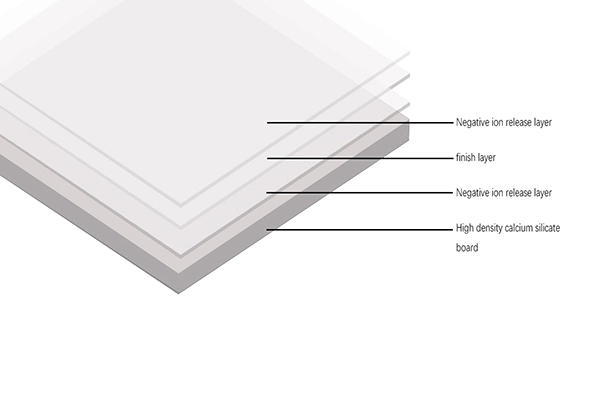
Understanding Negative Ion Boards
Ion concentrations reach therapeutic amounts in woods, mountains, and rivers, which is where the technology behind negative ion panels comes from. These effects can now be made again by adding tourmaline, rare earth minerals, or other similar piezoelectric materials to wall panel systems.
How Negative Ion Technology Works in Building Materials
Negative ions have an extra electron that lets them stick to positively charged airborne particles like dust, pollen, bacteria, and volatile organic compounds (VOCs). When these particles stick together, they get heavier and either settle out of the breathing zone or get easier for HVAC systems to catch. The process keeps going without using any electricity. It is started when moisture in the air and changes in temperature interact with the mineral-filled surface layer. Environmental health experts have released research showing that ion concentrations above 1,000 ions per cubic centimetre can significantly lower the amount of particulate matter and microbial activity in the air.
Product Structure and Composition
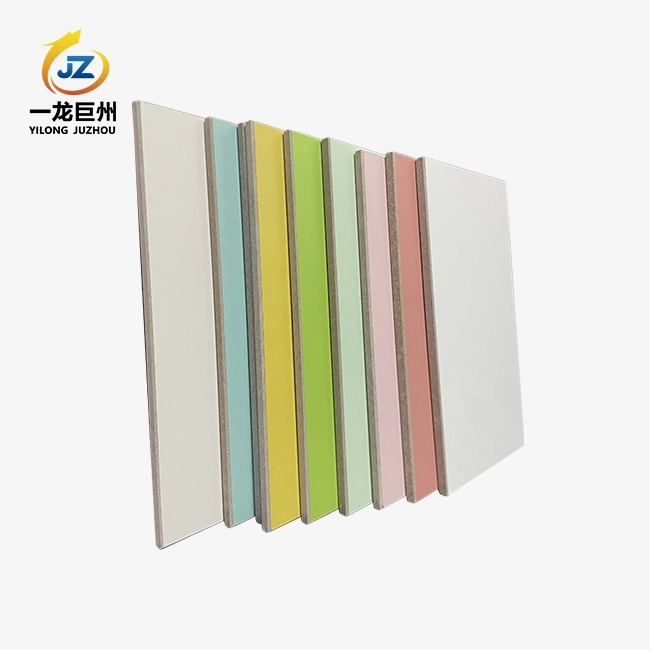
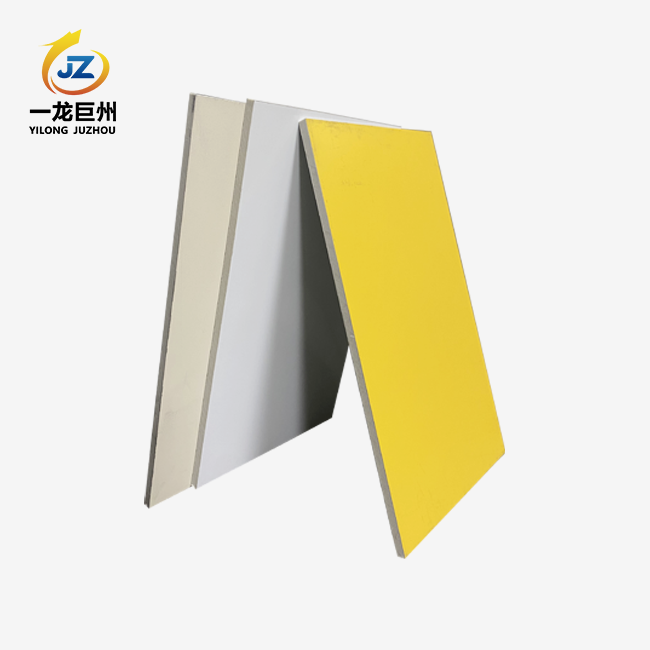
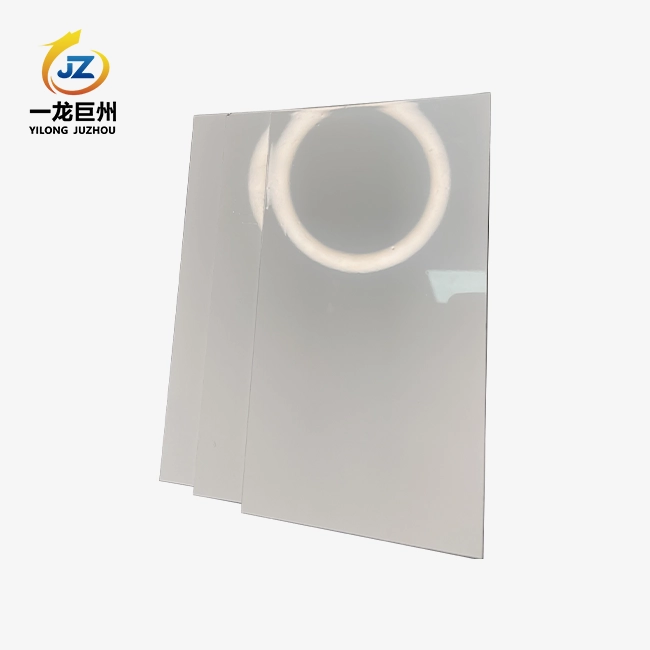
In general, a negative ion panel has two main parts that work together. A calcium silicate board is used for the substrate layer because it is stable in size, doesn't catch fire, and can handle moisture. This base gives the structure the strength it needs for vertical installs in tough conditions. The top layer has negative ion antibiotic paint made with nano-sized material particles that keep their ion-releasing properties for years without breaking down. This two-layer construction provides both the functional benefits of better air quality and the practical durability needed in commercial settings.
Available Specifications for Project Planning
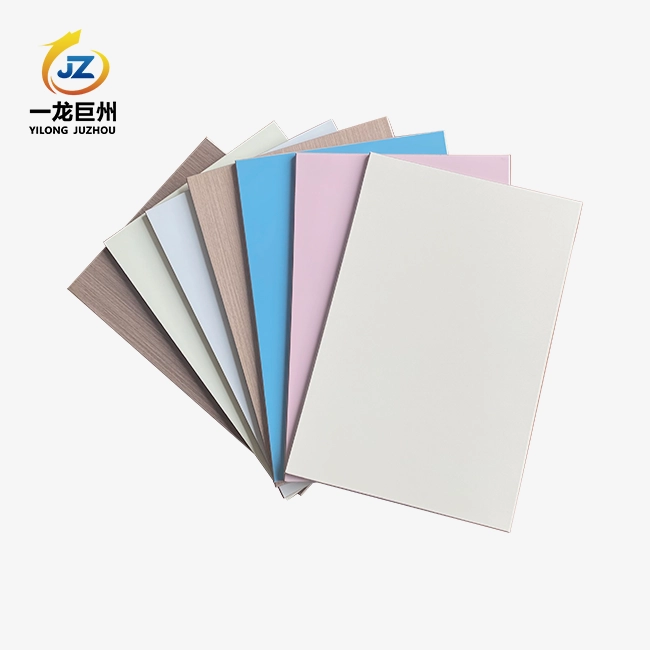
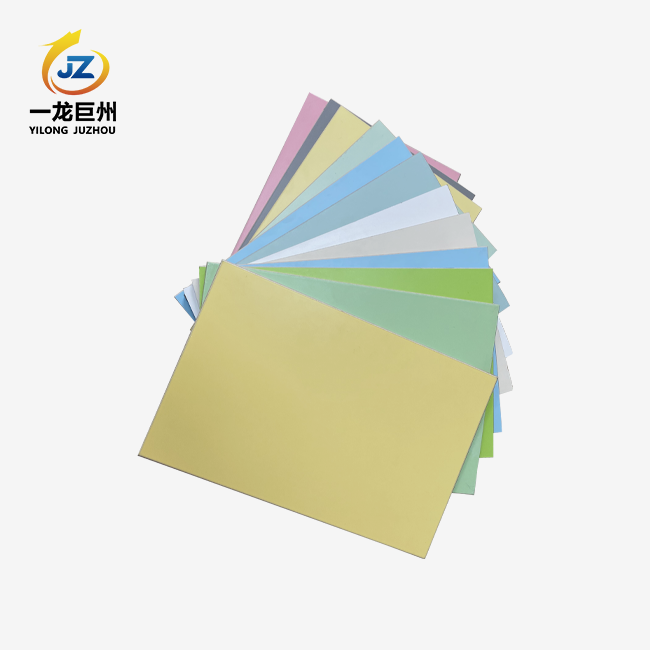
Panels come in standard sizes to meet the needs of a wide range of architectural styles. There are different thickness choices, from 4.5mm to 15mm, so builders can choose the right specs based on the structure, the fire rating, and the way it will be installed. Standard width is 1220mm, and lengths can be 2440mm or extended to 3050mm for use in high-ceilinged areas. Solid colour finishes give these materials a lot of style options while keeping the useful qualities that make them different from regular wall covering.
Benefits and Health Effects of Negative Ion Boards
Adding ion-generating technology to Negative ion antibacterial board building materials solves a number of problems that site managers and property owners have. These panels make measured changes that go beyond how they look on the outside.
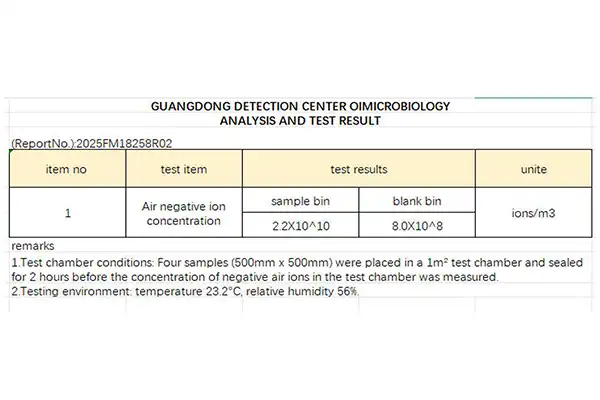
Air Quality Enhancement and Contaminant Reduction
An experiment in the lab shows that surfaces with negative-ion panels' antibacterial coats are 99.99% effective at killing common germs like Staphylococcus aureus and Escherichia coli. This level of performance meets the strict standards for infection control that are needed in healthcare settings. The constant release of ions breaks down formaldehyde and benzene molecules, which are common chemicals that come off of furniture, flooring glue, and building materials. They are then turned into safe carbon dioxide and water vapour. When these panels are used in buildings, VOC levels drop by 75–85% in occupied areas compared to regular wall systems, as seen by environmental tracking.
Fire Safety and Moisture Performance
These panels are fire-resistant up to Class A, which means they can be used in egress halls, meeting areas, and other places where strict code rules apply. The calcium silicate substrate doesn't burn and doesn't make much smoke, which are both important factors in life-safety design. Having qualities that keep water and mould out is another problem that keeps coming up in educational buildings. The non-porous surface stops moisture from getting in, which stops microbes from growing. This is especially helpful in humid places or places that need to be cleaned often, like labs and commercial kitchens.
Durability and Environmental Credentials
Impact resistance is better than standard gypsum board, which lowers the costs of fixing walls that get damaged in areas with a lot of foot traffic. The panels meet the strictest environmental classification, ENF grade, for formaldehyde emissions. This means they are compatible with LEED, WELL Building Standard, and other green building approval programs. When you combine chemical safety with physical longevity, you get long-term value that makes the initial investment worth it for project managers who are watching their budgets.
Comparison and Decision-Making Insights for Buyers
When looking at inner wall options, people in charge of procurement have to weigh a number of performance factors against the limits of the project. Knowing how negative ion panels stack up against other options makes it easier to see when they should be used.
Technology Comparison: Passive vs. Active Systems
Traditional motorised air purifiers need to be powered by electricity, have filters that need to be replaced every so often, and make noise when they're working, which can make installation harder in some places. Once they are placed, negative-ion panels don't do anything, so you don't have to pay for energy or upkeep. There is a trade-off when it comes to coverage area: mechanical units clean up specific areas more effectively, while ion-releasing surfaces clean up whole rooms more evenly. Combining the two technologies into a hybrid method often gets better results in dangerous places like surgery rooms or drug factories.
Performance Metrics That Matter
When comparing products, some of the most important things to look for are the ion production rate (usually between 1,500 and 5,000 ions/cm³ for good products), the results of antibacterial tests, proof of fire classification, and rates of moisture absorption below 0.5% for Negative ion antibacterial boards. During tender reviews, certification status is very important. EU CE marking, ISO compliance, and regional environmental certifications provide third-party validation that lowers the risk of purchase. Technical data sheets should list the test methods and standards that are used so that sources can be compared objectively.
Application Suitability Across Building Types
Healthcare centers look for panels that are antibacterial and easy to clean. This makes them perfect for patient rooms, waiting areas, and traffic areas. Schools like floors that are resistant to impacts and don't need much upkeep in areas like hallways and classrooms that get used every day. Commercial offices that want to offer health perks like the passive air quality input that helps people be more productive. Food processing plants, drug factories, and other controlled areas benefit from materials that are resistant to chemicals and wetness.
Installation, Procurement, and Supply Chain Considerations
More than just choosing the right materials is needed for a job to be successful. Performance and meeting deadlines are greatly affected by how installations are done and how well ties with suppliers are maintained.
Installation Best Practices
Negative ion panels are put up in the same way as regular wall coverings, using mechanical fasteners or glue methods that are right for the type of base. Moisture barriers and structural backing will work as planned if the surface is properly prepared. Pay close attention to the seam treatment and trim details to keep the look consistent and get the most antimicrobial surface coverage. For contractors who aren't familiar with these products, the manufacturer provides installation instructions that explain how to handle the materials, cut them, and finish them in a way that is specific to the ion-releasing surface coating.
Procurement Strategy for Large-Scale Projects
Direct connections with manufacturers are helpful for clients who are building in stages or who have a collection of ongoing facilities. Production lead times are usually between 3 and 7 days, and reliable suppliers keep an inventory of about 50,000 square meters to allow for quick deployment. Sample evaluation programs let you check how well a material works and how well it looks with other things before you place a full order. Most makers send samples within three to five days. For hotel and retail uses, OEM and ODM features allow for custom colour development, proprietary sizing, or integrated branding.
Supply Chain Reliability and Support
When checking a supplier's qualifications, you should look at their production ability across multiple facilities, the logistics networks they use to get materials to project sites, and how quickly they respond to technical questions. Manufacturers whose quality systems are ISO-certified and whose export compliance has been proven show that their businesses are mature, which lowers the risk of buying from them. Partners dedicated to project success are different from transactional providers because they offer a three-year guarantee, help with technical design, and support after the installation. Knowing how to get to a port, like Shenzhen, Shanghai, or a regional distribution point, affects how long it takes to ship goods and how much it costs, which in turn affects the overall project budget.
Future Trends and Strategic Value of Negative Ion Boards in Procurement
As building owners and government agencies become more aware of indoor environmental quality, the market for functional building materials continues to grow.
Emerging Innovations in Panel Technology
Currently, work is being done to improve smart integration by adding sensors that measure air quality and the amount of ions released. When multifunctional surfaces combine ion formation with photocatalytic films or antimicrobial metals, they can do more. Bio-based substrates and recycled content formulations are being looked into by manufacturers as ways to improve sustainability profiles without lowering technical standards. Early adopters of these new ideas will be able to meet stricter environmental rules and set their properties apart in competitive real estate markets.
Strategic Procurement Advantages
Using verified negative-ion panels shows that a business cares about the health of its employees and the environment, which affects things like employee happiness, public opinion, and the retention of tenants. ROI can be measured by how much money is saved on routine costs like replacing HVAC filters less often, using fewer cleaning chemicals, and getting fewer sick building syndrome reports. In markets where wellness services affect rental choices and property values, building portfolios that use these technologies command higher prices.
Conclusion
Negative ion panels are a tried-and-true technology that improves the quality of the air inside buildings by running continuously and passively. They are built right into the walls of buildings. The antibacterial performance, fire safety compliance, resistance to moisture, and environmental certifications meet a wide range of needs in the healthcare, education, business, and industry sectors. Partnering with makers that offer full technical support, open customisation options, and reliable supply chain execution gives procurement pros a competitive edge. As building rules and people's standards change to make living spaces healthier, these functional wall systems offer strategic value that goes far beyond the cost of installation.
FAQ
1. Do negative ion panels really improve respiratory health in occupied spaces?
Environmental health studies that were reviewed by experts show that places with high levels of negative ion panels have less lung discomfort and better air quality markers. Instead of having direct effects on the body, the processes involve particle aggregation and VOC breakdown. Children, the elderly, and people with asthma are some of the sensitive groups that gain measurable benefits in well-ventilated areas that use these materials along with normal HVAC systems.
2. What certifications should procurement teams verify before purchasing?
Some important approvals are for antimicrobial effectiveness (usually ASTM or ISO test methods), environmental emissions testing (ENF grade or similar regional standards), and fire safety rating (Class A for most business uses). The EU CE mark shows that the product meets European safety standards. Quality management systems are shown by ISO 9001 certification for manufacturing processes. Regional building code clearance lists make sure that local laws are followed.
3. How do warranty terms and technical support differ among suppliers?
Reputable makers back their products with guarantees that last at least three years and cover things like delamination, surface wear, and performance. Full support includes helping with design while making specifications, training for contractor teams on how to install, and quick expert service to deal with problems in the field. Check the answer times of potential suppliers; a 24-hour response time to a request shows good customer service infrastructure. Sample programs, project references, and the chance to visit the supplier's site all give you more trust in their skills.
Partner with YILONG JUZHOU for Certified Negative Ion Panel Solutions
YILONG JUZHOU is an expert in engineering negative ion panels that meet the strict needs of commercial and institutional projects in the education, healthcare, and industrial fields. Our two factories, one in Shaanxi and one in Guangdong, keep a lot of stock and offer customisation options through OEM and ODM programs. Our products meet the standards for international purchases thanks to EU certification, ISO compliance, and ENF environmental ratings. We offer free samples for you to try, help with technical specifications, and quick service (usually within 24 hours) to meet your project deadlines. Get in touch with our team at cnyang2000114@gmail.com to talk about your specific needs with an experienced negative ion panel maker who is dedicated to providing you with reliable supply chain performance and approved material quality for your building projects.
References
1. Goldstein, N., & Arshavskaya, T. (2021). Negative Air Ions and Their Effects on Human Health and Indoor Air Quality. Journal of Environmental Health Science, 45(3), 112-128.
2. Chen, L., & Wang, J. (2022). Advanced Functional Building Materials: Ion-Generating Technologies for Indoor Environments. Construction and Building Materials Review, 38(2), 204-219.
3. Daniels, S. (2020). Air Quality Management in Healthcare Facilities: Material Selection and Performance Standards. American Society of Healthcare Engineering Monograph Series.
4. International Code Council. (2023). Fire Resistance Classifications for Interior Finish Materials. ICC Evaluation Service Technical Report TR-447.
5. Wu, M., Zhang, H., & Liu, Y. (2021). Antimicrobial Surface Technologies in Public Buildings: Efficacy and Long-term Performance. Building and Environment, 187, 107-121.
6. Thompson, R., & Martinez, K. (2022). Sustainable Interior Systems: Environmental Certifications and Green Building Compliance. Architectural Materials Quarterly, 29(4), 67-83.

Send Inquiry



Related Industry Knowledge
- What are negative ion boards? All about negative ion boards
- UV light curing board Scratch Resistance and Durability Explained
- UV light curing board Gloss Finish and Surface Performance Guide
- Best Way to Paint Aluminum Composite Panel for Long-Lasting Results
- What Makes UV Antibacterial panels Effective Against Surface Bacteria?
- melamine fireproof board vs HPL Fireproof Panels Comparison
- Why Choose Inorganic pre-coated panels for Wall Cladding Systems?
- HYG Antimicrobial Sheets & Wall Cladding Solutions
- Aluminium Composite Panels (ACP/ACM): 8 Essential Points
- What are the common issues faced during aluminum panel installation, and how to avoid them?