
UV light curing board Gloss Finish and Surface Performance Guide
July 20, 2026
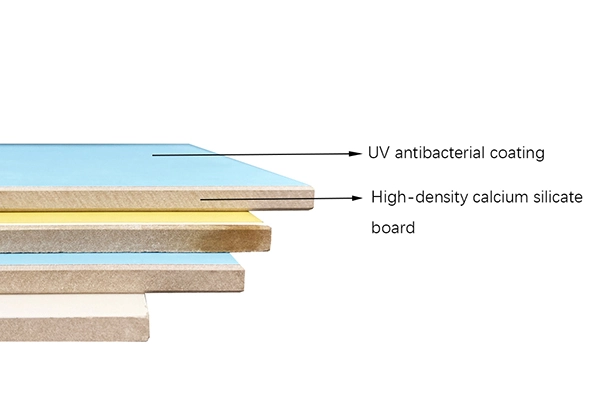
When choosing wall panels for healthcare facilities with a lot of foot traffic or clean industrial settings, UV light curing boards offer a unique blend of glossy looks and long-lasting performance. Ultraviolet light is used to quickly cure antibacterial coatings on calcium silicate substrates. This makes a dense, non-porous surface that kills 99.99% of bacteria while still meeting GB8624 Class A fire protection standards. The shiny finish not only makes the surface look better, but it also makes it easier to clean and helps the color last longer in harsh environments.
Understanding UV Light Curing Technology and Gloss Performance
What Makes UV Curing Different from Traditional Finishes?
The way we put protection coats on wall panels has changed a lot because of UV light curing technology. Traditional paint methods depend on evaporation or rust to dry, which can take hours or days. Photochemical processes set off by high-intensity ultraviolet lights cause polymerization to happen completely in seconds. Cross-linked molecular chains are made by this process. They give the surface a very high hardness, usually between 3H and 5H on the pencil hardness scale.
The calcium silicate base in these panels keeps their shape and doesn't catch fire easily, which makes it perfect for places where both safety and looks are important. Together with UV antibacterial treatments, this creates a wall system that meets strict cleanliness standards without sacrificing looks.
How Does Surface Gloss Affect Performance Characteristics?
Surface smoothness is directly related to gloss measurement, which is given in gloss units at a 60-degree angle. Most high-gloss UV light curing boards are more than 90 GU, which makes them reflect light like a mirror and makes rooms brighter. In healthcare settings, where good lighting affects both patient ease and clinical accuracy, this optical feature is especially important.
In addition to how it looks, the gloss finish affects how well it works in real life. The tightly healed surface doesn't have many tiny depressions where germs, dust, or water could gather. This makes cleaning procedures more effective and lowers the chance of bacterial colonization, which is a very big problem in places like operating rooms, drug factories, and food processing plants.
Key Variables Influencing Final Surface Quality
The final gloss level and surface function are determined by a number of scientific factors. How well a UV lamp sticks to a surface is affected by how strong it is, which is measured in watts per centimeter. When there isn't enough energy, polymerization stops before it's finished, which makes the material sticky or less resistant to chemicals. Long-term color stability and resistance to yellowing are affected by the chemistry of the coating mixture, such as the choice of photoinitiator and the makeup of the resin base.
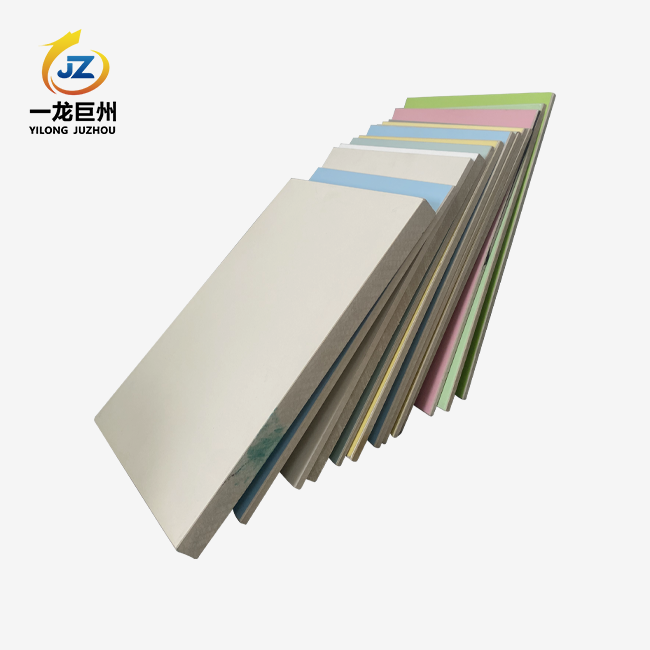
The environment at the time of entry is also important. Changes in temperature and humidity can affect how thick and how easily a layer flows before it cures. Professional makers keep these factors within very small ranges, which ensures that the results are the same from one production batch to the next. With panel thicknesses ranging from 4.5 mm to 20 mm, specifications can be changed to fit different building needs and ways of fitting.
Performance Advantages in Commercial and Institutional Applications
Hygiene Benefits for Healthcare and Food Processing
It has been proven that the antibacterial layer cuts down on bacterial populations by 99.99%, which meets the strict cleanliness standards of medical centers. The UV-cured layer creates a constant shield that germs can't get through, unlike painted surfaces that have tiny holes that can let them in. In places like operating rooms, urgent care units, and clean rooms where following infection control rules is important, this trait comes in very handy.
Food preparation companies are also at risk of getting contaminated with the UV light curing board. The chemical resistance means that it can stand up to repeated use of disinfecting agents, and the moisture- and mold-resistant qualities stop fungi from growing in damp places. The glossy, smooth surface doesn't let dirt or other contaminants hide, and it's easy to clean between shifts, which helps with HACCP compliance and regulatory checks.
Durability Under High-Traffic Conditions
Public infrastructure buildings are always under mechanical stress from people walking on them, tools touching them, and upkeep work. The impact strength of these panels keeps walls from getting cracks and surface dents that look bad and are hard to clean. The hard, finished surface doesn't wear down easily when cleaned over and over, so the gloss stays high for a long time after installation.
Another useful feature is that it keeps its color. Because of the lighting and climate, traditional painted walls in train stops and shopping malls often fade or change color within months. Because the curing process locks pigments into a solid polymer matrix, UV light-cured boards keep their colors. This makes things last longer, which cuts down on upkeep needs and overall costs for property managers who are in charge of several buildings.
Installation Efficiency and Project Timeline Benefits
When compared to tile or regular wall systems, the quick pressure strip fitting method requires less work. Customization at the factory means that panels are cut to size before they arrive at the job site, which cuts down on waste and construction on-site. Installers can put panels straight on bare walls, so there's no need for multiple steps to prepare the foundation.
This efficiency is especially important for staged building projects where delays can cause plans to slip. A hospital makeover that doesn't need to affect nearby operating rooms too much can benefit from quick installation, which cuts down on noisy building times. Because it doesn't smell and can be used right away, rooms can go back to normal without having to wait for off-gassing to finish, which keeps the facility running smoothly.
Technical Comparison: Gloss vs. Alternative Finishes
Surface Characteristics and Aesthetic Applications
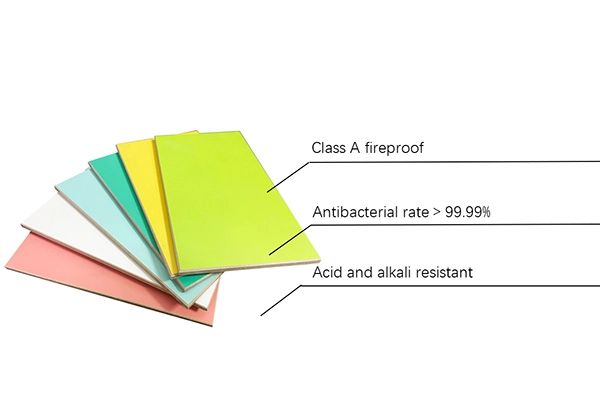
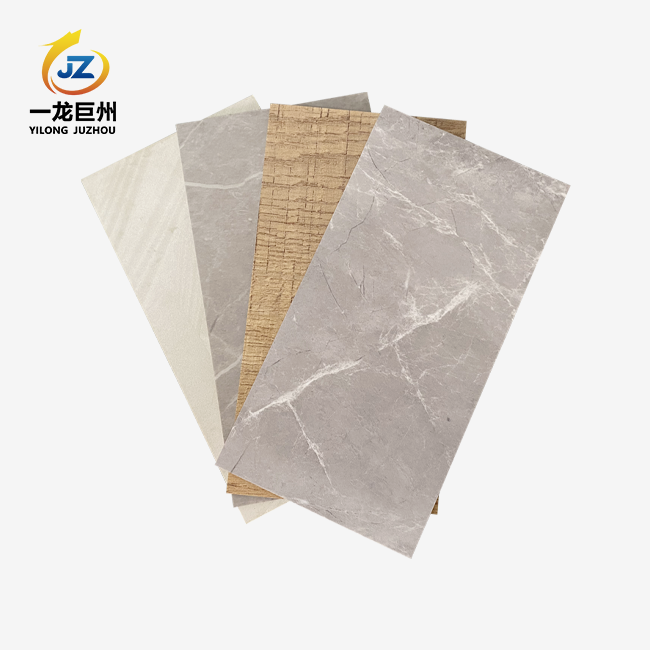
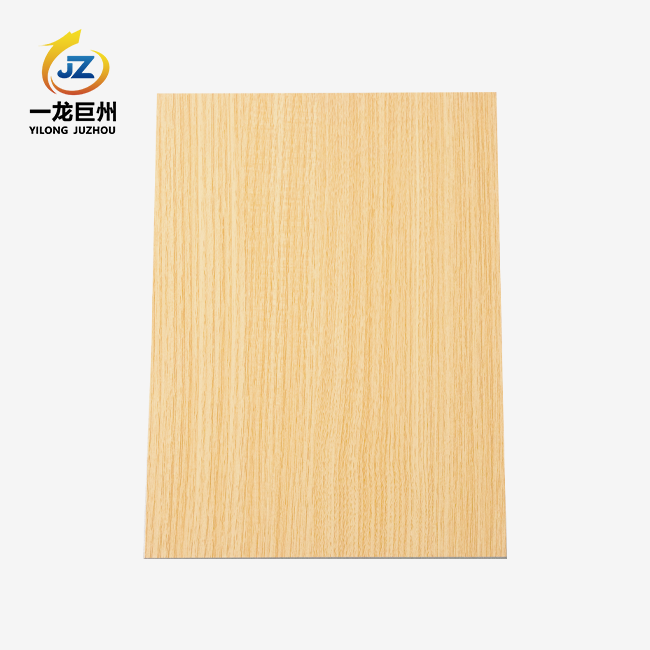
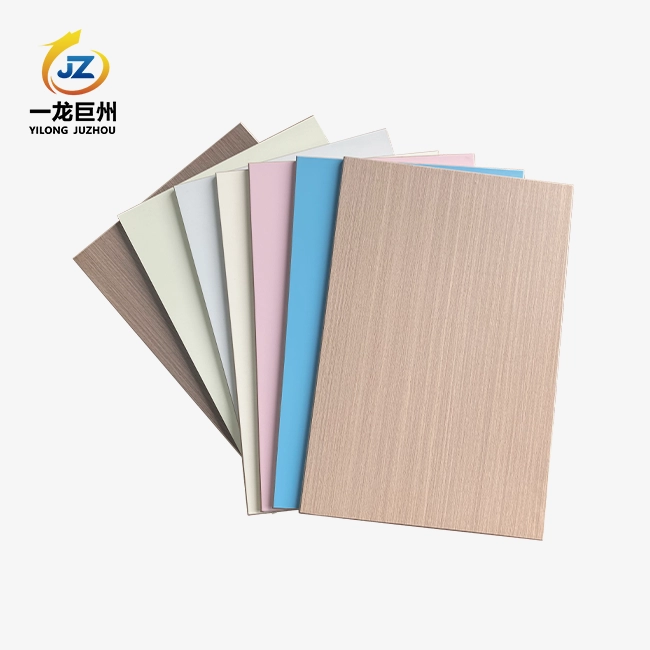
Gloss finishes add depth to the visual experience and reflect light, making hallways and waiting rooms seem bigger. Because of this, they are perfect for business offices and stores where the atmosphere affects how customers feel. You can choose from a variety of colors, such as solids, woodgrain patterns, marble effects, shiny finishes, and cloth textures, so you can make designs that fit different building styles.
Matte or smooth finishes reduce glare, but they show dirt and wear patterns more clearly in areas that get a lot of use. Small flaws are hidden by the glossy surface, and dirt doesn't show up between cleanings. This practical factor often takes precedence over aesthetic tastes in settings that value low upkeep.
Curing Speed and Production Economics
Traditional heat-cured methods take 20 to 40 minutes to finish, but UV antibacterial wallboard UV fixing only takes 2 to 5 seconds. This shorter processing time directly affects the amount that can be made. When purchase contracts include penalty terms for schedule slippage, a facility that makes 50,000 square meters of inventory can complete large projects with shortened delivery times. This gives the facility a big competitive edge.
Compared to other technologies, UV technology uses less energy. Even though the lamps cost more at first, they use fewer kilowatt-hours per square meter because they don't have to heat for as long. Environmental effect studies show significantly lower VOC emissions because UV coatings contain few solvents. This is in line with the standards for green building certification that are becoming more and more common for public construction projects.
Durability Metrics That Matter to Procurement Teams
Adhesion quality, which is checked using cross-hatch methods according to ISO 2409, tells us if coats will come off when exposed to heat changes or water. Grade 0 or 1 grades are given to premium UV light-curing boards, which means that the coating and calcium silicate base stick together very well. This stops the peeling that happens with cheaper options after 18 to 24 months of use.
Common cleaning agents, such as hospital-grade disinfectants, alkaline degreasers, and acidic sanitizers, are used to test the surface's chemical resistance. Normal paints dull or stain when exposed to these things every day, but UV-cured coats keep their gloss and color. This proof of success should be in the technical data sheets that are given out when bids are being evaluated.
Selection Criteria for Procurement Professionals
Matching Panel Specifications to Project Requirements
The choice of thickness is based on the needs of the structure and the soundproofing. A 6mm panel is enough for most business spaces with standard framing. For better soundproofing in medical imaging rooms or shared office walls, choose a 12mm or thicker panel. The normal width is 1220 mm, and the length is 2440 mm, which is enough for most building modules. However, custom sizes up to 3050 mm in length can be made to fit specific architectural needs.
Pattern choice affects how visible upkeep is. Woodgrain or marble designs that aren't smooth are less likely to show scuffs and touch marks than solid colors. Pharmaceutical plants and labs usually choose light, solid colors that reflect light well and make it easier to find contamination. Hotel hallways may choose patterns that look nice to hide minor wear between renovations.
Certification Requirements and Compliance Documentation
For projects that have to follow the International Building Code or the fire marshal's rules, getting fire resistance approval to GB8624 non-combustible Class A standards is a must. Not just maker statements, but also certified test results from well-known labs should be required by procurement standards. Environmental approvals that say the building has low VOC levels and no benzene or formaldehyde help it get LEED or WELL Building Standard points.
Quality management system certifications, like ISO 9001 for consistent output and ISO 14001 for environmental management, show that a provider can be trusted. Materials used in patient care parts of healthcare buildings often need to meet more FDA or similar regulations. Claims about how well an antibiotic works must be backed up by tests that follow the JIS Z 2801 or ISO 22196 guidelines. The test results can then be looked over by the government.
Total Cost Analysis Beyond Unit Price
Life-cycle economics looks at more than just the initial prices of UV panels. When compared to tile or standard plasterboard finishing, which needs more than one trade, the pressure strip method saves money on project costs by cutting down on installation labor. The three-year quality promise guards against failure before its time, but regular upkeep makes it last much longer than the warranty period.
The modeling of maintenance costs should take into account the fact that the non-porous surface makes cleaning less often necessary. A hospital hallway that needs to be mopped every day with gloss UV panels instead of twice a day for painted walls saves a lot of time and money on cleaning supplies and labor. Avoiding repainting for 10 to 15 years cuts down on both material costs and facility damage, which are big problems for repairs that happen while the building is still occupied.
Emerging Innovations Shaping Future Specifications
Advanced Coating Chemistry and Smart Surface Technologies
The main goal of resin research is to make pure white walls in labs and clean rooms less likely to turn yellow. LED UV lamps are used in new photoinitiator devices to cure efficiently. These lamps use 30–40% less energy than mercury vapor lamps. These improvements in chemistry keep or raise gloss levels while also addressing worries about sustainability.
Adding antibacterial agents to the coating matrix, instead of just treating the surface, makes the hygiene qualities last longer. Some makers are looking into photocatalytic coatings that break down organic pollutants when they come into contact with light. This makes surfaces that clean themselves and cuts down on the need for upkeep. These new ideas are in line with the growing focus in healthcare on improving the efficiency of environmental services.
Digital Manufacturing and Customization Capabilities
Integration of Industry 4.0 makes it possible to do small-batch customization and fast prototyping, which were not possible with standard production methods. Custom images can be printed directly on panels before they are UV-cured. This can be used for wayfinding, branding, or therapeutic art in pediatric centers. Healthcare systems that want to standardize visual identity across various facilities are interested in this possibility.
OEM and ODM relationships help make products fit the needs of certain regulatory areas. A wholesaler that works with the healthcare industry in the Middle East might need labels that are written in Arabic and fire tests that are specific to that area. On the other hand, European partners would need CE marking and EN standard compliance. These changes can be made with flexible production methods that don't need a lot of retooling.
Sustainability and Circular Economy Considerations
There is more and more pressure on the building industry to lower embodied carbon and support material flows that go in a circle. Manufacturers of UV light curing boards are looking into bio-based plastic options to acrylics made from petroleum in order to keep performance levels high while lowering their carbon footprints. Calcium silicate surfaces are already better than materials that use a lot of energy, like aluminum composite panels.
Design for removal is driven by concerns about end-of-life. When panels are put up with mechanical fastening systems instead of glue, they can be taken down without damaging them during repairs. This makes them suitable for reuse or responsible recycling. This is especially important for institutional clients that have to follow sustainability rules or meet the upkeep standards for green building approval.
Conclusion
When choosing UV light curing boards with the right gloss finish, you have to weigh the needs for function and appearance. The technology offers clear benefits in terms of cleanliness, longevity, and ease of installation, which solve important problems in areas like healthcare, food processing, and public infrastructure. Life-cycle cost analysis and technical proof through the right certifications help buyers make smart choices that save money on both short-term project costs and long-term running costs. As coating chemistry and production options keep getting better, these wall systems will stay an important part of modern building design.
FAQ
1. How does gloss level affect cleaning and maintenance protocols?
Because dirt can't get through the non-porous layer, high-gloss surfaces don't get dirty easily and are easier to clean. Normal medical cleaners, like quaternary ammonium compounds and sodium hypochlorite solutions, can be used on the surface without making it dull. Abrasive pads harm lower-hardness surfaces, but microfiber cloths or soft sponges keep things looking nice without scratching them.
2. Can UV panels withstand steam cleaning in food facilities?
When properly cured, UV coatings are immune to water and heat, so they can be cleaned with steam every so often. However, makers should confirm the temperature ranges that are safe. The calcium silicate layer doesn't let water in, so it doesn't delaminate or swell as MDF-based alternatives do in places with a lot of moisture.
3. What customization options support unique project requirements?
OEM services offer unique sizes up to 3050 mm long, color matching to building palettes, and pattern creation for branded settings, in addition to standard sizes and color catalogs. Free sample apps let you try things out in real life before making big purchases. This lowers the risk of making bad choices for projects that need specific looks or performance.
Partner with YILONG JUZHOU for Premium UV Wall Solutions
YILONG JUZHOU has factories in the provinces of Shaanxi and Guangdong, where they make their products. They keep 50,000 square meters of ready-to-use goods and can make special orders in 3–7 days. Our UV light curing board supplier has ISO and CE certifications, and our goods have been used in hospitals, drug plants, tube systems, and business projects in more than 30 countries. Technical support teams help with writing specifications, giving advice on installation, and making sure that compliance paperwork is ready for bidding processes.
Our engineering team turns your needs into the best solutions, whether you need sanitary panels for healthcare settings, fire-resistant panels for public infrastructure, or custom finishes to make your building stand out. To get technical data sheets, set up sample orders, or talk about volume prices for multi-phase projects, email our buying experts at cnyang2000114@gmail.com. We offer flexible operations across North American markets thanks to our seaport access through Shenzhen, Guangzhou, Shanghai, and Qingdao.
References
1. Chen, W., & Liu, H. (2021). UV-Curable Coatings: Technology and Performance Characteristics. Journal of Surface Engineering Materials, 15(3), 234-248.
2. International Code Council. (2021). International Building Code: Fire Resistance Requirements for Interior Finishes. ICC Publications.
3. National Institutes of Health. (2020). Antimicrobial Surfaces in Healthcare Environments: Efficacy and Implementation. NIH Public Health Reports, 135(4), 512-527.
4. Robertson, G. L. (2022). Food Processing Facility Design: Hygiene and Material Selection. Woodhead Publishing Series in Food Science.
5. Society for Healthcare Epidemiology of America. (2019). Environmental Infection Control in Healthcare Facilities: Surface Selection and Maintenance. SHEA Practice Guidelines.
6. Zhang, Y., Wang, K., & Thompson, R. (2023). Advances in UV Curing Technology: Chemistry, Equipment, and Industrial Applications. Progress in Organic Coatings, 178, 107-124.

Send Inquiry


Related Industry Knowledge
- Why Choose ice fireproof board for Industrial Wall Protection?
- Aluminium Composite Panels (ACP/ACM): 8 Essential Points
- The Benefits Of Antimicrobial Wall Cladding For Hygienic Spaces
- Top 10 Tips for Working with Aluminum Composite Material Panels
- What are the key steps for installing aluminum composite panels?
- Innovative Coated Aluminum Composite Panel Projects to Transform Your Space
- Where to buy aluminum composite panel?
- Print on Aluminum Composite Panel: A Modern Twist on Traditional Wall Art
- How do I choose the right aluminum composite panels for my building?
- How Antibacterial Wall Panels Improve Hygiene in High-Traffic Areas