
Best Way to Paint Aluminum Composite Panel for Long-Lasting Results
July 18, 2026
Painting aluminum composite panel requires more than just surface-level application in order to achieve long-lasting, bright results. The best way is to choose modern coating systems, mostly PVDF or polyester paints, that are applied using industrial roll-coating methods when panels are being made. This makes sure of even coverage, better adhesion, and weather resistance that you can't get by DIY or after installation. Common problems like peeling, chalking, and color inconsistency can't happen with pre-coated panels. This is why they are the standard for commercial construction, healthcare facilities, and high-traffic interiors that need to last.
Understanding Aluminum Composite Panel Painting
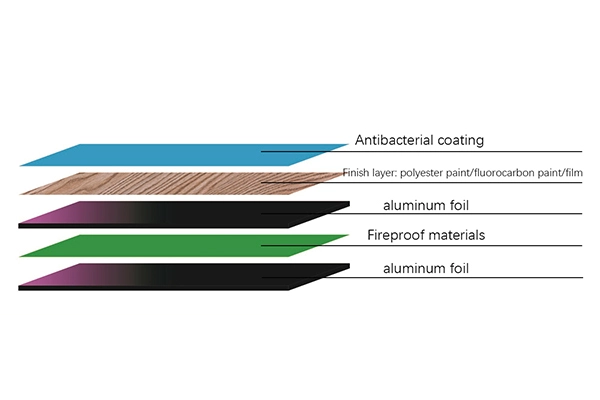
Painting aluminum composite panels changes them from useful building materials into solutions that look good and work well. These panels are made up of two layers of aluminum that are bound to a refractory core. During production, a polyester paint layer is added to the top of the panels. Unlike alternatives that aren't painted or anodized, painted ACPs have special coatings that make them last longer, resist weather better, and be used in more design options.
What Defines a Quality-Painted ACP?
The coating system determines how long the panel will last. Most high-performance painted panels have polyester or PVDF finishes that are put on using continuous coil-coating technology. This method makes sure that the thickness of the whole surface is the same, which is usually 25 to 35 microns. This makes a barrier that protects against UV radiation, water getting in, and chemical exposure. Pencil hardness grades for good painting panels range from H to 2H, so they don't get scratched when they're being handled or put up.
Key Benefits Beyond Aesthetics
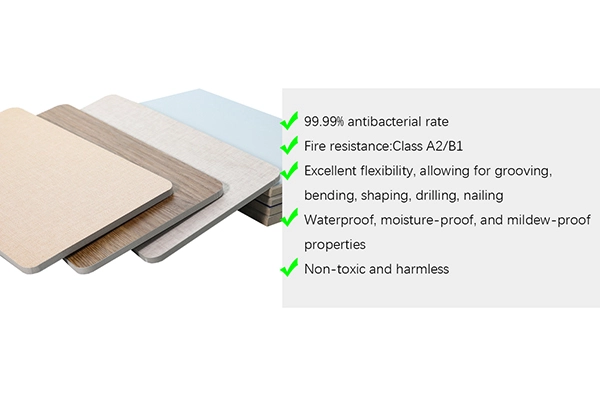
Architects and artists are interested in color customization, but procurement teams are more interested in the useful benefits. Painted aluminum composite panels are fire resistant to Class A2 or B1, which means they meet strict building codes in places like schools, hospitals, and public buildings. The waterproof and mildew-resistant features make sure that medical facilities and food processing plants follow cleanliness standards. These panels remain formaldehyde-free and odorless, which is in line with environmental protection standards that are being asked for more and more in government contracts.
Environmental Considerations in Coating Selection
Sustainable practices now affect the choice of materials used in business projects. Compared to older paints that were built on solvents, modern polyester paints produce fewer volatile organic compound emissions. Companies like YILONG JUZHOU use painting methods that are good for the environment and don't hurt it too much while still meeting performance standards. This mix is good for LEED-certified projects and buyers who want to use green building materials without lowering the scores for durability or fire safety.
Step-by-Step Guide: Best Practices for Painting Aluminum Composite Panels
To get professional results, you need to know the difference between coatings that are applied in the factory and painting that is done on-site. Most business-to-business buyers get panels that have already been painted, but facility managers sometimes need touch-up techniques or custom applications for renovation projects.
Surface Preparation: The Foundation of Longevity
Cleaning the surface very well is the first step to good bonding. Industrial-grade degreasers get rid of the oils, dust, and other impurities that keep paint from sticking. Using a 220-grit abrasive for light sanding makes micro-textures that help things stick together mechanically. Using a conversion coating or a primer made especially for aluminum substrates will make sure that the metal and topcoat stick together chemically. This multi-step preparation lowers the chance of delamination that happens when finishes are applied quickly.
Selecting Optimal Paint Systems for Commercial Use
Acrylic paints work well enough for indoor uses where UV light isn't a problem, but their gloss retention decreases after five to seven years. Polyurethane coats make surfaces more resistant to chemicals, making them good for industrial settings where cleaning agents are often used. PVDF fluoropolymers are the best option for painting aluminum composite panels because they keep more than 80% of their gloss after 15 years of being outside. The higher cost is worth it because it requires less upkeep and lasts longer between replacements, especially for the fronts of high-rise buildings and transport hubs.
Application Techniques That Ensure Uniform Coverage
Spraying gives the most consistent results, especially when HVLP (High Volume Low Pressure) systems are used to cut down on overspray and waste. Professional applicators stay 6 to 8 inches away from the panel's surface and use thin coats instead of thick layers all at once. This method stops runs, sags, and uneven drying that hurt the fabric's look and its ability to protect it. Before adding the next layer, each coat needs to dry completely, which usually takes 4 to 6 hours at room temperature. Two to three coats are needed for a good fit, and the total thickness must meet factory standards.
Maintenance Protocols for Extended Service Life
Painted panels in areas with a lot of foot traffic should be cleaned every three months with pH-neutral soaps and soft brushes. Over time, harsh abrasives and alkaline cleaners break down the structure of coatings. Touch-up kits with color-matched paints can fix small scratches, but deep gouges might need to be fixed by a professional. Facility managers should write down when panels are cleaned and what they find during inspections, because regular maintenance makes panels last 30% longer than setups that aren't taken care of.
Comparing Painted vs. Unpainted Aluminum Composite Panels: What Buyers Need to Know?
Understanding the performance trade-offs between coating options and how they affect the product's lifecycle is key to making decisions about what to buy.
Durability Metrics That Matter in Commercial Settings
Painted panels are better at withstanding UV light because good coats lower color shift (Delta E) to less than 5 units after ten years. When aluminum with a mill finish is exposed to water and industrial pollutants, it oxidizes within months, leaving spots on the surface that are very expensive to fix. According to ASTM B117 salt spray standards, painted panels can withstand corrosion for more than 3,000 hours without the substrate breaking down, while untreated aluminum can only do so for 500 hours. Coating systems also make mechanical wear resistance better because they absorb small hits that would otherwise dent the metal that is visible.
Cost Analysis: Initial Investment vs. Lifecycle Expenses
When you buy them, painted aluminum composite panels usually cost 15% to 25% more than untreated ones. When you figure out the total cost of ownership, this premium goes away. When used outside, unpainted panels need to be repainted or replaced every 7 to 10 years. Factory-coated panels, on the other hand, usually last longer than 20 years. The cost of labor for painting in the field is 40% to 60% higher than the cost of installing materials that are already finished. Purchasing teams in charge of multi-phase developments are aware of these economics because using painted panels as standard cuts down on upkeep costs and causes less trouble for tenants in buildings that are already filled.
Design Flexibility for Brand Identity and Architectural Vision
Painted panels stand out in competitive bid situations because they can be customized in terms of color. YILONG JUZHOU has solid colors that match any Pantone chart specification. This lets corporate campuses keep their brand consistent across all of their buildings. With custom widths up to 2000 mm and lengths that can be changed, you can hide any seams in your architecture. Being able to bend, drill, and connect panels makes installation easier while protecting the finish, which is very important for curved greeting areas, column wraps, and ceiling features in hotels and conference centers.
Making the Right Procurement Decisions for Painted Aluminum Composite Panels
When choosing suppliers, you need to look at their technical skills, certifications, and how quickly they can respond to service requests that are in line with project deadlines and performance standards.
Certification Standards That Validate Quality Claims
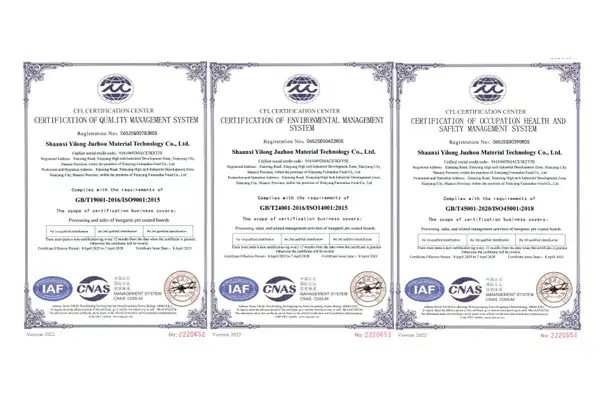
Suppliers you can trust will give you ISO approval that shows they have quality control systems in place for aluminum composite board. The China Environmental Protection Standard Certification shows that the standards for formaldehyde and VOC pollution have been met. CE marking means that the product meets European safety standards, which is important for international distributors who sell to many markets. Class A2 and B1 fire ratings are tested by a third party according to ASTM E84 or EN 13501 standards. This gives the necessary paperwork for official bid reviews. Buyers should ask for test reports instead of believing what marketers say, since project approval is often based on meeting specifications.
Evaluating Supplier Capabilities for Custom Requirements
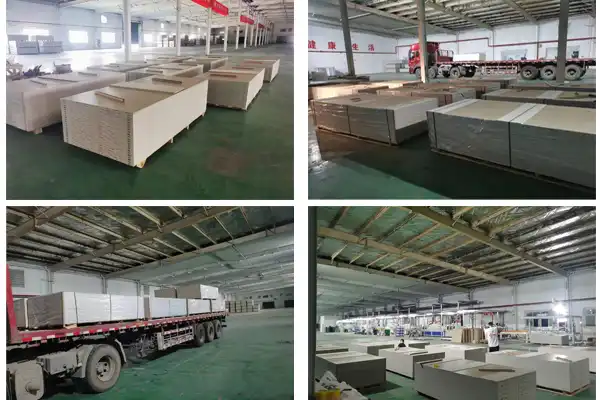
For big projects, you need more flexibility than what's in a catalogue. YILONG JUZHOU operates two production bases in the provinces of Shaanxi and Guangdong. Together, they have more than 50,000 square meters of ready stock and can handle a lot of work. This geographical spread makes logistics to important ports like Shenzhen, Guangzhou, Shanghai, and Qingdao more efficient. This cuts down on lead times for US East Coast and West Coast targets. With a production turnaround time of 3 to 7 days, phased building plans can be met, and OEM and ODM services support custom designs that make branded settings stand out.
Service Elements That Reduce Procurement Risk
Samples are sent within 3 to 5 days so that they can be physically checked out before a large order is made. This physical test shows things about the coating's quality, color accuracy, and structural rigidity that pictures can't. Technical support during the development of specifications makes sure that the panels chosen meet fire codes, acoustic standards, and hygiene standards that are specific to healthcare or food processing settings. Three-year quality guarantees give customers a way to get their money back if there are problems with the product. However, claims against elite providers are very rare because they use strict quality control measures during production.
Innovations and Future Trends in Aluminum Composite Panel Painting
As technology keeps getting better, coating chemicals and application methods are changing too. This opens up new ways to improve performance and economy.
Nano-Coatings and Self-Cleaning Technologies
New nanoparticle additives make surfaces very smooth with contact angles higher than 110 degrees. This makes water bead and roll off, taking dust and pollution with it. This ability to clean itself lowers the number of times that outdoor applications need to be maintained. This is especially helpful for high-rise surfaces that are hard to reach without expensive scaffolding or swing stages. Photocatalytic titanium dioxide coatings break down organic pollutants through reactions set off by UV light, keeping their appearance in cities with a lot of particle exposure.
Sustainable Materials Driving Market Evolution
Water-based coating methods are becoming more popular because of pressure from regulators and business promises of sustainability. These formulas get rid of dangerous air pollutants while keeping the same level of sturdiness as their solvent-based predecessors. Bio-based resins made from renewable feedstocks cut down on reliance on oil, which makes them a good choice for LEED projects that want to earn Materials and Resources credits. As building owners figure out how much carbon is contained in different stages of construction, life cycle assessments play a bigger role in the decisions they make about what to buy.
Automation Enhancing Consistency and Output
Robotic paint application systems with machine vision make sure that complex painting ACP panel shapes are painted evenly. Digital monitoring keeps an eye on the thickness of the coating in real time and adjusts the spray parameters automatically to keep specifications. These technologies get rid of the factors that come from human error, making batches with little color difference, which is very important when panels are shipped to multiple job sites and need to look the same everywhere. Automated systems also make the workplace safer by lowering the risk of exposure to vapors and injuries from doing the same thing over and over again.
Conclusion
If you want painted aluminum composite panels to last, you need to know about finishing technologies, the right way to apply them, and how to choose suppliers who have a history of making good products. When it comes to durability, consistency, and lifecycle cost-effectiveness, pre-coated panels from reputable manufacturers are better than finishes that are applied by hand. Advanced polyester or PVDF coatings, fire-resistant core materials, and specifications that can be changed to fit different needs are used in business buildings, healthcare centers, and industrial installations. As new nano-coatings and environmentally friendly materials come out, buying teams can find solutions that balance performance, looks, and being good to the environment.
FAQ
1. How often should painted aluminum composite panels be maintained for optimal performance?
Painted panels used inside need to be cleaned every three months with mild soaps to keep the finish's quality. Inspections of exterior installations every six months are a good way to find damage that could be caused by impacts or environmental stressors. In places with a lot of foot traffic, like airport lobbies or shopping mall hallways, scuff marks may need to be fixed once a month to keep them from becoming permanent. Panels last longer if they are properly maintained so that small problems don't get worse and cost more to replace.
2. When should buyers choose professional suppliers over DIY painting approaches?
Professional production guarantees consistency and retention of the coating in a way that field application can't. Factory-controlled environments keep the temperature, humidity, and curing conditions just right so that performance standards are met. When you do it yourself, you don't have access to industrial-grade primers and paints that are made for aluminum substrates. Most warranties don't cover panels that have been changed after they were bought, which puts workers and building owners at risk of liability.
3. What certifications indicate reliable painted aluminum composite panel suppliers?
Environmental certifications show that pollution and material safety standards are being met, while ISO 9001 recognition shows that quality management systems are in place. Fire rating paperwork from well-known testing labs that follow ASTM, EN, or GB standards proves performance claims that are needed to follow the code. Suppliers should give mill test results with measures of the coating's thickness, its ability to stick to surfaces, and its color accuracy.
Partner with YILONG JUZHOU for Premium Painted Aluminum Composite Panel Solutions.
YILONG JUZHOU has everything procurement managers and architects need in a painting aluminum composite panel supplier. Our two production facilities in Shaanxi and Guangdong provinces keep 50,000 square meters of ready inventory, so we can quickly complete projects that need to be finished by a certain date. We can meet the needs of hospitals, schools, transportation hubs, and business projects with a wide range of thicknesses (2mm to 6mm), lengths that can be customized, and aluminum skin options running from 0.1mm to 0.5mm.
We know how hard it can be to buy things from other businesses, so we offer free samples that are sent out within 3 to 5 days, as well as OEM and ODM services that support custom designs. Our Class A2/B1 fire-resistant panels are waterproof, don't grow mildew, and don't contain formaldehyde. They also meet strict safety standards. Technical support teams help with installation and answer questions within 24 hours, making sure that your project's milestones stay on track. Email our team at cnyang2000114@gmail.com to talk about your needs, get unique samples, or look into how to get the best deals on large orders from a reputable painting aluminum composite panel maker.
References
1. American Architectural Manufacturers Association. "AAMA 2605-13: Voluntary Specification, Performance Requirements and Test Procedures for Superior Performing Organic Coatings on Aluminum Extrusions and Panels." 2013.
2. Johnson, M. R., and Stevens, P. L. "Durability Assessment of Fluoropolymer Coatings on Architectural Aluminum Composite Panels." Journal of Protective Coatings and Linings, vol. 35, no. 4, 2018, pp. 42-56.
3. Zhang, Wei, et al. "Fire Performance and Smoke Toxicity of Aluminum Composite Panels with Modified Polyethylene Core." Construction and Building Materials, vol. 261, 2020, pp. 119-128.
4. International Organization for Standardization. "ISO 2813:2014 Paints and Varnishes - Determination of Gloss Value at 20°, 60° and 85°." 2014.
5. Chen, L., and Roberts, K. "Life Cycle Assessment of Facade Systems: Comparing Aluminum Composite Panels with Alternative Cladding Materials." Building and Environment, vol. 147, 2019, pp. 321-334.
6. National Fire Protection Association. "NFPA 285: Standard Fire Test Method for Evaluation of Fire Propagation Characteristics of Exterior Wall Assemblies Containing Combustible Components." 2019 Edition.

Send Inquiry


Related Industry Knowledge
- A Beginner’s Guide to Choosing Antibacterial Wall Panels
- ice fireproof board Thermal Stability and Performance Analysis
- What Are Inorganic pre-coated panels and How Are They Made?
- What Is a Calcium Silicate Aluminum Composite Board? A Complete Guide
- Aluminium Composite Panels (ACP/ACM): 8 Essential Points
- A Buyer's Guide to Aluminum Composite Material (ACM)
- How Do Antibacterial Wall Panels Work to Prevent Bacterial Growth
- Exploring Modern Aluminum Composite Panel Innovations
- How to install an aluminum composite panel?
- The Rise of ACP Panels for Modern Kitchen Design