
A Beginner’s Guide to Choosing Antibacterial Wall Panels
July 18, 2026
It's important to think carefully about which wall protection method is best for your business project, especially if cleanliness is a must. Antibacterial wall panels are a special kind of inner surface that actively stops the growth of microbes. This makes them essential in places where keeping things clean has a direct effect on public health, workplace safety, and regulatory compliance. If you're in charge of commercial construction, renovating a hospital, or upgrading a food processing plant, it's important to know how these panels work and what makes good solutions different from bad ones. This will affect both the short-term results of the project and how well the facility works in the long run. This guide shows you the most important things procurement professionals need to think about when they are looking for and selecting antibacterial wall panels for projects in the US market.
Understanding Antibacterial Wall Panels: Basics and Benefits
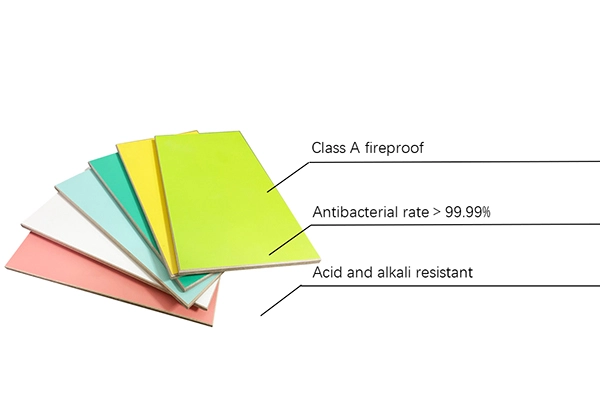
The main difference between regular wall panels and antibacterial wall panels is the technology used on the active surface. Antimicrobial agents—often silver ions, copper compounds, or zinc-based additives—are integrated directly into the surface coatings or resin matrices of modern antibacterial wall panels. These chemicals make it impossible for pathogens to live there by damaging bacterial cell membranes and messing up their reproduction cycles. They have been shown to have kill rates of over 99.9% against common hospital-acquired infections like Staphylococcus aureus and Escherichia coli.
How Antimicrobial Technology Works?
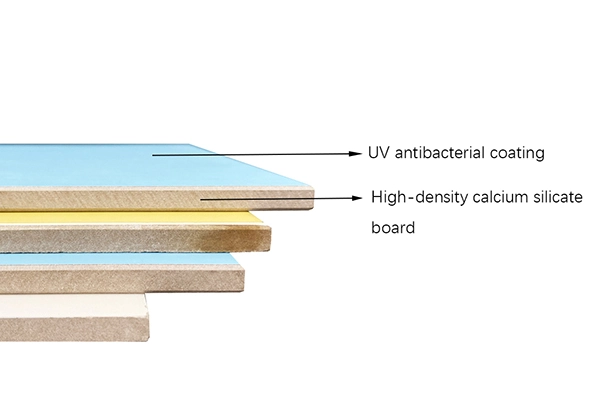
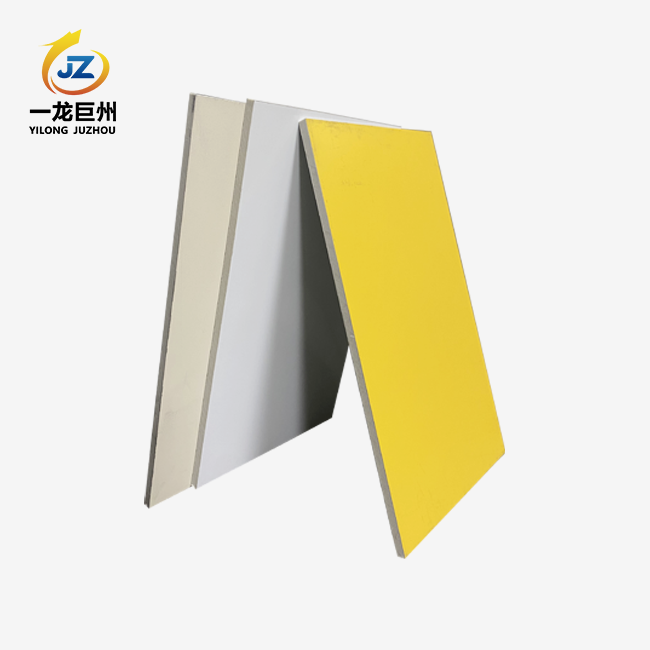
One of the best ways to give drugs is through UV-cured antibacterial coats. In the production process, antimicrobial-containing liquid UV coats are put on calcium silicate boards and then hardened right away by UV light. This process makes a thick, non-porous layer on top that stops bacteria from sticking around and is resistant to chemical cleaners and physical damage. The calcium silicate substrate keeps the structure stable, keeps water out, and keeps fires out. The treated surface protects against biological threats.
Core Benefits for Commercial Projects
The benefits go beyond just being clean. Buildings with antibacterial wall panels say they need to clean less often and spend less on upkeep because the surfaces don't collect biofilm, which usually needs rough washing. More consistently, operating rooms keep sterile fields, food plants lower the number of contamination events, and pharmaceutical cleanrooms stay in compliance between validation rounds. The environmental benefits are also important. Panels that get rid of benzene and volatile organic compounds let you move in right away after installation, which helps keep project schedules tight and avoids costly air delays.
Comparing Antibacterial Wall Panels with Alternative Wall Solutions
Often, procurement teams compare antibacterial wall panels to more common options like ceramic tile, epoxy paint, fiberglass-reinforced plastic (FRP), and regular PVC panels. Each option has different pros and cons when it comes to the initial cost, the difficulty of installation, and the performance over time.
Material Comparison: Performance and Cost
Ceramic tile is very long-lasting and doesn't get damaged by heat, so it can be used in business kitchens and labs. But grout joints leave things open to damage—bacteria grow in weak grout lines even when they are cleaned regularly, so they need to be re-grouted every so often, which adds to the cost of upkeep. Installation takes a long time and skilled workers, which drives up project costs in phased construction plans.
Epoxy coatings and antimicrobial paints are easier to use and cost less up front. Their flaws show up after a while of use: coatings wear off in areas with a lot of foot traffic, leaving the untreated substrate visible. Recoating processes stop work, and performance gaps are caused by applications with different thicknesses. Studies done in hospitals show that painting surfaces lose their ability to kill germs between 18 and 24 months, even when they are cleaned very carefully.
Standard PVC panels are resistant to water and have some antibacterial qualities because of additives that are mixed into the main material. Quality varies a lot from one company to the next, and UV light can weaken surfaces over time. Engineered panels with UV-cured antibacterial topcoats work better than bulk-additive solutions because active agents stay where they're needed, killing germs for as long as the panel is in use.
Installation and Lifecycle Economics
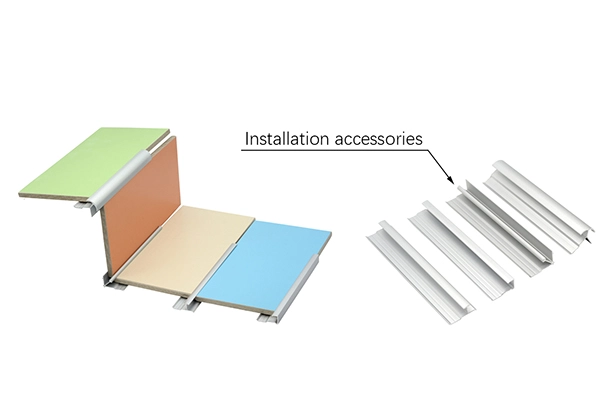
When compared to tile setting or FRP adhesive application, quick-lock pressure strip systems cut installation time by a huge amount. Customized panels made in the factory come ready to use, so there is no need for dusty and wasteful cutting on the job site. When working facilities are used for projects, they cause as little disruption as possible because panels often just go over existing walls, saving money on demolition costs and cutting down on construction windows. When figuring out how much a project really costs, labor savings, less downtime, and longer maintenance intervals often lead the analysis toward engineered antibacterial wall panels, even if the material unit costs are higher.
Selecting the Right Antibacterial Wall Panels for Your Industry Needs
Material standards are fundamentally affected by the needs of the industry. Different performance needs are present in healthcare, food service, and industry settings, which affect the choice of panel.
Healthcare Facilities: Compliance and Chemical Resistance
When hospitals buy things, they look at two very important factors: how well they kill germs according to ISO 22196 guidelines and how well they survive harsh disinfectants. In operating rooms, urgent care units, and sterile processing areas, materials need to be able to handle quaternary ammonium compounds, hydrogen peroxide vapor, and chlorine bleach without losing their shape or antimicrobial properties. Life safety codes are met by panels with a GB8624 Class A fire rating, and Class A fire resistance makes sure that they meet Joint Commission standards and state health facility regulations.
For pharmaceutical compounding and medical device manufacturing, cleanroom applications need extra requirements, such as low particle generation, chemical resistance to process solvents, and seamless installation techniques that get rid of places where microbes can hide. Panels with heat-formed ends and seams are joined together with heat to make solid walls that meet ISO Class 5-8 cleanliness standards.
Food Processing and Commercial Kitchen Environments
Material choices in food plants are based on HACCP and the FDA Food Safety Modernization Act (FSMA) rules. The panels need to be able to handle being exposed to organic acids like citrus, vinegar, and byproducts of fermentation, and they also need to be able to keep Listeria and Salmonella from taking hold in splash zones and production areas. In places with a lot of humidity, mold growth is less likely on surfaces that don't absorb water and dry quickly. The antimicrobial surface treatment adds an extra layer of safety, especially in places that are hard to clean normally.
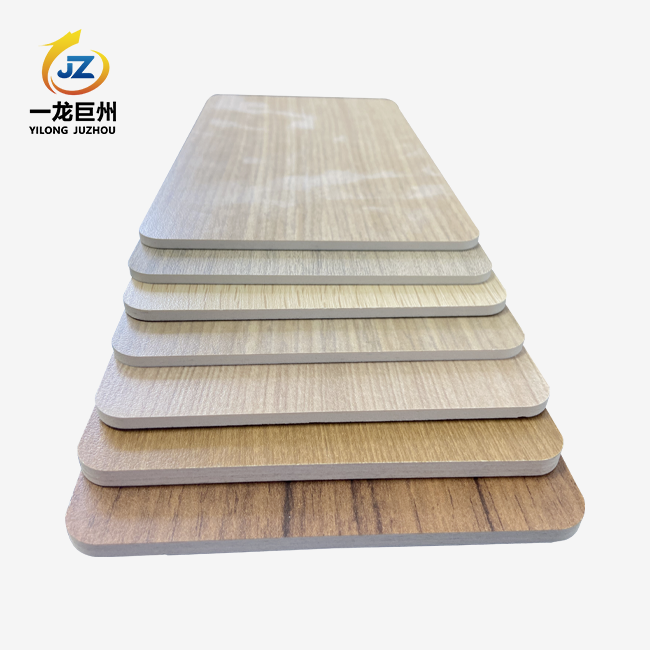
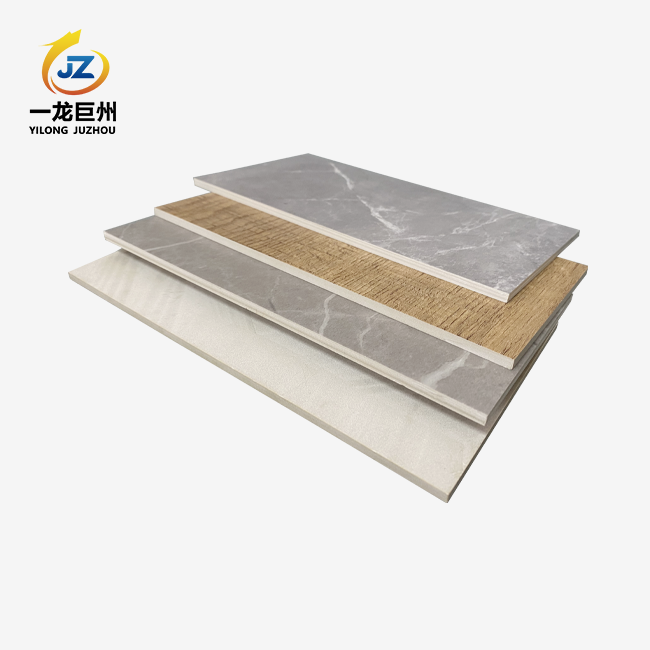
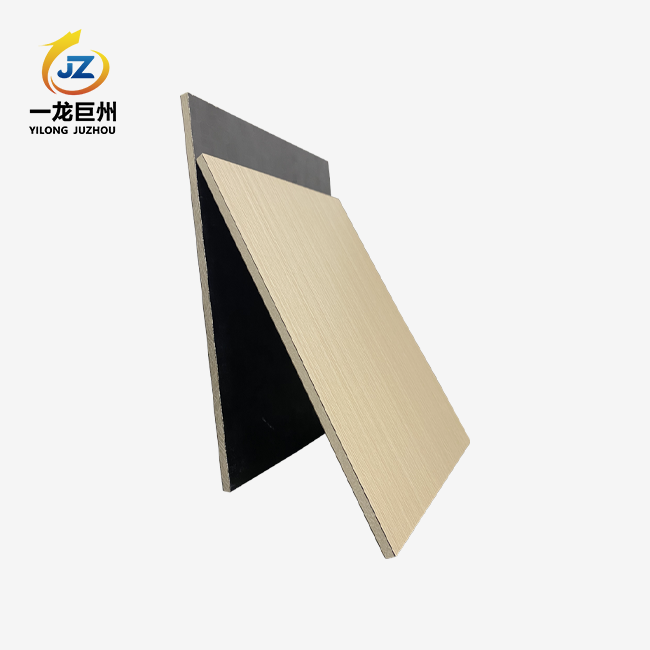
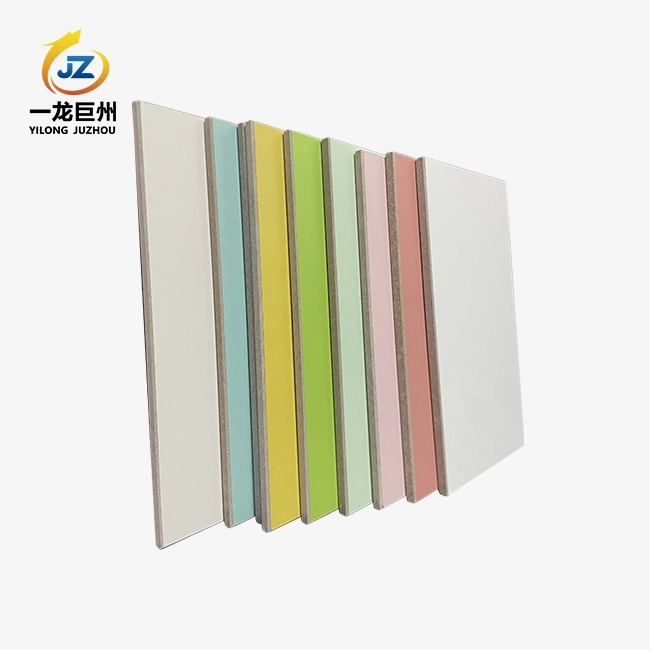
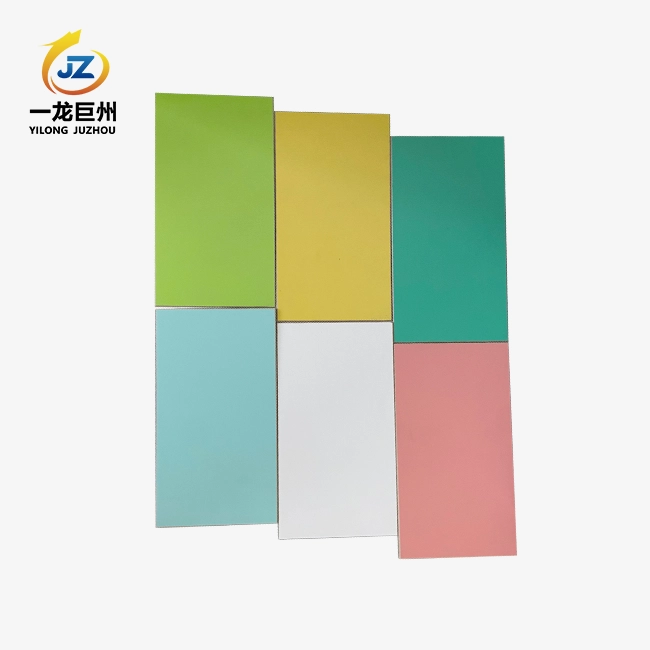
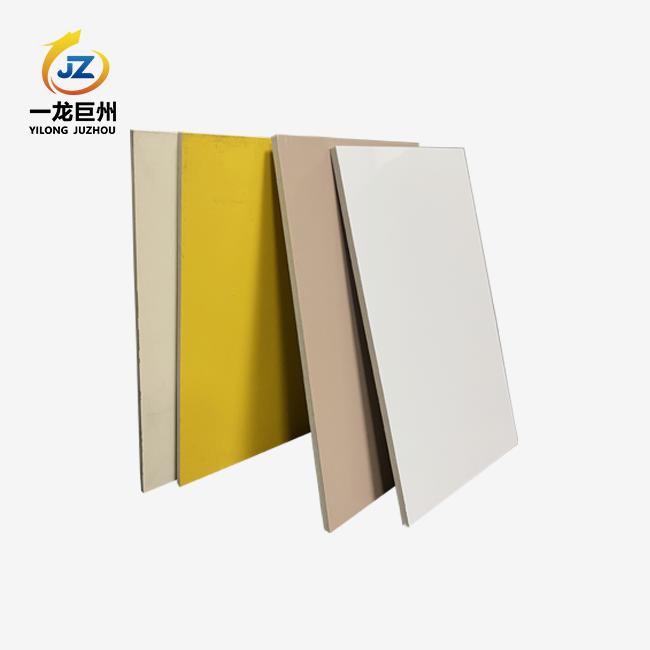
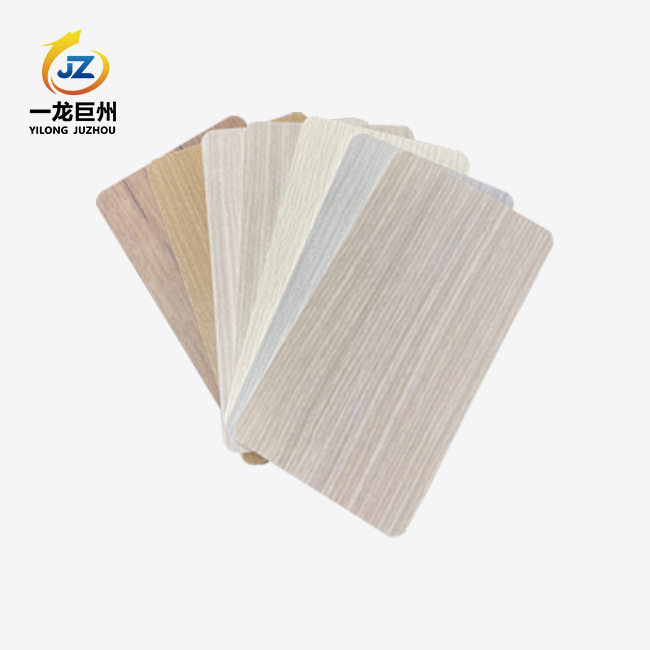
Choices of color and design are more important than buying teams often think. Light colors make contamination easy to see, which helps with cleanliness proof. With marble designs and woodgrain finishes, food stores and restaurant groups can keep the look of their prep areas that customers see as clean without losing cleanliness.
Industrial and Laboratory Settings
Pharmaceutical factories, research labs, and chemical processing plants need panels that can stand up to certain chemicals and acids that they use. Testing the panels' material suitability with acetone, isopropanol, sodium hydroxide solutions, and other chemicals ensures that they won't peel, swell, or change color when they are exposed to them on a regular basis. Impact resistance is very important in storage areas where carts and other equipment often hit the walls. Panels with a Shore D hardness above 70 stop dents and cracks that weaken the structure and make antimicrobials less effective.
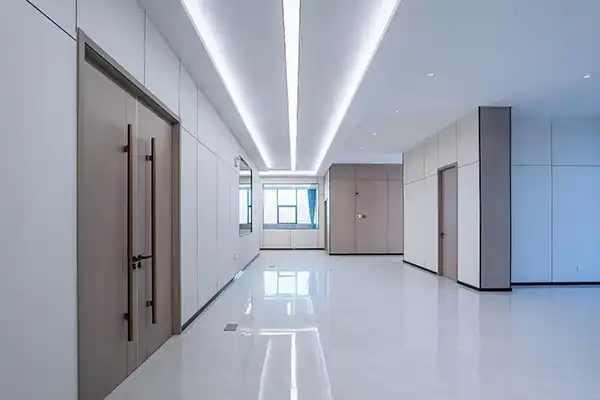
Customization options meet architectural needs that aren't standard. Panels with thicknesses between 4.5 mm and 20 mm can handle a range of structural loads and thermal needs. Maximum heights of up to 3050 mm are cut down on horizontal seams in tall places like industrial corridors and cleanrooms in warehouses. Custom color matching lets corporate branding fit in while keeping the functions working.
Procurement and Installation: What Buyers Need to Know?
Effective strategies for sourcing materials and planning installations have a direct effect on project costs and finishing dates. Knowing what your supplier can do, how to handle logistics, and the best way to put something together can help you avoid expensive delays and performance problems.
Sourcing from Reliable Manufacturers
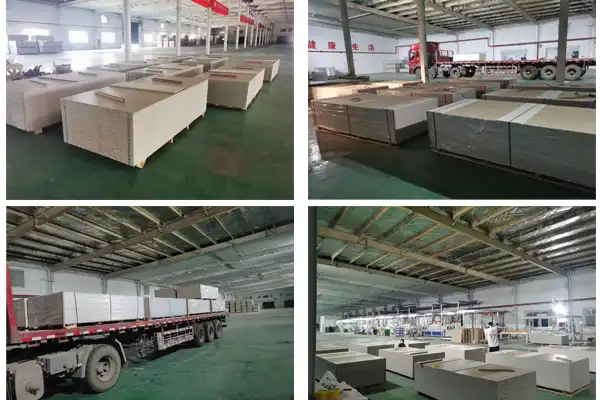
Reputable makers provide third-party laboratory approval showing that their medical antibacterial board products are antibacterial, fire-resistant, and safe for the environment. Ask accredited labs like SGS or Intertek to send you test reports that compare the claims to well-known standards. These standards include ISO 22196 for antimicrobial activity, ASTM E84 for surface burning characteristics, and CARB Phase 2 for formaldehyde emissions. Having two production bases helps the supply chain work better. For example, YILONG JUZHOU has factories in both Shaanxi and Guangdong provinces, which protects delivery schedules during problems in those areas.
Before placing large orders, it is important to test samples first. Good sellers send free samples within three to five days, so you can see for yourself how the surface finishes and colors match and how the structure works. Before making large purchases, you should test samples with your facility's normal cleaning methods to find out if there are any compatibility issues.
Bulk Purchasing and Lead Times
Manufacturer-direct relationships are good for large sales. Production capacity is important. Suppliers with a 50,000 m² inventory and 3–7-day production cycles can keep up with tight building deadlines and make changes to the design without delaying the project. Check the logistics: having access to many shipping ports (Shenzhen, Guangzhou, Shanghai, and Qingdao) and interior transportation hubs lets you choose the best route for your goods, which saves money and time.
Paying terms and warranty coverage need to be carefully looked over. Three-year quality guarantees show that the company that makes the product is sure that it will last. With OEM and ODM capabilities, you can specify unique sizes, colors, and surface designs that meet architectural needs without having to pay the higher prices that come with special orders.
Installation Best Practices
Pressure strip installation methods make it possible to set up quickly with little specialized work. Using mechanical clips and trim pieces that hide gaps and make cleanable transitions, panels can be attached directly to furring strips or existing wall surfaces. For long-lasting adhesion, the substrate must be properly prepared. Surfaces must be dry, level, and free of any contaminants that could get in the way of the mounting hardware.
When working on big projects, hiring professionals to do the installation lowers the risk. Installers with a lot of experience know how to meet thermal expansion standards, choose the right sealant for wet areas, and keep multiple panel runs aligned. When conditions in the field don't match up with standard specifications, manufacturers offer technical support to help fix the problem so that the system continues to work properly and the warranty is still valid.
Maintenance and Longevity of Antibacterial Wall Panels
To keep antimicrobials working and structures strong, you need to follow the right cleaning methods and do regular checks. Installing antibacterial wall panels that are well taken care of will last for decades, while not doing so will speed up wear and tear and lower the effectiveness of cleanliness.
Recommended Cleaning Procedures
UV-cured antibacterial surfaces don't break down when exposed to most industrial disinfectants. At standard concentrations, quaternary ammonium cleaners, hydrogen peroxide solutions (up to 7.5%), and sodium hypochlorite (bleach) get rid of dirt without hurting the coatings on the surface. Don't use rough cleaning pads or degreasers that are very alkaline because they can scratch or etch protecting layers. When used with the right cleaning products, microfibre cloths, soft brushes, and surfaces that are still in good shape can be cleaned thoroughly.
How often you clean depends on how much you use it. Healthcare settings are usually clean and are disinfected every day, while office settings might only need to be cleaned once a week. Food processing companies have SSOP (Sanitation Standard Operating Procedures) schedules that work with their production cycles. In areas where food comes into contact with equipment, these schedules often include more than one daily washdown.
Monitoring Performance and Addressing Wear
Inspections done on a regular basis find early signs of wear before they make something less useful. Scratches on the surface, edges that come apart, and joint separation are all signs that something needs to be fixed. Minor damage is usually fixed by replacing just one panel at a time. With modular installation systems, you can remove a panel without affecting the sections next to it. Keeping track of how much and how often cleaning products are used helps find out what might be causing early wear, which lets routine changes that extend system life happen.
A cost-benefit study shows that buying quality medical-cleaning boards and antibacterial wall panels is a good idea. When you look at the total cost of ownership over ten-year service lives, you can see that higher-quality materials that last longer often cost less per year of service than cheaper options that need to be replaced more often. Less upkeep work, fewer pollution incidents, and continued compliance with regulations add value that isn't seen in the first price comparisons.
Conclusion
Antibacterial wall panels must be chosen while taking into account both the short-term needs of the project and the long-term needs of the building. Quality antimicrobial surfaces have real value because they lower the risk of infections, keep regulations in place, and cost less to maintain in workplace, food service, and healthcare settings. Knowing how a product is made—calcium silicate substrates with UV-cured antimicrobial coatings—helps procurement professionals sort through competing claims and find solutions that are backed up by performance data that can be checked. Implementations that go well begin with carefully screening the supplier, testing a lot of samples, and planning the installation in a way that takes into account the conditions at the site. The panels you choose today will have an effect on the cleanliness, efficiency, and safety of the building for years to come.
FAQ
1. What antimicrobial efficacy should quality panels demonstrate?
When checked according to ISO 22196 standards against common pathogens like Staphylococcus aureus and Escherichia coli, reputable goods kill 99.9% of bacteria (Log 3 kill rate) in 24 hours. Instead of relying only on what the manufacturer says, get certification from a third-party lab that shows how well it works.
2. How do antibacterial panels compare cost-wise to ceramic tile?
The cost of materials for antibacterial wall panels is usually 15 to 25 percent less than for ceramic tile installations. More money is saved on installation—pressure strip systems cut work by 40–60% compared to setting tiles, and projects are finished faster. Lifecycle costs are better for panels because they need less upkeep and last longer.
3. Can panels be customized for specific project requirements?
Quality makers let you choose from a wide range of options, such as widths from 4.5 mm to 20 mm, heights up to 3050 mm, and surface designs like solid colors, woodgrain, marble, metallic, and textile textures. When it comes to corporate branding, OEM and ODM services can meet specific size and color-matching needs.
Partner with YILONG JUZHOU for Your Antibacterial Wall Panel Needs
YILONG JUZHOU has a track record of making high-performance antimicrobial wall systems that are known in the industrial construction, food processing, and healthcare industries. Our calcium silicate panels with UV-cured antibacterial coatings have 99.99% antimicrobial effectiveness, GB8624 Class A fire ratings, and great resistance to moisture. They also come with full third-year quality guarantees. With factories in Shaanxi and Guangdong provinces, we keep a 50,000m² inventory to meet shipping plans of 3–7 days and respond quickly to customer needs. Our team gives procurement professionals the help they need, whether they need samples to test, bulk pricing for multi-phase projects, or technical advice on specific applications. Get in touch with an Antibacterial wall panels supplier who is dedicated to your success at cnyang2000114@gmail.com to talk your project needs, get free samples, or both.
References
1. Chen, Y., & Mitchell, R. (2021). Antimicrobial Surface Coatings in Healthcare Environments: Efficacy and Application. Journal of Hospital Infection Control, 45(3), 178-192.
2. Davidson, L.P. (2020). Building Material Selection for Food Safety Compliance. Food Plant Engineering Quarterly, 28(2), 34-51.
3. International Organization for Standardization. (2019). ISO 22196: Measurement of Antibacterial Activity on Plastics and Other Non-Porous Surfaces. Geneva: ISO Publications.
4. Morrison, T.J., & Sanders, K.R. (2022). Comparative Lifecycle Cost Analysis of Interior Wall Systems in Commercial Construction. Construction Economics Review, 17(4), 289-306.
5. National Fire Protection Association. (2020). NFPA 101: Life Safety Code Handbook—Interior Finish Requirements. Quincy: NFPA Press.
6. Wong, H.S., & Patel, M. (2021). Cleanroom Materials and Contamination Control in Pharmaceutical Manufacturing. Pharmaceutical Engineering Journal, 41(6), 112-127.

Send Inquiry
Related Industry Knowledge
- Applications of Inorganic pre-coated panels in Commercial Buildings
- Best Way to Paint Aluminum Composite Panel for Long-Lasting Results
- UV Antibacterial panels for Hospitals and Cleanroom Applications
- HYG Antimicrobial Sheets & Wall Cladding Solutions
- UV Antibacterial panels vs Traditional Wall Panels: Key Differences
- Medical Clean Board Features and Benefits Explained
- How to Choose the Right Calcium Silicate Aluminum Composite Board for Your Project
- What is the difference between an aluminum composite panel and an aluminum sheet?
- Antibacterial wall panel medical rigid sheet wall protection
- Things to Know About Aluminium Composite Panels