
Applications of Inorganic pre-coated panels in Commercial Buildings
July 18, 2026
Inorganic pre-coated panels have changed the way business buildings in the United States build their inner walls. These panels offer the safety, durability, and design flexibility that modern commercial settings need. They are made from calcium silicate board and have antibacterial paint that is UV-cured. This material is being used more and more by architects, project managers, and procurement specialists because it meets strict fire codes, is easy to install, and helps hospitals, office towers, transit systems, and specialized industrial facilities meet both short-term and long-term performance goals.
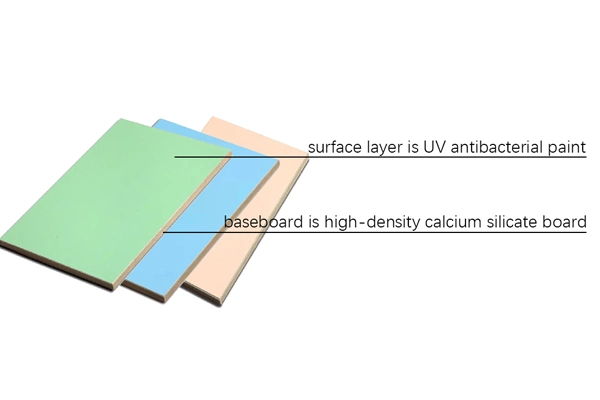
Understanding Inorganic Pre-Coated Panels in Commercial Construction
The way we think about wall finishes is changing in a big way in the building business. Instead of using regular plasterboard and painting it after installation, which can lead to mistakes and extra work, inorganic pre-coated panel options come factory-finished and are ready to be put together quickly.
What Makes These Panels Different?
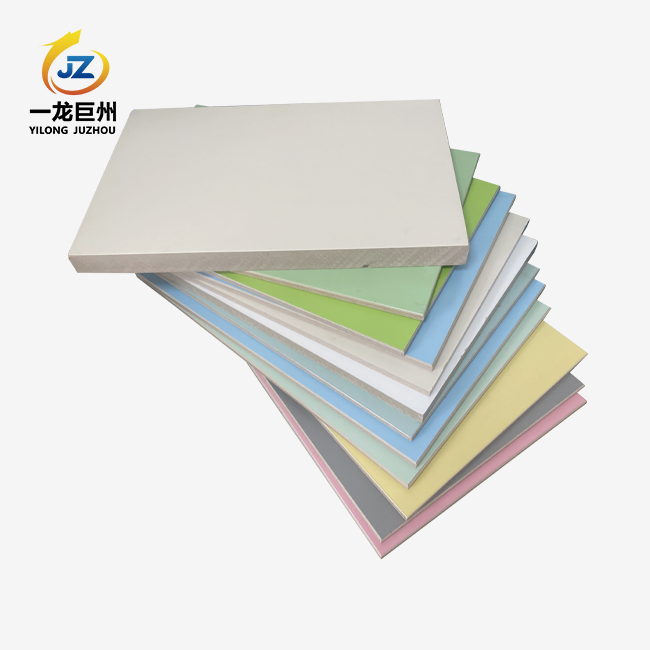
These panels are made up of a high-density calcium silicate base and an antibacterial surface layer that has been fixed by UV light. The mineral-based substrate meets the GB8624 Class A non-combustible fire ratings, which is one of the most important safety concerns in commercial construction with multiple floors. The inorganic makeup stays stable in high heat, saving both people and property. This is different from biological composite materials, which may release toxic smoke when they are stressed by heat.
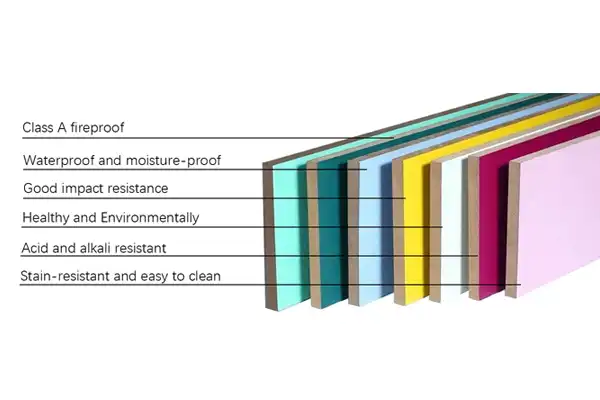
The UV-antibacterial painting technology is a big step forward from the old ways of coating buildings. During production, UV light cures the top layer right away, making a thick, sealed film that is 99.99% effective at killing germs. This process gets rid of the volatile chemical substances that are usually found in solvent-based paints. This means that rooms can be used right away after installation without worrying about off-gassing.
Manufacturing Precision and Quality Standards
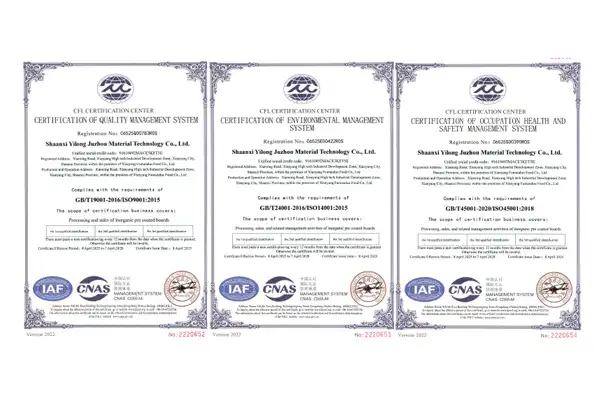
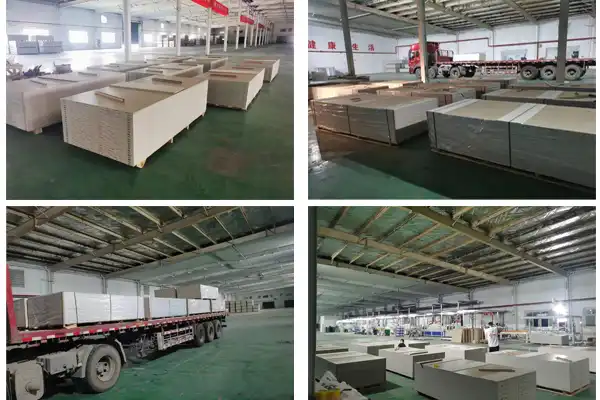
The panels are made by Shaanxi Yilong Juzhou Material Technology at two factories: one in Foshan City, Guangdong Province, and another in the Xianyang High-tech Zone in Shaanxi Province. Each site follows strict quality rules that are in line with ISO approval and the China Environmental Protection Standards. The controlled setting in the plant makes sure that colors match consistently, coating thickness is consistent, and measurements are accurate in a way that finishing on-site just can't do.
Panels come in standard widths of 1220mm and lengths of up to 3050mm, and their thicknesses range from 4.5mm to 20mm. Because of this, designers can choose configurations that hide seams as much as possible while still being able to work with the wide range of ceiling heights and modular plans that are popular in modern business architecture.
Core Applications of Inorganic Pre-Coated Panels in Commercial Buildings
When you look at how these wall systems are used in different types of businesses, you can see how flexible they are. Each application uses different performance traits to deal with its own set of external problems.
Healthcare and Medical Facilities
There are strict rules about how clean hospitals, surgical suites, and medical aesthetic centers must be. Microorganisms hide in the tiny differences in the roughness of painting surfaces, which makes it hard to sterilize completely. The antibacterial surface that was cured by UV light on these panels makes a barrier that is not porous and can withstand harsh cleaning methods that use hydrogen peroxide vapor and chlorine-based disinfectants. Hospital-acquired infection control studies show that surface materials play a measurable role in the spread of pathogens. Antimicrobial wall systems are an important part of a complete approach for preventing infections.
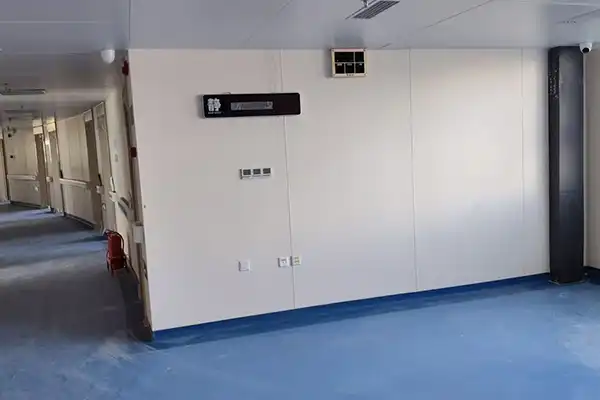
Inorganic pre-coated panels are being used more and more in operating rooms at big medical centers because their Class A fire rating eliminates the risks of combustion that come with settings with a lot of oxygen. Mould can't grow in places where sterilisation equipment creates high humidity, and the impact-resistant substrate doesn't get damaged by things like mobile equipment and bed frames that regularly hit walls.
Educational Institutions and Public Buildings
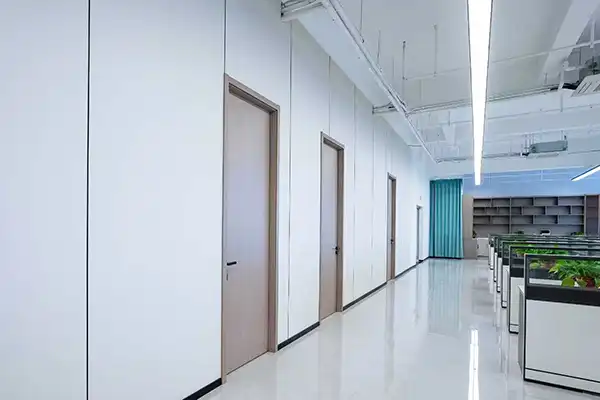
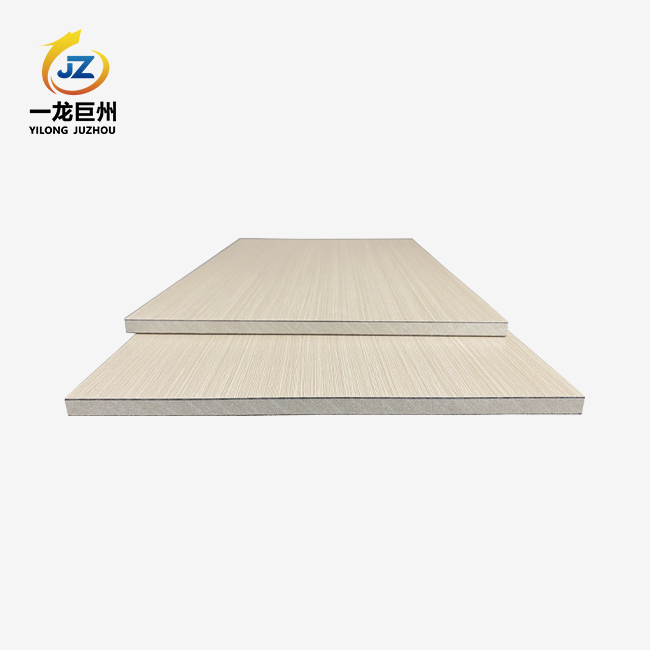
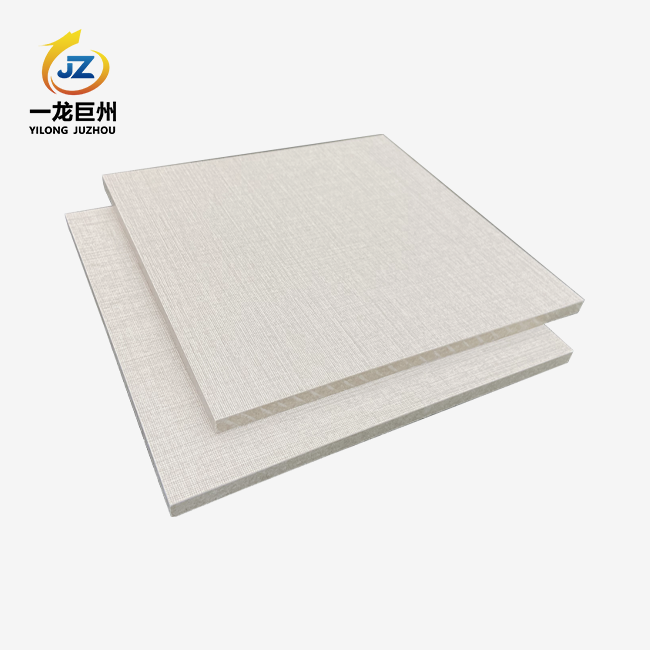
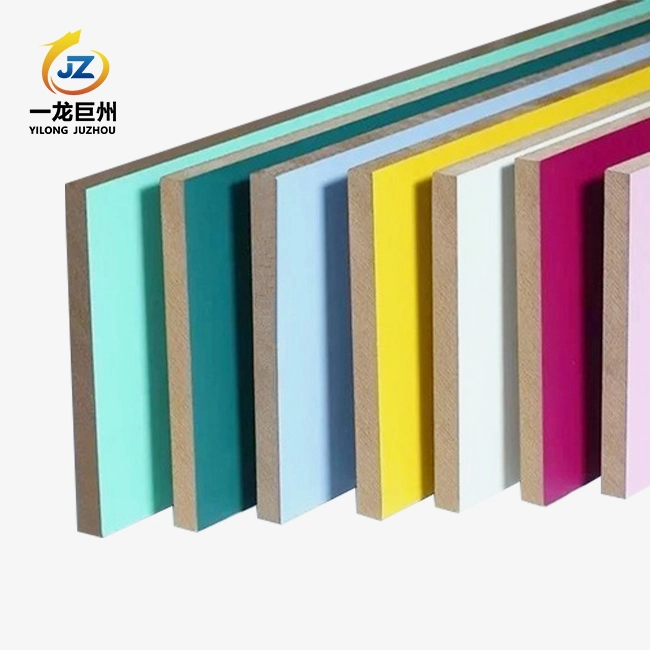
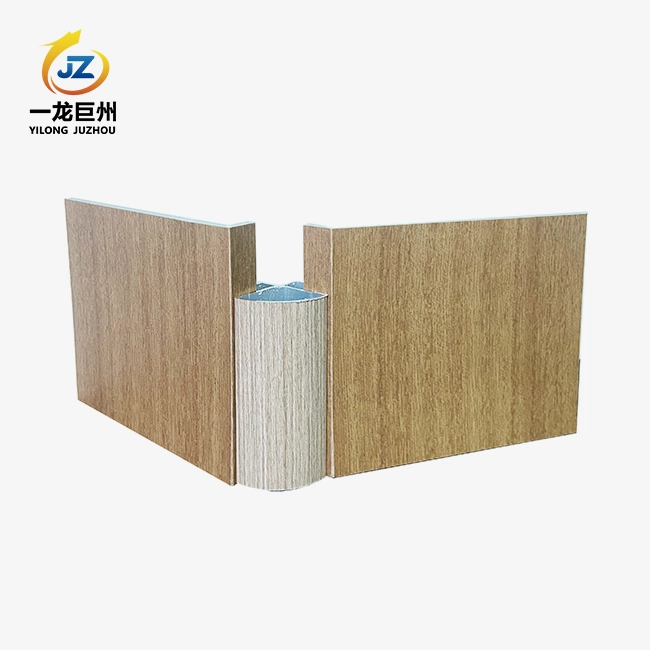
A lot of different kinds of people walk through schools, government buildings, and public areas all the time. In these places, wall surfaces need to be both durable and aesthetically pleasing in order to make spaces that are both welcoming and useful. Because the panels come in solid colors, wood-grain patterns, marble patterns, metallic finishes, and cloth textures, makers can get a wide range of looks without sacrificing function.
The fast installation method works especially well during renovations, when downtime at work needs to be kept to a minimum. When contractors use a quick pressure strip mounting system, they can finish installing walls in the evenings or on the weekends. This lets schools keep teaching, and government offices keep helping people. The factory-customized method gets rid of the need for multiple days of painting—no primer coats, no drying time, and no paint smells that get in the way of people using the area.
Transportation Infrastructure and Tunnels
Underground walkways, subway stops, and high-speed rail tubes all have special needs that are hard for regular materials to meet. In these places, water can get in, car fumes can build up, and there are important fire safety rules that must be followed. The performance of inorganic wall cladding is excellent in all three areas.
The panels must have a Class A fire rating in subsurface transport, where there aren't many ways to get out, and controlling smoke is important for passenger safety. Transit officials have written about how the moisture-proof properties stop the chalking and delamination that happen with organic coatings in tunnels where condensation is always present. Maintenance teams can pressure-wash off exhaust residue and graffiti without hurting the finish because the surface is smooth and sealed. This means that it will cost a lot less to maintain over time than porous materials.
Industrial and Specialized Commercial Spaces
Pharmaceutical factories, food processing plants, and cleanrooms all have to follow rules that require materials to have certain properties. The panels meet these strict standards because they are chemically neutral, have antimicrobial surfaces, and are stable in their dimensions.
Pharmaceutical companies like the material because it doesn't easily get dirty and doesn't shed bits that could get into clean production areas. Food preparation plants like that: the non-porous surface doesn't provide any food for germs to grow, which helps them follow HACCP rules. The panels don't absorb much water—below 10% in normal tests—so they don't break down in high-humidity production areas where steam cleaning is common.
Advantages of Using Inorganic Pre-Coated Panels over Alternatives
When procurement teams look at options for interior walls, they have a lot of material choices, and each one says it has certain benefits. A close look at the two shows why inorganic pre-coated panels are becoming more and more popular in competition standards.
Fire Safety and Regulatory Compliance
Standard aluminum composite panels with polyethylene cores usually only get Class B fire ratings, which means they can't be used in high-rise buildings or structures that are buried. After a number of high-profile facade fires around the world, building codes in major U.S. cities have made it harder for materials to catch fire. The GB8624 Class A non-combustible certification means that these calcium silicate panels are code-compliant by design. This means that projects won't have to wait for expensive re-specification delays when the materials that were originally chosen fail fire marshal inspections.
The material doesn't give off any harmful smoke when heated, which is very important for life safety in places where people might find it hard to leave on their own, like hospitals with bedridden patients, schools with young children, or high-rise office towers where the number of people using the stairs at once limits how fast people can leave.
Lifecycle Cost Analysis
Inorganic pre-coated panels, including medical clean board, may have higher starting material costs than basic plasterboard systems, but a full lifecycle study shows that they are much more cost-effective in the long run. The factory-finished surface gets rid of the need for painting, which can add 40 to 60 percent to the cost of finishing a wall, based on the wage rates in the area. Projects avoid the time-consuming task of organizing artists, drying air flow, and keeping nearby finished surfaces safe from overspray.
Compared to painted surfaces, they need much less maintenance. The UV-cured coating doesn't fade and keeps its color for decades, while in commercial settings, regular latex paint needs to be repainted every 5 to 7 years. Standard gypsum board dents and cracks easily, but this board doesn't. This means that fewer repairs are needed, which keeps the building running smoothly. When procurement professionals figure out the total cost of ownership, they often find savings of 30 to 40 percent over the life of a building, which is 20 years.
Environmental Sustainability and Indoor Air Quality
Sustainability programs at work and green building standards like LEED are having a bigger impact on the choices of materials. The panels help reach these goals in a number of different ways. Compared to solvent-based coatings, the manufacturing process doesn't release as many VOCs. Asbestos, formaldehyde, and benzene compounds are not in the material. These chemicals are known to make indoor air quality worse.
The quick placement cuts down on the time and energy needed for building. Commercial real estate developers can make more money faster because buildings are occupied more quickly. Because there is no off-gassing after installation, HVAC systems can start working normally right away instead of having to run long purge processes to get rid of paint fumes. This is important for both the environment and the budget.
How to Select and Procure Inorganic Pre-Coated Panels for Commercial Projects?
To do specification and buying right, you need to carefully look at the scientific, logistical, and financial aspects. Early on in the planning process, project teams should talk about a few important choices.
Technical Specification Alignment
The choice of panel width is directly related to the needs of the product. The 4.5mm and 6mm choices work well for indoor walls where there aren't many structural loads. For public areas and corridors with a lot of foot traffic, mid-range 8–10 mm panels offer better impact resistance. For conference rooms and medical consultation areas where sound privacy is important, thicker (15–20 mm) specifications offer better sound attenuation.
When choosing a color or finish, you should think about both how it looks and how it works. For medical procedures, light, neutral colors are often chosen for healthcare projects. In business settings, wood grain or textile patterns that feel warm may be chosen. Factory customization lets colors be perfectly matched to brand standards, so there isn't any of the variation that comes with paint that is applied in the field.
Supplier Evaluation and Quality Assurance
Not all makers have the same production ability or quality standards. Before giving out contracts, procurement teams should check a number of signs of credibility. Systematic quality management techniques are confirmed by ISO approval. Getting environmental certifications shows that you are committed to using sustainable manufacturing methods. When projects need to be completed quickly and cover a lot of space, production capacity is important. YILONG JUZHOU keeps a 50,000 m² inventory and runs two factories that can produce in three to seven days.
Real-world proof comes from testing samples. Good sellers give away free samples that can be put next to each other to compare the quality of the finish, the accuracy of the measurements, and the detail on the edges. Instead of just believing what the maker says, testing antibacterial performance, fire resistance, and moisture absorption in separate labs backs up what is written down.
Lead Time and Project Coordination
Commercial construction schedules need precise planning for when materials will be delivered. Installing wall panels usually happens in the middle of the building process, after the rough-ins for the mechanical, electrical, and plumbing systems are finished, but before the floors are finished. Responding to project support suppliers, like YILONG JUZHOU, who promise 24-hour response times, helps teams deal with questions about specifications and changes to the plan that always come up during complex builds.
Logistics infrastructure knowledge prevents delays from costing a lot of money. Suppliers who have access to many shipping ports (Shenzhen, Guangzhou, Shanghai, and Qingdao) and land transport hubs (Xi'an and Guangzhou) can offer flexible routes that can reach project sites on the coast and in the middle of the United States. The three-year quality guarantee for medical antibacterial wall panels lowers the risk of poor long-term performance, which is important to think about since replacing wall systems in occupied buildings can be hard.
Conclusion
Walls are no longer just seen as dividers but as integrated building systems that affect things like fire safety, indoor air quality, maintenance costs, and occupant well-being. This is reflected in the adoption of inorganic pre-coated panels in commercial construction. The mix of UV-cured antibacterial surfaces and structural stability made of calcium silicate solves many problems that site managers and building owners have had for a long time. As rules get stricter and sustainability becomes a must, hospitals, schools, office buildings, and infrastructure projects across the country will increasingly choose materials that have been shown to perform better in terms of fire resistance, lifecycle durability, and environmental impact.
FAQ
1. How do these panels compare to standard gypsum board for moisture-prone areas?
Standard gypsum board breaks down very quickly when it comes in contact with water, but calcium silicate base panels have water absorption rates below 10%. The UV-cured surface layer adds extra protection against moisture, so these panels can be used in places with a lot of humidity, like food processing plants or areas where hospitals sterilize things. This is because regular plasterboard would need to be replaced all the time in these places.
2. What installation methods work best for different commercial applications?
Installing the quick pressure strip mounting system is quick and easy, and it can be used on both existing walls and new structures. Panels go right on top of metal or wood framing for new buildings. Renovation projects can put panels over areas that are already there, which saves money and time on removal and cleanup. Professional construction teams can usually finish 200 to 300 square feet per day, which is a lot faster than the usual process of putting up plasterboard and painting.
3. Can the panels accommodate curved or non-standard architectural features?
The rigid calcium silicate base makes the panels less flexible, but custom manufacturing lets panels be cut exactly to fit complicated shapes. For curved surfaces, you can use narrower panel widths that are close to the radius, or you can ask for thinner 4.5mm panels that can be bent a little. OEM and ODM services let you pre-fabricate unique shapes, corner details, and built-in features like panel articulation or reveals that make architecture more expressive.
Partner with YILONG JUZHOU for Your Next Commercial Project
Choosing the right wall system supplier affects the success of the project in more ways than just the materials used. YILONG JUZHOU has a lot of experience in the healthcare, education, transportation, and industry sectors. They help clients from the beginning of the design process all the way through installation and long-term performance. We have two factories in the Shaanxi and Guangdong provinces, and they both keep 50,000 m² of stock ready to be sent out right away. We can also make special orders of inorganic pre-coated panels in 3–7 days without having to miss any deadlines. We make panels that meet the strictest procurement standards because we are a qualified company that follows ISO and China Environmental Protection standards.
Reach out to our technical team at cnyang2000114@gmail.com to discuss your project requirements and request free samples. Our OEM and ODM services make sure that your design idea is made with materials that will last for decades, whether you need standard setups or custom finishes.
References
1. Chen, W. & Zhang, L. (2021). "Performance Evaluation of Inorganic Coating Systems in Commercial Building Applications." Journal of Building Materials Science, 34(2), 145-162.
2. National Fire Protection Association. (2022). NFPA 101: Life Safety Code Handbook, 2021 Edition. Quincy, MA: NFPA Publications.
3. Roberts, J.M. (2020). "Antimicrobial Surface Technologies in Healthcare Facility Design." Healthcare Facilities Management Review, 18(4), 78-91.
4. Thompson, R.K. & Liu, S. (2023). "Lifecycle Cost Analysis of Interior Wall Systems in High-Rise Commercial Construction." Construction Economics Quarterly, 41(1), 23-40.
5. U.S. Green Building Council. (2021). LEED v4.1 Building Design and Construction Guide. Washington, DC: USGBC.
6. Wang, H., Chen, P., & Rodriguez, M. (2022). "Moisture Resistance and Durability of Calcium Silicate Building Panels in High-Humidity Environments." Materials Performance and Characterization, 11(3), 412-429.

Send Inquiry



Related Industry Knowledge
- A Beginner’s Guide to Choosing Antibacterial Wall Panels
- ice fireproof board Thermal Stability and Performance Analysis
- melamine fireproof board Durability in High-Traffic Environments
- UV Antibacterial panels vs Traditional Wall Panels: Key Differences
- Calcium Silicate Aluminum Composite Board vs Traditional ACP Panels: Key Differences
- Why Calcium Silicate Aluminum Composite Boards Are Ideal for High-Temperature Environments?
- Innovative Coated Aluminum Composite Panel Projects to Transform Your Space
- Where to buy aluminum composite panel?
- Print on Aluminum Composite Panel: A Modern Twist on Traditional Wall Art
- Antibacterial wall panel medical rigid sheet wall protection