
UV light curing board Scratch Resistance and Durability Explained
July 21, 2026
When you're choosing wall coverings for commercial spaces, hospitals, or factories that get a lot of foot traffic, you need surfaces that won't lose their look over time. Through an advanced manufacturing process, a UV light curing board does just that—it is very hard to scratch and lasts a long time. The UV curing technology makes a thick, hardened layer on top that performs better than painted or laminated panels. This makes these boards a smart choice for tough environments where both performance and looks are important.
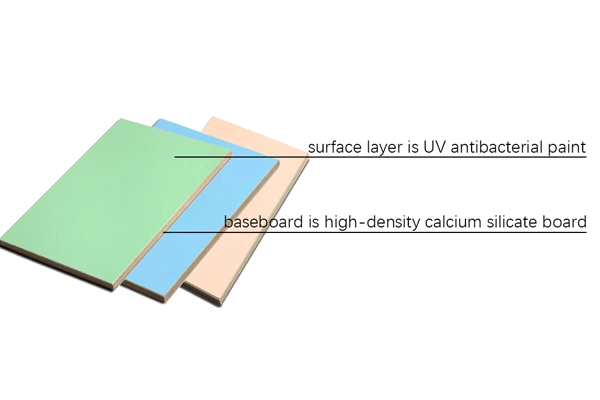
Understanding Scratch Resistance and Durability in UV Light Curing Boards
What Makes UV Curing Technology Different?
The process of hardening is what makes UV-cured screens so useful. High-intensity ultraviolet light quickly cross-links polymer molecules in the surface covering. This is different from heat-dried coatings, which can take hours to set. In turn, this makes a molecular structure that is much stronger and less likely to break. This technology has changed how business projects finish the inside of walls, especially in places where upkeep costs are high, and downtime is expensive.
The Role of Material Composition
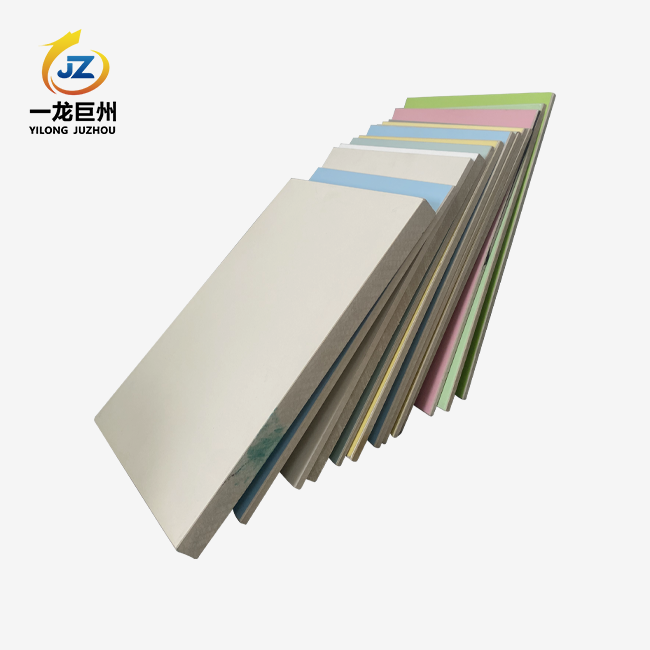
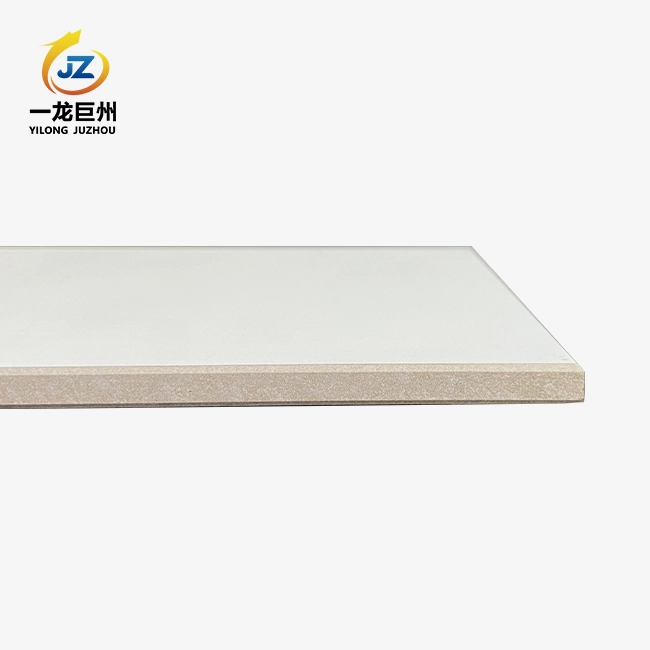
The panels made by YILONG JUZHOU have a calcium silicate board base and UV-antibacterial art on top of it. Calcium silicate naturally doesn't absorb water and keeps its shape, and the UV-cured topcoat adds a layer that stops scratches, impacts, and chemical contact. This mix meets several performance needs at the same time, which is helpful for builders and project managers who are looking at materials for complicated projects like operating rooms or drug factories.
How Does Durability Extend Project Lifespan?
A thing's durability isn't just how hard its surface is. In terms of effectiveness, it includes protection to water, fire, and the ability to keep its look over time. Panels that meet GB8624 non-combustible Class A standards are very important for fire safety, and the antibacterial coating works 99.99% of the time to help with infection control. When you're in charge of multi-phase construction projects or institutional buildings with limited renovation windows, these properties work together to cut down on replacement cycles and maintenance costs.
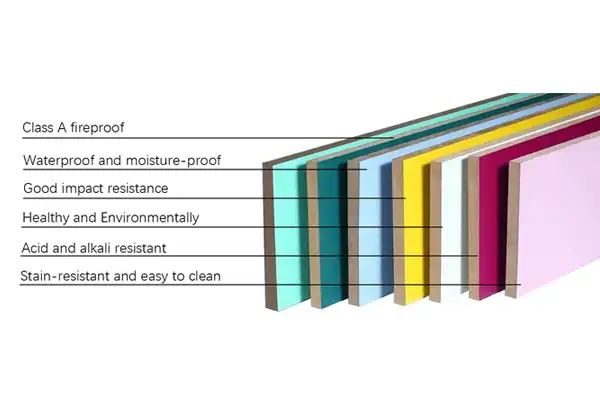
Dimensional Analysis of UV Curing Board Performance
Surface Hardness and Scratch Resistance
The UV-cured surface is between 3H and 5H on the pencil hardness scale, which is much harder than normal melamine or PVC film finishes. In real life, this means how well the material will work in places like school hallways or tube stops, where it will be constantly hit by carts and other equipment and be damaged by accidents. Our tests show that UV screens that are placed correctly keep their surface integrity even after years of being cleaned with chemicals and being stressed mechanically.
Impact Resistance Properties
Strong impact resistance keeps walls from getting cracks and dents, which happen with regular gypsum board installations. The specially designed structure of calcium silicate and the bendable but tough UV layer take in impact energy without breaking. This is especially helpful in healthcare settings where equipment often hits the ground or in food processing plants where cleanliness rules require smooth, whole surfaces that won't let germs hide in broken ones.
Moisture and Environmental Resistance
These panels are resistant to moisture in two ways. The calcium silicate base naturally stops water from getting in, and the UV-cured top layer makes a barrier that stops water from getting through at the coating level. This two-layer defence really stops mildew from growing, which is great for places that are wet or have a lot of moisture, like business kitchens. Because they are environmentally stable, the UV light curing board won't bend, swell, or separate when they are subject to changes in humidity or temperature that happen a lot in buildings with HVAC systems.
Colour Fastness and Aesthetic Longevity
UV decorative panels stay the same colour for a lot longer than surfaces that are painted. The UV hardening process locks the colours inside the cross-linked polymer matrix. This keeps the finish from fading and yellowing, which makes it look less nice. This long-term colour stability protects your design intent and cuts down on the number of expensive cosmetic updates that need to be made to a hotel lobby or shopfront.
Comparative Analysis: UV Curing Boards vs. Alternative Technologies
Traditional Paint Systems
Traditional paints that are based on solvents or water take longer to dry and often give off volatile chemical substances during and after installation. UV-cured surfaces, on the other hand, are ready to be used right away and give off almost no VOCs. The room doesn't smell after installation, so it can be used right away. This is very helpful for repair projects in busy buildings like schools or hospitals that can't afford to be closed for long periods of time.
Laminate and Veneer Finishes
High-pressure laminates last pretty long, but when they get wet, they tend to come apart at the seams and edges. Edge-to-edge protection is provided by UV light curing boards, which don't let adhesive fail. UV panels look like one piece, so there are no obvious gaps that can ruin the look of big wall installs. This makes sightlines cleaner in modern architectural designs.
Ceramic Tile Alternatives
Even though ceramic tiles last a long time, they are hard to install, heavy, and require a lot of care for the grout. UV curing boards are just as resistant to chemicals and moisture, but they take a lot less time to install and don't put as much stress on the structure. With the quick pressure strip installation method, a crew can quickly cover large areas, even if they don't know how to set tiles. This cuts down on labour costs and project timelines by a large amount.
Practical Guide to Procuring Scratch-Resistant and Durable UV Curing Boards
Assessing Your Application Requirements
First, think about the exact things that will put stress on your walls. Public places with a lot of foot traffic need surfaces that are very hard to scratch and damage, while cleanrooms need surfaces that are antibacterial and easy to clean. All of these things need to be balanced in healthcare buildings that also have to follow strict fire safety rules. YILONG JUZHOU makes panels with thicknesses from 4.5 mm to 20 mm and standard sizes of 1220 mm width and up to 3050 mm length. This gives customers the freedom to choose the right panels for their structural and aesthetic needs.
Customisation Options for Specialised Needs
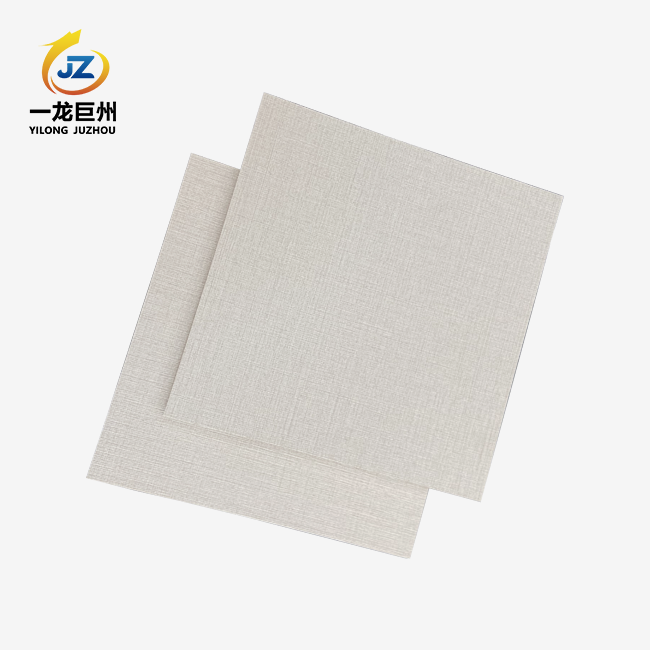
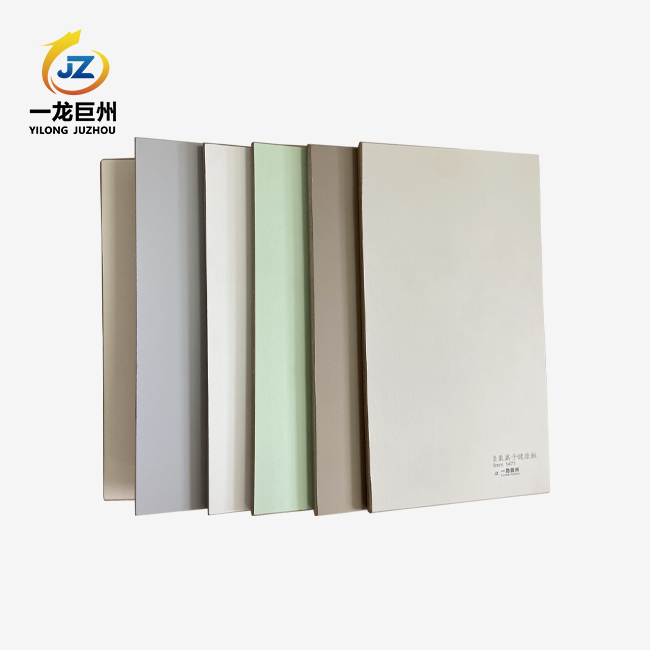
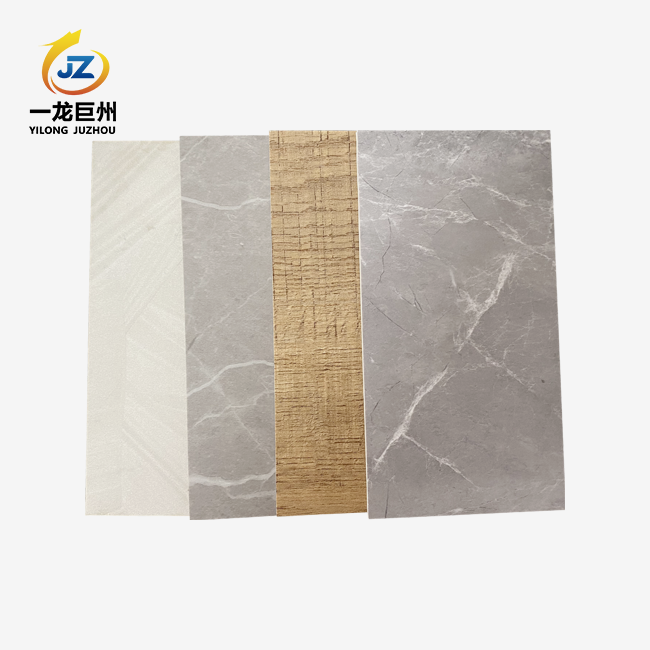
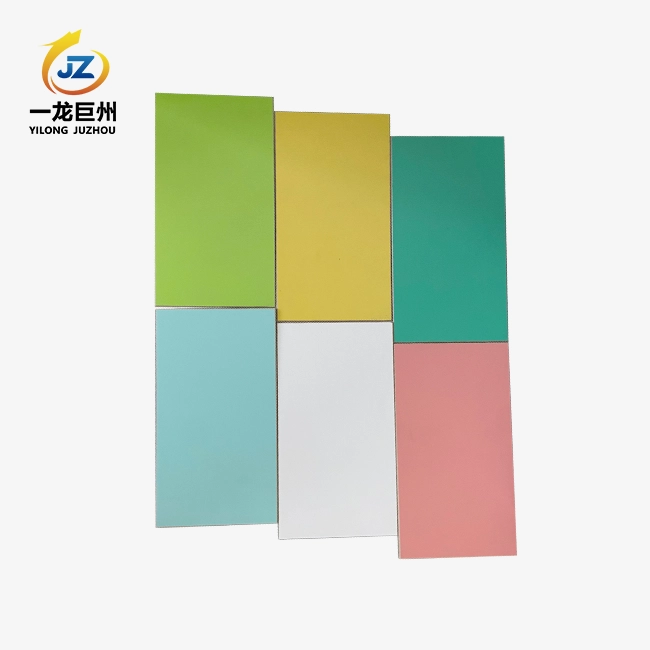
Because UV-protected interior wall panels come in basic colours, wood-grain patterns, marble patterns, metallic finishes, and cloth textures, you can match them to almost any design idea without losing function. When standard products don't quite fit your project's needs, OEM and ODM services let you make even more changes. We've helped clients who needed exact colour matching for office buildings with company branding and custom antibacterial formulations for animal hospitals. This shows how flexible manufacturing can help with a wide range of purchasing issues.
Evaluating Supplier Credentials
Verification of certification should be a must in your buying process. Check for ISO approval, CE marking for sales in Europe, and compliance with the China Environmental Protection Standard. These certifications are more than just pieces of paper; they stand for tested testing methods and quality control systems that keep your project from failing in important ways. YILONG JUZHOU has two production facilities in Shaanxi and Guangdong. Both of them have these certifications, so your order will be handled the same way, no matter which facility does it.
Budget Considerations and Value Analysis
It's true that premium UV light-curing boards cost more than plain painted plasterboard at first, but the total cost of ownership is much lower. Think about less upkeep, fewer times of painting, less work needed to clean because it doesn't damage, and longer periods between replacements. The quality promise for three years lowers the risk of your investment even more. When buying in bulk from the 50,000 m² inventory for big projects, you can get the best prices, and the 3–7 day production time will keep your building plan on track.
Safety Precautions and Best Practices for Handling UV Curing Boards
Installation and Handling Protocols
The scratch-resistant surface can be kept in good shape before installation by handling it properly. Keep panels flat and dry, and make sure the finished side doesn't come into contact with anything rough. To keep the cut edges from getting micro-fractures, use sharp carbide blades and the right feed speeds when cutting and fitting. Even though the quick pressure strip installation system makes mounting easier, the panels will only work as designed if you follow the manufacturer's instructions. This means keeping their impact resistance and moisture barriers at joints and penetrations.
Maintenance for Longevity
The UV surface stays in good shape with regular cleaning with soft microfibre cloths and pH-neutral cleaners. Do not use rough scrubbing pads or strong solvents on the covering because they could damage it after it has dried. Checking gaps and terminations on a regular basis finds places where water could get in before they become problems. When these simple steps are taken regularly, they make projects last much longer than the normal span of an interior finish.
Workplace Safety During Installation
Once the interior wall decoration 7 mm solid-colour UV light-curing board panels, are dry, they don't pose many safety risks by themselves, but normal safety rules must be followed when they are being put together. Installation teams are kept safe by making sure there is enough airflow, controlling dust while cutting, and wearing the right safety gear. Because there are no volatile fumes during and after installation, there are no breathing problems that come with traditional painting. This makes the work environment safer for both workers and people who live or work in the building.
Conclusion
UV light curing boards are a big step forward in the technology used to finish interior walls because they are more scratch-resistant and last longer overall. The UV curing process completely changes the way the surface works. This makes panels that can survive mechanical stress, moisture, fire risks, and the growth of microbes while still looking good over long service lives. These panels meet all the performance needs that traditional materials have a hard time meeting at the same time, making them a great choice for commercial buildings, healthcare facilities, and industrial spaces. UV light curing boards are a smart choice for projects that need to invest in materials that will last for a long time because they use tried-and-true technology, can be customised easily, and have reliable manufacturing support.
FAQ
1. How does UV curing improve scratch resistance compared to traditional finishing methods?
UV-curing instantly cross-links polymers through photochemical processes, making a thick molecular structure in a matter of seconds. Traditional coatings that are air-dried or heated fix slowly because the solvent evaporates. This means that there is less full cross-linking and the surface is less strong. UV systems quickly and completely cure surfaces, making them test between 3H and 5H hardness, which is much harder than painted finishes, which usually get 2H or lower.
2. Can UV-curing boards be customised for specific project requirements?
Of course. OEM and ODM orders are both welcome at YILONG JUZHOU, and they can make adjustments to the size, colour, design, and formulas as needed. You can choose from thicknesses ranging from 4.5 mm to 20 mm and lengths of up to 3050 mm. The finish options include solid colours, woodgrain patterns, and marble patterns to meet a wide range of aesthetic needs. You can try out free samples before placing a full order, and it usually only takes 3–5 days to customise an item.
3. What are typical lead times for bulk UV-curing board orders?
For certain amounts, standard production takes 3–7 days, and 50,000 m² is kept in stock so that pressing needs can be met right away. Enquiries are usually answered in less than 24 hours, which lets project planning go quickly. Shipping from many cities, including Shenzhen, Guangzhou, Shanghai, and Qingdao by water, as well as Xi'an, Guangzhou, Shenzhen, and Foshan for land transport, gives both domestic and foreign projects more shipping options.
Partner with YILONG JUZHOU for Superior UV Curing Board Solutions
We make high-performance interior wall panels that are made to work in harsh commercial and institutional settings. Our calcium silicate base and UV antibacterial covering give your projects the scratch resistance, fire safety, and wetness protection they need. We help procurement workers who need reliable UV light curing board sources that can meet strict deadlines and complicated requirements, thanks to our ISO and CE certifications, two production sites, and full OEM capabilities. Our technical team helps with design and installation, and we guarantee the quality for three years. Email us at cnyang2000114@gmail.com to talk about the needs of your project, get free samples, or look into custom formulations.
References
1. Chen, L. and Wang, H. (2021). "Advanced UV-Curable Coatings for Interior Building Materials: Performance and Applications." Journal of Construction Materials Science, 45(3), 178-192.
2. International Building Code Council (2022). "Fire Resistance and Surface Durability Standards for Commercial Interior Finishes." Technical Standards Publication, 8th Edition.
3. Morrison, R. et al. (2020). "Comparative Analysis of Curing Technologies in Decorative Panel Manufacturing." Industrial Coatings Research Quarterly, 12(2), 67-84.
4. Zhang, Y. and Liu, S. (2023). "Antibacterial Surface Technologies in Healthcare Facility Construction." Healthcare Infrastructure Journal, 19(1), 34-49.
5. Thompson, M. (2021). "Durability Assessment Methods for UV-Cured Building Panels." Materials Testing and Evaluation, 38(4), 215-230.
6. Green Building Materials Association (2022). "Environmental Impact and VOC Emissions: UV Curing vs. Traditional Coating Systems." Sustainable Construction Materials Report, Vol. 14.

Send Inquiry


Related Industry Knowledge
- PE Aluminum Composite Board Sheet: Sizes, Specs and Uses
- UV light curing board Scratch Resistance and Durability Explained
- Why Is Medical Clean Board Important in Cleanrooms?
- melamine fireproof board in Commercial Interior Decoration Projects
- Why Choose ice fireproof board for Industrial Wall Protection?
- UV Antibacterial panels Durability and Scratch Resistance Explained
- Medical Clean Board Installation and Maintenance Guide
- Top 10 Tips for Working with Aluminum Composite Material Panels
- Innovative Coated Aluminum Composite Panel Projects to Transform Your Space
- Print on Aluminum Composite Panel: A Modern Twist on Traditional Wall Art