
Why Is Medical Clean Board Important in Cleanrooms?
July 17, 2026
Due to its safety, durability, and excellent cleaning capabilities, a medical clean board is a crucial component of cleanroom design and maintenance. UV light kills bacteria on this calcium silicate board that is used to make these unique wall panels. Their surface is smooth and doesn't have any pores, so germs can't grow on it. They can also resist harsh cleaning methods and meet strict fire and environmental standards. The medical clean-boards keep places that make drugs, run operating rooms in hospitals, and process food from getting big contamination, and make their work more efficient. A lot of people who work in buying and building engineering should put medical clean boards at the top of their list when they build or remodel cleanrooms.
Understanding Medical Clean Boards in Cleanrooms
What Defines a Medical Clean Board?
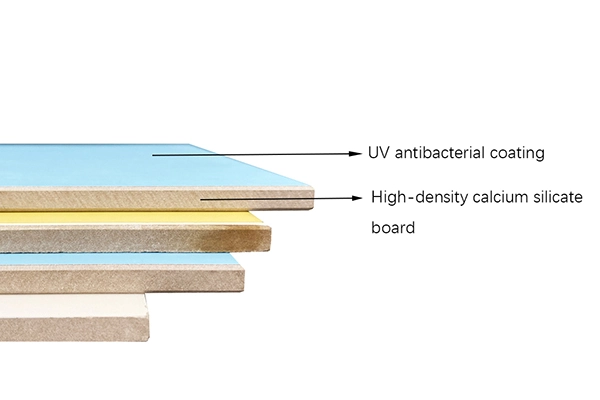
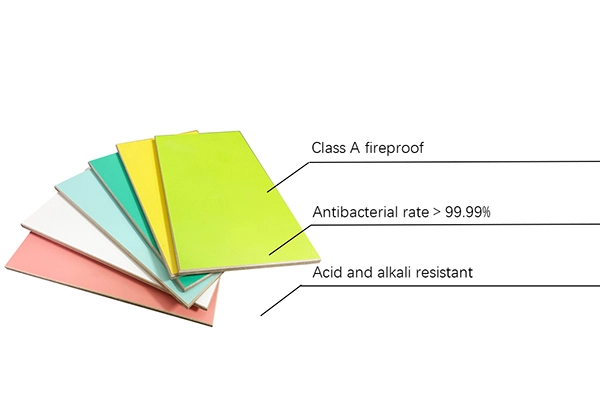
A medical clean board is a wall panel that is made just for places that need to keep germs very low. They are not like regular gypsum or painting surfaces because they are made of a high-density calcium silicate base and an antibacterial covering or PVC film that has been UV-cured on top of it. Bacteria can't stick to the top layer and make biofilm because it is 99.99% antibacterial. This is very important in clean areas.
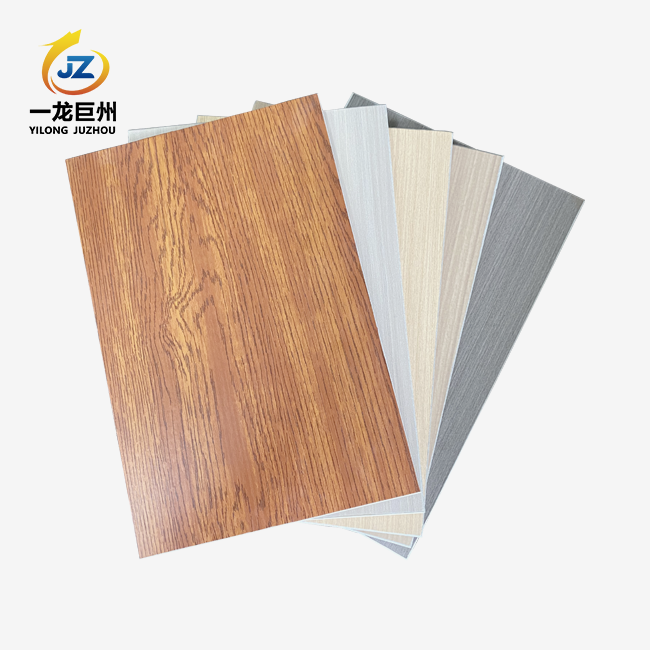
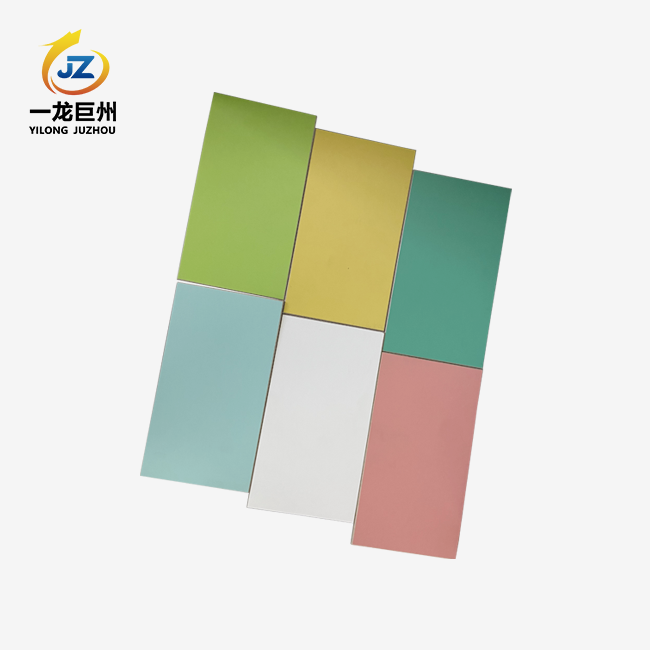
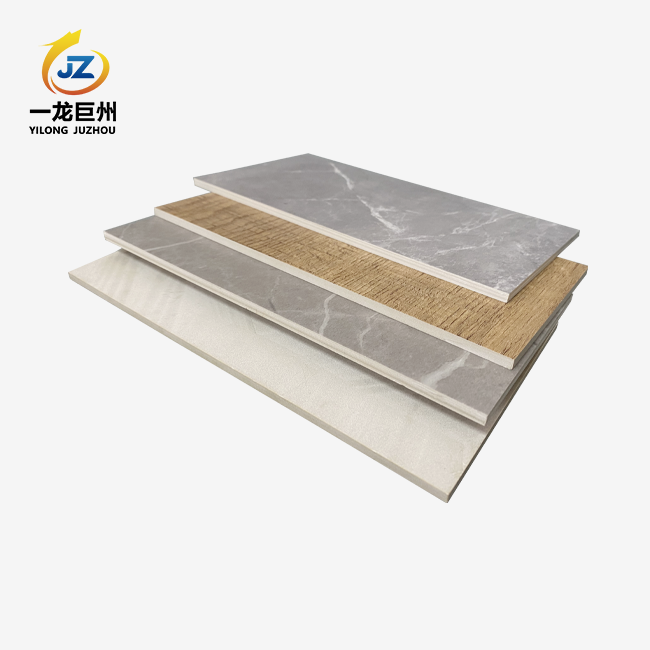
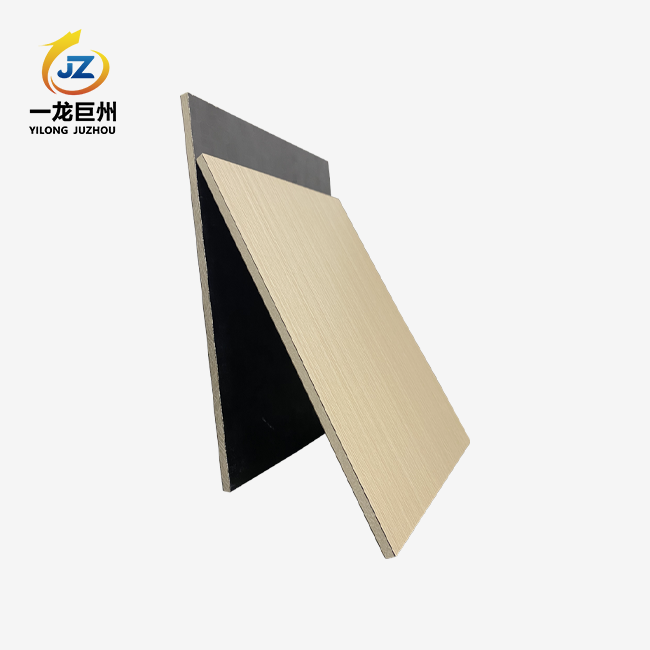
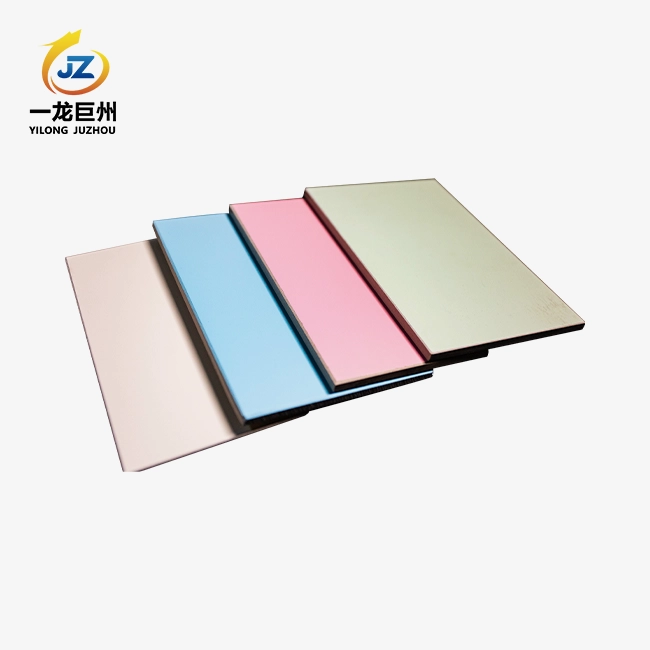
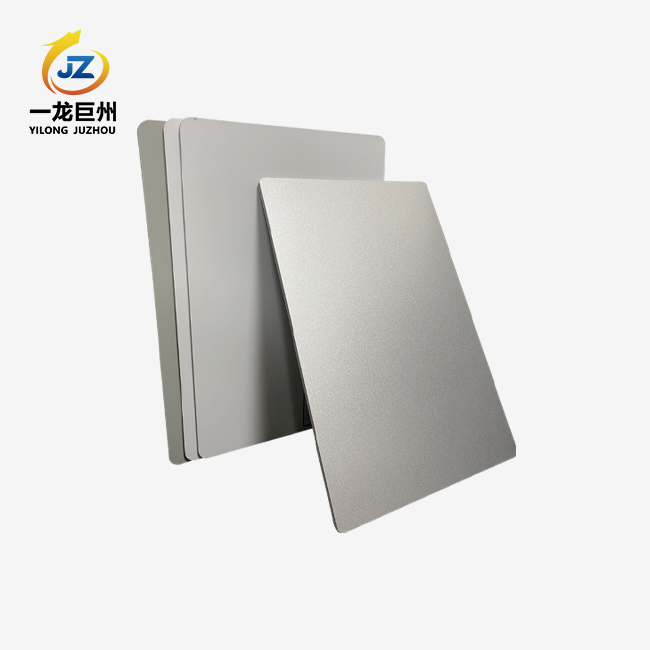
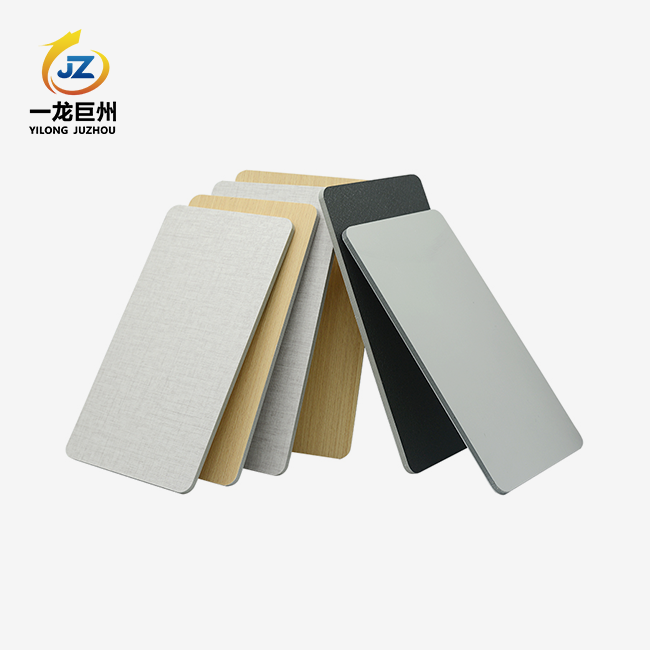
The panels are made in different thicknesses, from 4.5 mm to 20 mm, and can be as wide as 1220 mm or as long as 3050 mm. This means that builders can find the right mix between how they look and how well they work. They come in solid colors, woodgrain, marble patterns, metallic textures, and cloth designs, among others. This stuff works well in drug plants, schools, subways, food companies, and pet clinics, and subways because it can be used in many places.
Material Composition and Performance Benefits
The inner structure is made up of calcium silicate and a UV-resistant, antibacterial top layer. They work together to make a system that can handle water, fire, and touching. When the UV light hits the material, it forms a thick film that protects it and keeps it inside. This stops off-gassing and gets rid of dangerous chemical substances like benzene. Rooms can be used right away after installation because there are no smells left over. This is very helpful for building or facility upgrades that happen in stages.
This way of making also keeps the sizes the same and stops the mold from growing, even in wet areas. The pencil hardness scale says the surface is between 3H and 5H hard. This means that carts, tools, and regular foot traffic won't scratch it. GB8624 standards say that medical clean boards are fire-resistant up to Class A, which gives you peace of mind in places where safety and compliance are very important.
Why Medical Clean Boards Are Essential for Cleanroom Environments?
Contamination Control and Infection Prevention
ISO 14644 rules say that cleanrooms can only have a certain amount of dust and germs. Most of the time, microorganisms live in the grout lines, surface holes, and tiny cracks in everyday things like white gypsum board or ceramic tile. By having surfaces that don't let dust, bacteria, or fluids stick to them, medical clean-boards eliminate these weak spots during installation.
A lot of research on hospital-acquired infections (HAIs) looks at how surfaces in the area help pathogens spread. There are fewer places for microbes to live when the walls are easy to clean and kill them. This helps keep surgery areas, urgent care units, and isolation halls free of infections. Since the surface is slippery, liquids can't soak in. This means that hospital-grade disinfectants can be used to clean the whole thing without hurting it.
Chemical and Sterilization Resistance
Medical device factories and cleanrooms for drugs are kept clean with harsh sterilants like chlorine dioxide, phenolic cleaners, and vaporized hydrogen peroxide. When these chemicals are used over and over, they tend to crack, fade, or peel off traditional wall finishes. Medical clean-boards are made to last in harsh situations. They will keep their shape and appearance even after years of heavy use.
This UV antibacterial covering forms a shield that doesn't let chemicals pass through it. So you can't use regular cleaners or cleaning gases on it. It costs less over time because it lasts longer and doesn't need to be re-coated or changed as often. It also follows FDA and Good Manufacturing Practice (GMP) rules.
Real-World Performance in Critical Facilities
People who work in purchasing for medium-sized drug companies say that putting medical clean-boards in spaces where drugs are made has really helped. A lot of the same things keep coming up: less time spent cleaning, fewer contamination incidents during audits, and more trust among workers in hygiene standards. People who work in facilities know how easy it is to clean. Regular alcohol wipes can get rid of iodine, methylene blue, and other indicator spots without leaving any ghosting or staining.
These results show that the money spent on high-performance wall systems was well spent. This is especially true when you think about how much it could have cost to recall products, pay fines to regulators, or have infection outbreaks because of bad environmental controls.
Comparing Medical Clean Boards: Making the Right Choice for Your Facility
Medical Clean Boards vs. Standard Drywall
Gypsum plywood that isn't cleanroom-safe is cheap, but it shouldn't be used there. It is very hard to clean because the surface is porous and soaks up water. This lets the mold grow. A lot of work needs to be done to paint finishes because they chip and peel when chemicals hit them or when they wear down. This gets dust and VOCs into controlled areas.
Medical clean boards, on the other hand, only have one uniform surface. They won't get dents or cracks from hitting other tools, and the UV-cured finish stops the colors from fading and shifting, so even when they're used in large groups, they all look the same. Plasterboard needs to be painted about every five to seven years, but these panels don't need much work and can last more than fifteen to twenty years.
Magnetic vs. Non-Magnetic Options
There are medical clean-boards that are magnetic, so staff can use magnets to stick paperwork, procedure cards, or schedule boards right to the wall. This feature is helpful in labs and operating rooms that don't have a lot of space and can't use fixed fixtures. It may save you money to get a version that isn't magnetic when you don't need the magnetic part.
What the building teams want and how the work needs to be done will determine the choice. There is no difference between the two options in terms of how well they kill bacteria and resist chemicals. The only thing that matters is which one is easier to use.
Sustainability and Environmental Considerations
It's becoming more and more important to buy materials that are good for the environment. Due to their lack of asbestos and formaldehyde and compliance with E0 emission guidelines, medical clean boards satisfy this condition. It takes less energy to make UV sealing panels than solvent-based finishes, and because they last longer, they don't need to be changed as often, which also cuts down on waste.
Medical clean-boards help builders and architects reach their green building goals without lowering the quality of work on LEED-certified projects or healthcare sites that prioritize sustainability. When something has reached the end of its useful life, recycling it makes it even better for the environment. This is in line with efforts towards business social responsibility.
Procurement Considerations: How to Buy the Best Medical Clean Board?
Evaluating Size, Customization, and Aesthetic Options
The design needs and project deadlines determine the panel sizes and finishes. Most businesses need standard sizes of 1220 mm wide by 2440 mm long, but lengths up to 3050 mm can be made to fit high ceilings and hide the joints. Panels that are 12mm to 20mm thick protect better against impact in places with a lot of foot traffic. For light dividers or overlays, 4.5 mm to 6 mm thick panels work best.
Colors and patterns of medical-clean wall boards should be picked based on how they look and how well they work. Colors that are light and basic help the lighting in a cleanroom look professional. Small metal or woodgrain patterns can make places where people work or talk to patients feel warmer. There are companies like YILONG JUZHOU that offer OEM and ODM services. These companies can help healthcare networks with multiple sites that want to keep their look uniform by adding custom designs or branding elements.
Pricing, Warranties, and Bulk Order Advantages
The price per unit depends on the order size, the width, and the level of difficulty of the finish. You can get big discounts and first choice for production slots when you buy in bulk. This is common in phased hospital expansions or pharmaceutical campuses with multiple buildings. Most warranties cover normal wear and tear for three to five years. This includes things like delamination, flaws in the finish, and changes in size.
Plus, don't just look at the price per square meter when you compare providers. Also, check out the services that come with it, like getting professional help, samples (which can usually be sent within 3–5 days), and tips on how to set it up. Manufacturers you can trust keep stock on hand. For example, YILONG JUZHOU has 50,000 m² ready to ship right away. This cuts down on wait times and lowers the risks in the supply chain.
Certifications and Compliance Verification
Medical clean-boards must adhere to safety regulations both at home and abroad. In the US, make sure it passes the ASTM tests for fire resistance and the ISO 22196 or JIS Z 2801 tests for bacteria. The product meets European standards, as shown by the CE mark and ISO certification. It also works well with low emissions, as shown by the China Environmental Protection Standard Certification.
Before you buy something, get test results and material safety data sheets (MSDS) from a third party. We need these papers for bids and government checks. This is especially true for government-funded healthcare building projects.
Maintenance and Cleaning Best Practices for Medical Clean Boards
Recommended Cleaning Protocols
Every day, surfaces must be cleaned with disinfectants that have been cleared by the hospital. These could be quaternary ammonium compounds, weak sodium hypochlorite, or hydrogen peroxide solutions. When these things hit the UV antibiotic covering, it doesn't break down, so it works 99.99% of the time. If the scrubbers or cleaning powder are too rough, they can scratch the surface and make it less smooth.
The item should be checked often for stains, buildup of residue, or small damage so that it doesn't get worse. Taking care of problems quickly keeps the panel looking good and clean, which lowers the cost of upkeep over time.
Preventing and Addressing Common Issues
Medical- and clean-boards don't get ghosting very often because their surface doesn't have pores. Ghosting is made up of lines left over from dry-erase markers. Most of the time, isopropyl alcohol or special sterile wipes can get rid of ghosting. Fix any frame or joint damage right away, like dents in the corner trim or sealer that is worn out, so water doesn't get in, and bacteria don't grow in the gaps.
Once a year, silicone seals used in panel joints should be checked to see if they kill bacteria. It stays airtight as long as you put it on again every three to five years. This is especially important in negative-pressure isolation rooms where control is key.
Training and Documentation
People who work with sellers of medical-cleaning interior wall panels teach facility management teams how to clean, what the product's limits are, and how to make a promise claim. By writing down when to clean and what was found during reviews, you can make sure you're following the rules and make the work last longer.
Conclusion
Medical clean boards are an investment in the success of cleanrooms because they make things cleaner, protect against chemicals, and let people see better. The main issues that hospitals, drug companies, and food processors have are solved by their fire safety, antibacterial surfaces, and ease of maintenance. These panels are better than older ones because they make it easy to keep things clean, keep things going smoothly, and follow the rules. During procurement, facilities should think about material needs, source reliability, and lifecycle costs to make sure they get the best results. This protects both product quality and patient safety in tough settings.
FAQ
1. What antibacterial properties do medical clean-boards offer?
Medical- and clean-boards have a drug effectiveness of 99.99% against typical germs like Staphylococcus aureus and E. coli. ISO 22196 rules were used to test for efficacy. Microbes' cell walls are broken down by silver ions or photocatalytic nanoparticles that are in the UV-cured coating. The coating will last a long time without breaking down because of this. There's no need to reapply or fix this panel again because its performance will stay the same for 15–20 years.
2. Can panels be customized for specific project requirements?
Yes. OEM and ODM customization is possible with companies like YILONG JUZHOU, which can offer different shades, designs, thicknesses, and sizes. Orders can be made to fit certain architectural features, brand elements, or legal needs. Free samples are usually available in three to five days. This gives purchasing teams time to check the antibiotic's usefulness, color match, and finish quality before placing a large order.
3. What warranty and after-sales support can buyers expect?
Providers that are good at what they do will offer three-year warranties that cover flaws in the way the product was made, delamination, and coating failures. As part of support after the sale, expert help is given on how to set up, manage, and fix issues. The project stays on track with response times of less than 24 hours. During the building or remodeling stages, installation services and on-site training lower risks even more.
Partner with a Trusted Medical Clean Board Manufacturer
If you need high-performance medical clean boards made for tough healthcare and drugstore settings, YILONG JUZHOU is ready to help you with your cleanroom project. We make things in two places: Shaanxi and Guangdong. These bases come with ISO and CE certifications to make sure they always deliver high-quality goods quickly (often within 3–7 days). Building managers, workers, and builders from all over the US can choose from more than 50,000 m² of stock, and the thickness, finish, and style can be changed to fit their needs.
Right now, you can email cnyang2000114@gmail.com to get a full quote, ask for free samples, or talk about becoming an OEM. You can be sure that your investment will keep you clean and in line for a long time because our team gives professional advice, helps with design, and backs up our work with three-year quality contracts. Find out why the best drug plants and hospitals get their medical cleaning boards from YILONG JUZHOU.
References
1. International Organization for Standardization. (2018). ISO 14644-1: Cleanrooms and associated controlled environments – Part 1: Classification of air cleanliness by particle concentration. Geneva: ISO Press.
2. Centers for Disease Control and Prevention. (2019). Guidelines for Environmental Infection Control in Health-Care Facilities. Atlanta: U.S. Department of Health and Human Services.
3. American Society for Testing and Materials. (2017). ASTM E84: Standard Test Method for Surface Burning Characteristics of Building Materials. West Conshohocken: ASTM International.
4. National Fire Protection Association. (2020). NFPA 101: Life Safety Code. Quincy: NFPA Publications.
5. World Health Organization. (2016). Guidelines on Core Components of Infection Prevention and Control Programmes at the National and Acute Health Care Facility Level. Geneva: WHO Press.
6. U.S. Food and Drug Administration. (2021). Guidance for Industry: Sterile Drug Products Produced by Aseptic Processing – Current Good Manufacturing Practice. Silver Spring: FDA Office of Regulatory Affairs.

Send Inquiry

Related Industry Knowledge
- What is an aluminum composite panel?
- What Makes UV Antibacterial panels Effective Against Surface Bacteria?
- melamine fireproof board vs HPL Fireproof Panels Comparison
- melamine fireproof board in Commercial Interior Decoration Projects
- Medical Clean Board for Hospital Wall and Ceiling Systems
- Why Choose ice fireproof board for Industrial Wall Protection?
- UV Antibacterial panels Durability and Scratch Resistance Explained
- What Is Medical Clean Board and Where Is It Used?
- Why Calcium Silicate Aluminum Composite Boards Are Ideal for High-Temperature Environments?
- Where to buy aluminum composite panel?