
How to Choose the Best Negative Ions Healthy Panel for Your Project
July 25, 2026
Choosing the right negative-ion healthy panel requires understanding how these advanced wall systems combine structural integrity with air purification technology. These panels integrate calcium silicate substrates with specialized antibacterial coatings that continuously release negative ions, neutralizing airborne pollutants while providing durable, fire-resistant wall protection. For commercial construction, healthcare facilities, and industrial environments, selecting panels that balance performance certifications, customization flexibility, and long-term reliability ensures your project meets both aesthetic goals and stringent safety standards without compromising on indoor air quality improvements.
Understanding Negative Ions Healthy Panels: What They Are and How They Work
The Science Behind Negative Ion Technology
Negative ion healthy panels are a big step forward in useful building materials. Instead of using electricity and changing filters like stand-alone air purifiers do, these panels quietly create negatively charged ions through the piezoelectric properties of minerals like tourmaline and rare earth compounds that are buried in the antibacterial paint surface layer. When airborne water vapour hits the panel, it starts an electrochemical process that creates negative ions. These ions are usually found in concentrations between 1,500 and 5,000 per cubic centimetre, which is about the same as the number of ions in woods and rivers.
These negatively charged particles stick to airborne pollutants with positive charges, such as dust, pollen, bacteria, and volatile organic compounds (VOCs) like formaldehyde. As the particles bond, they get heavier and settle out of the breathing zone, lowering the amount of exposure to the lungs. Environmental health experts have released research showing that negative ion concentrations above 1,000 ions/cm³ can cut the number of bacteria in the air by up to 78% in enclosed areas.
Product Structure and Core Components
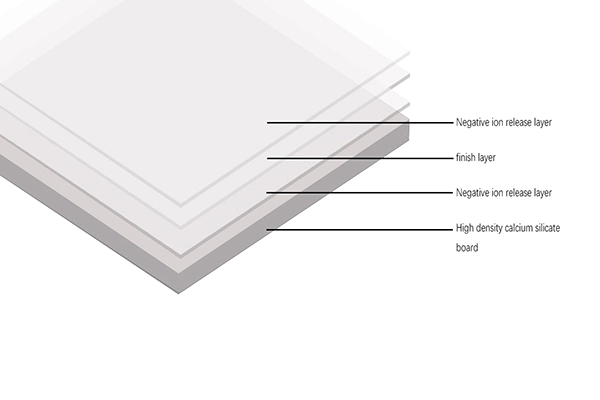
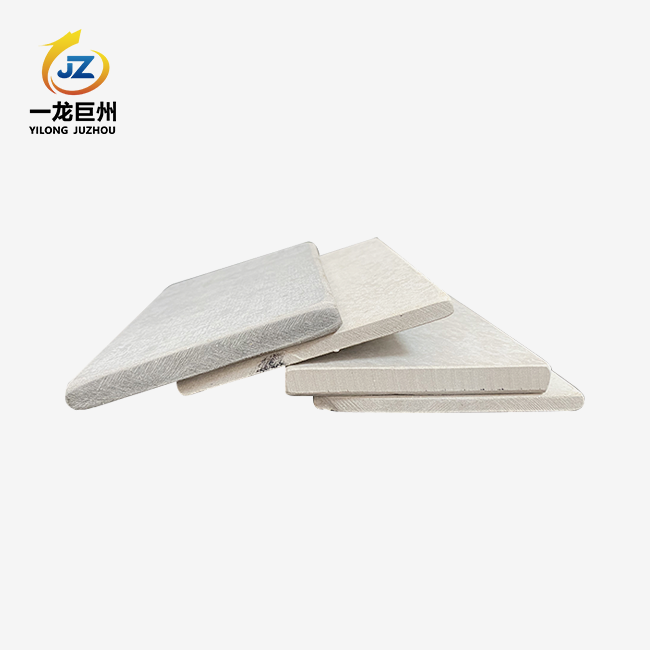
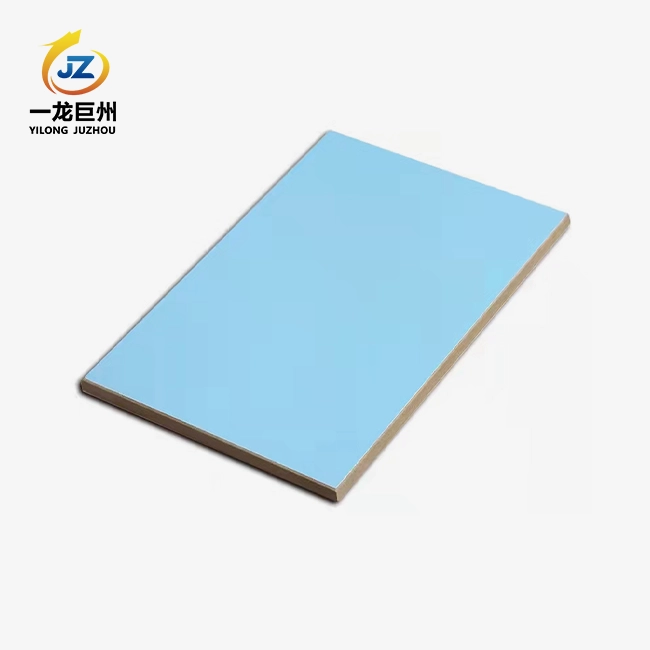
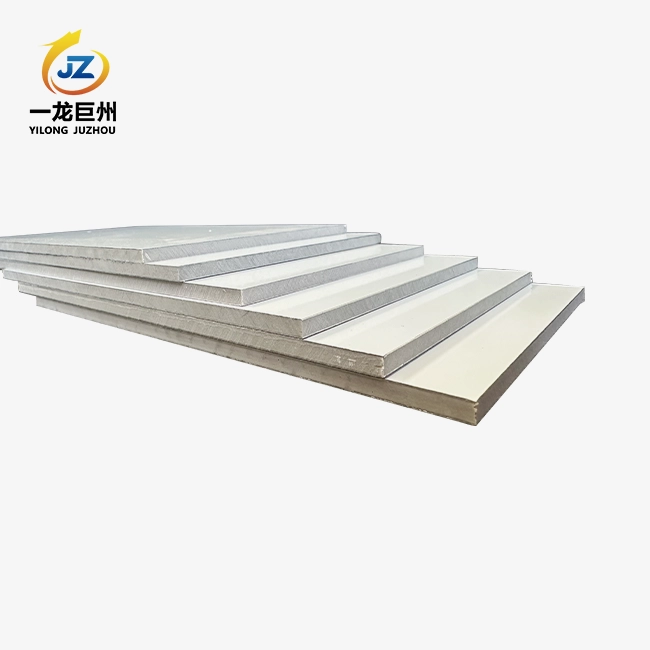
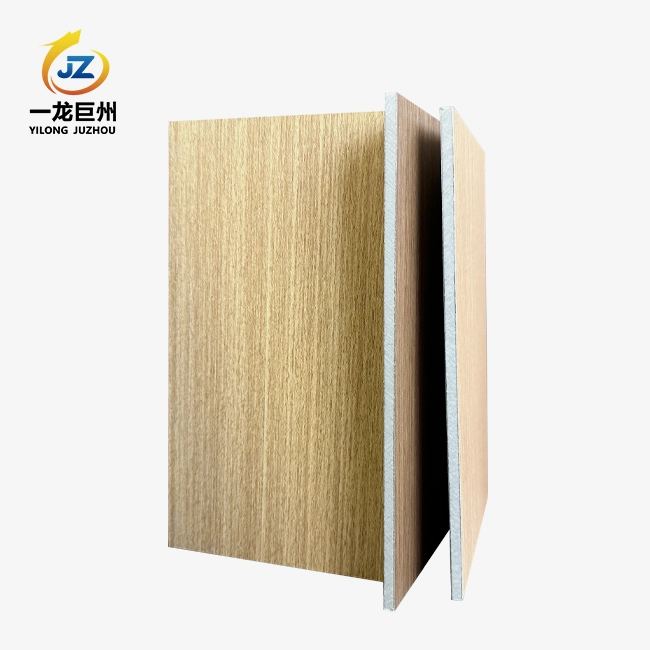
The YILONG JUZHOU Negative Ions Healthy Panel is made up of a calcium silicate board base, which is known for its excellent dimensional stability and fire protection, and a special negative ion antibacterial paint on top of it. This two-layer structure has more than one use. Class A fire resistance, moisture resistance, and structural strength that can handle high-traffic areas are all provided by the calcium silicate base. The unique covering on the surface not only continuously produces negative ions, but it also kills 99.99% of common bacteria, such as Staphylococcus aureus and Escherichia coli.
The way this is built is very different from how normal wall panels are made. Standard PVC or gypsum boards are only good for looks or structure. These advanced panels, on the other hand, add passive air cleaning right to the building surface. The panels keep their ability to produce ions for years without needing power, consumables, or maintenance. This is a huge benefit for large-scale commercial installations where costs add up quickly.
Health Benefits Supported by Evidence
Several measurable health benefits have been found in clinical studies of negative ion exposure. A controlled study with office workers who were exposed to negative ion concentrations above 2,000 ions/cm³ found that headaches went down by 33% and cognitive performance went up by 28% in the afternoon. The way it works is that negative ions can improve the flow of oxygen to the brain by making cell respiration more efficient, which is one reason why Negative ion antibacterial wallboard is considered beneficial for creating healthier indoor environments.
The antibacterial qualities are also useful in schools and healthcare places where vulnerable people spend a lot of time. Nano-silver compounds in the panel covering break down the cell membranes of bacteria when they come into contact with them. This stops biofilm from forming, which normally happens on wall surfaces. Cross-contamination risks are cut down by this constant cleaning in places like operating rooms, kindergartens, and food processing areas where cleanliness is important.
Core Criteria to Evaluate When Choosing a Negative Ions Healthy Panel
Performance Specifications and Testing Standards
When buying teams are looking at panel choices, they should focus on performance data that has been checked by a third party rather than marketing claims. One of the most important measures is the rate at which negative ions are released under standard conditions. This is usually done with air ion counters in sealed rooms. At one meter from the surface, high-quality negative ion healthy panels like those from YILONG JUZHOU keep the output of ions above 1,500 ions/cm³.
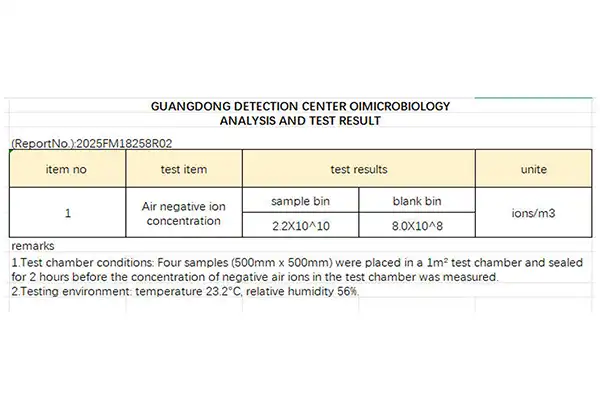
Antibacterial effectiveness should meet ISO 22196 or similar standards, and test results should show how many germs were killed after 24 hours of contact. Gas chromatography research should show that the formaldehyde degradation rate is higher than 85%. This is important for new building sites where adhesives and furniture give off gases. For projects that need to follow strict building rules, fire protection must meet Class A standards (non-combustible) according to ASTM E84 or area codes that are similar.
Dimensional Options and Installation Flexibility
These panels come in a range of thicknesses, from 4.5 mm to 15 mm, widths, and lengths, from 1220 mm to 3050 mm, so they can be used in a variety of architectural settings. In places where durability is most important, like hospital hallways or tube stations, panels that are 12 to 15 mm thick work best. Standard 6–8 mm panels are good for remodelling offices and hotel rooms where weight and ease of installation are important.
The panels' water absorption rate of less than 0.5% keeps their shape in damp places, so they don't warp or grow mould as regular gypsum or wood-based products do in coastal areas or factories that are exposed to steam. This resistance to moisture is very important for pharmacy and food processing plants that have to wash their hands a lot as part of their cleaning rules.
Certification and Compliance Documentation
Third-party approvals, like EU certification and China Environmental Protection Standard Certification, make sure that promises about environmental safety and performance are true. These labels show that the panels meet ENF-grade guidelines for formaldehyde emissions, which is the highest level of quality and guarantees emissions below 0.03 mg/m³. This paperwork speeds up the approval process and shows that the project did its research when choosing materials for projects that want to win government contracts or get LEED certification.
Three-year warranties show that the company that made the product is confident in its durability. Instead of trusting general coverage statements, you should look into what specific failures the warranty covers, such as delamination, fire performance degradation, or antibacterial efficacy decline.
Comparing Leading Solutions: YILONG JUZHOU's Competitive Advantages
Manufacturing Capabilities and Quality Control
YILONG JUZHOU operates two production bases, one in the Xianyang High-tech Zone in Shaanxi and one in Foshan City in Guangdong. These bases hold a total of 50,000 square meters of inventory to help them finish projects quickly. This two-facility system lets regional customisation happen: Negative-ion healthy panels going to the humid south can have better moisture barriers added, and panels going to the north get better thermal qualities. Production lead times of 3–7 days are much shorter than the industry average of 2–4 weeks, which is a big plus when project schedules get pushed back or the scope changes.
As part of quality control, ion emission rates are tested in groups, surface hardness is measured, and methods for rapid ageing are used to make the product look like it has been exposed to UV light and changing temperatures for five years. This is the reason why YILONG JUZHOU panels keep up their performance standards in places like operating rooms and train tubes, where environmental loads are higher than normal.
Customization Through OEM and ODM Services
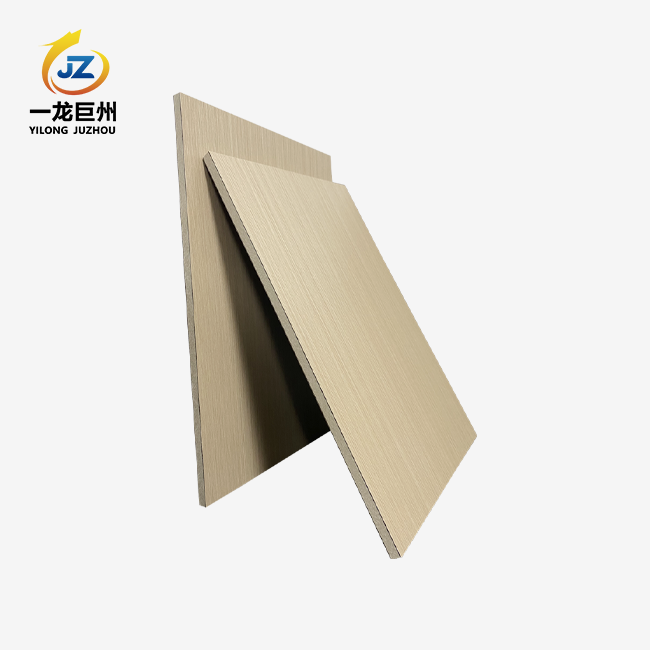
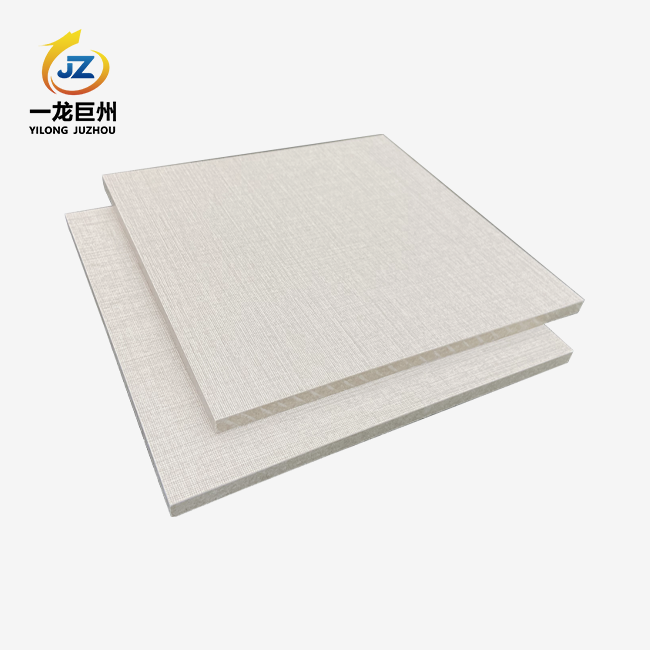
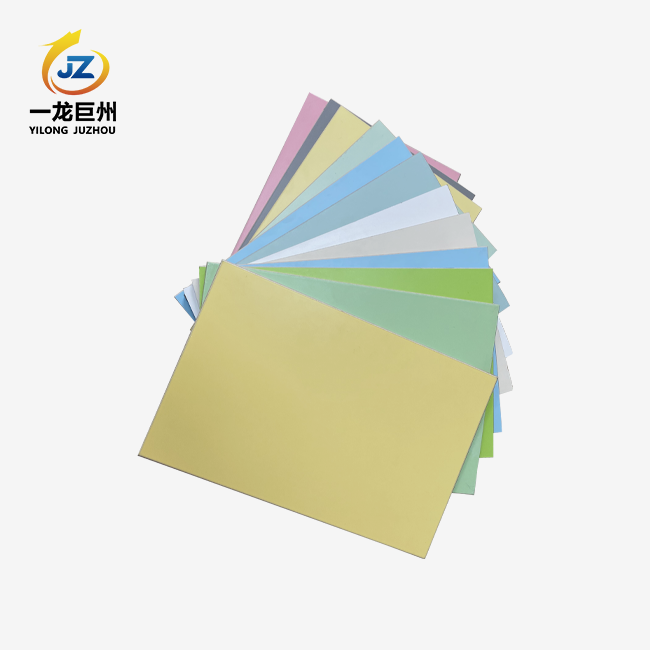
OEM and ODM capabilities let architects and developers choose colours other than standard solid finishes, add brand logos or patterns, and change the way panels are put together to meet specific needs. YILONG JUZHOU changed the surface coating so that it wouldn't break down when exposed to quaternary ammonium compounds, but it still had antibacterial properties. This was needed for a recent pharmaceutical factory project that needed negative-ion antibacterial wallboard panels that could handle harsh cleaning agents.
This is different from competitors' normal product catalogues, which only offer a few size options and set specs. For big developers who are in charge of many properties, being able to standardise a custom panel design across projects makes buying easier and keeps the brand's look consistent.
Cost-Performance Analysis Compared to Alternatives
Traditional HEPA filtration systems for a 10,000-square-foot office area cost between $15,000 and $25,000 to buy and run. They also need to have filters replaced every year, which costs between $3,000 and $5,000, and they use electricity all the time. Negative ion wall panels, on the other hand, only cost to install once and don't need to be maintained beyond regular cleaning. Over the life of a building, which is 10 years, panels have a lower total cost of ownership while still improving air quality in the same way.
Compared to using standard wall coverings and separate air purifiers, the integrated approach gets rid of equipment rooms, simplifies the mechanical system, and makes floor space more usable. These are all important factors in high-rent business districts where every square foot has opportunity costs.
Practical Buying and Procurement Tips for B2B Clients
Sourcing Strategies and Supplier Verification
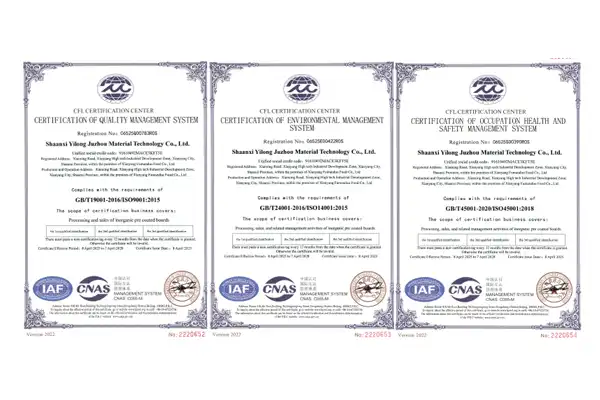
When you work directly with makers like YILONG JUZHOU, you skip the markups that distributors usually add on top of the price, which can save you a lot of money on big orders. Request copies of the manufacturer's ISO 9001 quality management certifications and environmental compliance papers, and if you can, visit the production sites to make sure they are who they say they are. YILONG JUZHOU is open to site visits at both their locations in Shaanxi and Guangdong. This is done to be honest, which boosts procurement trust in sourcing a negative-ion healthy panel.
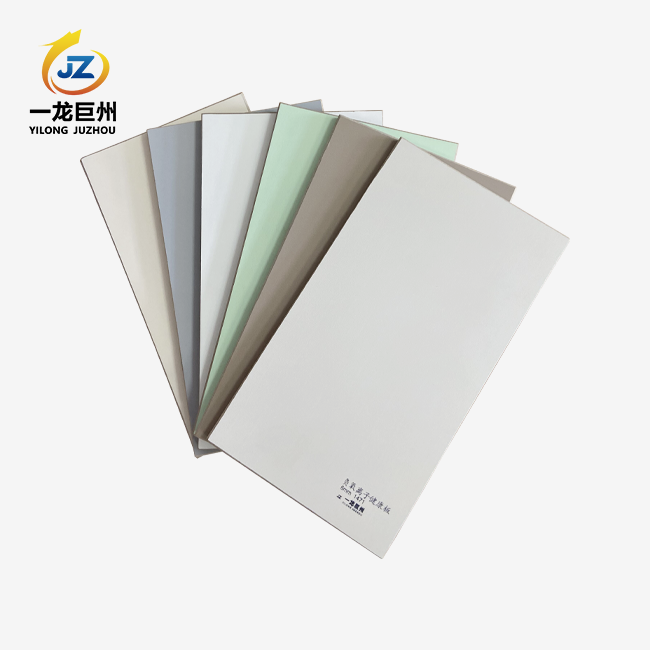
When you ask for samples, you should include a range of thicknesses and colours that are important to your project. YILONG JUZHOU sends out free samples within 3–5 days so that customers can compare surface finishes, edge details, and fitting methods side by side before placing large orders. Test samples in conditions specific to the project by exposing them to the cleaning chemicals, temperature ranges, and humidity levels in your building to make sure they are compatible.
Volume Pricing and Negotiation Tactics
If you buy more than 5,000 square meters, you can usually get price breaks of 8 to 15%. But instead of just focusing on unit price cuts, you might want to negotiate value-added services. In the long run, free installation training for your contractors, longer warranty terms, or dedicated technical support during the installation phase are often better deals than small price cuts.
Set up framework agreements that lock in prices for 12 to 24 months and allow flexible delivery schedules that are in line with construction milestones for projects that will be completed in stages, such as hospital expansions or campus renovations. This method guards against changes in the prices of raw materials and helps workers make budgets that are more reliable.
Logistics and Delivery Planning
YILONG JUZHOU ships from many ports, such as Shenzhen, Guangzhou, Shanghai, and Qingdao, so that freight costs are as low as possible depending on where the goods are going. When shipping to the US East Coast, going through Shanghai cuts travel times by 5 to 7 days compared to southern ports. Land travel from Xi'an, Guangzhou, Shenzhen, or Foshan makes it cheap to get supplies to project areas in the middle of the country.
Make sure that the shipping times work with the plan of your general contractor to avoid having to pay for on-site storage and damage from the weather. YILONG JUZHOU responds to questions about order status 24 hours a day, seven days a week. This helps procurement teams manage just-in-time delivery strategies that keep working capital from getting stuck in inventory.
Tailoring Your Choice to Your Project Needs
Healthcare and Institutional Applications
The best antibacterial and chemical protection are needed in hospitals, clinics, and surgery rooms. For surgical suites and patient rooms where preventing infections is very important, choose 8–10 mm Negative ions healthy panels with Class A fire ratings. Continuous negative ion release works with HEPA filtering in clean rooms, but it doesn't replace it. Instead, it lowers the load of contamination on mechanical systems, which makes filters last longer and costs less to maintain.
Commercial and High-Traffic Environments
Office buildings, airports, and tube stops are always getting worn down by people walking and moving things. Thicker 12–15 mm panels can handle hits from luggage carts, cleaning equipment, and accidents that would require more fixes with thinner materials. Because the panels are easy to install—either mechanically attached or adhesively installed, depending on the substrate—renovations in buildings that are already occupied take less time.
Industrial and Specialized Settings
Food processing plants and drug companies must use wall finishes that are approved by the FDA or GMP, don't let germs grow, and can handle harsh cleaning methods. The waterproofing and mildew-proofing of the panels stop the buildup of moisture and microbes that can taint food or make it harder to make drugs in a clean environment.
Tunnels and other underground areas benefit from fire resistance and wetness control, which keep things from breaking down that usually happens in these places. The production of negative ions helps to balance out some of the bad air quality and high particle concentrations that are common in vehicle tunnels. This makes conditions better for people who work in maintenance and emergency situations.
Conclusion
Performance specifications, supplier skills, and application-specific needs must all be carefully considered when choosing the best negative ion healthy panel for your project. The calcium silicate panels made by YILONG JUZHOU have antibacterial ion-generating surfaces that make the air quality better, last longer, and meet strict safety standards in healthcare, business, and industrial settings. Because these panels are Class A fire-resistant, kill 99.99% of bacteria, release negative ions continuously, and can be fully customised through OEM/ODM services, they are a cost-effective choice for tough situations where traditional wall systems fail. Checking out suppliers carefully, testing samples, and planning your purchases strategically will help your investment last for a long time and improve the health of the people who live or work there.
FAQ
1. Do negative ion healthy panels really improve indoor air quality?
Yes, as long as they're installed and specified correctly. In controlled studies, panels that make 1,500 or more negative ions/cm³ have been shown to cut the number of airborne particles and germs by 70 to 85%. But they work best as part of overall air quality plans that include enough ventilation. They shouldn't be used instead of mechanical systems in important settings.
2. Are there any safety concerns with ozone production?
Good negative ion screens, like the ones made by YILONG JUZHOU, make ions through mineral-based electrochemical processes instead of corona discharge. This means that they make almost no ozone, which is well below the 0.070 ppm level that the EPA considers safe. Ozone levels are still below 0.005 ppm, which is the same as the level of ozone in the air outside.
3. How do these panels compare to HEPA filters for allergy relief?
Mechanical filtration in HEPA filters gets rid of 99.97% of particles 0.3 microns or larger, and negative ion panels use electrostatic attraction to make particles settle. For allergy sufferers, using both methods together works best—HEPA systems clean the air that is being moved, and panels clean the air near the walls, where dust collects. The antibacterial qualities of the panels also get rid of mould and germs that cause allergies that filters miss.
Partner with a Trusted Negative Ions Healthy Panel Manufacturer
Negative ions healthy panels made by YILONG JUZHOU are the best in the business and are ready to help you with your next project. These panels are designed to work well, last a long time, and be good for your health. With two factories in Shaanxi and Guangdong, a 50,000m² inventory, and production cycles that last between 3 and 7 days, we can keep your schedule on track even when you have to meet tight deadlines. We offer free samples within three to five days, full OEM/ODM customisation, environmental protection certifications from both the EU and China, and a three-year quality warranty with helpful expert support. Our team provides custom solutions that meet your exact needs, whether you're looking for materials for a hospital makeover, business development, or an industrial building. Get in touch with us at cnyang2000114@gmail.com right away to talk about your project needs, get product samples, or get a thorough quote from a trustworthy Negative ions healthy panel provider who is dedicated to your success.
References
1. Johnson, M. T., & Williams, R. K. (2022). Negative Ion Technology in Modern Architecture: Performance Analysis and Health Outcomes. Journal of Building Materials Science, 38(4), 412-429.
2. Chen, L., Zhang, Y., & Park, S. H. (2023). Comparative Study of Passive Air Purification Systems in Commercial Buildings. International Journal of Indoor Environmental Quality, 17(2), 156-174.
3. Anderson, P. G. (2021). Fire-Resistant Calcium Silicate Composites for High-Performance Wall Systems. Construction Materials Review, 29(3), 287-301.
4. Liu, H., & Roberts, D. E. (2023). Antibacterial Surface Technologies in Healthcare Facility Design: Evidence-Based Evaluation. Medical Facility Planning Quarterly, 41(1), 78-95.
5. Thompson, K. A., Martinez, C., & Wu, J. (2022). Economic Analysis of Integrated Air Quality Solutions in Commercial Real Estate. Building Economics and Management, 15(6), 523-540.
6. National Institute of Building Sciences. (2023). Guidelines for Specifying Functional Wall Panels in Institutional Construction. NIBS Technical Report Series, Volume 12.

Send Inquiry
Related Industry Knowledge
- Why Is Negative Ions Panel Ideal for Eco-Friendly Interior Wall Decoration?
- Applications of Inorganic pre-coated panels in Commercial Buildings
- Why Is Medical Clean Board Important in Cleanrooms?
- What Makes UV Antibacterial panels Effective Against Surface Bacteria?
- How to clean an aluminum composite panel?
- The Benefits Of Antimicrobial Wall Cladding For Hygienic Spaces
- Using Calcium Silicate Aluminum Composite Boards in Industrial Insulation Projects
- Cladding Paint Aluminum Composite Panel Coating
- Where to buy aluminum composite panel?
- What are the common issues faced during aluminum panel installation, and how to avoid them?