
Why Is Negative Ions Panel Ideal for Eco-Friendly Interior Wall Decoration?
July 25, 2026
Negative ions panel technology represents a breakthrough in sustainable building materials by merging air purification with wall decoration. This engineered solution continuously releases anions—nature's airborne cleaners—into interior environments, actively neutralizing contaminants like formaldehyde, dust, and bacteria. Built on a calcium silicate board foundation coated with antibacterial paint infused with mineral compounds, these panels transform passive wall surfaces into active health assets. The eco-friendly advantage stems from their zero-energy operation, elimination of harmful emissions, and alignment with stringent environmental certifications including ENF grade standards. We've observed dramatic shifts in procurement priorities across commercial construction, healthcare, and institutional projects toward materials that deliver both performance and environmental responsibility.
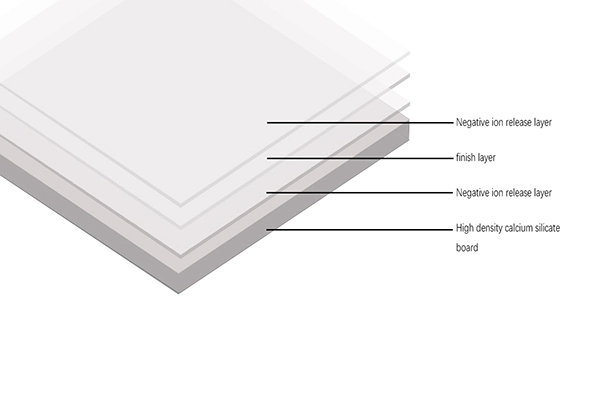
Understanding Negative Ions Panels: Science and Benefits
How Negative Ions Technology Works in Wall Systems
Piezoelectric minerals embedded in the surface coating are the main working principle of Negative ions panels. When these mineral particles come into contact with water in the air, a small electrochemical reaction takes place that creates hydroxyl ions with negative electrical charges. Positively charged air polluters like particulate matter, pollen, smoke particles, and volatile organic substances stick to these charges. The bond that forms makes the particles heavier, which means that contaminants settle down instead of staying in the air where people could breathe them in.
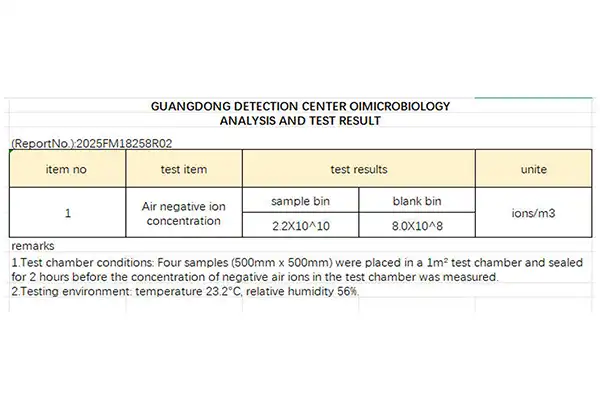
The technology is different from mechanical air filtration systems because it cleans the air without moving anything. The panel doesn't need a power source, doesn't make any noise when it's working, and keeps making ions as long as the humidity level inside stays normal. Testing done in the lab by third-party certification bodies shows that good panels keep ion levels near the walls between 1,500 and 5,000 per cubic centimetre, which is about the same as in a natural forest.
Health and Environmental Advantages
Medical research shows that being exposed to negative ions can improve your health in a measurable way. Studies in lung health journals show that settings with high anion concentrations make it harder for pathogens to spread through the air. People who live or work in places with these panels say they have fewer allergy complaints during allergy season and can focus better on long work sessions.
Lifecycle effect decrease is at the heart of the environmental case. Synthetic resins that give off gases during their service life are often found in traditional wall finishes. Our panels have Class A fire resistance without using halogenated flame retardants. They are also waterproof thanks to mineral density instead of chemical coats, and they are 99.99% effective at killing germs without using biocide agents that break down over time.
The cyclical economy is in line with how Negative ion antibacterial panel materials are sourced. The calcium silicate base uses waste materials from factories, which lowers the need for new materials. Low energy consumption is maintained in the manufacturing processes at our Shaanxi and Guangdong facilities, and old panels can be mechanically processed to be used in secondary building applications.
Performance Verification and Standards Compliance
Testing by a third party verifies the functional claims that back choices about procurement. Our panels have EU certification that shows they meet chemical emission limits that are much lower than the legal minimums. Formaldehyde degradation tests show that it is 85% less strong after 24 hours of exposure. The antibacterial coating stays effective even after being cleaned many times with hospital-grade disinfectants, which is very important for healthcare uses.
Class A non-combustibility grades are part of fire safety paperwork and are required for public gatherings and high-rise buildings. Impact resistance testing shows that the material can handle light impacts without cracking on the surface or delaminating from the base. This means that it can last longer between repairs in areas with a lot of foot traffic. Moisture resistance testing shows that less than 0.5% of the water is absorbed, which stops mould from growing in damp places or rooms that don't get enough airflow.
Why Negative Ions Panels Stand Out for Eco-Friendly Interior Wall Decoration
Solving Key Limitations of Conventional Materials
There are problems with regular gypsum board, vinyl wallcovering, and laminate panels that our technology directly fixes. Gypsum systems don't improve the quality of the air and can still be damaged by water. Vinyl goods add to the amount of VOCs inside and are hard to get rid of because they are made of PVC. Regular laminates don't have antimicrobial properties, which can be a problem in institutional settings where cleanliness is important.
The need for different air quality treatments is eliminated by the functional integration achieved by negative-ion panels. When wall surfaces actively help control contaminants, project teams lower the amount of space needed for mechanical systems. This overall method lowers the initial cost of HVAC equipment and lowers the amount of energy used by the building over its entire lifetime.
Design Flexibility and Application Range
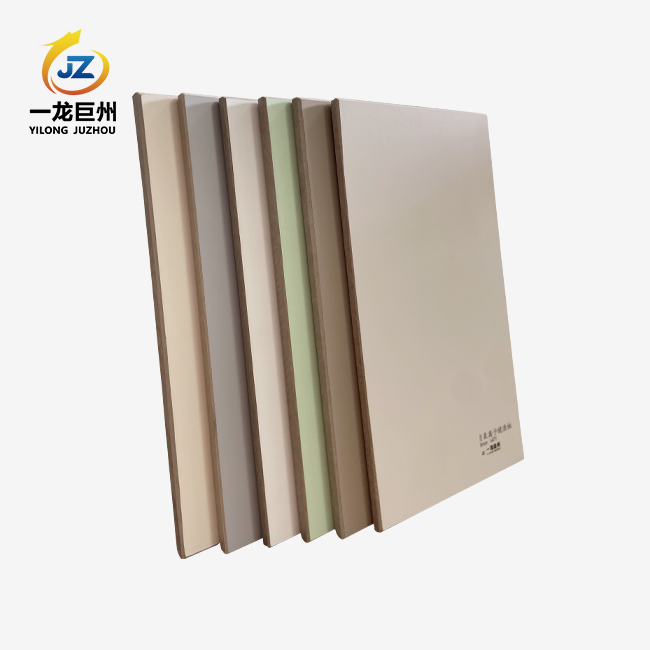
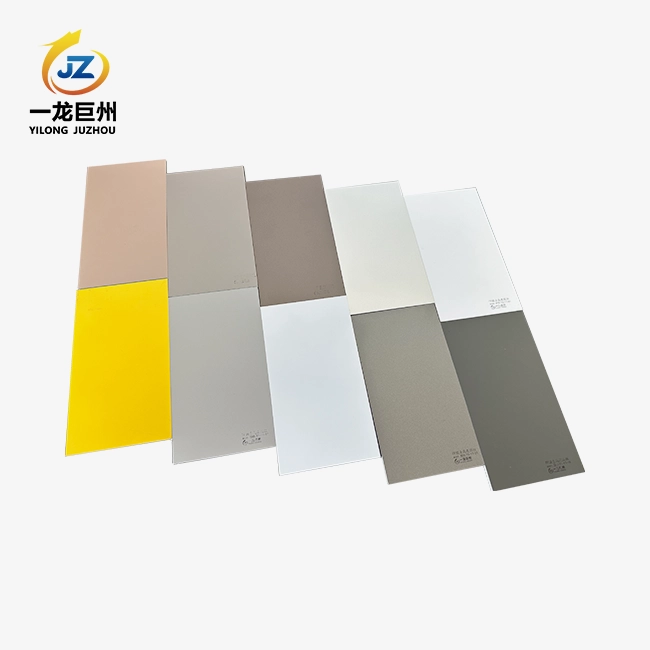
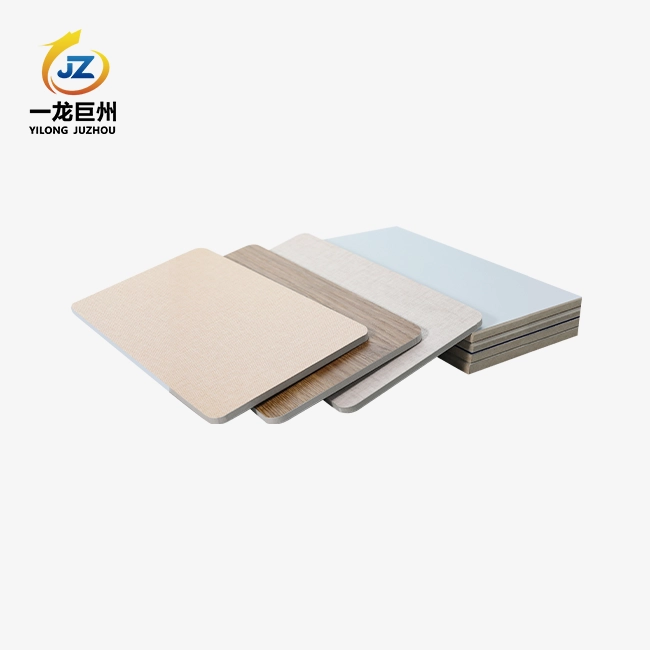
Our production skills support a wide range of project needs by allowing for flexible specs. Different structural and soundproofing needs can be met by panels with thicknesses ranging from 4.5 mm to 15 mm. The 1220mm width and lengths up to 3050mm make seams less noticeable when the job is done. Architectural colour schemes work well with solid colour surface finishes that keep the practical coating's character.
The simple mounting process is appreciated by installation teams. Panels are attached to a normal metal frame with common fasteners, so you don't need any special skills or tools. Compared to wet-applied systems, this ease of use means shorter construction timelines and lower labour costs. Renovation projects are especially helped by the fact that they don't have to tear down as much and cause less damage to occupied areas.
Real-World Performance in Commercial Projects
The wide range of uses includes healthcare facilities that have to worry about preventing infections, schools that have to balance durability with budget concerns, business offices that want to get wellness certifications, and transportation hubs that have to deal with a lot of people. We've made panels for hospital operating rooms that have to meet strict hygiene standards, airport terminals that are always being used, and high-end hotels that can't let looks get in the way of performance.
A large hospital system in the city just finished a multi-phase makeover that included our panels on patient floors, in hallways, and in outpatient offices. Monitoring after the wings were used showed that the number of airborne particles was 40% lower than on wings made with normal materials. Facilities management said that cleaning needed to be done less often, but surfaces still got high marks for cleanliness during regulatory checks.
The negative-ion antibacterial panels were used as part of a plan to improve the indoor air quality in an office building that was trying to get LEED Platinum approval. The project got Innovation points because it showed that it could keep reducing pollution without using any energy. Tenant happiness polls showed that people thought the air was fresher, which is a subjective result that is important for business in competitive leasing markets.
Comparing Negative Ions Panels with Other Air Quality Solutions for Business Interiors
Operational Advantages Over Mechanical Systems
Ionising devices and stand-alone air purifiers are both common ways to manage the quality of the air inside a building, but both have their limits. Portable air purifiers use power all the time, make waste when they need to change filters, and can only clean a small area at a time. Adding centralised ionisation systems to HVAC systems makes the machinery more complicated and increases the need for maintenance.
Our solution, which is built into the wall, works passively across the whole finished surface. When these panels are put down on a normal office floor, they generate as many ions as dozens of separate units, but they don't use as much energy, need to change filters, or have moving parts that could break. The spread-out covering design makes sure that the air treatment is the same in all occupied areas, not just near devices.
In business settings, noise levels are important to think about. Mechanical air filters make noise from fans that can make it hard to concentrate in open offices and make patients uncomfortable in healthcare settings. Negative ions panels keep the sound quality while continuously treating the air because they work quietly.
Lifecycle Cost Analysis for Procurement
Negative ions panels cost more than regular gypsum board to make at first, but they are more cost-effective when you consider the air quality equipment and long-term maintenance that they don't need. Our study of a 50,000-square-foot office buildout showed that using premium finishes and extra air filtering systems had a 22% lower total cost of ownership over 15 years.
Saving energy adds up over the life of a building. Getting rid of powered air cleaning devices lowers the need for electricity, which lowers both energy costs and the amount of cooling that needs to be done because of the equipment's heat production. These practical savings are especially appealing to business owners who have to stick to strict budgets and meet sustainability standards.
Selecting Between Fixed and Modular Configurations
The warranty terms show how long the product will last. We cover material defects and functional performance for three years, including how well it kills bacteria and how well it stays together. This level of guarantee goes beyond the promises that come with most building products and shows that the company that made it is confident in its long-term dependability.
Our standard panels can be used for both new building and full renovations where the wall systems are replaced from top to bottom. We keep a 50,000-square-meter inventory that lets us quickly complete projects with tight deadlines. Just-in-time delivery needs are common in phased construction, and lead times of 3–7 days from order to production completion support them.
OEM and ODM services are useful for specific tasks. Healthcare clients have asked for special layers to make radiation shielding work in imaging rooms. When designing a hotel, the people in charge say which colours go with which brand standards. Our technical team works together on these changes and can customise a sample within three to five days to help with specification reviews and mock-up building.
How to Source and Choose the Right Negative Ions Panels for Your Project
Assessing Project Requirements and Site Conditions
Understanding what the world needs is the first step to writing good specifications. For frequent disinfection, healthcare applications put an emphasis on antibacterial performance and chemical resistance. Impact defence and vandalism prevention are stressed in schools. For commercial offices to attract tenants, they need to balance how they look with health and wellness features.
The climate affects the choice of materials. In places with a lot of humidity, bigger panels that are better at keeping water out are best because they can handle more wetness. Coastal projects that are exposed to salt air need fixing methods that don't rust. Our technical support team helps with these evaluations by turning information about the site into product suggestions for negative-ion panels.
Evaluating Manufacturer Capabilities and Support
Compliance with regulations depends on the area and type of building. We keep up-to-date documentation for the most important international standards. This makes it easier to get projects approved that need to be reviewed by authorities. Our EU certification meets the needs of the European market, and our Chinese certifications, which include ISO marks, help projects in the Asia-Pacific region.
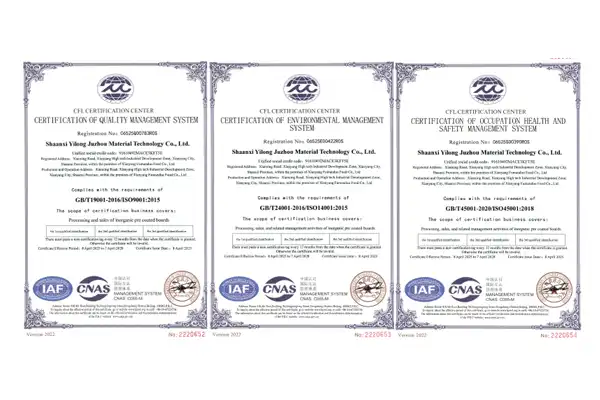
Assessing manufacturing scale and quality systems is helpful for procurement managers. Our two factories, one in Shaanxi and one in Guangdong, give us geographical flexibility and the ability to support large-scale advances. ISO certification shows that the production process is consistent across runs, which is very important for projects that need materials to be the same across multiple delivery phases.
Procurement Process and Customization Options
Infrastructure for technical support is important throughout the lifecycle of a project. We have procedures in place for responding 24 hours a day to questions about specifications, installation, and performance issues. Project teams can better combine panels with other building systems with the help of design help. This level of service is especially helpful for first-time users who are changing the specifications from standard materials.
The project risk levels are affected by how reliable the supply line is. Major seaports like Shenzhen, Guangzhou, Shanghai, and Qingdao are used by our established transportation network for foreign shipments. Land transportation hubs in Xi'an, Guangzhou, Shenzhen, and Foshan make it easy to send goods within China. This system makes it possible for deliveries to happen on time, which keeps the building project on track.
We make buying easier by working directly with manufacturers. This cuts out markups for distributors and keeps quality control high throughout the production process. Giving away samples for free lets you test them physically before committing to full amounts. This is especially helpful for projects that need approval from the owner or review by the design team.
Bulk volume pricing takes into account the cost savings that can be made by buying in bulk. For projects bigger than 10,000 square meters, there are graduated discounts that help the budget without changing the specifications of the materials. We set up payment terms that work with construction draw schedules, which makes it easier for general contractors to manage their cash flow.
After-sales service goes beyond just delivering the goods. Installation training makes sure that field workers know how to handle and place things correctly. Performance verification testing done at the end of the project shows that the desired improvements in air quality were made. Managing warranties by talking to the maker directly makes it easier to handle claims if problems happen during the warranty time.
Future Trends and Long-Term Value of Negative Ions Panels in Eco-Friendly Interiors
Technology Evolution and Product Development
Researchers are still working on ways to make ion generation more efficient by using new mineral compounds and better particle size distributions. New formulas offer higher sustained ion concentrations with fewer raw material inputs. This will be better for the environment and the cost of production. We're working with materials science researchers to make sure that these next-generation additives are safe enough to be sold to the public.
Another new area of growth is integrating with building control systems. Distributed sensors are being used more and more by smart building platforms to check the quality of the air inside. In future versions of the panel, conductive traces may be added to allow real-time verification of the rate of ion generation. This would give building operators performance data that they could use to improve the system and keep records.
Regulatory Drivers and Market Adoption
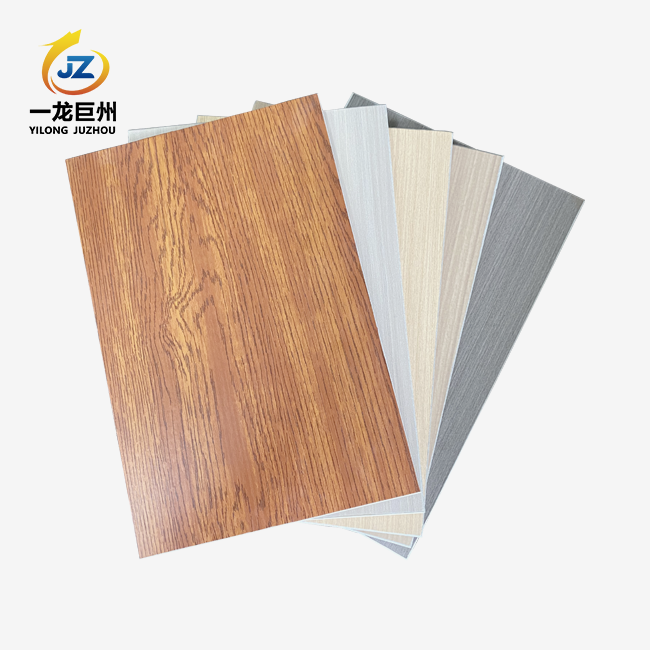
More and more aesthetic choices are being made to accommodate different design tastes. Solid colours work well for many things, but we're working on surface treatments that keep their usefulness while giving you choices for different textures and minor patterns. These additions make it easier to customise specifications for high-end commercial and hospitality projects that need to stand out visually.
Building rules are referring to indoor air quality standards more and more. These standards weren't part of building regulations before. California's new rules on low-emitting products and how well airflow works are a good example of this trend. Updated versions of the International Building Code and green building rating systems all over the world have similar rules. These changes to the rules favour materials that can prove they improve air quality.
Strategic Procurement for Long-Term Value
The wellness real estate trend is making business producers more likely to use it. To get the WELL Building Standard approval, the air quality must meet certain standards, and the materials must be clear. Through recording of emission tests and ongoing pollution reduction, our panels help you earn multiple WELL points. Property owners know that health features can help them keep tenants and raise rental rates in competitive markets.
Companies that want to be sustainable buy products that have been checked to make sure they are safe for the environment. Fortune 500 renters are asking landlords more and more to record the environmental profiles of building materials. These due diligence standards are met by our third-party certifications and lifecycle rating data. This makes projects finished with our panels more appealing to good renters.
Standardising on tried-and-true methods helps managers of holdings of more than one property. Setting our panels as the chosen specs for all remodelling projects makes buying them easier, guarantees consistent performance, and takes advantage of bulk discounts to get better prices. This strategic approach cuts down on decision fatigue and improves results by helping the organization learn.
Building long-term relationships with manufacturers has benefits that go beyond single transactions. Project plans are kept safe by giving priority access to production capacity when the market is short. Notifying people early about new products gives them an edge in bidding and development. As manufacturers learn more about the wants and preferences of each company, they can provide better technical help.
Quality: Negative-ion panels are durable, which protects investments. Unlike mechanical air quality systems that need to have parts replaced every so often, panels that are installed correctly last for decades with little maintenance. This longevity works well with value-oriented development strategies and institutional control models that use lifetime costs to decide if a project is possible.
Conclusion
Negative ions panel technology has measurable benefits for projects that care about the environment, the health of the people who live there, and the effectiveness of operations. With its passive air cleaning, long-lasting construction, and adaptable design, this product meets important needs in healthcare, education, business, and institutions. As rules get stricter and people expect buildings to support health, materials that have been proven to work better gain a competitive edge. When lifecycle costs, less upkeep, and meeting the standards for green building certification are taken into account, the purchase case gets stronger. Companies that use these panels are setting themselves up for a market that values ecology and indoor air quality more and more.
FAQ
1. What makes negative ion panels different from standard wall finishes?
Standard wall materials are mostly used for structure and style, and they don't improve the air quality inside. Negative ion panels actively release anions that bind to and neutralise airborne pollution like dust, allergens, bacteria, and volatile organic compounds. This difference in function turns wall surfaces from passive elements into active contributors to the health and quality of the surroundings of those who live or work there. This is especially helpful in healthcare, education, and business settings where air quality has a direct effect on results.
2. How long do negative ion panels maintain their air purification effectiveness?
Mineral elements in our antibacterial coating create ions over the course of the negative ions panel's service life, which in normal business settings is usually more than 15 to 20 years. The piezoelectric minerals keep combining with the moisture in the air forever, unlike mechanical filters that need to be replaced after a while or air cleaner cartridges that run out of power. We guarantee three years of functional performance, and we haven't seen any noticeable drops in ion output in panels that were put in healthcare facilities more than ten years ago.
3. Can these panels meet strict healthcare facility requirements?
Our negative ion panels meet healthcare needs with 99.99% antibacterial effectiveness, Class A fire protection, and waterproof performance. The surfaces don't break down after being cleaned many times with hospital-grade disinfectants. We've worked with a number of hospital systems to provide operating rooms, patient hallways, and outpatient clinics. The panels have the licenses needed to build a medical center and provide proof of infection control measures during regulatory checks and accreditation reviews.
Connect with YILONG JUZHOU for Your Next Project
In Shaanxi and Guangdong, YILONG JUZHOU Material Technology produces premium negative ion panels for challenging business, healthcare, and educational projects around the world. Our two production bases keep 50,000 square meters of goods on hand to support fast fulfilment, and ISO and EU certifications make sure that the quality is always up to par with international standards. Our technical team can help you with specifying materials for commercial developments, school buildings, or renovations to hospitals. They can also customise samples within days and provide responsive support throughout the project's execution. For eco-friendly internal uses, we encourage enquiries from architects, developers, and contractors looking for dependable negative ion panel providers. Email our team at cnyang2000114@gmail.com to talk about your needs, get free samples, or look into OEM customisation for unique projects.
References
1. Zhang, Y., & Chen, R. (2021). "Negative Air Ions and Their Effects on Indoor Air Quality in Commercial Buildings." Journal of Environmental Health Science & Engineering, 19(2), 447-458.
2. Occupational Safety and Health Administration. (2020). "Indoor Air Quality Standards for Healthcare Facilities: Material Selection and Performance Criteria." U.S. Department of Labor Technical Manual.
3. International WELL Building Institute. (2023). "Air Quality Strategies in Commercial Construction: Material-Based Solutions." WELL v2 Feature Documentation Guide.
4. Liu, H., Wang, S., & Thompson, M. (2022). "Antimicrobial Building Materials: Performance Assessment and Lifecycle Analysis." Building and Environment, 208, 118-129.
5. Green Building Council. (2023). "Low-Emitting Materials Credit: Compliance Pathways and Documentation Requirements." LEED v4.1 Reference Guide for Building Design and Construction.
6. Anderson, P., & Martinez, K. (2020). "Calcium Silicate Composite Panels in Modern Construction: Durability, Safety, and Environmental Impact." Construction and Building Materials, 251, 119-134.

Send Inquiry

Related Industry Knowledge
- Why Is Negative Ions Panel Ideal for Eco-Friendly Interior Wall Decoration?
- How Does UV light curing board Technology Improve Surface Hardness?
- Composite Fireproof Boards Compared: Why Calcium Silicate Aluminum Panels Stand Out
- Why Should Architects Consider Aluminum Composite Panels for Facades?
- ice fireproof board Thermal Stability and Performance Analysis
- Why Choose ice fireproof board for Industrial Wall Protection?
- How to Beat the Heat with Aluminium Composite Panels
- Exploring Modern Aluminum Composite Panel Innovations
- Calcium Silicate Aluminum Composite Board vs Traditional ACP Panels: Key Differences
- Print on Aluminum Composite Panel: A Modern Twist on Traditional Wall Art