
Why Should Architects Consider Aluminum Composite Panels for Facades?
July 17, 2026
Modern business buildings, healthcare facilities, and public infrastructure are hard for architects to design because they have to balance fire safety rules with new ideas for how things look and project costs. This problem can be solved effectively with A2 Aluminum Composite Panels. These high-tech cladding materials have an aluminum skin and a mineral-based core that can't catch fire. They meet EN 13501-1 standards for Class A2-s1, d0 fire classification. A2-rated composite panels are different from regular polyethylene-core panels because they contain over 90% artificial minerals. This makes them much less likely for fires to spread while still giving builders the design freedom they need for big projects.
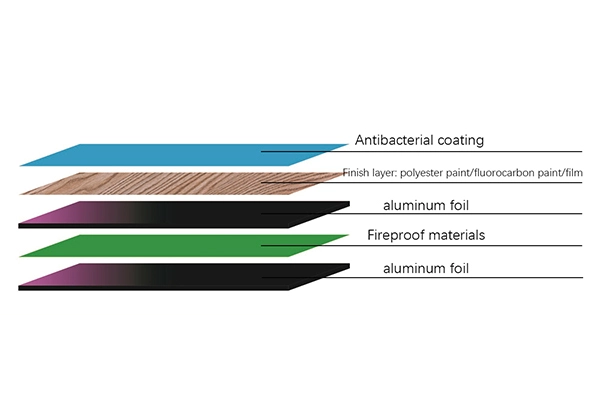
Understanding A2 Aluminum Composite Panels and Their Specifications
Core Composition and Fire Safety Standards
The mineral-rich core of the A2 aluminum composite panel covering, which usually includes magnesium hydroxide or aluminum hydroxide, is what makes it unique. This is what makes it different from regular plastic panels, which help fires spread quickly up and down in tall buildings. The mineral content is higher than 90%, which means the material won't catch fire when it comes in contact with it. Testing using ISO 1182 and ISO 1716 standards shows that these panels release very little heat, which is a key factor in keeping covering failures from becoming catastrophic.
Technical Specifications for Project Planning
When architects choose these panels for use on facades, they should think about a number of size and performance factors. A panel's width can be 1220mm, 1500mm, or 2000mm, and its thickness can be 2mm to 6mm. Custom lengths can be made to fit the needs of a specific project. This is especially helpful for buildings taller than three meters. The thickness of the aluminum skin can be anywhere from 0.1mm to 0.5mm, which lets structure load estimates be done more accurately. Polyester paint, PET film, PVC film, and PP film are all types of surface treatments. Each has its own weather resistance and appearance. PVDF-coated versions are better at blocking UV rays and keep their color for 15 to 20 years in harsh environments.
Structural Engineering Considerations
Because they have a high-density mineral core, these panels are a bit heavier than polyethylene options. They weigh about 7-8 kg/m² for a 4 mm width. Because of this difference in weight, structural studies need to be done for subframe support systems, especially when they are added to existing buildings. According to ASTM D1781 tests, the peel strength between the aluminum skins and the mineral core should be greater than 7N/mm. This makes sure that the bond stays strong over time, even when temperatures change, and there is mechanical stress.
Advantages of A2 Aluminum Composite Panels for Facades
Using fire-resistant composite cladding has benefits that go beyond following the rules; it provides real value throughout the lifecycle of a project. Here are some of the best things about this material technology:
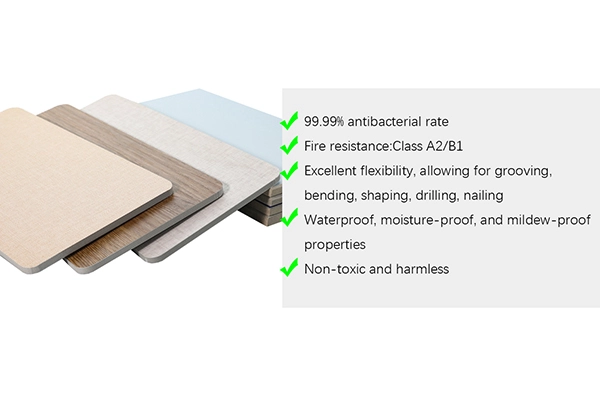
- Superior Fire Performance: The mineral core is not flammable, which is the most important safety issue in wall design. During a fire, these panels don't catch fire, give off toxic fumes, or make burning droplets (D0 grade), so the escape path stays intact. This quality is very important in places like hospitals, schools, airports, and high-rise office buildings where people's safety during emergencies can't be compromised.
- Enhanced Durability and Weather Resistance: Aluminum composite siding designed for exterior use is very resistant to water getting in, mold growing, and corrosion. The waterproofing and moisture-proofing qualities keep the base from breaking down in coastal or humid areas. UV-stable surface treatments stop chalking and color fading, which lowers the need for upkeep and the cost of replacement over a long period of time.
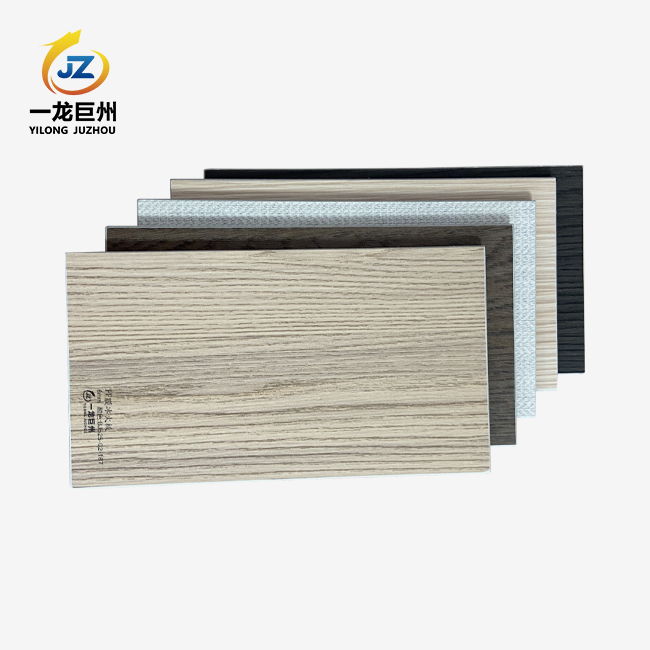
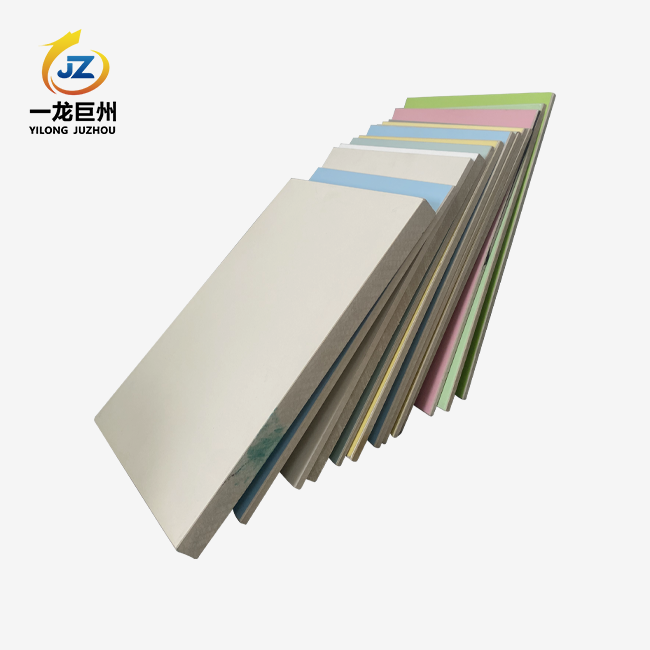
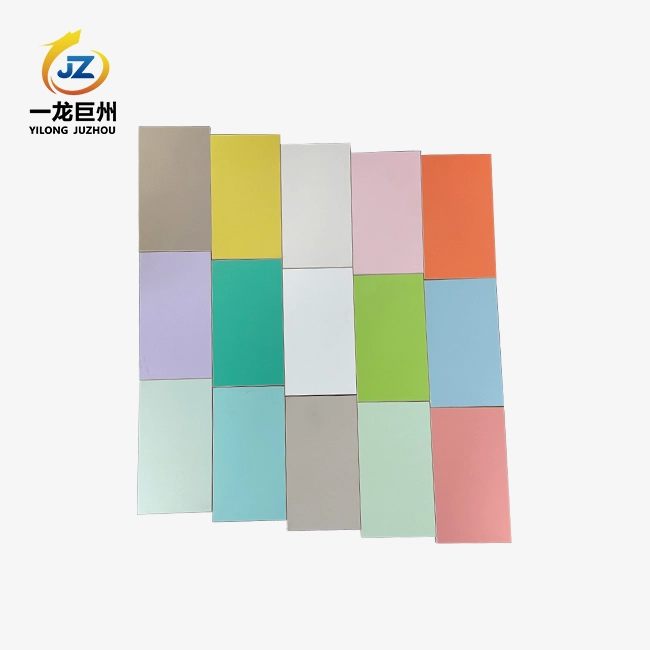
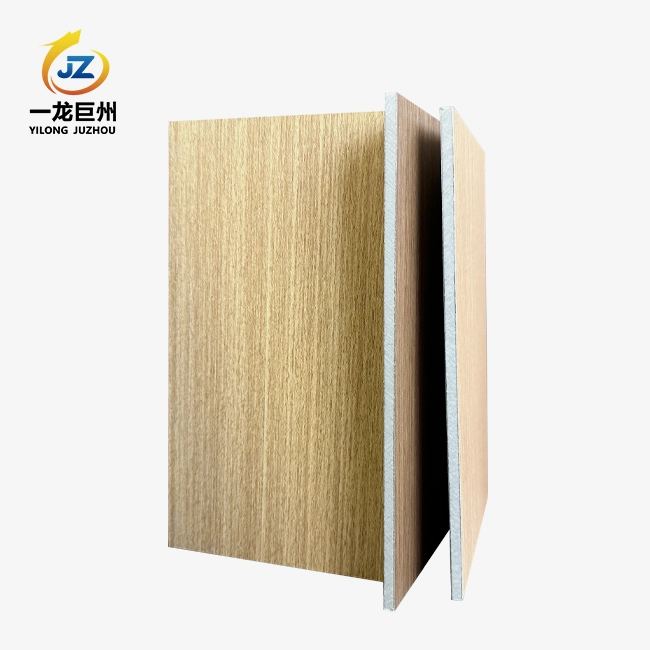
- Design Flexibility and Aesthetic Range: Architects like how these A2 Aluminum Composite panels can be changed in a lot of different ways. Surface finishes come in solid colors, wooden textures, marble patterns, metallic effects, and cloth designs, so they can fit in with a wide range of building styles. Because the material can be bent, it can be used to make curved facades, column covers, and complex geometric shapes that are still fire-safe. This flexibility lets you be creative while still following strict building codes.
- Installation Efficiency and Project Timelines: Aluminum composite panels are lighter than stone or solid metal alternatives, which speeds up the installation process. Standard fabrication tools can be used to drill, nail, and bend panels, but diamond-tipped tools are recommended for the mineral core to keep it from wearing down too quickly. When installation goes faster, labor costs go down, and project timelines get shorter. This is especially helpful for business real estate development, which often uses phased building plans.
These benefits work together to meet the main concerns of business developers, healthcare facility managers, and public infrastructure planners who need materials that are both safe and well-designed.
Comparison: A2 Aluminum Composite Panels vs. Other Facade Materials
A2 vs. A1 Fire-Rated Panels
A1-classified panels have the highest fire resistance rating, but they usually have fully inorganic cores that make them harder to design and cost more. A2 Aluminum Composite panels strike a mix between fire safety and practicality. They are reasonably priced and meet the non-combustibility standards for most business uses. There is a small difference in fire classification that doesn't usually affect project approval for buildings that are being inspected by the government. This makes A2 panels the practical choice for developments that want to save money.
A2 vs. Polyethylene-Core Panels
Standard polyethylene-core aluminum composite materials are cheap, but they are very dangerous in the event of a fire, as shown by several high-profile facade fires around the world. The plastic core that can catch fire can help the flame spread quickly, making thick smoke and dangerous gases. Mineral-core A2 panels, on the other hand, completely remove this risk. The modest price increase is justified by better occupant safety and less liability for building owners and developers.
A2 vs. Traditional Cladding Materials
Aluminum composite cladding has clear benefits over natural stone, terracotta, or solid metal pieces. Because they are heavy, stone and terracotta cladding systems need strong structural support, which raises the cost of the base and frame. Even though solid metal sheets are light, they don't have an air pocket that keeps heat in, so they can transfer thermal loads more easily. The best thing about aluminum composite panels is that they offer good thermal performance, soundproofing, and ease of installation at a fraction of the cost and weight of masonry alternatives.
Procurement Considerations for Global B2B Clients
Supplier Qualification and Certification Verification
When buying materials for large-scale projects' facades, procurement teams must carefully check the qualifications of suppliers. Reliable makers keep their ISO certification up to date and offer test results from reputable labs like SGS or Intertek. Burning panel samples to see if mineral waste is more than 90% is part of the ash content test, which helps find fake goods that are sold as A2-compliant A2 ACP panels. Request proof that the products are free of formaldehyde and radiation and meet the requirements for green building. This will show that they meet environmental protection standards.
Customization Capabilities and Lead Times
For large projects, suppliers who offer full customization services are helpful. The sizes, finishes, and types of coatings on the panels should all match the requirements set by the architect without affecting the fire safety ratings. Manufacturers with enough production capacity can fill large orders within 3–7 days for normal setups, and their stockpiles of around 50,000 m² make sure that urgent needs are met right away. Offering free samples lets customers see how the product works before placing large orders, which lowers the risk of not meeting specifications.
Logistics and International Compliance
When buying from Chinese manufacturers with more than one factory, like those in Foshan and Shaanxi, think about how close they are to big seaports like Shenzhen, Guangzhou, Shanghai, and Qingdao to make the sale process go more smoothly. Land transportation links through Xi'an, Guangzhou, Shenzhen, and Foshan make it easier to distribute goods within China. Check that the packaging for exports meets foreign shipping standards and that the goods have the right licenses for the places they will be going to, such as CE marking for projects in Europe or compliance with NFPA 285 for uses in North America.
Installation and Maintenance Guide for Architects and Contractors
Professional Installation Protocols
The performance of a facade depends on how well it is installed so that the fire resistance is maintained. The subframe system has to be able to handle temperature expansion while keeping the panels securely attached to the building shell. For compartmentalization to work, there must be fire barriers at floor level and around window holes. These stop flames from spreading vertically through the areas between walls. To get the guaranteed performance, installation teams should stick to the manufacturer's instructions for fastener spacing, joint sealing, and weatherproofing.
Maintenance Recommendations
Even though aluminum composite siding doesn't need much maintenance, cleaning it every so often keeps it looking good and extends its useful life. Avoid using rough cleaners that could damage protection layers and instead use light detergents and soft brushes to get rid of dirt and grime on the surface. Sealant wear, fastener tightness, and panel alignment should all be checked once a year during inspections. This way, small problems can be fixed before they get worse. Because these panels are strong and don't break easily, they usually only need small fixes instead of being replaced altogether. This saves money on long-term building management costs.
Performance in High-Traffic Environments
Buildings like tube stations, airports, and shopping malls put constant stress on the A2 ACP board-foam facade materials they use by changing temperature and humidity, and having heavy objects hit them. Panels made for these uses have surfaces that are antibacterial and easy to clean, which are important for keeping healthcare settings and food preparation areas free of infections. The ability to resist water and mold stops living things from growing in places that are closed off or don't have enough airflow, like tunnels and underground buildings.
Conclusion
When architects choose wall materials for business buildings, public infrastructure, and specialized facilities, they have to make tough choices that balance safety, looks, budget, and follow the rules. Fire-resistant A2 aluminum composite panels with mineral cores meet all of these needs at the same time. They are non-combustible, which reduces the risk of fire, and they offer a lot of design choices because they come in many finishes. The material is great for hospitals, schools, transit hubs, and high-rise office buildings because it can last in harsh conditions, is easy to install, and has low lifetime costs. When bought from certified makers who strictly monitor quality and offer full technical support, these panels provide reliable long-term performance that safeguards the investments of both building occupants and project partners.
FAQ
1. What distinguishes A2-rated panels from lower fire classifications?
The difference is based on the mineral makeup. B1 fire-retardant panels are made up of about 50–60% minerals and can still catch fire, but they do so on their own. A2-classified panels are made up of more than 90% minerals, which means they can't catch fire according to standard fire testing procedures. This difference is very important for tall buildings because building rules require non-combustible covering to stop flames from spreading quickly up and down through the stack effect.
2. Can these panels accommodate complex architectural designs?
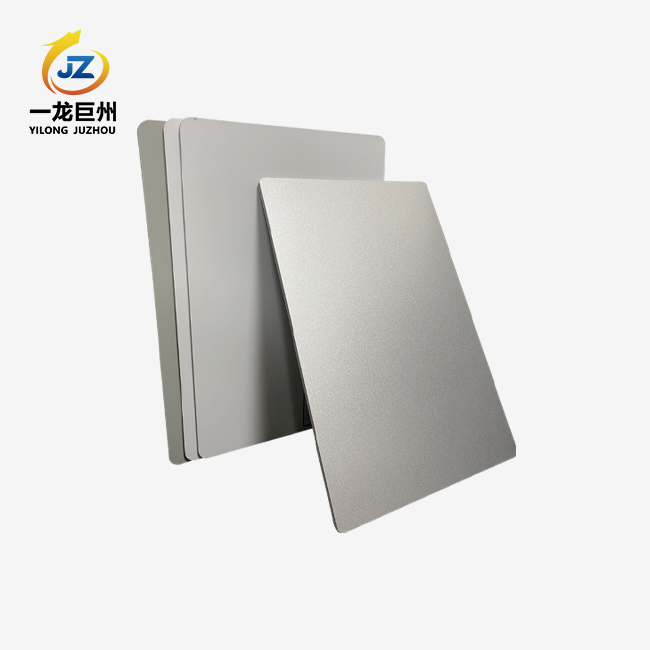
Yes, the material is flexible enough to bend into different curved shapes, which allows for new facade geometries. To get the look they want, architects can choose basic colors, woodgrain textures, marble patterns, silver finishes, or cloth patterns. Custom sizes, such as heights over three meters and different widths, make it possible to fit a wide range of building sizes and design goals.
3. What certifications should procurement teams verify?
Ask accredited labs for up-to-date test results that show they meet the requirements of EN 13501-1 Class A2-s1, d0 classification. ISO certification proves that production quality systems are in place, and environmental approvals confirm that the composition is formaldehyde-, odor-, and radiation-free. A third party checking the peel strength above 7N/mm makes sure that the bond between the aluminum skins and the material core will last for a long time.
Partner with YILONG JUZHOU for Premium Fire-Safe Facade Solutions
YILONG JUZHOU is an expert at making high-performance A2 Aluminum Composite panels that meet the exact needs of architects, contractors, and procurement specialists in charge of big commercial projects. Our two factories, one in Foshan and one in Shaanxi, follow strict quality control standards. They are ISO and CE certified, and the panels they make meet international standards for environmental protection. In more than 30 countries, we provide custom solutions for hospitals, schools, office buildings, airports, hotels, and specialized manufacturing facilities. Our panel thicknesses range from 2mm to 6mm, their widths from 500mm to 2000mm, and their lengths are endless. As a reputable company that makes A2 Aluminum Composite panels, we offer free samples that are usually sent within 3–5 days. This way, project teams can check out the quality of the materials before placing large orders. Our OEM and ODM services can be customized to meet specific design needs. They come with installation technical support and a three-year quality guarantee. You can email our team at cnyang2000114@gmail.com to talk about the details of your project and get advice on how to make the wall work better, meet safety standards, and look good. We make sure that your construction schedule stays on track by responding within 24 hours and having a production capacity of more than 50,000m² in stock.
References
1. Smith, J. and Brown, T. (2021). Fire Safety in Modern Building Facades: Materials and Testing Standards. International Journal of Architectural Engineering, Vol. 15, Issue 3, pp. 127-145.
2. European Committee for Standardization (2020). EN 13501-1: Fire Classification of Construction Products and Building Elements – Part 1: Classification Using Data from Reaction to Fire Tests. Brussels: CEN Publications.
3. Wilson, R. (2022). Aluminum Composite Panels in Commercial Construction: A Comprehensive Guide for Architects and Engineers. New York: Building Technology Press.
4. National Fire Protection Association (2019). NFPA 285: Standard Fire Test Method for Evaluation of Fire Propagation Characteristics of Exterior Wall Assemblies Containing Combustible Components. Quincy: NFPA Publications.
5. Chen, L. and Martinez, P. (2023). Comparative Analysis of Facade Materials: Performance, Cost, and Sustainability Metrics. Journal of Sustainable Architecture, Vol. 28, No. 2, pp. 89-112.
6. International Organization for Standardization (2018). ISO 1716: Reaction to Fire Tests for Products – Determination of the Gross Heat of Combustion (Calorific Value). Geneva: ISO Standards Catalogue.

Send Inquiry


Related Industry Knowledge
- PE Aluminum Composite Board Sheet: Sizes, Specs and Uses
- melamine fireproof board vs HPL Fireproof Panels Comparison
- melamine fireproof board in Commercial Interior Decoration Projects
- melamine fireproof board Durability in High-Traffic Environments
- Why Choose Inorganic pre-coated panels for Wall Cladding Systems?
- Inorganic pre-coated panels vs Organic Coated Boards Comparison
- UV Antibacterial panels for Hospitals and Cleanroom Applications
- How to Choose the Right Calcium Silicate Aluminum Composite Board for Your Project
- Where to buy aluminum composite panel?
- How to Choose the Best Medical Clean Board