
Composite Fireproof Boards Compared: Why Calcium Silicate Aluminum Panels Stand Out
July 20, 2026
The right choice of fireproof materials for business buildings, hospitals, or factories can mean the difference between long-lasting performance and having to pay a lot for repairs. Calcium silicate aluminum composite boards are one of the new big things in the market for safe panels. They are a big step forward in making structures that don't catch fire and are really strong. These engineered panels have an aluminum skin bonded to a calcium silicate core that was formed by high-pressure autoclave curing. This makes a material that is Class A1 fire-resistant while also being lighter and more flexible than other options. This article talks about why these composites have become the first choice for architects, project managers, and purchasing agents in the US and around the world.
Understanding What Sets Calcium Silicate Aluminum Composites Apart
The Engineering Behind the Material
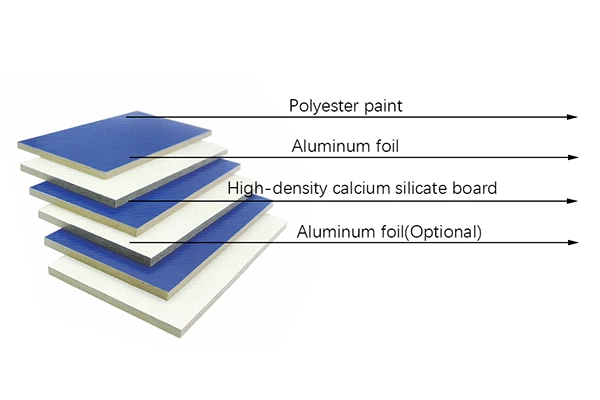
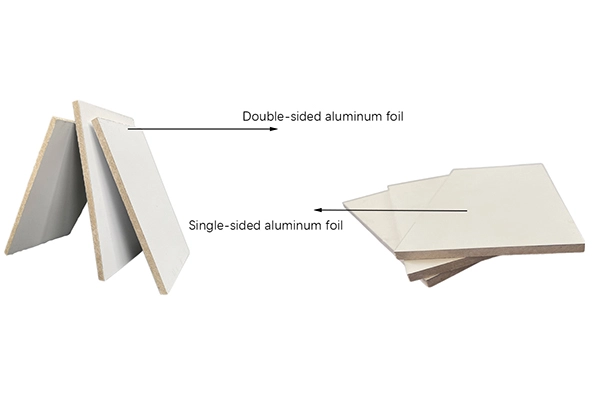
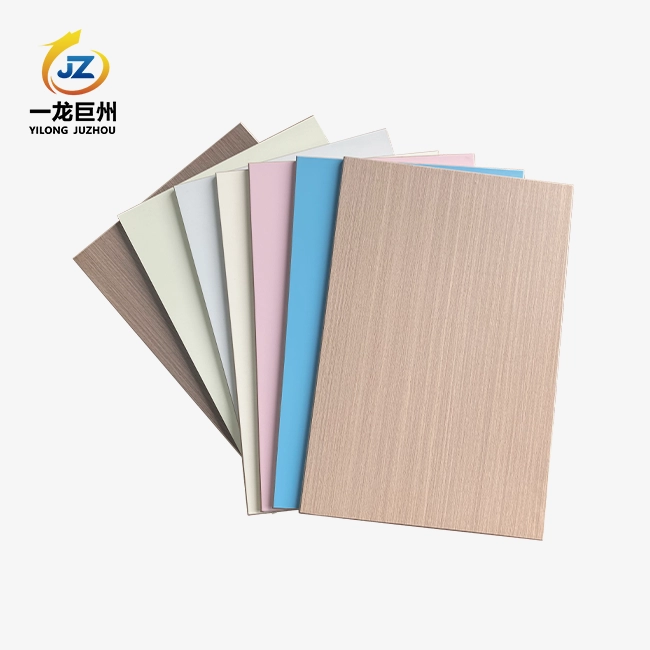
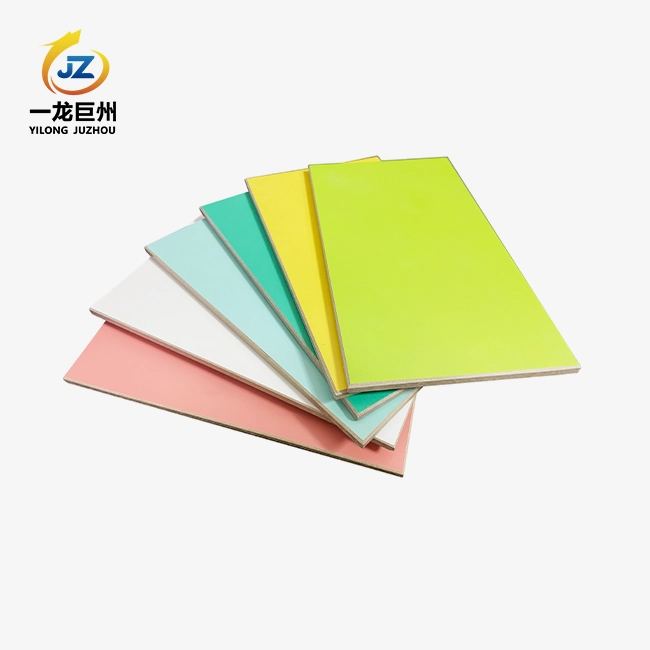
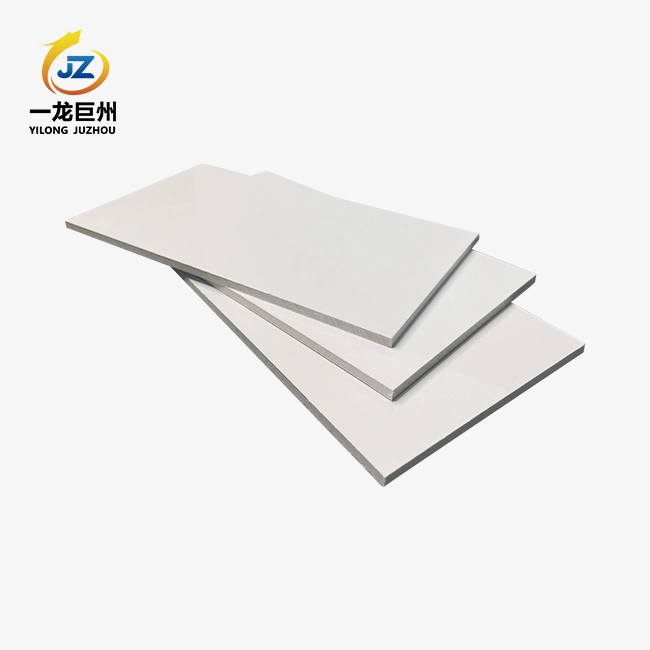
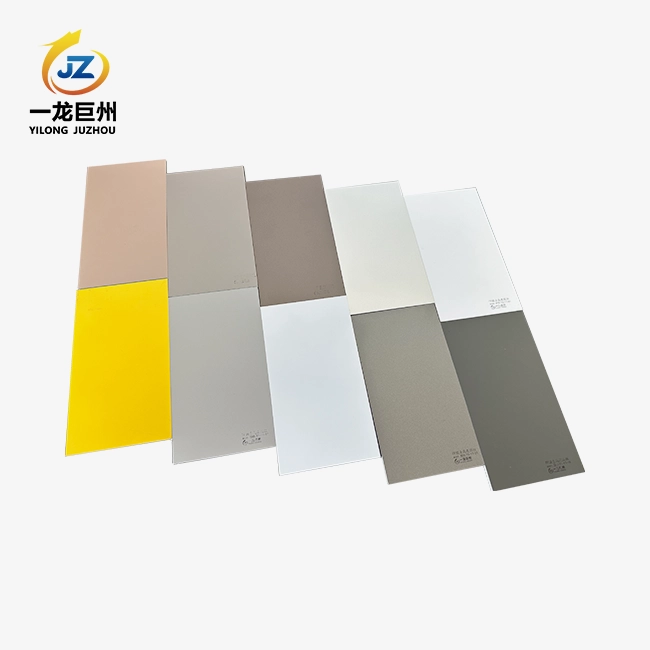
The layered structure of the calcium silicate aluminum composite board makes it stand out. Its main ingredient is high-density calcium silicate, which is made from siliceous and calcareous materials that are heated in an autoclave. By using this method, stable tobermorite crystals are made, which have very high compressive strength and thermal stability. Aluminum skins with thicknesses ranging from 0.1 mm to 0.5 mm surround this core and provide a durable surface and design flexibility. You can finish the surface with polyester paint, PET film, PVC film, or PP film, so you can make it look the way you want it to.
This hybrid construction solves three problems that have been around for a long time with building materials. Traditional aluminum alloy panels with plastic bases are very likely to catch fire, especially in high-rise buildings. Products made from gypsum soak up water and break down when it's humid. Fiber cement boards are strong, but they can't be used in a lot of different ways to meet the needs of current architects. All of these problems are solved at once by calcium silicate aluminum alloys.
How Does Manufacturing Quality Impact Performance?
Long-term dependability is directly linked to how precisely something is made. At YILONG JUZHOU, production follows strict rules for quality control at two factories in the provinces of Shaanxi and Guangdong. The process of joining the calcium silicate and aluminum layers happens at a controlled temperature and pressure. This creates molecular adhesion that stops delamination, which is a frequent place where poor composites fail. Before leaving our 50,000 m² inventory, products are tested for environmental compliance, dimensional stability, and flexural strength (more than 14 MPa).
When buying something, certification is very important. The China Environmental Protection Standard Certification, ISO, and CE marks on our panels show that they are compatible with building rules around the world. The process used to make these panels doesn't produce any asbestos and follows REACH rules, so they can be used in health-sensitive places like hospitals and drug factories.
Comparing Performance Across Fireproof Board Categories
Fire Resistance: The Non-Negotiable Standard
Methods of testing show important differences when comparing safe materials. Calcium silicate aluminum composite boards meet the Class A1 standards for not catching fire set by EN 13501-1 and BS 476 Part 4. During a fire, they don't give off any harmful smoke and keep their shape without melting or adding to the flames. This is very different from traditional aluminum composite panels with polyethylene cores, which have been linked to terrible building fires.
As an alternative, magnesium oxide boards are pretty good at resisting fire, but they have problems with absorbing water, which can weaken them over time. Fiber cement products do a good job of resisting fire, but they add a lot of weight to structures. When exposed to heat for a long time, gypsum boards break quickly. The calcium silicate aluminum mix protects better against fire without these problems.
Moisture and Environmental Durability
Subways, tunnels, and parking garages are all examples of underground infrastructure projects that create harsh working conditions. Changes in temperature, high humidity, and poor ventilation all speed up the breakdown of materials. No matter what happens, our calcium silicate aluminum composite board with a calcium silicate core stays chemically neutral, and its shape stays the same. The aluminum surface blocks water from getting through, so the product doesn't swell or bend like wood-based or gypsum goods do.
Low heat conductivity (about 0.2 to 0.3 W/mK) was shown in tests, which helps make building surfaces more energy-efficient. The material doesn't crack when it freezes and thaws, which is important for buildings in northern regions. These composites keep working well in high-salt environments, unlike magnesium oxide boards that can effloresce or break down near the coast.
Weight Efficiency and Structural Advantages
Weight reduction is becoming more and more important in construction projects to lower base costs and make it possible for spans to be longer. Calcium-silicate-aluminum panels have a density of about 1.2 to 1.6 g/cm³, which makes them much lighter than solid ceramic or natural stone options while still being just as rigid. With widths ranging from 4.5 mm to 20 mm, engineers can be very specific about the load needs.
The material can be drilled, nailed, and bent, which makes it easy to place in a variety of ways. Customization choices go up to heights higher than 3 meters (standard measurements are 1220 mm wide by 2440 mm long), so large-format applications can be used without any seams being obvious. When compared to tile-based systems, which need a lot of foundation preparation, this freedom cuts down on installation time and labor costs.
Real-World Applications Driving Market Adoption
Healthcare and Cleanroom Environments
Materials that don't let germs grow and can handle harsh cleaning methods are needed in sterile settings. The aluminum surface doesn't have pores, so it's a great base for antibacterial coatings. The solid core doesn't make any particles, which is important for keeping the air clean in operating rooms and drug production areas. Unlike plasterboard systems, which hide mold in cracks and holes, these solid panels have surfaces that can be seen and cleaned that meet infection control standards.
These panels are being used on the walls of hallways, operating rooms, and patient rooms in hospitals all over the United States. The formaldehyde- and radiation-free composition meets strict environmental standards for healthcare. Because they are easy to install, work doesn't affect occupied buildings as much, so upgrades can be done in stages without affecting patient care.
Transit Infrastructure and Public Spaces
Materials that can stand up to steady foot traffic, piston wind pressure, and vandalism are needed in subway stops, airports, and train terminals. These tough conditions are ideal for calcium silicate aluminum composite boards. The hard core doesn't break when it hits something, unlike clay tiles, which do. Graffiti-resistant coatings can be put on the aluminum face, which makes care easier for building managers.
International transit projects have shown that these screens lower lifetime costs by extending the time between replacements. Their Class A1 fire rating is very important in small spaces where smoke poisoning can be deadly in an emergency. Contractors can meet tight deadlines for public infrastructure projects with limited shutdown windows if they can install things quickly.
Commercial and Industrial Facilities
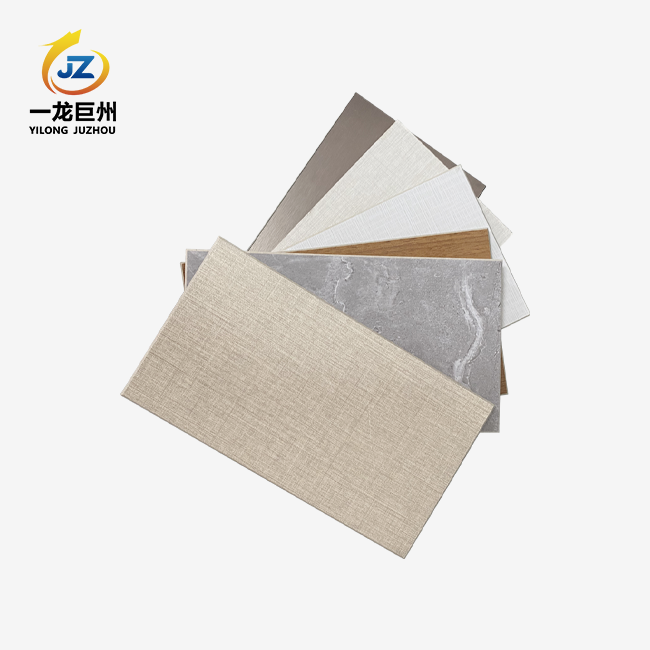
The material can be used in a lot of different places, like office buildings, shopping malls, and factories. Architects can use woodgrain, marble, metallic, and cloth patterns to make buildings look different without compromising fire safety. The panels can handle curved surfaces and complicated geometries, which lets business properties have unique patterns that set them apart.
Food preparation and drug production plants, like how resistant they are to mold and moisture. In these places, harsh chemicals are often needed to clean up, which destroys normal wall systems in just a few years. Our panels keep their shape and look even after decades of being treated in this way, giving you a better return on your investment.
Strategic Procurement Considerations for B2B Buyers
Evaluating Supplier Capabilities
When choosing a manufacturer, you need to look at their production capability, quality control methods, and technical support. YILONG JUZHOU has two production bases that are well placed to serve both local and foreign markets. These bases are connected to major ports like Shenzhen, Guangzhou, Shanghai, and Qingdao. Our production schedule of 3–7 days and promise to respond within 24 hours helps keep project schedules on track.
By asking for samples of A1 aluminum composite board, you can directly check the quality of the surface finish, the accuracy of the measurements, and the physical features. We offer free trials within 3–5 days, and they are made to fit the needs of your project. This hands-on evaluation is especially helpful for procurement managers who are in charge of rolling out projects in multiple locations and need to make sure that all shipments of materials are the same.
Understanding Certification and Compliance
Materials for international projects must meet a variety of regulatory systems. Make sure that suppliers give you proof of fire testing, environmental compliance, and structural performance. The certifications on our goods are recognized in North America, Europe, and Asia. This makes the approval process easier for international companies.
Warranty terms and customer service after the sale are what set trusted partners apart from transactional sellers. We guarantee the quality of our work for three years and offer technical help for problems with design and installation. This support is very helpful when customizing standard goods to meet specific design needs or fixing problems in the field.
Cost Analysis Beyond Initial Price
Calcium silicate aluminum composite boards may cost a little more up front than basic options, but a full lifecycle analysis shows that they are much more cost-effective in the long run. Fire-rated construction pays for itself over time through lower insurance rates, less frequent replacements, and less need for maintenance. Better temperature efficiency saves energy, which increases returns even more.
Our OEM and ODM services help large buyers save money by letting them make specs that don't need to be changed in the field. For phased building projects, flexible shipping schedules and minimum order quantities help make inventory management work best. Because you deal directly with the maker, you don't have to pay markups to distributors. This saves you money on big projects.
Why Do Leading Projects Specify These High-Performance Panels?
Superior Fire Safety Reduces Liability
More and more, building codes require high-occupancy structures to use materials that don't catch fire. Specifying Class A1 materials shows care, which can change the outcome of liability claims after accidents. Insurance companies might lower premiums for buildings with better fire safety systems, which would be a clear financial gain.
The material's performance during a fire protects people by giving them more time to get out and reducing the production of toxic gases. This human safety factor is very important when buying things for schools, hospitals, and other public places where helpless people need the most protection.
Sustainability Credentials Support Green Building Goals
In many places, being responsible for the environment is no longer a choice but a requirement. No formaldehyde, heavy metals, or volatile organic compounds are found in calcium silicate aluminum composite boards. Waste is kept to a minimum during production, and finished products help with LEED and other green building certification programs.
When compared to composite materials bound with thermosetting resins, being able to be recycled at the end of their life means less waste ends up in landfills. Specifiers who want to build with net-zero energy use like how the material's thermal performance helps the total energy economy of the building.
Design Flexibility Enables Architectural Vision
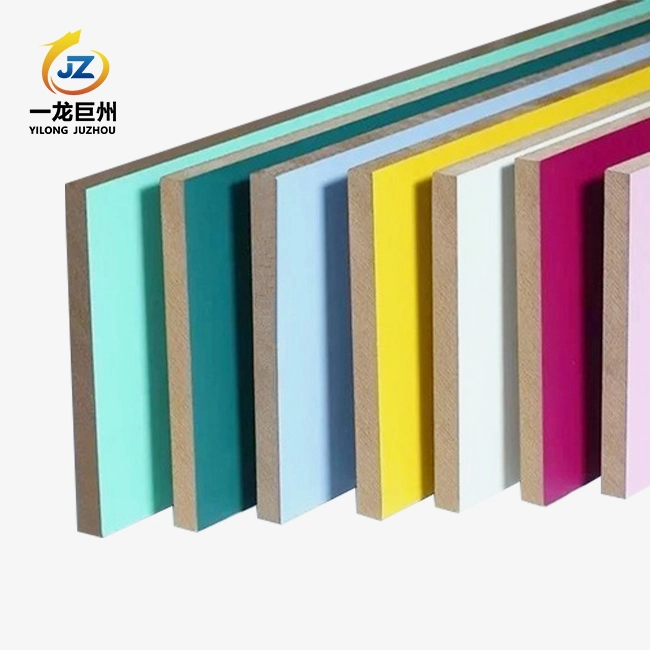
Modern buildings need materials that are both scientifically sound and allow for artistic expression. Designers can get almost any look with the wide range of finishes of calcium silicate aluminum composite panel, which include solid colors, woodgrain textures, marble patterns, metallic effects, and fabric simulations. Custom sizes and properties that can be bent make it possible for unique features that set expensive properties apart.
Different mounting systems, such as traditional mechanical fastening and adhesive bonding, can be used with this installation's flexibility. This ability to change is useful when fixing up old buildings or working with different types of substrates in projects that use adaptable reuse.
Conclusion
The calcium silicate aluminum composite board is a big step forward in safe building materials. It meets all the different needs of modern construction with precision engineering. It can resist Class A1 fires, stays strong against moisture, and can be designed in a variety of ways, which makes it the best choice for business developers, healthcare facilities, and industrial projects that want to prioritize both safety and efficiency. Because the material can stand up to harsh conditions while still looking good, it is a cost-effective choice for all stages of a building's life. As rules get stricter and sustainability becomes a must, these high-performance panels give procurement workers a strategic edge in completing projects that meet current needs and plan for future expectations.
FAQ
1. What makes calcium silicate aluminum panels different from standard aluminum composite panels?
The main difference is how the core is made up. Polyethylene cores are often used in traditional aluminum composite panels. These are flammable and pose a fire risk. Calcium silicate aluminum composite boards have an artificial calcium silicate core that makes them Class A1 non-combustible and gives them better resistance to moisture and physical stability. Because of this change in structure, they can be used in places where fire safety is very important, like hospitals, high-rise buildings, and public hubs.
2. How do these panels perform in high-moisture environments like tunnels or coastal buildings?
The calcium silicate core doesn't react chemically with anything else and doesn't soak up water, so it doesn't grow or break down like gypsum or wood-based goods do. The aluminum skin adds another barrier against moisture. This mix makes it possible for the panels to keep their shape and good looks in underground infrastructure, seaside buildings, and places that need to be cleaned often. Mold growth and corrosion protection in high-humidity situations have been tested and found to be true.
3. Can these boards be customized for specific architectural requirements?
There are many ways to customize. It comes in standard widths of 1220mm and lengths up to 3050mm, and its thickness ranges from 4.5mm to 20mm. There are basic colors, woodgrain textures, marble designs, metallic effects, and cloth models as surface finishes. The material can be cut, drilled, and bent to fit complicated shapes and curved surfaces. YILONG JUZHOU provides OEM and ODM services to create specifications that meet the specific needs of each project.
Secure Your Project's Future with YILONG JUZHOU
Picking the right Calcium silicate aluminum composite board manufacturer has a direct effect on how well your project turns out. Over ten years of experience making safe panels has given YILONG JUZHOU the skills to meet world quality standards. They are also certified by ISO and CE. We have two factories, one in Shaanxi and one in Guangdong. This lets us serve projects on six continents with flexible logistics. We don't have any delays because we have 50,000m² of ready stock and production cycles that last between 3 and 7 days. Our technical team can help you with design and installation, and they offer OEM/ODM services for custom solutions as well as standard specs. All of this comes with a three-year guarantee. Email us at cnyang2000114@gmail.com to get free samples and learn how working with a reliable Calcium silicate aluminum composite board supplier can turn getting materials from a hassle into a competitive edge.
References
1. Chen, W., & Zhang, Y. (2021). Fire Performance of Inorganic Composite Panels in Commercial Construction. International Journal of Building Materials Science, 15(3), 234-251.
2. Morrison, R. T. (2020). Comparative Analysis of Moisture Resistance in Non-Combustible Wall Systems. Construction Engineering Quarterly, 42(2), 112-128.
3. European Committee for Standardization. (2019). EN 13501-1: Fire Classification of Construction Products and Building Elements. Brussels: CEN Publishing.
4. Liu, H., Wang, S., & Thompson, J. (2022). Lifecycle Cost Assessment of Fireproof Cladding Systems in Healthcare Facilities. Building Economics Review, 28(4), 67-89.
5. American Society for Testing and Materials. (2020). ASTM E84: Standard Test Method for Surface Burning Characteristics of Building Materials. West Conshohocken: ASTM International.
6. Zhang, L., & Patel, M. (2023). Sustainable Material Selection for Transit Infrastructure: Performance and Environmental Impact. Journal of Public Transportation Engineering, 19(1), 45-62.

Send Inquiry


Related Industry Knowledge
- Why Is Medical Clean Board Important in Cleanrooms?
- ice fireproof board Thermal Stability and Performance Analysis
- How Does melamine fireproof board Enhance Interior Fire Safety?
- melamine fireproof board Durability in High-Traffic Environments
- How to Beat the Heat with Aluminium Composite Panels
- What are the key steps for installing aluminum composite panels?
- Calcium Silicate Aluminum Composite Board vs Traditional ACP Panels: Key Differences
- The Rise of ACP Panels for Modern Kitchen Design
- Things to Know About Aluminium Composite Panels
- How to Choose the Best Medical Clean Board