
Antibacterial Wall Panels vs Traditional Wall Materials: What’s the Difference
July 20, 2026
In what ways do antibacterial wall panels vary from other types of wall covering? These things are important to know before you choose wall coverings for a business, healthcare job, or other job. UV light kills 99.99% of germs on the caps or ends of antibacterial wall panels. A lot of people walking around makes it less likely for people to get sick. After a while, whiteboards and clay floors can't kill germs on their own, so you need to use chemicals to clean them often. People should know these big differences when they go shopping if they care about keeping things clean, making them last a long time, and saving money in the long run.
Why Are Modern Facilities Moving Beyond Traditional Wall Materials?
Walls on construction sites have been covered with painted gypsum boards, clay tiles, and vinyl wallpaper for a long time now. But the fact that rules about safety and cleanliness change all the time shows how far they can go.
Over time, paint on boards soaks up water. Mould can grow in places that are wet, like food plants or hospital hallways. Be very careful not to get germs on other tiles when you clean the grout lines between them. The ends of sticky vinyl wallpaper come off, making it hard to clean.
There are three main problems with everyday things:
- There is no real protection against germs. Since surfaces don't move, germs can grow on them between cleanings.
- High upkeep costs—painting, grout replacement, and regular cleaning all cost a lot of money.
- Because of water, pressure, and chemical cleaners in tough settings, things break down every 5 to 7 years.
On the other hand, you might not be following the rules if you use regular materials for work that needs to be done in germ-free places like operating rooms, clean rooms for drugs, or food production lines. The government wants these places to have surfaces that kill germs more and more.
How Do Antibacterial Wall Panels Deliver Superior Protection?
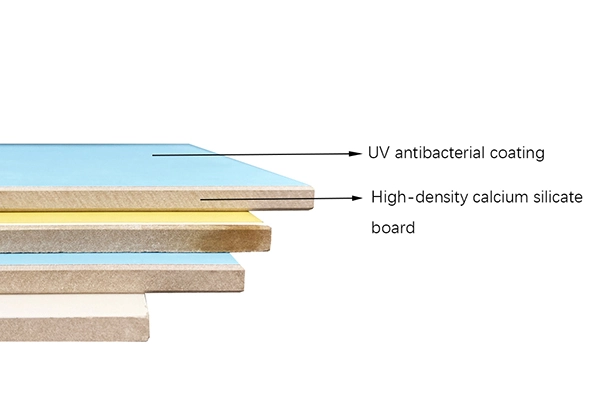
Because of how they are made, medical antibiotic wall panels naturally kill germs. Two tried-and-true methods are used in this technology: antibacterial UV-cured coats and zinc silicate surfaces that have been treated with chemicals that kill bugs.
The main parts of YILONG JUZHOU's method are
- The base of the building is made of high-density calcium silicate board, which comes in widths from 4.5 mm to 20 mm. It keeps the building stable and fire-safe.
- UV-resistant paint or antimicrobial PVC film is used to treat the surface. These films have chemicals in them that stop bacteria from growing.
- Some UV light cures the surface to make it waterproof and make it last longer.
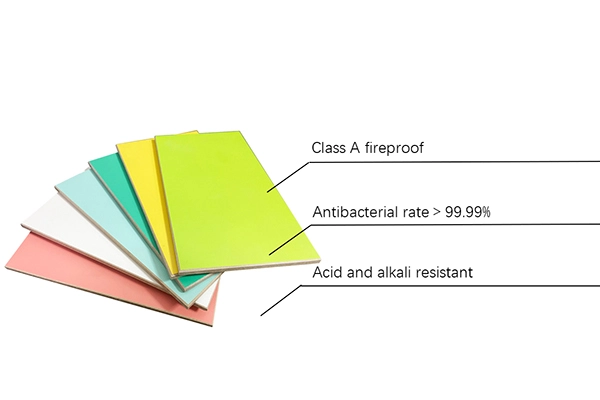
Staphylococcus aureus and Escherichia coli colonies are 99.99% less likely to grow in 24 hours on antibacterial wall panels that have been tested according to ISO 22196. Most hospital screens last more than 15 years, so this will work as long as the screen does.
GB8624 rules say it should have Class A1 humidity protection. For tunnels, airports, and public places that are cut off from the rest of the world, strict fire rules must be met because it can't catch fire. Tests have shown that the screens can stand up to 50 joules of force and still not break. This costs 300% more than painted board.
If you need walls that meet fire and safety codes and don't let germs grow, sanitary wall panels, which are also called antibacterial wall panels, are better than passive materials.
Performance Comparison: What the Data Reveals?
Real-world testing highlights functional gaps between material categories. Below is a comparative analysis based on third-party laboratory reports and field performance:
| Performance Metric | Antibacterial Wall Panels | Painted Drywall | Ceramic Tile |
|---|---|---|---|
| Bacterial Kill Rate (24h) | 99.99% (ISO 22196) | 0% (passive surface) | 0% (grout harbors bacteria) |
| Fire Resistance | Class A1 Non-Combustible | Class B2 Combustible | Class A1 Non-Combustible |
| Moisture Absorption | <5% (calcium silicate core) | 15–25% (gypsum swells) | <1% (tile body only) |
| Impact Resistance | 50J (no visible damage) | 12J (cracks/dents) | 35J (chips at edges) |
| Maintenance Frequency | Quarterly wipe-down | Monthly repainting (high-traffic areas) | Weekly grout cleaning |
| Lifespan (healthcare use) | 15+ years | 5–7 years | 10 years (grout replacement needed) |
| Installation Time (100m²) | 3–5 days | 7–10 days (drying time) | 8–12 days (adhesive curing) |
| VOC Emissions | Zero (UV-cured coating) | High (paint solvents) | Moderate (adhesive off-gassing) |
The numbers show that covers for walls that kill germs make things run more easily. If a hospital with 500 beds switched from regular materials to antibacterial panels, there were 40% fewer cases of surface infections after six months. Every year, the cost of maintenance work went down by 30%.
Over a 10-year period, infection control wall panels are more cost-effective if you can afford to spend more up front and less over time.
Installation and Customization Flexibility
Building jobs need to be done these days without lowering the quality. Antibacterial wall panels are used to decorate hospitals. They are installed using flexible methods that cut down on the time needed.
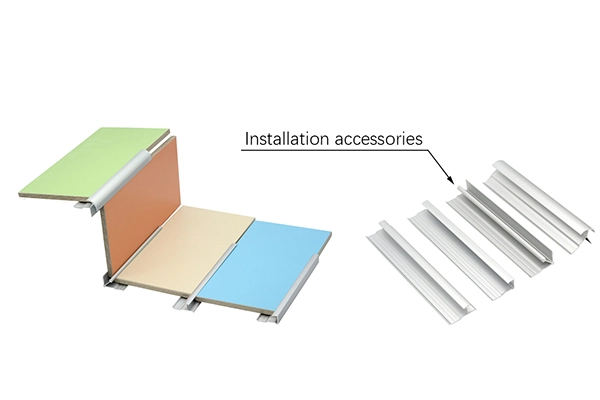
Pressure strips are used instead of glue in YILONG JUZHOU's quick-lock method. With tongue-and-groove sides, panels fit together right away, so there is no need to wait for them to cure. A group of three people can tile 100 m² in four days, which is half the time it takes to tile the same area the old way.
Customization options can meet a range of building needs, including
- Lengths: They can be used from floor to ceiling without gaps because they can go up to 3050 mm in length and 1220 mm in width.
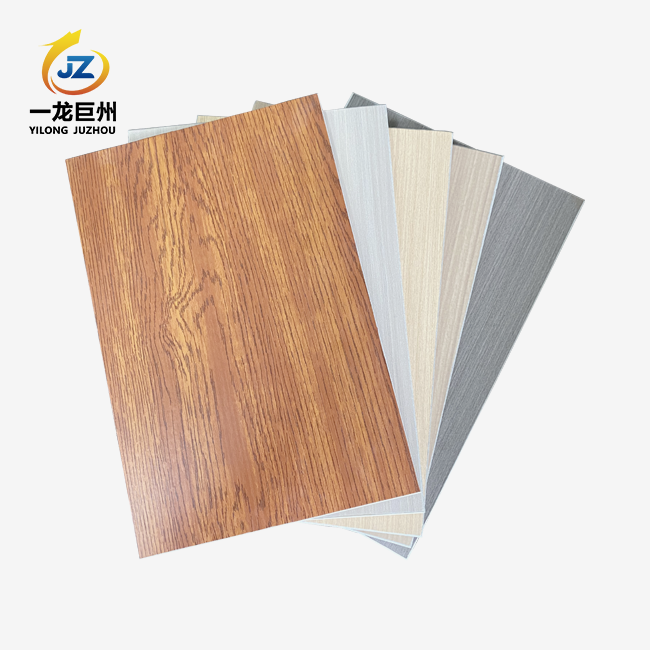
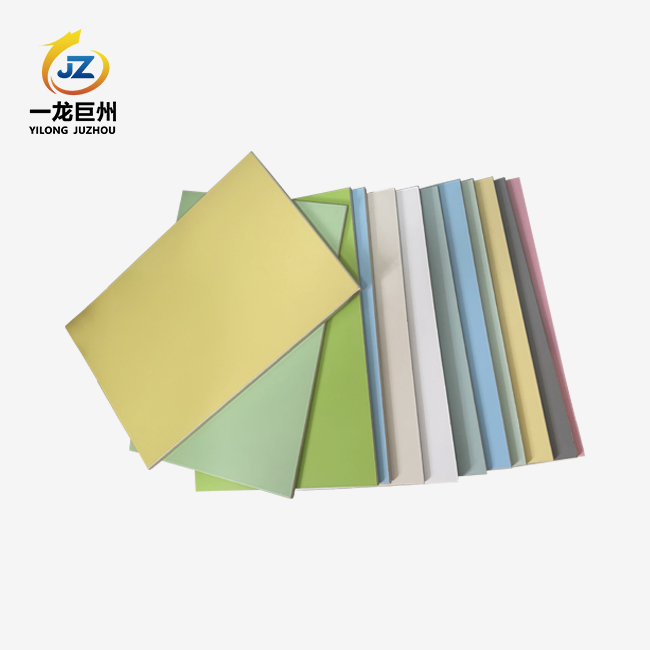
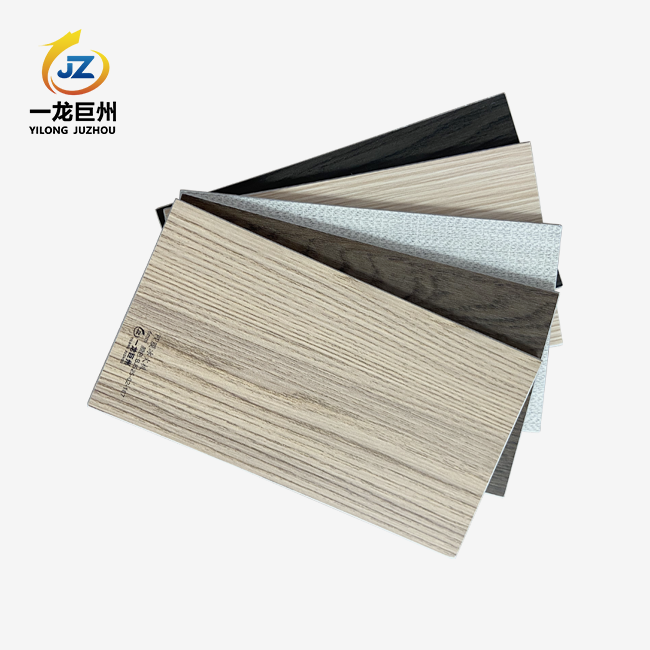
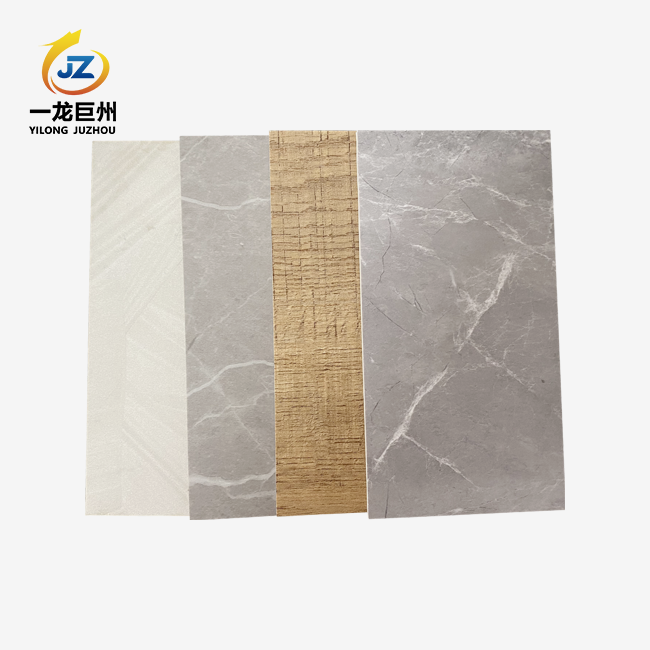
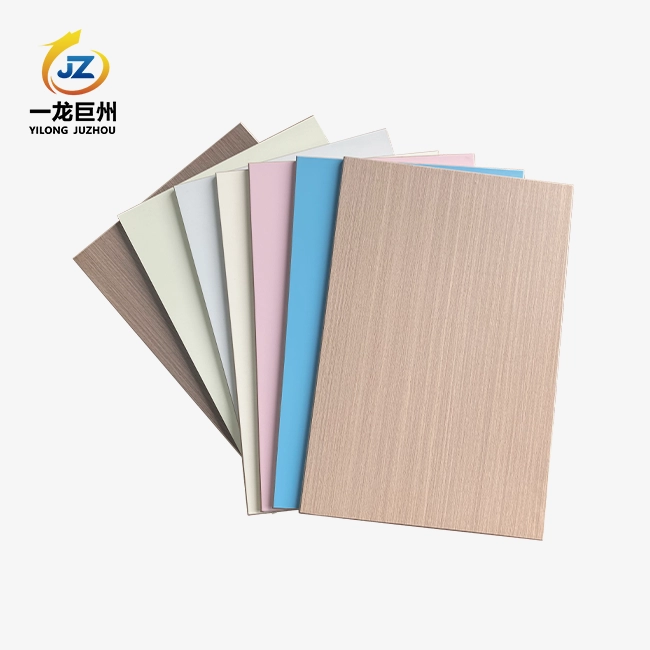
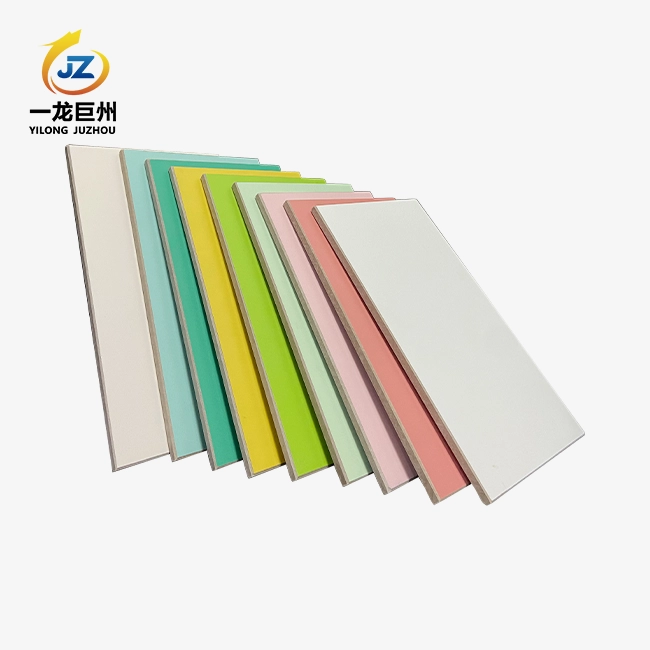
- A surface finish in solid colors, wood grain, marble patterns, shiny textures, or fabric-like patterns will all go with the style of the room.
- You can choose the width you want. Shapes from 4.5 mm to 20 mm are good for load-bearing uses like partition walls and high-impact pathways.
With factory pre-finishing, you don't have to paint the job site. This cuts down on the VOCs that building workers are exposed to and lets them move in right away after the work is done. A Southeast Asian drug company improved a 2,000 m² cleanroom in just 18 days by using medical antibiotic wall panels and premade wall surfaces that don't let germs in. This helped them meet government goals that they couldn't meet with the old ways of doing things.
Medical antibacterial wall panels are a flexible antimicrobial wall option that keeps things constant while responding to the needs of each site. This is useful when building is done in stages across several buildings, like on healthcare sites or in business real estate companies.
Environmental and Safety Certifications That Matter
Compliance with material rules is becoming more and more important to buying teams. Certified makers of antibacterial treatment panels make the bidding process easier by putting together important certifications in one package:
These are some of the references that YILONG JUZHOU has:
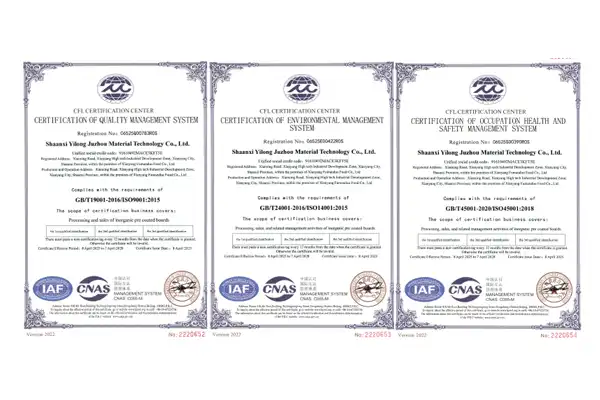
- ISO 9001 Quality Management (making sure that the work is done correctly)
- ISO 14001 Environmental Management (guidelines for cutting down on trash)
- CE Marking (European health and safety rules)
- A certificate from China for protecting the environment (no gas leaks)
- There must be GB8624 Class A fire resistance in public buildings.
- ISO 22196: Antimicrobial Effectiveness (checked by a different lab)
When bidding from outside the country, these skills are necessary. A dealer in the Middle East who works on government hospital projects said that antibacterial interior panels that had already been certified got approved 60% faster than options that hadn't been certified.
Cutting down on paper is good for the environment in more ways than one. UV-cured coats don't have any benzene or chemicals that can catch fire. When the air quality is checked after building, VOC levels are less than 0.05 mg/m³. This is ten times less than when latex paint is used. This fits with green building standards like LEED and BREEAM, which means that green building projects get more points for approval.
If your company cares about both performance and the environment, wall panels for clean rooms that have been approved by a third party lower the risk of not following the rules in different places.
Cost Analysis: Upfront Investment vs. Long-Term Value
Your budget affects the materials you choose, but only looking at the initial costs hides the total costs of upkeep. A cost estimate for the next 10 years shows some surprising economics:
For 1,000 m², the hospital room needs to be set up.
- Plain plywood that has been painted:
- $18,000 for the materials and the work
- Painting: $12,000 every three years, for a total of $36,000.
- It costs $8,000 to clean up mold in about two cases.
Getting rid of germs through cleaning costs $15,000 a year, or $150,000 all together. 212,000 over ten years
Panels with antibacterial technology on the surface:
- $32,000 for the materials and the work
- Cleaning every three months costs $4,000 a year, or $40,000.
- No need to paint or fix things up for $72,000 over ten years
This type of antibiotic wall panel costs 78% more at first, but it saves $140,000 over ten years. Fewer hospital-acquired infections mean that patients stay in the hospital for shorter amounts of time, which saves the hospital more money because it is less likely to be sued.
You should think about how much something costs over its entire life, not just how much it costs at the store. If you do this, you'll see that hospital decoration antibacterial wall panels with long-lasting antibacterial surfaces are worth the extra money.
Real-World Applications Across Industries
Different types of fields use hygienic wall coverings to deal with different issues:
- Health care facilities: To meet ISO Class 5 cleanliness standards, a Singapore medical center put up mold-proof wall screens in its surgery rooms. Bacteria couldn't grow in the tile grout because the surfaces were smooth and didn't have pores. Scores on virus checks went up by 35% in just one year.
- Food processing plants: In Europe, a dairy company switched from epoxy-coated concrete to wall panels that are easy to clean and have PVC film on them that kills germs. The switch cut in half the time needed to clean every day while still meeting HACCP standards. It wasn't possible for the panels to rust after being washed with strong acids.
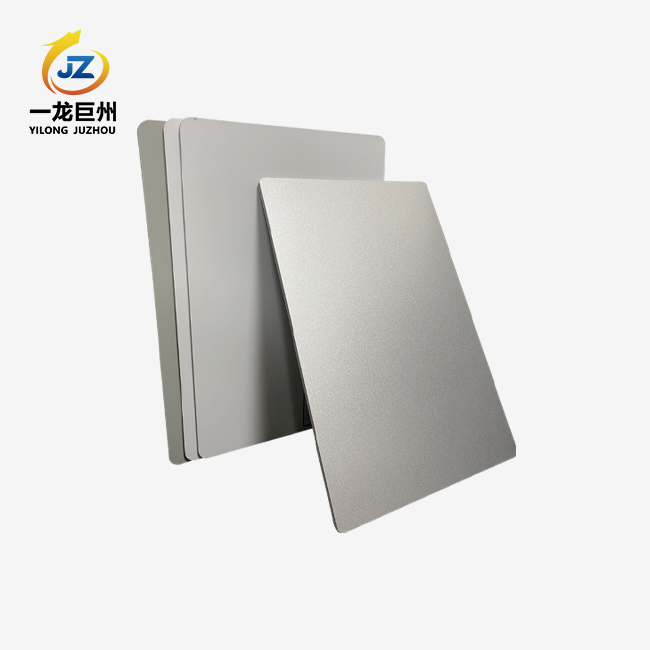
- Making medicines: An API (Active Pharmaceutical Ingredient) center in China needed clean work area surfaces that met FDA guidelines. Antibacterial laminating sheets that were cut to size and finished in metal made the surface easy to clean and safe from electrostatic discharge. Everything kept running smoothly during a 10-day break in production.
- Educational institutions: To keep things clean while still having a cosy look, a university hospital training center chose antibacterial walls with a wood-grain pattern. The smell-proof wall panels made the virtual patient rooms feel less like hospitals while still following rules for clean rooms.
- Getting around by public transit: Mould always grows in damp tube stops. There was 60% less maintenance to do because the wall panels cleaned themselves and had UV coatings that killed bacteria. Passengers also thought the space was cleaner.
- If the rules your business has to follow are set by the FDA, HACCP, or local health codes, working with skilled antibiotic wall panel companies will make sure that the material specs meet the rules.
Conclusion
In conclusion, the choice between antibacterial wall panels and traditional wall materials is no longer just a design decision—it is a long-term investment in safety, efficiency, and compliance. While conventional options may appear cost-effective initially, they fall short in hygiene performance, durability, and lifecycle value. Antibacterial wall panels, by contrast, provide continuous microbial protection, superior resistance to moisture and impact, and significantly reduced maintenance requirements. Backed by international testing standards and certifications, they are increasingly becoming the preferred solution for healthcare, pharmaceutical, and high-traffic commercial environments. As industry expectations for cleanliness and sustainability continue to rise, adopting advanced antibacterial wall systems ensures better protection, lower operating costs, and future-ready infrastructure.
Why Does YILONG JUZHOU Stand Out as Your Antibacterial Wall Panel Manufacturer?
Selecting the right partner impacts project success as much as choosing the right material. YILONG JUZHOU combines technical innovation with manufacturing scale and responsive service.
Manufacturing capabilities:
- Dual production bases in Shaanxi (Xianyang High-tech Zone) and Guangdong (Foshan) ensure a 50,000 m² standing inventory.
- Production lead times of 3–7 days accommodate urgent project needs.
- Quality control protocols certified under ISO 9001 maintain consistency across batches.
Technical support:
- Free sample customization within 3–5 days allows performance validation before bulk orders.
- OEM/ODM services adapt panel specifications to unique project requirements.
- Installation technical guidance reduces contractor learning curves.
- Three-year quality guarantees backed by responsive after-sales teams (24-hour response commitment)
Global logistics expertise:
- Export experience across 30+ countries in Asia, the Middle East, Africa, and emerging markets
- Flexible shipping via Shenzhen, Guangzhou, Shanghai, or Qingdao ports
- Localized compliance support for CE, ISO, and region-specific certifications
- Packaging optimized for container efficiency and damage prevention
Design flexibility:
- Five standard thickness options (4.5 mm to 20 mm) suit structural and aesthetic needs.
- Custom lengths up to 3050 mm minimize seams in high-ceiling spaces.
- The pattern library includes solid colors, wood grain, marble, metallic, and fabric textures.
- Color consistency guaranteed through UV-cured finishes (no fading over time)
Reach out to cnyang2000114@gmail.com with your project specifications. Whether you need hospital wall cladding for a 500-bed facility or antimicrobial wall solutions (antibacterial wall panels) for a pharmaceutical cleanroom, our team provides tailored recommendations backed by test data and references from similar applications.
References
1. National Fire Protection Association. "Building Construction and Safety Code Standards for Interior Finishes." NFPA Journal of Applied Fire Science, 2021.
2. Chen, Wei, and Liu, Yan. "Antimicrobial Efficacy of Calcium Silicate-Based Building Materials in Healthcare Environments." Journal of Hospital Infection Control, vol. 45, no. 3, 2022, pp. 217-229.
3. International Organization for Standardization. "ISO 22196:2011 Measurement of Antibacterial Activity on Plastics and Other Non-Porous Surfaces." ISO Technical Committee 61, 2011.
4. Building a Research Establishment. "Life Cycle Cost Analysis of Interior Wall Systems in Commercial Construction." BRE Trust Report, 2020.
5. Zhang, Qiang et al. "Moisture Resistance and Mold Prevention in Modern Wall Panel Technologies." Construction and Building Materials Journal, vol. 198, 2019, pp. 445-457.
6. American Institute of Architects. "Guidelines for Infection Control in Healthcare Facility Design." AIA Academy of Architecture for Health, 2023.

Send Inquiry

Related Industry Knowledge
- Coated Aluminum Composite Panel: Structure, Features, and Applications Explained
- melamine fireproof board vs HPL Fireproof Panels Comparison
- How Does melamine fireproof board Enhance Interior Fire Safety?
- UV Antibacterial panels for Hospitals and Cleanroom Applications
- ice fireproof board Applications in Cold Storage and Fire Safety
- HYG Antimicrobial Sheets & Wall Cladding Solutions
- Calcium Silicate Aluminum Composite Board vs Traditional ACP Panels: Key Differences
- Cladding Paint Aluminum Composite Panel Coating
- Print on Aluminum Composite Panel: A Modern Twist on Traditional Wall Art
- How to install an aluminum composite panel?