
ice fireproof board Applications in Cold Storage and Fire Safety
July 7, 2026
Materials that are both thermally efficient and completely fireproof are needed in cold storage facilities and manufacturing areas. Ice fireproof board solves this problem by combining a calcium silicate core structure with cutting-edge film-coated surface layers to achieve Class A fire protection and excellent insulating qualities. This composite panel has changed the way builders and facility managers protect internal walls in temperature-controlled spaces, where the safety of the people who work there and the integrity of the products are still very important.

Understanding Ice Fireproof Board and Its Core Properties
What Makes This Material Different?
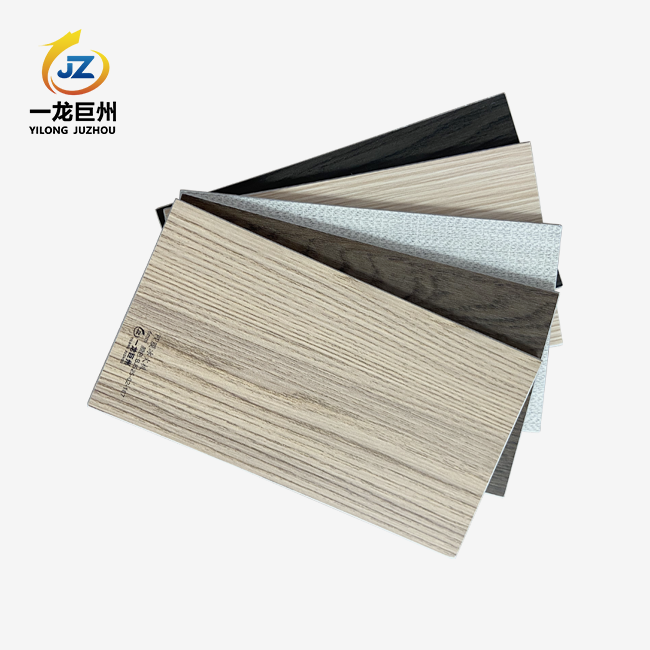
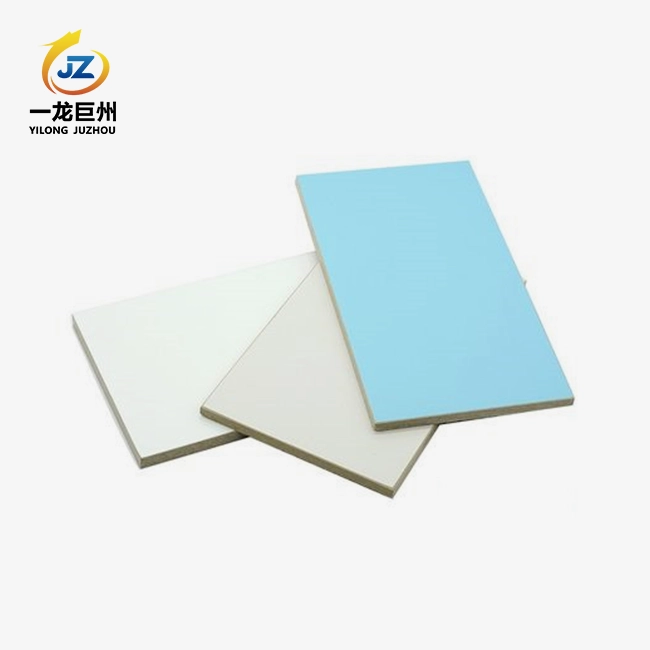
An ice fireproof board is made up of a high-density calcium silicate base that is bonded to specialised surface films like PVC, PET, PP, melamine paper, HPL, or CPL. The inorganic calcium silicate core doesn't contain any asbestos or volatile organic compounds, which is what makes it so different from traditional wood-based laminates that can catch fire. The "ice" designation comes from the board's smooth, cool-to-the-touch surface that looks like real stone. The "fireproof" designation comes from tests that showed it to be effective in high heat.
High-pressure lamination at controlled temperatures is used in the production process to bond the base to the decorative layer at the molecular level. This engineering method gets rid of the problems that adhesive-bonded panels often have when they are subject to changes in temperature that happen in places like cold storage halls and loading docks.

Technical Specifications That Matter
According to ASTM E84 and EN 13501 testing procedures, our panels meet Class A1 non-combustible standards. This is the best fire safety classification for interior finishes. The density of the material is between 1.2 and 1.4 g/cm³, which gives it structural strength without being too heavy, which could put stress on wall frame systems. Water absorption stays below 10%, which stops bending caused by moisture in cold places where mist builds up.
The antibacterial qualities work 99.99% of the time, as proven by microbial tests that followed ISO 22196 guidelines. This performance solves a very important problem in food-grade cold storage: bacteria can get into the storage through the walls and ruin whole batches of inventory. The surface hardness is higher than 3H on the pencil scale, which means it won't get scratched by carts and other tools used for daily tasks.
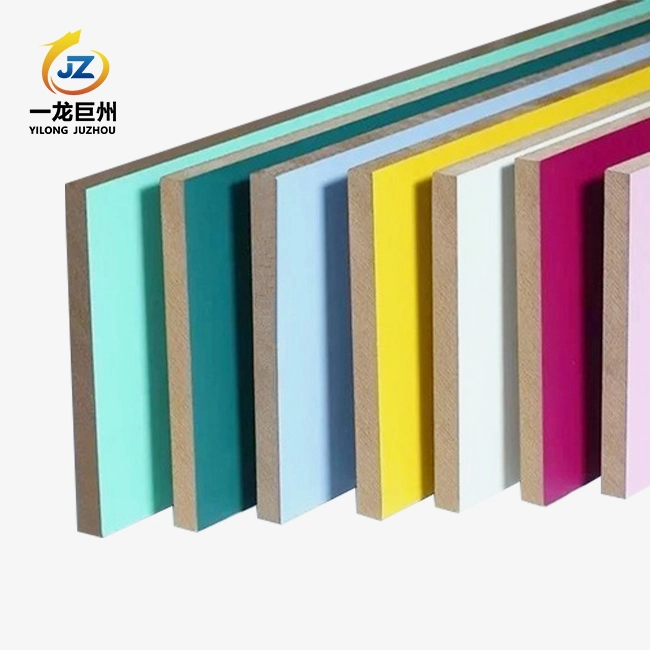
Thicknesses range from 4.5mm to 15mm, which gives specifications some room to grow based on structural needs and the state of the foundation. The standard width is 1220mm, and the lengths go up to 3050mm. This cuts down on the number of seams needed in large-format setups like those found in warehouses.
Why Does Cold Storage Demand Special Consideration?
When it comes to materials, cold places have special problems that regular wall panels can't solve. Temperature differences between areas that are loaded with air and areas that are stored below zero put constant thermal stress on the finishes inside. Standard fire-rated boards give up some insulation value to meet safety standards, while regular plasterboard systems soak up water and grow mould within months.
Because calcium silicate ice fireproof board is naturally thermally resistant, it slows down the flow of heat through wall assemblies and makes the refrigerator system's job easier. During fires, the board doesn't give off any harmful fumes, which is very important in tight areas where people may not be able to get out quickly and where breathing in smoke is immediately dangerous.
Applications of Ice-Fireproof Board in Cold Storage
Thermal Performance in Refrigerated Environments
Operators of cold storage facilities are under more and more pressure to cut down on energy use while keeping temperatures precisely controlled. Wall systems have a big effect on how well the thermal envelope works, so choosing the right material isn't just a matter of figuring out how much it will cost to build.
Our panels work perfectly with polyurethane or polystyrene insulation systems, which are popular choices for current cold storage design. Moisture can lower insulation R-values over time, but the non-porous surface stops that from happening. Lab tests show that wall assemblies with our boards keep their thermal resistance values within 3% of their original levels after five years of continuous use in a freezer. This is very different from fibre-reinforced plastic panels, which lose 15-20% of their efficiency over the same time period.
The material's ability to keep its shape across a range of temperatures is appreciated by installation teams. Panels stay within the tolerances set from -40°F to 140°F without expanding or contracting in ways that leave gaps at seams. This removes the need for callbacks for trim tweaks that happen a lot when builders use materials that are sensitive to changes in temperature.
Installation Methods for Cold Chain Facilities
For large-format uses that go along walls in packing rooms and filling hallways, we suggest dry-hanging installation using aluminium track systems. This method lets small amounts of thermal movement happen without putting stress on the surface, which makes it last longer than standard ways that only use glue. The factory-customised panel system cuts down on cutting that has to be done on-site, which keeps dust from getting into areas where food is being processed.
When used with mechanical fasteners, structural glue works best in roof situations where extra forces are created by gravity loads and vibrations from refrigeration equipment. Our technical support team gives you full installation plans that include penetration sealing around pipe chases and electrical wiring, which are typical places where heat can leak into the system and make it less effective overall.
Compared to regular cement board systems that need a lot of finishing work, the quick-install design cuts down on building times by about 40%. A 10,000-square-foot cold storage expansion that used to take three weeks to finish the walls now takes less than ten days, which means that equipment can be set up and sales can begin sooner.
Real Performance in Logistics Operations
A pharmaceutical delivery company in New Jersey chose our panels to cover their whole 50,000-square-foot temperature-controlled building, which is where they store vaccines and biologics. After 18 months of use, facility managers said that there had been no repair work done on the wall system's performance. The antibacterial surface made cleaning easier, and staff were able to finish cleanliness procedures 30% faster than in their old building, which had textured FRP panels that trapped dirt in the patterns on the surface.
In a different case, a Massachusetts seafood processing company needed fire-rated walls, i.e., fireproof wall panels, to separate the cool working areas from the blast freezer rooms. The needed two-hour fire barrier met our Class A certification when combined with the right insulation backing. This meant that we didn't have to use expensive concrete blocks, which would have added six weeks to the project plan.
Enhancing Fire Safety with Ice Fireproof Board in Industrial Settings.
Beyond Basic Fire Resistance
Industrial buildings that work with flammable materials or high-heat processes have higher fire risks, which are covered by building rules in a number of ways. Interior wall materials are the last line of defence between places where fires can start and rooms where people are, so how well they work during fires is very important for life safety.
Our panels work better than regular cement board and mineral wool systems because they keep their shape for longer periods of time at temperatures above 1800°F. During burning tests, the calcium silicate core doesn't add fuel to the fire, and the surface films are made with halogen-free formulas that stop the production of toxic gases. This trait is very important in places like tube stops and airport hubs, where smoke poisoning kills more people than direct flame exposure.
In workplace settings where equipment regularly crashes into each other, the impact-resistance qualities are just as important. Surface hardness stops the damage that lets dangerous core materials show in composite panels, so the fire shield stays strong for the whole life of the building. Insurance companies are becoming more aware of this durability benefit, and some are even lowering premiums for buildings that use Class A non-combustible wall systems in high-risk areas.
Customisation for Complex Projects
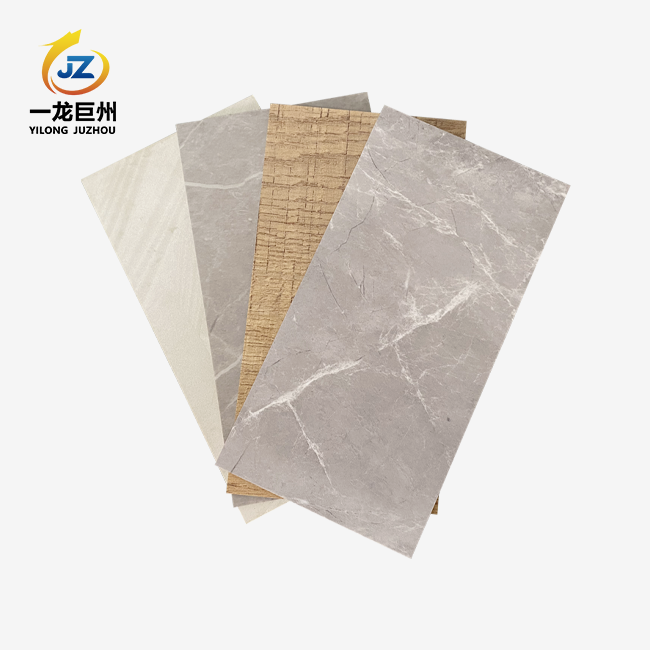
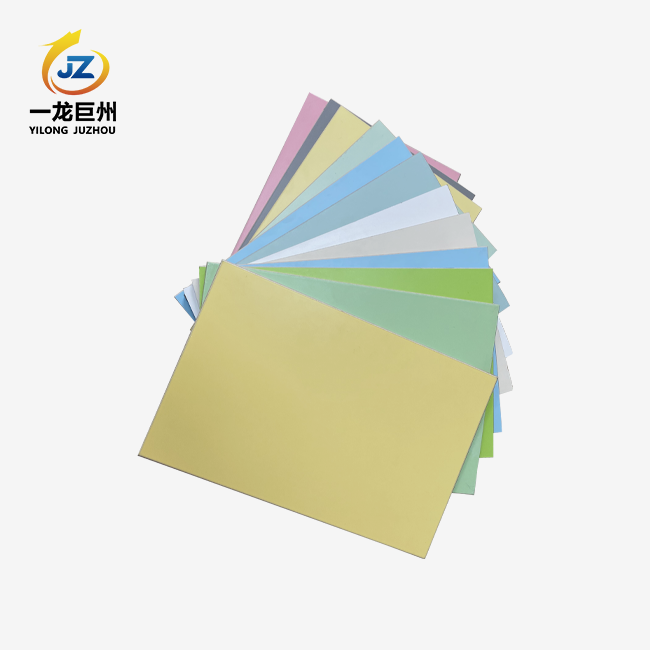
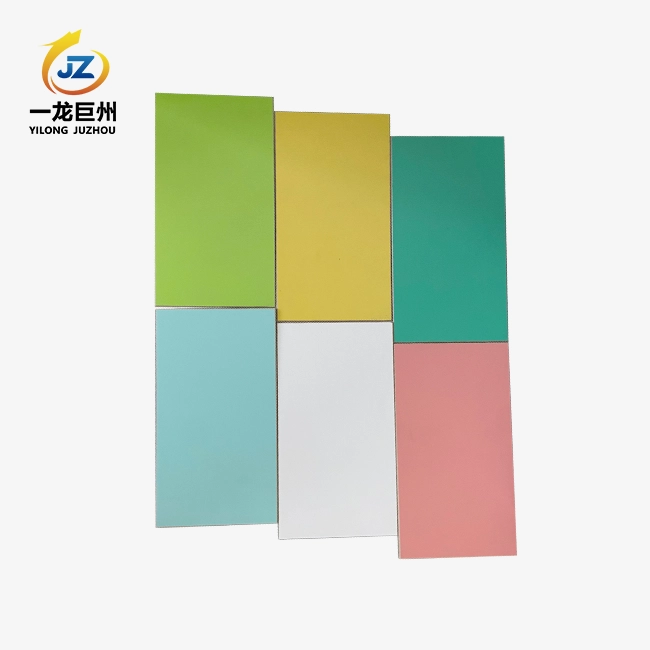
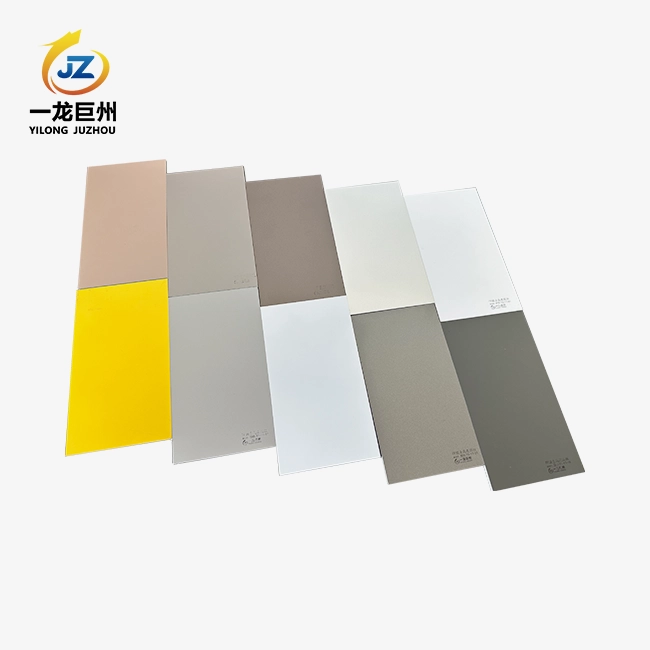
When you're building a big business building, you have to make hundreds of choices about things like architecture, mechanics, and safety. Our OEM and ODM services let project teams choose their own unique surface patterns, colours, and textures that stay true to the design while still meeting fire safety standards.
For a recent convention center project, the public hallways had to have panels with foreign stone pieces that looked like marble, and the service areas had to have panels with a solid colour. All of the panels had to meet the same fire ratings in order to get the permit. We made sample boards within five days of getting the specs. This gave the design team a chance to check the look before committing to full production numbers. The 200,000-square-foot job was easier to buy and install because different types of finishes could be combined from a single maker.
Customising the thickness takes into account the specifics of the building without lowering the fire rating. When older buildings are renovated, the base conditions are often not straight, so standard panel sizes can't fit around existing door frames or millwork details. Because we are flexible in how we make things, we can specify widths in the middle that avoid these problems while still meeting approved performance standards.
Regulatory Compliance Across Markets
The US market has complicated rules for compliance that are different for each state and city government. Title 24 energy standards in California are stricter than federal baseline rules when it comes to how business buildings should be finished on the inside. Our technical paperwork package comes with test results from ICC-ES-accredited labs that cover flame spread, smoke development, and toxic gas emissions under a number of different test standards. This makes getting approval from building officials easier.
Healthcare centres need extra licences to meet the Facility Guidelines Institute's and the Joint Commission's guidelines for infection control and cleanliness. Our 99.99% antibacterial certification meets these standards for interior wall decoration fireproof board, and the non-porous surface means that hospital-grade disinfectants can be used to clean it without damaging the finish. This is very important in surgery rooms and patient care areas where wall finishes are exposed to chemicals every day.
Conclusion
When it comes to cold storage and industrial fire safety, you need materials that were designed to work especially for those uses, not goods that can be used for other purposes. Our calcium silicate panels with advanced surface films give procurement professionals the complete answer they need: proven Class A fire resistance, good thermal insulation, antibacterial surface protection, and the ability to be used in a variety of ways to meet different artistic needs. These features are all built into one material, which makes it easier to specify, easier to install, and more reliable over time, defending both property and people who live or work there.
FAQ
1. Can these panels withstand freezer temperatures below -20°F?
Of course. Our tests show that the material stays the same size and has a smooth surface at temperatures ranging from -40°F to 140°F without cracking, bending, or delaminating. The calcium silicate core doesn't have any water in it that could freeze and damage the structure through growth, unlike cement-based goods that can break down when they freeze and thaw.
2. How do installation costs compare to traditional cold storage wall systems?
Comparing the quick-install design to multi-layer systems with different fire-rated bases, vapour barriers, and decorative finishes, the quick-install design saves about 35–40% of the work. The factory-finished surface gets rid of the need to paint or coat, which speeds up the job and lets the facility start up earlier.
3. What certifications support compliance with U.S. building codes?
Our panels have test results that show they meet the standards for a Class A fire rating in the International Building Code and ASTM E84 (flame spread and smoke development). Additional approvals include ISO 22196 for antibacterial function and environmental compliance documents backing LEED projects.
4. Do you provide technical support during the specification process?
Our engineering team helps with creating fitting details, figuring out heat performance, and getting submittals ready. We answer technical questions within 24 hours and give CAD details that work with common architectural tools, which makes the paperwork process easier for design teams.
Partner with YILONG JUZHOU for Reliable Fire-Rated Solutions
When you need internal wall systems, ice fireproof board, for tough cold storage and industrial uses, you need a manufacturing partner that can provide proven product performance, quick expert support, and reliable delivery. YILONG JUZHOU has two factories and more than 50,000 square meters of supplies. This makes sure that materials are always available, which keeps your project plans safe. Our Class A-rated panels meet the tightest fire safety standards and give cold chain centers the thermal efficiency and surface sturdiness they need. We send free samples within 3–5 days, so your team can see how well they work before agreeing to full sales. Our team gives procurement professionals the paperwork, technical advice, and practical support they need, whether they need standard configurations or OEM solutions that are made to fit the needs of a particular project. Email our experts at cnyang2000114@gmail.com to talk about your project needs and find out why top builders choose YILONG JUZHOU as their go-to source for high-performance, safe wall panels.
References
1. National Fire Protection Association. (2021). NFPA 101: Life Safety Code – Requirements for Interior Finish Materials in Commercial Occupancies. Quincy, MA: NFPA Publications.
2. American Society for Testing and Materials. (2020). ASTM E84: Standard Test Method for Surface Burning Characteristics of Building Materials. West Conshohocken, PA: ASTM International.
3. International Code Council. (2021). International Building Code Chapter 8: Interior Finishes – Fire-Resistance-Rated Construction. Country Club Hills, IL: ICC Publications.
4. U.S. Department of Agriculture Food Safety and Inspection Service. (2019). Sanitation Performance Standards for Interior Surfaces in Food Processing Facilities. Washington, DC: USDA Publications.
5. European Committee for Standardization. (2019). EN 13501-1: Fire Classification of Construction Products and Building Elements Using Data from Reaction to Fire Tests. Brussels, Belgium: CEN Central Secretariat.
6. International Organization for Standardization. (2018). ISO 22196: Measurement of Antibacterial Activity on Plastics and Other Non-Porous Surfaces. Geneva, Switzerland: ISO Publications.

Send Inquiry

Related Industry Knowledge
- PE Aluminum Composite Board Sheet: Sizes, Specs and Uses
- ice fireproof board Applications in Cold Storage and Fire Safety
- What Is ice fireproof board and How Does It Resist High Heat?
- Aluminium Composite Panels (ACP/ACM): 8 Essential Points
- UV Antibacterial panels vs Traditional Wall Panels: Key Differences
- Cladding Paint Aluminum Composite Panel Coating
- Innovative Coated Aluminum Composite Panel Projects to Transform Your Space
- Unlock the Power of Aluminium Composite Panel
- How do I choose the right aluminum composite panels for my building?
- The Rise of ACP Panels for Modern Kitchen Design