
ice fireproof board Structural Composition and Material Science
August 13, 2026
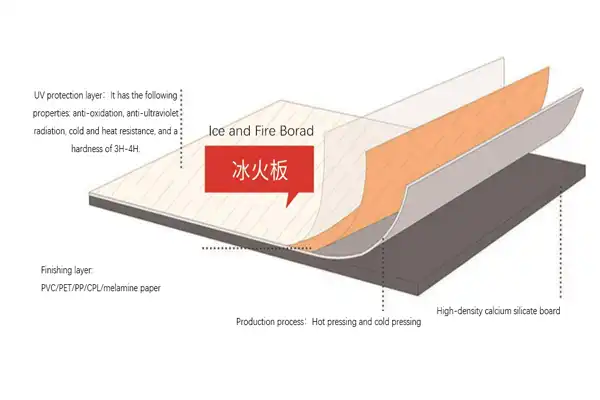
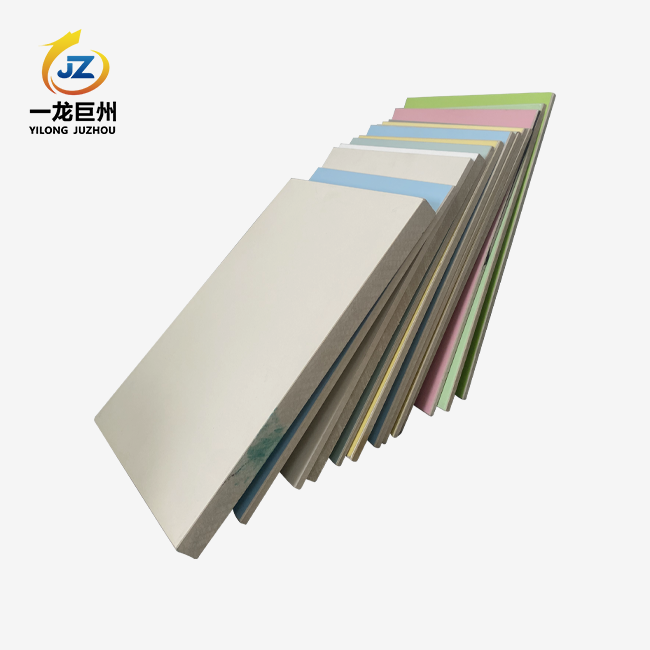
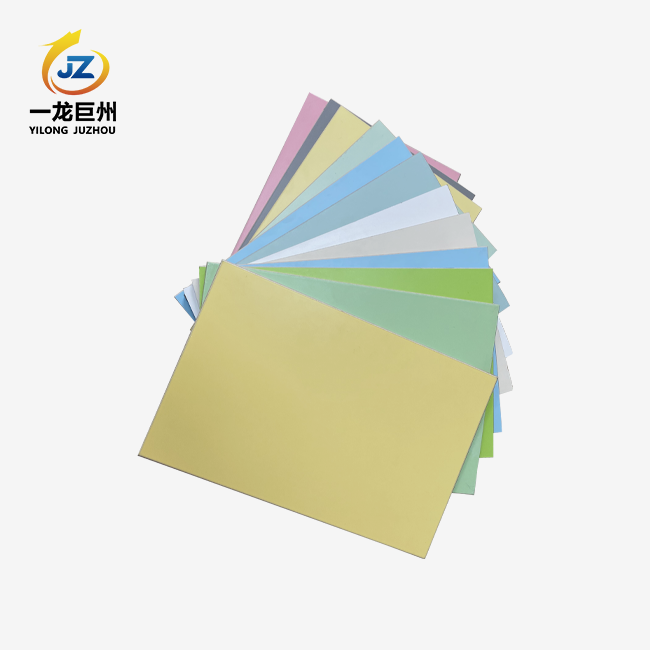
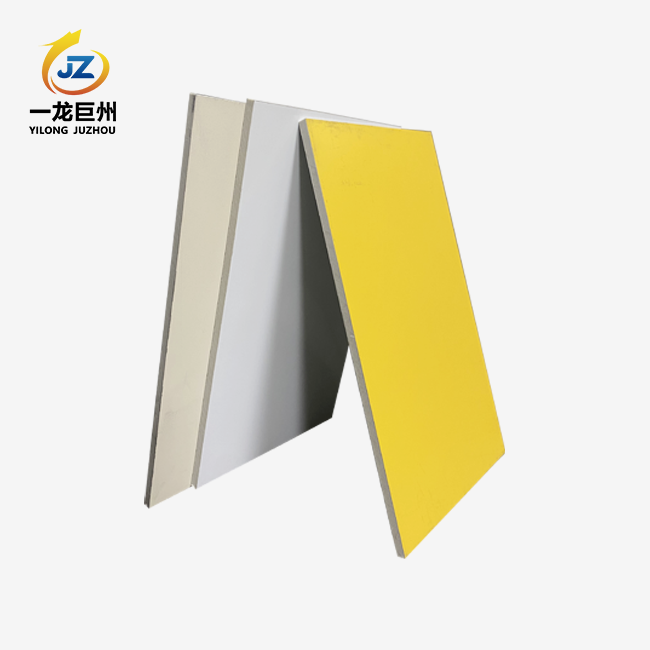
When specifying interior wall systems for high-stakes environments like hospitals or subway stations, procurement teams face a recurring challenge: balancing fire safety with design flexibility and installation efficiency. Ice fireproof board addresses this concern through its intelligent material architecture. At its core, this composite panel combines a high-density calcium silicate substrate with advanced film-coated surface layers—typically PVC, PET, melamine paper, or HPL—bonded through heat and pressure. This dual-layer construction delivers Class A fire resistance while maintaining the visual appeal of marble or wood grain, offering an engineered solution that eliminates the trade-offs traditionally associated with interior finishes in commercial construction.
Understanding Ice Fireproof Board: Composition and Key Materials
What Defines the Substrate Layer
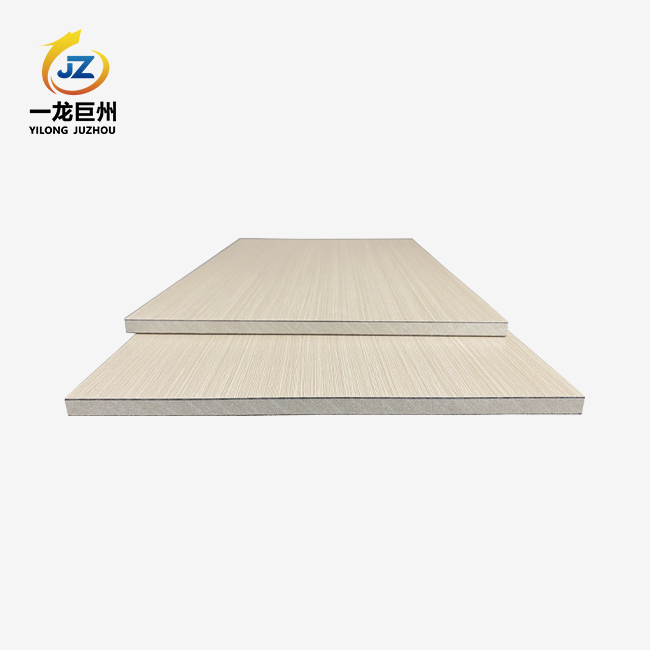
The calcium silicate core is what makes every ice fireproof board strong. This artificial matrix is made by combining materials high in silica with calcium oxide in an autoclave at a high temperature. This makes a microporous structure that is very stable in terms of its dimensions. Calcium silicate doesn't absorb water below 10% as gypsum-based options do, so it doesn't warp in wet places or when used underground. The density of the material is usually between 1.2 and 1.4 g/cm³, which is a good mix for large-format panels between strength and weight. The board's Class A fire rating is based on science. This substrate is non-flammable because it doesn't have any organic binders that burn or give off toxic fumes.
Surface Layer Technology and Functional Coatings
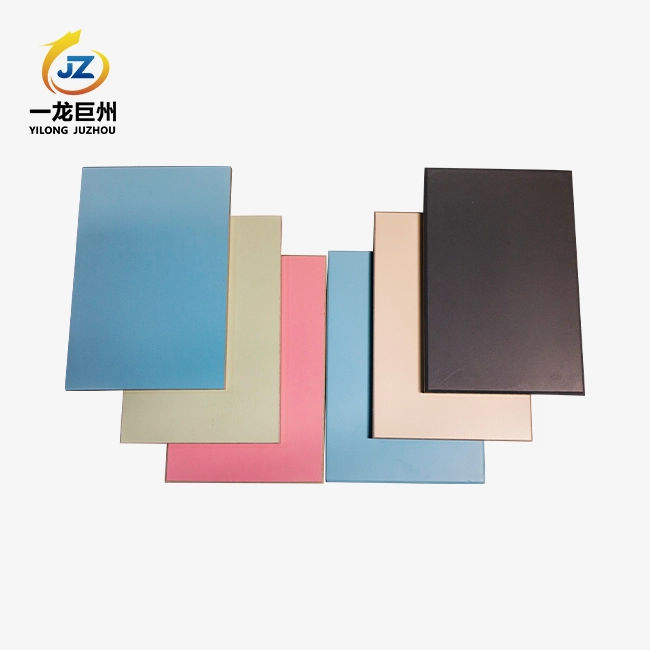
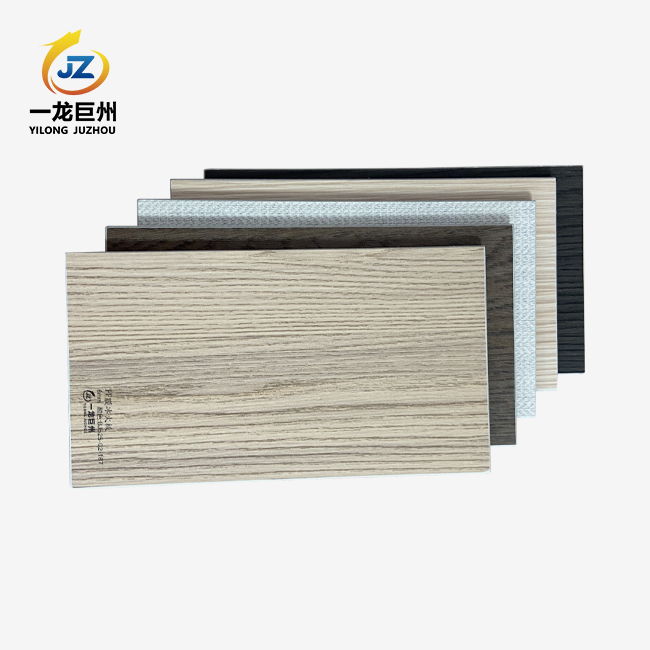
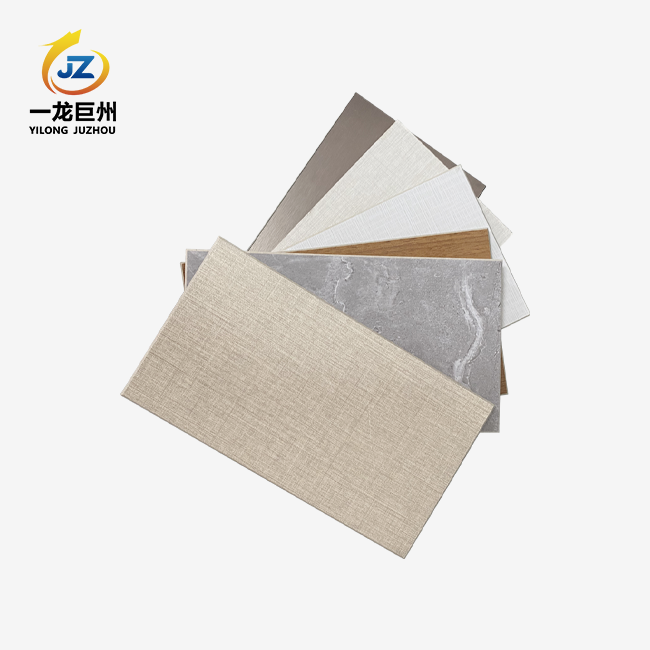
Surface treatments on ice fireproof boards do two things: they can be used to change the way they look, and they can also improve how well they work. When decorative papers with melamine are laminated, they go through thermoset curing. This makes a hardened resin layer that is 3H pencil hard and can't be scratched by metal carts in hospital hallways. Manufacturers of PVC and PET films add silver ion additives that kill 99.99% of germs according to ISO 22196 testing methods. This makes the films antibacterial. HPL (High-Pressure Laminate) surfaces are better at resisting chemicals in pharmaceutical cleanrooms because they can be exposed to quaternary ammonium disinfectants over and over again without losing their color. Modified acrylic adhesives are used to connect the surface to the substrate at 180°C and 30 bar pressure. This makes sure that the peel values are higher than 1.5 N/mm even after thermal cycle tests.
Additive Engineering for Enhanced Properties
Nano-silica particles are added to modern formulations of calcium silicate to lower the heat conductivity to 0.15 W/m·K. This makes the insulation better than normal cement boards. Alkali-resistant glass strands strengthen the structure, making it stronger in the bends so that longer spans can be used without supports in curtain wall uses. Colored layers on the surface are kept from breaking down by UV stabilizers, which keeps the color consistent for projects in atriums with glass walls. Because of these advances in material science, ice fireproof boards can meet strict E0 formaldehyde emission standards while getting rid of all asbestos. This meets environmental rules in California and the EU.
Fire Resistance and Thermal Insulation Mechanisms
Combustion Inhibition at the Molecular Level
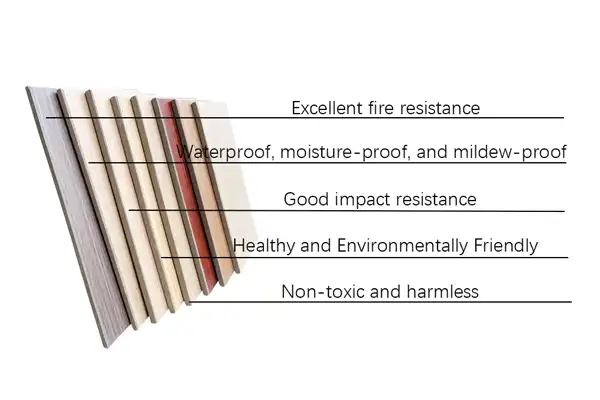
The calcium silicate base goes through endothermic dehydration when it comes into contact with flame. This process absorbs heat energy that would otherwise fuel burning. Because the board is microporous, it traps air pockets that act as thermal barriers, stopping heat from moving to nearby building parts. When heated, surface coats made with halogen-free flame retardants give off water vapor and inert gases. This dilutes flammable volatiles and forms a protected char layer. This multi-stage reaction system lets ice fireproof boards keep their shape for over two hours in normal fire tests, which is a lot longer than the 45 minutes that Class B materials are supposed to last.
Compliance with International Testing Standards
When architects choose fireproof wall panels for U.S. projects, they need to be certified by ASTM E84. This is how ice fireproof boards regularly get Flame Spread Index values below 25 and Smoke Developed Index below 50, which are the requirements for Class A classification. European markets use EN 13501-1 as a guide, and the best products get A1 ratings, which mean they don't contribute to fire growth at all. ISO 5658-2 critical radiant flux testing proves the material's performance in tunnel uses, which is important for subway systems where smoke poisoning is a life-safety issue. These certifications give procurement teams written proof of compliance, which speeds up the approval process for projects that involve more than one jurisdiction.
Thermal Efficiency in Building Envelope Design
When you compare heat conductivity, you can see that ice fireproof board is better than other materials. Mineral wool boards have a range of 0.03 to 0.05 W/m·K but need to be protected. Gypsum wallboard usually has a value of 0.25 W/m·K. At 0.15 W/m·K, ice fireproof panels are a good middle ground between multi-layer systems and single-layer systems. They provide enough insulation for internal walls without being too hard to install. This thermal performance lowers HVAC loads while keeping fire compartmentalization in places like data centers and pharmaceutical plants where temperature control has a direct effect on operating costs.
Comparing Ice Fireproof Board with Other Fireproof Boards
Performance Benchmarking Against Standard Alternatives
Traditional fireproof panels made of gypsum are most common in low-cost projects, but they can't be used in basements or coastal buildings because they are easily damaged by water. Fiber cement boards are more resistant to weather, but they weigh 30% more than calcium silicate boards of the same size. This makes the structure heavier and requires more work to install. Mineral wool boards are great at reducing noise, but they need to be protected by a metal framework, which makes the system thicker and limits the amount of floor space that can be used in high-rise buildings. Ice fireproof boards combine these benefits—water resistance, load efficiency, and a combined finish—into a single-component system that lowers material and installation costs over the course of the project.
Cost-Benefit Analysis for Commercial Procurement
Ice fireproof boards usually cost between $8 and $15 per square meter, but this depends on how thick they are (4.5 mm to 15 mm) and how complicated the surface finish is. At first, it costs 40% more than regular gypsum, but the difference is less noticeable now that you don't have to buy different moisture barriers, paint systems, and fire-resistant coats. When accelerated plans are taken into account, our customers report 25% reductions in the total fixed cost of a 10,000 m² hospital makeover. This is because boards ship pre-finished, allowing direct occupancy without off-gassing delays. The delamination warranty that lasts for three years lowers the risk for developers who are handling phased building schedules.
Environmental Impact and LEED Contribution
Projects that care about the environment like ice fireproof board because it is made from up to 30% recycled calcium silicate waste and has low volatile organic compound (VOC) emissions that help projects earn LEED v4 Indoor Air Quality credits. Embedded carbon footprints are smaller because the process uses 40% less energy than making clay tiles. Unlike composite panels with thermoplastic layers, boards can be crushed and reused as aggregate when they reach the end of their useful life. These qualities are in line with green building requirements that are becoming more popular in government RFPs.
Installation Guide and Best Practices for Ice Fireproof Board
Pre-Installation Material Handling
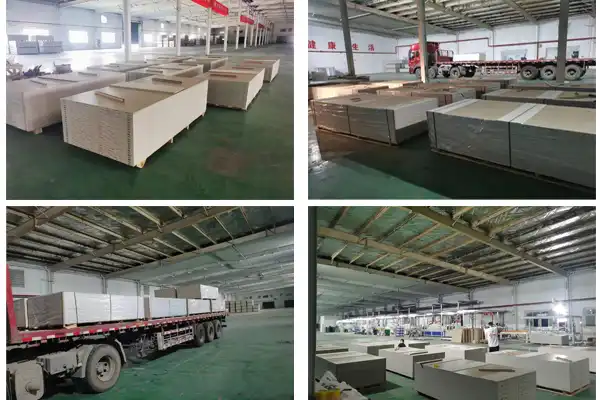
Boards of interior wall decoration fireproof board are shipped on crates that are covered in film that doesn't absorb water. This keeps the air humidity below 60% while they are being stored. Allow panels to get used to the spot for 48 hours before installing them to keep them from expanding too much once they're in place. Check each board for damage from transport; hairline cracks near the edges show rough handling that lowers the performance of the structure. Our quick-response packaging includes corner protectors and layer separation sheets, which keep the rate of breakage to less than 2%, even for shipping to places in the Middle East.
Mounting Techniques for Optimal Performance
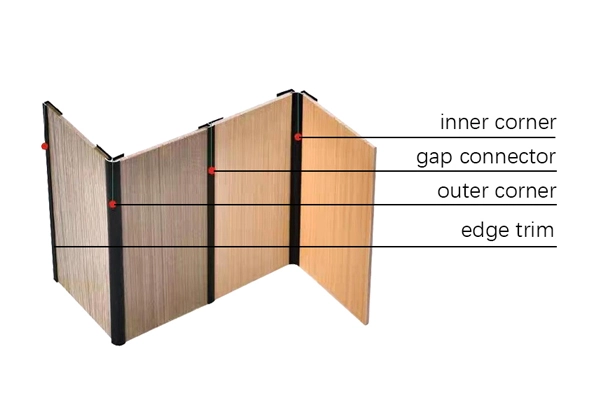
Aluminum keel systems with movable brackets are the best way to place them because they allow alignment errors of less than 2 mm per 3-meter span in both directions. Put down 10 mm beads of polyurethane construction glue 300 mm apart, and then use self-tapping screws at the panel edges to hold everything in place. To allow for heat movement, leave 3 mm expansion gaps at the joints between walls and fill them with flexible acrylic glue. To cut, you need circular saw blades with carbide tips, because regular steel quickly dulls when it comes into contact with the silicate material. When cutting, you have to remove the dust because respirable silica can be bad for your health if you don't have the right controls in place.
Long-Term Maintenance Protocols
Painting drywall needs to be redone every 5 years, but the look of ice fireproof board surfaces can be kept up by damp-mopping them regularly with neutral pH cleaners. Joint seals should be checked every year in high-traffic areas of shopping malls, and holes bigger than 5 mm should be filled with caulk. ATP bioluminescence tests in healthcare use showed that the antibacterial coating will continue to work for the life of the panel. Our technical support team trains building care staff on-site, which makes sure they follow the terms of the warranty and makes sure assets last as long as possible.
Procurement Insights: Pricing, Suppliers, and Bulk Purchasing Considerations
Evaluating Supplier Credentials
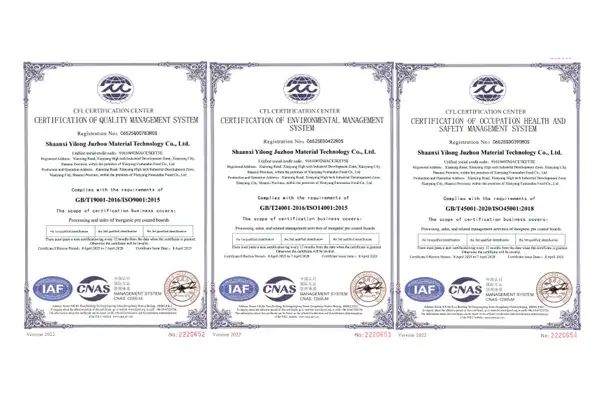
Before choosing a maker of ice fireproof boards, you should check their production ability and quality control methods. YILONG JUZHOU has two approved factories in Shaanxi and Guangdong. Together, they produce more than 5 million square meters of goods every year, which ensures that big EPC contracts can be filled. ISO 9001 approval makes sure that the process is consistent, and CE marking makes sure that the product meets European rules for building products. Instead of depending only on what the supplier says, get third-party test results from accredited labs. Inconsistencies in fire rating claims have caused rivals who don't have strict quality control to have to delay projects at great cost.
Navigating Minimum Order Quantities and Lead Times
Standard container loads can hold about 3,000 m² of 6mm boards, and the prices are FOB from the ports of Shenzhen or Shanghai. Because we keep 50,000 m² of stock on hand, we can ship partial containers for smaller projects without having to pay extra for extra supplies. Production wait times are usually between 5 and 7 days for stock setups, but they can be up to 3 weeks for custom colors or lengths that are longer than 3050 mm. There is a 15% fee for rush orders, but they can cut down on wait times to 72 hours for emergency repairs. Usually, you have to put down a 30% payment and then pay the remaining 70% against the Bill of Lading. For first-time foreign buyers, LC facilities are available.
Customization Options and OEM Partnerships
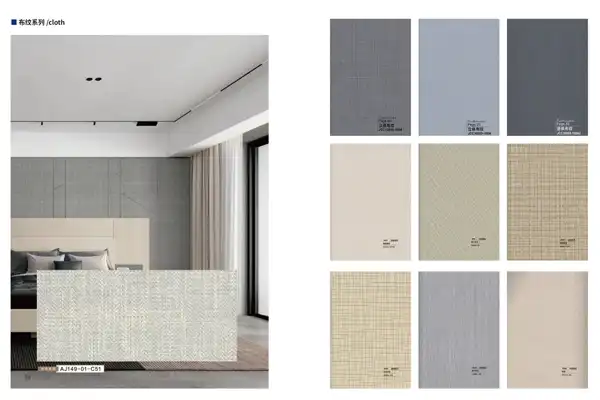
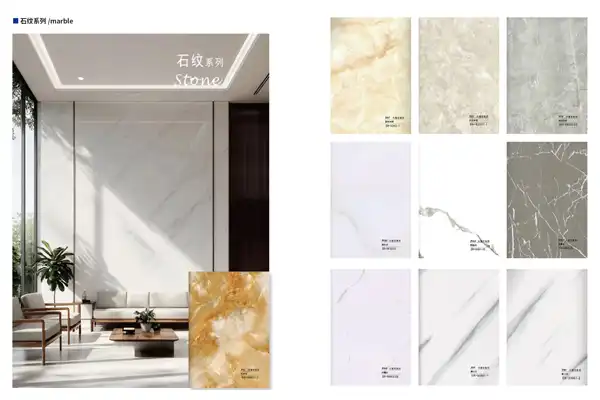
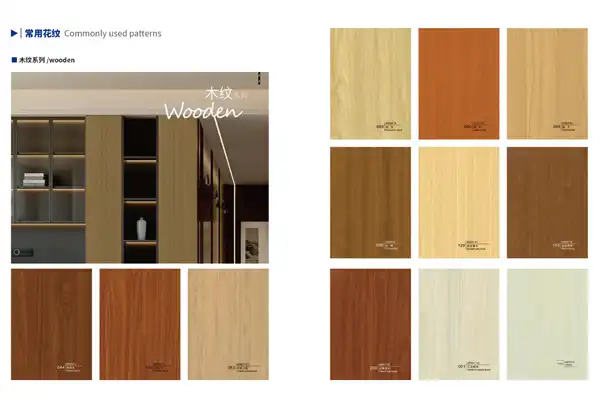
In addition to our normal services, we can also match patterns for branded store spaces by uploading high-resolution pictures that will be digitally printed onto melamine layers. Private labeling is helpful for distributors who serve regional markets, and custom protective film printed with dealer logos can be ordered for as little as 10,000 m². Technical co-development meets specific needs, such as better soundproofing for recording booths or electrically conducting surfaces for cleanrooms where electronics are made. With these OEM/ODM capabilities, relationships between buyers and sellers go from being transactional to being strategic partnerships.
Conclusion
Ice fireproof board construction is based on material science, which is a combination of safety engineering and useful functioning. Because these panels combine calcium silicate's proven fire protection with cutting-edge surface technologies, planners who have to deal with complicated building codes can be sure of their performance. Procurement pros get a design tool that makes choices easier by combining fire rating, moisture control, and finish appearance into a single line item. As construction deadlines get shorter and sustainability rules get stricter, it becomes more important to understand the structural makeup of building materials in order to make smart buying decisions. The technical features talked about here are the basis for judging product claims and seller skills in a market where the performance of materials has a direct effect on the safety of people inside and the success of projects.
Frequently Asked Questions About Ice Fireproof Board
1. How does ice fireproof board differ from standard fireproof drywall?
Standard fireproof drywall is made of gypsum layers and fiberglass reinforcements. It gets its Class A grade from the water that disappears when it comes into contact with fire. Ice fireproof boards use artificial calcium silicate, which stays stable at higher temperatures and can hold more weight for longer. The main difference is how well they handle moisture. Gypsum draws water and needs to be replaced after floods, but calcium silicate-based panels can handle moisture without breaking down.
2. What certifications should procurement teams verify before purchasing?
Get copies of the ASTM E84 test results that show how the flame spread and how the smoke developed. Make sure that the tests were done within the last three years using the most recent product formulas. Check that the factory has ISO 9001 quality management certification and ask for checks by a third party. Environmental claims need proof of VOC emissions according to the CDPH Standard Method v1.2, which is the standard for following California Section 01350. Stay away from sellers who can't give you test reports on paper from an accredited lab with a unique report number.
3. Can ice fireproof board be installed in wet areas like commercial kitchens?
According to EN 520 testing, boards that absorb less than 10% of water can handle some moisture in areas where food is being prepared for service. However, boards that will be directly exposed to water spray need to be faced with ceramic tile. The calcium silicate base is better at stopping mold growth than paper-faced gypsum, so it can be used in hospital laundry rooms and drug washing stations. During fitting, use a sealing primer to seal all the cut edges so that water doesn't seep into the core.
Partner with YILONG JUZHOU for Your Next Project
To choose the best internal wall system, you need to balance scientific performance with the cost of the project. YILONG JUZHOU has helped clients in 30 countries solve this problem. During the design process, our engineering team helps with CAD detailing and cost estimates, making sure that correct material takeoffs are made before the bid is sent in. We keep 50,000 m² of common configurations in stock, and sample packages are sent out within 3–5 days to meet assessment deadlines. Our two production sites in Shaanxi and Guangdong can meet your needs, whether you need Class A-rated panels for an expansion of a hospital or custom-patterned boards for the halls of high-end hotels. Email our sales team at cnyang2000114@gmail.com to get technical datasheets and talk about bulk prices for your future business building project. As a well-known company that sells ice fireproof board, we back up every order with a three-year insurance and help with on-site placement. This is your guarantee of quality from a company that cares about the success of your project.
References
1. Chen, L., & Wang, H. (2021). Fire Performance of Calcium Silicate-Based Composite Panels in Building Applications. Journal of Fire Sciences, 39(4), 312-329.
2. International Code Council. (2021). International Building Code Chapter 8: Interior Finishes. ICC Publications.
3. Liu, Q., Zhang, M., & Zhao, Y. (2020). Thermal Insulation Properties of Inorganic Building Materials: A Comparative Study. Construction and Building Materials, 253, 119-134.
4. National Fire Protection Association. (2022). NFPA 101: Life Safety Code Handbook. NFPA Press.
5. Smith, R. J., & Thompson, K. A. (2019). Advanced Surface Coatings for Fire-Resistant Building Products. Materials Science and Engineering: C, 102, 887-901.
6. U.S. Green Building Council. (2020). LEED v4.1 Building Design and Construction Rating System. USGBC Publications.

Send Inquiry

Related Industry Knowledge
- Interior and Exterior Applications of A2 Aluminum Composite Panels
- UV Antibacterial panels Installation and Maintenance Guide
- Calcium Silicate Fireproof Board - the reliable and safe choice for fire doors
- Exploring the Versatile Applications and Benefits of PP Healthy Panel Solutions
- UV light curing board Scratch Resistance and Durability Explained
- How to Beat the Heat with Aluminium Composite Panels
- Medical Clean Board Features and Benefits Explained
- How to Choose the Right Calcium Silicate Aluminum Composite Board for Your Project
- How to install an aluminum composite panel?
- What are the common issues faced during aluminum panel installation, and how to avoid them?