
Calcium Silicate Fireproof Board - the reliable and safe choice for fire doors
August 6, 2026
When choosing materials for making fire doors, calcium silicate fireproof board stands out as a reliable option that offers both high fire resistance and useful performance traits. Working with business builders, healthcare facilities, and industry clients all over the United States has taught us that safety rules require materials that can withstand high temperatures and still keep their shape. These boards do just that. They have Class A fire ratings, are resistant to moisture, and can be installed in a variety of ways that shorten project timelines without sacrificing safety. When buying teams look at fire-rated door parts, knowing what makes these boards safe helps them make sure they meet regulations, last a long time, and give people peace of mind.
Send Inquiry
What is Calcium Silicate Fireproof Board?
Composition and Structure
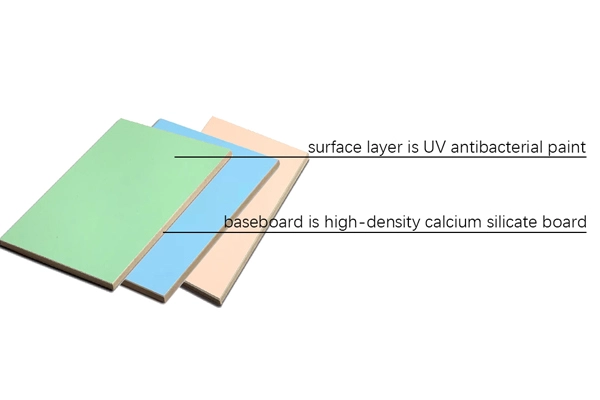
Engineered composites called calcium silicate fireproof boards are made from siliceous materials, calcareous materials, and fibers that hold them together. This mix makes a cellular structure that is very stable at high temperatures and doesn't catch fire easily. Calcium silicate fireproof board material can handle temperatures above 1000°C without breaking down or giving off harmful gases, unlike regular gypsum or cement boards. This is because of the way its molecules are made. The boards that we make at YILONG JUZHOU use this tried-and-true recipe and have a film-coated top layer that makes them look better and serves a practical purpose.
Fire Resistance Mechanisms
Because they can receive and release heat in a special way, these boards can keep fires from starting. When the silicate matrix is exposed to flames, it keeps its shape, which keeps the fire door from warping or collapsing, which could weaken it. Our marble calcium silicate boards have Class A fire ratings, which means they can't catch on fire and can keep their fire resistance for up to two to three hours, based on how thick they are. These products have been put through strict tests that make sure they meet international safety standards. This means they can be used in places where fire codes are strictly followed.
Certification and Compliance
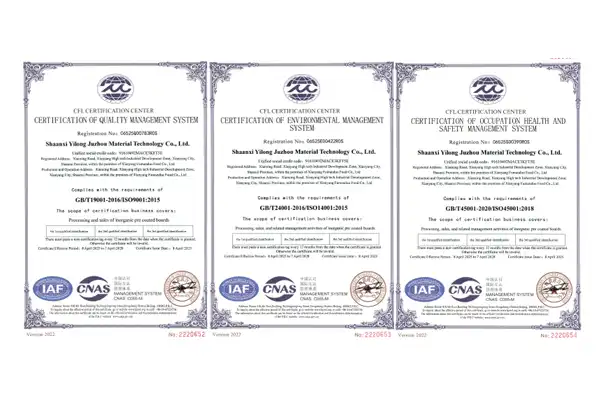
We make sure that our goods meet the standards set by the China Environmental Protection Standard Certification, ISO, and CE. These certificates show that our boards don't have any asbestos or volatile organic chemicals that are bad for you or the environment. For healthcare facilities and public building projects, where material safety certifications are often used to decide who gets the contract, this compliance paperwork gives the confidence that is needed during official bid evaluations.
Benefits of Using Calcium Silicate Fireproof Board for Fire Doors
Superior Fire and Safety Performance
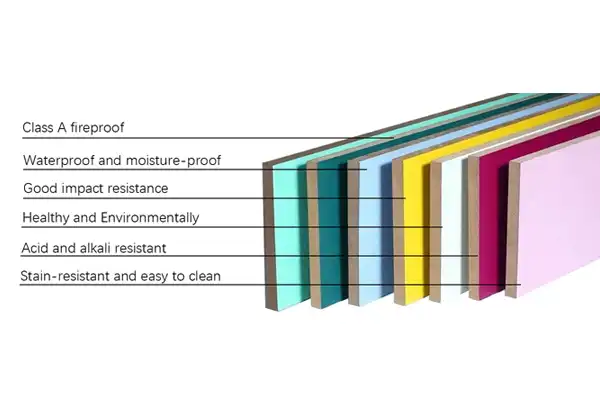
The board's ability to resist fire is still its best feature in Calcium silicate board products. Our marble calcium silicate boards are 99.99% antibacterial, which is another important health benefit for places like schools, hospitals, and food processing plants. The Class A safe grade means that these boards don't just stop flames; they also stop the fire from spreading, which gives you important time to get out in case of an emergency. When heated, the material doesn't give off any dangerous fumes, which protects both people inside the building and first responders.
Durability and Impact Resistance
In places with a lot of people, fire doors are always being used. Our boards are very resistant to impact, so they don't get cracks and dents over time that lower their fire rating and appearance. The mold- and moisture-resistant features make sure that performance stays the same even in damp places like caves, industrial kitchens, and seaside buildings. In contrast to materials that break down when they come into contact with water, calcium silicate fireproof boards keep their fire rating and structural stability no matter what the weather is like.
Installation Efficiency and Handling
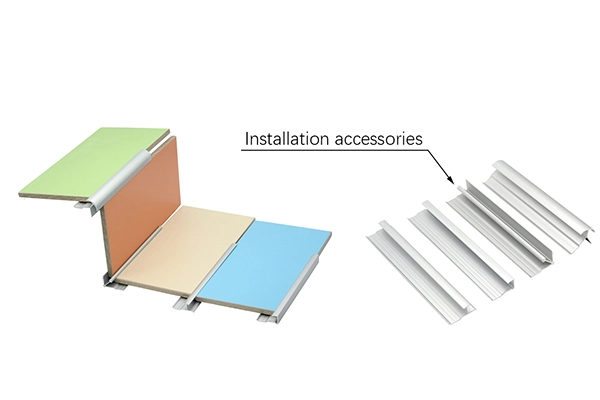
Because these panels are much lighter than regular cement boards but still very strong, they cut down on construction time and labor costs. Our quick pressure strip installation method lets contractors get the job done quickly, even in buildings that are already occupied, where time constraints make it necessary to work quickly. Normal woodworking tools can be used to cut the boards, and self-tapping screws or glue can be used to attach them, so no special tools are needed. This makes things easier to handle, which directly leads to lower project costs and faster completion times.
Environmental and Health Considerations
Sustainability and human health are becoming more and more important in modern building. Our boards don't have any benzene or flammable organic chemicals in them, and the UV-curing process makes a thick film on the surface that reduces off-gassing even more. After installation, rooms can be used right away without worrying about smells, which is a big plus for remodeling projects in buildings that are still being used. The fact that the material can be recycled and is non-toxic is in line with environmental protection standards and LEED certification goals that many businesses now demand.
These benefits work together to meet the main needs of procurement teams: performance that meets code requirements, durability that lowers lifecycle costs, and installation features that keep projects on schedule. The boards don't just meet the bare minimum; they go above and beyond in ways that add value to the project throughout its lifecycle.
Calcium Silicate Fireproof Board vs Other Fireproof Boards
Performance Comparison
When compared to gypsum boards, fiber cement panels, and magnesium oxide boards, calcium silicate fireproof board always shows better fire resistance over time and temperature tolerance. Even though gypsum boards are cheap, they lose their structural integrity more quickly when they are exposed to heat for a long time. Over time, magnesium oxide boards can soak up water, which could lower their fire rating. Our calcium silicate solution stays stable in size and doesn't catch fire in a wider range of weather conditions, which makes it the better option for important fire door uses.
Cost and Longevity Analysis
Even though the original cost of materials may be a little higher than basic gypsum options, Asbestos-free cement fiberboard has a lower total cost of ownership because they last longer and needs less upkeep. The projects we've worked on in hotels and office buildings show that these boards don't break down for 15 to 20 years, while cheaper options only last 7 to 10 years. This longer service life lowers long-term replacement costs and tenant disruption for property developers who are in charge of multiple projects.
Installation and Weight Considerations
In terms of weight, our goods are much lighter than cement-based boards without losing strength. This thinner profile lowers the load that needs to be put on the structure and lets the installation teams work faster while being less physically stressed. Because the boards are easy to cut and can be attached in normal ways, you don't have to pay extra for labor that is needed to work with some safe materials.
Installation Guide & Specifications for Fire Door Applications
Technical Specifications
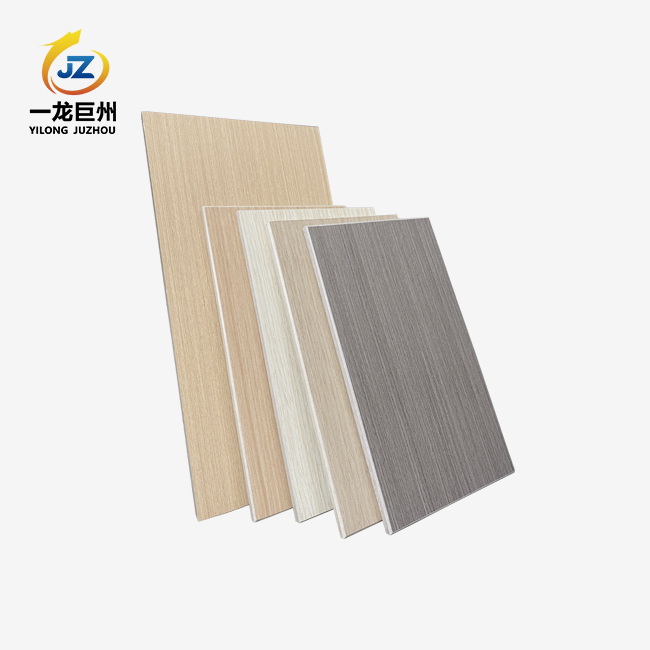
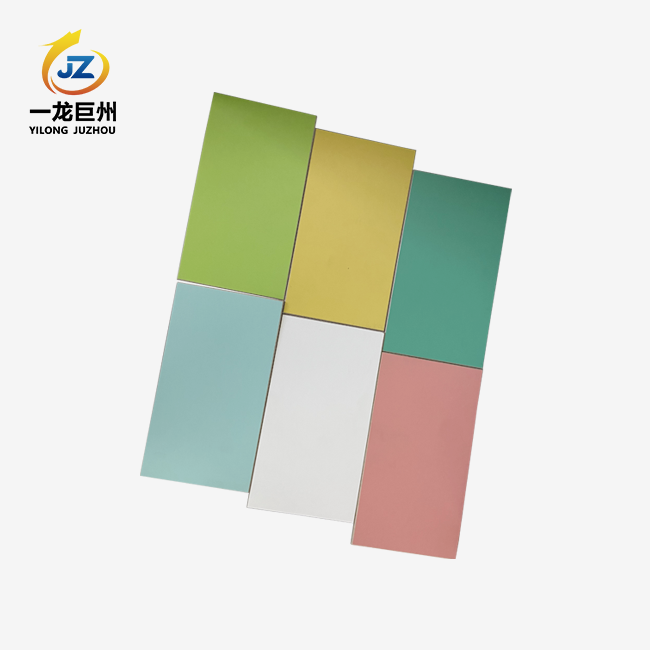
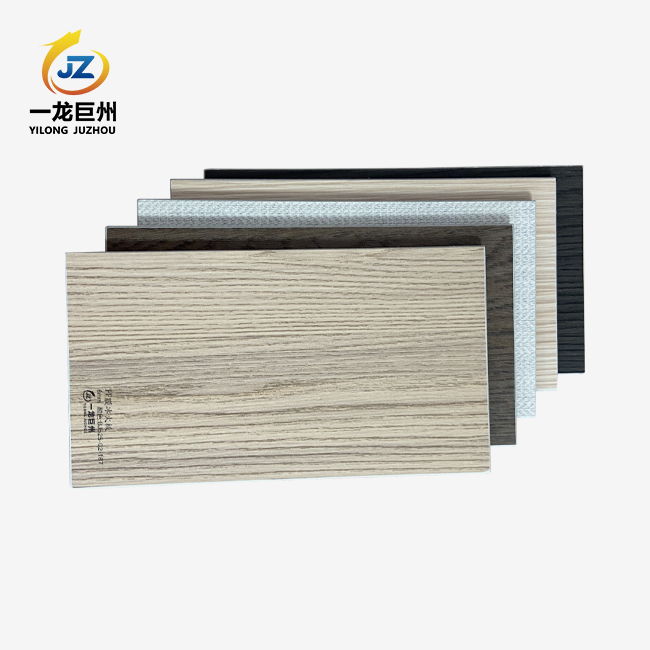
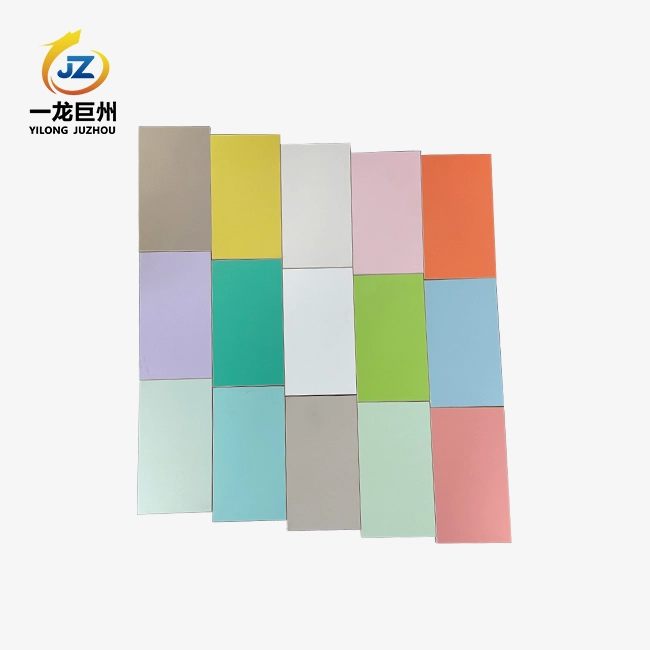
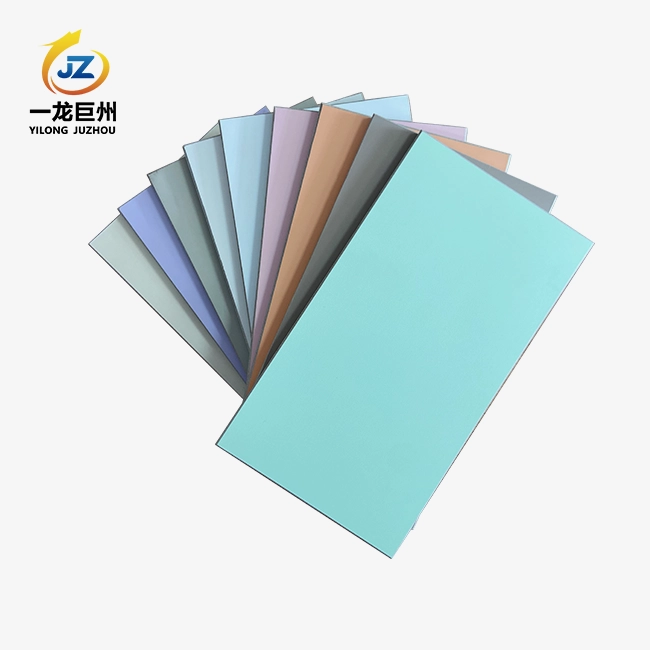
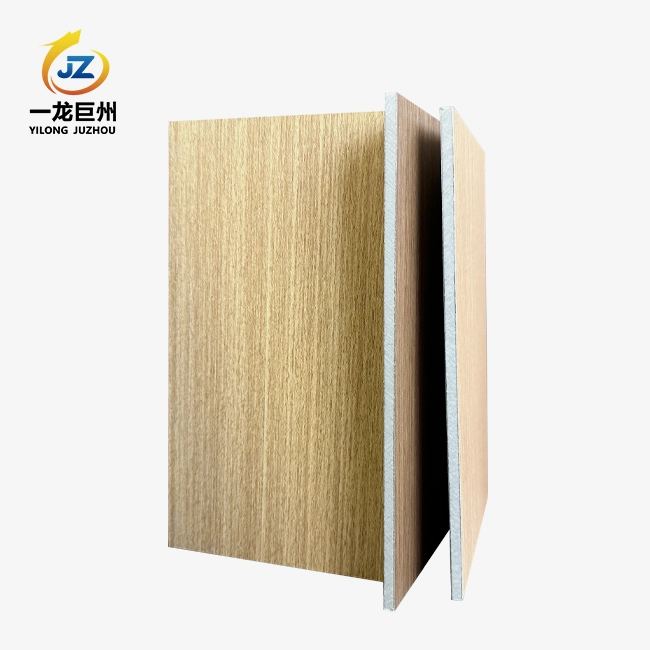
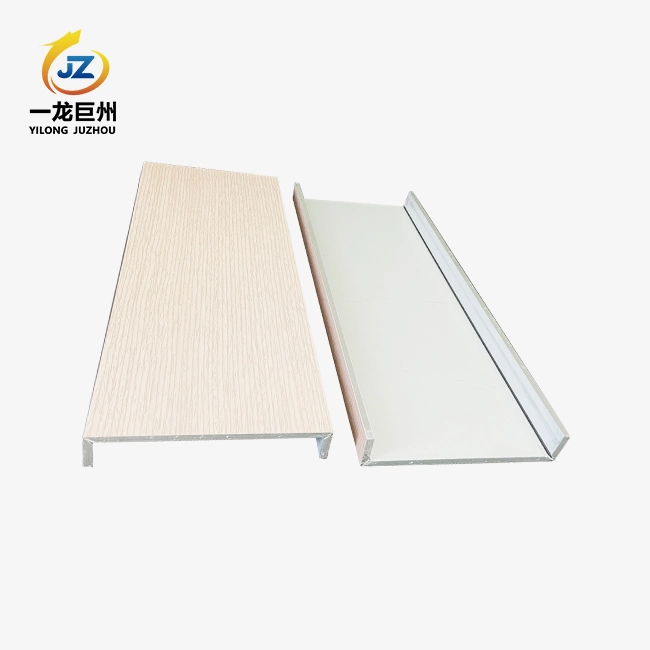
Our marble calcium silicate boards come in 4.5, 5, 5.5, 6, 8, 10, 12, 14, and 15 mm sizes. They are usually 1220 mm wide and 2440 mm long, with a maximum height of 3050 mm. For fire doors, we usually suggest a thickness of 10 to 12 mm to get the best fire protection scores while keeping the weight manageable. The boards come in plain colors, woodgrain patterns, marble patterns, shiny patterns, and cloth patterns, so you can choose from a variety of looks without sacrificing safety.
Preparation and Fixing
Making sure the door frame and substrate are clean, dry, and physically sound is the first step in a proper fitting. You can accurately mark the cutting lines because circular saws or scoring knives can be used to shape the boards precisely. Apply the right glue to the base in a design, and then carefully place the board so that there are no air pockets. Secure with corrosion-resistant screws spaced according to the manufacturer's instructions, which are usually every 200 to 300 mm along the edges and every 300 to 400 mm in the field.
Joint Treatment and Finishing
Make sure that all the joints are sealed with fire-rated joint cement so that the fire shield stays continuous. Give the surface enough time to cure before applying any treatments. Our marble calcium silicate boards come with a UV-cured film that gives them a finished look. They don't need any other coatings, but customers can paint or add other finishes if they need to for design reasons. Before final acceptance, check all installations to make sure they adhere properly and that all joints are sealed.
Common Installation Pitfalls
Do not overtighten the fasteners; doing so can create stress points that weaken the board. Don't rush the curing process for joint solutions or glue; it's important to do it right for fire safety reasons. Make sure there are enough edge gaps, as described in the technical literature, to allow for thermal expansion. These safety measures help installation teams get uniform, code-compliant results that keep the door's fire resistance scores over time.
Procurement Guide for Calcium Silicate Fireproof Boards
Supplier Evaluation Criteria
When choosing a maker, you need to look at more than just price. Look for suppliers who can prove they can make what you want. For example, our factories in Shaanxi and Guangdong keep 50,000m² of stock and can fill orders in 3–7 days. Make sure that any potential suppliers have the right licenses and can show you test results from a third party that back up their fire ratings. Being able to make things to specific standards is important, especially for projects with non-standard needs.
Customization and OEM Capabilities
We can work with both OEM and ODM clients, so they can choose their own sizes, finishes, and packaging arrangements. This versatility is helpful for wholesalers who serve local markets with specific style tastes or building code needs. Customizing a sample usually takes three to five days, which gives you time to test it thoroughly before committing to large sales. Our technical team helps clients turn project specs into the best product options by giving them design help and installation advice.
Logistics and Lead Times
We have factories in Foshan and Shaanxi, and we can ship from ports in Shenzhen, Guangzhou, Shanghai, or Qingdao. We can also bring goods by road from Xi'an, Guangzhou, Shenzhen, or Foshan. This ability to ship to multiple ports cuts down on shipping costs and transit times for clients around the world. We answer questions within 24 hours and stick to regular delivery schedules that work with the phases of construction. For big jobs, we plan supplies to fit with installation times so that there isn't too much storage needed on-site.
Pricing and Volume Considerations
When you buy in bulk, you usually get better unit prices, but our reasonable rates are still available for smaller orders as well. Ask for full quotes that include shipping costs, instructions for packing, and the terms of payment. Instead of just looking at FOB prices, you should also look at the total landing cost. We offer quality guarantees that last for three years, which gives you extra peace of mind for long-term project commitments. Our team works with procurement experts to make deals that are both cost-effective and ensure a steady flow of supplies.
Conclusion
Calcium silicate fireproof boards have been used for a long time and are effective for making fire doors. They are very resistant to fire and have other useful benefits. These boards always meet the safety standards, last a long time, and are easy to install, which modern building projects need. We've used them with business developers, healthcare facilities, and industrial clients. The product has a Class A fire rating, is resistant to wetness, kills germs, and is safe for the environment. These qualities make it perfect for projects that must protect people and follow rules. As building codes change and safety standards get stricter, it becomes more important to choose materials that have been shown to work in real-world situations.
FAQ
1. What fire rating do calcium silicate boards achieve?
Our marble calcium silicate boards have Class A fire ratings, which means that they can fight fire for up to two hours at widths of 9 to 12 mm. This rating as non-combustible meets the toughest building code standards for fire door assemblies in businesses and schools.
2. How do these boards compare to gypsum for durability?
Calcium silicate fireproof boards last a lot longer than gypsum in places with a lot of moisture and a lot of foot traffic. They are more resistant to damage from impacts, don't break down when exposed to moisture, and keep their fire ratings for longer—usually 15 to 20 years compared to 7 to 10 years for gypsum alternatives.
3. Can I customize specifications for OEM projects?
Of course. We offer full OEM and ODM customization, which includes changing the sizes, colors, and designs on the surface, and packing. Our technical team helps you come up with specifications, and we send you models within 3–5 days to make sure the plans work before they are made.
Contact YILONG JUZHOU for Fire-Rated Building Materials
The main thing that YILONG JUZHOU does is make high-performance calcium silicate fireproof boards for tough industrial and business uses. Our two factories, one in Shaanxi and one in Guangdong, keep a lot of stock and can turn orders around quickly, so your project schedules stay on track. Architects, builders, and people who work in sourcing are welcome to ask for free samples that show how fire-resistant and well-finished our boards are. We provide the dependability that safety-critical projects need with ISO and CE certifications, quality guarantees that last for three years, and technical support during specification and installation. Email our team at cnyang2000114@gmail.com to talk to a reliable calcium silicate fireproof board manufacturer about the materials you need for your fire doors.
References
1. Building Research Establishment. "Fire Performance of Calcium Silicate Boards in Door Assemblies: Comparative Analysis." Fire Safety Engineering Journal, 2022.
2. National Fire Protection Association. "Standard Methods of Fire Tests of Building Construction and Materials: NFPA 251." NFPA Standards, 2021.
3. American Society for Testing and Materials. "Standard Specification for Non-Asbestos Fiber-Reinforced Calcium Silicate Board." ASTM C656-19, 2019.
4. Green Building Council. "Fire-Resistant Materials and LEED Certification: Environmental Impact Assessment." Sustainable Construction Materials Review, 2023.
5. International Code Council. "Fire Door Assembly Requirements in Commercial Buildings: Compliance Guide." ICC Building Code Standards, 2021.
6. Construction Specifications Institute. "Comparative Performance Testing of Fireproof Board Materials for Architectural Applications." CSI Technical Bulletin Series, 2022.

Send Inquiry

Related Industry Knowledge
- What Is a Negative Ion Healthy Panel and How Does It Work?
- Analysis of the Functional Principles and Market Prospects of the Negative ions panel
- What Are Inorganic pre-coated panels and How Are They Made?
- Inorganic pre-coated panels vs Organic Coated Boards Comparison
- The Benefits Of Antimicrobial Wall Cladding For Hygienic Spaces
- Using Calcium Silicate Aluminum Composite Boards in Industrial Insulation Projects
- Calcium Silicate Aluminum Composite Board Explained: Structure, Benefits, and Uses
- How to Choose the Right Calcium Silicate Aluminum Composite Board for Your Project
- How to spray paint on aluminum composite panels
- Things to Know About Aluminium Composite Panels