
Analysis of the Functional Principles and Market Prospects of the Negative ions panel
July 27, 2026
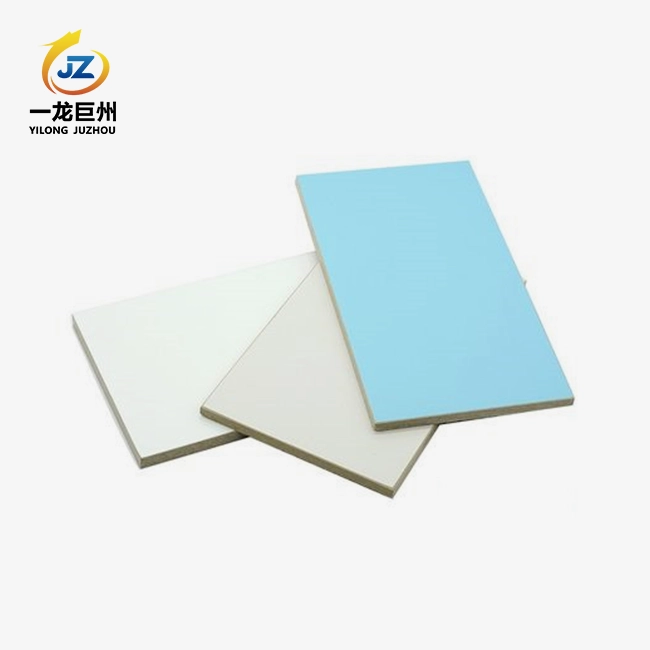
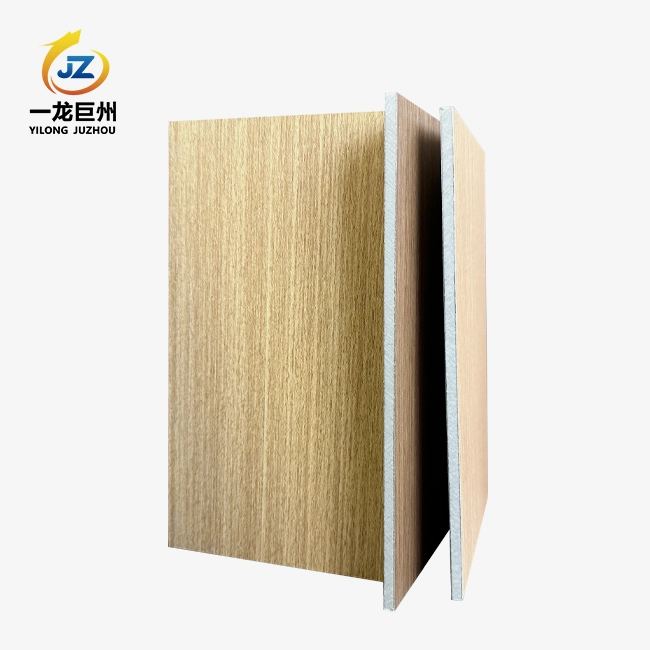
Negative ion panels represent a paradigm shift in interior wall finishing materials by integrating air purification into building surfaces. These engineered panels combine a calcium silicate board substrate with a specialized negative-ion antibacterial paint surface layer, continuously releasing negatively charged ions that actively neutralize airborne pollutants, allergens, and volatile organic compounds. As commercial construction and healthcare facilities increasingly prioritize indoor environmental quality alongside structural durability, this dual-function technology addresses both aesthetic and wellness requirements. The U.S. market, with its stringent building codes and growing emphasis on occupant health, presents exceptional opportunities for developers, architects, and facility managers seeking materials that meet compliance standards while enhancing indoor air quality.
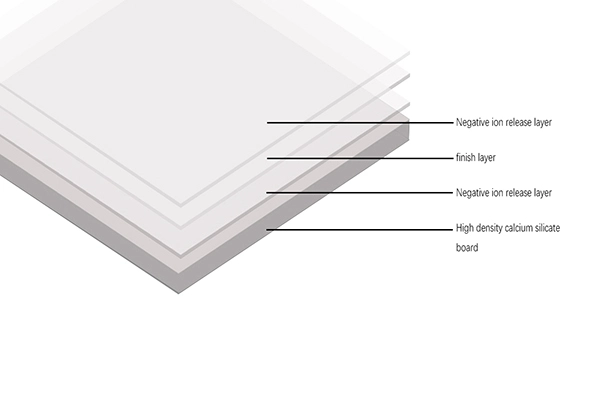
Understanding the Functional Principles of Negative Ion Panels
Negative ion panels are useful because they are made of multiple layers and have active surface chemistry. Unlike most wall coverings, which are only there to look nice or keep things safe, these screens clean the air without moving anything, and they are built right into the building.
Core Working Mechanism and Ion Generation
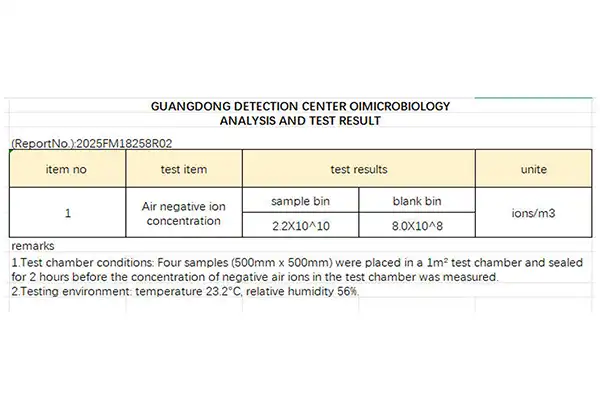
The antibacterial paint mixture's top layer contains micro-encapsulated minerals. These minerals become piezoelectric and pyroelectric when exposed to populated regions' humidity and temperature fluctuations. Their electrostatic field releases hydroxyl ions into the air. As in a forest, controlled chamber tests show ion concentrations between 1,500 and 5,000 per cubic centimetre. After installation, the technology emits continuously without electricity.
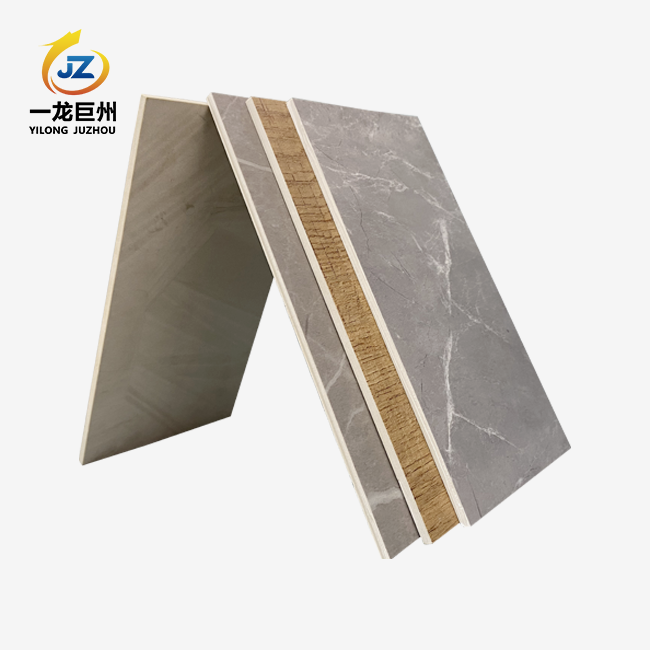
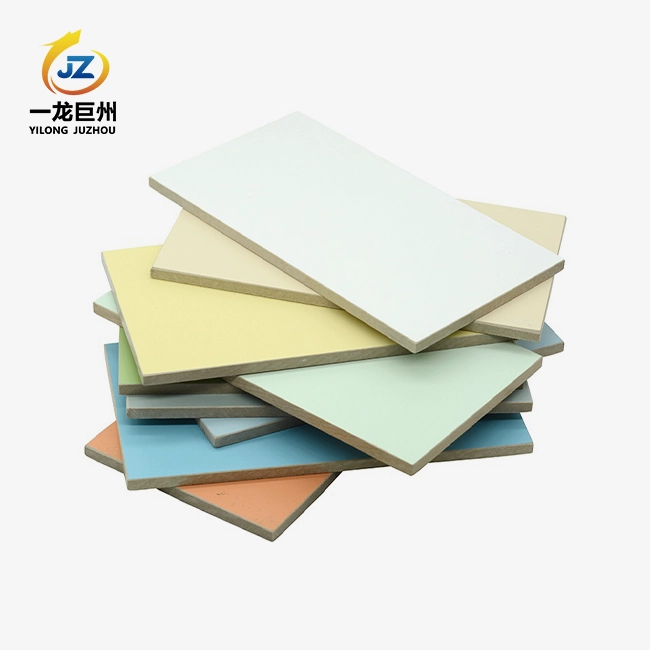
The calcium silicate board base stabilizes and allows airflow. This lets moisture vapour through and prevents mould and humidity behind the panel. This substrate helps achieve Class A fire resistance, which fulfills severe safety criteria for hospitals, schools, and high-rise corporate buildings.
Pollutant Neutralization Process
Because of friction and other external factors, most airborne toxins have positive electrostatic charges. When negative ions are released, they bond to positively charged particles like dust, pollen, germs, and chemical vapours. This makes them heavier and causes them to settle down due to gravity. According to tests done by a separate lab, formaldehyde breaks down at rates higher than 85% in 24 hours, and it is 99.99% effective at killing Staphylococcus aureus and Escherichia coli bacteria. This two-step process gets rid of both solid and gaseous pollutants, making motorised HVAC filtering systems much less busy.
Comparison with Traditional Air Purification Methods
Physical barriers keep particles out of mechanical HEPA filtering systems, but they need to have a fan running all the time, filters that need to be replaced, and energy use that ranges from 50 to 200 watts, based on the area they cover. Electronic ionisers use high-voltage corona discharge to make ions, but they may also make small amounts of ozone, which is a problem for people who are allergic to it. Negative ion antibacterial board panels get around both of these problems because they work passively, meaning they don't need any moving parts or electricity to work. They also keep making ions without making ozone. The moisture resistance and impact resistance of the calcium silicate substrate (it can withstand mild crashes without surface damage) make it easier to clean than fabric-based filters or fragile electronic components. The ease of installation and three-year warranty make these panels even better for large-scale business uses where downtime and replacement costs have a big effect on the total cost of ownership.
Market Analysis and Trends for Negative Ions Panels
More people are becoming aware of how the quality of the air inside buildings can affect health and productivity, which has sped up the growth of the global market for air-purifying building materials. Researchers from a number of different industries have found that bad indoor air quality costs U.S. businesses about $150 billion a year in lost productivity and sick days.
Key Industry Applications and Demand Drivers
Healthcare centers are the main group that adopts because they have to follow strict rules for infection control and patient safety. The antibacterial surface of the panels and their ability to continuously clean the air make operating rooms, intensive care units, and areas where patients are recovering safer places to be. The waterproof and moisture-proof features are very important in places where chemicals need to be used often to kill germs without breaking down the material.
Schools are under a lot of stress because of rules about indoor air quality and limited funds. The panels are easy to place and don't need much upkeep, which is what school districts need. The panels also have an ENF grade environmental certification, which answers worries from parents and regulators about chemical exposures in learning settings. The impact resistance is especially important in areas with a lot of foot traffic, where regular plasterboard gets damaged easily and needs expensive repairs.
Manufacturer Landscape and Procurement Considerations
Some well-known firms manufacture construction materials that are becoming usable surfaces, while others just make air-cleaning technology. The second group comprises Shaanxi Yilong Juzhou Material Technology Co., Ltd., which has manufacturing locations in Shaanxi and Guangdong with over 50,000 square meters of inventory. EU certification and ISO compliance demonstrate their commitment to international quality standards, which is vital for U.S. importers who must comply.
When buying in bulk, more than price per unit matters. Phased construction designs are possible with 3–7-day production lead times, while OEM and ODM alternatives enable branded environments or performance demands. You have additional route alternatives when exporting products via Shenzhen, Guangzhou, Shanghai, and Qingdao, which might affect delivery schedules and freight rates. Distributors selling to the U.S. must verify supplier speed. An organization's ability to satisfy project demands is shown by 24-hour responses.
Strategic Market Positioning
Negative ion panels are in a good position because of wellness-focused design, sustainability requirements, and increased hygiene awareness after the pandemic. More and more, commercial clients want materials that can do more than one thing. This makes it easier and cheaper to specify multiple air purification systems. The panels can meet fire codes, hygiene standards, and aesthetic requirements all in one product. This makes it easier for builders to make specifications and lessens the problems that come up during building when trying to coordinate everything.
Installation and Maintenance Guide for Negative Ions Panels
Negative ion panels' ability to perform as intended for the duration of their service life depends on the installation techniques used. General contractors, mechanical systems, and finish trades all need to work together on the process.
Pre-Installation Assessment and Planning
It is important to check the site conditions for environmental controls and substrate compatibility for Negative ion antibacterial board. Depending on the type of base and load needs, the panels can be put up over normal metal or wood frames using mechanical fasteners or adhesive systems. Walls should be level within 3 mm over 2 meters to make sure that panels are lined up correctly and joints look good. Existing walls must have moisture levels below 12% to avoid condensation problems that could weaken the calcium silicate board, even though it is resistant to moisture.
Panel arrangement should take into account the standard 1220 mm width and avoid unnecessary cuts to cut down on waste and labour costs. With a length of up to 3050 mm, it can be installed at full height in business areas with ceilings up to 10 feet high, without any horizontal joints. For aesthetic unity, colour stability across panel batches is important. This means that when panels come in from different production runs, it's important to keep track of your inventory properly.
Installation Procedures and Integration
Panels are attached with corrosion-resistant pins that are spaced out according to structural engineering standards, which are usually 300–400 mm on center along the sides and 600 mm in the field. Adhesive installation uses polymer-based building glue that is spread out in long beads. This makes sure that there are no gaps that could cause noise problems or lower the resistance to impact. Joint treatment is done the usual way with tape and compound systems, but when suitable joint compounds are chosen, the antibacterial surface qualities are extended to properly finished seams.
The panels work without artificial ventilation, so they don't need to be changed in order to be integrated with current HVAC systems. The continuous ion release works with filtration systems instead of replacing them. This means that building managers may be able to extend the time between filter replacements and shorten the time that fans run, which saves energy and helps with return on investment estimates.
Maintenance Requirements and Performance Monitoring
Surface washing with moist towels or certified chemicals that don't harm the antibacterial paint layer is normal maintenance. Do not use strong solvents or abrasive cleansers to preserve mineral encapsulation for ion formation. Cleaning is commonly done weekly in high-traffic areas and monthly in regulated office environments, depending on dust levels.
Portable ion counters can detect air ions near panel surfaces to monitor performance. Readings below 1,000 ions per cubic centimetre may indicate a dirty or damaged surface that requires cleaning or panel replacement. A three-year quality warranty from YILONG JUZHOU covers workmanship defects and performance loss under regular usage. This reduces procurement team risk while installing huge equipment. Facility managers should keep records of panel cleaning and damage to support guarantee claims if performance issues arise.
Comparative Evaluation for Informed Purchasing Decisions
When procurement professionals compare negative-ion panels to other air quality solutions, they need to look at more than just the price of the materials. They also need to look at the total cost of ownership.
Performance Metrics and Certification Standards
Class A fire resistance is a must for most business uses, especially in healthcare and educational buildings where fire rules require non-combustible finishes on the inside. The inorganic makeup of the calcium silicate substrate naturally stops fires from starting and spreading. This is different from polymer-based wall panels, which need chemical flame retardants that may break down over time or cause environmental problems.
Standardised tests against common pathogens showed that the product has a 99.99% antibacterial rate. This meets the needs of infection control in hospital settings and food service sites. Third-party lab results, not just manufacturer claims, should be used to confirm this performance measure. EU certification and ENF grade environmental standards show that strict chemical emission limits have been met, which is very important for projects that want to get LEED points or WELL Building approval.
Cost-Benefit Analysis Framework
Negative ion panels cost 40–60% more than gypsum wallboard at first, depending on thickness and finish. Installation labor costs remain the same due to fastening and joint finishing procedures. The difference is smaller than with gypsum wallboard, with separate air purification systems, mechanical ventilation improvements, or antibacterial surface treatments.
Lower HVAC filtration, cleaning chemical demands, and painting cycles since the antibacterial surface doesn't stain readily with germs are operational cost advantages. Healthcare institutions report fewer surface contamination instances, lowering infection control expenditures and improving patient safety. The three-year guarantee protects against the cost of replacing materials before their expected service life, which can deplete project budgets.
Active air cleaning systems use more energy than silent ion generation. A 10,000-square-foot office building may need three to five 100-watt HEPA units that use 13,000 kWh per year when running 24/7. Negative ion panels utilize no energy and remove particles across the wall as well as in other ways.
Future Prospects and Strategic Recommendations
The market for negative ion panels in business buildings is growing, especially in places that care about people's health and the environment.
Technological Advancements and Integration
New developments include smart building integration, in which sensors are built in to check the surface conditions and quantity of ions, sending information to building management systems so that they can plan repairs ahead of time. This Internet of Things connectivity makes the deal more appealing to tech-savvy business renters and property managers who want to improve performance across multiple properties. Better methods for enclosing minerals offer longer times of ion generation, which could double the useful service life while keeping output levels constant.
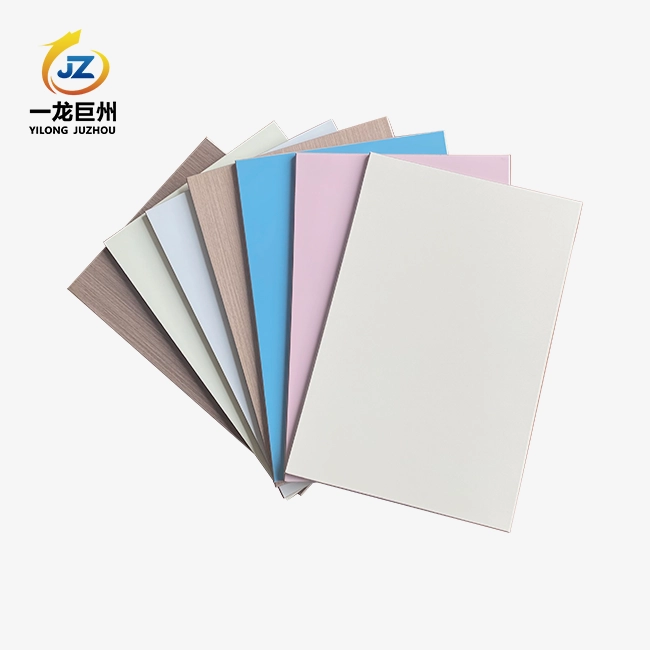
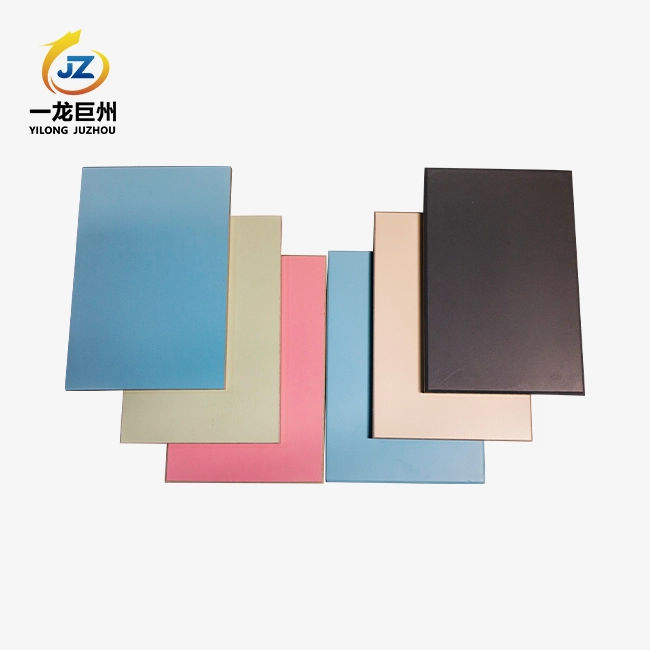
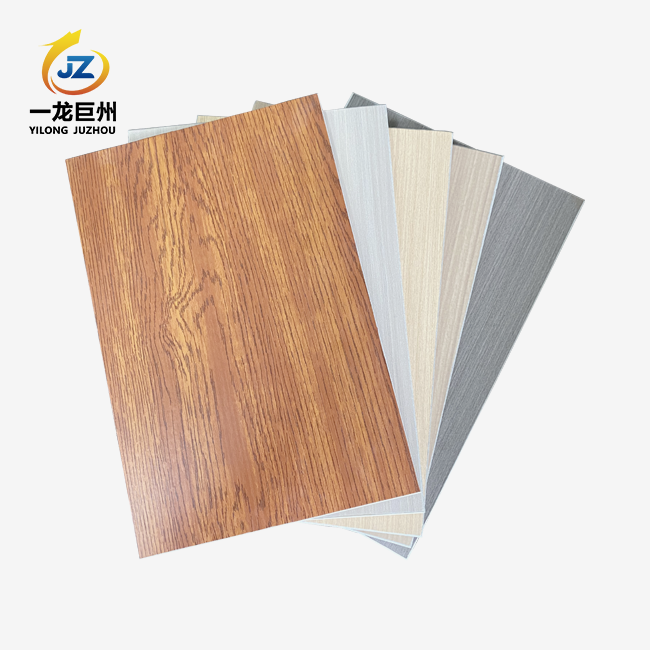
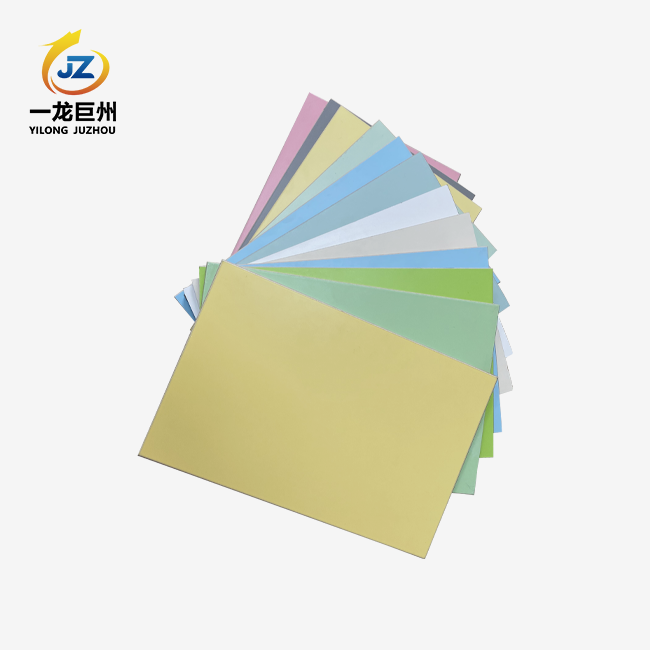
As design has changed to include more colours and textured surfaces, it has met architects' needs for a wider range of materials while still maintaining functionality. At the moment, basic colour options meet most business needs, but custom looks are becoming more and more important in dining and retail settings. As people's tastes in finishes grow beyond standard business finishes, manufacturers who offer OEM and ODM services are in a good situation.
Market Growth Projections and Geographic Opportunities
The market for building materials that clean the air in North America is expected to grow at rates higher than 12% per year until 2030. This is because of stricter rules about indoor air quality and wellness programs at work. The greater attention of the U.S. Environmental Protection Agency on indoor environments and OSHA safety standards in the workplace create governmental tailwinds that help adoption. The demand for healthcare construction is especially strong because of the renewed investment in infrastructure assessments caused by the pandemic.
Manufacturers who want to sell their products in the U.S. can get better access to the market by forming distribution partnerships with well-known building materials providers. Regional warehousing cuts down on lead times and freight costs, which meets the needs of contractors who want materials quickly. Suppliers like YILONG JUZHOU can compete well against local makers who don't have the same level of capacity because they can customise samples in three to five days and keep 50,000 square meters of inventory on hand.
Strategic Recommendations for Procurement Teams
Instead of looking at negative-ion panels as a stand-alone solution, businesses should consider them as part of a complete indoor air quality strategy. Pilot setups in typical areas let you check the performance and get feedback from stakeholders before making enterprise-wide promises to specifications. Getting manufacturers involved early in the design process opens up opportunities for value engineering, where the properties of the panels can affect decisions about mechanical systems and allow for coordinated optimisation.
Long-term supply deals with qualified makers keep prices stable and make sure that production capacity is allocated when demand in the market goes up. Including expert support options makes sure that users can get help with installation and fixing problems, which lowers the project's risks. By listing OEM capabilities, you can keep your options open for future projects that need custom configurations without having to pay extra to switch vendors.
Conclusion
Negative ion panels are a significant innovation that meets the needs of the construction industry for materials that can do more than one thing and meet higher and higher performance standards. Their long-lasting structure, ability to fight fire, antibacterial qualities, and constant air purification through passive ion generation make them very useful in business, education, and healthcare settings. The U.S. market's focus on healthy occupants, following the rules, and environmentally friendly building practices is a good fit for these panels. When procurement professionals look at total ownership costs, performance certifications, and source skills, they can find ways to improve building performance while keeping long-term operating costs low. Negative ions panels are likely to go from being a niche product to being a standard choice for business interior finishes as technology improves and the market becomes more aware of them.
FAQ
1. How effective are negative ion panels in removing airborne dust and allergens in commercial spaces?
Electrostatic pull is a key mechanism by which negative ion panels significantly reduce airborne particulates. Tests done by outside experts show that these screens keep the number of ions in the air between 1,500 and 5,000 per cubic centimetre. This is high enough to remove allergens like dust, pollen, and other particles from the air. The negatively charged ions stick to positively charged particles, making them heavier and causing them to settle on surfaces, where they can be easily removed by cleaning. Commercial installations in office buildings report 30–40% lower counts of airborne particles compared to rooms with standard wall finishes. These installations work with mechanical filtration systems instead of replacing them.
2. What maintenance is required for negative ion panels in high-traffic commercial applications?
Active air cleaning systems need more maintenance, but passive systems don't need as much. The antibacterial surface and ion generation abilities can be kept up by regularly cleaning with wet brushes or approved non-abrasive cleaners. High-traffic areas like school or hospital halls usually need to be cleaned once a week, while controlled office settings may only need to be cleaned once a month. The impact strength of the calcium silicate substrate lowers the cost of repairs for damage, and the waterproofing lets disinfectants be used without breaking down the material. Using portable ion counters to track performance helps find any panels that need attention. However, setups that are properly kept usually work well for the full three years of the warranty and beyond.
3. How do energy consumption and operating costs compare with traditional air purifiers?
Negative ion panels save a lot of energy because they don't need electricity to work once they are installed. Depending on the size of the room and the speed of the fan, traditional HEPA air purifiers use 50 to 200 watts per unit. For bigger business spaces, multiple units must be running all the time. Using traditional air purifiers in a 10,000-square-foot office could use 13,000 kWh of electricity each year. Negative ion panels, on the other hand, have no ongoing energy costs. This passive operation doesn't use any energy, so there are no utility costs. It also improves the air quality continuously across entire wall surfaces instead of just a few treatment zones, which means it covers more areas and costs less overall.
Partner with YILONG JUZHOU for Superior Air Quality Solutions
YILONG JUZHOU is a reliable company that makes negative ion panels and has worked with clients in the business building, healthcare, and institutional sectors around the world. Our two factories, one in Shaanxi and one in Guangdong, keep 50,000 square meters of stock on hand to make sure that jobs of any size can be finished quickly. We answer questions within 24 hours and finish production in 3–7 days, so we can meet your project deadlines without any problems.
Our panels are Class A fire-resistant, kill 99.99% of germs, are EU-certified, and comply with ISO standards. They also meet strict U.S. building rules and safety standards. Customised samples are sent out within 3–5 days, so your team has time to check out the performance and look before making any promises about the specs. OEM and ODM services can work with branded environments and meet the specific performance needs of your projects.
YILONG JUZHOU has the technical know-how and manufacturing capacity to meet your needs as a distributor looking for a reliable negative-ion panel supplier for commercial clients or as a developer looking for materials for healthcare facilities. Email us at cnyang2000114@gmail.com to talk about your needs, ask for samples, or set up a meeting with our tech team.
References
1. Chen, K. & Liu, H. (2023). "Indoor Air Quality Management in Commercial Buildings: Emerging Technologies and Performance Assessment." Journal of Building Engineering, Vol. 45, pp. 203-218.
2. Morrison, G. & Weschler, C.J. (2022). "Negative Ion Generation Technologies for Indoor Environmental Quality Enhancement." Environmental Science & Technology, Vol. 56, No. 8, pp. 4521-4538.
3. U.S. Green Building Council (2024). "LEED v4.1 Building Design and Construction: Indoor Environmental Quality Credits and Material Selection Criteria." Washington, D.C.
4. Fletcher, B., Johnson, R. & Wang, S. (2023). "Comparative Life Cycle Cost Analysis of Building Materials with Air Purification Properties." Construction and Building Materials, Vol. 372, pp. 130-145.
5. Zhang, Y., Anderson, M. & Kumar, P. (2024). "Antibacterial Building Surfaces: Mechanisms, Testing Standards, and Healthcare Applications." Building and Environment, Vol. 248, pp. 111-127.
6. International Organization for Standardization (2023). "ISO 16000 Series: Indoor Air Quality Standards and Testing Protocols for Building Materials." Geneva, Switzerland.

Send Inquiry
Related Industry Knowledge
- PE Aluminum Composite Board Sheet: Sizes, Specs and Uses
- Analysis of the Functional Principles and Market Prospects of the Negative ions panel
- How to Choose the Best Negative Ions Healthy Panel for Your Project
- UV light curing board Scratch Resistance and Durability Explained
- Antibacterial Wall Panels vs Traditional Wall Materials: What’s the Difference
- Coated Aluminum Composite Panel: Structure, Features, and Applications Explained
- How Does melamine fireproof board Enhance Interior Fire Safety?
- How to Prepare Aluminum Composite Material (ACM) for Painting
- Cladding Paint Aluminum Composite Panel Coating
- What are the common issues faced during aluminum panel installation, and how to avoid them?