
UV Antibacterial panels Installation and Maintenance Guide
August 12, 2026
Installing UV antibacterial panels effectively protects high-traffic commercial spaces from harmful pathogens while meeting stringent safety and design standards. These specialized wall cladding systems combine calcium silicate board substrates with UV-cured antibacterial coatings, delivering a 99.99% antibacterial rate against common microorganisms. Throughout healthcare facilities, pharmaceutical plants, food processing centers, and educational institutions across the United States, facility managers increasingly rely on these panels to maintain hygienic environments without compromising aesthetic appeal or structural durability. Understanding proper installation protocols and maintenance routines ensures these surfaces perform optimally for years, safeguarding occupant health while reducing long-term operational costs.
Send Inquiry
Understanding UV Antibacterial Panels: Technology and Benefits
How UV-Cured Antibacterial Technology Works
Photopolymerization technology, which embeds silver ions directly into the surface material, is at the heart of UV Antibacterial panels. In the manufacturing process, ultraviolet light cures coatings with inorganic antimicrobial agents right away on calcium silicate bases. This process makes a shield that keeps germs out and breaks down bacterial cell walls whenever they come into contact with it. These embedded silver ions stay active for the whole lifetime of the UV Antibacterial panels, as long as the surface stays intact. This is different from temporary spray disinfectants or antimicrobial paints that break down within months.
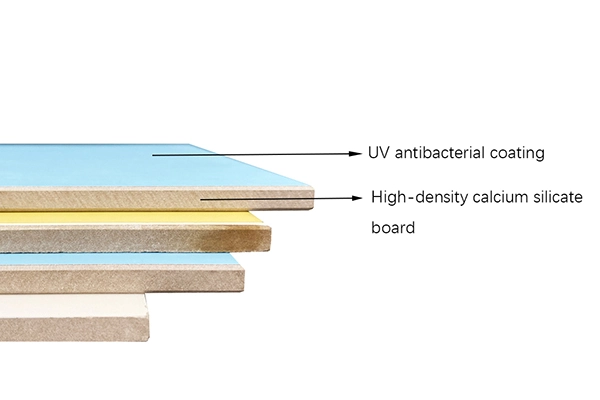
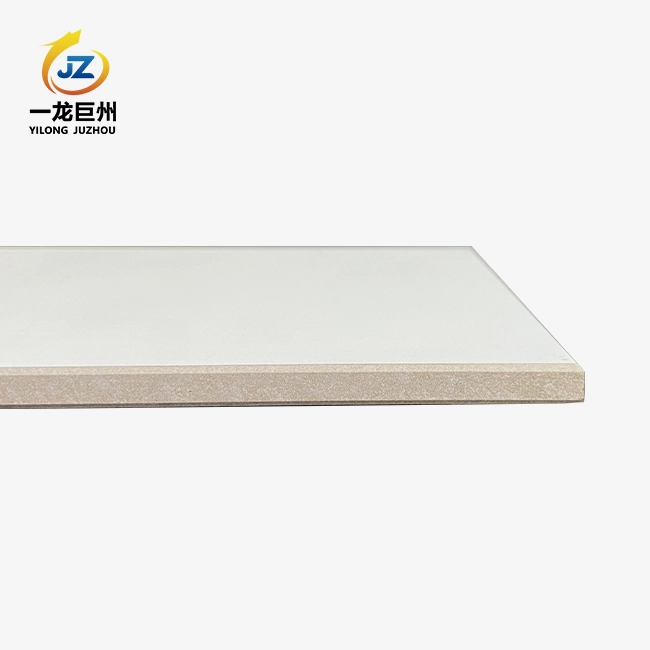
The calcium silicate core is very stable in terms of size and doesn't catch fire, so it has GB8624 non-combustible Class A approval. When paired with the UV-cured antibiotic paint or PVC film top layer, the UV Antibacterial panels structure provides complete defense against water getting in, mold growth, and the growth of microbes. Traditional painted plywood or vinyl-covered walls can't do a good job of keeping germs out, but this two-layer defense system can.
Comparing Performance to Traditional Wall Systems
In places where cleanliness is very important, standard interior wall materials need to be painted or replaced often. In between cleanings, germs can grow in the tiny cracks that form in traditionally painted surfaces. Even though high-pressure laminates are strong, they don't usually have antibacterial properties on their own unless they are treated with additives. The antibacterial layer used in UV-cured systems has better surface hardness grades (3H to 6H on the pencil hardness scale), which means it works much better than regular polyurethane or melamine finishes.
According to studies done according to ISO 22196 and JIS Z 2801 guidelines, UV Antibacterial panels that are made correctly can kill more than 99.9% of germs within 24 hours. This constant killing of pathogens happens without being noticed, adding an important second line of defense between cleaning routines. Healthcare managers really like this feature, especially in places like operating rooms, patient rooms, and hallways where there are still high risks of nosocomial infections even though strict cleaning plans are in place.
Key Advantages for Commercial and Institutional Buyers
These UV Antibacterial panels provide several practical advantages for facility managers considering interior wall choices. The UV curing method practically removes volatile organic compound emissions, so the building may be moved into without off-gassing. This environmental advantage satisfies LEED certification requirements and current building code indoor air quality criteria.
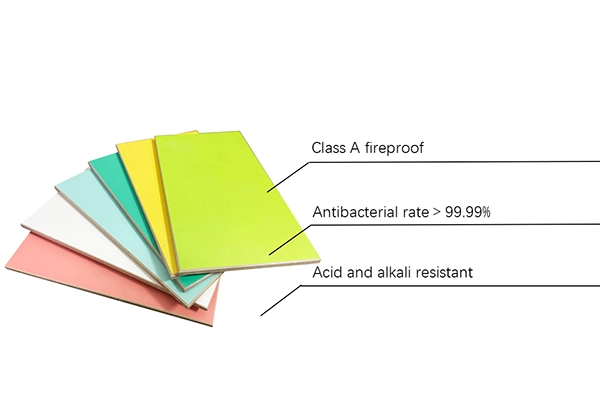
Impact resistance is another feature. The calcium silicate core can withstand equipment carts, stretchers, and regular foot activity without dents or fissures like gypsum-based walls. This prolongs surface life in high-use areas, reducing replacements and downtime.
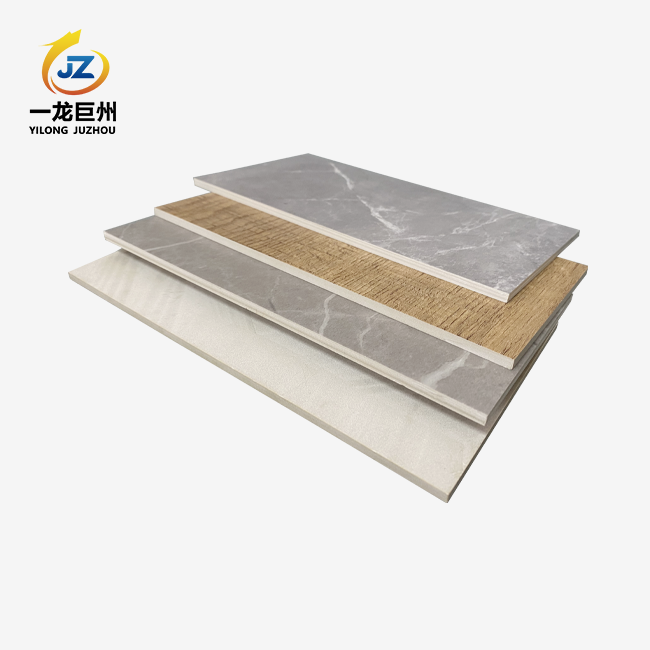
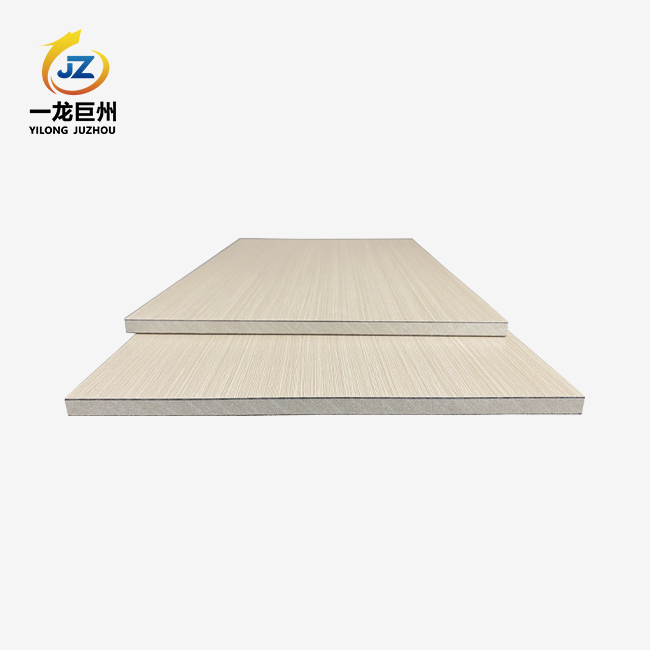
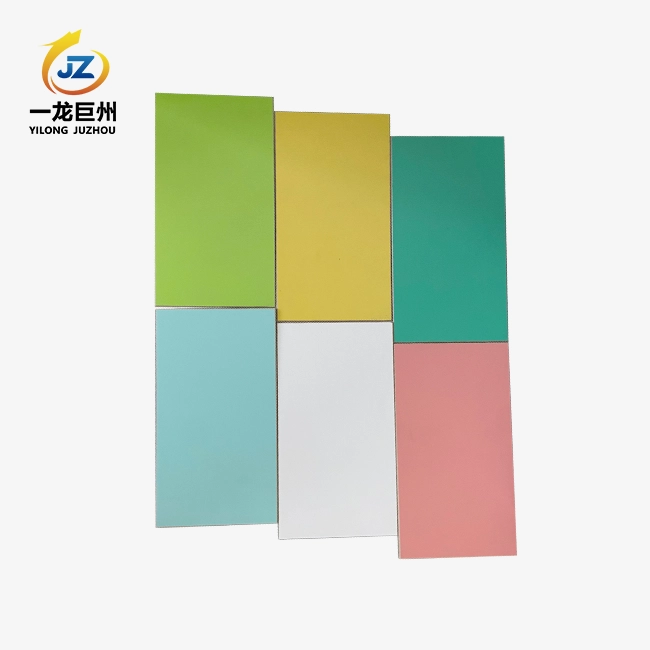
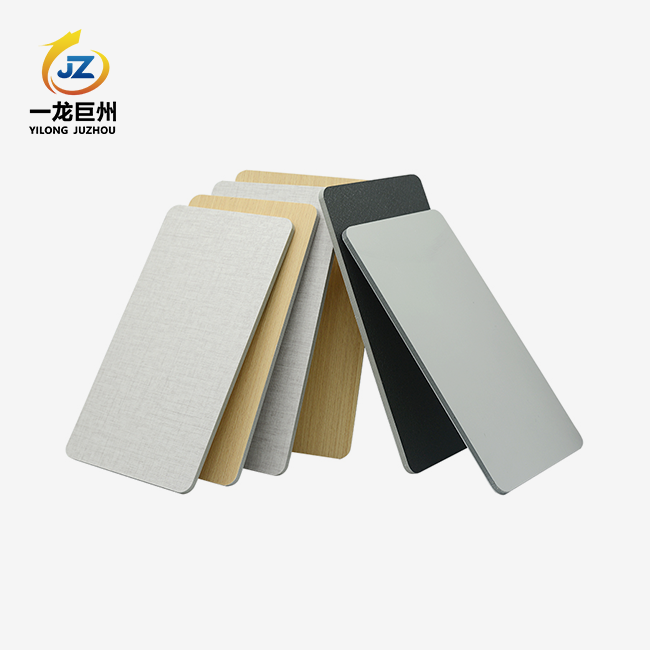
UV light resistance keeps a material looking beautiful for years. Normal yellowing of white surfaces is prevented by advanced UV inhibitors. This maintains medical and food processing facilities' clean, sanitary appearance. You may select from basic colours, woodgrain designs, marble textures, metallic effects, and textile patterns. Designers may develop structures for healthcare, education, and commercial requirements with this flexibility.
Planning and Preparing for Panel Installation
Assessing Facility Requirements and Surface Compatibility
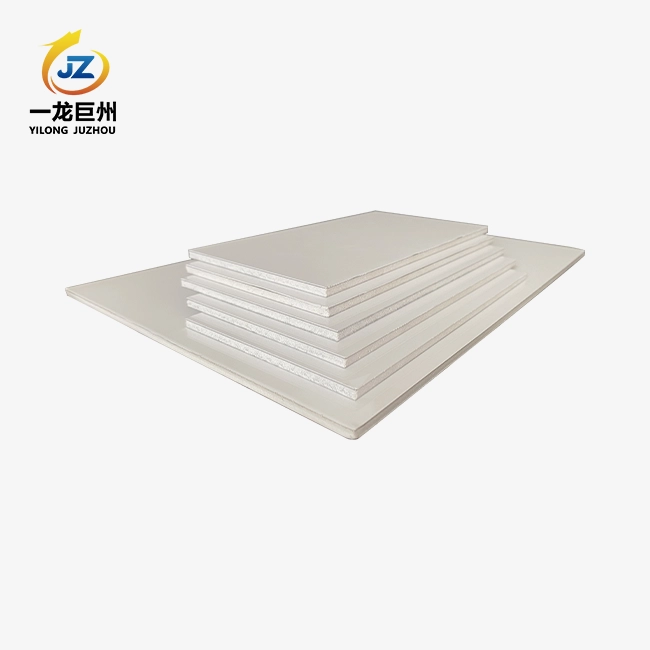
Before they start buying things, project teams have to look at the current state of the walls and the structure's needs. Accurately measure the wall to figure out how many UV Antibacterial panels you need, keeping in mind that normal sizes are 1220 mm wide by 2440 mm long, and special heights are available up to 3050 mm. There are different structural and soundproofing needs that can be met by UV Antibacterial panels with thicknesses ranging from 4.5 mm to 20 mm.
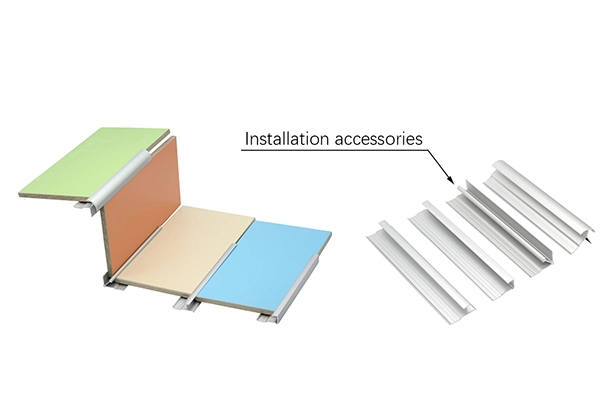
Surface prepping needs depend on the type of material. Specialized pressure strip systems can be used to mount UV Antibacterial panels directly to bare studs in new construction. If you are renovating over painted walls, you need to clean them well and make a few small repairs to make sure the new paint sticks well. In places like commercial kitchens or pharmaceutical clean rooms, where controlling humidity can affect how well UV Antibacterial panels work over time, moisture testing is necessary.
Selecting Appropriate Panel Specifications
The best performance is achieved by matching the UV Antibacterial panels' properties to the needs of the application. Intensive care units and operating rooms usually ask for UV Antibacterial panels that are 6 to 8 mm thick and have a Class A fire rating. Food processing plants look for formulas that are resistant to wetness and mold growth so that they can handle being washed often and being exposed to humidity. Impact-resistant, thicker UV Antibacterial panels are better for educational settings, especially in halls and cafeterias where people often bump into each other by mistake.
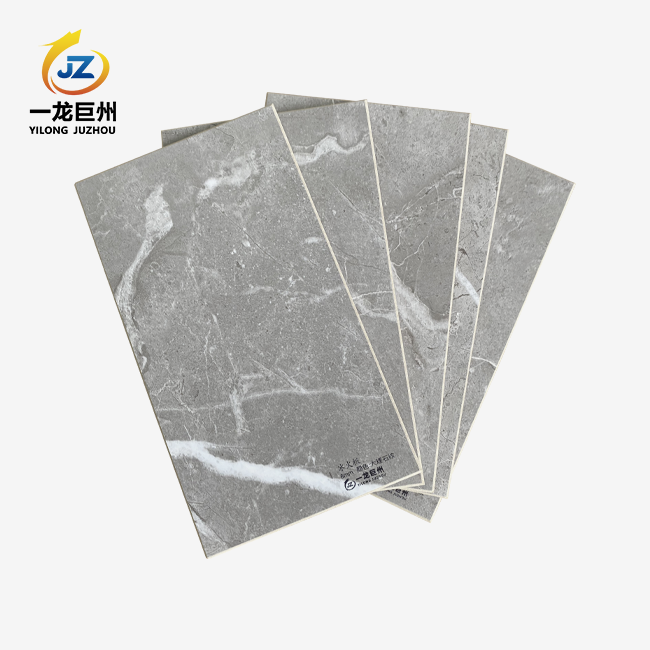
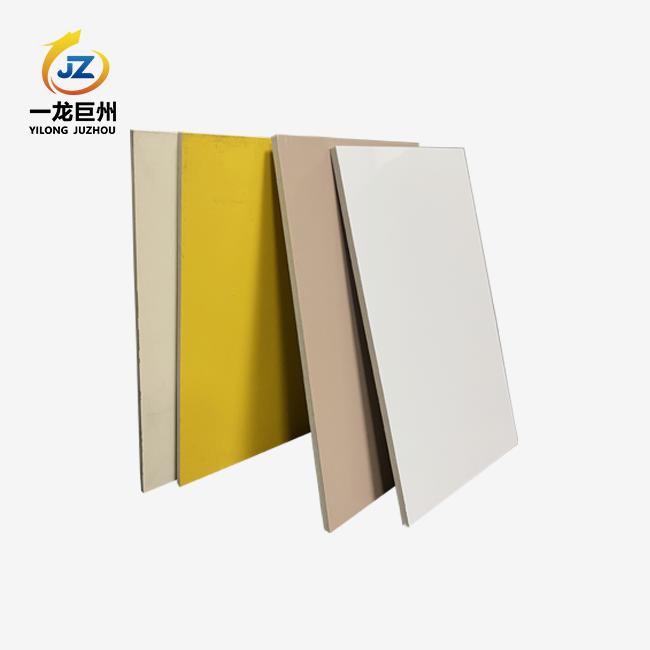
Color choice for UV Antibacterial wall panels isn't just about looks. Light, uniform colors are best for cleanrooms because they make contaminants stand out fast. Woodgrain and marble patterns make clinical spaces like waiting rooms for patients and administrative offices feel less harsh. When procurement teams talk to sellers who offer free sample customization, they can check the quality of the look, feel, and finish before committing to big orders.
Procurement Logistics and Supplier Evaluation
When buying in bulk for business projects, you need to pay close attention to wait times, shipping processes, and quality control rules. Reliable makers keep a lot of inventory on hand—often more than 50,000 square meters—so that orders can be filled quickly—within three to seven business days for normal requirements. International exports to U.S. ports like Los Angeles, New York, and Miami need to be coordinated with customs brokers who know the rules for importing building materials.
The warranty terms should be carefully read. Professional-grade UV Antibacterial panels should come with three-year quality guarantees that cover flaws in the manufacturing process, delamination, and the ability to kill bacteria. Custom sizes, secret colors, or unique mounting arrangements can be made easier by working with suppliers who offer both OEM and ODM services. Asking for third-party test records that prove the antibacterial performance of ISO 22196 and the adhesion test results for ASTM D3359 shows that the standards have been met.
Step-by-Step Installation Process
Professional Installation Versus In-House Teams
The size and complexity of the project decide whether it is cheaper to hire expert contractors or use in-house support staff. Commercial installers with a lot of experience who know how to use pressure strip mounting systems and seam alignment techniques are best for large-scale installations of UV Antibacterial panels that span multiple floors or buildings. These professionals get the job done quickly and with little trouble to people who are already there.
Facility upkeep teams that are good at their jobs may be able to handle smaller makeover projects in single rooms or hallways, especially if the suppliers offer thorough installation instructions and technical support. When compared to traditional adhesive applications, the quick pressure strip installation method makes the process easier, which means less work and less skill. But to keep the guarantee valid, licensed installers often need to be involved. This is an important thing to think about when planning.
Surface Preparation and Panel Mounting
How effectively the substrate is prepared affects project longevity. Remove dust, oil, and other loose debris from all repair locations. Repair serious wall damage by filling holes and levelling rough regions to provide flat mounting surfaces. Maintain wood substrate humidity below 12% and concrete humidity below 4% using moisture meters. This will prevent UV Antibacterial panels from warping or delaminating.
Install mounting rails or pressure strip systems per manufacturer's instructions. Use laser guides or precise levellers to level systems. Start placing UV Antibacterial panels in corners or other clearly identified areas and work your way over huge stretches of wall. Securely interlock the edges and verify alignment regularly to maintain straight vertical seams and uniform horizontal courses. Create moisture barriers around electrical outlets, switches, and fixtures by sealing the UV Antibacterial panels' edges and where they pass through them.
Quality Assurance and Functional Testing
Inspections following installation ensure appropriate installation and system operation. Make sure all the edges fit together and have no openings for water or debris. Check surface smoothness using straightedges and correct any changes outside limits. Check that the UV Antibacterial panels are firmly fastened and that no loose parts move when lightly tapped.
Remove any installation trash using neutral pH cleansers that preserve the antibacterial coating. When cleaning the UV-cured surface for the first time, avoid aggressive scrubbers and chemicals that might harm it before hardness development. Photograph the whole area and the areas that require further work to monitor the installation's completion. It helps plan future maintenance.
Installation timeframes vary by work size and scope. A single-room installation usually takes one to three days. A tiered approach may help operations function smoothly during multi-floor institutional retrofits, which can take weeks. The budget should be $8–$15 per square foot installed, depending on UV Antibacterial panel specs, site difficulty, and labour costs.
Maintenance Strategies for Long-Term Performance
Routine Cleaning Protocols
To keep the antibacterial properties of UV panels, you need to clean them regularly with items that are compatible. If you want to clean UV-cured surfaces of UV Antibacterial panels, use pH-neutral cleaners instead of acidic or alkaline ones, which can wear away protective coats. Microfiber cloths or soft rags are good for cleaning without hurting. Set cleaning schedules based on how busy the area is: daily in surgery rooms and food prep areas, once a week in office hallways, and only when needed in areas with little foot traffic.
Take care of spills right away to keep fabrics from getting stained or wet at the seams. Clean areas with clean water to get rid of any cleaner that is still on them, then dry them with lint-free cloths. This easy step-by-step process stops buildup that could protect bacteria from the silver ions that are embedded in the surface and kill them. If the manufacturer's instructions don't say to use steam cleaning or high-pressure washing, don't. Too much heat or force can make it harder for UV Antibacterial panels to stick together.
Addressing Common Maintenance Challenges
Galvanic interactions between metals in moist conditions may discolour stainless steel equipment. Clear protective coatings or insulating sealants on metal surfaces close to one another may prevent this. UV Antibacterial panels may be restored to their original colour without affecting their antibacterial properties using metal transfer mark cleaners.
Sharp items or rough touch generate scratches on the surface, which make it seem worse and may make germs kill harder. Sometimes manufacturer-approved buffing chemicals may remove tiny scratches. UV Antibacterial panels must be changed when the damage is worse; therefore, corner guards and wall bumpers are worth it in high-traffic locations.
UV Antibacterial panel edges and seams should be regularly examined for moisture incursion. Discolouration, swelling, or mould development indicate sealant failure and need immediate repair. Remove any damaged sealant, let substrates dry, and then reapply approved sealant materials per manufacturer's directions.
Scheduled Inspections and Professional Service
Preventative maintenance contracts with skilled technicians check UV Antibacterial panel health and performance regularly. Annual assessments commonly include adhesion, seam stability, and ATP (adenosine triphosphate) swab tests for antibacterial efficiency. These direct tests demonstrate that UV Antibacterial panels still provide health advantages.
Specialists watch for new issues such as edge lifting, fastener corrosion, and base telegraphing through surface layers. Early identification helps correct issues before they become costly. Maintenance contracts are usually cheaper than reactive repairs. This is particularly true in critical environments where downtime affects operations.
Plan to spend 2–4% of the installation cost annually on complete maintenance. This investment protects the larger capital outlay and ensures that UV Antibacterial panels endure the 15–20 years required in most businesses.
Real-World Applications Across Industries
Healthcare Facility Implementations
Hospitals using UV Antibacterial panels have superior infection control. A 450-bed California hospital replaced painted walls with UV-cured UV Antibacterial panels in surgery rooms and critical care units. Regular swab monitoring following installation indicated a 94% decline in bacterial colonies on the surface. This microbial load decline reduced healthcare-associated illness rates by 23% over 18 months. People spent less time in the hospital and used fewer antibiotics, saving money.
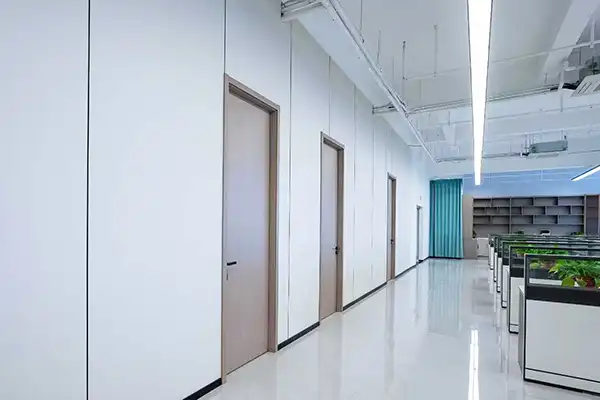
Operating rooms benefit from UV Antibacterial panels' smooth, non-porous surfaces. Traditional wall-ceiling connections and penetration sites surrounding medical gas outlets make biofilm cleaning difficult. Pressure strip installation allows precision fitting around complex fixtures while maintaining easy-to-clean alterations that satisfy sterile field requirements.
Educational and Public Facility Deployments
Even though maintenance budgets are tight, school districts are always under pressure to keep learning environments safe. A big suburban school district in Texas put up UV Antibacterial panels in 12 sites' cafeterias, gyms, and high-traffic hallways. The impact- and moisture-resistant UV Antibacterial panels stood up to the harsh conditions and cut down on the number of times they needed to be painted, from every two years to expected intervals of more than eight years. Better facility hygiene led to fewer absences, which supported the initial investment through higher funding amounts based on attendance.
Biosafety Level 2 laboratories at universities that do research use these UV Antibacterial panels to keep the labs from getting contaminated. The mix of fire resistance, chemical resistance, and constant antimicrobial protection meets strict regulation requirements and makes decontamination easier when switching out equipment.
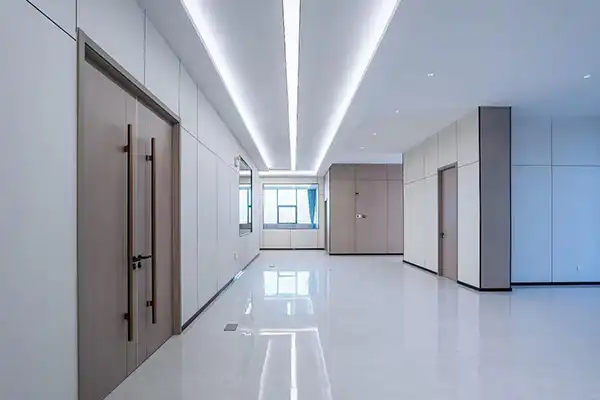
Commercial and Industrial Applications
Food processing industries want bacteria-resistant surfaces that can withstand severe cleaning. A poultry processing company in Arkansas requested UV Antibacterial wet-resistant panels for the cutting and packing rooms to replace FRP panels that were breaking down. The calcium silicate core could withstand temperature and humidity variations that would have bent other materials, while the UV-cured surface killed bacteria after daily harsh solution washing. According to USDA inspection reports, cleanliness ratings have improved, reducing the danger of violating guidelines.
Pharmaceutical clean rooms require materials that prevent contamination. UV Antibacterial panels don't allow particles through and emit nearly no VOCs, supporting ISO Class 7 and Class 8 clean rooms. It maintains FDA-compliant environmental conditions in packaging suites and quality control laboratories.
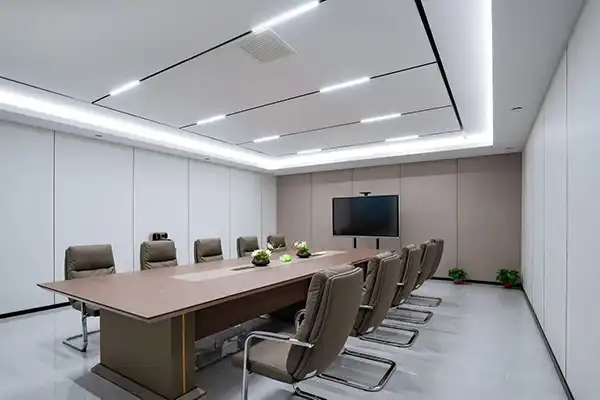
Conclusion
Attention to proper installation and consistent maintenance practices is needed for UV Antibacterial panels to work well. If you choose the right ones and put them down properly, these specialized surfaces can help keep healthcare, educational, food processing, and pharmaceutical settings much cleaner. The long-lasting calcium silicate surfaces, UV-cured antibacterial coatings, and fire-resistant qualities work together to solve several building management problems at the same time. Facility managers can get the most out of their investments and protect people's health by understanding procurement issues, installation workflows, and maintenance needs. As rules for preventing infections change, these high-tech wall coverings offer dependable, long-lasting answers that meet both present rules and future cleanliness expectations.
Frequently Asked Questions
1. Does antibacterial effectiveness diminish over time?
The silver ions that are built into the UV-cured polymer matrix protect the UV Antibacterial panels for their entire useful life. Unlike spray-on coatings that disappear or get washed off, the antimicrobial agents stay bonded to the surface structure forever. The antibacterial effect lasts as long as the surface stays whole and doesn't get deep scratches or other damage that lets the base below show. Regular cleaning keeps the pathogen-killing effect going without breaking down the active ingredients.
2. Can these panels replace standard cleaning procedures?
UV Antibacterial panels don't replace regular cleaning; they add to it. The UV Antibacterial panels kill bacteria when they come into contact with them, but they can't get rid of the dirt, grease, or other things that get in the way of silver ions reaching microorganisms. These UV Antibacterial panels should not be used instead of proper cleaning procedures; they should be seen as an ongoing background defense that works between cleanings. Healthcare and food service centers must keep up with their regular cleaning plans, but these surfaces will help kill more microbes.
3. How do UV-cured panels compare to standard laminates?
High-pressure laminates are strong, but they aren't naturally antibacterial unless they are handled with chemicals. Because of its higher cross-linking density, the UV curing method makes UV antibacterial panel surfaces that are smoother and less porous than patterned laminates. Biofilm doesn't stick to the surface as well because there are fewer holes in it. Surface hardness values of 3H to 6H are higher than what is normally required for laminate. This means that the material is less likely to scratch and keeps its look longer in harsh industrial settings.
Partner with YILONG JUZHOU for Superior Antibacterial Solutions
YILONG JUZHOU makes approved UV Antibacterial panels that are designed to meet the needs of businesses and institutions all over the United States. Our two factories, one in Shaanxi and one in Guangdong, keep more than 50,000 square meters of stock on hand. This means that we can deliver quickly, usually within three to seven days for standard orders. We offer free sample customization, full OEM/ODM services, and quality warranties that last for three years to protect your investment as a seasoned provider of UV Antibacterial panels. Our expert team answers questions about specifications, installation, and upkeep within 24 hours. Email us at cnyang2000114@gmail.com to talk about the details of your project and get unique models that show how high our quality standards are.
References
1. Centers for Disease Control and Prevention. (2019). Guidelines for Environmental Infection Control in Healthcare Facilities. Atlanta: U.S. Department of Health and Human Services.
2. Zhang, L., & Morrison, M. (2021). "Antimicrobial Efficacy of Silver Ion-Embedded Building Materials in Healthcare Settings." Journal of Hospital Infection, 108(3), 156-164.
3. American Society for Healthcare Engineering. (2020). Selecting Interior Finishes for Healthcare Facilities: Performance and Safety Considerations. Chicago: ASHE Press.
4. Green Building Council. (2022). LEED v4.1 Building Design and Construction Guide. Washington: U.S. Green Building Council.
5. Thompson, R.K., & Davis, P.L. (2020). "Comparative Analysis of Wall Cladding Systems for Food Processing Environments." Food Safety Magazine, 26(4), 32-41.
6. National Fire Protection Association. (2021). NFPA 101: Life Safety Code Handbook. Quincy: NFPA Publications.

Send Inquiry
Related Industry Knowledge
- What are negative ion boards? All about negative ion boards
- Why Is Negative Ions Panel Ideal for Eco-Friendly Interior Wall Decoration?
- How to Choose the Right PP Healthy Panel for Interior Wall Decoration
- melamine fireproof board vs HPL Fireproof Panels Comparison
- UV Antibacterial panels for Hospitals and Cleanroom Applications
- Why Choose ice fireproof board for Industrial Wall Protection?
- UV Antibacterial panels vs Traditional Wall Panels: Key Differences
- What are the key steps for installing aluminum composite panels?
- The Importance of Adhesion Testing for ACM Panels as Painting Supports
- The Rise of ACP Panels for Modern Kitchen Design