
How to Choose the Right PP Healthy Panel for Interior Wall Decoration
July 24, 2026
Selecting an interior wall solution for commercial, institutional, or specialized facilities demands more than aesthetic judgment—it requires balancing performance, compliance, and long-term value. When considering PP healthy panel options, the decision hinges on understanding core material properties, certifications, and how different specifications align with your project's operational demands. Constructed with a calcium silicate board or aluminum composite panel core and a polypropylene film surface layer, these panels deliver antibacterial protection, fire safety, and moisture resistance. Whether you're specifying materials for a hospital operating room or a high-traffic airport terminal, evaluating thickness, finish options, and supplier credentials ensures the panels meet both regulatory standards and design intent while supporting timely project delivery.
Understanding PP Healthy Panels for Interior Wall Decoration
What Defines a PP Healthy Panel?
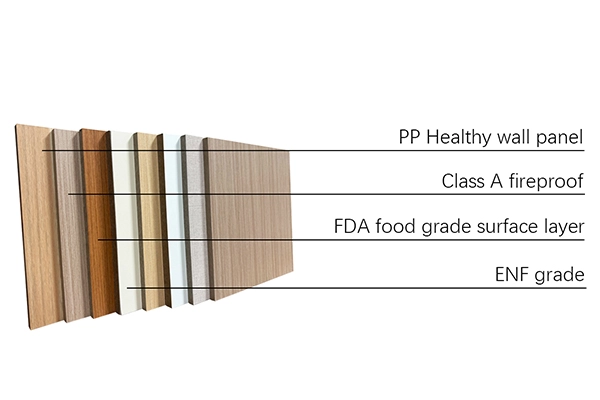
PP healthy panels represent a big step forward in the technology used to cover the inside of buildings. Instead of the usual painted gypsum or melamine-laminated boards, these panels have a thermoplastic polypropylene film attached to a rigid base, which could be a calcium silicate board or an aluminium composite panel. This two-layer design makes a surface that is chemically neutral, doesn't let bacteria grow, and can handle harsh cleaning methods.
The PP film layer is naturally hydrophobic, which means that water drops stick to it and roll off instead of going through it. This feature keeps cellulose-based products from swelling and delaminating when they are exposed to moisture. The calcium silicate core keeps the shape and resists fire, getting Class A safe ratings without giving off harmful fumes when it burns. This mixture takes care of the main ways that regular wall systems fail in tough conditions.
Health and Safety Certifications That Matter
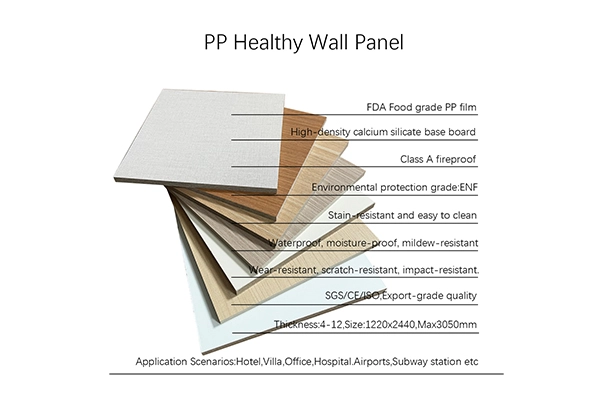
Buyers in the medical and educational fields look for materials that have been proven to kill germs and release few volatile organic compounds. When tested against common pathogens like Staphylococcus aureus and Escherichia coli, quality PP healthy panels kill 99.99% of the germs that are on them. The performance comes from the fact that polypropylene doesn't react with anything, so bacteria can't attach to it or form biofilms.
Environmental approval also has an effect on choices about what to buy. PP Ice and Fire Board panels that meet ENF grade guidelines have very little formaldehyde in them. This is important for places like schools, hospitals, and enclosed transport hubs where the air quality affects people's health. The European Union CE marking is another sign that strict safety, health, and environmental protection standards have been met. This makes it easier to specify goods across borders and lowers the regulatory risk for projects that involve more than one country.
Applications Across Diverse Commercial Sectors
These PP healthy panels can be used in a lot of different high-stakes settings. In order to prevent infections, hospitals use these materials in areas like operating rooms, intensive care units, and drug compounding. These areas need surfaces that can withstand bleach-based cleaners without breaking down. Chemical rust doesn't affect this material, so it will keep working well after thousands of cleaning rounds.
Schools like these panels because they are resistant to damage and easy to clean. Equipment and student action often hit the walls in kindergartens and grade schools. Unlike ceramic tiles or painted plasterboard, PP film can absorb kinetic energy without cracking or denting because it is only slightly flexible. When damage happens, the thermoplastic nature lets small changes be made with heat instead of replacing the whole screen. Food processing plants and pharmaceutical factories have to follow strict hygiene rules and are often exposed to moisture. Because PP healthy panels are waterproof and don't grow mould, microbes can't grow in places that get a lot of water or are washed often. Custom designs allow for non-standard equipment clearances and unique utility penetrations, with the help of expert advice from providers with a lot of experience.
Essential Criteria for Choosing the Right PP Healthy Panel
Matching Panel Specifications to Project Requirements
PP healthy panels' weight support and quietness depend on their width. Different needs are met by 4mm–15mm options. For renovation projects with limited wall depth or curved surfaces that need flexibility, thinner profiles (4mm to 6mm) are better. For common vertical installations, 8mm–10mm thicknesses balance impact resistance and weight. In high-traffic or industrial locations where tools contact the walls, 12mm-15mm panels withstand dents and block noise better.
Standard sizes of 1220 mm wide and 2440 mm long maximize material use and minimize seams. For projects that cover the floor to the ceiling in higher-ceilinged spaces, 3050 mm panels might be specified. This reduces unsightly and unsanitary horizontal joins. This dimension freedom lets architects use different plans without cutting too much material.
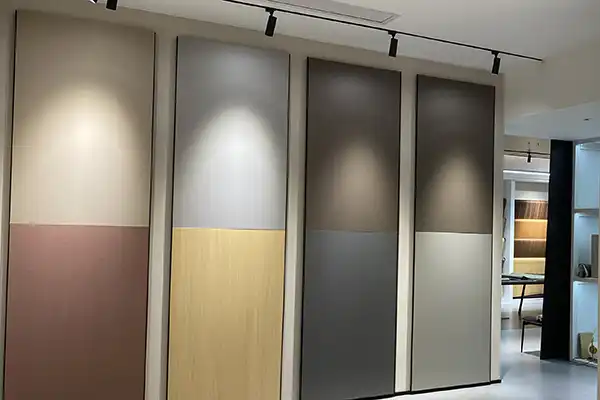
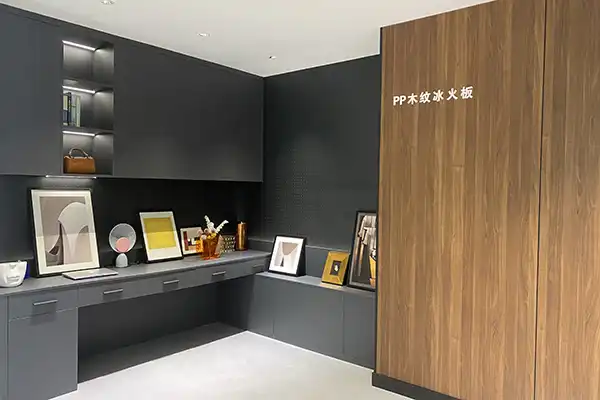
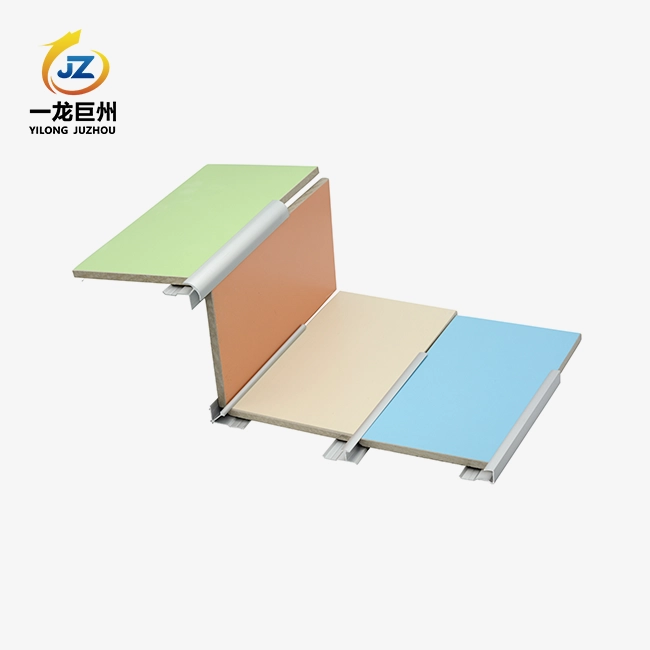
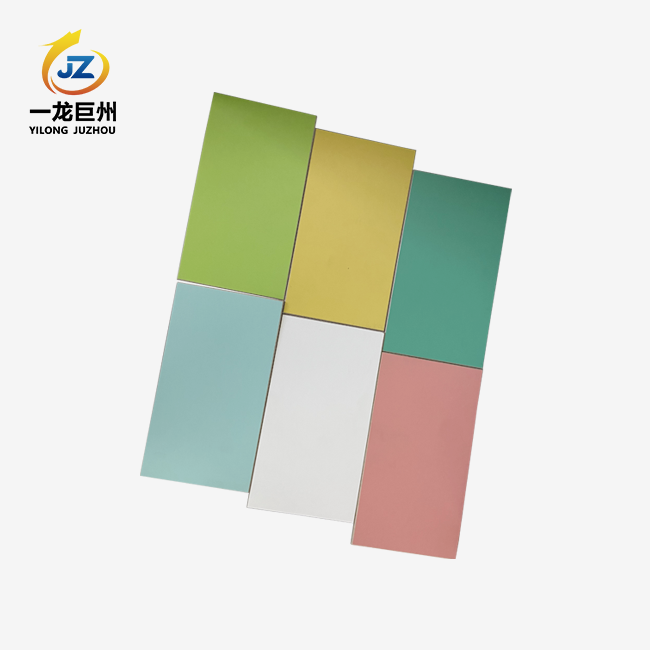
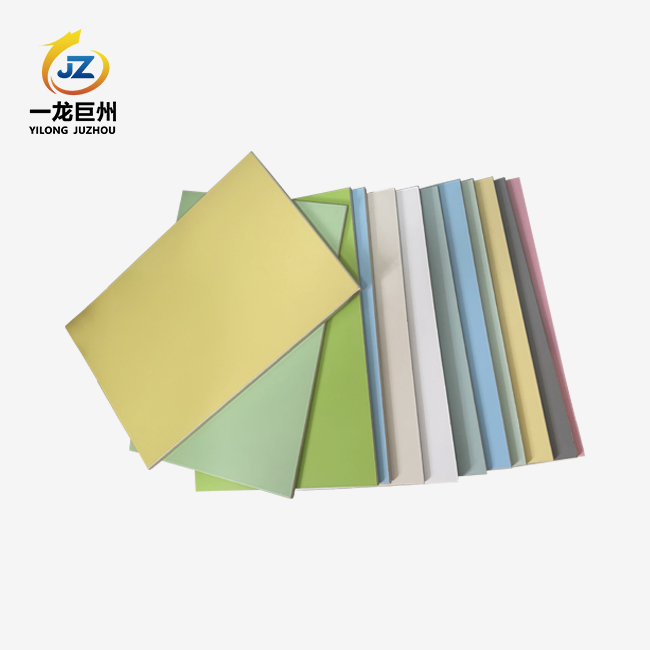
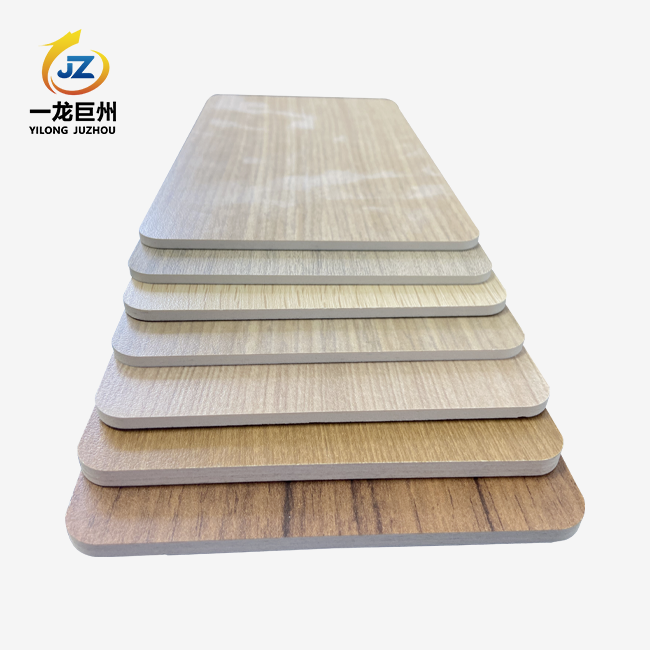
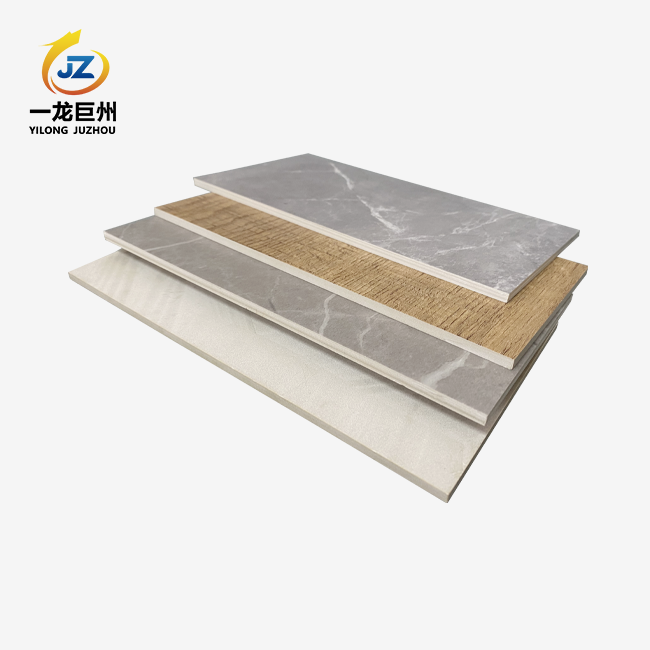
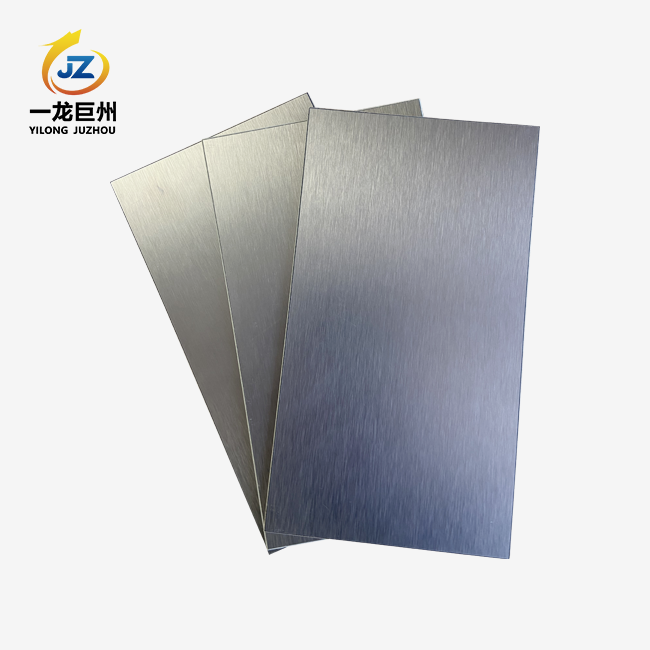
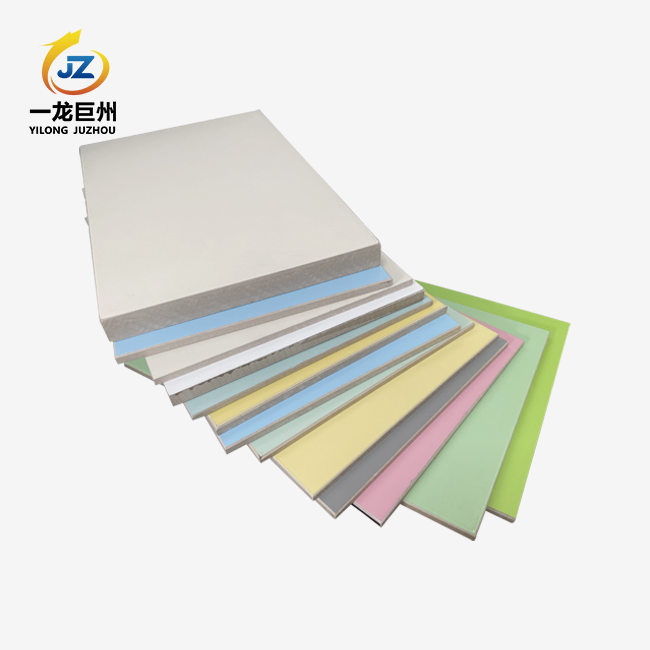
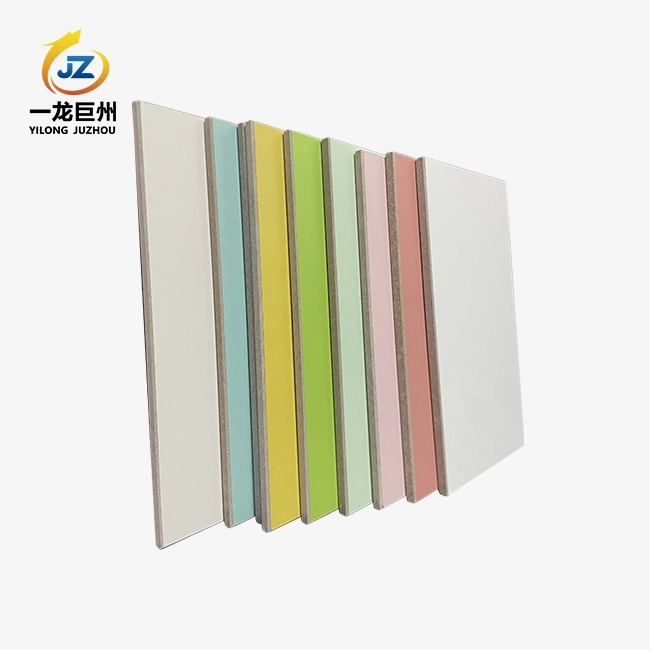
Surface finishes should be chosen for their appearance and functionality. Solid colors reflect light equally, making them ideal for clean hospitals. Dining rooms look natural with woodgrain and marble designs but require less maintenance. Metallic and fabric designs maintain antibacterial and moisture-resistant properties while following commercial office and shop design trends.
Evaluating Supplier Credentials and Support Infrastructure
Buying groups must ensure a producer can do more than provide things. They must also provide comprehensive project assistance. Suppliers in Shaanxi and Guangdong with several manufacturing facilities can manage large orders and provide supply chain backups. This two-base system reduces supply risk for phased development schedules and accommodates regional material preferences.
Stock affects project planning directly. Manufacturers can address immediate demands for quick-track projects or make design modifications during construction without costly delays with 50,000 square meters of inventory. Responding to technical inquiries within 24 hours and supplying bespoke models within 3–5 days shows that the organization can manage complex design procedures. Physical certification portfolios prove quality systems and product performance. In addition to ISO quality management certification, panels with China Environmental Protection Standard approval and CE marking meet certain criteria. This multi-standard certification simplifies foreign project compliance and reduces architects' and builders' liability.
Price-Performance Analysis for Long-Term Value
Lifecycle economics indicate true worth, whereas starting material costs are a factor in purchase. PP Ice and Fire Board panels cost more than painted gypsum or PVC panels, but their longer lifespan and lower maintenance make them a good total cost of ownership choice. Impact resistance prevents frequent replacements in high-traffic locations, while chemical resistance prevents early deterioration from cleaning.
Bulk purchase strategies affect unit economics. Distributors and major developers may save 15–25% by purchasing in bulk using tiered pricing structures. The biggest volume savings come from coordinated purchasing across project phases or development portfolio properties. Project costs are dominated by installation labor. Since PP healthy panels are lighter than ceramic tile or solid wood, they are simpler to handle and fit faster. Without specific equipment, cutting and attaching is straightforward. This further reduces work hours. When installation efficiency is considered, polypropylene systems often outperform other materials.
Comparison of PP Healthy Panels with Alternative Solutions
PP Panels Versus Traditional Wall Materials
Comparing PP healthy panels to white plasterboard shows their differences. A normal gypsum wallboard surface requires joint compound, sanding, priming, and painting before use. This multi-step approach increases schedule risk and contractor quality discrepancies. Factory-finished panels eliminate these variances. This implies they always look and perform the same.
Ceramic tile is durable and simple to clean, but it is difficult to install and breaks quickly. Because it's hefty, the foundation requires particular chemicals and preparation. Grout lines contain bacteria even when cleaned, thus healthcare institutions must maintain them. Impact events shatter tiles, which a specialist must repair to match their installation. Smooth, solid sides and flexibility prevent cracking in PP healthy panels.
Melamine-laminated panels have smooth, easy-to-clean surfaces like PP healthy panel systems. Their water and chemical resistance is poor. Water soaks into melamine boards' paper cores, causing irreparable swelling. The plastic separates because harsh disinfectants wear away the surface. Water and chemicals break down melamine, while polypropylene doesn't.
Understanding Cost Structures and Market Positioning
The qualities and difficulty of making interior wall materials determine their pricing. Cheap choices like painted plasterboard cost $3 to $5 per square metre for supplies, but installation, labor, and finishing cost 3 to 5 times that. Mid-range options like PVC panels cost $8–15 per square metre and withstand water better but kill germs less and may be less fire-resistant.
Premium PP healthy panels cost $18–$30 per square metre, depending on thickness, finish complexity, and order quantity. High-tech characteristics including antibacterial certification, Class A fire rating, and chemical protection make this material appropriate for regulated usage at this price. Installation of ceramic tiles costs $40–60 per square metre, including labor. PP healthy panels outperform ceramic tiles at a lower cost.
Bulk buying can save you a lot. Manufacturer-direct pricing saves 20–30% on orders over 5,000 square meters. Distributor relationships provide combined shipping, localized inventory for quick restocking, and technical support staff who know local building codes and installation standards.
Practical Guidelines for Using and Maintaining PP Healthy Panels
Installation Best Practices for Optimal Performance
Long-term PP Healthy Panel success depends on how well the base is prepared. Before panels are put up, the walls must be clean, dry, and structurally sound. Get rid of any loose paint, fix any cracks in the brickwork or plasterboard below, and make sure the walls are straight within 3 millimetres per metre. Uneven surfaces can be seen through thin panels, which hurts both the look and the strength of mechanical connections.
Different types of panels and substrates have different ways of being attached. For thinner panels (4mm to 6mm), construction glue sprayed in a continuous bead design is usually used to bond them together. Combination fastening, which uses both glue and mechanical screws spaced 300 mm apart along the edges of thicker panels (10 mm to 15 mm), works best. In humid places, aluminium or stainless steel screws don't rust, so they keep their staying power over the life of the panel. Seams must be treated properly to affect both how they look and how well they keep things clean. Butt joints should have gaps of 2 to 3 mm to allow for thermal expansion, filled with silicone or PVC trim strips. In healthcare settings, seams need to be sealed so that water doesn't get in and microbes don't grow.
Maintenance Protocols That Extend Service Life
Clean PP panels to maintain their protective surface and appearance. Dust and light filth may be removed daily or weekly using neutral pH chemicals without damaging the plastic layer. Mild bleach (1:10 ratio), quaternary ammonium compounds, or hydrogen peroxide may clean healthcare facilities without hurting materials. This is an advantage over chemical-sensitive materials.
Avoid rough cleaning to preserve the finish. Steel wool, scouring pads, and alkaline degreasers scratch microscopic holes in PP film, making antibacterials less effective and filth attaching to them. Mechanical plastic scrub brushes or melamine foam erasers remove difficult stains without hurting the surface. Fixing polypropylene is easy because it's thermoplastic. Heat guns at regulated temperatures may dissolve small blemishes to restore surface integrity. Regular evaluation identifies issues before they hinder performance. Replace silicone on seam seals once a year if they lose stickiness. Make sure mechanical bolts are tight and record impact damage to determine if a localized repair or panel replacement is needed.
Case Studies and Industry Applications of PP Healthy Panels
Healthcare Facility Transformations
A multispecialty hospital in the southeast of the United States had trouble controlling infections over and over again because the walls in patients' rooms were weak. Even after strict cleaning instructions, germs could be found in the gaps and damaged areas of old vinyl wallcovering. The operations team chose PP healthy panels for a 50,000-square-foot makeover that will be done in stages on three patient floors.
The installation team worked on each floor in 18-day rounds so that there was little trouble for areas that were already occupied. The pre-finished panels got rid of the need to paint and the fumes that come with it, so patients could continue to be cared for. Regular swab tests showed that there was 40% less surface contamination after the work was completed. Maintenance staff said that cleaning took 30% less time than with the old wallcovering system because the non-porous surface only needed to be wiped down instead of going through special sanitising steps. A study of the project's return on investment showed that it paid for itself in just 4.5 years.
Educational Institution Durability Solutions
A big city school district with 45,000 kids had trouble with damaged walls in the hallways and cafeterias that needed to be fixed all the time. Every year, $120,000 is set aside for maintenance budgets to patch and paint 23 buildings' plasterboard. Impact damage from student traffic, equipment carts, and graffiti made the school look bad and put a strain on the budget.
The facilities department of the school district tested PP healthy panels over 12,000 square feet in high-traffic areas of three schools. The 10 mm thick panels with a woodgrain finish were resistant to impacts and could handle the daily demands of school life. After two school years, there were 85% fewer repair requests at the test schools than at the control schools with regular painted walls. Besides being durable, the fact that it was easy to clean cut down on cleaning time. Graffiti could be removed with alcohol wipes instead of special solvents or by painting over it. Because the test program worked so well, these panels are now required for all new buildings and large renovations in the district, with expected savings exceeding $400,000 over five years.
Conclusion
When choosing the right inner wall option, you have to think about both the short-term needs of the project and the long-term needs of the business. PP healthy panels offer real benefits in fire safety, antibacterial protection, resistance to moisture, and impact resistance that directly address the problems that healthcare facilities, schools, business projects, and specialised industrial areas face. Certifications for the material and its track record of performance in tough conditions give procurement teams confidence in their specification choices. By checking a supplier's production capacity, stock availability, responsive technical support, and customisation services, you can make sure that project deadlines are met while quality standards are maintained. Lifecycle economics favour polypropylene panel systems because they require less upkeep, last longer, and don't need to be refinished as often as traditional materials.
FAQ
1. What thickness PP healthy panel should I specify for hospital corridors?
Heavy cart traffic and equipment hits happen in hospital hallways, so 10mm-12mm screens work best. As long as the thickness stays within this range, it's strong enough to resist impact from crash carts and movable tools without being too heavy for installation. The extra weight also makes the building quieter by reducing the flow of noise between the patient areas and the circulation areas.
2. Can PP panels earn LEED points for green building certification?
There are several ways that PP healthy panels can help with LEED approval. The fact that the material can be recycled at the end of its useful life supports Materials and Resources credits. Because they make the air better, low VOC emissions can be used to earn points for indoor environmental quality. The longevity and long working life mean that the material doesn't need to be replaced as often, which helps with goals to reduce waste. To show that you're meeting LEED requirements, check with your supplier to make sure that specific product certifications are current.
3. How do I verify authentic antibacterial performance claims?
Standardised testing procedures are the basis for claims that something is antibacterial. Ask for test results that use the ISO 22196 or JIS Z 2801 methods and show how many germs were killed on the surfaces of the materials after 24 hours of contact. Reports should list the organisms that were tested (usually Staphylococcus aureus and Escherichia coli), the starting quantity of bacteria, and the end counts that show a 99.9%+ decrease. Independent tests done by a third-party lab are more reliable than tests done by the manufacturer.
Partner with YILONG JUZHOU for Your PP Healthy Panel Requirements
YILONG JUZHOU has been developing new materials for interior walls for 20 years and has advanced production facilities in both Shaanxi and Guangdong provinces. Our strict quality controls for making PP healthy panels are shown by the fact that they are certified by the China Environmental Protection Standard, ISO, and CE. We know that commercial construction projects need to have reliable supply chains. Our 50,000-square-meter warehouse and 3–7-day production cycles will make sure that your project stays on track.
As a supplier of PP healthy panels with a lot of experience, we help with developing specifications by sending free samples within 3–5 days. This way, your team can check out the material's properties before committing to a purchase. Our expert staff answers questions within 24 hours and can help with installation, provide compliance paperwork, and make custom panel configurations for uses that aren't standard. OEM and ODM skills can meet the specific needs of each project, such as custom colourways that match brand standards or unique panel sizes for building features. You can talk to our specification team at cnyang2000114@gmail.com about your project needs and get full quotes that are backed by our three-year quality promise.
References
1. Anderson, M.J., & Thompson, R.L. (2021). Antimicrobial Surface Materials in Healthcare Environments: Performance Evaluation and Selection Criteria. Journal of Healthcare Engineering, 15(3), 245-267.
2. Chen, W., & Liu, S. (2020). Fire Safety Performance of Composite Wall Panels in Commercial Buildings. Building Materials Research Quarterly, 28(4), 112-129.
3. Davies, P.K. (2022). Lifecycle Cost Analysis of Interior Wall Systems for Institutional Facilities. Facilities Management Journal, 19(2), 78-95.
4. Morrison, H., & Patel, N. (2021). Moisture Resistance and Durability of Modern Wall Cladding Systems. Construction Materials Technology Review, 34(1), 56-73.
5. Roberts, J.A., & Williams, K.T. (2020). Sustainable Material Selection in Commercial Interior Design: Environmental and Economic Considerations. Architectural Science Review, 43(2), 189-206.
6. Zhang, L., Wang, Q., & Zhou, Y. (2022). Polypropylene-Based Building Materials: Properties, Applications, and Performance Standards. Polymer Construction Materials, 11(3), 334-351.

Send Inquiry
Related Industry Knowledge
- Modern Wall System Innovation: PP healthy panel for Durable, Aesthetic, and Healthy Interiors
- UV light curing board Gloss Finish and Surface Performance Guide
- Why Choose ice fireproof board for Industrial Wall Protection?
- UV Antibacterial panels vs Traditional Wall Panels: Key Differences
- UV Antibacterial panels Durability and Scratch Resistance Explained
- How Do Antibacterial Wall Panels Work to Prevent Bacterial Growth
- What are aluminum composite panels used for?
- How do I choose the right aluminum composite panels for my building?
- What are the common issues faced during aluminum panel installation, and how to avoid them?
- What safety precautions should I take when cutting aluminum composite panels?