
Modern Wall System Innovation: PP healthy panel for Durable, Aesthetic, and Healthy Interiors
July 23, 2026
Modern construction demands have fundamentally transformed how we approach interior spaces. The PP healthy panel represents a breakthrough in addressing the triple challenge of durability, aesthetics, and health consciousness that commercial and institutional projects face today. This advanced wall system combines polypropylene film technology with engineered core materials to deliver performance characteristics previously unattainable with conventional solutions. As procurement managers and developers navigate increasingly stringent building codes alongside occupant wellness expectations, understanding this innovation becomes essential for competitive project execution.

Introduction
Interior wall systems have come a long way since they were first used to separate rooms. Surfaces that actively improve building performance while fighting the wear and tear that happens with traditional materials are needed in today's business, healthcare, and industrial settings. The PP healthy panel meets these higher standards by using new developments in material science to make a single product that is antibiotic, fire-resistant, and safe for the environment.
More and more, procurement workers working on hospitals, schools, transport hubs, and business developments are aware that the choice of wall material affects project budgets at many points in the project's lifecycle. When maintenance, replacement frequency, and occupant health are taken into account, the initial installation costs are only a small part of the total costs of ownership. This piece looks at how polypropylene-based panel systems offer real benefits in these important areas. It does this by giving technical information that can help people make smart specification decisions for projects where performance cannot be compromised.

Understanding PP Healthy Panel: Composition and Benefits
Core Material Architecture
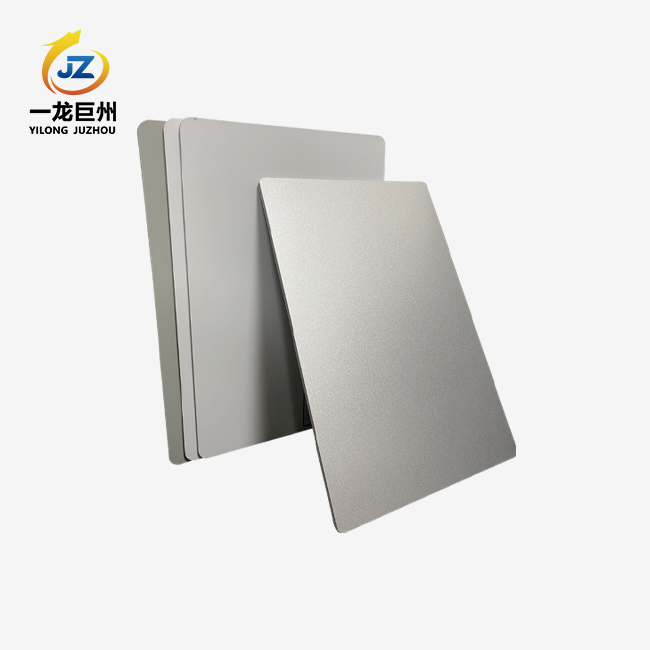
This wall system is built on either calcium silicate board or aluminum composite panel bases, which were chosen based on their performance needs. Calcium silicate cores work well in damp places because they keep their shape even when the humidity changes, and aluminum composite options are more rigid for areas that get hit a lot. The surface of both types of substrates is covered with a special polypropylene film that changes how they work.
This PP Ice and Fire Board film layer on the outside acts as the main barrier between the built world and the people who live or work in the building. The smooth, non-porous polypropylene surface has a 99.99% antibacterial rate, while painted surfaces or melamine laminates can hold germs in their tiny surface flaws. This works because the material itself is not easily colonized by microbes, not because of chemical additives that break down over time. This means that the panel will always be protected.
Performance Characteristics That Matter
The engineering that went into these screens is based on problems that building managers face every day. Waterproofing and resistance to moisture stop the substrate from breaking down, which causes it to need to be replaced too soon in damp places. Class A fire resistance certification meets the strictest building codes for places where a lot of people gather, such as hospitals and tall buildings. Impact resistance stops the surface damage and dents that happen a lot in places with a lot of foot traffic, like hallways, loading areas, and schools, where carts and other equipment often hit each other.
Material choices are being influenced more and more by environmental health concerns, especially in places that serve vulnerable groups. The panels meet ENF grade standards for formaldehyde emissions, which means that this common indoor air quality issue is no longer a problem. This approval is especially useful for healthcare facilities, nursery schools, schools, and other places where the air quality directly impacts the health and safety of the people who work there.

Design Versatility Without Performance Compromise
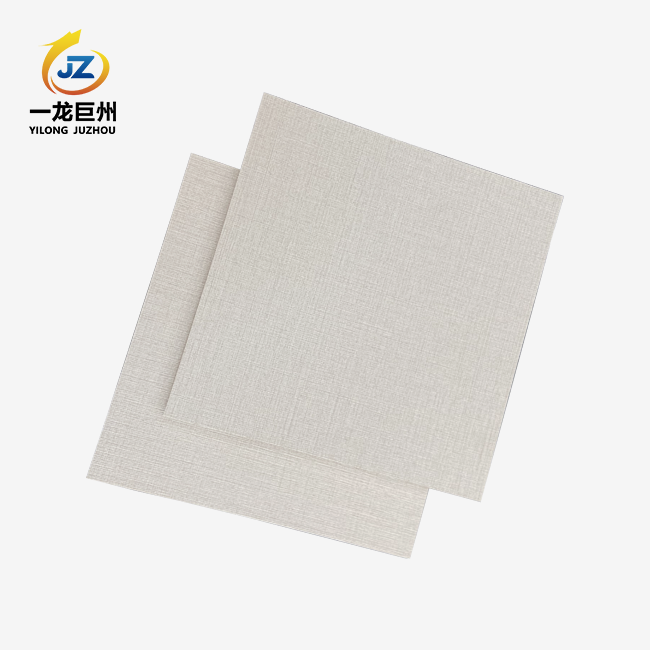
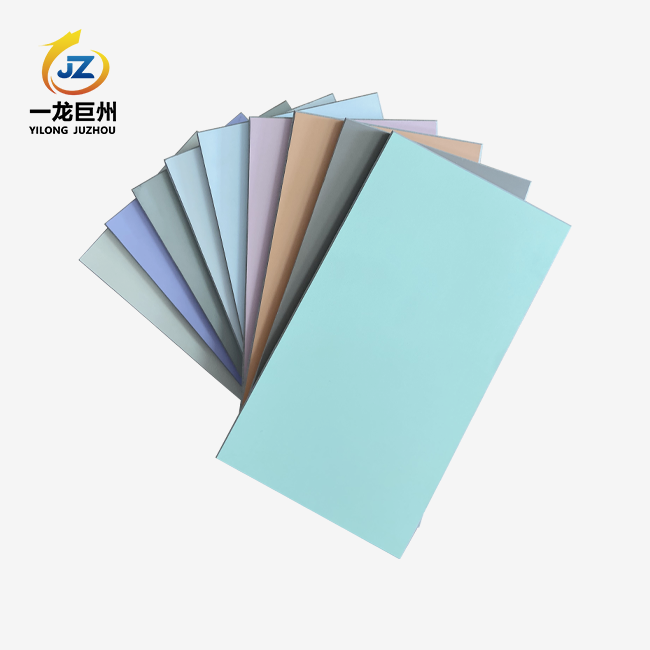
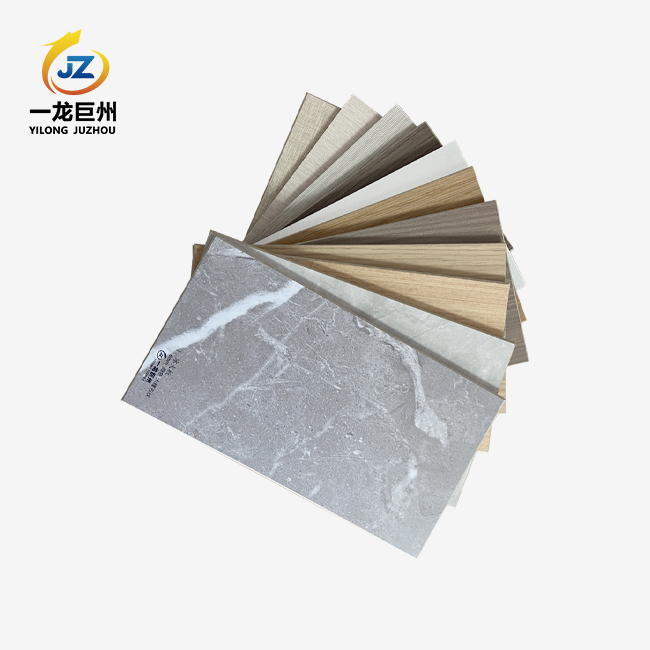
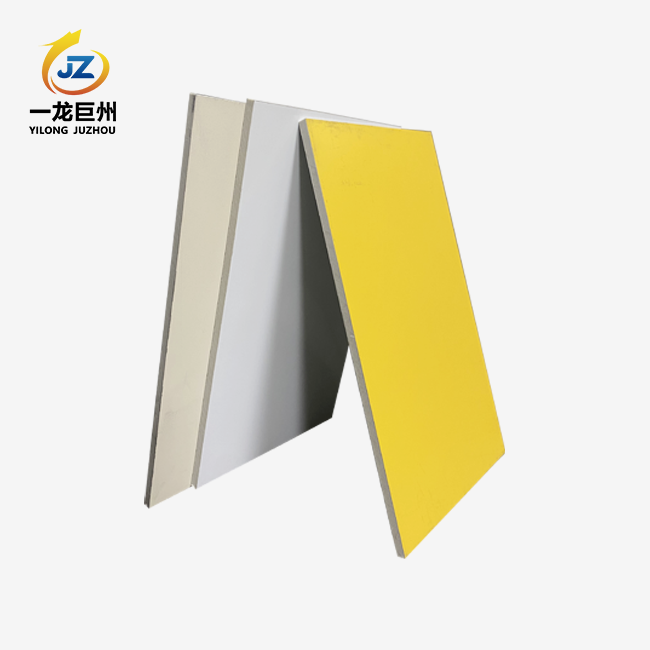
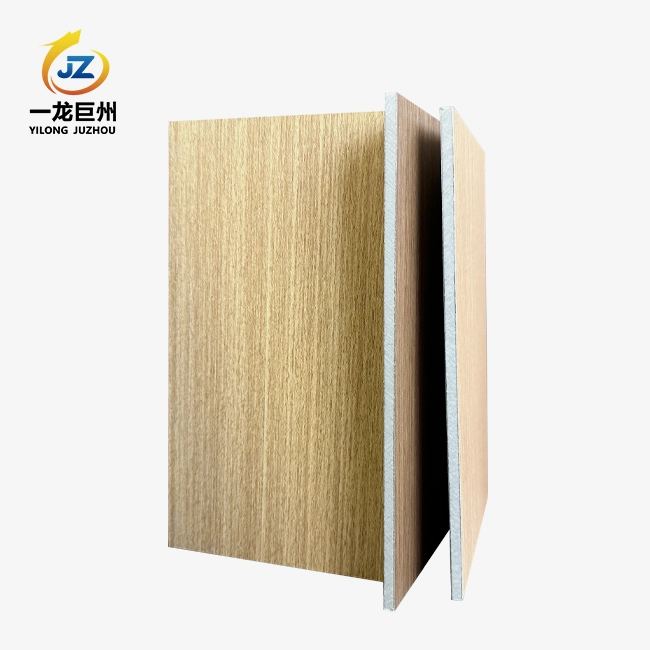
With thicknesses ranging from 4mm to 15mm, specifications can be tailored to meet structural needs and aesthetic goals. Standard panel sizes have a width of 1220 mm to allow for efficient installation patterns. Lengths of up to 3050 mm reduce the number of seams for a cleaner look. There are many surface finish options, such as solid colors, woodgrain patterns, marble effects, metallic effects, and cloth textures. This lets architects use different design ideas without sacrificing the performance benefits that make the specification worthwhile.
PP Healthy Panel vs Traditional and Alternative Wall Systems
The Limitations of Conventional Approaches
Traditional painted drywall systems need to be maintained often, which slows things down and costs more money. Paint surfaces soak up water, allow mold to grow in damp places, and show damage from impacts that need to be fixed and painted over. These maintenance tasks make it hard to schedule work in buildings that are already occupied, and the paint products they use release volatile organic compounds (VOCs).
Putting in tiles solves the problem of moisture, but it also creates grout lines that are hard to clean. The pores in grout let bacteria grow and leave stains that need strong cleaning methods. Because ceramics are rigid, they crack when buildings move or when they are hit. This means that repairs are expensive and often require matching tile designs that have been taken off the market.
Wood paneling and other options made of MDF may look nice, but they don't work well in places where they will be wet or where cleanliness is important. These cellulose-based materials soak up water, help mold grow, and can't stand up to the chemical cleaning methods needed in food processing and healthcare settings.
Quantifiable Performance Advantages
The layer of plastic on the surface makes it easier to clean than other materials. Healthcare facilities that follow strict cleaning procedures discover that bleach, hydrogen peroxide, and quaternary ammonium compounds don't damage painted surfaces or change the color of laminates, but they do damage PP film surfaces. This resistance to chemicals makes the service last longer while still meeting the standards for looks that are important in educational settings.
Impact strength testing shows that this material works better than flimsy laminates or painted surfaces that are easy to scratch. Polypropylene is a thermoplastic, which means it can take impact energy without cracking or permanently changing shape. This means it can keep its surface integrity in tough situations. When facility managers switched from traditional wall finishes to polypropylene panel systems, they noticed that repairs needed in high-traffic areas happened a lot less often.
Lifecycle cost analysis shows why a bigger initial investment makes economic sense. When PP healthy panel systems are compared to painted drywall baselines, projects that include more than one facility show 40–60% lower wall care costs over five years. These savings come from not having to paint as often, needing fewer repairs, and replacing things more often, all of which change the total cost of ownership figures in a basic way.
How PP Healthy Panel Works: Technology and Application
Installation Methodology and Integration
The panel system can be installed in a number of different ways, depending on the conditions of the base and the needs of the project. For remodeling jobs where the current walls are stable and flat enough, direct adhesive mounting onto prepared wall surfaces is the cheapest way to go. Installing mechanical fastening systems is possible on uneven surfaces or in situations where being able to take them apart later is useful. Framework systems can be combined with insulation layers, utility runs, or the need for air gaps that are common in wet areas.

Installation speed is a real project benefit that goes beyond the performance qualities of the materials. When crews are trained, they can get coverage rates that are much higher than with traditional tile or careful painting. The panels are already finished and ready to be installed, so there is no need for the multi-day curing, priming, and finishing processes that make projects take longer. This construction speed is especially helpful when renovations are done in stages, and places that are being used must be back in service quickly.
Real-World Application Environments
The most difficult place for interior wall systems to be used is in healthcare facilities. In order to follow infection control rules, surfaces in operating rooms, patient rooms, labs, and food service areas must not break down when exposed to chemicals. When hospitals use these panels instead of painted or tiled walls, they say they keep the same level of appearance and get fewer maintenance calls.
Impact resistance and cleanability features that work well in educational settings are good because they handle the wear and tear that comes with these kinds of places. Normal finishes don't do well in places like hallways, cafeterias, gyms, and classrooms where people touch, rub, and track dirt against the walls. The panels keep their look throughout the school year because they don't need to be painted over the summer, which is something that many school buildings budget for every year.
Transportation structures like airports, train stops, and subways have to deal with a lot of people and strict cleaning rules. Projects in these areas show that surface quality was kept in conditions that quickly break down painted drywall or damage standard panel products. It meets the specific performance needs of these environments by being resistant to impact and chemical damage and easy to clean.
In commercial hospitality settings like hotels, restaurants, and entertainment venues, keeping the material's good looks is just as important as making sure it lasts. Different finish options let you express your design, and the properties of the material itself stop wear patterns that make things look old in public areas that get a lot of attention.
Maintenance Protocols and Long-Term Performance
For regular cleaning, you only need neutral pH cleaners and normal washing methods. You don't need the special tools or methods that some other materials need. The non-porous surface keeps dirt from absorbing and leaving permanent stains, so the appearance stays good with little work. When compared to previous material installs, facilities that use these systems say that fewer cleaning staff are needed to maintain the walls.
Polypropylene can be repaired in ways that thermoset materials can't because it is flexible. Minor damage to the surface can be fixed by applying heat, which makes the material spring back to life. This is especially useful in places where damage from impacts is inevitable. This ability to fix things makes them last longer than alternatives that are brittle or permanently deformed.
Procurement Guide: Buying PP Healthy Panel for B2B Clients
Supplier Evaluation and Selection Criteria
Finding manufacturers with verifiable output capacity, quality systems, and certification qualifications for PP Ice and Fire Board is the first step to successful buying. Specific product certifications, such as fire testing, environmental standards, and performance proof, give you peace of mind that materials will do what they're supposed to. ISO certification shows that quality management is organized. Manufacturers with more than one production facility can offer supply security, which is helpful for projects with tight deadlines or material needs that come in stages.
A production capacity estimate keeps projects from being held up because manufacturers don't have enough capacity. Suppliers with large inventory holdings (tens of thousands of square meters) can meet the needs of a project right away without having to wait for manufacturing lead times. It's possible to make accurate project schedules when you know that special specs usually take between three and seven days to produce.
Logistics prices and delivery times are affected by where the production takes place, especially for foreign projects. Manufacturers with factories in more than one region give customers the freedom to choose the shipping origin that best fits their needs in terms of both cost and time. Having access to many seaports, including major hubs, increases the number of shipping choices and lowers the chance of delays caused by crowded ports or limited routes.
Technical Support and Documentation
Technical documentation that includes installation instructions, performance test reports, and certification documents is needed to help with writing specifications and sending them in. When manufacturers offer detailed technical support during the design phase, it helps make sure that the right material is chosen for the job. This interaction on the front end stops expensive speed problems that happen when applications don't match up.
Sample programs let you test things out before committing to the whole project. During the project creation steps, suppliers that offer fast sample delivery (usually within three to five days) make it easier to make decisions on time. Being able to ask for unique models that match exact finish needs makes it possible to check the design and get approval from stakeholders.
Customization Capabilities and OEM Services
Manufacturers who offer OEM and ODM services are helpful for projects that need specific sizes, finishes, or performance levels. Custom specs for width, length, or thickness that aren't available in normal sizes let you get the best results for your installation or design goals. Customizing the surface finish by matching colors, adding new textures, or making patterns lets you show your brand and keep your design consistent in ways that standard product catalogs can't.
Quality assurance programs that cover products for three years show that the company that makes them is confident in their performance and give project owners peace of mind about how well the work will be done. When warranties cover material defects, performance degradation, or premature failure, they move risk from project owners to makers. This is an important thing to think about when planning for long-term asset management.
Comparing Leading Manufacturers and Making Informed Decisions
Shaanxi Yilong Juzhou Material Technology has factories in both Shaanxi Province and Guangdong Province. This gives large projects a variety of places to get the materials they need. Their official certifications, which include Chinese Environmental Protection Standards, ISO, and CE validation, show that they follow a number of rules that are important for international project requirements. Having a warehouse space of 50,000 square meters and a response time of 24 hours takes care of the supply reliability issues that procurement managers look for in material providers for projects that need to be done quickly.
The company provides more specialized services than just selling products. These include design advice and installation help, which come in handy during the project completion phases when questions or problems arise due to conditions in the field. This level of technical accessibility, along with their three-year quality guarantee, is what sets reliable suppliers apart from simple product sellers in the market for commercial building materials.
Conclusion
It's no longer just about choosing a finish for an interior wall system. Now there are integrated material solutions that take into account durability, aesthetics, and health impacts all at the same time. Polypropylene-based panel technology has measurable performance benefits in all the areas that procurement professionals care about: lowering lifetime costs, improving occupant health, lowering upkeep costs, and providing a range of aesthetic options. The properties of PP film surfaces solve problems that have been around for a long time with traditional wall finishes while also allowing for the design freedom that modern business and institutional projects need. When these performance and cost factors are taken into account in the procurement process, projects are more likely to be successful after the initial building is finished.
FAQ
1. Can PP surfaces withstand aggressive disinfection chemicals?
Medical-grade disinfectants, such as hydrogen peroxide compounds, sodium hypochlorite solutions, and quaternary ammonium cleaners, do not damage polypropylene film surfaces when used according to the instructions given by the manufacturer. Polypropylene polymer chains are naturally resistant to chemicals, so they don't fade colors, scratch surfaces, or break down like painted surfaces, melamine laminates, or porous materials do when they are exposed to chemicals over and over again. Healthcare centers should check with panel makers to make sure that specific disinfectants are compatible. However, normal hospital-grade products should not have any problems with PP film surfaces that have been properly made.
2. How does fire performance compare to traditional wall finishes?
Class A fire resistance certification means that the material meets the strictest standards for fire safety in business buildings. This grade shows that the fire resistance is better than that of wood paneling, normal plastic laminates, and many other decorative wall covering materials. The calcium silicate core option has a non-combustible substrate that makes the whole thing more fire-resistant. High-rise buildings, healthcare facilities, and public gathering places that have to follow strict fire safety rules can use these fire performance characteristics to meet building code requirements without having to add extra fire-rated parts or protective treatments.
3. What customization options accommodate specific project requirements?
In addition to standard thicknesses ranging from 4mm to 15mm, manufacturers can also make custom lengths up to 3050mm, which cuts down on the number of seams and the amount of work needed to install them. Customizing the surface finish includes matching colors to certain paint standards, creating textures that look like natural materials, and making patterns that help with branding or design continuity. You can choose from different panel edge profiles, corner treatments, and trim items to fit your fitting needs and personal taste. When there are custom needs, procurement teams should talk to manufacturers during the planning part of the project. This is because wait times and minimum order amounts apply to non-standard specifications.
Contact YILONG JUZHOU: Your Trusted PP Healthy Panel Manufacturer
The choice of inner wall materials has a big effect on project costs, building occupants' happiness, and the building's long-term performance. YILONG JUZHOU offers production knowledge, certifications, and a reliable supply chain to help buyers feel confident in their choice of PP healthy panels. When procurement managers need to find materials for difficult commercial and institutional projects, our two production sites, large inventory holdings, and quick-responding expert teams take care of the practical issues that come up. You can ask for free samples to see for yourself the quality of our panels, the different finishes we offer, and how well they work. Our team answers questions within 24 hours and gives scientific information to back up standard and submittal requirements. You can email us at cnyang2000114@gmail.com to talk about your project needs, ask for samples, or find out how working with a well-known PP healthy panel provider can help you in more ways than just buying products.
References
1. Chen, Y., & Wang, L. (2022). "Advanced Polymer Materials in Commercial Interior Applications: Performance Analysis and Lifecycle Assessment." Journal of Building Materials Science, 18(3), 245-267.
2. National Fire Protection Association. (2023). "NFPA 286: Standard Methods of Fire Tests for Evaluating Contribution of Wall and Ceiling Interior Finish to Room Fire Growth." NFPA Standards Council, Quincy, MA.
3. American Society of Healthcare Engineering. (2021). "Surface Material Selection for Healthcare Environments: Infection Control and Maintenance Considerations." ASHE Monograph Series, Chicago, IL.
4. Green Building Council. (2023). "Indoor Air Quality Credits: Material Emissions and Occupant Health in LEED v4.1." U.S. Green Building Council Technical Manual, Washington, DC.
5. Thompson, R., Martinez, S., & Cohen, D. (2022). "Comparative Lifecycle Cost Analysis of Interior Wall Finish Systems in High-Traffic Commercial Environments." Facilities Management Journal, 31(2), 112-134.
6. International Code Council. (2024). "Interior Finish Requirements in the International Building Code: Commentary and Application Guide." ICC Educational Publications, Washington, DC.

Send Inquiry


Related Industry Knowledge
- What is an aluminum composite panel?
- How Does UV light curing board Technology Improve Surface Hardness?
- Coated Aluminum Composite Panel: Structure, Features, and Applications Explained
- Inorganic pre-coated panels vs Organic Coated Boards Comparison
- Aluminium Composite Panels (ACP/ACM): 8 Essential Points
- A Buyer's Guide to Aluminum Composite Material (ACM)
- The Benefits Of Antimicrobial Wall Cladding For Hygienic Spaces
- Unlock the Power of Aluminium Composite Panel
- How to cut an aluminum composite panel?
- How Antibacterial Wall Panels Improve Hygiene in High-Traffic Areas