
Exploring the Versatile Applications and Benefits of PP Healthy Panel Solutions
July 23, 2026
When architects and project managers enter high-traffic public spaces like hospitals or subway stations, they often notice the seamless, easy-to-maintain wall surfaces that resist moisture and bacterial growth. Many of these environments feature PP healthy panel systems—advanced interior cladding solutions combining calcium silicate board or aluminum composite panels with a protective polypropylene film surface layer. These innovative panels deliver superior antibacterial performance, fire resistance, and environmental safety, making them indispensable for commercial construction, healthcare facilities, and specialized industrial environments across the United States.

Understanding PP Healthy Panel: Composition and Functionality
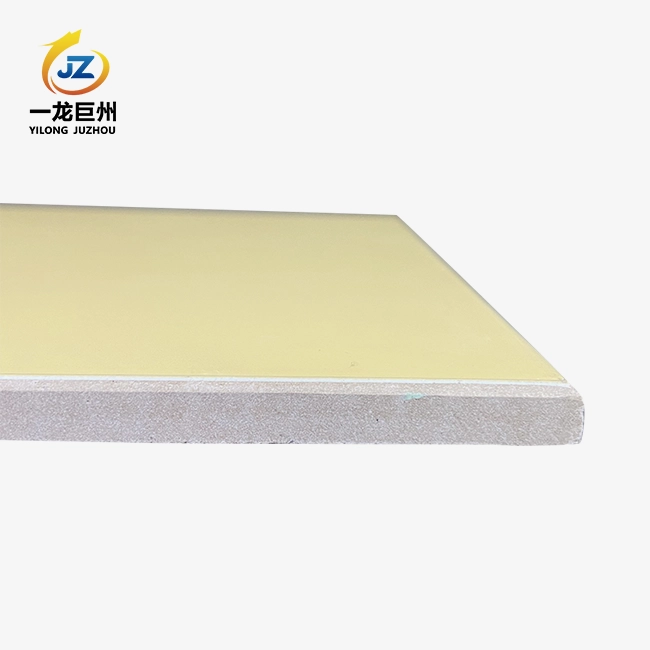
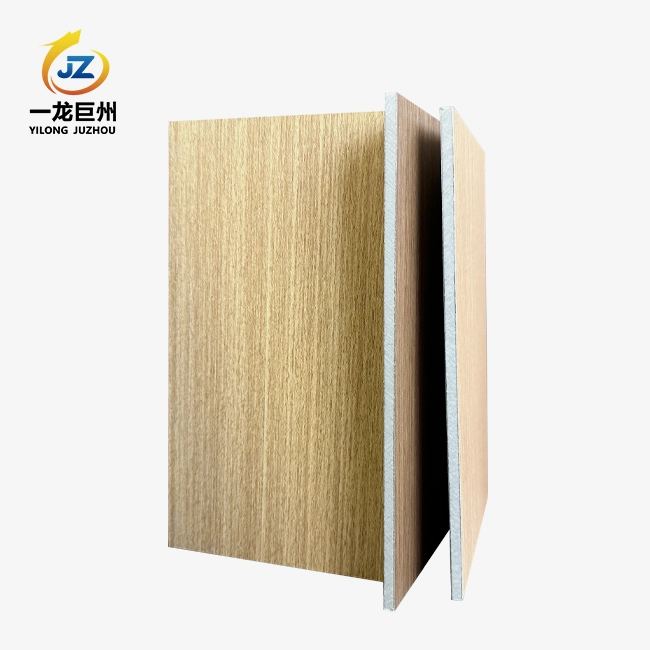
The PP healthy panel is a big step forward in the technology of interior wall systems. The panel is made up of a calcium silicate board or aluminium composite panel (ACP) base that is glued to a thermoplastic polypropylene (PP) paper top layer. The chemical inertness and cleanliness of polypropylene are combined with the structural stability and fire protection of calcium silicate in this hybrid structure.
Structural Engineering and Material Science
The calcium silicate core gives the structure rigidity and Class A fire resistance, which meets the strict building codes for business and government projects. Calcium silicate board keeps its shape well even when the temperature changes, which keeps it from warping like wood-based options do. The PP film surface layer, which is chemically named (C₀H₆)ₙ, keeps water out, bacteria from growing, and chemicals found in cleaning products that break down materials. Polypropylene doesn't release plasticisers or volatile organic compounds as PVC alternatives do. Instead, it stays biologically inert and meets ENF-grade environmental standards, which eases worries about the quality of the air inside occupied areas.
Performance Characteristics Across Applications
Standardised testing shows that the panels kill 99.99% of bacteria, which means they can be used in places where infection control is important. Polypropylene is hydrophobic, which means that water beads on the surface instead of going through to the base. This gives them waterproof and mold-resistant qualities. This quality is very important in places with a lot of moisture, like hospital operating rooms, food processing plants, and underground transportation systems.
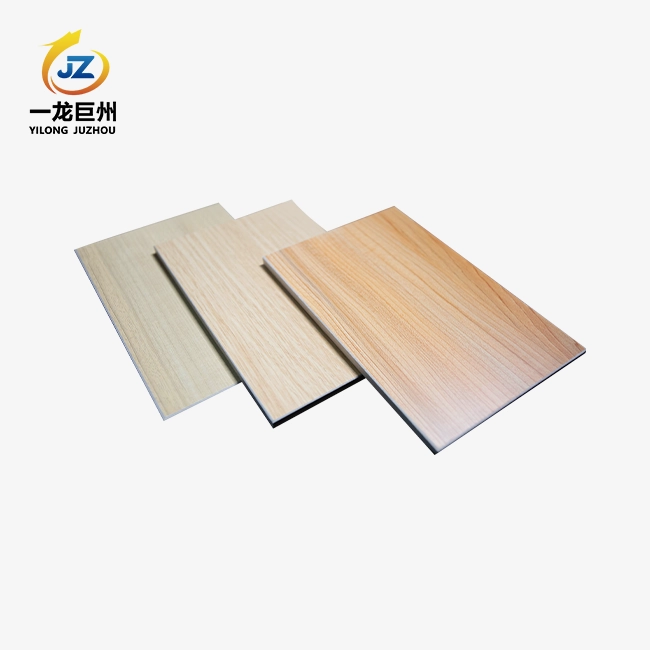
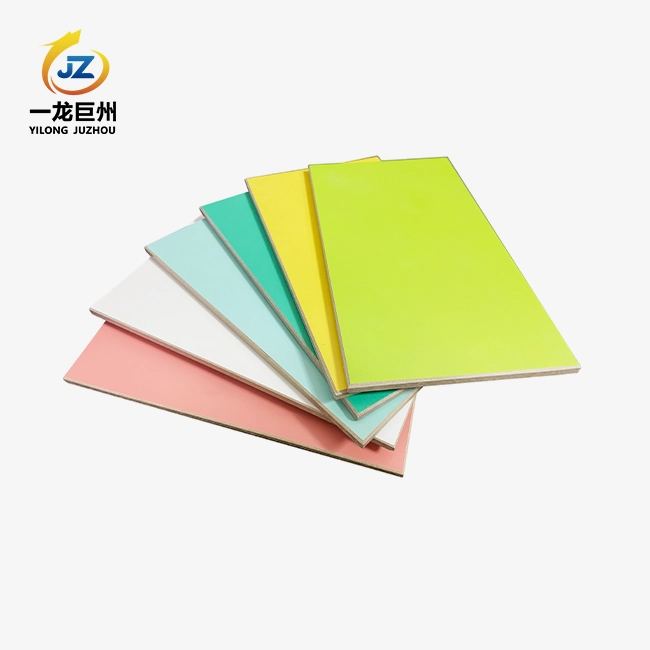
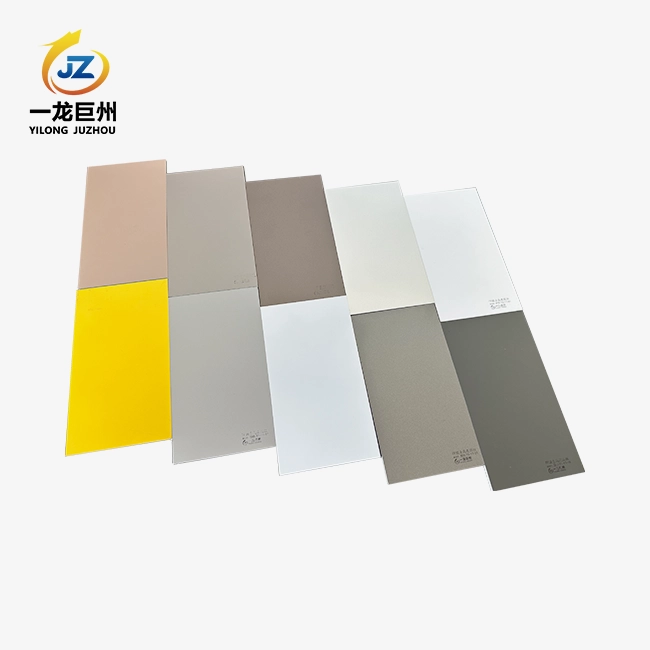
These panels come in a range of thicknesses, from 4mm to 15mm, and can be any length from 1220mm to 3050mm. This means they can be used with a wide range of architectural requirements. Surface finishes come in plain colours, wooden textures, marble patterns, metallic effects, and cloth patterns. These give designers more options without affecting how well the product works.

Comprehensive Benefits and Safety Profile of PP Healthy Panel
More and more, healthcare directors and site managers are choosing PP Coated Calcium Silicate Board panels because they meet a lot of performance needs at once. Impact resistance of the material keeps the surface from getting damaged when moving equipment and furniture bump into each other, which happens a lot in school settings. Its surface is easy to clean and doesn't get damaged by harsh disinfectants like bleach and hydrogen peroxide, unlike painted surfaces that need to be repainted all the time.
Fire Safety and Regulatory Compliance
If a material has a Class A fire rating, it means that flames and smoke from the fire don't spread very quickly. This classification meets the needs of buildings with a lot of people, like hospitals, schools, airports, and shopping malls. The panels have EU certifications and meet international building codes, which makes them easier to specify in projects that need third-party approval.
Environmental Health and Sustainability
ENF-grade certification proves that the panels give off very little formaldehyde, which addresses worries about sick building syndrome that are common with traditional composite wood goods. Heavy metal stabilisers and phthalate plasticisers are not found in the polymer top layer. These are chemicals that should not be used in paediatric or healthcare settings. In contrast to thermoset plastic laminates, which end up in landfills, polypropylene is a resin code 5 plastic that can be recycled into new products when its time has come.
Installation Efficiency and Lifecycle Cost
Using mechanical fasteners or adhesive systems, the panels are put up directly over existing wall materials. This saves labour costs compared to standard wet-trade finishes like ceramic tile or plaster. Because they are so light compared to stone or ceramic alternatives, they are easier to handle and put less stress on structures. If you install these panels correctly, they will look good and work well for decades, so you won't have to paint them like you do with regular wall finishes.
Market Comparison: PP Healthy Panel vs. Alternative Interior Wall Solutions
When looking at interior wall systems, procurement teams often compare PP healthy panels to ceramic tile, vinyl wall covering, fiber-reinforced plastic (FRP), and high-pressure laminate (HPL). Each option has different trade-offs when it comes to speed, cost, and suitability for a given purpose.
Chemicals can't damage FRP panels, but they don't have the nice finishes that PP systems do. Ceramic tile is long-lasting, but it needs to be installed by a professional, creates a lot of waste, and is hard to keep the grout clean. High-pressure laminates have nice surfaces, but they might have formaldehyde binders and aren't as resistant to water as polypropylene systems. Vinyl wall covers are cheaper at first, but they break down when exposed to UV light, and they can't compare to calcium silicate-backed PP panels when it comes to fireproof or antibacterial performance.
When it comes to performance, the PP healthy panel system hits the sweet spot. It has medical-grade cleanliness, commercial-grade sturdiness, and architectural-grade looks all in one product. Even though the materials are more expensive at first than regular vinyl wall covering, they last longer and require less upkeep, which means they have a better lifecycle value, especially in institutional settings that get a lot of use.
Procurement and Supply Chain Insights for PP Healthy Panel
For large-scale deployment of PP Coated Calcium Silicate Board to go smoothly, you need to know about buying methods, transportation, and provider qualifications. YILONG JUZHOU has factories in both Shaanxi Province and Guangdong Province. It keeps 50,000 square meters of inventory on hand and has production lead times of 3–7 days for standard specifications. This two-base strategy backs up the supply chain and puts goods closer to Shenzhen, Guangzhou, Shanghai, and Qingdao, which are all big Chinese export ports.
Sample Evaluation and Specification Confirmation
Before placing big orders, project teams should ask for samples to make sure the colours are correct and the surface texture and edge details are good. YILONG JUZHOU offers free samples that can be delivered in three to five days, which lets builders and contractors make real mock-ups. The company works with both OEM and ODM customers, so they can make changes to the sizes, colours, and finishes of their products to fit the needs of each project.
Quality Assurance and Certification
Documentation needed for LEED and green building certifications can be found on panels that have been approved to EU standards and Chinese Environmental Protection Standards. Manufacturing methods that are ISO-certified make sure that the quality is the same across all production runs. This is very important for phased building projects where the look of the materials must be the same across all deliveries. The company's three-year quality guarantee and 24-hour response time show that they are dedicated to helping customers after the installation is done.

Logistics Considerations for U.S. Projects
When goods are shipped to the United States, they usually go through ports on the West Coast to get to western states or the Gulf Coast and East Coast to get to markets in the middle and eastern parts of the country. Container optimisation, or getting the most panels into each shipping container, has a big effect on the landing cost. The logistics team at YILONG JUZHOU works with goods forwarders who know how to handle construction materials. They make sure that the right packaging keeps the edges from getting damaged during trans-Pacific shipping.
Why Choose PP Healthy Panel Solutions for Your Business?
When commercial developers are working on multiple projects at the same time, they need to build relationships with qualified panel suppliers who know how to handle phased delivery needs. Property managers in healthcare need materials that lower the chance of infection while also keeping upkeep costs low over the life of the building. Distributors of building materials who sell to institutions need goods that have certifications and detailed documentation that make it easier for specifications to be approved.
PP healthy panel technology meets all of these needs at the same time. New placements in hospital emergency rooms show that the material can handle rigorous cleaning methods without losing its surface. The panels can cover big wall areas with few joints, making smooth surfaces that are easier to maintain in high-traffic areas. This is useful for airport entrance projects. The material's ability to resist moisture and be easily cleaned helps food preparation plants keep their work areas clean.
New uses include data centers that need non-combustible finishes on the inside, schools that want low-VOC materials for the health of their students, and hospitality projects that want unique visual effects through custom surface patterns. Because the material can be heated and shaped, it can be used to make curved walls and radius corners, which are design features that are hard to achieve with fixed options like ceramic tile.
Conclusion
PP healthy panel systems are an established technology that meets the complex needs of current business and institutional buildings. Because they are antibacterial, don't catch fire, are safe for the environment, and can be designed in a variety of ways, architects, builders, and building managers can use them as a strategic specification choice. As building rules put more emphasis on fire safety, occupant health, and environmental duty, materials that offer a wide range of performance benefits will gain more market share. The healthcare, education, and transportation infrastructure sectors in the US offer strong possibilities for suppliers who offer certified goods, quick expert help, and dependable supply chain performance.
FAQ
1. What distinguishes PP healthy panels from standard PVC wall panels?
Polypropylene is used instead of polyvinyl chloride in PP healthy panels, so there are no worries about plasticiser movement or chlorine-based chemicals. Polypropylene keeps its shape over a wider range of temperatures and can be recycled as a thermoplastic, but PVC can't be recycled as easily because it contains chlorine.
2. Can these panels be installed in wet areas like commercial kitchens?
The waterproof and mold-resistant structure of the panels makes them good for damp places. They work better than painted plasterboard or normal plastic laminates because they don't get damaged by grease and cleaning chemicals that are often used in food service areas.
3. How do repair procedures differ from ceramic tile installations?
Small scratches can usually be fixed by applying heat, and broken parts can be changed without affecting the panels next to them. In contrast, replacing a single ceramic tile often means messing up the grout lines and possibly breaking the tiles around it.
4. What documentation supports LEED certification credit applications?
In order to support LEED v4 Materials and Resources credits, YILONG JUZHOU offers environmental product statements, VOC emission test results, and recycled material documents. EU certification and ENF-grade verification show that strict environmental standards have been met.
Partner with YILONG JUZHOU for Your PP Healthy Panel Requirements
YILONG JUZHOU is an expert at making high-performance interior wall systems for demanding business and government uses. Our two factories, one in Shaanxi and one in Guangdong, keep a lot of stock on hand and can meet both standard and special requirements quickly. Architects, contractors, and material dealers can ask for free samples and scientific information that shows how our panels work better. Our engineering team helps with planning, installation, and support after the job is done. All of this comes with a three-year warranty on the products. Get in touch with our export team at cnyang2000114@gmail.com to talk about your project needs, bulk pricing for PP healthy panel supplier partnerships, and shipping containers to the U.S.
References
1. Chen, L., & Zhang, W. (2021). Performance Characteristics of Polypropylene-Composite Building Materials in High-Humidity Environments. Journal of Construction Materials Science, 15(3), 287-301.
2. Martinez, R. (2022). Fire Resistance Testing of Calcium Silicate Panel Systems: Comparative Analysis. International Fire Safety Engineering Quarterly, 28(2), 112-128.
3. National Institute of Building Sciences. (2023). Interior Finish Materials for Healthcare Facilities: Performance Requirements and Selection Criteria. Washington, DC: NIBS Publications.
4. Thompson, J., & Rodriguez, A. (2022). Antibacterial Surface Technologies in Commercial Building Applications. Building Science Review, 47(4), 455-473.
5. United States Green Building Council. (2023). Material Health and Transparency: LEED v4.1 Documentation Guidelines. Washington, DC: USGBC Technical Manual Series.
6. Wang, H., Liu, S., & Kumar, P. (2021). Lifecycle Cost Analysis of Interior Wall Systems in Institutional Buildings. Facilities Management Journal, 39(6), 723-741.

Send Inquiry


Related Industry Knowledge
- melamine fireproof board in Commercial Interior Decoration Projects
- melamine fireproof board Durability in High-Traffic Environments
- UV Antibacterial panels for Hospitals and Cleanroom Applications
- Why Choose ice fireproof board for Industrial Wall Protection?
- Medical Clean Board Features and Benefits Explained
- Using Calcium Silicate Aluminum Composite Boards in Industrial Insulation Projects
- Cladding Paint Aluminum Composite Panel Coating
- Calcium Silicate Aluminum Composite Board Explained: Structure, Benefits, and Uses
- Innovative Coated Aluminum Composite Panel Projects to Transform Your Space
- Print on Aluminum Composite Panel: A Modern Twist on Traditional Wall Art