
Interior and Exterior Applications of A2 Aluminum Composite Panels
August 13, 2026
A2 Aluminum Composite panel technology delivers non-combustible cladding solutions critical for modern construction projects demanding superior fire safety. Composed of aluminum skins bonded to mineral-rich refractory cores containing over 90% inorganic materials, these panels achieve Class A2 fire ratings under EN 13501-1, making them indispensable for high-rise buildings, healthcare facilities, and public infrastructure. Their versatility extends from interior wall decoration to exterior façade systems, offering architects and developers reliable performance that balances regulatory compliance with design freedom.
Understanding A2 Aluminum Composite Panels: Specifications and Fire Safety
The structure of A2 Aluminum Composite panels is very different from that of regular composite materials. Our screens have two metal skins that are between 0.1 mm and 0.5 mm thick and are surrounded by a mineral-based core that doesn't burn. These panels come in different widths (1220mm, 1500mm, or 2000mm) and thicknesses (2mm to 6mm). They can be used for a wide range of project sizes. Customizable lengths longer than three meters make it possible to install them without any visible joints on large wall surfaces.
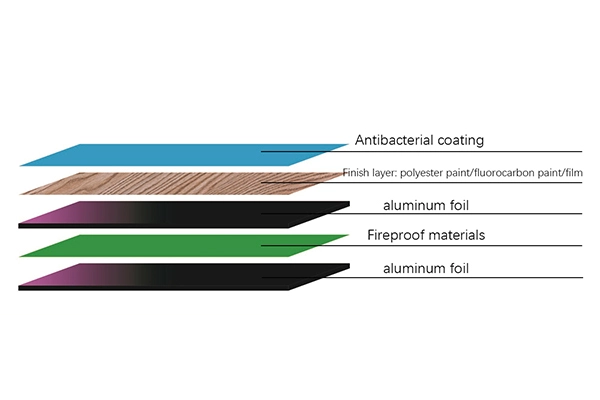
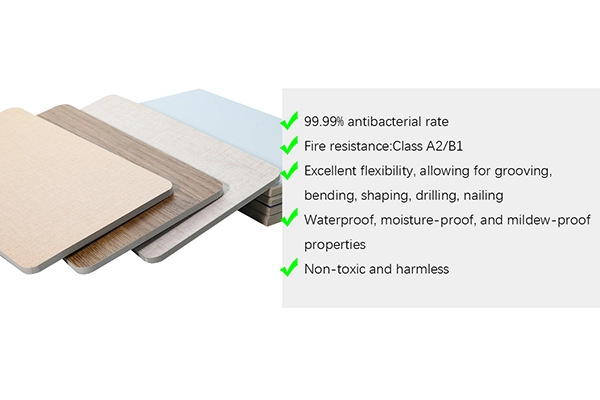
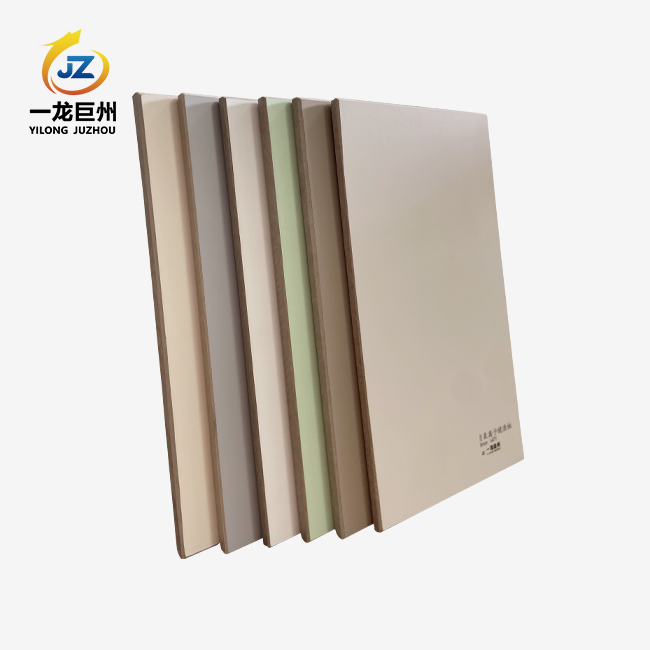
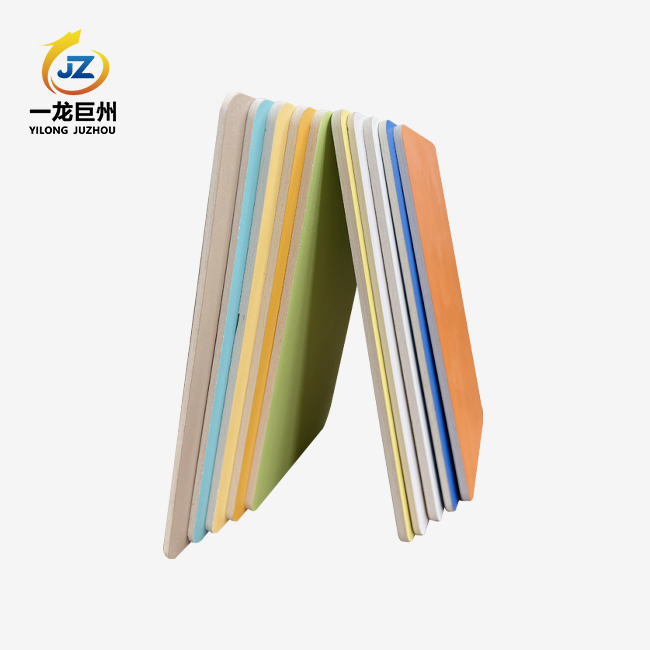
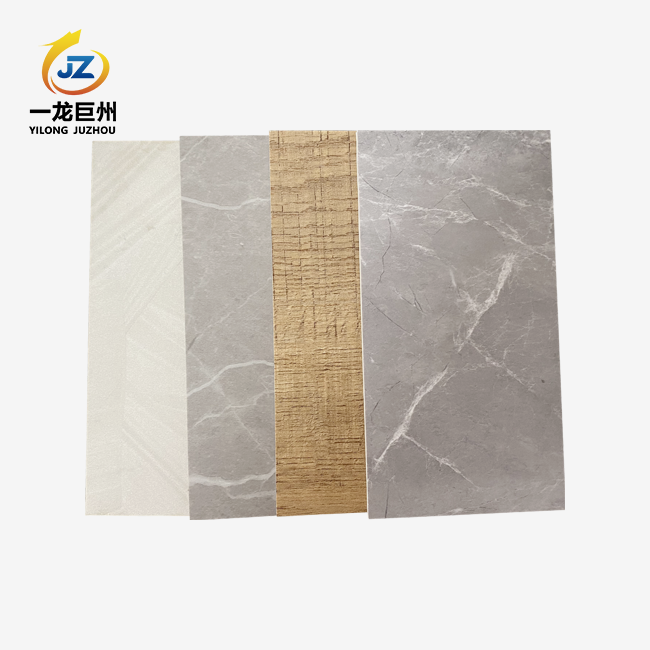
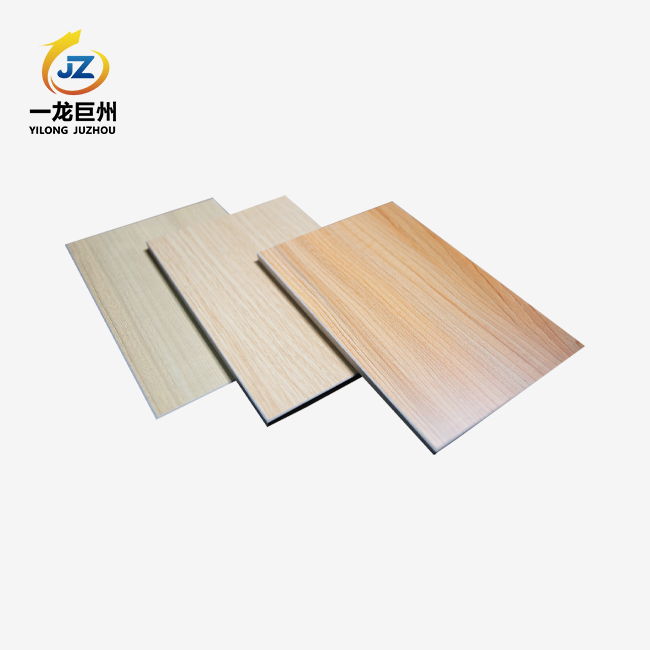
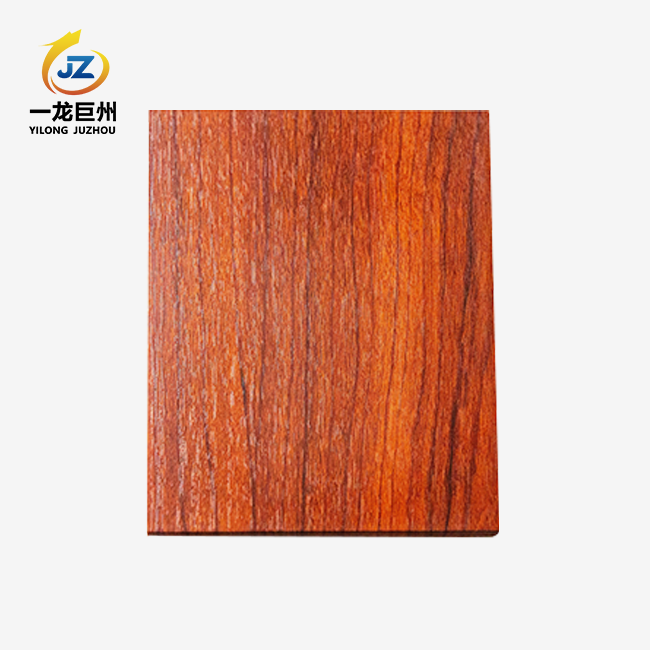
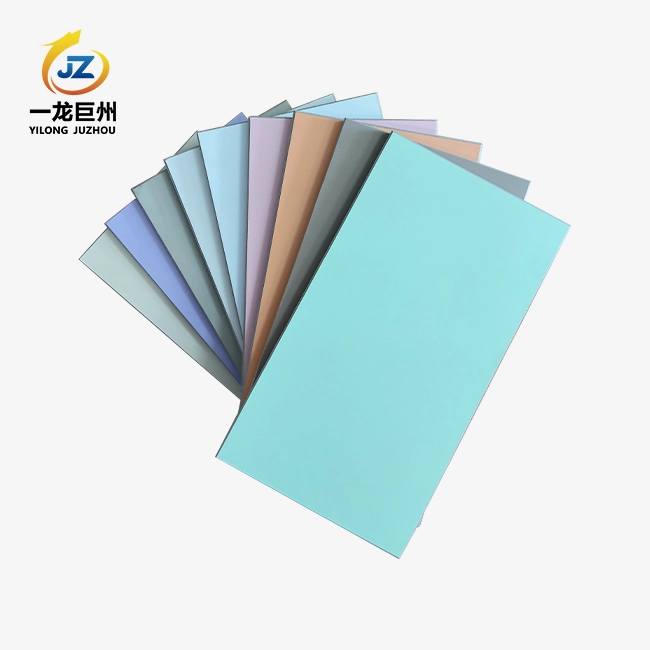
Polyester paint, PET film, PVC film, and PP film finishes can be used to treat the surface. These give artists basic colors, woodgrain textures, marble patterns, metallic effects, and cloth textures. This design freedom lets projects keep their look while still following strict fire codes. The material is an environmentally friendly building product because its mineral core makeup gets rid of formaldehyde fumes and radiation.
Fire Performance Characteristics
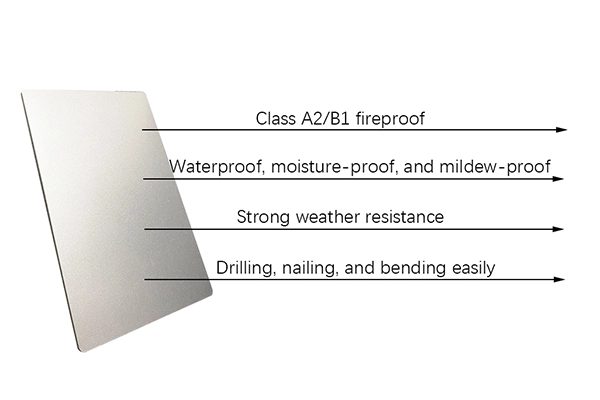
To get the A2 grade, you have to pass a lot of tests. When there is a fire, the panels don't add much heat because their gross calorific potential is less than 3 MJ/kg. This inability to catch fire stops flames from spreading along the outside of buildings, fixing a major flaw that has been shown by recent high-rise fires around the world. Unlike B1 fire-retardant materials, which only slow the burning process, real A2 Aluminum Composite panels don't have enough biological material to keep burning.
Ashes content testing is part of quality control. When real A2 cores are burned, they leave behind more than 90% mineral residue. Teams in charge of buying things should ask for up-to-date EN 13501-1 or NFPA 285 test reports from reputable labs like SGS or Intertek. Peel strength greater than 7N/mm proves proper bonding even with the difficult mineral-dense core, which ensures long-term resistance to delamination.
Environmental and Regulatory Compliance
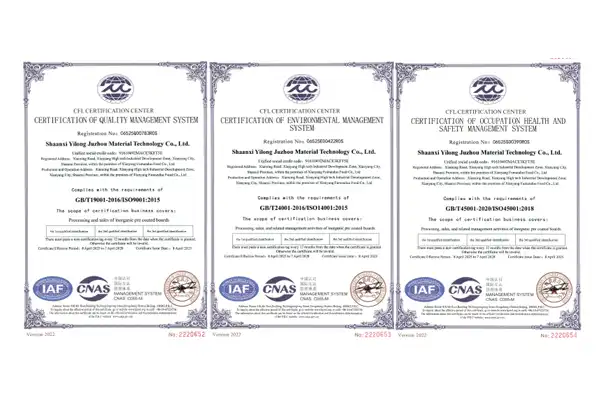
Environmental approvals show that these panels are good for the environment. The China Environmental Protection Standard Certification, ISO, and CE marks on our products show that they follow world standards for environmental management. The lack of heavy metals and volatile organic compounds is in line with green building standards that are being required by more and more U.S. city and county rules.
Being able to recycle a product extends its useful life. Mineral cores and aluminum skins can both be recovered and used again, which cuts down on construction waste. This circular economy method works well for builders who want to get LEED certification or another similar sustainability framework, since the choice of materials has a big effect on the total project rating.
Interior Applications of A2 Aluminum Composite Panels: Enhancing Safety and Aesthetics
Fire-safe composite walls are easy to work with and don't weigh much, which makes them great for interior installs. With a weight of about 7-8 kg/m² for a 4mm thickness, these materials are lighter than solid metal or stone alternatives. Standard fabrication methods, such as drilling, nailing, and bending, can be used on the panels. However, carbide or diamond-tipped tools are needed because the mineral core is rough.
Common indoor uses can be found in a wide range of building types. These panels are used to cover the walls of hospitals and medical beauty centers, which need to be clean and resistant to wetness so that germs don't grow. The waterproof and mildew-proof features keep cleanliness standards high, which is important for infection control. Schools and universities put these panels in hallways and meeting rooms with a lot of foot traffic so that they protect a lot of people from fire.
Commercial and Transit Applications
Fire-rated panels like A2 ACP panels are used to finish the walls of shopping malls, office buildings, and conference centers in a way that looks good and meets fire marshal requirements. Because panels can be bent into different shapes, they can be used to create unique architectural features in lobbies and atriums. The S1 smoke rating is preferred by subway stops, airports, and train stations because it limits emissions that make it hard to see while people are leaving through complicated concourses.
Stadiums and art galleries like the panel because it doesn't get damaged easily by impacts and keeps its good looks even in busy places. Hotels use the different finish choices to make themed interior designs that don't break safety rules. Installations in gyms benefit from the material's resistance to the moisture and temperature changes that are common in sports facilities.
Installation Considerations for Interior Projects
To prepare the surface, you need materials that are clean, dry, and have enough structural support based on the weight of the panel. Mechanical fastening methods that use hidden clips or obvious screws can handle changes in temperature without putting too much stress on the integrity of the panel. In low-stress situations, adhesive bonding may be used in addition to mechanical attachment. However, structural engineers should check the load routes.
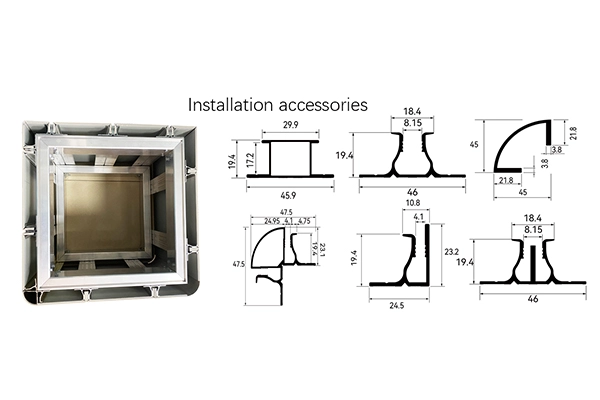
How the edges are treated and how the joints are detailed affect both how they look and how well they perform. Keeping the right expansion gaps keeps panels from buckling when the temperature changes, and fire-rated seals keep the integrity of the compartmentalization around the edges of the panels. Our expert team gives workers installation advice that is unique to each project. This way, they can avoid common mistakes that hurt long-term performance.
Exterior Applications of A2 Aluminum Composite Panels: Durable and Fire-Safe Facades
The most difficult place for A2 Aluminum Composite panels to be used is on the outside of buildings. UV light, changing temperatures, wind loads, and contact with water are all ways to test how long something will last over many years of use. PVDF and FEVE coating methods on panel surfaces offer 20-year weatherability promises, and color retention standards say that fade must be less than Delta E 5.
Many places require non-combustible materials to be used in high-rise curtain wall systems that are higher than 18 meters. This directly reduces the risk of fire spreading through the facade. The mineral core stops the stack effect, which is what makes fires spread quickly in buildings made of flammable materials, from spreading vertically through air gaps in the building. Real estate investors lower their risk of being sued, and architects achieve their design goals by giving clients a wide range of color and texture choices.
Structural and Weatherproofing Systems
When façade building is done right, panels are put together with structural frames that are made to handle wind loads and earthquakes. Rainscreens work by having airy spaces behind the panels that keep water out through capillary breaks and draining channels. Waterproof layers on the backs of the panels provide extra protection, and the pressure-equalized joint design stops water from getting in when it rains with the wind.
Thermal movement can be handled by expansion joint management without putting stress on the points where panels are attached. Aluminum's rate of thermal expansion is taken into account across the estimated temperature ranges for project sites. For canopy and sign uses, more structural research is needed to check how well the structure can handle bending loads and vibrations.
Comparison with alternative fire-rated cladding reveals distinct advantages. Even though A1 ceramic materials are better at fighting fires, they are heavier and more brittle, which makes installation more difficult and raises the structural requirements. Traditional brick and concrete methods have a lot of dead weight and take a long time to build. Fire-rated panels are a good compromise between performance, cost, and ease of construction for mid-rise and high-rise projects where time and money limits affect the choice of materials.
Procuring A2 Aluminum Composite Panels: What B2B Clients Need to Know
The first step in strategic procurement for A2 ACP board is to evaluate suppliers based on their manufacturing skills and the authenticity of their certifications. Check the amount of work that can be done by having facility audits or third-party evaluations done and making sure that the equipment is complex and that quality control rules are followed. Ask for full test records, including recent fire performance certifications, and make sure that reports include information about the actual products that were supplied and not just general or out-of-date information.
Customization options have a big effect on how well a project fits your needs. Our OEM and ODM services can meet unique size needs, color matching requests, and requests for special surface treatments. Inventory costs and project needs are balanced by minimum order amounts, and short lead times (three to seven days) for stock items allow for tight building plans. We keep a stockpile of 50,000m² at both of our production bases in Shaanxi and Guangdong to meet temporary needs.
Logistics and International Shipping
Export logistics through the ports of Shenzhen, Guangzhou, Shanghai, and Qingdao make it easier to ship containers to the United States. Corner protectors, interlayer separation, and moisture shields are all parts of good packing that keep panel sides and edges safe during transport. Understanding Incoterms makes it clear how buyers and sellers share responsibility and risk throughout the supply chain.
Samples are tested before large orders are placed, so that the material can be checked against the specs. We offer free samples that can be sent to you in three to five days. This way you can see for yourself how well the finish looks, how accurate the thickness is, and how easy it is to work with. This review step lowers the risk of procurement by making sure that the materials are suitable before committing to the full project numbers.
Price changes show how much raw materials, like metal and mineral fillers, cost and how hard it is to make something. Long-term supply deals keep costs stable over many stages of a growth project, and volume commitments often get better prices. Clear quotes that list material requirements, finishing options, and delivery dates make it easier to accurately estimate project costs.
Maintenance and Longevity of A2 Aluminum Composite Panels
To keep the performance of A2 Aluminum Composite panels, they need regular care that is matched to the level of weather exposure. How often something is cleaned depends on how polluted the air is and how the weather is. In sheltered areas, it's usually cleaned once a year, but in industrial or coastal areas, it's cleaned every three months. Mild soaps and soft brushes keep coatings from getting damaged, and high-pressure washing stays below the limits set by the maker to avoid the risk of delamination.
New problems are found by inspection programs before they endanger safety or appearance. Trained people check the stability of the panel's connection, the state of the sealant, and the wear and tear on the coating. Monitoring thermal expansion makes sure that joint movements stay within the design limits. This keeps stress from building up, which could lead to fastener failure or panel buckling.
Repair protocols address localized damage through panel replacement rather than field patching, maintaining fire rating integrity. Our three-year quality guarantee covers flaws in the manufacturing process and the performance of the coating, so you can be sure that the material will last. An expected service life of more than twenty years for sites that are properly kept supports the initial investment through lower lifespan costs.
Environmental factors influencing longevity include UV intensity, temperature extremes, humidity, and airborne pollutants. Coastal salt spray speeds up corrosion if the edges of panels aren't properly sealed, and pollution from factories can damage coating systems. Design details that shed water and keep dirt from building up reduce the need for upkeep and make something look better for longer.
Conclusion
Non-combustible siding like A2 Aluminum Composite panel meets important safety standards and can be used in a wide range of business, institutional, and industrial projects. When it comes to fire safety, protecting the environment, and design flexibility, these panels are the best choice for picky developers and procurement professionals. Knowing the features of a material, how it should be used, and how often it needs to be maintained helps you make choices that balance compliance, looks, and long-term value. Fire-rated composite systems work well in a wide range of projects, from hospitals to skyscrapers. This is because they are properly specified and installed.
FAQ
1. What distinguishes A2-rated panels from B1 fire-retardant materials?
The main change comes from the core makeup. B1 materials have 50–60% minerals and can still catch fire even though they have self-extinguishing qualities. A2 Aluminum Composite panels, on the other hand, have more than 90% minerals and are classified as non-combustible. This difference is legally important in high-rise buildings where building rules require outer materials that can't catch fire above certain heights.
2. Can these panels accommodate complex architectural geometries?
Panels can be bent into curved shapes, but the smallest radius of bend depends on the panel's thickness and core density. Tighter curves are possible with thinner panels, which lets you use column wraps and wavy facade patterns. Before starting production, fabricators should do test bends to make sure that the shapes they can make won't damage the finish or break the core.
3. How do mineral-rich cores affect installation procedures?
When the weight goes up, structural studies must be done to make sure the structure can hold it. Standard cutting tools quickly become useless because of the rough core, so carbide or diamond-tipped tools are needed. Contractors who are used to working with PE-core panels should change the feed rates and expect to replace tools more often during fabrication operations.
Partner with YILONG JUZHOU for Superior Fire-Safe Cladding Solutions
As an A2 Aluminum Composite panel manufacturer for the demanding commercial and institutional markets, YILONG JUZHOU brings extensive experience. Our two factories, one in Shaanxi and one in Guangdong, follow strict quality standards that are certified by ISO and CE. This makes sure that all of our products always work well. With an inventory of 50,000m² and production cycles of three to seven days, we can meet project deadlines quickly and offer customization through OEM and ODM programs. Technical support teams help with developing specifications and installing equipment. They offer three-year quality warranties and promise to respond within 24 hours. Contact cnyang2000114@gmail.com today to get your free sample and see how real fire-rated composite technology can make a difference in your next project.
References
1. Chen, L., & Wang, M. (2021). Fire Safety Performance of Non-Combustible Composite Panels in High-Rise Construction. Journal of Building Materials Science, 18(3), 245-261.
2. European Committee for Standardization. (2019). EN 13501-1: Fire Classification of Construction Products and Building Elements. Brussels: CEN Publications.
3. Hu, Y., & Zhang, T. (2020). Mineral Core Technology in Modern Façade Systems: Composition and Performance Analysis. International Journal of Architectural Engineering, 12(4), 178-192.
4. Kumar, R., & Patel, S. (2022). Lifecycle Assessment of Aluminum Composite Panels in Commercial Building Applications. Sustainable Construction Materials Review, 9(2), 88-104.
5. National Fire Protection Association. (2020). NFPA 285: Standard Fire Test Method for Evaluation of Fire Propagation Characteristics of Exterior Wall Assemblies. Quincy: NFPA Publications.
6. Thompson, J., & Rodriguez, A. (2023). Comparative Analysis of Fire-Rated Cladding Systems: Performance, Cost, and Regulatory Compliance. Building Science Quarterly, 15(1), 34-52.

Send Inquiry


Related Industry Knowledge
- Interior and Exterior Applications of A2 Aluminum Composite Panels
- Unlocking Quality: A Comprehensive Guide to Sourcing Premium HPL Fireproof Boards Globally
- What is a PP healthy panel? Uses, Benefits & Future Trends Explained
- Applications of Inorganic pre-coated panels in Commercial Buildings
- melamine fireproof board vs HPL Fireproof Panels Comparison
- melamine fireproof board in Commercial Interior Decoration Projects
- Medical Clean Board for Hospital Wall and Ceiling Systems
- ice fireproof board Applications in Cold Storage and Fire Safety
- UV Antibacterial panels Durability and Scratch Resistance Explained
- How to cut an aluminum composite panel?