
What is a PP healthy panel? Uses, Benefits & Future Trends Explained
July 24, 2026
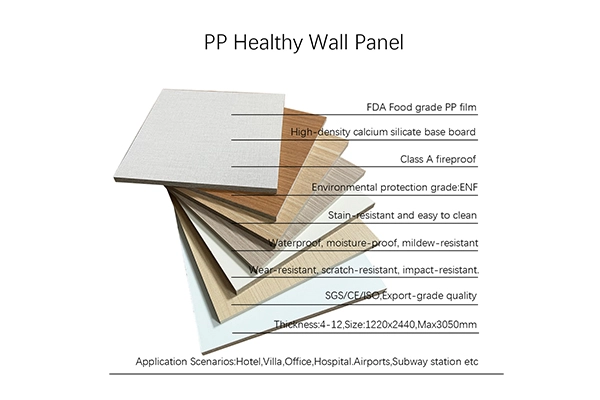
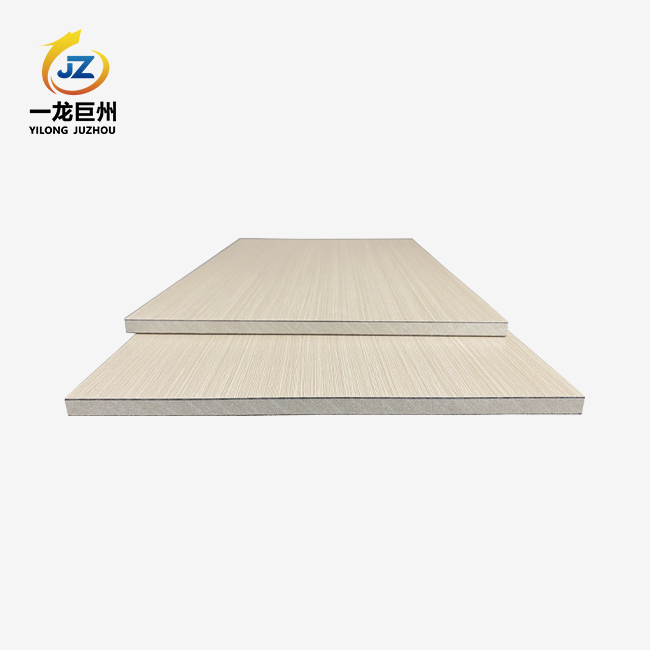
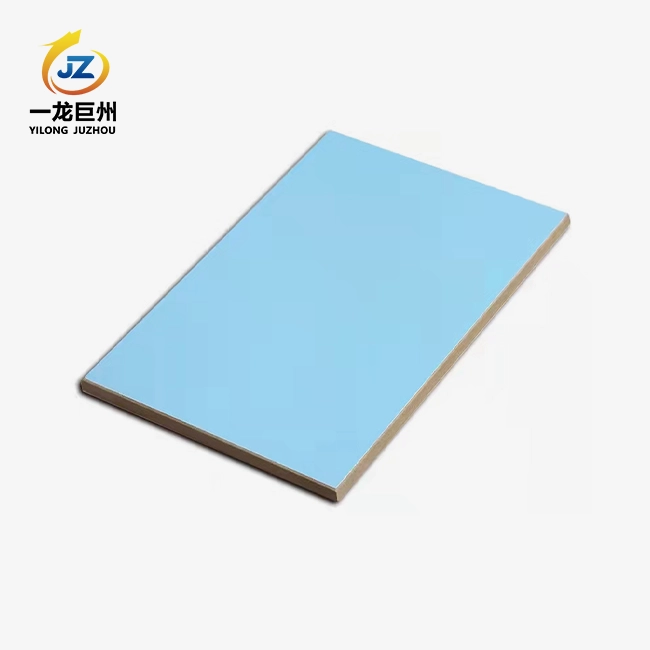
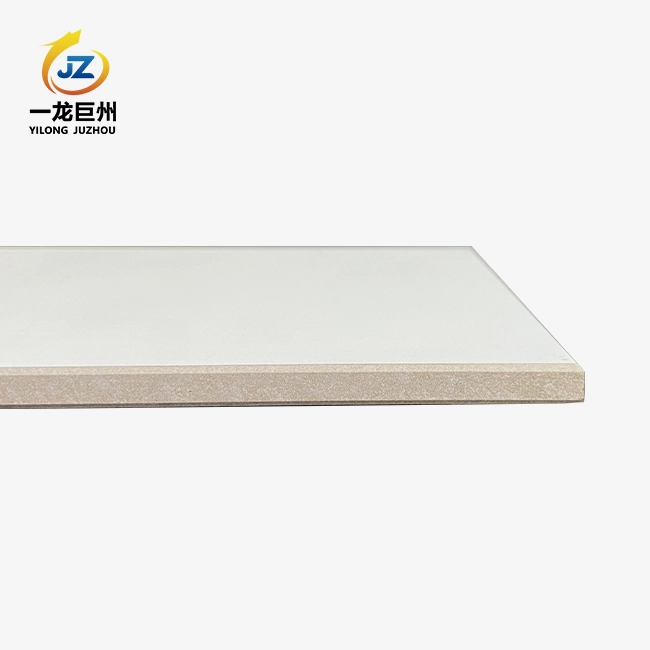
When it comes to transforming interior spaces in commercial buildings, hospitals, and high-traffic facilities, finding the right wall cladding solution can make or break a project. A PP healthy panel is an advanced interior wall decorative material constructed with a calcium silicate board or aluminum composite panel (ACP) core, finished with a polypropylene (PP) film surface layer. This innovative building product combines durability, hygiene, and aesthetic flexibility, addressing critical needs in healthcare environments, educational institutions, and commercial real estate developments where safety standards and long-term performance are non-negotiable.
Understanding the PP Healthy Panel: Definition and Core Features
What Makes PP Film Technology Different?
This panel is different from other wall covers because it has a polyester film layer on top of it. Unlike PVC or painted finishes, PP film is made of a thermoplastic polymer that doesn't let water in, chemicals break down, or bacteria grow. The semi-crystalline molecular structure of the material makes it very stable in terms of size even when the temperature changes. This makes it perfect for climate-controlled areas and places where the humidity changes.
The core substrate, which can be calcium silicate board or ACP, keeps the structure together and keeps fires from spreading. Calcium silicate boards are made of artificial materials that don't catch fire and have Class A fire ratings, which means they meet strict building rules for healthcare and public infrastructure projects. By putting these two things together, you get a mixed material that meets safety standards and has useful properties.
Technical Specifications and Customization Options
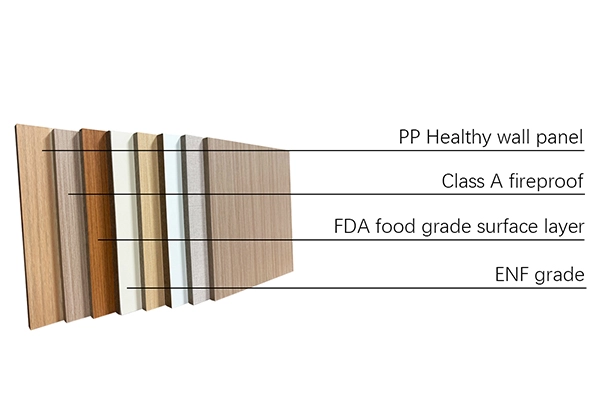
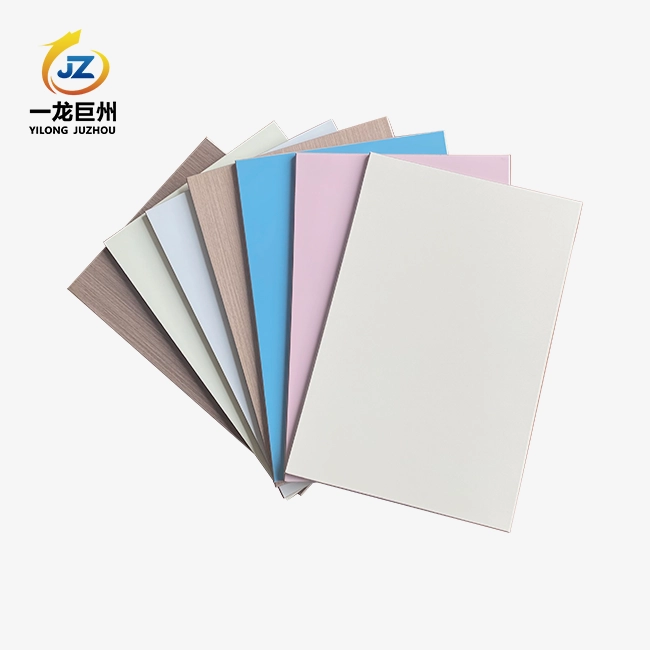
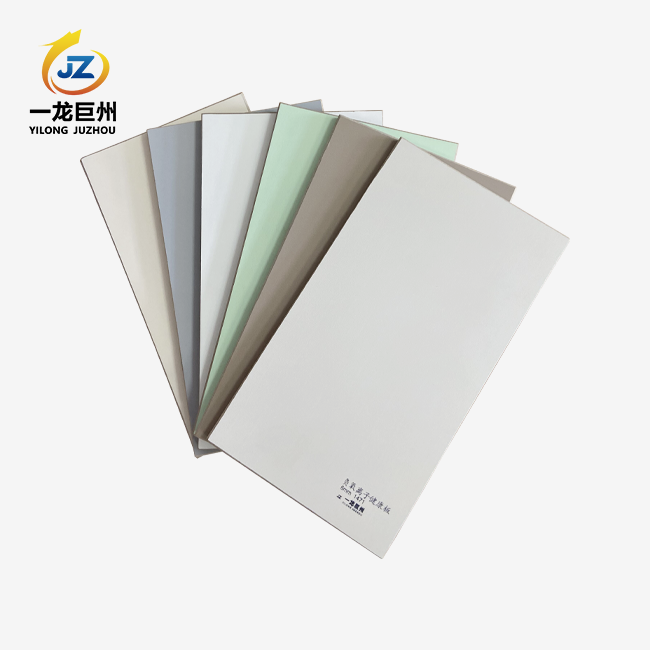
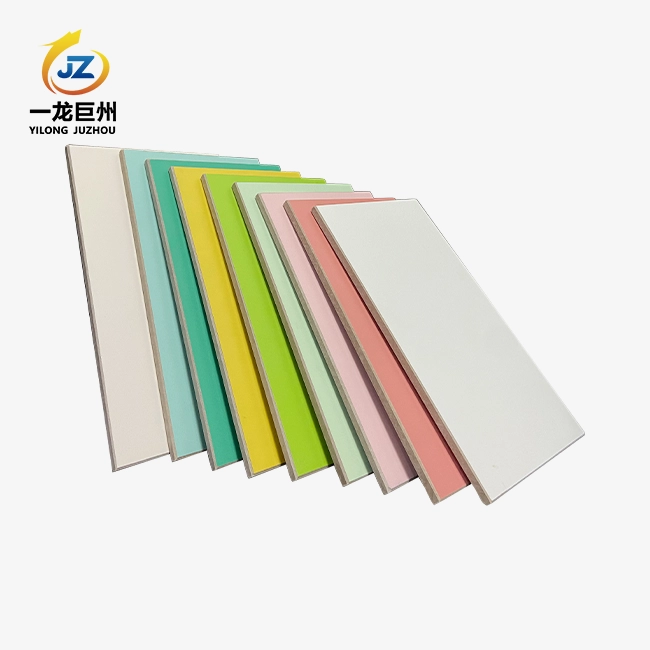
These panels come in thicknesses from 4mm to 15mm, and their normal sizes are 1220mm wide and 2440mm long. For high-ceiling uses, they can be extended to 3050mm. The surface finishes include solid colours, woodgrain patterns, marble patterns, metallic sheens, and cloth textures. This lets builders match different design ideas without losing performance needs.
The antibacterial qualities are 99.99% effective against common viruses, which has been proven in the lab. This part talks about how to prevent infections in places like operating rooms, clean rooms for drugs, and food processing plants where microbes can be a problem. The ENF-grade environmental approval shows that formaldehyde emissions are still below levels that can be detected. This protects the quality of the air inside enclosed areas.
Installation and Maintenance Advantages
Timelines and labour costs are directly affected by how well installations are done. When compared to installing tile or stone veneer, these panels don't require as much skilled labour because they have an easy-to-use mounting method that works with normal wall framing. Because they are so light—significantly lighter than ceramic tile assemblies—they require less structural load and are easier to move around on job sites.
Throughout the product's duration, it doesn't need much maintenance. The PP surface doesn't let liquids soak in, so it can be cleaned regularly with normal disinfectants without the surface wearing down. Unlike painted plasterboard that needs to be re-coated every so often or wallpaper that can trap moisture, these panels will keep their look and cleanliness for decades with normal use.
Uses and Benefits of the PP Healthy Panel for Business and Health
Healthcare Facility Applications
It can be hard for hospitals and clinics to find the right balance between keeping patients safe, preventing infections, and running efficiently. Traditional wall coverings, such as painted plaster or vinyl wallcovering, can hold germs in tiny surface flaws and break down when cleaned too hard. Our PP Film Interior Wall Decorative Panel panels solve these issues because their surface doesn't let water through and they're resistant to chemicals.
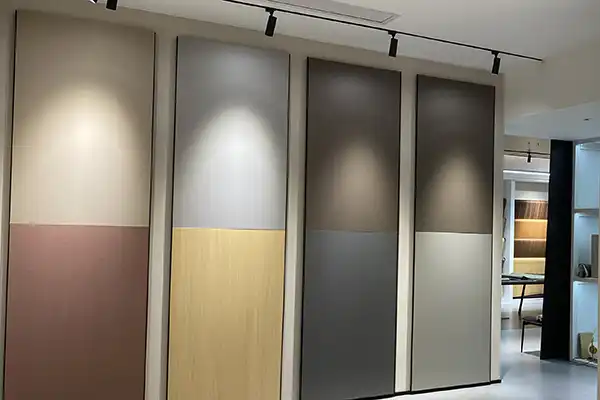
Operating rooms are better because they look smooth and are easy to clean, which lowers the risk of infection during surgery. By using woodgrain or soft colour patterns, patient rooms can look cosier while still meeting strict hygiene standards. Materials that won't shed particles or help microbes grow are needed in pharmaceutical manufacturing areas. These panels meet those needs with their inorganic core and smooth finish.
The ability to withstand impact is useful in hallways with a lot of foot traffic, where gurneys and other equipment often bump into walls. Instead of denting or breaking as plasterboard does, the panels take hits without damaging the structure. This lowers the cost of repairs and keeps the building's look consistent while it's being renovated.
Educational and Public Infrastructure Benefits
Schools, libraries, and government buildings are used by a wide range of people who need long-lasting, safe, and aesthetically pleasing spaces. The zero-VOC emissions and Class A fire rating are especially helpful for kindergartens and elementary schools, as they ease parents' worries about chemical exposure and emergency safety.
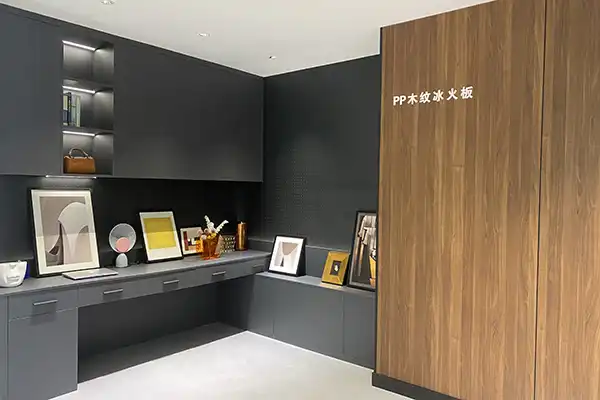
Because they don't absorb water, these panels are perfect for places below grade, classes in the basement, and buildings in humid areas where mould growth could damage the structure or make people sick. The maintenance staff likes that the simple cleaning requirements cut down on the amount of work that needs to be done to keep the building looking good, which is good for the institution's image.
Even though cleanliness and longevity are more important, acoustic performance is still important for learning settings. When compared to hollow wall systems, the thick core material doesn't absorb as much sound, but it does help keep noise levels down in open-plan libraries and gathering rooms.
Commercial Real Estate and Hospitality Value Proposition
Property developers and hotel owners look at materials through the lens of return-on-investment, weighing the costs of the materials up front against the costs they will have over their lifetime. The starting cost of the materials is 20–30% higher than regular paint-grade plasterboard, but the longer life and lower upkeep costs make the total cost of ownership more favourable.
Hotel hallways, spas, and back-of-house areas get a lot of use, which breaks down less durable materials quickly. The ability to fight scratches and clean easily keeps the look nice for guests without needing constant touch-ups. Avoid the delamination and swelling problems that come with wood-based panels in places that get a lot of moisture, like around pools and dressing rooms.
Low-emission profiles and the ability to use recycled content can help office buildings get LEED or WELL Building certifications. Our three-year quality guarantee gives purchasing managers peace of mind about the performance of the materials and makes handling warranty claims easier.
PP Healthy Panel vs Other Health Panels: A B2B Procurement Perspective
Performance Comparison with Traditional Materials
Ceramic tile is very durable and clean, but it needs to be installed by professionals, causes heavy structural loads, and takes a long time to install. Our panels can be put up in a fraction of the time it takes by regular carpentry crews. This cuts down on project costs and speeds up the time it takes to move people in.
Phenolic resin screens are good at keeping out water, but they contain formaldehyde binders that make indoor air quality worse. The thermoset nature makes it impossible to recycle at the end of its useful life, which makes recycling difficult. Because they are made of plastics and give off very little pollution, PP film screens don't have these problems.
PVC wall panels are cheaper, but the plasticisers in them move around over time, changing the colour of the panels' surface and raising safety issues. PVC still doesn't do as well in fires; when it burns, it produces smoke that poses life safety risks that don't meet rules in many places.
Cost-Benefit Analysis for Large-Scale Projects
When purchasing in bulk for multi-phase projects, procurement managers should think about how the cost will be spread out over the lifecycle of the item. A 50,000-square-meter hospital renovation requires a lot of money, and the choice of PP Film Interior Wall Decorative Panel materials has an effect on both the budget for the current period and the running costs for the next 20 years.
Our bulk discount models can handle big orders, with different price levels starting at 10,000, 25,000, and 50,000 square meters. We can store goods in a 50,000-square-meter warehouse, which makes sure that there is a steady supply for staged construction and keeps the project from being held up by a lack of materials.
Our production sites in Shaanxi and Guangdong can ship goods to other countries through the ports of Shenzhen, Guangzhou, Shanghai, and Qingdao. This gives us a lot of logistics options. EU certification makes it easier for European projects to get through customs, and our 3–7 day production lead time works with tight building plans.
Supplier Reliability and Technical Support
Material sellers are dealt with in more than one way after the initial buy. Our technical services team helps with developing specifications by turning building codes and architectural needs into product configurations that meet project goals. Because OEM and ODM are available, colours, shapes, and sizes can be changed to fit specific design needs.
Our ISO and CE certifications back up our three-year quality guarantee, which gives you options if the materials don't work as promised. We offer responsive customer service and answer all questions within 24 hours because we know that procurement decisions often have to be made quickly.
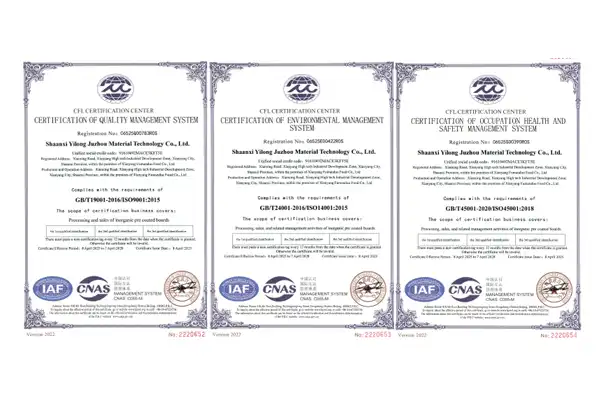
Real-world project examples from more than 30 countries, including hospitals, schools, tube stops and business developments, show that the product works well in a wide range of situations. This track record lowers the risk of buying compared to younger companies that haven't been in the market as long and don't have as much installation experience.
How to Procure the PP Healthy Panel: Purchasing Options and Logistics
Direct Manufacturer Advantages
Working directly with makers cuts out the middlemen and gives you access to technical support and the ability to make changes. Our two production bases, in Foshan City, Guangdong Province, and the Xianyang High-tech Zone, Shaanxi Province, serve markets in different parts of the world while keeping quality standards the same.
Within three to five days, procurement teams can ask for free samples to try on their own and get feedback from stakeholders. This lets you see for yourself the quality of the finish, how easy it is to install, and how well it works with other building systems before committing to large orders.
International Shipping and Compliance
For global projects to work, providers need to be able to handle foreign shipping and legal issues. Because we've shipped to more than 30 countries before, we know how to handle the paperwork, packaging, and safety certifications that are special to each market.
By packing more efficiently, container optimisation lowers the cost of goods. Standard panel sizes are the same as ISO container sizes, which makes the best use of space and lowers shipping costs per unit for big orders.
Partnership Models for Distributors
Our partnership method works well for regional building material distributors who want to build networks of trusted suppliers for PP healthy panel contractors. We help distributors build their market position by giving them marketing support, technical training, and reliable product supply.
For buyers who buy a lot, subscription models make sure that they get priority production sharing and stable prices over multi-year supply deals. This is helpful for real estate companies who are working on a lot of projects at once and need to know how much the materials will cost so they can plan their budgets.
Future Trends and Innovations in the PP Healthy Panel Market
Material Science Advancements
Progress in Material Science: Nano-coatings and photocatalytic surface treatments are being studied because they could make things cleaner and better at removing pollutants from the air. Titanium dioxide particles may be used in the future to break down organic pollution and volatile organic chemicals when the light is normal.
Using recycled materials helps reach the goals of the green economy. Because polypropylene is thermoplastic, it can be recycled after use to make new panels. This is better for the environment and meets the requirements for green building certifications, which are increasingly asking for recycled material content.
Digital Integration and Smart Buildings
As building materials and sensor technology come together, walls that check the quality of the air inside, find moisture intrusion, or keep track of who is using them become possible. The panels we have now are inactive, but in the future, they might include thin-film sensors during production, making building shells that collect data.
As planning and building processes become more digital, it's important that they work with Building Information Modelling (BIM). We're making detailed product models and specification data that can be used with Revit and other BIM platforms. This will make it easier for architects to make specifications and cut down on coordination mistakes during building.
Market Growth Drivers
Cost-effective, high-performance building materials are always in demand as more people move to cities in emerging markets. As a result of states investing in modern medical facilities that need infection-control materials, healthcare infrastructure growth is especially strong in Asia, Africa, and the Middle East.
In developed markets, renovation and retrofit projects are increasingly choosing materials that are better at what they do than the finishes that are already there without having to do a lot of demolition. Since these panels can be put down on top of existing substrates, remodelling costs and disruptions to people who work in operating buildings are cut down.
Conclusion
The PP healthy panel brings together material science, building performance, and real-world economics to solve real problems that commercial construction and facility management experts face. With an antibiotic surface that keeps healthcare settings clean and a fire resistance that keeps people safe in public buildings, these screens are useful in a lot of different situations. As fire safety and indoor air quality rules get stricter, and as owners demand materials with lower lifecycle costs, polypropylene film panels place themselves as options that look to the future. These panels are worth serious thought for your next project because they will improve performance right away and will also fit in with future building trends.
FAQ
1. How does the antibacterial performance compare to antimicrobial paint?
Antimicrobial paints use chemical agents that break down over time, making the paint less effective over time. Because polypropylene is naturally antibacterial, and because of special surface processes that stay the same over the panel's service life, the PP film surface has a 99.99% antibacterial rate. Testing in a separate lab confirms that the product works against common pathogens like MRSA and E. coli.
2. Can these panels be installed over existing wall surfaces?
It is possible to install over plasterboard, concrete blocks, or cement board that is already in place as long as the base is level and physically sound. When compared to full demolition and rebuilding, this application method cuts down on remodelling costs and time by a large amount. Our scientific team gives advice on how to prepare the base to make sure it sticks well and works well for a long time.
3. What fire rating certifications do the panels carry?
Meeting the requirements of ASTM E84, our PP healthy panels with calcium silicate cores get Class A fire resistance ratings. This rating means that the flame spread index is below 25 and the smoke growth is below 450. This meets the strictest building code requirements for places like schools, hospitals, and public gatherings. You can send certain paperwork with your building permit application.
4. Are the panels suitable for exterior applications?
The engineering behind these panels makes them perfect for use inside. The PP film is very good at keeping out water, but long-term UV exposure and rapid temperature changes are too much for the film's design. When materials are used outside, they need to be made in a way that makes them resistant to weathering.
Partner with YILONG JUZHOU for Your Interior Wall Solutions
Shaanxi Yilong Juzhou Material Technology Co., Ltd. has been making interior decoration panels for over ten years and has worked with clients in the healthcare, education, commercial, and industrial sectors. As a well-known company that makes PP healthy panels, we have two production sites and ISO-certified quality systems that make sure the materials always work well. Our technical team works with the people who have a stake in the project to figure out the best panel layout, including the thickness, finish, and size, that fits your artistic vision and follows building codes. Email us at cnyang2000114@gmail.com to get free samples, talk about bulk prices for your next project, or look into your choices for OEM customisation. We answer all of your questions within 24 hours, and we can ship from stock within a week to keep your building plan on track.
References
1. Chen, W., & Zhang, L. (2021). Antibacterial Building Materials for Healthcare Environments: Performance and Safety Assessment. Building Materials Research Institute.
2. International Code Council. (2022). Interior Finish Requirements in the International Building Code: A Technical Analysis. ICC Publications.
3. Johnson, R. M. (2020). Sustainable Wall Cladding Systems: Lifecycle Assessment and Environmental Impact. Journal of Green Building Materials, 15(3), 112-128.
4. National Fire Protection Association. (2023). Fire Performance of Interior Wall Finishes in Commercial Buildings. NFPA Technical Committee Report.
5. Thompson, S., & Kumar, P. (2022). Polypropylene in Construction: Material Properties and Architectural Applications. Polymer Engineering Quarterly, 28(2), 45-63.
6. World Health Organization. (2021). Guidelines for Indoor Air Quality in Healthcare Facilities: Material Selection and Emission Standards. WHO Press.

Send Inquiry


Related Industry Knowledge
- Why the PP Healthy Panel is the Best Choice for Medical and Hygiene Applications?
- Benefits of Using UV light curing board in High-End Interiors
- Applications of Inorganic pre-coated panels in Commercial Buildings
- A Beginner’s Guide to Choosing Antibacterial Wall Panels
- melamine fireproof board Durability in High-Traffic Environments
- Why Choose Inorganic pre-coated panels for Wall Cladding Systems?
- UV Antibacterial panels vs Traditional Wall Panels: Key Differences
- Calcium Silicate Aluminum Composite Board vs Traditional ACP Panels: Key Differences
- How to spray paint on aluminum composite panels
- How to install an aluminum composite panel?