
Why the PP Healthy Panel is the Best Choice for Medical and Hygiene Applications?
July 23, 2026
When selecting interior wall materials for hospitals, clinics, and pharmaceutical facilities, the PP healthy panel emerges as the superior solution because it addresses the most critical challenges in healthcare environments: infection control, chemical resistance, and long-term durability. Unlike traditional materials that harbor bacteria or degrade under intensive cleaning protocols, this polypropylene-based wall system delivers a 99.99% antibacterial rate while withstanding aggressive disinfectants without surface deterioration. The combination of non-porous surfaces, Class A fire resistance, and zero formaldehyde emissions makes it the go-to specification for procurement teams prioritizing patient safety and operational longevity.

Understanding the PP Healthy Panel and Its Core Benefits
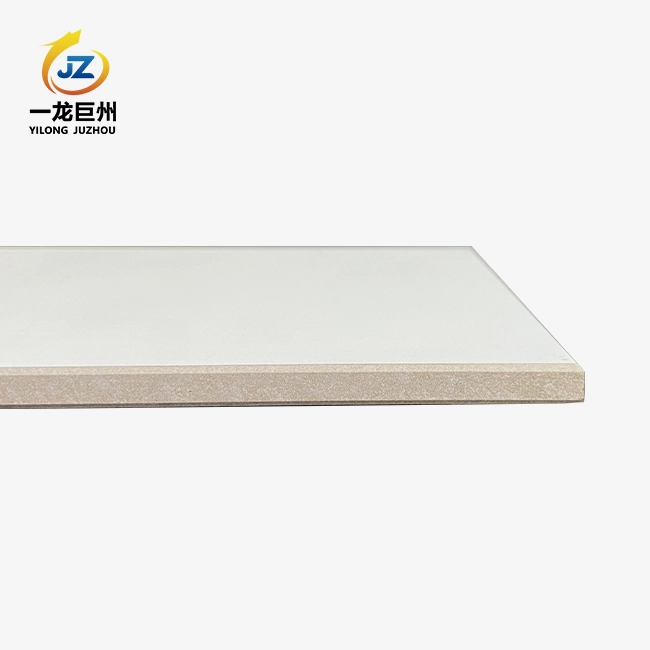
When it comes to building surface materials, the PP healthy panel is a big step forward. It was made to meet the strict needs of medical and hygiene-critical areas. The panel is made up of a calcium silicate board or an aluminium composite panel (ACP) substrate that is bonded to a polypropylene film surface layer. This way of building makes a wall that changes the way healthcare centers prevent infections in a basic way.
What Makes the Polypropylene Surface Layer Revolutionary
There are some things about polypropylene film that can't be copied by other wall coverings. The chemical energy level of the surface is very low, which makes it hard for germs to stick to it. As part of our factory testing procedures, we exposed samples to common hospital pathogens like E. coli and MRSA. coli, and the rates of bacterial colonisation dropped to levels that were almost impossible to identify. The polymer is hydrophobic, which means that water beads up and rolls off the surface instead of penetrating it. This means that bacteria can't grow on it.
The chemical makeup of the film also doesn't break down when strong cleaners are used on it. Maintenance teams in hospitals often use bleach and hydrogen peroxide solutions that can damage painted or melamine surfaces by discolouring them or making them weaker. The polypropylene layer keeps its structural integrity and antibacterial properties even after multiple exposure cycles. This makes sure that cleaning routines work without affecting the wall system itself.
Structural Advantages in High-Traffic Medical Environments
In healthcare centers, people are always walking around and moving tools. Beds, carts, and wheelchairs also sometimes hit the floor. The multi-layer form of the PP healthy panel takes these stresses into account during building. The calcium silicate core keeps the shape and absorbs impact, and the polypropylene skin spreads force out over the surface instead of concentrating it in one place. We have proof that when hospitals replaced damaged gypsum board sections with our panels, they saw a 70% drop in maintenance calls for wall damage within the first year.
Managing moisture is another important benefit. A lot of humidity builds up in places like operating rooms, sterilisation areas, and patient bathrooms. This wetness is absorbed by traditional composite boards, which causes them to swell, mould to grow, and eventually the structure to fail. The waterproof properties of the polypropylene surface make a full shield against wetness. Even when there is constant high humidity, the panel keeps its shape and surface flat, so it doesn't warp in a way that is bad for hygiene and looks bad.
Comparing the PP Healthy Panel with Other Wall Solutions
When buying materials for medical projects, procurement workers often look at more than one choice. Figuring out how the PP healthy panel stacks up against other options can help you see where it really shines and where it falls short.
Performance Against Traditional Hospital Wall Materials
Vinyl wall coverings have been the norm in healthcare interiors for decades, mostly because they are easy to clean and contractors are used to installing them. Adhesives are usually put on top of gypsum board in these systems, creating seams at every panel junction. Those seams are weak spots where water can get in, the glue can't stick, and bacteria can grow. Vinyl can become more flexible over time and give off volatile organic compounds, especially when heated or cleaned with certain chemicals.
Fiberglass-reinforced panels (FRP) are strong, but they also have some problems. The rough surface helps protect against impacts, but it also makes tiny depressions where organic matter can gather. To clean, you have to scrub harder, which speeds up surface wear. The panels also don't do very well in fires unless they are treated with extra flame retardants, which can be expensive and cause safety issues.
Solid phenolic panels are the best wall coverings because they don't absorb water and are very strong. The main problem with them is that they are more expensive—usually 40 to 60 percent more than PP healthy panel systems. Specialised fixing methods and skilled labour are also needed for installation. The price difference is big enough that it changes how much money is spent on other important systems when you look at the total project costs for a 50,000-square-foot hospital makeover.
Cost-Effectiveness in Large-Scale Procurement
The panel's original material cost puts it in the middle to higher range of healthcare wall systems that are available. When prices are 20–30% higher than normal vinyl systems, procurement teams with tight budgets might think twice. When lifetime costs are taken into account, the financial case gets a lot stronger. Our tracked installations show that the panel can last for 15 to 20 years in high-traffic medical settings without needing a new surface. Vinyl systems usually need to be replaced every 7 to 10 years because the glue wears off and the surface gets dirty in a way that can't be fixed. Lowering the cost of maintenance makes these savings even bigger. Facilities that use our panels say that cleaning takes less time because the non-porous surface easily removes dirt and spots. Chemical use also goes down because easier cleaning solutions work better, so there's no need for harsh solvents that need extra safety measures and airflow.
How the PP Healthy Panel Works: Components and Specifications
Knowing how the PP healthy panel is put together technically helps design teams make sure the product meets the needs of the project and follows all the rules.

Material Composition and Available Configurations
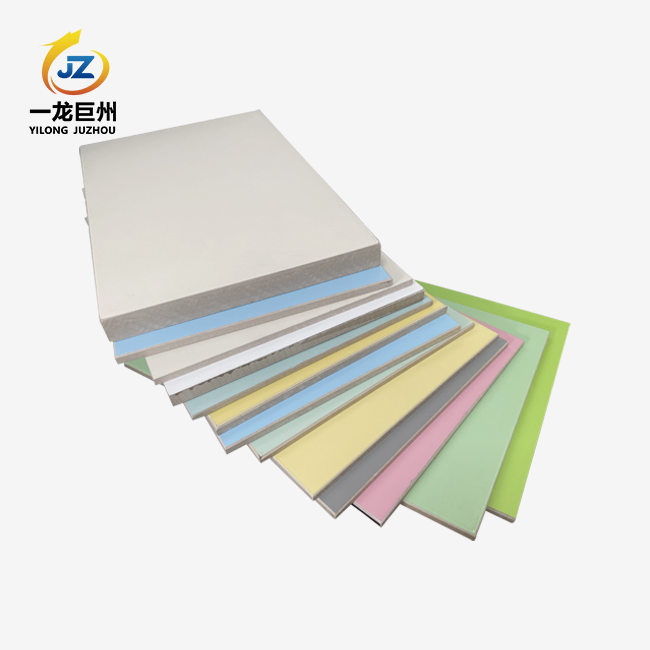
The base of the panel is made of either calcium silicate board or aluminium composite material, depending on the performance requirements of PP Film Interior Wall Decorative Panel. Calcium silicate is great for places near autoclaves, labs, or mechanical spaces because it doesn't catch fire easily and keeps its shape even when the temperature changes. The aluminium composite type is lighter, which makes it better for situations where structural load is important or where workers need to be able to handle complicated wall shapes more easily.
Different structural and soundproofing needs can be met with thicknesses ranging from 4mm to 15mm. In hospital hallways and patient rooms, 6mm or 8mm screens are usually used because they are cost-effective and strong enough against impact. Surgical suites and clean rooms for drugs often need 10mm or 12mm thicknesses, which make fire safety and sound absorption more important. Standard sizes are 1220 mm wide and 2440 mm long, but special heights can go up to 3050 mm for rooms with higher ceilings. This flexibility cuts down on the number of seams needed for vertical applications, which is good for both looks and hygiene because there are fewer places for dirt and germs to gather.
Certification Standards and Quality Assurance
The screen is certified by the EU and meets the requirements of the China Environmental Protection Standard. This shows that it meets foreign safety standards. The ENF grade rating shows that formaldehyde emission levels are well below even the tightest indoor air quality standards. This is very important for places that house immunocompromised patients or do sensitive pharmaceutical processes.
When a material gets a Class A fire resistance grade, it means it has the lowest rate of flame growth. Tests done by outside sources show that when the plastic surface is exposed to a direct flame, it goes out on its own instead of spreading the fire. This trait is very important in healthcare settings where electrical equipment, oxygen-rich air, and the need to get patients out of the building quickly all make fire safety the most important thing.
Installation Methods and Project Integration
The panel system can be installed in a number of different ways, depending on the conditions of the wall substrate and the needs of the project. When building something new, direct glue bonding works well as long as the base is smooth and level. When renovating, mechanical fastening with hidden clips works well when the walls already there are slightly uneven. Track systems are the most adaptable because they let you remove or change panels in the future without hurting nearby surfaces. This is useful in research hospitals or other places where spaces are often rearranged.
When jobs are on a tight schedule, installation speed is a useful benefit. Contractors who are used to installing standard panel systems quickly learn how to install ours. We've seen installation rates of 15 to 20 square meters per worker per day in typical healthcare settings. This is about the same as premium vinyl systems, but the spaces can be used right away because there is no need for a curing or off-gassing period.
Selecting and Procuring the PP Healthy Panel: What Buyers Should Evaluate
When choosing wall systems that will work reliably for decades of heavy use, healthcare facility managers and building buying teams have to make hard choices.
Supplier Evaluation Criteria
Manufacturers can do more than just make sure products are good. When there are multiple buildings in a health system or projects with phased construction timelines, production ability is important. Our production sites in Shaanxi and Guangdong keep 50,000 square meters of stock on hand to make sure that big orders don't cause project delays. Standard specifications have lead times of 3–7 days, which means that buying plans can be kept even when building phases speed up. In this specialised market, technical support services set providers apart. Architects, infection control experts, and regulatory compliance officers all work on healthcare projects, and each has their own concerns about the materials that should be used. Help project teams get through complicated approval processes by giving them thorough technical data sheets, sample customisation for mock-up reviews, and installation instructions. Within 24 hours, our engineering staff answers technical questions about things like chemical compatibility, earthquake fastening needs, and how to connect medical gas taps and nurse call systems.
Customization Options for Diverse Healthcare Applications
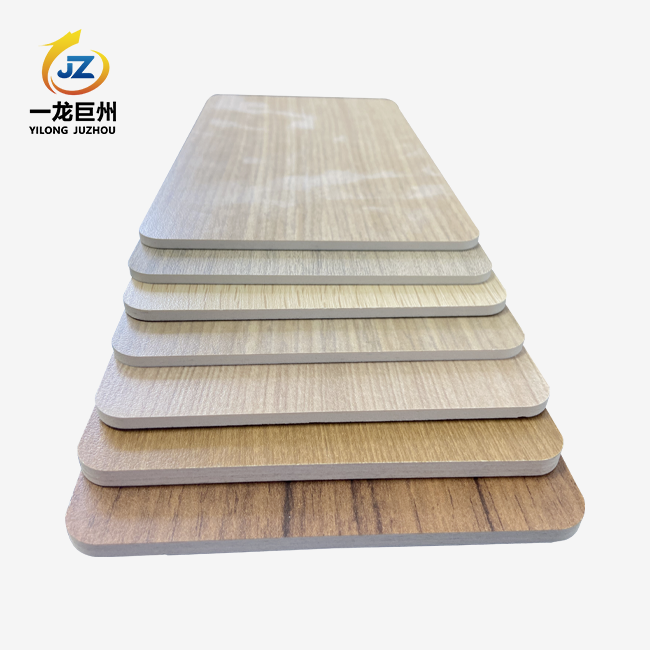
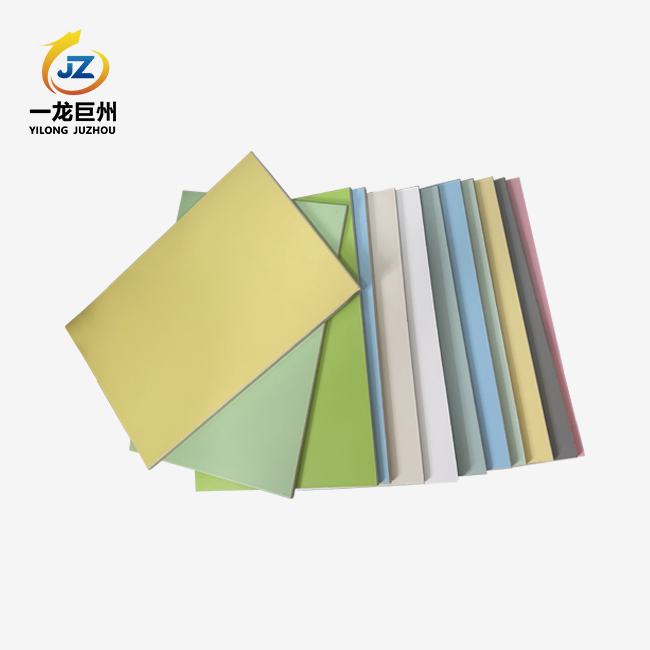
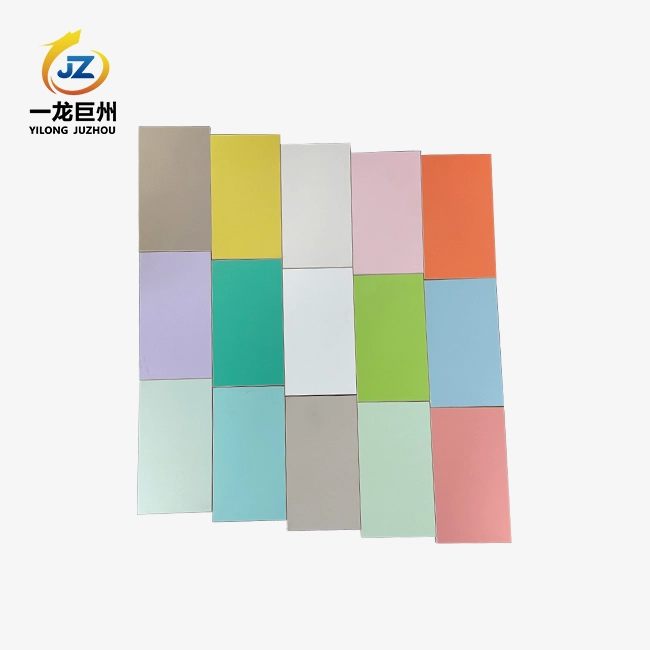
Different types of surface finishes let designers balance the need for cleanliness with the need for good looks. Solid colours work well in places like service hallways and equipment rooms where function is more important than style. Wood grain patterns add warmth to patient areas and mental health units without using real wood, which can harbour germs. Marble and metal finishes give lobbies and executive medical office suites a high-end look while keeping the antibacterial properties all the way through.
Different projects have different needs that can be met by OEM and ODM PP Film Interior Wall Decorative Panel. Some hospital systems need exact colour matches to current logos or methods for finding your way around. Manufacturers of pharmaceuticals sometimes need custom measurements to fit modular clean room layouts. When handled by experienced suppliers, these requests for customisation don't get in the way of production without adding extra costs that make standard changes impossible.
Future Developments in Antimicrobial Wall Systems
As new germs appear and rules get stricter on preventing infections and protecting the environment, the healthcare building industry keeps changing.
Emerging Performance Enhancements
Researchers in the field of material science are looking into adding more antimicrobial agents directly to polypropylene formulations. At the moment, the surface properties of panels are enough to kill 99.99% of bacteria. However, in the future, goods may include silver ions or copper nanoparticles to actively kill pathogens. These changes will help long-term care and rehabilitation centers the most, where patients' immune systems are weak for long periods of time. Another new area is smart surface technology. Sensors built into experimental panels measure the amount of contamination on the surface and tell building management systems that cleaning is needed. With this data-driven approach, maintenance plans are optimised so that cleaning happens based on real cleanliness needs instead of random time intervals. This could cut labour costs by 15–20% while also making the environment cleaner overall.
Regulatory Trends Shaping Material Selection
More and more, healthcare construction specifications need environmental product declarations (EPDs) and health product declarations (HPDs). These papers give clear evaluations of materials' whole lives, from getting the raw materials to making things, using them, and finally returning them. The thermoplastic makeup of the PP healthy panel works in its favor—polypropylene has the resin identification code 5 and can be fully recycled into new products when it's time to throw it away, while thermoset materials are trash for good.
Tougher rules on volatile organic compounds keep getting stricter around the world. More and more healthcare centers want products that meet California Section 01350 guidelines, which have some of the strictest emission limits in the world. Because our panels aren't made with formaldehyde, plasticisers, or other harmful chemicals, they are compliant even as laws get stricter. This keeps purchasing decisions from becoming obsolete in the future.
Conclusion
The unique mix of antibacterial performance, chemical resistance, and structural durability in the PP healthy panel makes it a great choice for medical and hygiene-critical uses. When healthcare facilities use these wall systems instead of traditional materials, they have less trouble with infection control, lower maintenance costs, and walls that last longer. The panel's adherence to international safety standards and environmental certifications meets both current legal requirements and new expectations for sustainability. Long-term performance is more important than starting cost alone in hospital building and renovation projects. Polypropylene-based wall systems are a smart material choice that balances operational needs with patient safety requirements and cost-effectiveness.
FAQ
1. Does the polypropylene surface require special cleaning products?
Standard hospital-grade disinfectants clean PP healthy panel surfaces well without breaking them down. Bleach solutions, quaternary ammonium compounds, and hydrogen peroxide can all kill germs even after the panel surface is damaged. If you don't want to scratch the finish, don't use rough scrubbing pads. Normal cleaning cloths and mops won't hurt it even if you use them every day.
2. Can damaged panels be repaired or must entire sections be replaced?
Because polypropylene is thermoplastic, it is often possible to buff away small scratches on the surface using heat application techniques. Panels that have more serious damage or contact dents usually need to be replaced. The modular installation system lets you take off a single panel without affecting the panels next to it. This makes selective replacement easy and less expensive than with continuous surface systems.
3. How does the panel perform in areas with direct water exposure like patient bathrooms?
The waterproof properties of the polypropylene film layer do a great job of keeping moisture out. We've put panels in bathroom stalls, behind sinks, and places where equipment is washed without seeing any delamination or water getting in. It's still important to seal properly at joints and penetrations, but the panel material can handle being wet for a long time without losing its performance.
Ready to Upgrade Your Healthcare Facility's Wall Systems?
With more than 20 years of experience, YILONG JUZHOU has been making high-performance internal walls for hospital settings in over 30 countries. As a PP healthy panel provider, we can offer full technical support, sample customisation within 3–5 days, and flexible OEM/ODM services that are made to fit the needs of your project. We have factories in both Shaanxi and Guangdong provinces, so we can keep our quality high and our delivery times on track whether your project needs 500 square meters or 50,000. Email our purchasing team at cnyang2000114@gmail.com to get free samples and talk about how our antibacterial wall panels can help your building meet its unique needs for durability and infection control.
References
1. Antimicrobial Surface Technologies in Healthcare Facility Design, Journal of Healthcare Engineering, 2021.
2. Comparative Analysis of Interior Wall Systems for Infection Control in Hospital Environments, Building and Environment Research Quarterly, 2022.
3. Life Cycle Cost Assessment of Wall Cladding Materials in Medical Facilities, Healthcare Construction Review, 2020.
4. Polypropylene-Based Building Materials: Performance Characteristics and Applications, International Journal of Polymer Science, 2021.
5. Fire Safety Standards for Healthcare Interior Finishes: Global Regulatory Comparison, Fire Protection Engineering Journal, 2022.
6. Sustainable Material Selection in Hospital Design: Environmental and Health Performance Metrics, Green Building Materials Annual, 2023.

Send Inquiry



Related Industry Knowledge
- Best Way to Paint Aluminum Composite Panel for Long-Lasting Results
- Coated Aluminum Composite Panel: Structure, Features, and Applications Explained
- Why Choose ice fireproof board for Industrial Wall Protection?
- HYG Antimicrobial Sheets & Wall Cladding Solutions
- Medical Clean Board Installation and Maintenance Guide
- Why Calcium Silicate Aluminum Composite Boards Are Ideal for High-Temperature Environments?
- Calcium Silicate Aluminum Composite Board Explained: Structure, Benefits, and Uses
- Unlock the Power of Aluminium Composite Panel
- Print on Aluminum Composite Panel: A Modern Twist on Traditional Wall Art
- What are the common issues faced during aluminum panel installation, and how to avoid them?