
Unlocking Quality: A Comprehensive Guide to Sourcing Premium HPL Fireproof Boards Globally
August 5, 2026
When architects, procurement managers, and construction professionals face the challenge of selecting interior wall materials that balance fire safety with aesthetic appeal, HPL fireproof boards emerge as the optimal solution. These engineered panels feature a calcium silicate core bonded with high-pressure laminate surfaces on both sides, delivering Class A fire resistance alongside antibacterial protection, moisture tolerance, and stunning design versatility. This guide walks you through the technical essentials, supplier evaluation criteria, and procurement strategies to help you source premium fire-resistant wall panels that meet rigorous international standards while supporting your project timelines and budget constraints.
Send Inquiry
Understanding HPL Fireproof Boards: Composition, Benefits, and Performance
What Makes HPL Fireproof Boards Unique?
HPL fireproof boards have a calcium silicate base and high-pressure laminate top layers. This makes a hybrid structure that is designed to work in tough conditions. The calcium silicate core is very resistant to fire; it gets Class A scores under ASTM E84 and EN 13501-1 standards. The HPL layer on top, which is made by saturating melamine glue and sealing it under high pressure, has a smooth, non-porous surface that can handle daily use in areas with a lot of foot traffic.
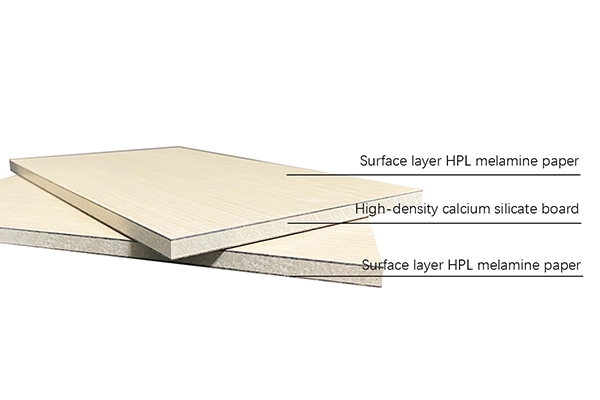
These plates come in a range of widths, from 4.5 mm to 15 mm, so they can be installed in a number of different ways. Standard sizes are 1220 mm wide and 2440 mm long. Custom heights up to 3050 mm are available for projects that need to cover the whole room without seams. Since the density of the material is higher than 1.35 g/cm³, it offers better structural stability than gypsum or MDF.
Core Performance Advantages
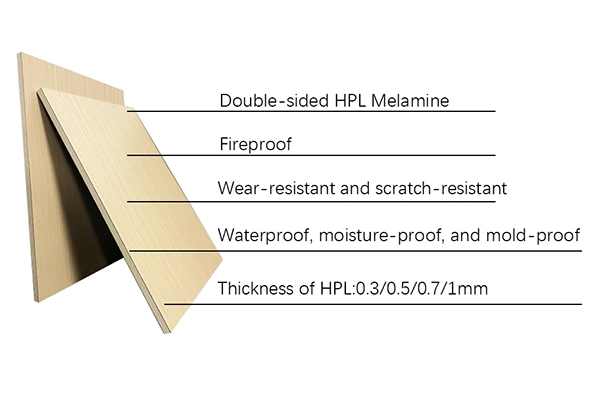
The antibacterial properties are immediately noticeable; tests confirmed a 99.99% antibacterial rate, which is very important for healthcare facilities, food processing plants, and pharmaceutical manufacturing spaces. The top layer doesn't let bacteria stick to it, even after being cleaned many times with hospital-grade disinfectants, so it stays clean without breaking down.
Moisture resistance solves a problem that keeps coming up in tunnel building, industrial restaurants, and coastal climates. The sealed HPL surface of the HPL fireproof wall panel keeps water out, so mould doesn't grow, and the panels don't delaminate as problems do with regular wood-based panels. The waterproof feature goes all the way down to the calcium silicate core, which keeps the structure stable even when it's wet outside.
Impact resistance keeps your investment safe in areas with a lot of traffic. The hybrid structure can handle shocks without breaking or cracking, which keeps you from having to pay for expensive fixes that come with using softer wall materials. This sturdiness is very useful in places like airports, train stops, and shopping malls where people, luggage carts, cleaning tools, and just walking all over the walls are always hitting them.
Environmental and Health Considerations
Materials that protect both people's health and project costs are becoming more and more important in modern buildings. HPL fireproof boards don't have any benzene or volatile organic compounds in them, so there are no off-gassing worries that cause people to wait longer to move in. Manufacturers use ultraviolet curing processes to make a thick protective film that seals the substrate and stops emissions from the inner layers.
The ability to move in right away saves money because builders don't have to wait for ventilation times or air quality testing before handing over finished places. When hospital or hotel renovations are done in stages, and working areas are still being used during building, this benefit is especially useful.
Stable colour guarantees long-lasting beauty. The UV-cured HPL surface doesn't fade like painted or vinyl-wrapped panels do when they are exposed to bright lighting or direct sunlight. It keeps its look for years. This colourfastness gets rid of the patching issues that happen when broken parts are replaced with younger panels that are slightly darker or lighter.
Comparing HPL Fireproof Boards with Alternative Fire-Resistant Materials
Technical Performance Analysis
Gypsum board is still a popular fire-resistant choice, but it doesn't work well in tough situations. Normal Type X gypsum can withstand a one-hour fire, but it is not resistant to pressure or moisture. When gypsum is exposed to water, it swells, loses its shape, and helps mould grow. This means it can't be used in underground tunnels or areas where factories clean themselves.
While cement board is better at resisting moisture than gypsum, its weight makes it harder to place and raises worries about its structural load. A standard 12mm cement board weighs about 18 kg per square metre, while a similar HPL fireproof board weighs only 12 kg. This difference in weight gets bigger for big projects, which changes the cost of transportation, the number of hours needed for installation, and the structural needs of the building.
MDF-based fire-retardant walls can look different, but they aren't as durable. The heart made of compressed wood fibres can still be damaged by impacts, and chemical fire retardants can leak out over time, making the fire resistance less effective in the long run. The calcium silicate core in HPL fireproof boards, on the other hand, keeps its fire-resistant qualities throughout the panel's life.
Lifecycle Cost Considerations
A project's total costs are affected by how well it is installed in more ways than one. When compared to standard frame and gypsum board methods, HPL fireproof boards use quick-mount pressure strip systems that cut installation time by about 40%. When working on projects that cover thousands of square meters and labour costs are higher than material costs, this efficiency becomes very important.
Long-term operating costs are affected by how much maintenance a panel needs over its useful life. The scratch-resistant, non-porous HPL surface of 4/5/6/8/10/12mm HPL wall panels for interior wall decoration only needs to be cleaned regularly with regular detergents, so there are no costs for painting or refinishing every so often. When compared to painted gypsum systems that need touch-ups every 5 to 7 years, this maintenance benefit can cut lifecycle costs by 25 to 30 percent in a commercial office building with a 20-year planning horizon.
How to Select the Right HPL Fireproof Board Supplier: A Global Sourcing Guide
Essential Certification and Quality Benchmarks
When doing business internationally, you need to find sellers who meet strict quality standards that can be checked by a third party. ISO 9001 certification shows that a company is committed to using uniform manufacturing methods. ISO 14001 certification shows that a company has environmental management systems that help it reach its sustainability goals. In addition to general quality certifications, fire safety compliance must be proven by testing laboratories that are known to be reliable.
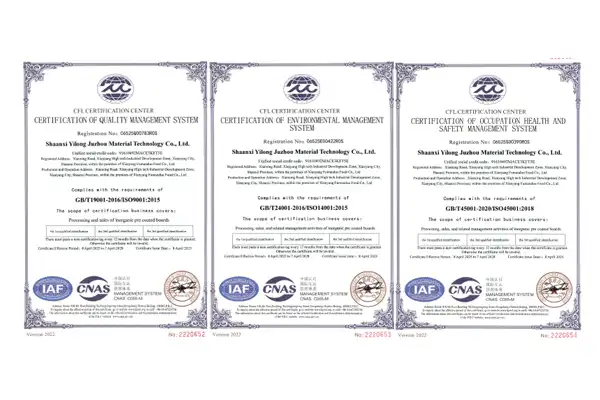
Check that the companies you are considering have test reports from ASTM International, Underwriters Laboratories (UL), or European standards groups. These reports should include the flame spread index, smoke development scores, and heat release rates. These are real numbers that can be used to compare different sources and products.
The China Environmental Protection Standard Certification shows that the processes used to make the goods and the finished goods meet standards for environmental impact and emission levels. As green building standards like LEED or BREEAM become more important in healthcare, education, and public infrastructure projects, this certification becomes more important for any HPL fireproof board procurement.
Manufacturing Capacity and Reliability Indicators
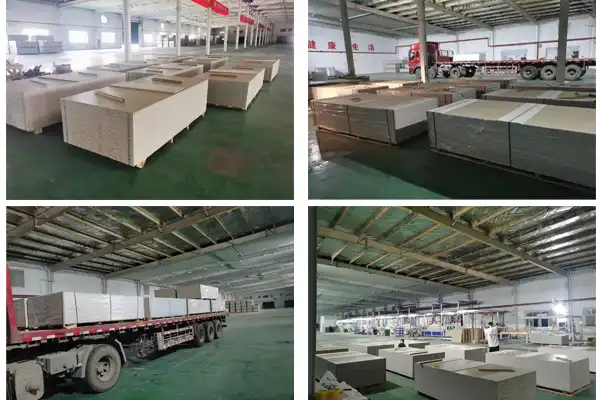
Your ability to meet project deadlines is directly linked to your production capacity. This is especially true for large-scale developments that need coordinated deliveries across multiple construction phases. Suppliers with stock stores bigger than 50,000 square meters show that they are financially stable and can make enough products quickly for reliable fulfilment.
Having multiple production sites gives you options for where to put your products and lowers your risk. Suppliers with factories in different areas, like China's Shaanxi and Guangdong provinces, can find the best shipping routes, cut down on transportation costs, and keep supplies flowing even if there are problems in one place.
The time it takes to respond is a useful way to tell how skilled and efficient a supplier is. Companies that promise to answer questions 24 hours a day and deliver goods in 3–7 days show that their organisational systems can handle complicated international procurement workflows. This timeliness is very important when changes to the plan or speeding up the project require quick coordination between suppliers.
Sample Evaluation and Customization Capabilities
Requesting actual samples before placing a big order is still the best thing to do, but the process of getting samples also shows what kind of supplier you're dealing with. Companies that offer free trials with delivery in three to five days show that they believe in their goods and care about their customers. Serious producers are different from trading middlemen who mark up third-party goods because they are able to cover the costs of samples.
OEM and ODM options show how deep the engineering is and how flexible the production is. When you use Original Equipment Manufacturing services, you can choose the exact sizes, finishes, and performance specs that your project needs. Original Design Manufacturing partnerships let suppliers contribute their technical knowledge during the development of specifications, which could help find cheaper options or better ways to do things.
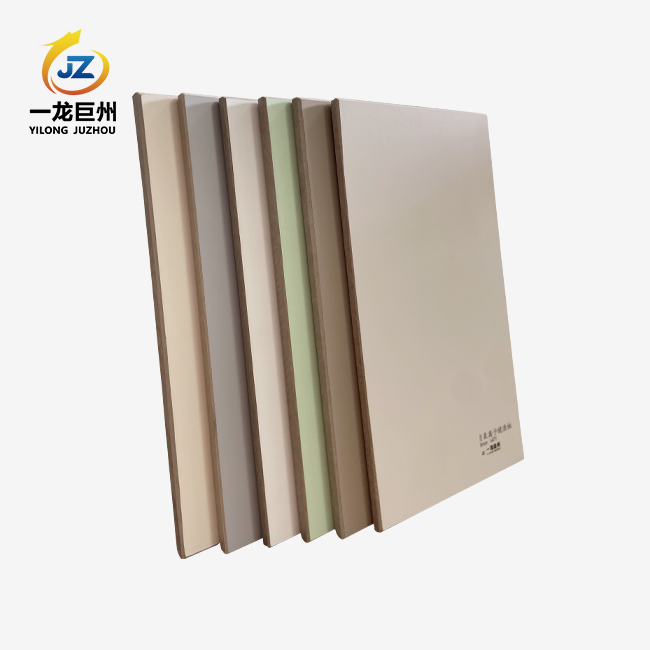
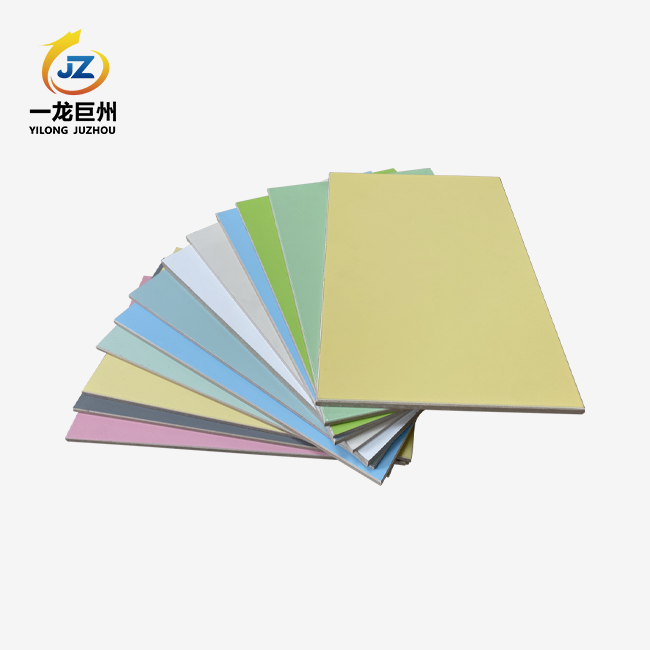
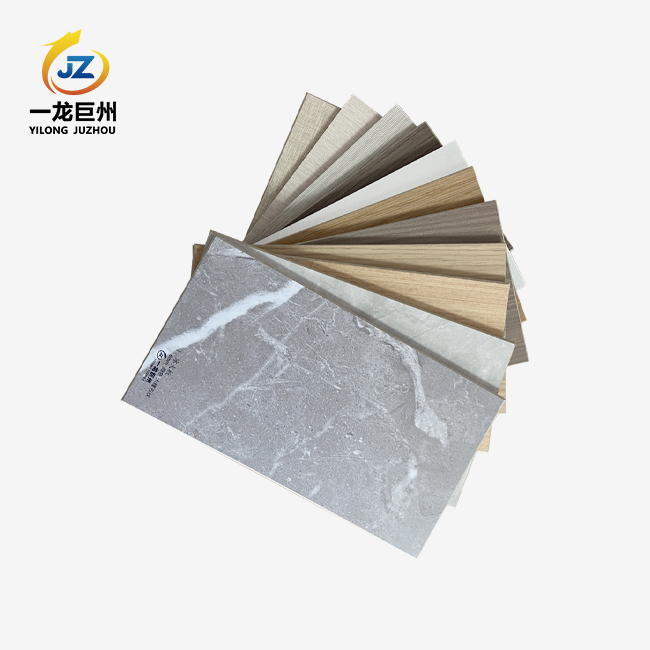
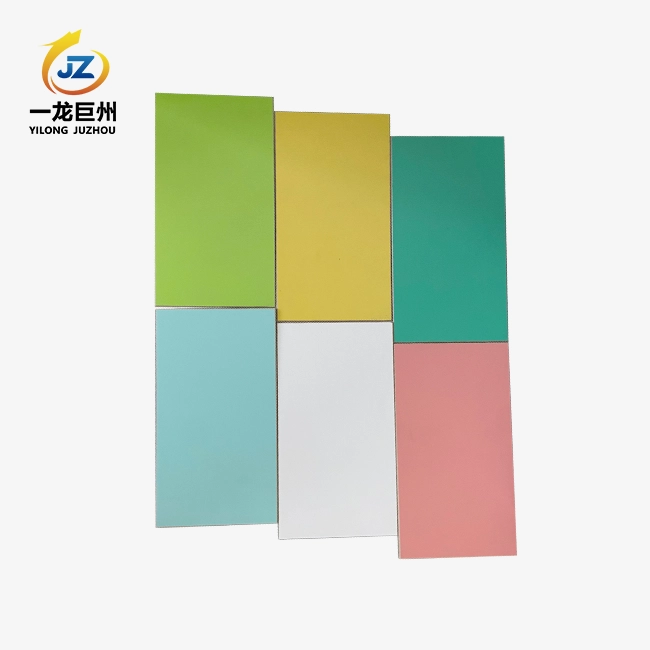
There should be more custom finish choices than just the ones in the catalogue. These should include solid colours, wood grain patterns, marble models, metallic textures, and fabric looks. Suppliers who keep digital printing options or larger vinyl libraries can meet specific aesthetic needs without charging extra for small orders or taking longer to deliver.
Best Practices for Procuring and Installing Premium HPL Fireproof Boards
Procurement Process Optimization
During the inquiry stage, project requirements and provider standards are set. Give specific details like the sizes, quantities, finishes you want, when you need them, and any building codes that apply. This level of detail makes it possible to give accurate quotes and avoids mistakes that could lead to delays or quality issues.
Materials should be tested on samples in conditions that are similar to those that will be found in real installations. Do basic tests in the field, such as checking for scratch resistance, cleaning product compatibility, and the ability to see clearly in lighting that is appropriate for the job. Write down these ratings so that you can use them to make objective comparison standards between different sellers of HPL fireproof boards.
To coordinate delivery, there needs to be clear communication about how to package, ship, and receive items. Check with suppliers to see if they use standard export packaging that can fit in containers, and make sure they follow the size requirements to get the most out of each container. Logistics teams can plan more cost-effective routes when they know about the different ports that are available, such as Shenzhen, Guangzhou, Shanghai, and Qingdao for Chinese suppliers.
Installation Techniques and Common Challenges
If you prepare the area correctly, you can avoid installation problems that hurt both function and look. Before mounting panels, wall substrates must be dry, clean, and in good shape. Finishes that could get in the way of adhesive bonding should be taken off, and surface irregularities bigger than 3 mm need to be fixed so that panel distortions can't be seen.
The pressure strip mounting method makes fitting easier while still letting you make changes to the design. For this method, you attach aluminium or PVC tracks to wall studs or other surfaces that are already there, and then you snap panels into the track system. This method gets rid of the need for wet glue, speeds up the installation process, and lets you change panels in the future without damaging the wall.
In big panel systems, expansion joints allow for thermal movement. Panels that are put up on surfaces where the temperature can change, like walls next to windows or HVAC diffusers, need to have planned gaps between them to keep them from buckling. You can hide these joints with trim pieces that keep the look of consistency while still letting the material move as it needs to.
Environmental and Economic Considerations When Sourcing HPL Fireproof Boards
Sustainability in Manufacturing and Application
Green production methods set forward-thinking makers apart from those who just make things. When suppliers use closed-loop water recycling, waste heat recovery, and green energy sources, each panel leaves less of an impact on the earth. These actions are in line with the sustainability goals set for the whole project and help meet the paperwork needs for green building certifications for HPL fireproof boards.
The composition of the material itself affects how well it works with the environment. Making a calcium silicate substrate releases less carbon into the air than making cement. HPL top layers use phenolic and melamine resins that harden without giving off volatile chemicals. When you put these two things together, you get a product with a good lifetime assessment score.
End-of-life environmental effect is affected by how easily the product can be recycled. Composite materials are harder to recycle than single-material items like steel or glass. However, calcium silicate can be broken down and used as gravel in concrete. Some producers support the ideas of a circular economy by running take-back programs or giving advice on how to properly dispose of waste.
Total Cost of Ownership Analysis
The purchase price is only one part of the total cost of the project. Transportation costs depend a lot on where the supplier is located, how much you order, and the infrastructure for logistics. Suppliers near major ports who already have established freight partnerships can often offer better landing costs than rivals who offer lower FOB prices but don't know much about shipping.
The cost of installation labour depends on the type of material and fixing method used. When quality HPL fireproof boards are customised in the factory, it takes less time to cut, fit, and adjust them in the field. Because of this accuracy, fewer hours of work are needed to install each square metre, which is a big deal in places where skilled labour is expensive.
The terms of the warranty show how confident the maker is in the product and protect you financially in case it breaks or doesn't work right. Three-year quality promises that cover flaws like delamination, colour fading, and structural problems move the risk from buyers to suppliers. This lowers the need for emergency budgets and protects project profits.
Conclusion
When looking for high-quality HPL fireproof boards around the world, you need to pay close attention to technical details, the credibility of the suppliers, and buying processes that go beyond just comparing prices. When you combine calcium silicate cores with high-pressure laminate surfaces, you get fire resistance, antibacterial protection, and a wide range of looks that other materials can't match. A good buying process checks for certifications, figures out how much something can be made, and looks at the total cost of ownership. As environmental and fire safety rules get stricter, materials with Class A fire ratings that don't harm health or the environment offer solutions that will work in the future for healthcare, transportation, commercial, and industrial uses all over the world.
FAQ
1. How can I make sure that the fire protection values of HPL fireproof boards are correct?
Ask for certified test reports from well-known labs such as UL, ASTM International, or EN-accredited ones. These papers should list the flame spread index, smoke growth values, and testing standards that were used. Suppliers who are honest give these reports openly, with test specimen descriptions that match the products they sell. For big purchases of HPL fireproof boards, independent proof through third-party testing labs adds another layer of security.
2. What customisation choices are there for needs that are unique to a project?
Manufacturers that offer OEM services can make unique sizes up to 3050mm tall, in addition to the normal 1220mm x 2440mm size. You can change the finish to solid colours, simulate wood grain, use marble designs, metal shapes, or make it look like fabric. There are different thickness options, from 4.5 mm to 15 mm, to meet different performance and structural needs. Customising a sample usually takes three to five days, which gives you time to check the design before going into full production.
3. What lead times should I expect for bulk international orders?
Production times for standard specs range from 3 to 7 days, based on the number of orders and how complicated the customisation is. Add the shipping time based on where it's going and how it's being sent. For example, sea freight from Chinese ports to North American places takes 18–25 days on average, while air freight cuts the time it takes to get there to 5–7 days but costs more. Suppliers with stocks of 50,000 square meters or more can speed up orders for standard items, and they can sometimes ship within 48 hours of receiving proof of the order.
Partner with YILONG JUZHOU for Reliable HPL Fireproof Board Solutions
YILONG JUZHOU has two factories, one in Shaanxi and one in Guangdong. They keep 50,000 square meters of ready-to-ship goods to meet your project deadlines. Our network of HPL fireproof board suppliers spans 30 countries and provides materials that are certified by ISO, CE, and the China Environmental Protection Standard. We know that buying things requires trust, so we offer free samples that are shipped within 3–5 days so that you can try them out before you decide to buy. Our expert team answers all of your questions within 24 hours and protects your investment with three-year quality warranties and help with design. Our OEM and ODM services make sure that the goods we sell meet all of your exact needs, whether you're looking for materials for a hospital makeover, an airport building, or a pharmaceutical facility. You can email us at cnyang2000114@gmail.com to talk about your needs and get price quotes from a reputable manufacturer that is dedicated to quality, dependability, and providing the best service around the world.
References
1. Building Materials Research Institute. (2022). Comparative Performance Analysis of Interior Fire-Resistant Wall Systems. Technical Publication Series on Construction Safety Standards.
2. International Association of Certified Building Officials. (2023). Fire Safety Compliance in Commercial Construction: Materials Selection Guide. Professional Development Monograph Series.
3. Chen, L., & Martinez, R. (2021). Sustainable Manufacturing Practices in Composite Building Materials. Journal of Green Construction Technology, 15(3), 287-304.
4. Global Construction Materials Council. (2023). Lifecycle Cost Assessment Framework for Interior Wall Systems. Industry Best Practices Manual.
5. Thompson, K. (2022). High-Pressure Laminate Technology: Engineering and Applications in Modern Architecture. Construction Materials Science Press.
6. World Health Organization. (2021). Guidelines for Infection Prevention in Healthcare Facility Design. Infrastructure and Environmental Health Standards Division.

Send Inquiry




Related Industry Knowledge
- What Are The Advantages of an exterior ACP Sheet?
- Why is the Negative Ions Healthy Panel Ideal for Hospital Wall Decoration?
- Composite Fireproof Boards Compared: Why Calcium Silicate Aluminum Panels Stand Out
- Coated Aluminum Composite Panel: Structure, Features, and Applications Explained
- Why Choose Inorganic pre-coated panels for Wall Cladding Systems?
- Medical Clean Board for Hospital Wall and Ceiling Systems
- How Do Antibacterial Wall Panels Work to Prevent Bacterial Growth
- Calcium Silicate Aluminum Composite Board Explained: Structure, Benefits, and Uses
- Where to buy aluminum composite panel?
- How to install an aluminum composite panel?