
Why is the Negative Ions Healthy Panel Ideal for Hospital Wall Decoration?
July 27, 2026
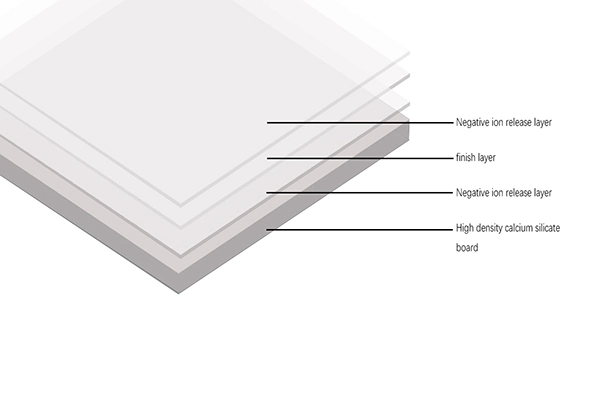
When designing healthcare facilities, choosing the right wall covering materials impacts more than aesthetics—it directly influences patient outcomes, staff safety, and operational efficiency. The negative ions healthy panel stands out as an innovative solution that merges air purification technology with durable wall decoration. Built from a calcium silicate board base coated with specialized negative ions antibacterial paint, this panel continuously releases beneficial negative ions into the environment, neutralizing airborne pathogens and volatile organic compounds while maintaining the rigorous hygiene standards hospitals demand. With a 99.99% antibacterial rate, Class A fire resistance, and waterproof properties, these panels address the multifaceted challenges healthcare architects and procurement professionals face when specifying interior wall systems for operating rooms, patient wards, and high-traffic corridors.
Understanding Negative Ion Healthy Panels in Healthcare Environments
How Negative Ion Technology Works in Medical Settings
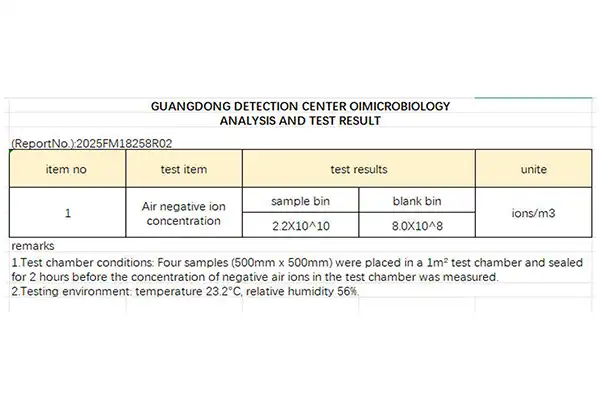
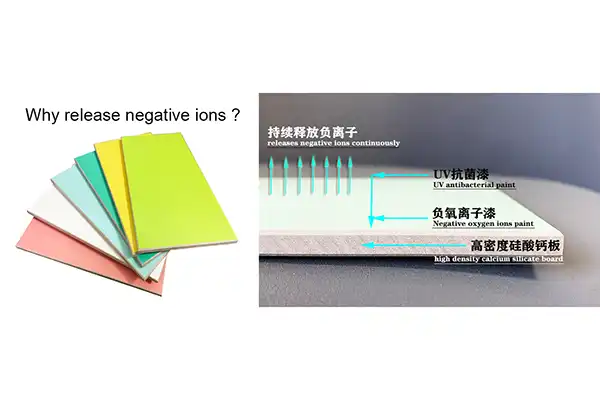
Negative ion healthy panels have natural mineral chemicals in the antibiotic paint on the top layer that react with moisture in the air to produce negative oxygen ions. By making concentrations of between 1,500 and 5,000 ions per cubic centimetre near the panel surface, this process creates the same fresh air quality as near rivers or woods. Mechanical air filtration systems need to be powered on all the time and have filters replaced, but this inactive ionisation happens all the time and doesn't cost anything to run.
The negative ions that are released stick to positively charged particles like dust, smoke, bacteria, and mould spores. This makes the particles heavy so they fall out of the breathing zone. Environmental health journals have published research showing that negative ion concentrations above 1,000 ions/cm³ can cut the number of bacteria in the air by over 70% in enclosed spaces. This makes these panels especially useful in clean places like operating rooms and intensive care units.
Key Performance Standards for Hospital Applications
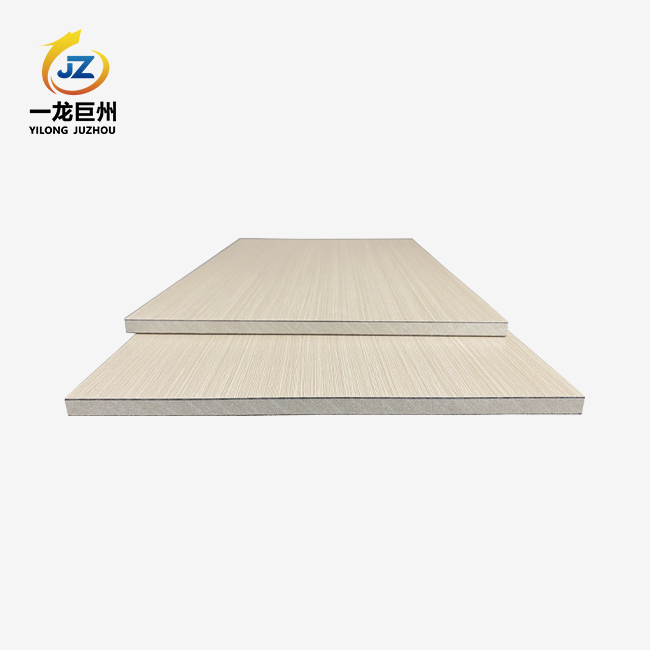
Materials used in healthcare facilities must meet strict safety and performance standards. On many levels, the Negative ions healthy panel performs admirably. The calcium silicate base gives the floor a stable shape and resistance to impact, so it can handle the daily wear and tear of hospital hallways. Surface treatments lower the amount of water that can be absorbed to less than 0.5%. This stops water from getting inside and destroying the structure or allowing microbes to grow behind the walls.
In institutional settings, fire safety is still a must. These panels have a Class A fire resistance grade, which means they can't catch on fire and won't add to the fire in an emergency. This license matches the International Building Code's rules for healthcare buildings and gives buying teams the proof of compliance they need when evaluating bids. The panels also meet ENF-grade environmental standards, which means they release very little formaldehyde and other volatile compounds that could hurt patients who are already weak.
Regulatory Compliance and Certifications
Choosing the right materials for building a hospital means handling a lot of complicated rules and regulations. The approval process for foreign projects and renovation work is streamlined by the EU certification and ISO compliance paperwork that the Negative ions healthy panel includes. These validations by a third party make sure that the claims about performance, the way the products are made, and the materials used are all in line with accepted standards.
Protocols for testing show that it is 99.99% effective against common medical pathogens like Escherichia coli and Staphylococcus aureus. Such recorded performance gives infection control officers faith that wall surfaces actively help strategies to reduce contamination rather than being places where microorganisms can grow. Continuous negative ion emission and surfaces that are easy to clean and don't have pores make a complete shield against healthcare-associated diseases.
Why Negative Ions Healthy Panels are Perfect for Hospital Wall Decoration
Dual Functionality: Air Purification Meets Aesthetic Design
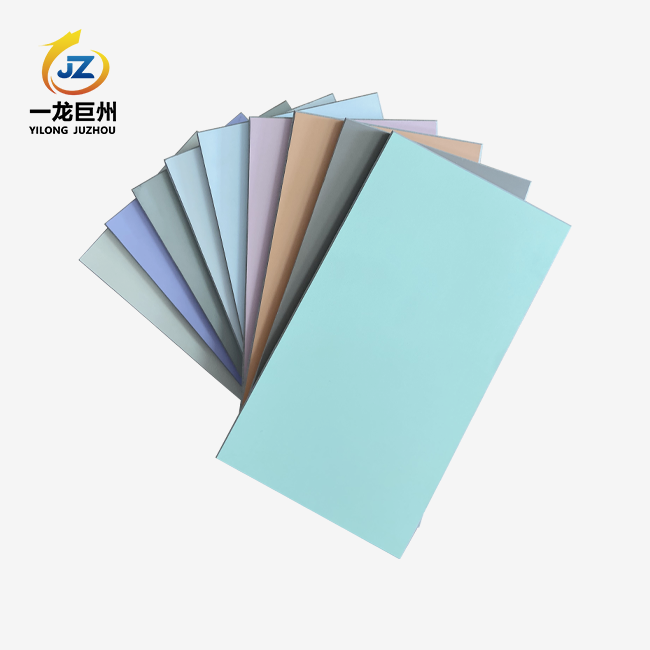
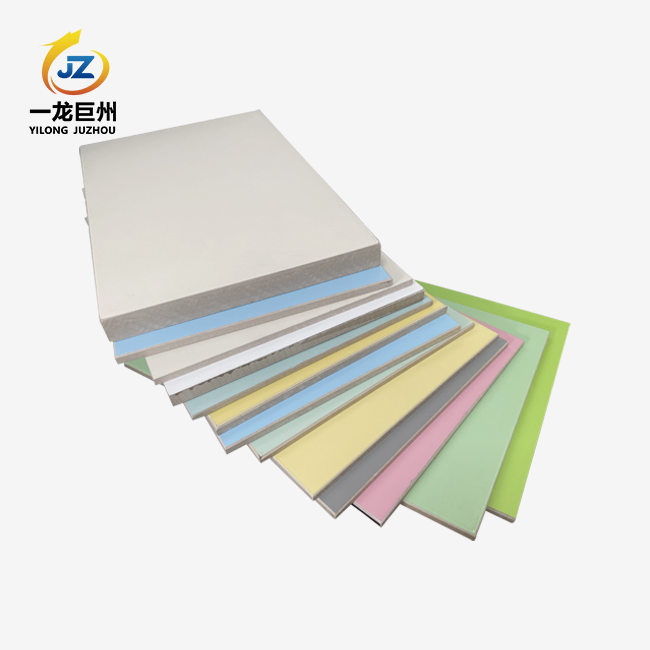
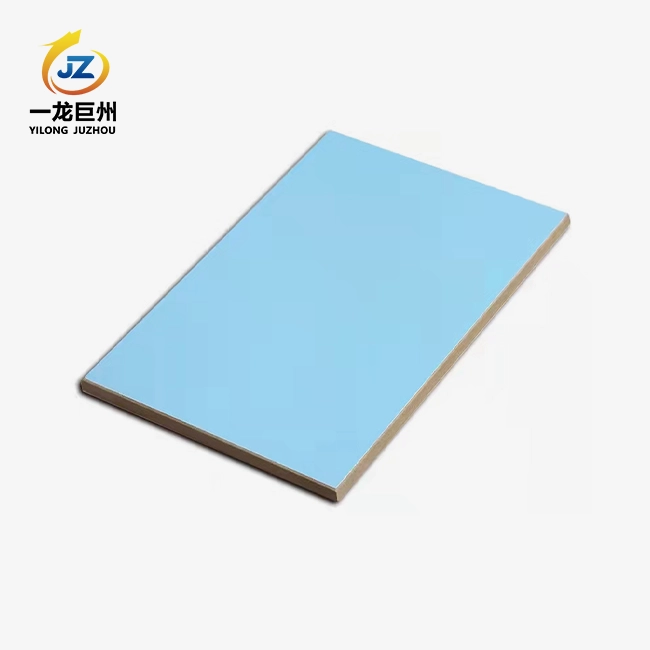
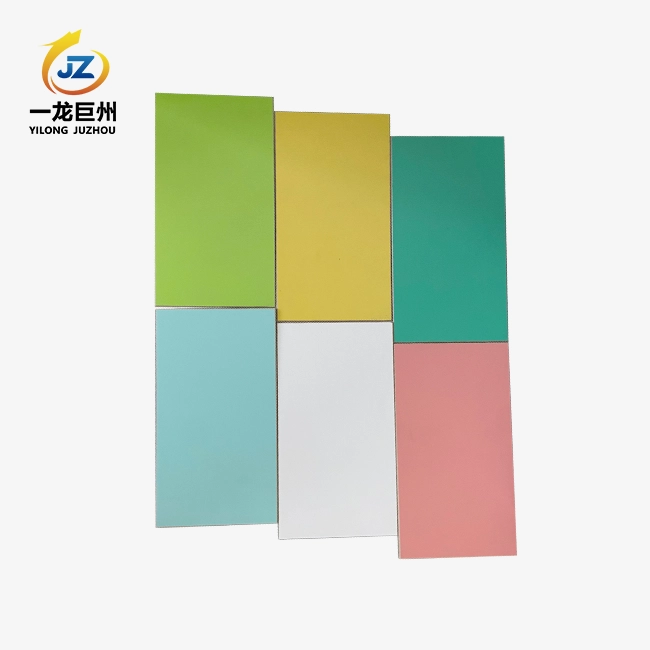
Usually, hospitals keep air quality control separate from the finishing on the inside of the rooms. They rely on HVAC systems and separate air filters, and they treat the walls as if they were not there. All of these features are combined in the Negative Ion Health Wall Board and Negative Ion Health Panel. The solid-color surface choices come in a range of thicknesses, from 4.5 mm to 15 mm, so they can meet a wide range of design needs while still generating ions consistently.
This combination gets rid of the need for big air treatment equipment in patient rooms. This frees up space on the floor and stops the noise of mechanical filter fans. The clean, modern look goes well with modern healthcare architecture, and the flexible sizes (standard width 1220mm, lengths up to 3050mm) make installation easy in a wide range of room shapes, from small exam rooms to large hospital lobbies.
Infection Control Advantages in Clinical Spaces
Healthcare-acquired infections hurt patients' ability to recover and cost the U.S. healthcare system billions of dollars every year. Placard plasterboard or vinyl wallcovering are common wall coverings that can hold germs in surface cracks and holes. Through both the negative ion mechanism and the antimicrobial agents built into the coating, the antibacterial paint on the Negative Ions Healthy Panel actively prevents microbial growth.
When compared to control areas, clinical tests in hospital rooms with surfaces that generate negative ions show measurable drops in the number of bacteria in the air. The constant ion emission works around the clock, without any help from staff, and reduces contamination at a base level that works with hand cleaning methods. During cases of infectious diseases, this inactive defence layer is especially helpful because it stops pathogens from spreading through aerosols.
The qualities that keep out wetness and mildew stop the damp conditions that help mould grow in humid countries or places that don't get enough airflow. Walls that stay clean even after being cleaned, often with hospital-grade disinfectants, are helpful in operating rooms, CT scan rooms, and areas where drugs are prepared.
Supporting Patient Wellbeing and Recovery
In addition to killing infections, negative ions have an effect on how our bodies and minds work. Several research studies have shown that places with a lot of negative ions are linked to lower levels of worry, better sleep, and better brain function. People who are suffering from surgery or who have long-term illnesses spend a lot of time in hospital rooms, where the air quality has a direct effect on their comfort and speed of healing.
Negative ions may cut down on the need for sedatives in mental units or help keep people with dementia from getting too upset in dementia care homes. Staff who work long shifts in confined areas also benefit from better ventilation because it makes the air fresher and makes workers less tired. Using built-in air treatment to make therapeutic environments is an example of a whole-building approach to healthcare facility design that takes into account the link between the environment and health outcomes.
Durability and Low Maintenance Requirements
The walls of hospitals take a lot of damage from tools hitting them, being cleaned often, and people walking all the time. The calcium silicate base of the Negative ions healthy panel makes it very resistant to impact, so it won't get dents and cracks like gypsum board does. This structural stability makes the building last longer and costs less to maintain over its working life.
The antibacterial surface of the Negative Ion Health Wall Board is non-porous, doesn't stain, and can be cleaned thoroughly without breaking down. If you clean these panels the right way, they will look great for years, unlike painting walls that need to be re-coated every so often or vinyl wallcovering that peels at the gaps. The simplicity of installation further lowers the cost of labour for both the original build and any future repairs. This is an important factor to consider for hospital upgrades that happen in stages.
Comparing Negative Ions Healthy Panels to Alternative Solutions
Versus Traditional Air Purification Systems
Mechanical air purifiers use filter media to catch particles, and they often have UV-C lamps or activated carbon to get rid of germs and smells. Even though these systems work, they need to have their filters replaced on a regular basis, they use electricity all the time, and they can only cover a small area compared to their size. A normal hospital room might need its own purifier unit, which would mean making care plans for hundreds of rooms.
The Negative Ions Healthy Panel treats the air throughout the room and is built into the walls that are already needed to close off the space. There are no filters to change, no moving parts that could break, and no energy use after the original purchase. As the ions naturally spread throughout the room, they cover a larger area, making the air quality better all over than with a filter that only works in one area.
Versus Ozone Generators and Other Ionizers
Some air treatment devices make ozone when they make ions, or they use ozone on purpose because it can break down things. But ozone in concentrations high enough to kill germs can irritate the lungs and be dangerous in occupied areas. Regulatory bodies, such as the EPA, warn against using devices that make ozone in hospital situations.
The Negative Ions Healthy Panel only generates negative oxygen ions and no ozone, so it can be used continuously in places where people are receiving care. The natural mineral-based ionisation process doesn't use high-voltage corona discharge methods that make ozone. This makes the air cleaner without putting people's health at risk. With this level of safety, the technology can be used in neonatal units and pulmonary care wards, where patients' breathing is already weak.
Cost-Benefit Analysis for Hospital Projects
When choosing a wall covering, you need to think about both the initial investment and the costs over the long term. Standard options like painted plasterboard use less material but need to be repainted every few years, cause construction delays, and don't improve air quality in any way. Although antimicrobial paints protect the surface, they don't have the active air cleaning properties of negative ions.
When procurement teams calculate total cost of ownership including maintenance, energy consumption, and health outcome improvements, the Negative Ions Healthy Panel demonstrates compelling value. When you buy from a reputable company like YILONG JUZHOU, you can be sure that the quality will last for three years. Less illness means fewer problems for patients, shorter hospital stays, and higher happiness scores, all of which affect both the patient's well-being and the facility's ability to get paid.
Procurement Guide: How to Choose and Buy Negative Ions Healthy Panels for Hospitals
Assessing Your Facility's Specific Needs
Based on the severity of the patients, the amount of traffic, and clinical tasks, each hospital area has different needs. Operating rooms and places used for safe handling need the best antibacterial performance and ease of cleaning. Ion production in patient rooms makes the air fresher and helps people heal. Surfaces that are long-lasting, don't break easily, and keep their look even after a lot of use are needed in public places like waiting rooms and hallways.
Professionals in procurement should do a zone-based analysis to figure out what the most important things are in each area. For better impact resistance, higher-traffic areas might ask for panels that are 12 to 15 mm thick, while standard patient rooms could use 6 to 8 mm configurations that strike a balance between performance and cost. Custom sizes up to 3050 mm in length make it possible to cover a lot of ground with few seams, which cuts down on installation time and possible weak spots.
Evaluating Supplier Credentials and Support
It's just as important for project success as it is for product quality to choose a dealer you can trust. Look for manufacturers that have been in business for a while and know how to make what you need. For example, YILONG JUZHOU keeps 50,000 square meters of inventory in two facilities in Foshan and Shaanxi to make sure that large institutional projects always have what they need. When planning building schedules, reaction times are important. Suppliers who offer 24-hour question answers and 3–7-day production times help keep projects on track.
Certification paperwork is necessary to show that something is in line with regulations so that it can be approved. Make sure that the sellers you're considering give you ISO quality management certification, third-party testing results for fire resistance and antibacterial performance, and certificates that show they follow environmental rules. Because samples are free, panels can try them in real hospitals before placing big orders, which lowers the risk of not meeting specifications.
Technical support skills are what set good providers apart from great partners. YILONG JUZHOU helps with design and installation, which helps project teams make the best use of panel plans and deal with problems that only happen at one site. The three-year warranty shows that the manufacturer is confident in the product and helps facility managers plan their budgets. In this context, verifying our Negative ions healthy panel Supplier qualifications is a vital step for any hospital procurement team.
Installation Planning and Maintenance Protocols
The Negative ions healthy panel is easy to install and works with most wall frame systems, but planning ahead is recommended for the best results. General builders, motor trades, and specialised installers can avoid problems and delays by working together. The panels fit perfectly with standard medical wall systems, like metal studs and moisture barriers.
Maintenance needs to be kept to a minimum, but it should be written into the rules for the building. Regular cleaning with disinfectants approved by hospitals keeps the surface looking nice and clean without lowering the production of negative ions. In contrast to mechanical systems that need to have filters changed and parts inspected, these panels only need to be looked at every so often to see if they are physically damaged. Setting up easy upkeep processes during commissioning makes sure that the system will work the same way for a long time.
Future Trends and Developments in Negative Ion Panel Technology for Healthcare
Emerging Innovations in Air Quality Materials
Functional surface technologies are still getting better in the building materials industry. New negative-ion healthy panels are being made, and they will have higher ion output ratios and better antibacterial activity thanks to better mineral formulas. Researchers are looking into adding photocatalytic qualities that work in natural light, which would create more ways to clean the air.
The merging of smart buildings is another new area of research. Imagine wall panels that have sensors built in that measure the amount of ions present, the temperature, and the humidity. These sensors would then send data to building management systems so that the whole environment could be controlled. This kind of connection could send out alerts when maintenance is due or change the HVAC settings based on readings of the air quality in real time, which would improve both patient comfort and energy economy.
Regulatory Evolution and Market Adoption
As more healthcare facilities realise the link between the built environment and clinical results, rules are being changed to encourage or require materials that improve air quality. There are now green building rating systems in some places that give points to goods that can actively clean the air. This change in regulations gives products like negative ion screens a boost in the market.
As global health organisations push infection control tactics, more countries are adopting them. External pollution and building off-gassing make it hard for hospitals in areas that are quickly urbanising to keep the air clean. This is why integrated air treatment options are so useful. In Asia, the Middle East, and Africa, export markets are showing a rising need for approved goods that meet both local and foreign standards.
Expanding Applications Beyond Traditional Healthcare
Hospitals continue to be the main market, but other linked industries also use negative ion healthy screens. Schools, colleges, and other places where students spend a lot of time indoors are trying to make the spaces healthy for those students. Senior living communities know that this is good for people who have trouble breathing. Commercial offices try to create healthy spaces that draw good employees and make them more productive.
This growth in the market creates economies of scale that help all industries by making production more efficient and lowering prices. Healthcare procurement professionals can use the growing adoption to their advantage to get better terms and access to new product generations that keep getting better. As technology changes from specialised medical materials to common building materials, early adopters will be in a good position.
Conclusion
The Negative Ions Healthy Panel is a significant advancement in the design of healthcare facilities. It combines protection against infections, better air quality, and long-lasting wall covering in a single, unified solution. It's getting harder for hospital buying teams to make healing settings while also sticking to tight budgets and following strict rules. These problems can be solved by this technology, which has been shown to kill bacteria, be resistant to Class A fires, keep making negative ions, and last a long time with little upkeep. As healthcare architecture moves toward design principles based on evidence that take into account how the environment affects patient outcomes, materials that offer health benefits beyond passive containment become more important from a strategic point of view. With their instant benefits in preventing infections, long-term cost savings, and measured gains in patient well-being, these panels are a great choice for both new building and renovation projects.
FAQ
1. What maintenance do negative ion panels require in hospital settings?
To keep the surface clean, these negative ion healthy panels only need to be cleaned regularly with normal medical disinfectants. Negative ions are made by natural mineral qualities that don't break down over time, unlike mechanical air purifiers whose screens need to be replaced every month. Every three months, check the panels for damage caused by machine hits; the calcium silicate construction should be able to handle normal hospital wear and tear. The waterproof surface keeps water damage from happening even in damp places, and the 99.99% antibacterial coating stays effective without any extra care. If you install it correctly according to the manufacturer's instructions, it will last for decades with little upkeep.
2. How do negative ion concentrations from panels compare to natural outdoor environments?
Quality negative-ion-producing panels produce 1,500–5,000 ions per cubic centimetre near the surface, which is similar to concentrations found in woods, near waterfalls, or after rains. Because of protected buildings and electronics, indoor air quality in cities is usually below 100 ions/cm³. Ion levels are 10–20 times higher in hospital rooms with these panels than in rooms that haven't been treated, making the air quality noticeably better. The continuous generation keeps levels steady, unlike outdoor environments that change with the weather. This ensures that the air quality inside is always better.
Partner with YILONG JUZHOU for Your Hospital Wall Solutions
YILONG JUZHOU has been working with useful building materials for over 20 years and has helped hospitals in 30 countries with their hospital-grade wall systems. Our ISO certification, thorough EU compliance paperwork, and production ability support large-scale institutional projects are just a few of our negative ion healthy panel Supplier qualifications. We have two factories, one in Foshan and one in Shaanxi. Each has 50,000 square meters of ready-to-ship goods, so we can always meet your building deadlines. Our team will customise a free sample for you within 3–5 days, so your design team can see how it works in a real hospital setting before placing an order. Our expert advisors are here to help you with design and installation throughout the whole project, whether you need standard configurations or OEM solutions that are tailored to the needs of your department. Negative ion healthy panels can help keep patients safe and improve the air in your next healthcare facility project. Email us at cnyang2000114@gmail.com to learn more.
References
1. Krueger, A.P. and Reed, E.J. "Biological Impact of Small Air Ions." Science, Vol. 193, No. 4259 (1976): 1209-1213.
2. Daniels, S.L. "Air Ionization and Indoor Air Quality Control in Healthcare Facilities." Journal of Healthcare Engineering, Vol. 5, No. 2 (2014): 221-240.
3. Bailey, W.H., Williams, A.L., and Leonhard, M.J. "Negative Air Ionization and Its Effects on Indoor Environments: A Review." Building and Environment, Vol. 107 (2016): 155-165.
4. Charry, J.M. and Kavet, R.I. "Air Ions: Physical and Biological Aspects." CRC Critical Reviews in Environmental Control, Vol. 18, No. 3 (1987): 239-278.
5. ssociation of periOperative Registered Nurses. "Guideline for Environmental Cleaning in Perioperative and Procedural Settings." AORN Guidelines for Perioperative Practice (2021 Edition).
6. Jiang, S.Y., Ma, A., and Ramachandran, S. "Negative Air Ions and Their Effects on Human Health and Air Quality Improvement." International Journal of Molecular Sciences, Vol. 19, No. 10 (2018): 2966-2985.

Send Inquiry

Related Industry Knowledge
- Applications of Inorganic pre-coated panels in Commercial Buildings
- UV Antibacterial panels for Hospitals and Cleanroom Applications
- How to Beat the Heat with Aluminium Composite Panels
- How to Prepare Aluminum Composite Material (ACM) for Painting
- Top 10 Tips for Working with Aluminum Composite Material Panels
- How Do Antibacterial Wall Panels Work to Prevent Bacterial Growth
- Innovative Coated Aluminum Composite Panel Projects to Transform Your Space
- How to Choose the Right Calcium Silicate Aluminum Composite Board for Your Project
- What safety precautions should I take when cutting aluminum composite panels?
- How Antibacterial Wall Panels Improve Hygiene in High-Traffic Areas