
Inorganic pre-coated panels Environmental and Safety Advantages
August 18, 2026
When we talk about transforming interior spaces in hospitals, pharmaceutical facilities, or high-traffic commercial buildings, the choice of wall materials can make or break a project. Inorganic pre-coated panels have emerged as a compelling solution that addresses both environmental responsibility and rigorous safety standards. These panels combine a calcium silicate substrate with UV-cured antibacterial coatings, delivering a non-combustible Class A fire rating alongside zero VOC emissions. Unlike traditional organic-based wall systems, they offer immediate occupancy after installation, resist microbial growth with a 99.99% antibacterial rate, and maintain structural integrity in moisture-prone or high-impact environments. For procurement teams navigating the complexities of compliance, sustainability, and long-term performance, understanding these panels' core advantages transforms material selection from guesswork into strategic investment.
Understanding Inorganic Pre-Coated Panels
What Makes These Panels Different
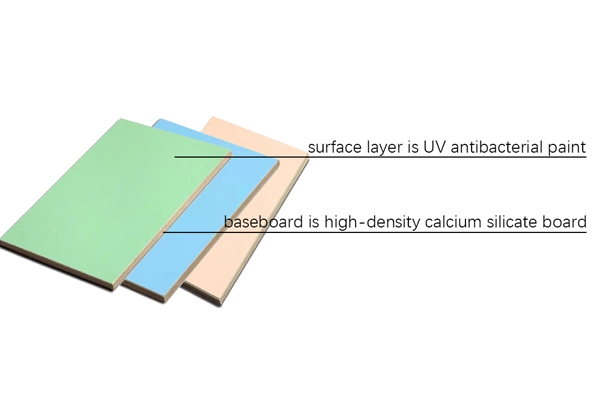
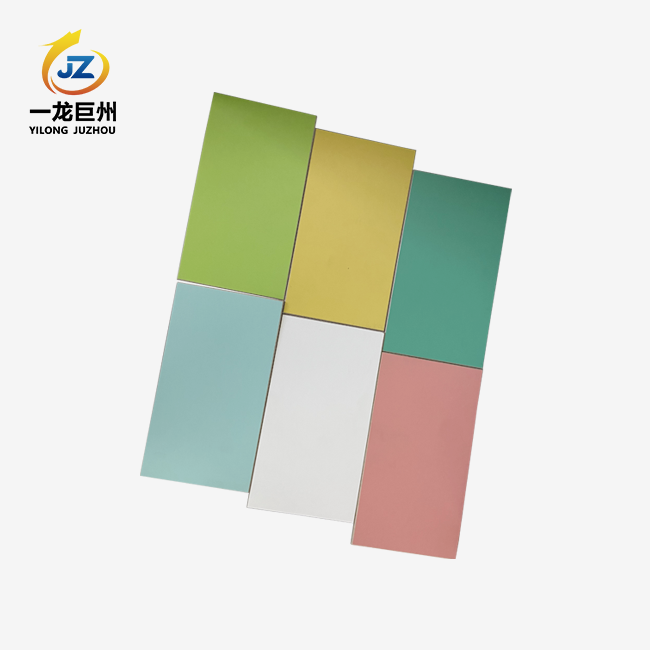
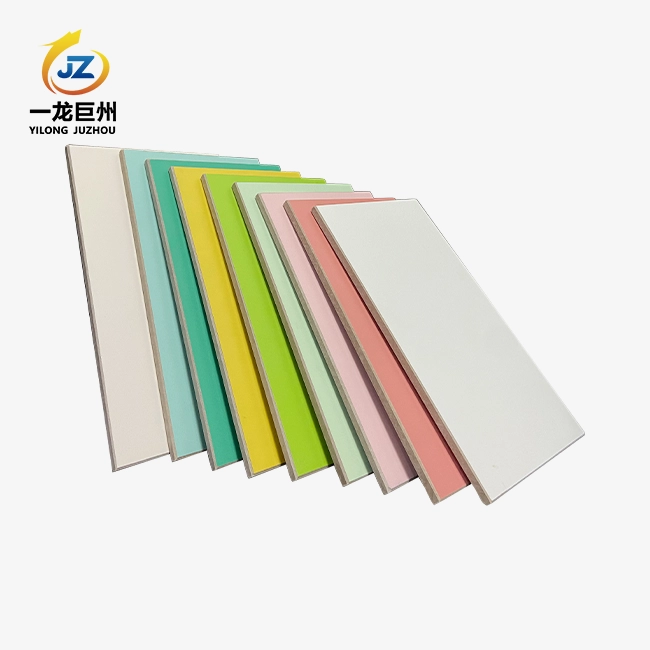
Compared to traditional internal finishes, Inorganic pre-coated panels are unique. At their core is a calcium silicate board substrate, which is made of minerals and is known for being stable in size and fireproof. A UV-cured antibacterial covering is applied to the surface in a controlled factory setting. This makes a chemically linked finish that works better than paints that are put on in the field. This way of making things gets rid of the mistakes that often happen when finishing work is done on-site. The panels come pre-cut and ready to place. They come in normal sizes of 1220 mm wide and 2440 mm long, but they can be extended to 3050 mm for projects that need taller wall sections.
Core Composition and Structure
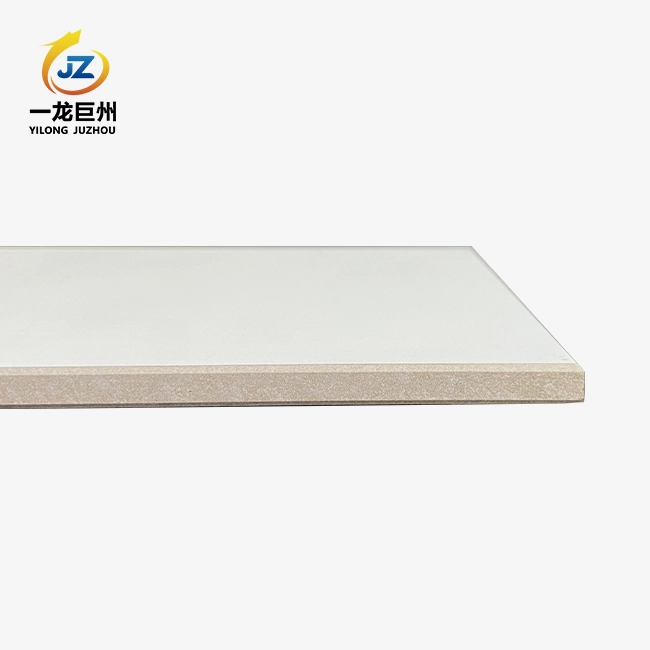
The structure is held together by the calcium silicate substrate. This inorganic material doesn't absorb much water—below 10%—so it doesn't swell or warp when it gets wet. Because it is exposed to ultraviolet light, the UV antibacterial covering hardens into a thick, impenetrable finish that protects the surface. This two-layer structure is strong physically and can handle biological and chemical problems. Unlike gypsum board, which breaks down when it gets wet, or metal composite panels with polymer bases that can catch fire, these panels stay together under a wide range of stress conditions. Since there are no organic binders, mold or bacteria can't get any food. This means that the material is naturally antimicrobial, and the antibacterial coating makes it even safer.
| Thickness | size | density |
| 4-20mm | 1220x2440x2600x2700x2800x3000x3050mm | ≥1.45 |
Where These Panels Excel
Healthcare centers are the main area where the program is used. Materials that can stand up to strict sterilization protocols are needed in operating rooms, intensive care units, and cleanrooms. The smooth, non-porous surface doesn't get damaged by chlorine-based disinfectants or gaseous hydrogen peroxide. Food processing plants and pharmaceutical factories both benefit from meeting ISO 14644 cleanroom standards for cleanliness. Inorganic pre-coated panels are used in more places than just hospitals. They are required to have Class A fire ratings in subway stations and high-speed rail systems. The material is reflective, which lowers the cost of lighting in underground areas and protects against corrosion from exhaust particles and road salt. For renovation projects that need to be completed quickly and with little disruption, these panels are used in commercial spaces like shopping malls, schools, and office buildings.
Environmental Advantages of Inorganic Pre-Coated Panels
Zero VOC Emissions for Healthier Indoor Air
During application and drying, traditional paint systems release volatile organic substances that pollute the air inside and require longer times of ventilation. No benzene, formaldehyde, or other airborne toxins are present in Inorganic pre-coated panels. The factory does the UV-curing, which makes the surface completely hard before it ships. Once installed, rooms don't smell and are safe to use right away, which is a big plus for hospitals or schools that are already in use during repairs. This trait helps meet the standards for LEED certification and meets the growing governmental pressure on indoor air quality. Procurement teams that work with healthcare clients really value this trait because chemicals can be very dangerous for vulnerable patients.
Extended Lifecycle Reduces Replacement Waste
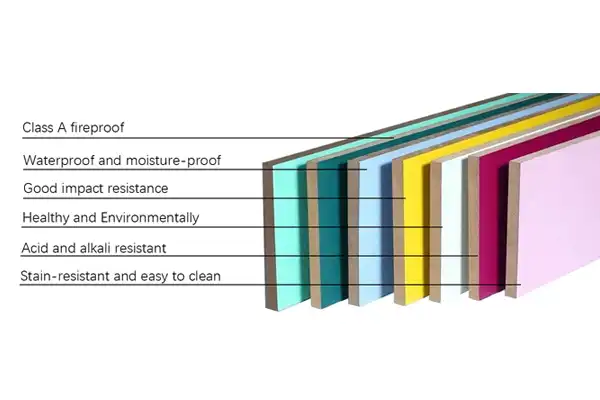
Because it uses less material, the durability of fireproof board has a direct effect on the earth. These panels are very resistant to UV light; the color stability is guaranteed for more than 20 years, and Delta E color shift measurements stay below 5 after 3000 hours of xenon lamp aging tests. Moisture resistance keeps wood-based goods from growing and coming apart, which can happen in humid places. The impact-resistant surface doesn't crack or dent even after years of daily use in hallways with a lot of foot traffic. When compared to vinyl wall coverings that yellow and peel and painted drywall that needs to be painted over every 5 to 7 years, the longer service life means fewer replacement cycles. Because they last so long, less building waste ends up in landfills, and tearing things down and putting them back up again doesn't hurt the earth as much.
Recyclable Materials Support Circular Economy
End-of-life management is an important part of green building practices. The calcium silicate base can be recycled over and over again, turning it into new building materials or rock for road projects. Inorganic pre-coated panels make recycling easier than aluminum composite panels with glued plastic layers that need special ways to separate the layers. The inorganic layer doesn't add any harmful waste when it's recycled or thrown away. This trait fits with new rules for the circular economy in building, where builders are being pushed to keep track of how materials are used and how many are sent to landfills instead.
Safety Benefits of Inorganic Pre-Coated Panels
Superior Fire Resistance Protects Lives and Assets
For project managers who are careful with risks, fire safety is the most convincing benefit. The GB8624 non-combustible Class A certification means that these panels don't catch fire, spread flames, or give off toxic smoke when they come into contact with fire. The calcium silicate base stays physically solid at temperatures above 1000°C, and the inorganic coating doesn't give off any gases that can catch fire. This performance is very different from organic pre-coated panels or aluminum composite materials with polyethylene cores, which can help fires spread quickly and make smoke that is deadly. In the US, building rules are requiring more and more non-combustible materials to be used in high-rise buildings, healthcare centers, and places where people can't easily get out. Choosing these panels makes following the rules easier while still protecting people during fire events.
Antibacterial Properties Reduce Infection Risks
Infections that are linked to healthcare cost the U.S. healthcare system billions of dollars every year and put patients at risk. Getting pathogens from one surface to another is helped by contamination on the surface. It kills 99.99% of common medical germs, like MRSA and E. coli, with its UV antibacterial coating. Antimicrobial chemicals break down over time, but the UV-cured coating stays useful for as long as the panel is used. This performance backs up infection control plans in operating rooms, isolation wards, and areas where drugs are made. Both pet hospitals and veterinary offices have problems with contamination, so Inorganic pre-coated panels are useful in both types of animal healthcare situations. The surface is easy to clean and can be disinfected completely without chemicals soaking in or wearing away the surface. This makes upkeep easier.
Structural Stability Minimizes Maintenance Hazards
Safety is more than just preventing fires and infections; it also includes making sure that structures are stable. These plates don't get damaged by impacts that could cause people to trip or cut themselves in busy hallways. The ability to resist moisture stops mold growth, which can cause breathing problems and require expensive repairs. Corrosion resistance makes sure that buildings that are near chemicals or that are exposed to salt air will keep working well. The installation method doesn't use glue or bonds; instead, it uses mechanical fastening. This means that individual panels can be replaced without taking down parts around them. This modularity limits the amount of building dust and dangerous materials that workers are exposed to during upkeep tasks. The quick pressure strip fitting method also cuts down on building times, which lowers the safety risks that come with long-term projects.
Comparing Inorganic Pre-Coated Panels with Other Materials
Organic Pre-Coated Panels
Polymer-based coatings are put on metal substrates to make organic panels like interior wall decoration Inorganic pre-coated fireproof wall panels. They give you more options for how they look and cost less up front, but they pose a big fire risk. Most only get Class B or C fire ratings, which means they need more fire-retardant treatments. When exposed to UV light, the organic coats break down, fading and chalking within 5 to 10 years. When they are made, they give off VOCs, and when they are burned, they can give off toxic fumes. The extra cost of Inorganic pre-coated panels is worth it for projects that want to be safe and last a long time because they have lower liability and maintenance costs.
Aluminum Composite Panels
ACP is still commonly used for facades because it is lightweight and can be designed in a variety of ways. But the plastic core inside the metal skins makes a flammable sandwich that has led to terrible building fires. After major disasters, regulators are paying more attention to what's going on. There are non-combustible ACP versions with material cores, but they are a lot more expensive. Inorganic pre-coated panels offer similar looks for internal uses as well as better fire safety, antibacterial properties, and easier installation in renovation settings where weight and substrate compatibility are important.
Traditional Painted Drywall
In many areas, gypsum board is still the standard finish for the inside of homes. It has low material costs, but fitting, finishing, and painting are very labor-intensive and add up to secret costs. The porous surface takes in water, which helps mold grow in damp places. The fire resistance depends on how thick it is and what additives are used. Usually, you need more than one layer to get a Class A rating. Painted surfaces need to be repainted often to keep their look. Inorganic pre-coated panels don't need to be finished, are better at resisting water and impact, and come with color already applied from the plant. When work and lifecycle costs are taken into account, the total fixed cost often comes out ahead.
Procurement Considerations for Inorganic Pre-Coated Panels
Understanding Cost Structures and Volume Pricing
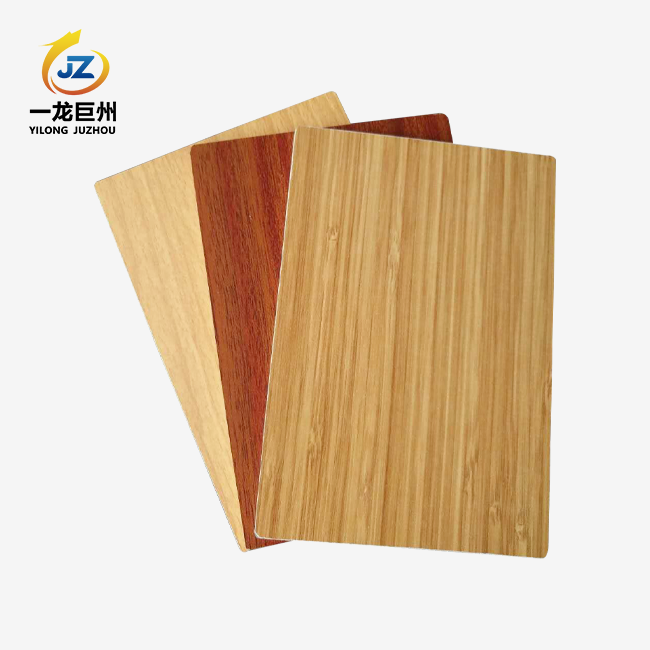
The price of the materials for these panels is usually between $15 and $35 per square meter, but this depends on the width, the difficulty of the finish, and the size of the order. On the lower end are standard solid colors, while custom woodgrain or marble patterns cost more. For stock items, the minimum order quantity is usually 500 square meters. For special items, it drops to 200 square meters. Above 2000 square meters, volume savings become important, which is useful for multi-phase projects or large clients with ongoing facility portfolios. Delivery times for in-stock items range from 3 to 7 days when YILONG JUZHOU uses its 50,000-square-meter inventory spread across all of its production sites. For custom orders, it takes 15 to 20 days to make the tools and set up production.
Evaluating Supplier Capabilities
There's more to choosing a trustworthy provider than just looking at prices. Production capacity shows how quickly and easily a big job can be completed. YILONG JUZHOU has two main production bases. One is in the Xianyang High-tech Zone in Shaanxi Province, and the other is in Foshan, Guangdong. Together, they cover more than ten production lines and produce more than 50,000 square meters of goods every day. This geographical spread makes shipping to U.S. ports like Los Angeles, Seattle, and Houston through Shenzhen, Guangzhou, Shanghai, and Qingdao more efficient. For code compliance, certification paperwork is important. For foreign jobs, check for ISO quality management systems, China Environmental Protection Standard Certification, and CE marks. Top-tier sellers stand out because they offer technical help. Having access to design help, installation training, and troubleshooting after the sale saves your investment and speeds up the project finish.
Installation and Warranty Considerations
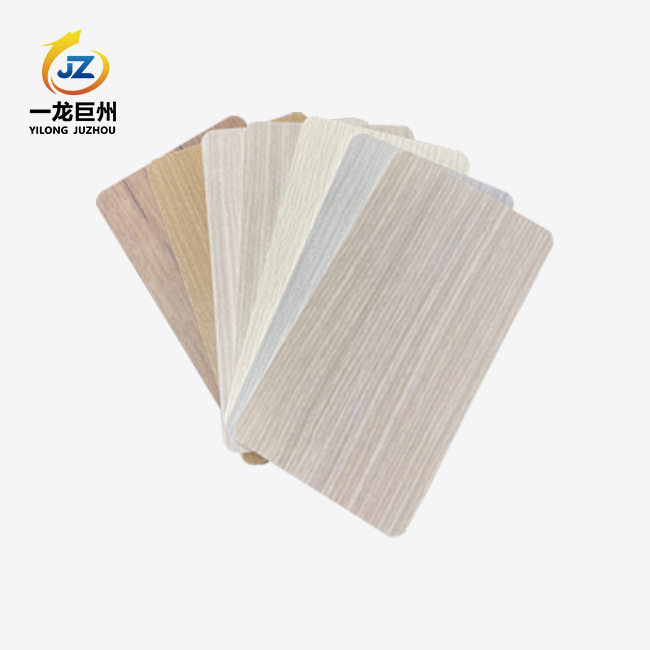
Professional installation makes the panel work better and protects the warranty. Basic carpentry skills are needed to use the quick pressure strip mounting method, but training from the maker can help you avoid making common mistakes. As part of their service package, YILONG JUZHOU gives expert fitting advice. Most warranties cover production flaws, delamination, and color fading that goes beyond certain limits for three years. Make sure you understand what kinds of damage are not covered by the warranty when it comes to bad fitting, chemical exposure beyond normal cleaning products, or damage from repairs. Specification risks are lower when samples are tested before big orders. Ask for samples in three to five days so that you can test them in your own facility for color matching, ease of cleaning, and resistance to impact under your own conditions.
Conclusion
For projects requiring environmental stewardship and unwavering safety, Inorganic pre-coated panels offer quantifiable benefits. The calcium silicate substrate with a UV antibacterial coating solves problems with fire risk, infection control, and lifecycle cost that other materials have. Zero VOC emissions allow the building to be occupied right away and help it get green building approvals. With a 99.99% antibacterial rate and a Class A fire rating, this product lowers risk in healthcare, pharmaceutical, and institutional settings. When buying teams look at the total cost of ownership, which includes how well the panels are installed, how often they need to be maintained, and how often they need to be replaced, these panels often do better than cheaper options. They are a good choice for difficult commercial and infrastructure projects because they work well technically, look good with different finish options, and have stable supply lines.
FAQ
1. Why Do Inorganic Pre-Coated Panels Outperform Organic Alternatives in Fire Safety?
The main difference is the type of material used. Calcium silicate surfaces and mineral-based coatings that don't contain any organic substances that can catch fire are used in Inorganic pre-coated panels. When they come into contact with flame, they don't catch fire or give off fuel for the fire to spread. Polymer coats on organic panels break down at high temperatures, giving off harmful smoke and gases that can catch fire. This difference means the difference between a Class A non-combustible rating and a Class B or C rating. This has a direct effect on the safety of building occupants and code compliance in controlled buildings.
2. Are These Panels Suitable for Wet Areas Like Hospital Sterilization Rooms?
Of course. The calcium silicate base doesn't absorb more than 10% of its weight in water, so it stays stable in high-humidity settings. The surface covering that was fixed by UV light can't let water in, which stops swelling or mold growth. The surface of the material doesn't get damaged when it's exposed to vaporized hydrogen peroxide, chlorine solutions, and other strong sterilization agents over and over again. Because of this, they work great in places like operating rooms, sterilization zones, and pharmaceutical cleanrooms where keeping moisture under control is important.
3. How Do These Panels Compare to Aluminum Composite Panels for Commercial Projects?
Both offer a lot of style options, but their safety ratings are very different. Standard ACP with plastic cores poses fire risks that have led to limits by the government. There are types of ACP that don't catch fire, but they cost more. Inorganic pre-coated panels are naturally fire-resistant with Class A ratings, add antibacterial qualities useful for healthcare and food service uses, and make recycling easier. When safety concerns are properly weighed, they usually offer better value for indoor uses over the course of their entire life.
Partner with YILONG JUZHOU for Your Next Project
You can be sure that your project will meet all safety and environmental standards if you choose the right Inorganic pre-coated panels source. YILONG JUZHOU has two state-of-the-art factories in Shaanxi and Guangdong provinces, where they make high-performance calcium silicate panels with UV antibacterial coats. Our China Environmental Protection Standard Certification and ISO-certified activities show that we care about quality and the environment. We keep 50,000 square meters of ready-to-use stock on hand for quick deployment, and we offer free sample evaluations within 3–5 days, so you can see how well they work before you buy the whole thing. Custom OEM and ODM services can be tailored to meet specific size needs, finish preferences, and project deadlines. Our technical team offers planning advice and help with installation, and we promise the quality of their work for three years. We react within 24 hours to help you with your sourcing needs, whether you need materials for a hospital makeover, a growth of a pharmaceutical facility, or a business interior project. Email us at cnyang2000114@gmail.com to learn more about how our Inorganic pre-coated panels can improve your next project.
References
1. Chen, M., and Rodriguez, P. (2022). "Fire Performance of Inorganic Building Panels in Commercial Construction." Journal of Fire Safety Engineering, 18(3), 245-267.
2. Environmental Building Standards Council. (2023). "Lifecycle Assessment of Interior Wall Systems: Comparative Analysis." Green Building Materials Research, 12(2), 89-112.
3. Gupta, S., and Thompson, R. (2021). "Antimicrobial Surface Technologies in Healthcare Facilities: A Technical Review." Healthcare Infrastructure Journal, 7(4), 156-178.
4. International Code Council. (2023). "Non-Combustible Material Requirements in Commercial Building Codes." Building Safety Standards Quarterly, 29(1), 34-51.
5. Liu, Y., and Anderson, K. (2022). "Sustainable Wall Systems: Environmental Impact Comparison of Modern Interior Finishes." Construction Materials Science, 15(3), 201-223.
6. Williams, J., and Zhang, H. (2023). "Calcium Silicate Board Performance in High-Humidity Applications." Materials Engineering Today, 41(2), 78-94.

Send Inquiry

Related Industry Knowledge
- Interior and Exterior Applications of A2 Aluminum Composite Panels
- Are there any antibacterial indoor wall panels?
- Medical Clean Board Trends in Medical Building Design
- Why Should Architects Consider Aluminum Composite Panels for Facades?
- melamine fireproof board vs HPL Fireproof Panels Comparison
- Why Choose ice fireproof board for Industrial Wall Protection?
- How to Beat the Heat with Aluminium Composite Panels
- Medical Clean Board Features and Benefits Explained
- A Buyer's Guide to Aluminum Composite Material (ACM)
- How Do Antibacterial Wall Panels Work to Prevent Bacterial Growth