
Are there any antibacterial indoor wall panels?
August 12, 2026
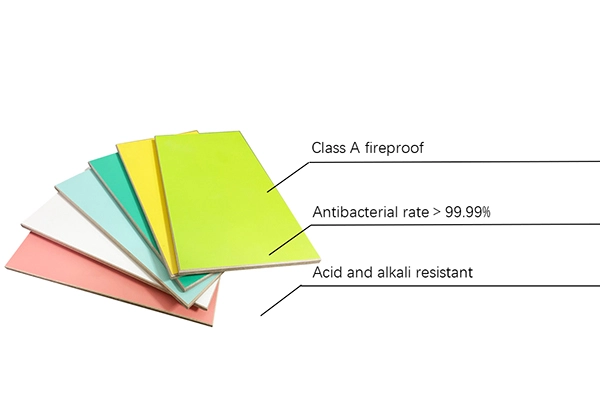
Antibacterial indoor wall panels are readily available and increasingly essential for facilities prioritizing infection control and hygiene. These specialized wall coverings incorporate antimicrobial agents—typically silver ion technology, copper nanoparticles, or UV-cured antibacterial coatings—that actively inhibit bacterial growth on surfaces. Modern Antibacterial wall panels can achieve up to 99.99% antibacterial efficacy against common pathogens, including Staphylococcus aureus and Escherichia coli. Healthcare facilities, food processing plants, pharmaceutical factories, and educational institutions across the United States now rely on these high-performance surfaces to meet stringent hygiene standards while reducing maintenance burdens and protecting occupant health in high-traffic environments.
Send Inquiry
What Are Antibacterial Wall Panels and How Do They Work?
Antibacterial wall panels are a big step forward in the way building materials are made. And they are made to fight microbes in places where cleanliness is very important. These panels are different from most wall finishes because they are made with antimicrobials already in them.
The Science Behind Antimicrobial Protection
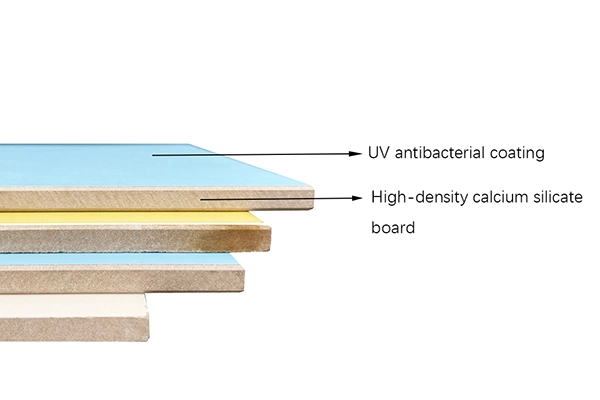
Because of their unique surface treatment, Antibacterial wall panels function. Most durable panels are made with a base made of calcium silicate board that has antibacterial layers that are set by UV light. Antimicrobial agents fuse with the top layer during the UV hardening process. In the process, a thick film forms that protects against germs and stops enzymes from doing their job, which is necessary for germs to multiply. The biofilm effect stops the development of biofilm, which is the sticky layer where bacteria live and grow. Of course, this means that surfaces are not good places for pathogens to live. The technology hasn't run out yet and still works. Even after being cleaned thousands of times, it still kills germs.
Core Material Components
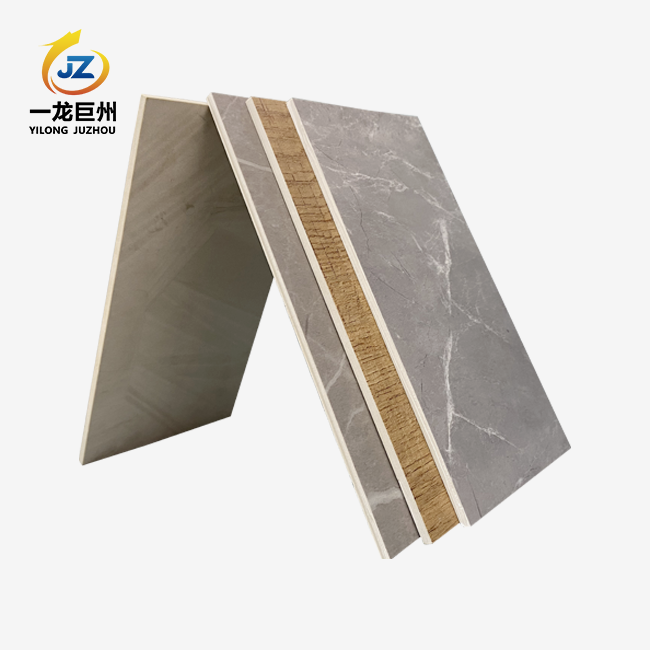
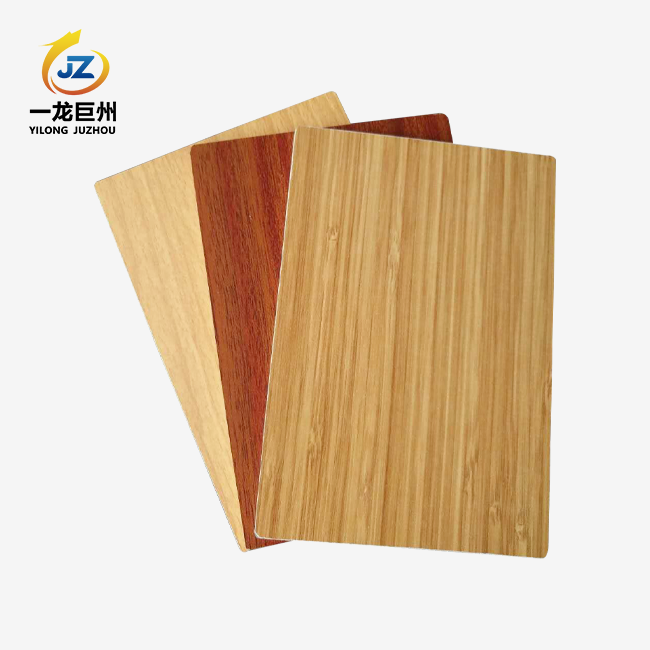
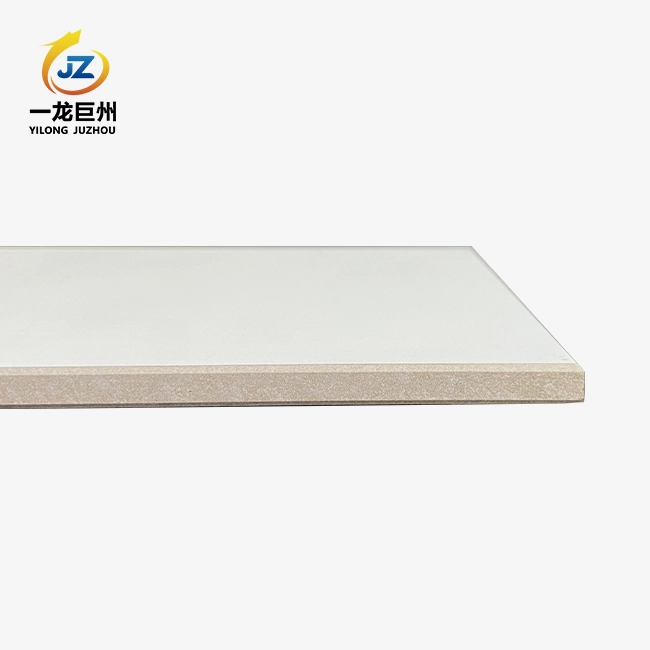
These days, Antibacterial wall panels have more than one layer, which makes them look better and work better. Calcium silicate board is often used as the base because it doesn't catch fire, stays in shape, and doesn't let water in. Either a UV antibacterial paint or an antimicrobial PVC film has been used to treat the surface of this substrate. This stops germs from spreading and lets you create in many ways. Patterns made of wood, marble, metal, or cloth can be added to the top layer instead of plain colors. Infection control won't get in the way of what the architect wants to do this way.
Regulatory Compliance and Safety Standards
Antibacterial wall panels that have a good image follow strict rules for testing that are used all over the world. Antimicrobial properties can be proven in controlled lab tests according to ISO 22196 and JIS Z 2801. Fire resistance ratings, such as GB8624 Class A non-combustible grade, make sure that people are safe in the places where they are used. Environmental certifications that say the building doesn't release benzene or other volatile substances are also very important. This is especially true for schools and healthcare facilities where vulnerable people spend a lot of time.
Key Benefits of Using Antibacterial Wall Panels in Commercial Spaces
When choosing a wall covering for a sensitive area, Antibacterial wall panels have a lot of benefits that make them useful and lower the risk of harm.
Healthcare Infection Control
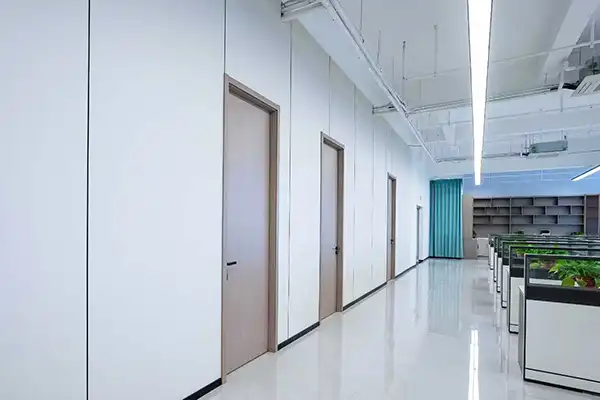
Hospitals, operating rooms, and medical aesthetic centers are always being told to cut down on healthcare-associated infections (HAIs). Antibacterial wall panels make a big difference in how well you can stop infections because they get rid of a big space where germs can live between cleanings. Pathogens can move from one place to another through surfaces in the environment, according to clinical studies. This bio-burden is constantly lowered by walls treated with antimicrobial technology, which works with hand hygiene rules and cleaning processes at the stations. There are no gaps between the panels when they are put up, so there are fewer places for organic matter to gather. Pathogens will have a harder time setting up colonies.
Food Safety Compliance
Rules from HACCP, FSMA, the FDA, and the USDA say that surfaces in places that prepare food, serve food to businesses, and make medicines must be clean. When it's really humid outside, Antibacterial wall panels don't let mold grow. They can also handle the quick temperature changes that happen when you clean, and they keep killing germs even when they come in touch with acidic food waste. Because it is resistant to water, the material keeps it out. If it got wet, Listeria and Salmonella could grow easily behind wall surfaces. Since there is more safety, deep cleaning doesn't have to be done as often, and there is more time between maintenance jobs and big improvements.
Operational Cost Efficiency
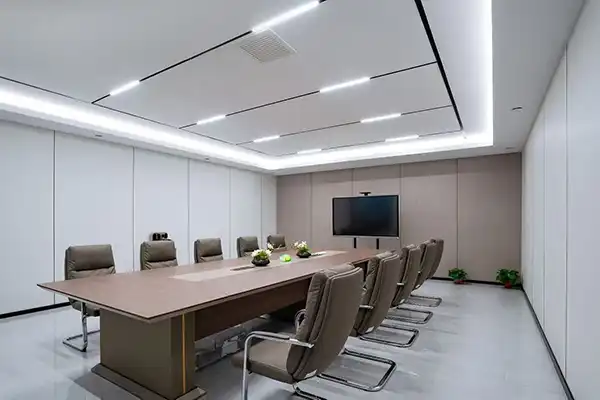
Medical antibacterial wall panels not only make things cleaner, but they also help the business in a small way. The way they're built makes them hard to damage—they usually have a Shore D hardness above 70—so machine crashes don't dent or crack them. This makes it cheaper to fix things in places where a lot of people walk by. It's hard for strong cleaning agents like quaternary ammonium compounds, hydrogen peroxide mist, and chlorine bleach to damage a surface that has been UV-cured. The panels will look good and work well for a long time because of this. Maintenance teams say they don't have to work as hard because the surfaces don't hold dirt or grime, so it's easy to clean them regularly. This keeps germs from building up on the walls, which happens when you paint them.
How to Choose the Best Antibacterial Wall Panels for Your Business
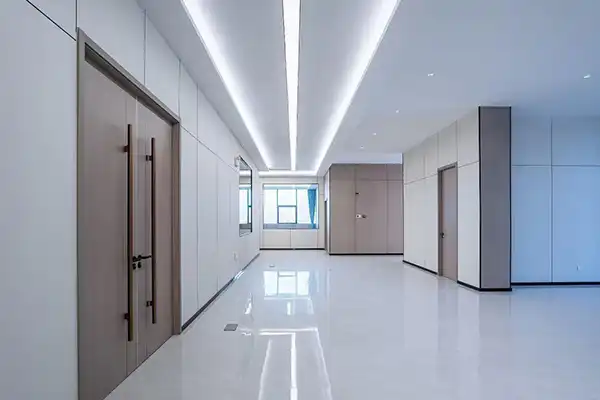
When picking the right Antibacterial wall panels, you should carefully consider how the building will be used, what the law requires, and how it will look.
Material and Performance Specifications
How long Antibacterial wall panels last and what they can be used for depend on how thick they are. There are 4.5mm to 20mm widths that can be used for different building needs. Covering up old walls with thinner panels is fine, but thicker panels are better for places like factories or hospital hallways where gurneys and other equipment often hit surfaces. Most panels are 1220 mm wide and 2440 mm long, but you can get them in any height you want, up to 3050 mm. These sizes make fitting easier because there are fewer seams. However, different sizes can be made to meet the needs of a particular design. Make sure that the product's specifications say that it is at least 99.99% effective at killing bacteria, that it is fireproof according to GB8624 Class A, and that it is resistant to moisture and mold.
Application Environment Considerations
Every building has its own issues that should be thought about when picking out materials. In operating rooms and intensive care units (ICUs), Antibacterial wall panels need to be able to handle being exposed to strong sterilants while still keeping their joints sealed against airflow. In drug plants, cleanrooms need materials that don't make fine dust and can clean up chemical spills. Veterinarian offices and pet hospitals need floors that don't break down when pets walk on them or when they are cleaned a lot. Panels that kill germs and block noise well are good for schools because they make learning spaces better. When procurement teams understand these complicated needs, they can better match the specs of panels to the stresses of real-world operations.
Installation and Long-Term Support
A lot less work is needed to install modern Antibacterial wall panels than it was in the past when tiles or paint were used. This is because they use quick pressure strip installation methods. With this factory-customized method, panels can be put up in building areas that are still empty. This cuts down on project timelines and lets people move in right away because UV-cured surfaces don't smell or have volatile organic compounds. More weight should be given to providers that offer full professional support, such as help with planning, installation, and quick service after the sale. If the panel comes with strong protection that lasts at least three years, it means that the antimicrobial properties and structural stability will work as promised for as long as it is used.
Where and How to Procure Antibacterial Wall Panels - A B2B Perspective
If you want Antibacterial wall panels that work well, you need to work with manufacturers who are both technically skilled and reliable.
Supplier Evaluation Criteria
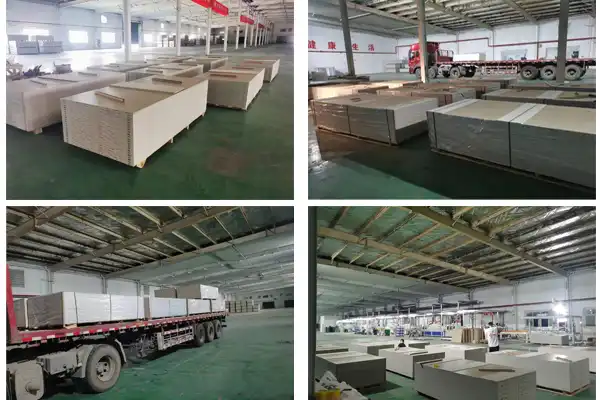
There should be clear records from hospital decoration antibacterial wall panel manufacturers you can trust that show their goods are safe for the environment, don't hurt bacteria, and meet fire safety standards. These records could include test results from a third party. Find providers who already have places where they make things. Having two places to make things makes the supply chain more stable and gives you more choices for where to set up your project's activities. The ability to make Antibacterial wall panels is very important. Any provider with a huge stock (at least 50,000m²) and fast production (3–7 days) can handle both planned projects and last-minute repairs without slowing down shipping times. It shows that your company is mature enough for complicated business-to-business relationships if you answer messages quickly—ideally within 24 hours.
Customization and Value-Added Services
By getting free samples, your team can test the Antibacterial wall panels out in real life before making big orders. They can check out how they feel, how true the colors are, and how simple it is to clean them. OEM and ODM skills are very important for projects that need to be made in certain sizes, colors, or with a unique pattern that fits with the personality of a brand or an architectural theme. Sample customization services that deliver in 3–5 days show that the production process is flexible during the definition phase, when architects and designers need real mockups to show to clients.
Logistics and International Considerations
To find a provider for a project in the US, look at their export facilities. For example, find out how easy it is for them to get to major shipping places like Shenzhen, Guangzhou, Shanghai, and Qingdao, and find out how much experience they have with logistics in other countries. Manufacturers who know about U.S. building codes and certification requirements can speed up the inspection and permit processes by giving the right paperwork at the right time. Make sure you know the rules about how to package the Antibacterial wall panels so they arrive in one piece. Also, find out if there are freight transfer services that can help you get the panels through customs and to your project site more quickly.
Antibacterial Wall Panels Vs. Other Wall Covering Solutions: A Comparative Analysis
How Antibacterial wall panels compare to other finishes can help project budgets understand why they should be used.
Performance Against Traditional Materials
Tile projects made of ceramic last a long time, but the grout lines are full of germs and need a lot of care. At first, painted surfaces are cheaper, but they need to be painted again and again. This is especially true in healthcare settings where chemical cleaners make wear and tear happen faster. Normal wall coverings don't have any germ-killing abilities, so they can't stop pathogens from spreading. Wallpapers, even ones that are vinyl-coated, can't handle the harsh cleaning methods used in hospitals or food processing plants. While passive materials can't clean themselves, Antibacterial wall panels can. They last as long as hard surfaces and don't need to be cleaned.
Lifecycle Cost Analysis
Antibacterial wall panels cost more than regular paint or wallpaper at first, but they end up being cheaper over time. You don't have to paint them every two to three years, which saves money, because they last longer—often more than 10 years before they need to be changed. For big places, the savings add up to a lot of money because there is less cleaning to do and fewer HAI liability events. Because the panels are colorfast, they will never fade or change color like regular finishes do when they are exposed to UV light. For this reason, they will keep their good looks over time.
Installation Speed and Disruption
When fixing up a building that is already being used, the work should be stopped as little as possible. Putting up Antibacterial wall panels is faster than tiling (which takes longer to dry) or painting several coats (which need to be touched up more than once). UV-cured panels can be used right away because they don't smell, so there is no time for paint fumes to escape. This benefit is very helpful in places like hospitals and food processing plants where care for patients must not stop and strict production plans are needed.
Conclusion
Antibacterial wall panels for indoor use used to be niche items, but now they are essential building materials for any area that needs to be clean, last a long time, and follow the rules. The antimicrobial coats on these panels are UV-cured and are put on top of fire-resistant calcium silicate bases. They keep germs from taking over and can stand up to the harsh cleaning methods used in healthcare, food processing, and pharmaceutical settings. Because they kill 99.99% of bacteria and have Class A fire resistance, moisture resistance, and impact durability, they are perfect for heavy-duty business uses. When properly chosen and put in place, these panels lower the risk of infection, lower the cost of maintenance, and make interior surfaces last longer, which makes them very valuable over time.
Frequently Asked Questions
1. Are antibacterial wall panels safe for all indoor environments?
For places where people live, work, and eat, such as hospitals, schools, and food processing plants, Antibacterial wall panels that meet ISO standards and environmental certifications are safe. When UV light hits the surface, it forms a thick film that doesn't give off any flammable chemical molecules. They can be used by even groups that are being careful. It has been approved by GreenGuard that panels made of benzene-free materials with low VOC emissions are safe to be exposed to indoors for a long time.
2. How should facilities maintain antibacterial wall panels to preserve their effectiveness?
The germ-killing properties of Antibacterial wall panels still work after normal cleaning methods have been used. It stays clean and look good as long as you clean them regularly with disinfectants that have been approved, such as quaternary ammonium compounds, hydrogen peroxide solutions, or bleach that has been dampened. Since there are no holes on the surface, dirt lifts off easily and only needs water to be wiped off. Do not use rough cleaners or tools that could scratch the protective layer. The antifungal effect lasts only as long as the surface is stable.
3. Can antibacterial panels genuinely reduce hospital-acquired infections?
However, there is no one way to fully get rid of HAIs. Antibacterial wall panels are a useful part of general plans to stop infections. Pathogens can live on surfaces in the environment between cleanings. This bio-burden is always being lowered by antimicrobial screens. Claims show that cleaning up the environment lowers the overall rate of spread when combined with hand hygiene, germ-killing processes, and antibacterial care programs.
Partner with YILONG JUZHOU for Premium Antimicrobial Wall Solutions
Antibacterial wall panels are what YILONG JUZHOU does best, and they are made to meet the strict needs of buildings across the country that are used for healthcare, food processing, pharmaceuticals, and institutions. We have two production bases in Shaanxi and Guangdong provinces. Between them, they hold more than 50,000 m² of stock and can make Antibacterial wall panels quickly (3–7 days), which helps you keep your project plans on track. Our UV-cured antimicrobial surfaces can be tried out by your team before committing to full orders. We send free, customized samples within 3–5 days on business days. As a reputable company that makes Antibacterial wall panels that is ISO and CE-certified, we offer full OEM/ODM services, design advice, installation technical support, and a three-year quality warranty. Email or call our team at cnyang2000114@gmail.com to talk about your specific needs and get a price that fits your area.
References
1. Healthcare Environmental Hygiene Study Group. "The Role of Environmental Surfaces in Healthcare-Associated Infections." Journal of Hospital Infection, vol. 92, no. 3, 2019, pp. 235-250.
2. American Institute of Architects. "Guidelines for Design and Construction of Hospitals and Outpatient Facilities." Facilities Guidelines Institute, 2018 edition.
3. National Sanitation Foundation International. "Protocol P335: Antimicrobial Wall Covering Materials." NSF International Standard, 2020.
4. Food and Drug Administration. "Food Code: Sanitary Design and Construction of Food Facilities." U.S. Department of Health and Human Services, 2017.
5. Building Research Establishment. "Comparative Lifecycle Cost Analysis of Interior Wall Finishes in Healthcare Environments." BRE Global Technical Report, 2019.
6. International Organization for Standardization. "ISO 22196:2011 - Measurement of Antibacterial Activity on Plastics and Other Non-Porous Surfaces." International Standards Organization, 2011.

Send Inquiry



Related Industry Knowledge
- What is an aluminum composite panel?
- Unlocking Quality: A Comprehensive Guide to Sourcing Premium HPL Fireproof Boards Globally
- What is HPL fireproof board?
- Why is the Negative Ions Healthy Panel Ideal for Hospital Wall Decoration?
- Inorganic pre-coated panels vs Organic Coated Boards Comparison
- What Is ice fireproof board and How Does It Resist High Heat?
- Why Choose ice fireproof board for Industrial Wall Protection?
- Antibacterial wall panel medical rigid sheet wall protection
- What safety precautions should I take when cutting aluminum composite panels?
- How to Choose the Best Medical Clean Board