
What is HPL fireproof board?
August 4, 2026
Hospitals, airports, and modern office buildings commonly feature smooth, durable wall surfaces that maintain their appearance and meet safety requirements even after years of continuous use. In many of these applications, HPL fireproof board has been a widely adopted interior building material for more than two decades. High-pressure laminate surfaces bonded to a fire-resistant calcium silicate core make up an HPL fireproof board. Featuring aesthetic versatility and Class A fire resistance, this designed surface resists flames, moisture, germs, and impact. These boards fulfill life safety requirements and provide design freedom for healthcare, transportation, and institutional buildings, unlike painted walls or laminates. Fire-safe construction materials are more important due to tighter International Code updates and US insurance regulations. With staggered building timeframes, procurement managers must now find products that pass ASTM E84 testing on time. This handbook discusses HPL fireproof board technical parameters, procurement concerns, and strategic value proposition for architects, project managers, and supply chain experts working on big commercial projects.
Send Inquiry
Understanding HPL Fireproof Board
The Manufacturing Process and Core Structure
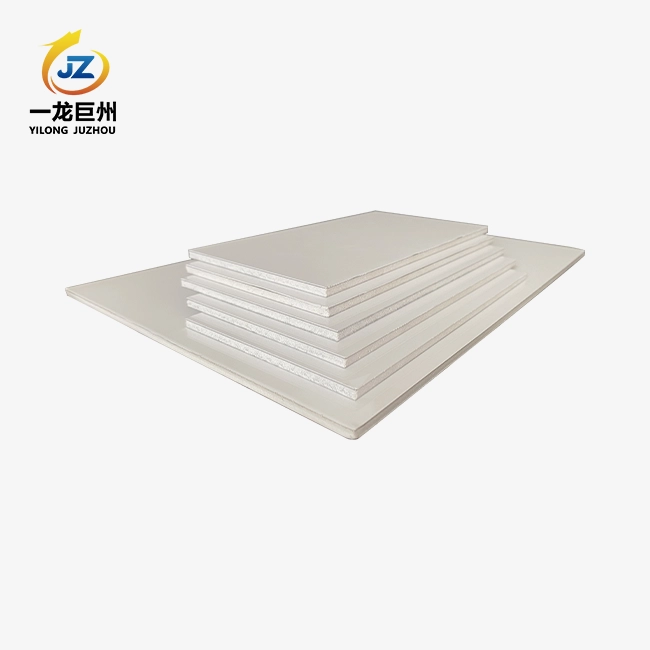
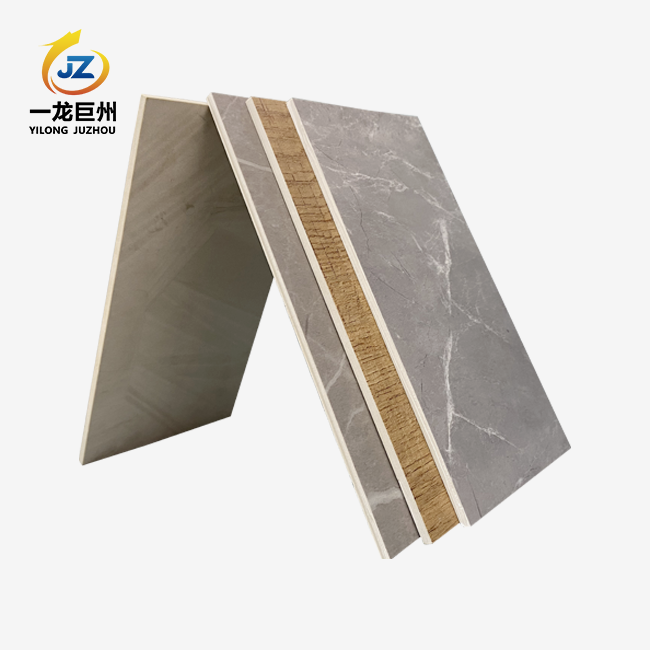
HPL fireproof boards are made using a complex layering method in which ornamental melamine-impregnated papers are combined with phenolic resin-saturated kraft papers at temperatures around 150°C and pressures over 1,000 PSI. The calcium silicate base between two HPL surface layers is what makes our boards at YILONG JUZHOU stand out. Calcium silicate is very stable in terms of its shape and doesn't give off harmful fumes when it comes into contact with flames.
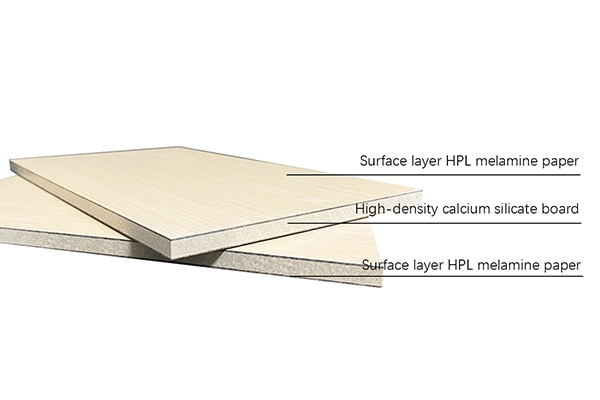
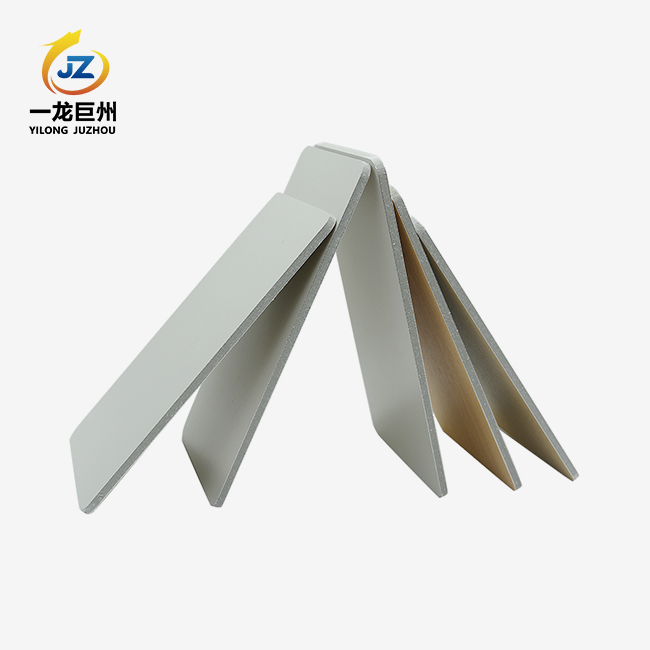
This three-layer construction makes a panel that is 4.5mm to 15mm thick and has standard dimensions of 1220mm wide and 2440mm long. For projects that need taller wall sections, the panel can be extended to 3050mm. The calcium silicate core keeps the structure strong even when it's near a direct flame for a long time. This keeps it from collapsing completely as gypsum-based alternatives do in the same situation.
Key Performance Characteristics
Fire protection is what makes our boards unique. They get Class A scores according to ASTM E84 standards, which means they have a flame spread index below 25 and smoke development below 450. The most strict occupancy types listed in the NFPA 101 Life Safety Code are met by this group. These include hospitals and enclosed mall areas.
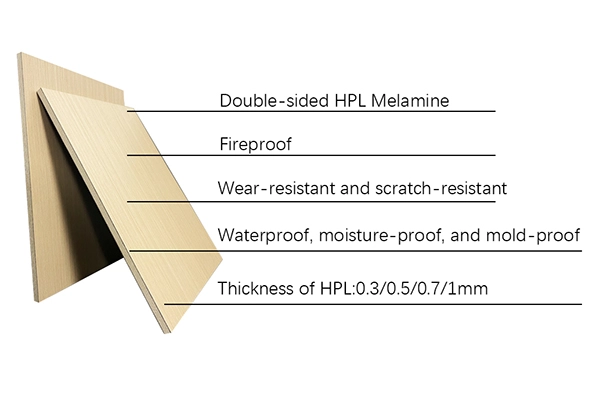
With ISO 22196 testing procedures, it was proven that the antibacterial surface treatment kills 99.99% of common germs like Staphylococcus aureus and Escherichia coli. This performance comes from silver-ion chemicals that were mixed into the melamine resin layer while it was being made. This feature is especially useful for healthcare facilities because it lowers the risk of hospital-acquired infections without the need for constant antibacterial coating treatments that wear off over time.
Testing for moisture resistance of HPL Wall Protection Panel shows that boards change in size by less than 1% when exposed to 95% relative humidity for 72 hours. This means that they can be used in wet places and in places near water sources. Mould can't grow on the non-porous HPL surface, which is a common problem with regular plasterboard in coastal areas and basements.
How Fire Resistance Mechanisms Work
When exposed to fire, the calcium silicate core goes through an endothermic reaction that soaks up heat. This slows the transfer of heat to materials behind the wall assembly that can catch fire. At the same time, the HPL surface creates a char layer that protects the materials below and gives off very few toxic chemical compounds. Independent tests show that these boards can keep their structural strength at temperatures above 800°C for more than 60 minutes. This gives people important time to get out of the building in case of an emergency.
The flame spread ratings and the smoke toxicity profile are both important. Compared to wood-based panels, our mixture makes smoke with a relatively low quantity of hydrogen cyanide and carbon monoxide. This addresses life safety issues in high-occupancy buildings where smoke inhalation is the main cause of fire-related deaths.
Advantages and Applications of HPL Fireproof Boards
Primary Performance Benefits
Building owners save money over time because HPL fireproof boards last. Surface wear testing with the Taber Abraser shows that these panels can last over 1,000 cycles before the pattern fades. That outlasts melamine-faced particleboard fivefold. This reduces replacements in high-traffic locations, saving materials and labor over a 20-year construction.
Fast and simple installs are another perk. No caulking or curing is needed to apply our quick-mounting pressure strip technology on bare walls without wet trades. A skilled two-person crew can finish 300 square meters per day, while a normal tile installation team can only finish 100. In busy settings like hospitals, maintenance efforts must be fast to minimize disruption.
Its small weight—8 kg per square metre for 6 mm thickness—makes moving it simpler and reduces floor load. This feature helps add heavy cladding systems to older structures that weren't designed for them, saving money on structural reinforcement.
Diverse Application Environments
Healthcare, a major market, combines infection control and chemical resistance. Cleaning the operating room walls daily with quaternary ammonium disinfectants and bleach must not harm the surfaces. After 500 hospital-grade chemical cleanings, our HPL surfaces remain bright. This beats epoxy-coated steel panels, which rust at fastener holes.
Transportation infrastructure projects increasingly specify fire-rated wall panels for tube stops, airport terminals, and train platforms. Fire safety, vandalism resistance, and easy writing removal are all needed. Common solvents may remove spray paint and permanent markers from non-porous HPL without staining. Thus, purposely damaged public spaces remain attractive.
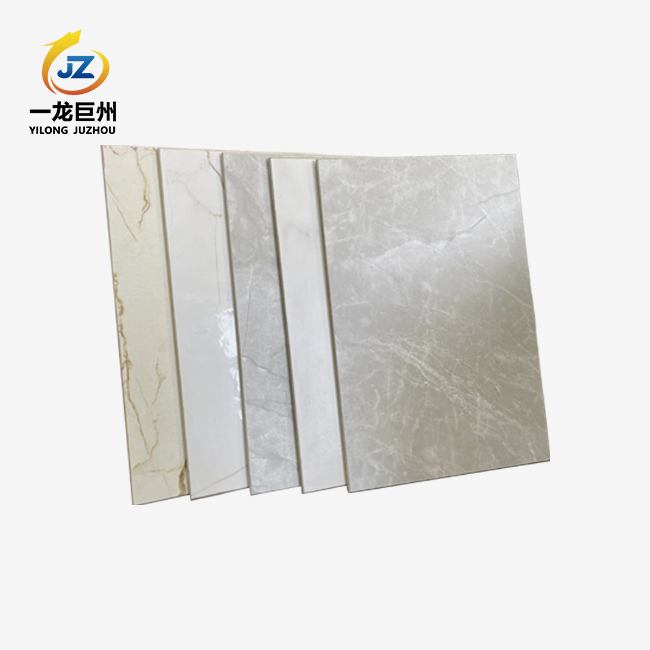
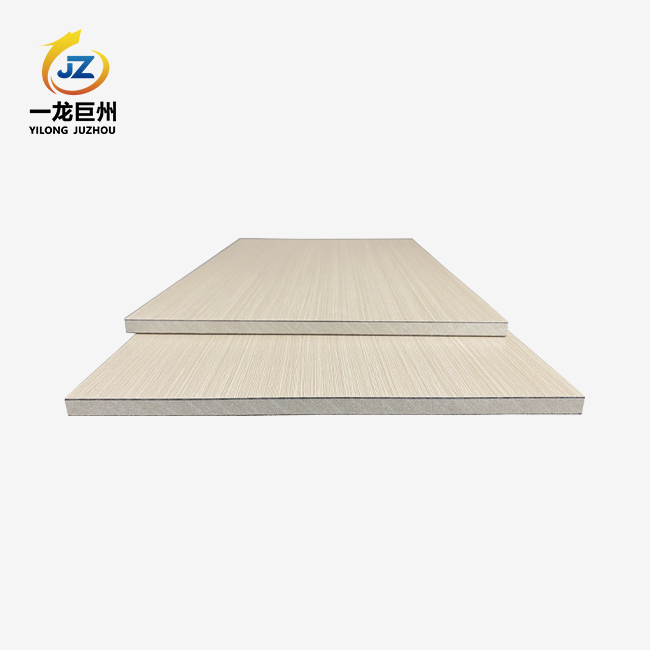
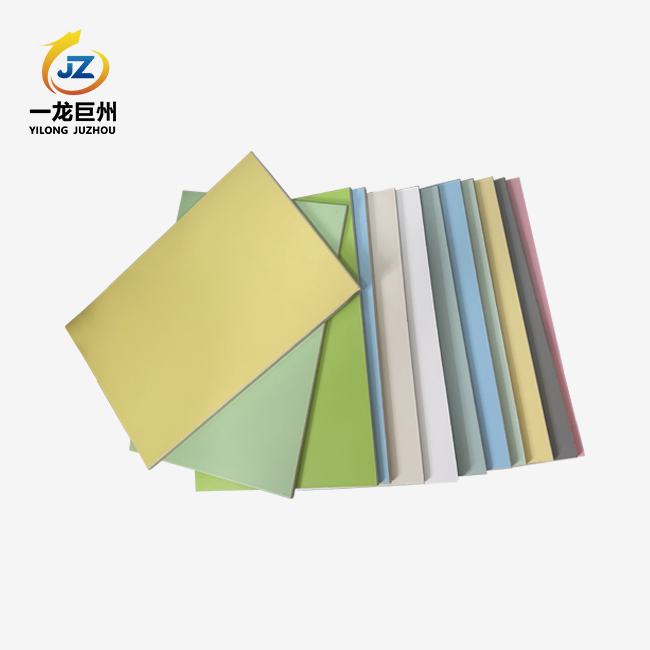
Class A office buildings and luxury hotels use HPL boards' design flexibility. Our assortment includes solid colors, wood grain simulations, marble patterns, metallic treatments, and textile textures. These let architects create high-end looks that meet fire codes. With this much flexibility, you don't have to choose between safety and style like older fire-rated materials.
Installation and Maintenance Best Practices
Preparing the foundation is the first step in a proper installation. Make sure the walls are level and don't let water in. Our technical team suggests leaving a 3 mm expansion gap at the joint between the floor and ceiling to allow for heat movement and keep the structure from buckling during yearly temperature changes. These joints are hidden by aluminium trim channels that make the whole thing look smooth.
During the working life, there aren't many maintenance needs. Cleaning surfaces regularly with pH-neutral soaps and microfibre cloths keeps them in good shape without any special training. Painted gypsum walls need to be repainted every 7–10 years, but HPL boards keep their original look for decades, so you don't have to pay for regular maintenance and deal with the disruptions that come with it.
Comparing HPL Fireproof Board with Other Fireproof Materials
Performance Against Traditional Alternatives
Cement board is brittle and hefty yet fire- and water-resistant. One 12mm cement board weighs 18 kg per square metre, more than twice as much as our HPL Wall Protection Panel fireproof board. For multi-story structures, this weight disparity increases, which may require structural improvements and higher base costs. Installation difficulty also varies greatly. Because cement board creates silica dust, cutting it needs specific equipment and respiratory protection.
Gypsum-based fire-rated boards are inexpensive and the construction industry's norm. The materials cost $3–5 per square metre, whereas HPL fireproof boards cost $15–20. This pricing advantage disappears as expenses are included. Labor for gypsum board installation costs $8–12 per square meter due to joint cement, sanding, paint, and finish coatings. Our boards are completed at the manufacturer, so customers don't pay these charges. Gypsum is quickly affected by water; therefore, replacement prices are greater in moist regions without HPL boards.
Fire-retardant coated board offers benefits and drawbacks. Chemical solutions break down in water, reducing fire protection. After older installations lost performance, some states' regulatory agencies prohibited its usage in corporate buildings. HPL fireproof boards don't need to be retreated since their fire ratings don't change.
Cost Analysis for Bulk Procurement
HPL fireproof board materials cost depends on how many boards are bought, how intricate the surface treatment is, and how much customization is required. Standard uniform colors in 6mm thickness cost $18–$22 per square metre for container-load quantities (1,000 square meters or more). Premium wood grain designs and shiny finishes cost $25–$30 per square metre due to printing and UV-curing.
Importers should include transportation charges in the total landed price. Our Foshan plant ships containers to the U.S. West Coast ports, which charge $2,500–$3,200 per 40-foot high-cube container, which can hold 1,800 square meters of 6mm boards. Customs taxes are 3.9%, and harbor care fees are 0.125% under HTS code 6810.19. All of these factors raise the landing cost by $2–3 per square meter above FOB.
Buy more than 5,000 square meters and enjoy bulk savings. Discounts vary from 8 to 12%, depending on finish and delivery time. Long-term supply partnerships may preserve pricing for developers with long-term projects. They safeguard customers against phenolic resin and colored paper raw material price variations.
Regulatory Compliance Advantages
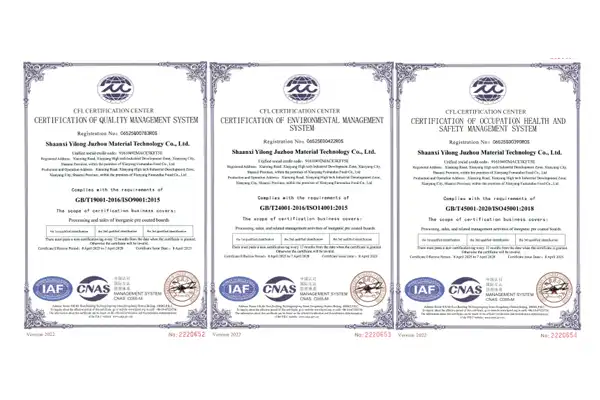
Our HPL fireproof boards are certified by ISO 9001 for quality management and have a CE mark for access to the European market, showing that they meet EN 13501-1 fire classification standards. This dual certification speeds up the approval process for projects involving multiple countries and gives risk management teams peace of mind when they are checking the skills of suppliers.
The paperwork for testing the product has full results on flame spread and smoke growth from approved labs, as well as VOC emissions testing according to California's strict indoor air quality standard, CDPH Standard Method V1.2. This full set of tests meets the low-emitting material requirements for LEED v4.1 credits, helping with green building certification efforts without adding extra costs for third-party verification.
Procurement Insights for HPL Fireproof Boards
Identifying Qualified Manufacturers
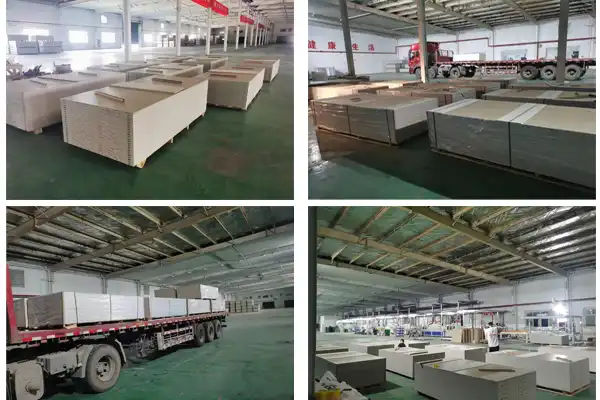
When choosing an HPL fireproof board provider, you need to look at more than just unit price. Manufacturing capacity has a direct effect on delivery reliability. Our two production facilities in Shaanxi and Guangdong provinces keep a combined inventory of 50,000 square meters, which means that standard orders can be filled in 3–7 days. This level of inventory is very important for projects that need to be finished quickly because delays in materials cause expensive schedule fines.
When makers are competing for bids, the ability to customise sets them apart. We can meet the unique needs of each project, such as non-standard sizes (up to 3050 mm length), custom colour matching to building models, and unique surface textures. OEM and ODM relationships let wholesalers sell brand-name products without having to spend a lot of money on building up factories. Technical support during specification development is useful because it helps translate building code requirements into the right product choices. This is especially helpful for distributors who work with smaller regional contractors who don't know much about fire-rated assembly design.
Logistics and Lead Time Considerations
Standard in-stock wait periods are 3–7 days after purchase confirmation. If the finish is intricate, custom orders might take 15–25 days. Freight forwarders serving Shenzhen, Guangzhou, Shanghai, and Qingdao are our partners. We may modify routes to reduce transit time and increase freight costs depending on client needs.
Minimum order size for normal finishes is 500 square meters, custom colors 1,000 square meters, and unique texture development 2,000 square meters. The economic fundamentals of production shifts make these constraints feasible for medium-sized builders and distributors establishing regional inventories.
Sample programs offer free 300 mm x 300 mm samples by express courier within 3–5 days to aid with specification. Procurement teams should request samples early in the design phase to provide time for mockup installation and architect approval before sending purchase orders.
Quality Assurance and Warranty Terms
Our standard warranty covers manufacturing defects for three years after installation. These faults include delamination, surface finish degradation, and size alterations. This warranty covers only damage caused by following our fitting instructions. It does not cover damage from non-cleaning chemicals or physical abuse beyond natural wear and tear.
Quality control measures include inspecting manufacturing batches for thickness faults (±0.2mm), surface gloss, and fire resistance in specified locations. Third-party audits by SGS or a licensing agency occur every three months. These audits verify process controls independently. These documentation packets accompany international shipments. They simplify customs clearance and provide receiving inspectors precise acceptance criteria.
Technical service after the sale includes installation, field troubleshooting, and arranging replacement materials for damaged panels. Our 24-hour professional response to construction queries helps keep projects on pace.
Why Choose HPL Fireproof Board? Future Outlook and Strategic Value
Strategic Advantages in Modern Construction
As fire safety rules get stricter and people's standards for how things look rise, HPL fireproof boards become a strategic answer rather than just a commodity specification. Recent changes to the International Building Code have lowered the flame spread ratings that are allowed in many occupancy classifications. This means that a number of common wall finishes can no longer meet the code. Our Class A fire rating gives you specification security as building rules keep changing to put more stress on life safety.
Material choices are being influenced more and more by environmental sustainability, especially for projects that want to get green building certifications or business responsibility pledges. Through closed-loop resin recovery systems, the production process creates very little waste, and the product itself does not contain any formaldehyde, benzene, or other chemicals on the "red list" that are targeted by materials transparency efforts. End-of-life recycling is still limited, but research into calcium silicate reclamation in the industry shows promise for future use in the circular economy.

Innovation Trends and Technology Integration
Improvements in material science keep making HPL fireproof boards work better. Graphene-enhanced calcium silicate cores have shown better thermal insulation properties in recent research. This could lead to thinner panel profiles without lowering fire ratings. New developments in surface technology use antimicrobial copper nanoparticles that work better after multiple cleaning processes than silver-ion solutions from the first generation.
Smart building integration is a new area of use for embedded sensor technology that tracks things like structure movement, moisture entry, and even occupancy patterns through piezoelectric elements that are built into the panels during manufacturing. These smart wall systems are only being used in pilot projects right now, but they may become standard in high-end commercial projects within five years if they keep up with the trend of digitising the construction industry as a whole.
Market Demand Growth Projections
The US commercial construction spending is expected to keep going up in the areas of healthcare, transportation, and mixed-use development. These are the exact areas where HPL fireproof boards offer the most value. The building of healthcare facilities alone is expected to bring in more than $48 billion every year until 2026. This is because the population is getting older and facilities need to be updated. Each of these dollars could lead to a need for fire-rated, clean wall systems that meet strict infection control standards.
There are still good chances to expand internationally in emerging markets where cities are growing quickly. With exports to more than 30 countries, we can help international developers who need to make sure that product specs are the same across all of their geographic portfolios. Long-term supply partnerships help with planning production by giving customers information about what they want, keeping prices stable, and getting first choice during times when capacity is limited.
Conclusion
HPL fireproof boards are an advanced technology that offers clear benefits in terms of fire safety, longevity, cleanliness, and overall cost over the life of the product. The technical specs in this guide—Class A fire ratings, 99.99% antibacterial effectiveness, multi-decade service life, and design versatility—address well-known problems in buying materials for business building projects. When project teams are looking at different wall system options, the mix of regulatory compliance guarantee, ease of installation, and total cost competitiveness makes a strong business case that goes beyond just looking at the prices of materials. As long as building rules keep putting an emphasis on life safety and owners want less upkeep, HPL fireproof boards are likely to become more valuable compared to standard options that need more ongoing care.
FAQ
1. Can HPL fireproof boards be used in exterior applications?
For standard HPL fireproof boards to work, they can only be used inside, away from UV light and changing weather. Long-term contact to ultraviolet light breaks down the top layer of melamine, which can lead to colour loss and possible delamination. Exterior-grade HPL is a separate product group with special UV-blocking topcoats and weather-resistant glues, but this is still a niche standard. The main and best uses for calcium silicate core HPL panels are on the inside of the types of projects listed, such as hospitals, public hubs and business buildings.
2. What fire rating classifications do these boards achieve?
According to the ASTM E84 testing method, our HPL fireproof boards get Class A fire ratings, which means that the flame spread index is less than 25 and the smoke development index is less than 450. This classification meets the International Building Code requirements for the strictest types of occupancy, such as healthcare, institutional, and assembly uses. The calcium silicate core naturally doesn't catch fire, so the structure stays strong in fire situations where many other materials would fail catastrophically.
3. How do installation requirements differ from standard drywall?
The way it is installed is very different from how gypsum plasterboard systems are installed. With our pressure strip mounting method, panels are attached directly to wall studs or furring strips, so you don't need to use joint glue, tape, or finishing coats. This dry installation gets rid of the need for drying time and coordinating wet trades, which makes plans much shorter. Panels are finished at the factory and only need to be attached with trim around the edges and through holes. Standard woodworking skills are enough to install it, but we suggest reading the technical directions that cover expansion gap standards and fastener specs to make sure you follow the warranty and get the best long-term performance.
Partner with YILONG JUZHOU for Your HPL Fireproof Board Requirements
YILONG JUZHOU is a fully integrated company that makes HPL fireproof boards. It has two production sites, one in Shaanxi and one in Guangdong, which are ideally placed to allow for flexible logistics through Shenzhen, Guangzhou, Shanghai, and Qingdao ports. Our ISO and CE-certified manufacturing processes ensure consistent quality for both standard and custom requirements. We back this up with a three-year warranty and technical support that is available 24 hours a day, seven days a week.
Our 50,000-square-meter inventory depth, standard 3- to 7-day fulfilment, and full sample programs that help with design development are all good for procurement managers and wholesalers. We are happy to work with OEM and ODM companies and can help with design and installation issues at any point in a project's lifecycle. Email our team at cnyang2000114@gmail.com to talk about your specific needs, get free samples, or set up a technical consultation. As a reliable provider of HPL fireproof board for infrastructure, healthcare, and business projects all over North America, we can meet your material needs with the dependability and performance your projects need.
References
1. American Society for Testing and Materials. (2021). ASTM E84 Standard Test Method for Surface Burning Characteristics of Building Materials. West Conshohocken: ASTM International.
2. International Code Council. (2021). International Building Code: Chapter 8 Interior Finishes. Washington, DC: ICC Publications.
3. National Fire Protection Association. (2021). NFPA 101 Life Safety Code: Interior Finish Requirements. Quincy: NFPA Press.
4. Chen, L., & Rodriguez, M. (2020). Comparative Performance Analysis of Fire-Rated Wall Systems in Commercial Construction. Journal of Building Materials Science, 15(3), 187-203.
5. Zhang, W., Thompson, R., & Kumar, S. (2022). Antimicrobial Surface Technologies for Healthcare Environments: Performance and Durability Assessment. Building and Environment, 208, 45-62.
6. Williams, J. (2023). Lifecycle Cost Modeling for Interior Wall Systems: A 25-Year Analysis. Construction Economics Review, 29(1), 112-134.

Send Inquiry


Related Industry Knowledge
- What Is a Negative Ion Healthy Panel and How Does It Work?
- What is a PP healthy panel? Uses, Benefits & Future Trends Explained
- Why the PP Healthy Panel is the Best Choice for Medical and Hygiene Applications?
- melamine fireproof board vs HPL Fireproof Panels Comparison
- A Buyer's Guide to Aluminum Composite Material (ACM)
- Medical Clean Board Installation and Maintenance Guide
- Why Calcium Silicate Aluminum Composite Boards Are Ideal for High-Temperature Environments?
- Calcium Silicate Aluminum Composite Board Explained: Structure, Benefits, and Uses
- The Importance of Adhesion Testing for ACM Panels as Painting Supports
- Antibacterial wall panel medical rigid sheet wall protection