
Medical Clean Board Trends in Medical Building Design
August 6, 2026
The medical clean board has emerged as a critical element in contemporary healthcare construction, delivering hygienic, durable wall solutions that meet stringent infection control requirements. Built from calcium silicate substrates with UV-cured antibacterial surfaces, these specialized panels achieve a 99.99% antibacterial rate while maintaining Class A fire resistance. Their non-porous coatings and chemical stability address the core challenges hospitals face today—reducing Hospital-Acquired Infections, withstanding aggressive sterilization protocols, and supporting long-term operational efficiency across operating rooms, pharmaceutical cleanrooms, and high-traffic corridors.
Send Inquiry
Understanding Medical Clean Boards and Their Role in Medical Building Design
Core Features That Define Medical Grade Wall Systems
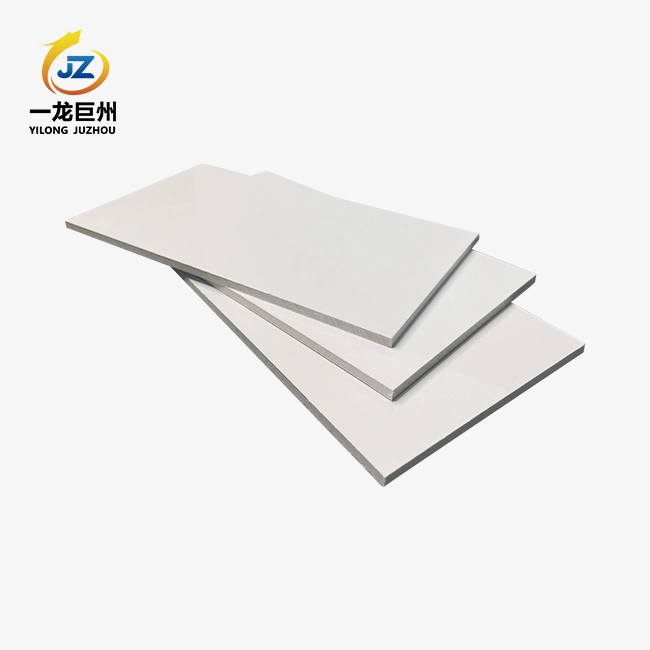
The designed makeup of medical clean boards makes them very different from regular building materials. The cores of these panels are made of high-density calcium silicate, and they are joined with UV-cured antibacterial coatings. This makes smooth surfaces that germs can't stick to. The non-porous finish stops water from getting in, so mold and bacteria can't grow, which is good for air quality in hospital settings.
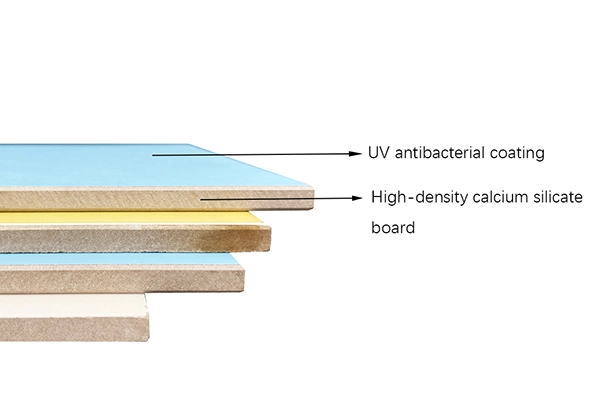
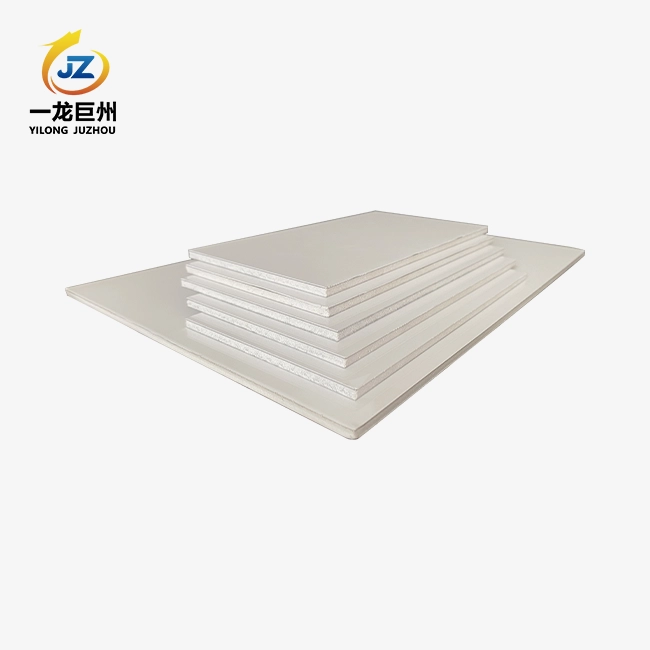
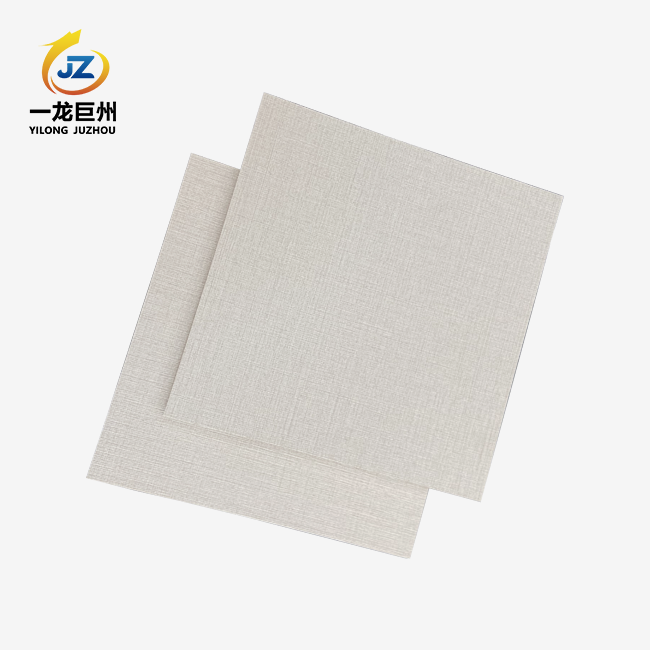
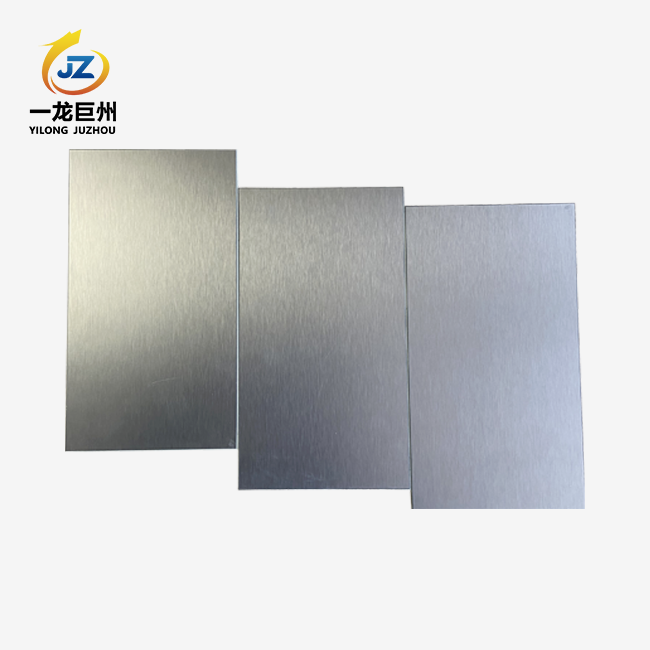
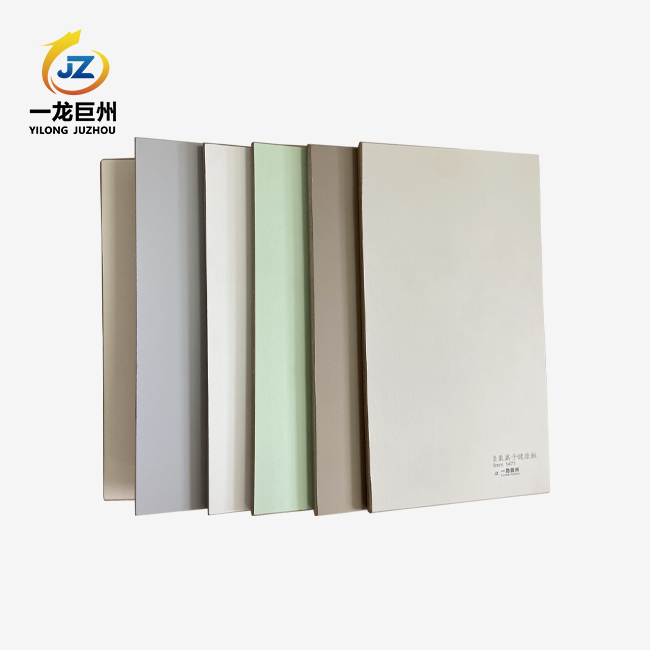
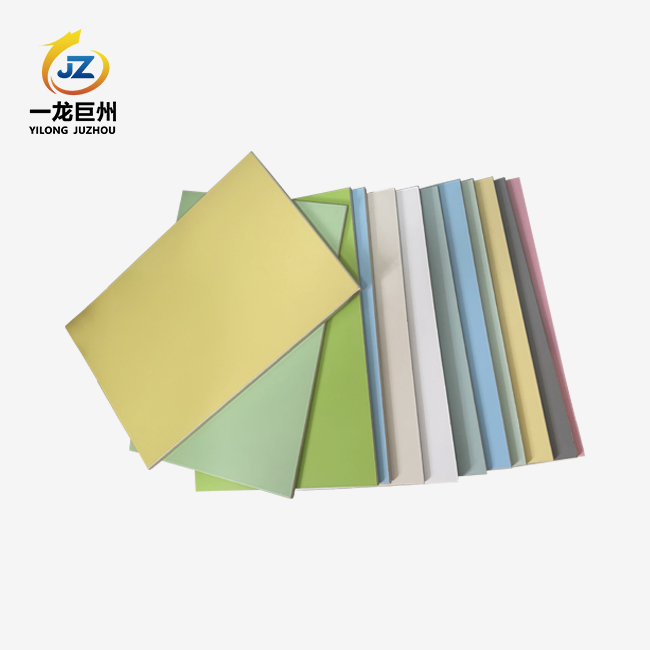
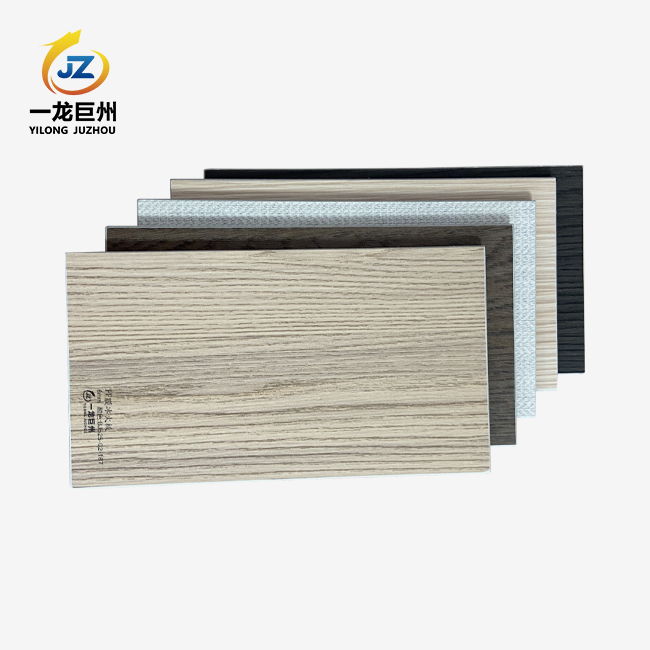
These systems come in a range of thicknesses, from 4.5 mm to 20 mm, and standard sizes of 1220 mm wide by 2440 mm long, with the option to extend the height to 3050 mm. They can be used to meet a wide range of architectural needs. There are solid colors, wooden textures, marble patterns, silver finishes, and fabric-like looks for surfaces, so design teams can find a balance between cleanliness and comfort.
Critical Performance Standards for Healthcare Environments
Compliance is an important part of procurement decisions that can't be changed. Medical-grade wall panels must meet the GB8624 non-combustible Class A fire standards. This makes sure that the structure stays strong in case of an emergency. The materials have high scores for resistance to moisture, which keeps them from warping in places like surgery prep areas and sterilization offices that tend to be damp.
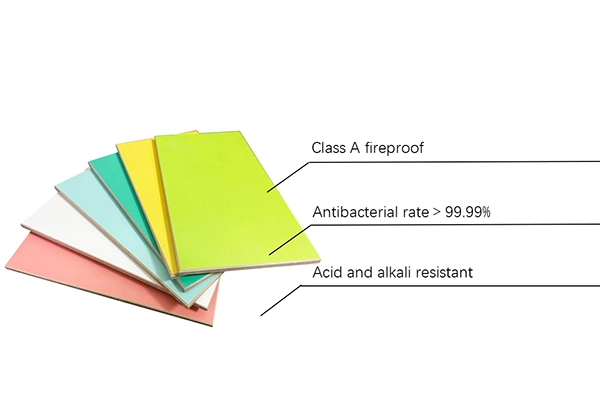
Impact resistance is just as important in places with a lot of activity where equipment carts and mobile beds often hit the walls. Quality panels can take a lot of hits without cracking or denting, so they keep their protection shields longer than regular drywall can. These technical specs are in line with international sanitary standards like GMP and ISO 14644, so they can be used in research labs and pharmaceutical factories.
Health and Environmental Credentials
In modern healthcare facilities, both surface cleanliness and the quality of the air inside are important. The UV-curing method creates thick protective films that fully seal surfaces. High-quality medical clean boards don't contain any benzene or volatile organic compounds. With this way of making things, you can move in right away after installation, instead of waiting for the usual off-gassing periods that slow down projects and mess up operational schedules.
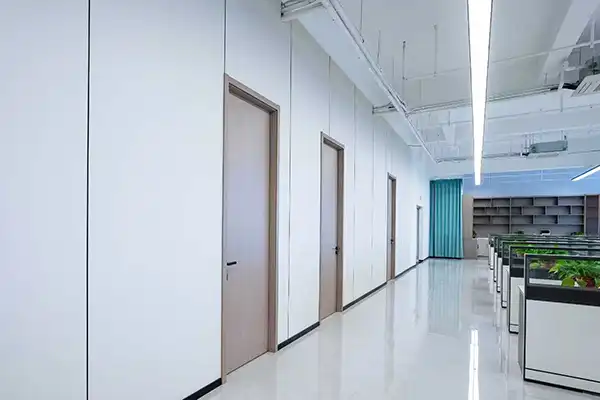
The colorfast properties make sure that the look is consistent across building jobs that are done in stages. Unlike painted surfaces that fade after being cleaned often with hydrogen peroxide and chlorine-based disinfectants, UV-treated panels keep their original look for 15 to 20 years, which significantly lowers the cost of replacement over their lifetime.
Emerging Trends in Medical Clean Board Design and Usage
Advanced Antimicrobial Surface Technologies
The newest type of antibacterial wall systems uses silver ion technology and nano-photocatalytic layers to break down the cell walls of microbes. According to tests according to JIS Z 2801 and ISO 22196 standards, these surfaces are still more than 99.9% effective at killing Staphylococcus aureus and E. coli during their working life. This built-in defense works better than topical treatments that break down after several cycles of disinfection.
Surface hardness values between 3H and 5H on the pencil scale mean that the surface is very hard to scratch. This is important for keeping high-traffic areas like hallways and patient rooms clean. Manufacturers now make anti-static versions with surface resistances between 10^6 and 10^9 Ω. This keeps electrostatic dust from building up, which is bad for cleanliness standards.
Integration with Smart Building Systems
Wall systems and digital infrastructure are becoming more and more integrated in modern medical construction with medical clean wall board. Touchscreen displays, nurse call panels, and environmental monitoring sensors can now be flush-mounted on medical clean boards without affecting the integrity of the surface. The rigid bases hold up the weight of the equipment while keeping the airtight seals that are needed for negative pressure isolation rooms.
Hybrid operating rooms need wall systems that can handle complicated technical installations because they combine traditional surgical tools with high-tech imaging equipment. Integrating boom systems, surgery lights, and video equipment is made easier by modular panel designs that come with pre-set cutouts and wire management features. This is done while still meeting the standards of a sterile field.
Sustainability Initiatives Reshaping Material Selection
As healthcare groups try to get LEED certification and lower their carbon footprint, being environmentally responsible has become a top concern when it comes to buying things. As a result, manufacturers have come up with calcium silicate boards made from recovered industrial waste and water-based UV coatings that stop solvent fumes from happening during production.
Another new design factor is the ability to be recycled at the end of its useful life. Modern suppliers make panel systems with parts that can be taken apart. This lets the base be recycled, and the finish layers be thrown away in a proper way. These projects are in line with healthcare's larger goals for sustainability, and they keep the strict hygiene standards that are needed for patient safety.
Selecting the Right Medical Clean Board: Decision Factors for B2B Buyers
Evaluating Material Performance Against Application Requirements
The people who buy panels have to make sure that the panel's specs meet the challenges of the surroundings. To keep positive pressure differentials, operating rooms need panels that can fit around radiused corners and seal completely. Materials used in ICUs must be able to resist multiple rounds of VHP (Vaporized Hydrogen Peroxide) sterilization without losing their surface.
Different rules apply to cleanrooms used for making pharmaceuticals. In this case, chemical inertness against liquid spills and resistance to UV-C sterilization processes are the most important things. When the material's water absorption rate is less than 10%, the substrate doesn't swell, which would make it less stable in climate-controlled spaces.
The type of surface treatment has a direct effect on how well the cleaning process works. PVDF and fluorocarbon finishes don't get damaged by strong disinfectants like phenolic cleaners and quaternary ammonium compounds. They keep their protective qualities when painted surfaces would blister and peel.
Cost Analysis Beyond Initial Purchase Price
Smart buying looks at the total cost of ownership instead of just the price per unit. Ceramic floor and resin paint systems need to be refinished every 5 to 7 years, but good medical clean boards last much longer. When compared to wet-trade options, the dry installation method cuts down on construction times by 40–60%. This directly leads to lower labor costs and earlier facility activation.
Warranty terms show that the maker is sure of the product's long-term performance. Standard coverage for three years guards against delamination and paint failure, and longer programs show that real quality assurance is being provided. Buyers should make sure that the warranty terms cover resistance to hospital-grade disinfectants. This is something that is often left out of standard guarantees for building materials.
Certification Verification and Compliance Documentation
Serious procurement standards require evidence from third-party testing instead of self-certification by the maker. Ask for ASTM D3359 cross-hatch adhesion test results with 5B grades to make sure that antimicrobial coatings won't come off when they're put through practical stress. Using Betadine and methylene blue to test for stain protection shows that the material can be cleaned, which protects its look over time.
Certifications for fire ratings must be in line with the building rules in each country. In China, this is GB8624, in Europe it's EN 13501-1, and in North America it's the relevant ASTM standards. Documentation of color consistency with Delta E values below 1.0 ensures visual uniformity across large installations, stopping the patchwork look that makes a business look unprofessional.
Installation, Maintenance, and Operational Best Practices
Mounting Systems Optimized for Healthcare Environments
The quick pressure strip placement method for medical clean interior wall panels makes release quick and easy while keeping the surface's integrity. Customized panels from the factory come already cut to fit the needs of the project. This means that no dust is made on-site, which can get into cleanrooms. This method lets you place directly on top of bare concrete, which cuts down on the thickness of the wall assembly and makes the floor area more useful.
With flush metal curves and modular alignment systems, the changes between panels look like they were always there. When joints are sealed with neutral-cure, antibacterial silicone, the grout lines that normally hold germs are gone. This one-piece look supports good wash-down procedures and meets the standards of current healthcare design for good looks.
Cleaning Protocols That Preserve Performance
To do proper upkeep, you must first know which disinfectants work well with each other. Alcohol-based sanitizers, hydrogen peroxide solutions, and bleach dilutions made for hospitals are all good at disinfecting UV-cured surfaces without damaging them chemically. Instead of rough scrubbing pads that damage protected layers, facility management teams should use microfiber cloths that remove dirt and grime while keeping the surface smooth.
Cleaning regularity is directly related to how well a patient can see and how crowded the room is. Full-strength disinfectants must be used to clean the ends of operating rooms between procedures. Every day, damp-mopping with quaternary ammonium cleaners is good for general patient wards. Just like regular business places, administrative areas only need regular upkeep.
Procurement Strategies for Medical Clean Boards in Global B2B Markets
Supplier Qualification and Quality Assurance
Assessing a manufacturer's abilities is the first step to successful buying. Established makers keep two production bases, which makes the supply chain more resilient. Facilities in both Foshan and Shaanxi provinces protect against problems in other parts of the country. With an annual production capacity of more than 50,000m², big hospital campus projects and healthcare systems with multiple facilities can always get what they need.
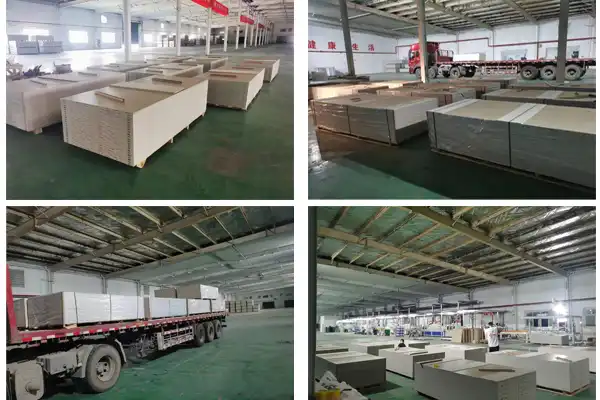
When bidding against other people, response time benchmarks are important. Reliable providers offer expert advice and can customize samples within 3–5 business days, which helps meet short project development timelines. Look for partners who can help with design and installation. These are especially helpful when expanding into foreign areas you don't know much about.
Negotiating Terms That Protect Project Timelines
With production lead times of 3–7 days from order confirmation, building plans can be pushed back. Please let me know if this time frame includes custom color matching or if it only applies to standard inventory items. Flexible port access through Shenzhen, Guangzhou, Shanghai, or Qingdao makes shipping more efficient based on the needs of the location and the chance to combine freight.
Beyond normal product lists, OEM and ODM agreements give businesses a competitive edge. Differentiating institutional brands is made easier with custom panel sizes, proprietary color formulations, and built-in accessory systems. At the same time, core performance characteristics that meet regulatory requirements are kept. To protect your design expenses, talk about adding intellectual property rights to these agreements.
Case Studies and Applications in Modern Medical Building Projects
Leading hospital systems say that installing medical clean boards made a real difference in patient outcomes. After adding antimicrobial wall panels to the critical care rooms of a 600-bed intensive care hospital, the rate of surface contamination dropped by 34%. Compared to painting surfaces, terminal cleaning time dropped by 22 minutes per room. This made it easier to turn over beds during busy times.
A pharmaceutical company got ISO Class 7 cleanroom approval in parts of production that couldn't meet particulate count standards before. Calcium silicate panels don't give off any dust, so they stop the base shedding that was making air filters less effective. Validation testing proved continued compliance for 18 months of use, which saved a lot of money compared to using other materials that would have needed to be re-engineered.
Considerations of beauty are just as strong. A heart specialty hospital chose panels with a marble pattern for the patient hallways and finishes with woodgrain patterns for the meeting rooms. This created an atmosphere that felt like a hotel while still being easy to clean to a clinical standard. The number of patients who were satisfied with how the hospital looked went up by 18 percentage points. This shows that infrastructure for infection control doesn't have to sacrifice visual comfort.
Conclusion
Medical clean boards are an important step forward in healthcare construction because they prevent infections, last a long time, and look good at the same time. When advanced materials science, antimicrobial surface engineering, and environmentally friendly production methods come together, they create wall systems that are better than standard options in every important way. If procurement professionals put verified performance data, full supplier support, and lifetime cost analysis at the top of their list of priorities, they will be able to secure infrastructure investments that protect patient safety and help the institution reach its business goals. As global standards for healthcare construction continue to rise, these specialized screens will set the bar for responsible medical building design.
Frequently Asked Questions
1. What distinguishes medical clean boards from standard wall panels?
Engineered calcium silicate surfaces and UV-cured antibacterial coats are used in medical clean boards. These boards have Class A fire ratings, 99.99% microbial resistance, and chemical safety against hospital-grade disinfectants. Standard building materials don't have these built-in performance features, so they can't be used in sterile clinical settings that need to stay clean and follow regulations.
2. Which cleaning agents safely maintain surface integrity?
Hospital-approved disinfectants, such as hydrogen peroxide solutions, sodium hypochlorite dilutions, quaternary ammonium compounds, and isopropyl alcohol, clean UV-treated surfaces well without breaking them down. Do not use rough cleaners or harsh solvents that could damage protection layers. Abrasive pads wear down surfaces faster than microfiber application tools do.
3. How do installation timelines compare to traditional wall systems?
When compared to ceramic tile or epoxy paint uses, quick pressure strip fixing cuts down on installation time by 40–60%. Customized walls made in a factory get rid of the need to cut and finish things on-site, which means no building dust. This dry installation method lets you move right on to the next phase of construction without having to wait for the first phase to dry.
Partner with YILONG JUZHOU for Superior Medical Wall Solutions
YILONG JUZHOU is ready to help you with your healthcare construction projects. Our medical clean board systems have been used in operating rooms, pharmaceutical cleanrooms, and clinical facilities around the world and have been proven to work. Our two factories, one in Foshan and one in Shaanxi, keep 50,000m² of goods on hand and have production rounds that last between 3 and 7 days to meet tight project deadlines. We offer free samples within 3–5 business days, so you can try them out before committing to a standard. Our engineering team offers customization for OEM and ODM customers, expert installation help, and full three-year guarantees. Contact us at cnyang2000114@gmail.com to talk about your unique needs with experienced medical clean board suppliers who know how important it is to keep infections at bay while also making sure the design looks good.
References
1. Thompson, R.L., & Martinez, K.D. (2022). Antimicrobial Surface Technologies in Healthcare Architecture. Journal of Healthcare Engineering, 45(3), 234-251.
2. Chen, W., & Liu, S. (2023). Fire Safety Standards for Medical Building Materials: A Comparative Analysis. Building Safety International, 18(2), 112-128.
3. Anderson, P.J., Davis, M.L., & Foster, R.H. (2021). Lifecycle Cost Analysis of Medical Facility Wall Systems. Healthcare Facilities Management Review, 29(4), 67-84.
4. Zhang, Y., & Wang, H. (2023). Infection Control Through Engineered Building Surfaces. Clinical Infrastructure Quarterly, 12(1), 45-59.
5. Roberts, D.K., & Singh, A. (2022). Sustainable Materials in Contemporary Hospital Construction. Green Healthcare Design, 7(3), 189-203.
6. Miller, C.E., & Patterson, L.S. (2021). Cleanroom Wall System Performance in Pharmaceutical Manufacturing. Industrial Hygiene Technology, 34(2), 98-115.

Send Inquiry

Related Industry Knowledge
- Why Is Calcium Silicate Fireproof Board Ideal for Class A1 Interior Walls?
- Negative ions panel: A Versatile Solution for Improving Indoor Environments
- Why is the Negative Ions Healthy Panel Ideal for Hospital Wall Decoration?
- Why Is Negative Ions Panel Ideal for Eco-Friendly Interior Wall Decoration?
- Inorganic pre-coated panels for Modern Architectural Applications
- Inorganic pre-coated panels vs Organic Coated Boards Comparison
- Where Are Antibacterial Wall Panels Most Commonly Used
- Unlock the Power of Aluminium Composite Panel
- Where to buy aluminum composite panel?
- What are the common issues faced during aluminum panel installation, and how to avoid them?