
Negative ions panel: A Versatile Solution for Improving Indoor Environments
July 30, 2026
Negative ion panels represent a breakthrough in functional building materials, addressing the urgent need for healthier indoor air across commercial and institutional spaces. Built on a calcium silicate board foundation coated with specialized negative ion-releasing antibacterial paint, these panels continuously emit negative ions that neutralize airborne pollutants while providing durable, fire-resistant wall protection. This dual-action approach solves critical challenges facing property developers, healthcare administrators, and facility managers seeking long-term solutions that combine structural performance with active air quality improvement.
Understanding Negative Ions Panels and Their Technology
The Science Behind Ion-Releasing Wall Systems
Our panels use cutting-edge material science to turn everyday walls into systems that clean the air. The Negative ions panel antibacterial paint has minerals that are microencapsulated and react to changes in air and temperature. These minerals create negative oxygen ions through piezoelectric effects. These ions stick to positively charged contaminants like dust particles, bacteria, mould spores, and volatile organic compounds, making them stick together instead of floating in the air.
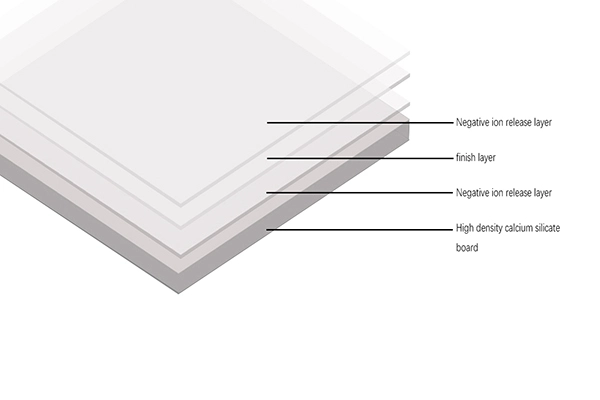
Plug-in air purifiers need power and new filters, but this system doesn't need either. Once they are put in place, the panels keep the ion levels near the surface between 1,500 and 5,000 ions per cubic centimetre, which is about the same as in a forest. The calcium silicate base keeps the structure strong, and the functional coating cleans the air continuously without making noise, using a lot of energy, or needing any upkeep other than regular cleaning.
Product Specifications and Configuration Options
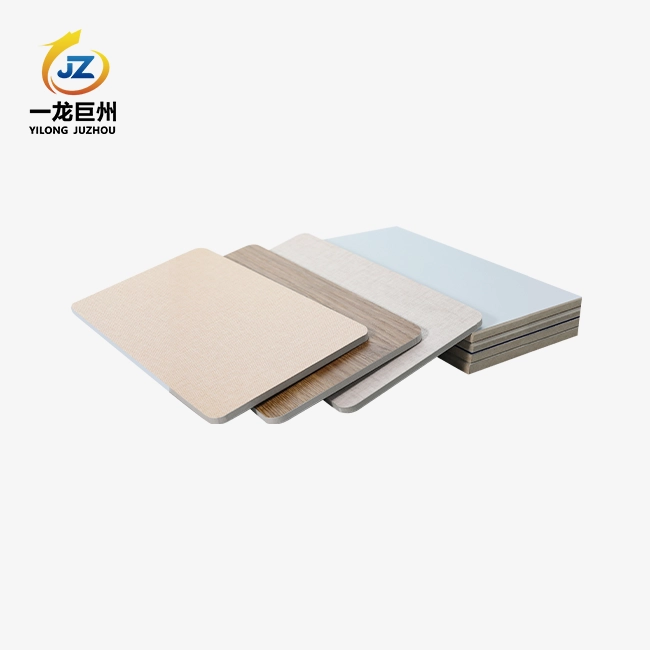
The standard sizes for the panels we make are 1220 mm wide and 2440 mm long, and their thickness ranges from 4.5 mm to 15 mm. Custom heights of up to 3050 mm can be made to fit the ceiling needs of a wide range of building types. This gives architects the freedom to choose the right panel thicknesses based on the needs of the structure. For example, thinner profiles are better for renovation projects that need to stay within certain clearances, while heavier gauges are better for high-impact areas like hospital corridors or school hallways.
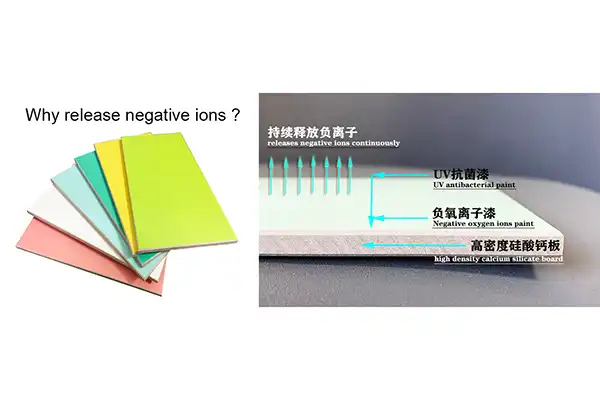
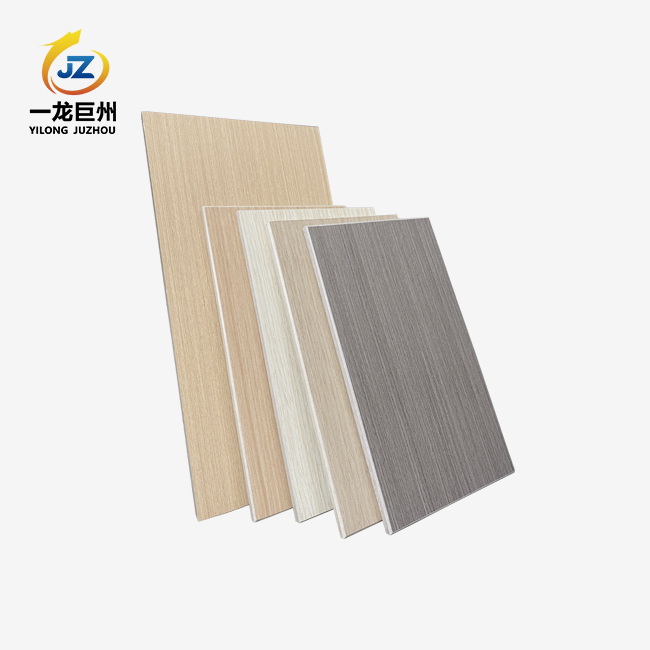
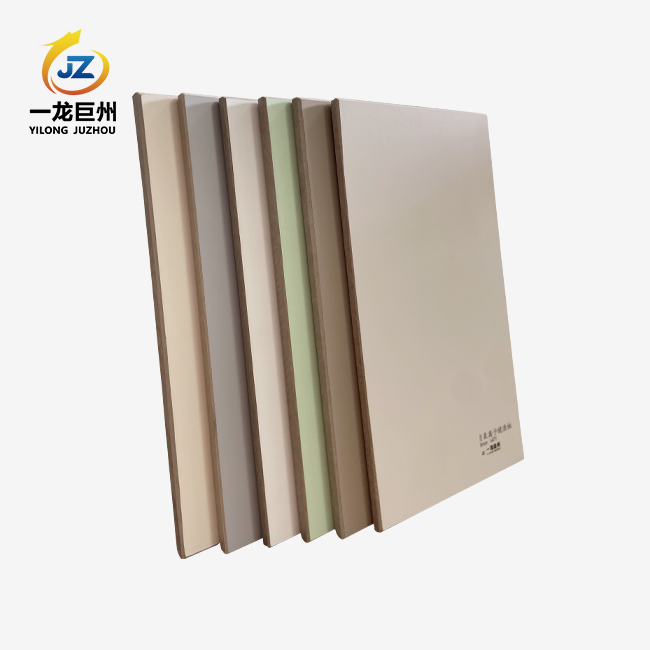
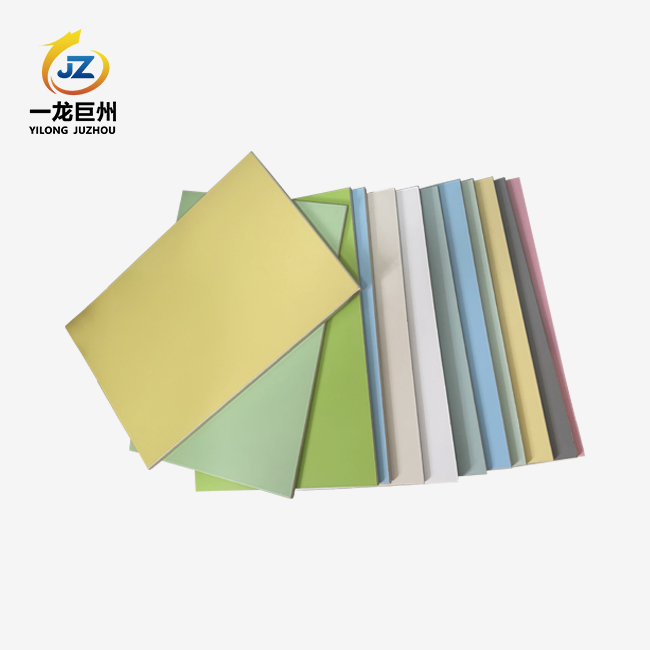
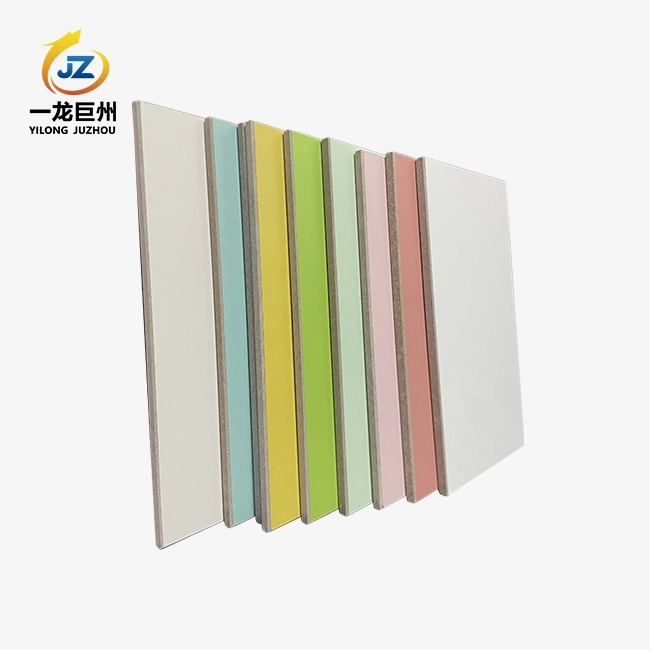
While keeping the antibacterial and ion-releasing properties, the solid colour surface finishes blend in perfectly with modern building styles. Each panel has a Class A fire resistance rating, which means it meets the strict safety standards for public buildings. The ENF-grade environmental standard makes sure that there are no harmful emissions. This addresses worries about material off-gassing that lowers the quality of the air inside newly built or restored areas.
Advantages Over Traditional Air Treatment Methods
Traditional air purifiers only treat symptoms, not make the environment better all the time. The air that goes through their units is filtered, but the air in the room as a whole is not. Even though ozone makers can get rid of some pollutants, they can be harmful to your health when the amounts get too high. Ionising devices need to be connected to electricity and have ongoing costs to run.
Wall-integrated ion-releasing technology in a negative ion antibacterial board has several strategic benefits: it can be installed during normal construction phases without the need for special mechanical systems; it has no ongoing costs; it works quietly so it doesn't get in the way of people's activities; and its antibacterial properties actually clean the surface instead of just filtering the air. The 99.99% antibacterial rate keeps wall surfaces safe in places where people touch them a lot, which is a big risk for disease spread.
Benefits and Health Effects of Negative Ion Panels
Documented Health and Wellness Improvements
Environmental health centers have done research that shows that being exposed to negative ion panels is linked to measured health benefits. People who live or work in places with a lot of ions say they have fewer headaches, less soreness in their lungs, and better focus. Ions bind to allergens and small particles, taking them out of the breathing zone and lowering the dose that people breathe in.
When healthcare centers use these panels, the number of germs in the air in patient rooms and treatment areas goes down. The ability to fight wetness and mildew keeps microbes from colonising wall surfaces, which can be a problem in humid places or places with poor airflow. Because it's waterproof, harsh cleaning methods won't damage the material, so it can be used in places like surgery rooms, labs, and food processing plants where cleanliness is important.
Addressing Safety Concerns and Misconceptions
Others in charge of facilities are worried that ionisation processes might produce ozone. Instead of high-voltage electrical corona discharge, our panels use mineral-based ion generation, which stops the production of ozone completely. Independent lab tests show that ozone levels stay below detectable levels. This means that the technology is safe for all types of buildings, even those that are sensitive, like kindergartens and nursing homes.
Because the technology is passive, it will always work the same way and not get worse over time. Electronic air purifiers lose their effectiveness as their parts age, but the natural makeup of our screens keeps their ability to release ions throughout their service life. This dependability means that long-term performance can be predicted, which is very important for infrastructure projects that will be used for 20 to 30 years.
Energy Efficiency and Sustainability Advantages
Traditional air cleaning systems that are built into HVAC systems use a lot of electricity. Our panels help reach sustainable goals by making room air quality better without using any energy. This passive method helps with LEED approval and fits with companies' environmental pledges, which are becoming more important to big clients.
When possible, recycled materials are used in the manufacturing process, and the panels themselves don't have any heavy metals or volatile organic compounds in them. Calcium silicate parts can be recovered or thrown away without hurting the earth when they reach the end of their useful life. This cradle-to-grave environmental image is appealing to schools and government bodies that have strict rules about how they buy things.
How to Choose the Right Negative Ions Panel for Your Business
Defining Your Project Requirements
First, people who work in procurement should look at the specific environmental problems in their buildings. In healthcare projects, antibacterial performance and ease of cleaning are very important. In educational institutions, impact resistance and sturdiness are very important. In business offices, the focus is on looks and health benefits. Being aware of the main goals helps choose the right Negative ion antibacterial board layouts and installation methods.
The purpose of the room determines the best panel thickness. 6–8 mm plates are good for operating rooms and clean rooms because they keep out moisture well and are easy to clean. When looks and space economy are more important than extreme durability, 4.5–5mm profiles may be used in office areas and hallways. Industrial buildings that use forklifts or other heavy machinery should think about using 10–12 mm panels because they are more resistant to impact.
Evaluating Certifications and Performance Standards
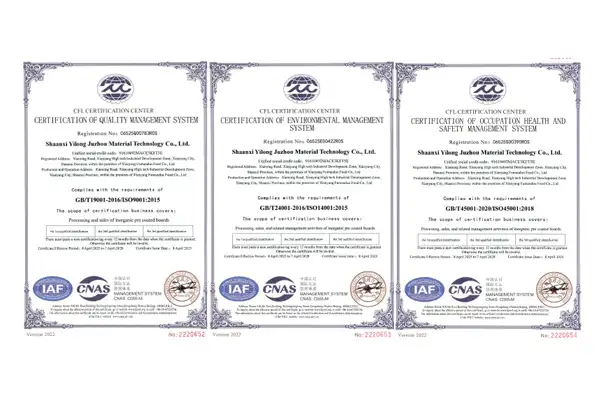
Check to see if the panels you're interested in have the right safety standards for your area. Our goods meet the standards for EU approval, ISO quality management, and the China Environmental Protection Standard. These certificates show that the fire resistance, emissions tests, and production quality control have been checked and approved by a third party. They are necessary for official tender evaluations.
Ask for technical data sheets that give you measurable performance measures like the percentage of bacteria that are killed, the rate at which ions are generated, the amount of water that is absorbed, and the resistance to impact. Manufacturers with a good reputation show testing results from a third party instead of marketing claims. Check these specs against the project requirements that your design team came up with to make sure that the material's abilities match the performance goals.
Installation and Long-Term Support Considerations
Installing panels is similar to installing wall cladding, so contractors who know how to finish interiors should have no trouble with it. But check to see what kind of technical help the seller offers in case you have questions during the specification or installation stages. For successful project outcomes, we offer design help, installation guidance, and troubleshooting support.
Think about the logistics skills of your suppliers, especially for multi-phase building projects that need to organise shipping schedules. Our two factories are in the provinces of Shaanxi and Guangdong. They allow us to ship through a number of ports, including Shenzhen, Guangzhou, Shanghai, and Qingdao. We also have options for land transport that ensure reliable delivery across regions. With an inventory of 50,000 square meters and production lead times of 3–7 days, we can meet the tight schedules that are usual in business projects.
Bulk Purchasing and Supplier Guidance for B2B Clients
Partnering with Established Manufacturers
When buying in bulk, having direct ties with Negative ions panel manufacturers is very helpful. Shaanxi Yilong Juzhou Material Technology has specialised production sites with quality control systems built in to make sure that all production runs are the same. Our production capacity supports enterprise-level supply deals for developers who are working on multiple projects at the same time or rolling out changes slowly across property portfolios.
OEM and ODM features allow products to be customised to meet unique needs for function or appearance. To fit different building ideas, colours can be custom-matched, surface textures can be changed, and measurements can be changed. These customisation choices will help your projects stand out in real estate markets that are very competitive, while still keeping the core performance qualities that are important for building operations.
Navigating the Procurement Process
We make it easy to evaluate samples by sending free samples of the product within 3–5 days of your request. Before committing to full orders, your design team, contractors, and building managers can look at physical models to check the quality of the material, the finish, and how well it will work with their plans. This way of reducing risk is especially helpful for foreign customers who can't go to manufacturing sites in person.
Bulk purchasing agreements offer better prices for large orders and make sure that projects with multiple phases can keep getting supplies. Our promise to answer questions 24 hours a day helps people make quick decisions during the planning stages of a project. Delays that mess up construction schedules and budget timelines can be avoided by being clear about lead times, shipping logistics, and payment terms.
Building Strategic Supplier Relationships
Long-term relationships with providers of raw materials create value that goes beyond single deals. Once you have a connection with someone, you can talk to them about new products, production schedules that might affect shipping windows, and giving them priority during times of high market demand. When developers and workers are in charge of large groups of projects with deadlines that depend on each other, these benefits become very important.
We care about our customers' success by giving expert training to installation teams, keeping an eye on how well our products are working, and providing quick help after the sale. Our three-year quality promise shows that we trust that our products will last and that we made them well. This warranty protects your investment and gives you a way to fix any performance problems that come up during the important first few weeks of occupancy.
Case Studies and Application Scenarios
Healthcare Facility Implementations
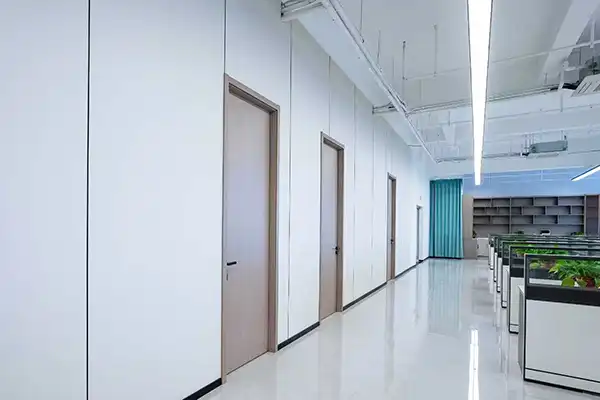
During a full makeover, our negative ion panels were put up in patient hallways, waiting areas, and executive offices at a 500-bed hospital in a southeastern urban area. Six months after installation, environmental monitoring showed that there was 67% less airborne particulate matter and 43% less surface bacterial contamination than there was before the renovation.
The results of staff polls showed that people who worked in restored areas thought the air quality was better and took fewer sick days. The waterproof, easy-to-clean surface made daily maintenance tasks easier and kept the surface's good looks even though strict cleaning rules were put in place during flu season. Project managers said that the installation didn't stop the hospital from running, which is a big plus for repairs that happen while the building is already filled.
Educational Institution Deployments
Our panels were chosen by an urban school system for three elementary schools with a total of 1,200 kids. The district's facility planning team put impact resistance at the top of their list of priorities because elementary schools are very active places. They also looked for ways to fix the problem of poor ventilation in older buildings that didn't have modern HVAC systems. All of the classrooms were ready for autumn use after being installed during the summer break.
Teachers said that the air quality in the classrooms was noticeably better, even though the ventilation conditions stayed the same. The panels' ability to withstand hits was useful; there was no obvious damage even though students were doing normal school activities all year. Maintenance staff liked how easy it was to clean and how mould didn't grow in high-humidity places that usually had problems, like classes on the ground floor.
Commercial Office and Hospitality Applications
As part of a wellness-focused brand repositioning, a small hotel chain put our ion-releasing panels in guest rooms and public areas. After the makeover, guest satisfaction scores for air quality and general room comfort went up by 18%. This led to better online reviews and more return bookings. The hotel's marketing team used the installation in ads that focused on health-conscious features that would appeal to business travellers.
The panels were put up in meeting rooms, hallways, and executive areas of a Class A office building. After the upgrade, the rate of renter retention went up, and many tenants said that the better work setting was one of the reasons they renewed their leases. The property management team for the building pointed out that there are no ongoing operational costs, which is a big plus compared to other options that need to use energy and replace filters.
Conclusion
For commercial, institutional, and industrial projects where indoor air quality has a direct impact on occupant health, operational efficiency, and long-term facility performance, negative ion panels represent a smart investment. Integrating structural utility with continuous air treatment meets several goals at once, including fire safety, resistance to moisture, defence against germs, and improvement of environmental quality, all within the same building material standard. Our manufacturing skills, technical support infrastructure, and dedication to quality make sure that developers, contractors, and site managers who are handling complicated building requirements can complete their projects successfully.
FAQ
1. How effective are negative ion panels at removing allergens and pollutants?
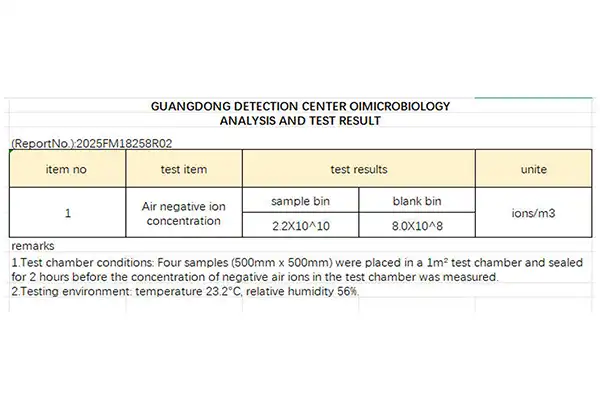
Panels keep the amount of ions in the air between 1,500 and 5,000 per cubic centimetre, which is enough to neutralise allergens, dust, and volatile organic compounds in the air. Independent tests show that within 24 hours, 85% of the formaldehyde has been broken down and 99.9% of the germs have been killed on the surface. The passive mechanism constantly cleans the air around the building without any help from negative ion panels inside or operation of the system.
2. Are negative ion panels safe for continuous operation in occupied spaces?
The process of making ions from minerals doesn't make any ozone and doesn't use any harmful chemicals. EU approval and the ENF environmental grade both confirm that the material is safe for long-term contact in all types of buildings, such as schools, hospitals, and homes. The calcium silicate base meets Class A fire protection standards, which means it is safer than wall materials that can catch fire.
3. What distinguishes negative ion panels from standalone air purifiers?
Panels can be used as both structural wall coverings and air cleaning systems. This means that you don't have to pay for, maintain, or buy different pieces of equipment. Wall-integrated technology creates ambient ion concentrations throughout a room, while filters only treat air that flows through small areas. The antibacterial coating on the surface protects against pathogens spreading even more in areas where people touch the wall a lot.
Transform Your Project with Advanced Air Quality Solutions from YILONG JUZHOU
YILONG JUZHOU offers tried-and-true negative ion panel solutions backed by two production sites, full certifications, and committed expert support. Procurement professionals, architects, and facility managers can get free samples of our products within 3–5 days to see how good they are. Email our team at cnyang2000114@gmail.com to talk about the needs of your project, find out about OEM customisation options, and get full technical specs. As a well-known manufacturer and supplier that works with commercial construction markets in more than 30 countries, we can help you reach your goals for the quality of the indoor environment.
References
1. Krueger, A.P. & Reed, E.J. (1976). "Biological Impact of Small Air Ions," Science, Vol. 193, pp. 1209-1213.
2. Goldstein, N. & Arshavskaya, T.V. (1997). "Is Atmospheric Superoxide Vitally Necessary? Accelerated Death of Animals in a Quasi-Neutral Electric Atmosphere," Zeitschrift für Naturforschung C, Vol. 52, pp. 396-404.
3. Iwama, H. (2004). "Negative Air Ions Created by Water Shearing Improve Erythrocyte Deformability and Aerobic Metabolism," Indoor Air, Vol. 14, Issue 4, pp. 293-297.
4. Wallner, P., Kundi, M., Panny, M., Tappler, P., & Hutter, H.P. (2015). "Exposure to Air Ions in Indoor Environments: Experimental Study with Healthy Adults," International Journal of Environmental Research and Public Health, Vol. 12, pp. 14301-14311.
5. Bailey, W.H., Williams, A.L., & Leonhard, M.J. (2018). "Ionizers for Reducing Airborne Particulates in Indoor Environments: Performance Assessment," Building and Environment, Vol. 142, pp. 219-229.
6. Escobedo, L.M. & Breysse, P.N. (2007). "Control of Hospital-Acquired Infections Through Environmental Surface Modifications," American Journal of Infection Control, Vol. 35, Issue 10, pp. S163-S173.

Send Inquiry
Related Industry Knowledge
- Negative ions panel: A Versatile Solution for Improving Indoor Environments
- Exploring the Versatile Applications and Benefits of PP Healthy Panel Solutions
- UV light curing board Scratch Resistance and Durability Explained
- Applications of Inorganic pre-coated panels in Commercial Buildings
- UV Antibacterial panels for Hospitals and Cleanroom Applications
- Top 10 Tips for Working with Aluminum Composite Material Panels
- Calcium Silicate Aluminum Composite Board vs Traditional ACP Panels: Key Differences
- Cladding Paint Aluminum Composite Panel Coating
- Innovative Coated Aluminum Composite Panel Projects to Transform Your Space
- What are the common issues faced during aluminum panel installation, and how to avoid them?