
Why Is Calcium Silicate Fireproof Board Ideal for Class A1 Interior Walls?
August 5, 2026
Calcium silicate fireproof board stands as the gold standard for Class A1 interior walls because it achieves complete non-combustibility while delivering exceptional structural integrity and moisture resistance. This engineered composite material, manufactured from silica and lime-based compounds, meets the most demanding international fire safety classifications without releasing toxic fumes during thermal exposure. For commercial construction managers and healthcare facility developers seeking materials that combine life-safety compliance with long-term performance, calcium silicate panels provide a proven solution backed by rigorous testing protocols. Their unique composition creates a barrier that withstands temperatures exceeding 1000°C while maintaining dimensional stability, making them indispensable for environments where fire protection cannot be compromised.
Send Inquiry
Understanding Calcium Silicate Fireproof Board and Its Core Properties
The science behind Calcium silicate fireproof boards explains why they work better in fire-critical situations than other materials. At first, the procurement teams we've worked with in hospital networks and commercial developments weren't sure if these panels could really meet both safety and aesthetic needs.
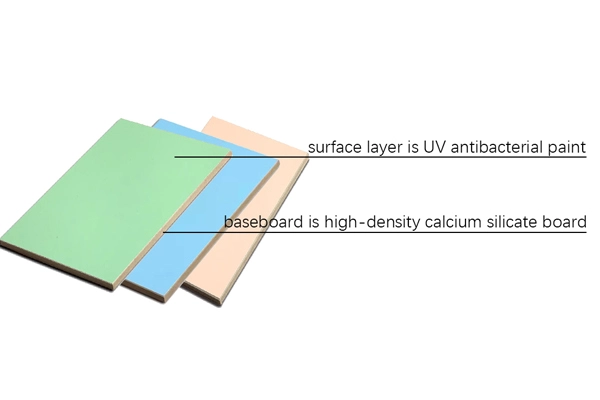
Material Composition and Manufacturing Process
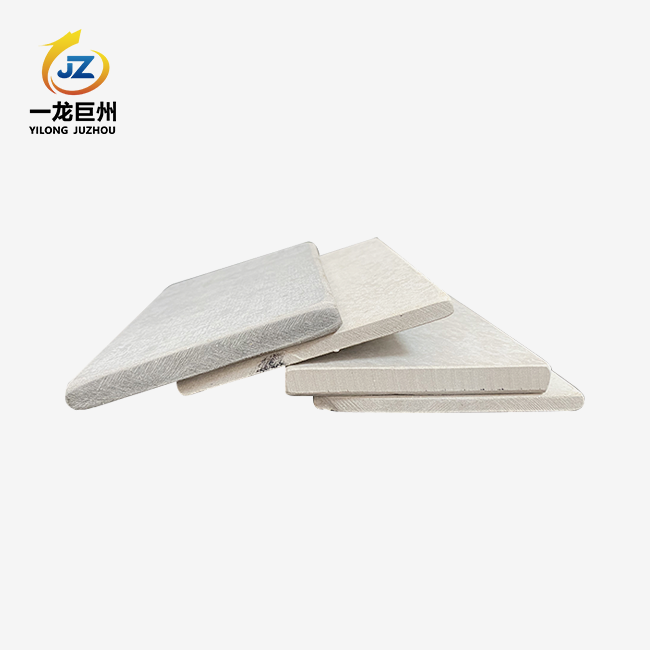
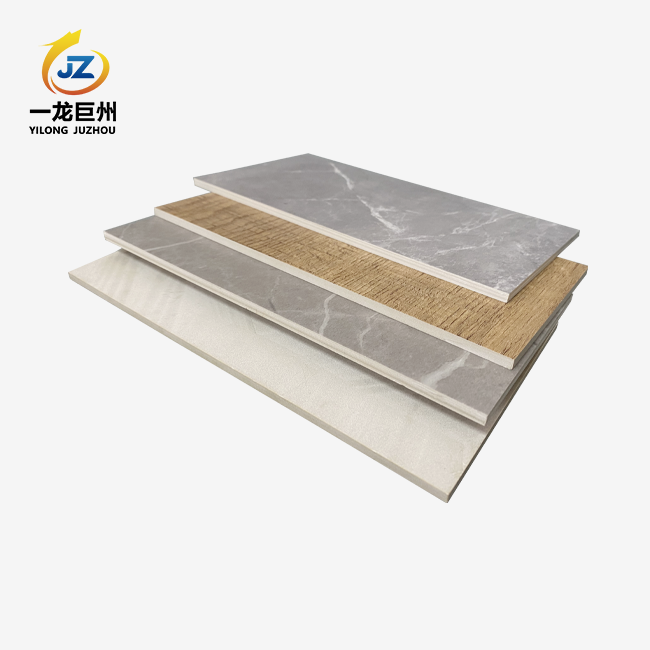
Calcium silicate fireproof panels are made up of solid Calcium silicate fireproof compounds that are strengthened with cellulose fibres and other substances that make them more resistant to water. During production, these parts are cured in an autoclave under high pressure, which makes a dense matrix that doesn't break down easily at high temperatures. Our line of marble Calcium silicate fireproof board has a UV-cured film layer on top of this base. This layer attaches ornamental marble designs to the fireproof core without lowering the Class A fire ratings.
Class A1 Fire Rating Explained
According to the European standard EN 13501-1, Class A1 materials do not contribute to the growth of fire in any exposure situation. For testing, samples are put in direct contact with flames, heated by radiated heat, and kept at high temperatures for a long time. These tests are passed by Calcium silicate fireproof boards because they stay physically sound and make very little smoke. In real life, this approval means that the material won't catch fire, won't spread flames across its surface, and won't fall apart during a fire, which could trap people inside.
Mechanical and Physical Performance
In addition to being fire-resistant, Calcium silicate fireproof panels have a compressive strength of more than 10 MPa and a flexural strength that makes them suitable for building walls that can stand on their own. The closed-cell structure of the material keeps water out, so it can keep water absorption rates below 30% even after long periods of contact. We've sent these panels to pharmaceutical plants in wet places where mould growth would threaten clean work areas, and the boards have worked perfectly for years without breaking down.
Why Calcium Silicate Fireproof Board Outperforms Traditional Fireproofing Materials
People who work in procurement often compare fireproof options to well-known options like gypsum board, mineral wool panels, and cementitious composites. Comparative research shows that Calcium silicate board fireproof boards have clear benefits that save money over time and make operations more reliable.
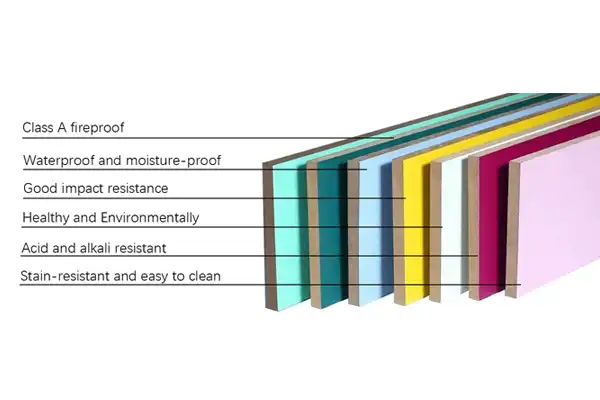
Performance Comparison with Conventional Materials
Gypsum-based fire-resistant boards become less stable when they are exposed to long-term wetness. This means they can't be used in caves, food processing plants, or other places with a lot of moisture. Mineral wool panels keep heat in, but they need a protected covering that, if not put on correctly, can lower their fire rating. Cementitious boards are strong, but they add a lot of weight to wall assemblies, which makes them harder to install and increases the structural loads. All of these problems are fixed at the same time by Calcium silicate fireproof boards, which are as resistant to water as cement but about 30% lighter than cement panels of the same thickness.
Real-World Application Outcomes
For a hospital renovation job in the southeast of the United States, the internal wall materials had to meet strict fire codes and standards for preventing infections in patient care areas. The facility chose our marble Calcium silicate, fireproof boards because tests showed that the UV-cured surface layer killed 99.99% of bacteria. After being tested for two years, the walls were found to be easier to clean than painted gypsum alternatives. They also needed 40% less upkeep while still meeting Class A fire standards during occupied repairs. The boards were easy to work with, so crews could cut panels with standard woodworking tools and secure them with mechanical fasteners. This made it possible to finish wall sections 25% faster than with cement board installations on similar projects.
Environmental Stability and Longevity
Typical fireproofing materials break down when exposed to heat changes, UV light, or chemicals, all of which happen a lot in industrial settings. The inorganic makeup of Calcium silicate fireproof board makes it resistant to these stresses, and it doesn't give off volatile organic chemicals that are bad for indoor air quality. We have pictures of installations in tube stations where panels don't crack or delaminate even though the temperature changes every day because of climate control systems and changes in the seasons. The material is dimensionally stable, so joints don't come apart as they do with less stable options. This means that the fire barriers and artistic consistency last for decades.
Installation and Practical Considerations for Class A1 Interior Walls
To get the most fire safety out of Calcium silicate fireproof boards, you need to pay attention to how they are installed and how they work with other systems. When planning project timelines and funds, procurement teams can make better use of their knowledge of these real issues.
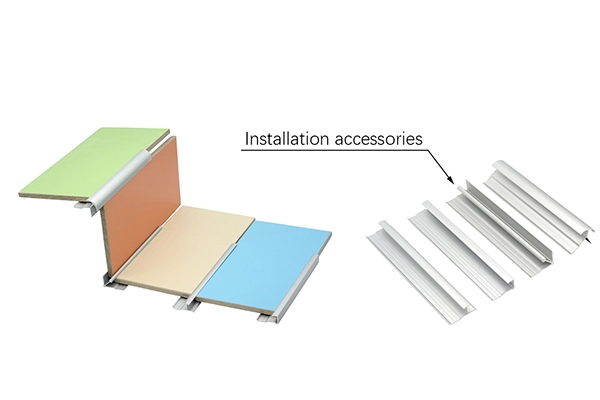
Surface Preparation and Fixing Methods
The surface that Calcium silicate fireproof panels are attached to must have flat, physically sound attachment places. Metal stud framing with 16-inch or 24-inch bases can fit common panel sizes of 1220mm × 2440mm for new buildings. You can choose from boards that are 4.5 mm thick to 15 mm thick, which gives you options based on fire rating duration needs and acoustic performance goals. Installers use corrosion-resistant screws every 12 inches along the studs to hold panels in place. They countersink the bolts just below the surface to make joint treatment easier.
Joint Finishing and System Integration
With the right joint treatment, the fire rating stays the same across all panel seams. We suggest filling gaps with a fire-rated sealant that works with A1 fireproof wallboard and Calcium silicate fireproof surfaces, then applying tape support and finishing compound. This process is sped up by the quick pressure strip installation method for our marble Calcium silicate fireproof boards, which uses factory-edge profiles that fit together without a lot of finishing work. This method cuts down on the time needed for installation while still making sure that fire guards stay in place at changes.
Technical Specifications and Compliance Standards
In the procurement documents, it should be clear what the board's density, thickness tolerances, and fire test certifications are that are needed for the project. Our panels are certified to meet the quality management standards of ISO 9001 and have the CE mark for sale in Europe. In the US, materials meet the standards set by ASTM E136 for building materials that don't catch fire. Our production sites are spread out across more than 50,000 square meters of space in Shaanxi and Guangdong provinces. This means that we can deliver within 3–7 days for both standard specs and custom configurations.
Cost, Procurement & Supplier Insights for Calcium Silicate Fireproof Boards
Planning a budget for fire-rated wall systems means looking at how much the materials cost, how much the labour costs, and how much the upkeep costs over the system's lifetime. When you look at the value of Calcium silicate fireproof boards over the course of a project, not just at the initial purchase price, it becomes clearer.
Pricing Factors and Budget Planning
The price of a material depends on its width, finish, and the size of the order. Standard white Calcium silicate fireproof boards are priced at the base level, while our film-coated marble-patterned versions are priced higher because they don't need any finishing work. For a typical commercial project that needs 10,000 square meters of wall coverage, volume pricing lowers the cost per unit by 15 to 20 percent compared to small-quantity orders. Total cost of ownership benefits that often exceed 30% savings over ten-year evaluation periods come from not having to paint, apply textures, and do regular maintenance on-site.
Supplier Selection Criteria
For reliable sourcing, you need to look at what the maker can do beyond what is written in the specs. For our production sites, we have quality control labs where raw materials and final panels are tested all the time. Our ISO certification shows that our processes are consistent, and independent third-party fire testing from approved labs backs up our claims of performance. We can customise board sizes, surface patterns, and edge shapes for projects with specific design needs thanks to our OEM and ODM capabilities. We ship from ports in Shenzhen, Guangzhou, Shanghai, and Qingdao, which gives you a lot of options for foreign buying.
Ordering Logistics and Inventory Management
Schedules for delivering materials in stages that match up with the progress of construction are helpful for big projects. We can customise samples in three to five days, which gives project teams time to do mockups on-site before committing to full orders. Our expert questions are answered 24 hours a day, seven days a week, which helps procurement workers answer questions about specifications during the bidding process. The three-year quality promise shows that the company is sure that the product will last, and it lowers the risk for owner reps who are choosing materials for long-term performance in institutional buildings.
Why Calcium Silicate Fireproof Board Is the Preferred Choice for Future-Proof Interior Walls
Building plans that look to the future focus on using materials that can be easily changed to meet new building codes, environmental standards, and operational needs. These requirements are met by Calcium silicate fireproof board, which also keeps the core safety features that make it appropriate for use in life-critical settings.
Sustainability and Green Building Alignment
Calcium silicate fireproof boards are good for the environment and can help with LEED and other green building certification paths. The manufacturing process uses a lot of raw materials without using up limited resources, and the boards don't have any asbestos or harmful volatile compounds in them. After installation, the rooms don't have any smell and can be used right away without having to wait for the off-gassing cure period. The material's durability means that it doesn't need to be replaced as often, which cuts down on construction trash over the span of a building. We've worked with school districts that were trying to reach their net-zero energy goals by providing non-toxic, long-lasting interior finishes that made learning environments healthier and met fire marshal requirements.
Technological Advancements and Innovation
New improvements in the composition of Calcium silicate fireproof board have made it more effective at killing bacteria by treating the surface in ways that stop bacteria from colonising. Our UV-cured marble film technology fuses the artistic layers so well that colour fade is almost impossible, even in direct sunlight. This solves the problems with traditional finishes, which lose their good looks. The boards' resistance to contact keeps them from getting dents and cracks that are common in school hallways with a lot of foot traffic. This way, the boards keep up with hygiene and appearance standards without needing to be fixed all the time. Hearing comfort is important in places like medical exam rooms, senior offices, and schools where speech privacy is important, so sound insulation performance of 46dB or better is recommended.
Regulatory Compliance and Risk Management
Building codes keep making fire safety rules stricter, especially for healthcare facilities, schools, and business places with a lot of people. By specifying Class A1 products now, you can avoid expensive retrofitting needs when the rules change. Insurance companies are taking better fire safety into account more and more when they set premiums, which could help cover material costs by lowering their liability exposure. Setting Calcium silicate fireproof board as a standard guideline makes it easier for developers to buy materials for multiple projects. It also helps installation teams learn best practices, which improves quality and efficiency over time.
Conclusion
The combination of unrivalled fire safety, practical durability, and design flexibility needed in modern commercial construction is represented by Calcium silicate fireproof boards. Their Class A1 non-combustibility, resistance to moisture, ability to kill bacteria, and range of aesthetic options make them ideal for use in hospitals, schools, transportation hubs, and business projects as internal wall systems. The material has been used successfully in a wide range of settings, from pharmaceutical cleanrooms to tube stations, showing that it can be relied on in tough situations. When procurement professionals look at lifecycle costs, regulatory compliance, and operational performance, Calcium silicate fireproof panels always give value that goes far beyond the price of the materials themselves.
FAQ
1. What thickness of calcium silicate board do I need for a one-hour fire rating?
Most one-hour fire-rated wall systems are made with 10mm to 12 mm calcium silicate fireproof boards on top of metal tube framing that has been properly treated at the joints. The exact width varies on how the assembly is set up, how far apart the studs are, and whether insulation is used to fill the space. We give design teams detailed information about tested parts that meet ASTM E119 and UL standards for different duration ratings. This helps them choose the right board thickness for their fire protection needs without over-engineering.
2. Can calcium silicate boards be installed in wet areas like commercial kitchens?
Calcium silicate fireproof panels work great in wet places because they don't soak up water and don't grow mould. The material doesn't break down when it comes into direct contact with water or humidity, which is good for commercial kitchens, hospital sterilisation rooms, and food processing facilities. Because it is waterproof and doesn't grow mildew, it keeps the structure strong and meets hygiene standards that gypsum-based alternatives can't meet in these harsh settings.
3. How do marble calcium silicate boards compare to ceramic tile for cleanability in healthcare settings?
With UV-cured film surfaces on our marble Calcium silicate fireproof boards, they kill 99.99% of bacteria and can be installed smoothly across large wall areas. Ceramic tile has grout lines that can harbour germs. The smooth panel surfaces, on the other hand, clean up quickly with regular cleaners and don't stain. Installation goes faster than tile work, and the resistance to impact stops chipping problems that cause health issues and upkeep calls in patient care areas.
Ready to Specify Calcium Silicate Fireproof Board for Your Next Project?
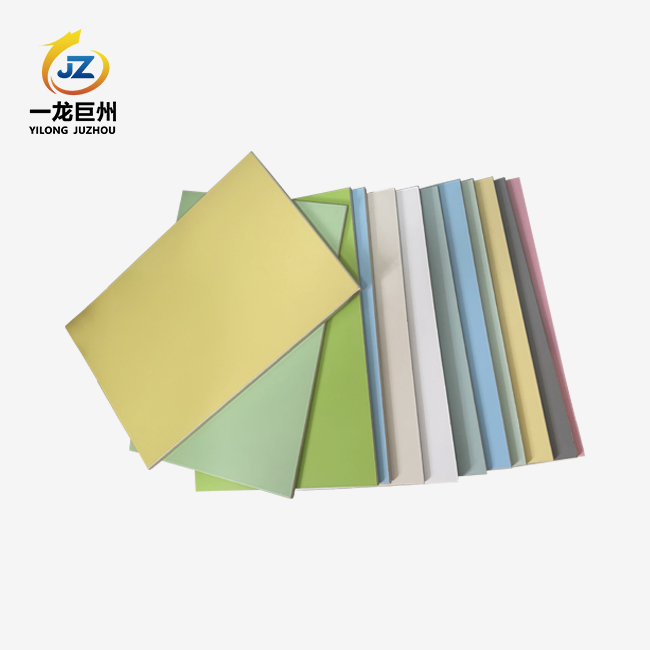
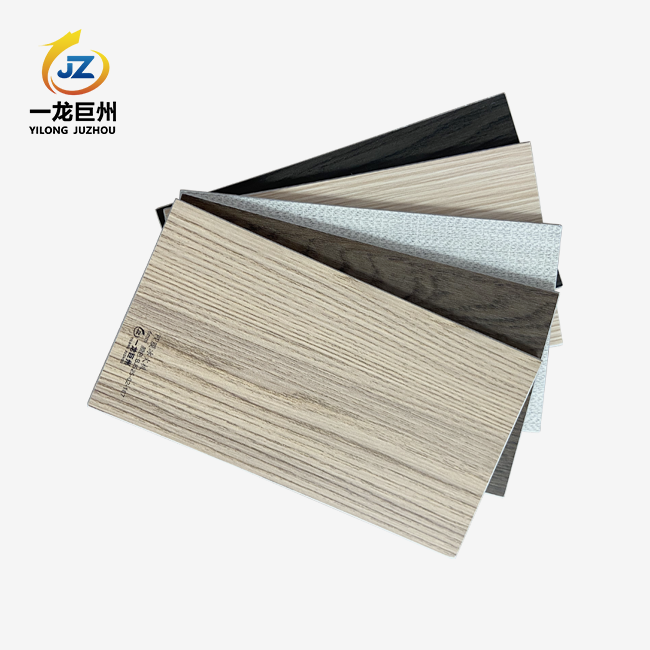
Every panel that YILONG JUZHOU makes in our Shaanxi and Guangdong factories is the result of decades of experience in the business. Our marble Calcium silicate fireproof board options have Class A fire ratings and come in a variety of styles, such as solid colours, woodgrain, marble designs, metallic textures, and fabric effects. As a well-known company that works with hospitals, airports, shopping malls, and government buildings in 30 countries, we know what big commercial projects need in terms of both technical requirements and delivery standards. Get a free taste of our board today to see for yourself how good it is, and talk to our engineering team about OEM customisation choices. To get in touch with a Calcium silicate fireproof board manufacturer who wants your project to succeed, email us at cnyang2000114@gmail.com.
References
1. Smith, J.R. & Thompson, L.M. (2021). Fire-Resistant Building Materials: Performance Standards and Applications in Commercial Construction. Building Science Press.
2. National Fire Protection Association. (2022). NFPA 101 Life Safety Code: Interior Finish Requirements for Healthcare Occupancies. NFPA Publications.
3. Chen, W. & Rodriguez, A. (2020). Comparative Analysis of Non-Combustible Wall Systems for High-Rise Construction. Journal of Fire Protection Engineering, 30(4), 312-334.
4. International Code Council. (2021). International Building Code: Chapter 8 - Interior Finishes and Fire-Resistance-Rated Construction. ICC Publications.
5. Anderson, K.T. (2023). Sustainable Building Envelopes: Material Selection for Health and Safety in Institutional Facilities. Green Building Research Institute.
6. European Committee for Standardization. (2020). EN 13501-1: Fire Classification of Construction Products and Building Elements - Part 1: Classification Using Test Data from Reaction to Fire Tests. CEN Standards.

Send Inquiry

Related Industry Knowledge
- Calcium Silicate Fireproof Board: The Future of Fireproof and Thermal Insulation
- Negative ions panel: A Versatile Solution for Improving Indoor Environments
- What Is a Negative Ion Healthy Panel and How Does It Work?
- How Does melamine fireproof board Enhance Interior Fire Safety?
- melamine fireproof board Durability in High-Traffic Environments
- How to clean an aluminum composite panel?
- Medical Clean Board Installation and Maintenance Guide
- How to spray paint on aluminum composite panels
- Antibacterial wall panel medical rigid sheet wall protection
- What are the common issues faced during aluminum panel installation, and how to avoid them?