
Calcium Silicate Fireproof Board: The Future of Fireproof and Thermal Insulation
August 5, 2026
When I first encountered calcium silicate fireproof board during a hospital renovation project, I realized how critical material selection becomes when lives and property are at stake. This advanced building material has transformed how we approach fire safety and thermal management in commercial and institutional settings. Combining Class A fire resistance with remarkable thermal insulation properties, calcium silicate boards deliver performance that traditional materials simply cannot match. Their composition—siliceous materials, calcareous materials, and reinforcing fibers—creates a non-combustible barrier that maintains structural integrity even under extreme heat, making them indispensable for modern construction projects.
Send Inquiry
Understanding Calcium Silicate Fireproof Boards
What Makes Calcium Silicate Boards Unique
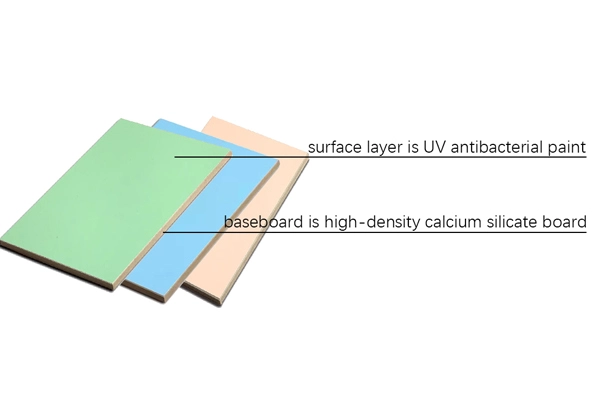
In the process of making these boards, a material with very high density and dynamic strength is created. Calcium silicate fireproof boards don't break down like gypsum boards do when they get wet or like fiber cement, which doesn't really fight fire, but they keep their structural features in tough situations. The material gets an A1 rating for non-combustibility, which means it doesn't catch fire or add to the fire's fuel. This basic quality comes from the board's inorganic make-up, which doesn't have any volatile organic substances or flammable bonds.
Fire Resistance Mechanism Explained
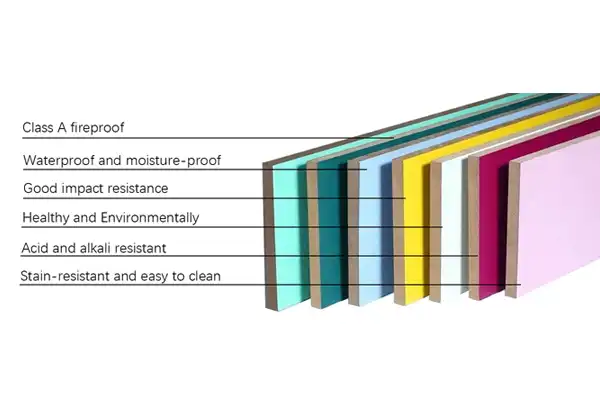
Calcium silicate fireproof boards act as thermal barriers during fires by absorbing heat energy without breaking down. The silicate core stops heat from moving through conduction, and the board's steadiness in dimensions stops it from warping, which could leave holes where flames could spread. Fire resistance standards are exceeded for 9mm to 12mm widths, and for thicker panels, they are exceeded for two hours or more. These scores are in line with international standards like ASTM E119 and ISO 834. They give buying teams performance data that can be checked to make sure they're meeting requirements.
Advantages Over Traditional Materials
Calcium silicate fireproof technology works really well in places where other boards don't. Exposure to moisture that would harm gypsum doesn't hurt these panels. This means that mould doesn't grow on them and the structure doesn't get weak as it does in wet places. With sound insulation ratings of up to 46dB, the boards make rooms quieter without the need for extra soundproofing. Another big benefit is that Calcium silicate fireproof boards are safe for the environment. They don't contain any asbestos and don't give off any harmful gases when they burn, which protects both people living in the building and first responders.
Comparing Calcium Silicate with Other Fireproof Boards
Performance Evaluation Across Materials
When procurement teams look at different fire-resistant panel choices, it's important to know how they work differently. Asbestos-free cement pressure board is pretty good at resisting fire, but it can't handle moisture well enough to be used in places like food processing plants or hospital sterilization rooms. While magnesium silicate panels are good at keeping water out, they are not good for high-traffic areas because they have low compressive strength. Vermiculite boards are great at keeping heat in, but they are very fragile, which makes them harder to install and costs more to replace when they break.
All of these things work well together in Calcium silicate fireproof boards. Because they are tensile-strong, they don't crack like magnesium boards do when they are being moved or put together. The thermal conductivity stays low across a wide range of temperatures, so it keeps insulating well when other materials break down. The starting cost per square metre may be higher than basic gypsum, but the total cost of ownership is much lower because it lasts longer, needs less upkeep, and needs to be replaced less often. This means that it is a better deal over the lifecycle of a project.
Application-Specific Selection Guidance
For a project I worked on that involved making medicines, the materials had to meet FDA standards for cleanliness and fire safety. Traditional boards either didn't have good controls for pollution or didn't have enough fire ratings. Calcium silicate fireproof boards met both standards, showing how the choice of material affects the success of a project. For external covering, resistance to water is very important, and Calcium silicate fireproof board does much better than fiber cement in this area. In high-temperature industry areas, the ability to keep its shape under heat stops the warping that happens with other materials and causes upkeep problems.
Installation and Application Guide for Calcium Silicate Boards
Preparing for Successful Installation
The right way to place boards starts long before they get to the spot. The preparation of the substrate makes sure that it can support the board properly. The framing must be able to hold the weight of the board and allow for enough space for thermal expansion. The choice of material should be based on what the project needs. For example, hospitals need panels with better antibacterial qualities, and caves need the highest scores for fire protection. By comparing the delivery to the specifications, you can avoid expensive installation delays that happen when the wrong thicknesses or sizes arrive.
Mounting and Securing Techniques
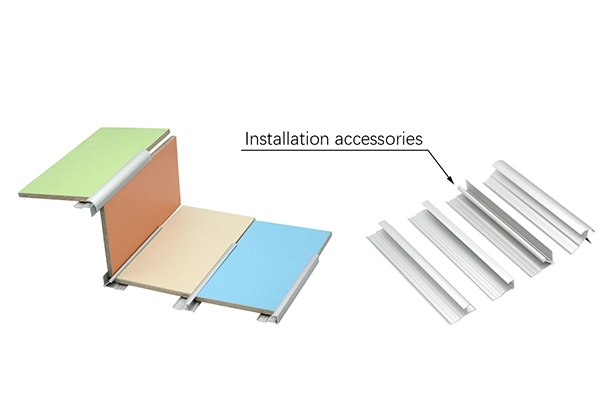
Calcium silicate fireproof boards are easier to handle than heavier options because they are light. Standard woodworking tools can cut panels to the right size, but carbide-tipped blades make tools last longer when working with bigger amounts of material. Different mounting systems are used for different purposes. For example, self-tapping screws are good for lasting installations because they hold securely, but pressure strip methods make it easier to put together big business projects faster. When there is enough space between bolts, stress doesn't build up and cause panels to crack when the building moves or the temperature changes.
Sealing joints keeps the fire barrier continuous. Fire-rated seals keep smoke and flames from getting through where panels meet, so the protective shell stays intact. To keep fire resistance when placing around holes for electrical or mechanical systems, the right fire-stop materials that are compatible with Calcium silicate fireproof board makeup must be used. These details tell the difference between systems that are legal and those that fail inspection or, even worse, fail during a fire.
Post-Installation Considerations
Before handing over the job, quality assurance procedures check that the installation was done correctly. Inspection makes sure that the fasteners are spaced correctly, that the joints are properly sealed, and that the panels are orientated correctly where directional qualities count. Setting up maintenance schedules makes panels last longer. Calcium silicate fireproof board doesn't need much care, but regular inspections find any damage from impacts or seal degradation before problems get worse. The terms of the warranty should be made clear in the paperwork, which will help building managers make long-term budgets.
Procurement Strategies and Supplier Insights
Identifying Reliable Suppliers
Finding good A1 fireproof wallboard takes more work than just looking at price sheets. Manufacturers with a good reputation keep certificates that show they follow international rules. These include ISO 9001 for quality management, CE marking for European markets, and China Environmental Protection Standard Certification for projects in China. These credentials show that the manufacturing process is consistent and delivers the expected performance, unlike less reliable suppliers whose processes vary from batch to batch.
How quickly a supplier responds shows how mature a business is. When I ask for technical information or specifics, getting an answer within 24 hours shows that there is enough technical help infrastructure. Manufacturers that let you customise samples show the flexibility that is needed for projects with specific needs. Samples can be sent within 3–5 days, which speeds up project timelines and lets people test and approve products before placing full orders.
Negotiating Favorable Terms
For big jobs, it helps to know how minimum order numbers and volume pricing work. When suppliers keep a large inventory, like 50,000 square meters, they can meet urgent orders without having to wait for production, which can throw off construction schedules. Negotiating payment terms should balance the buyer's financial plans with the supplier's cash flow needs. Payment terms can range from deposits with the balance due on delivery to longer terms for long-term relationships.
Logistics of delivery have a big effect on the total cost of the job. Suppliers with more than one production base, like factories in both Shaanxi and Guangdong provinces, give you more shipping options, which lowers the cost of goods. Having access to many ports, such as Shenzhen, Guangzhou, Shanghai, and Qingdao, lets you choose the best routes for reducing travel times and costs to different parts of the US and other countries.
Building Long-Term Partnerships
Buying from known sellers over and over again has benefits that go beyond the savings from a single transaction. Having established relationships lets you get better prices on future orders, get production scheduled faster during times of high demand, and get more technical help when you run into problems with your specifications. Suppliers who offer quality promises for three years show that they are sure the product will last, which lowers the buyer's risk. OEM and ODM capabilities let projects be customised in ways that make them stand out, like with marble patterns, wood grain finishes, or shiny effects that meet design goals while still meeting fire safety standards.
Innovative Solutions: Marble Calcium Silicate Board
Combining Safety with Aesthetics
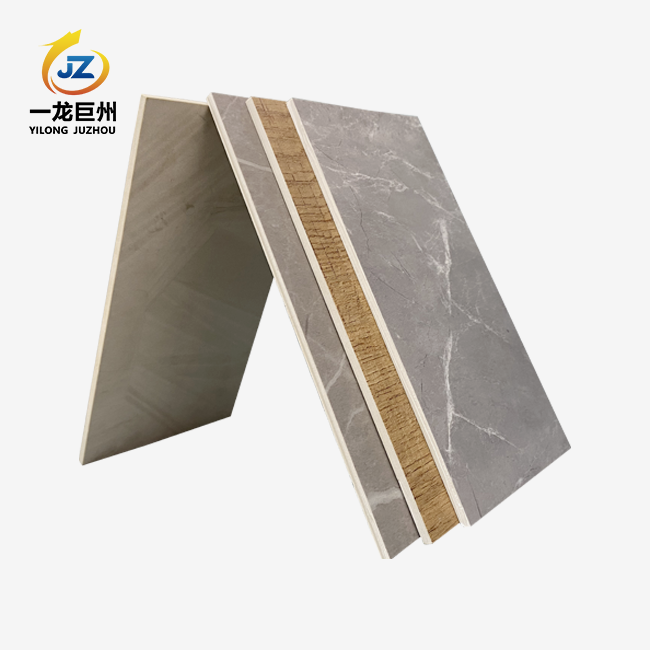
The marble Calcium silicate fireproof board shows how modern materials can solve the problem of safety needs and design preferences not always being in sync. The film-coated layer on top of this product makes it look like marble, but the fire-resistant layer below stays the same. The UV-cured covering makes a thick protective surface that stops the release of substrate gases. This results in zero volatile organic compound emissions, which means that the building can be used right away after installation.
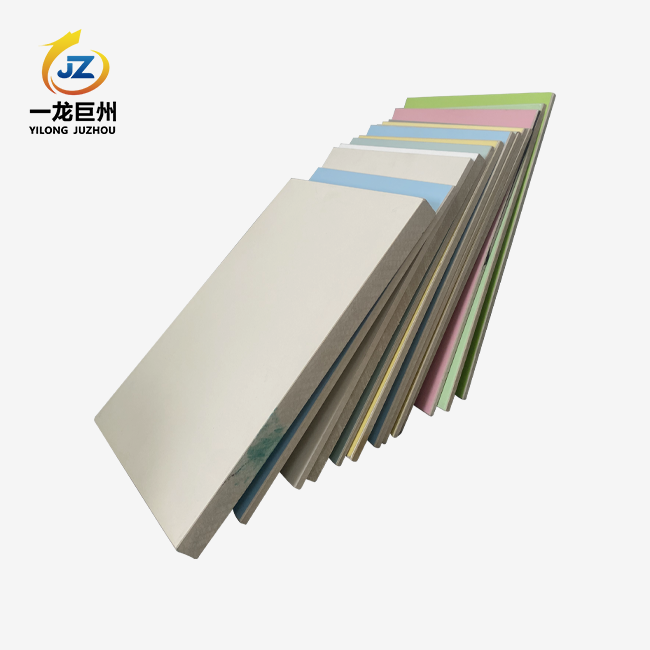
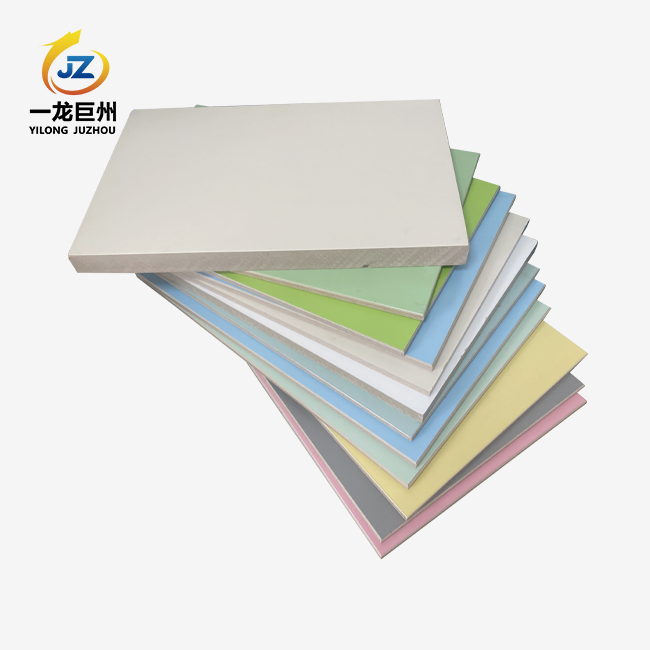
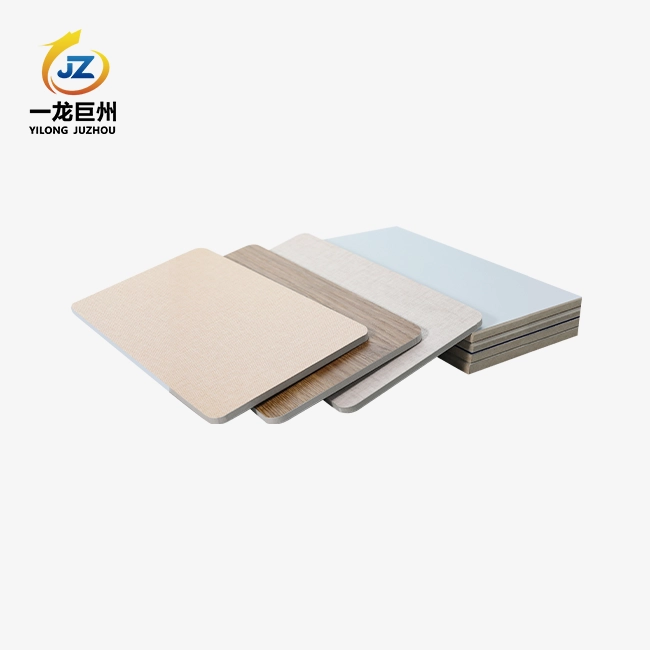
In addition to marble designs, you can choose from basic colours, wood grain, metallic textures, and cloth patterns for the surface. This range of tiles can be used in a wide range of design settings, from clean, bright hospital lobbies to elegant hotel lobbies that need natural stone looks. The 99.99% antibacterial rate meets the needs of healthcare facilities that need to prevent infections, and the waterproof and moisture-proof qualities make it suitable for damp places like business kitchens or indoor pool areas.
Technical Specifications for Project Planning
Panels usually come in lengths of 2440 mm and widths of 1220 mm. For uses that need fewer seams, they can be made as tall as 3050 mm. Different structural and fire resistance needs can be met by thicknesses ranging from 4.5mm to 15mm. Thinner panels are better for repair projects with limited wall space depth, while thicker boards offer longer fire ratings for important uses. Impact resistance keeps walls from getting cracks and dents, which are common in places with a lot of foot traffic, which lowers the cost of maintenance over the life of the building.
The project's costs get a lot better when installations are done efficiently. The quick pressure strip installation method gets rid of the need for wet trades and the time it takes for them to dry, which speeds up the project's completion. Factory customisation makes sure that the dimensions are correct, which cuts down on trash and cutting in the field. Panel systems require less work than standard plaster or tile systems because they can be put in empty areas without a lot of preparation. All of these things work together to lower the total cost of installation while also making the plan more certain.
Future Trends and Industry Insights
Evolving Material Technology
Material technology is changing. Calcium silicate fireproof boards are getting even better as research keeps going in this direction. Added chemicals that make things less flammable raise resistance ratings above current standards. This creates safety gaps that protect against fires that get worse over time. Eco-friendly compositions lower the environmental effect of manufacturing. For example, they use less water during production, have lower embodied carbon, and have higher amounts of recycled material. This is in line with green building efforts that are growing around the world.
Nanotechnology applications could lead to boards with surfaces that clean themselves and keep their look without using chemical cleaners. This would cut down on maintenance costs and damage to the environment. Smart material integration could make it possible for panels to detect smoke or high temperatures, setting off alarms before fires get worse. Even though these innovations are still in the early stages, they show how building materials will change over time.
Market Dynamics Driving Adoption
As fire safety rules get stricter across the country, more people are looking for approved Calcium silicate fireproof boards. New rules in big cities require higher performance standards that don't allow traditional flammable panels to be used in many situations. This governmental pressure, along with more people being aware of safety issues after high-profile building fires, is speeding up the use of Calcium silicate fireproof board.
Sustainable building trends favour materials that are good for the environment throughout their whole life. Leadership in Energy and Environmental Design (LEED) certification requirements are met by Calcium silicate fireproof boards that don't contain asbestos or other harmful volatiles and have long service lives that mean they don't need to be replaced as often. As green building standards become requirements for purchases instead of extras that can be chosen, materials that meet both safety and environmental standards gain a competitive edge.
The growing global construction market, especially in developing economies where cities are growing quickly, creates a big need for fire protection solutions that don't cost a lot of money. For projects like hospitals, schools, commercial buildings, and transportation infrastructure, materials need to be able to match efficiency with cost. Calcium silicate fireproof boards are good at this.
Conclusion
Calcium silicate fireproof boards have been used for many years to complete projects that need to be completely safe from fire, keep heat in, and last a long time. Their better performance than traditional materials, along with how easy they are to install and how flexible their designs are, makes them the smart choice for business buildings, healthcare facilities, and certain industry uses. The technology keeps getting better with new formulas and surface treatments that make it easier to use in more situations while keeping the safety features that make it important. As sustainability becomes more important and building codes get stricter, specifying Calcium silicate fireproof boards sets projects up for regulatory compliance and operational excellence.
FAQ
1. Is calcium silicate board safe for indoor use?
Of course. Because Calcium silicate fireproof boards don't have any asbestos, benzene, or toxic organic chemicals, these boards are completely safe for places where people will be. The material doesn't give off any dangerous gases, even during a fire, so it protects both people inside the house and rescue workers. After installation, spaces stay odor-free and can be used right away, without the need for off-gassing periods that many other materials need.
2. What fire resistance rating do calcium silicate boards achieve?
Standard panels get Class A (A1) fire protection, which is the best grade for not catching fire. Depending on how thick they are, fire resistance lasts anywhere from one hour for 9mm panels to over two hours for Calcium silicate fireproof boards 12mm and bigger. These ratings follow the international testing standards ASTM E119 and ISO 834, which means they are a reliable way to check performance around the world.
3. How do calcium silicate boards compare to gypsum for fire protection?
While gypsum boards are somewhat fireproof, they don't hold up well when they get wet and don't have the structural stability that Calcium silicate fireproof board does. Gypsum falls apart when it gets wet, and it doesn't kill germs, so it's not good for use in healthcare or food service settings. Without changing, Calcium silicate fireproof board keeps working well in any environment. It also resists impacts better and lasts longer.
Partner with YILONG JUZHOU for Premium Fireproof Solutions
YILONG JUZHOU has been making high-quality Calcium silicate fireproof boards that meet the strictest project requirements for 20 years. Our two factories, one in Shaanxi and one in Guangdong, make sure that quality is always high and supplies are always on hand. We also keep 50,000 square meters of stock on hand to meet the needs of any project right away. We offer free samples within 3–5 days, so you can fully consider our products before committing to buying them. Our technical team can help you with planning and construction, and they back up their work with three-year quality guarantees. This makes sure that your project is a success from the beginning to the end. Email our Calcium silicate fireproof board supplier team at cnyang2000114@gmail.com to talk about your needs, ask for samples, or get big discounts that are suited to your buying needs.
References
1. American Society for Testing and Materials. (2020). Standard Test Methods for Fire Tests of Building Construction and Materials. ASTM International, West Conshohocken, PA.
2. Chen, L., & Wang, S. (2019). Thermal Performance and Fire Resistance of Calcium Silicate Boards in Modern Construction. Journal of Building Materials Science, 34(2), 145-162.
3. International Organization for Standardization. (2021). Fire Resistance Tests: Elements of Building Construction. ISO 834 Standard Series, Geneva, Switzerland.
4. National Fire Protection Association. (2022). Fire Protection Handbook, 21st Edition. NFPA Press, Quincy, Massachusetts.
5. Ramesh, K., & Thompson, D. (2021). Comparative Analysis of Non-Combustible Building Panels: Performance and Lifecycle Costs. Construction Materials Research Quarterly, 28(4), 312-329.
6. Zhang, Y., Liu, H., & Anderson, M. (2023). Sustainable Fire-Resistant Materials for Commercial Infrastructure: Technical Evaluation and Market Trends. International Journal of Architectural Engineering, 41(1), 78-95.

Send Inquiry



Related Industry Knowledge
- PE Aluminum Composite Board Sheet: Sizes, Specs and Uses
- Why Is Calcium Silicate Fireproof Board Ideal for Class A1 Interior Walls?
- Negative ions panel: A Versatile Solution for Improving Indoor Environments
- How Does a Negative Ion Healthy Panel Improve Indoor Air Quality?
- Why Is Negative Ions Panel Ideal for Eco-Friendly Interior Wall Decoration?
- How Does UV light curing board Technology Improve Surface Hardness?
- Inorganic pre-coated panels for Modern Architectural Applications
- What Is ice fireproof board and How Does It Resist High Heat?
- A Buyer's Guide to Aluminum Composite Material (ACM)
- What safety precautions should I take when cutting aluminum composite panels?