
How Does a Negative Ion Healthy Panel Improve Indoor Air Quality?
July 28, 2026
Indoor air quality has become a pressing concern for facility managers, architects, and procurement teams across commercial buildings, healthcare facilities, and industrial spaces. Negative ions healthy panel technology offers a passive, zero-energy solution that continuously releases beneficial negative ions to neutralize airborne pollutants, degrade volatile organic compounds, and create healthier indoor environments. Unlike active air purifiers requiring filters and electricity, these advanced wall panels integrate ion-releasing minerals directly into the building envelope, transforming walls into silent air treatment systems that work around the clock without maintenance disruption.
Understanding Negative Ion Technology and Indoor Air Quality
The Science Behind Negative Ions
Negative ions are oxygen molecules that have an extra electron attached to them. They are usually found in large amounts in woods, waterfalls, and after thunderstorms. These charged particles stick to air pollutants like dust, pollen, germs, and volatile organic molecules, making them heavier and settling in places where people can breathe. Findings from the U.S. The Environmental Protection Agency says that indoor air can be two to five times more polluted than outdoor air. This means that passive cleaning technologies are becoming more and more useful for businesses.
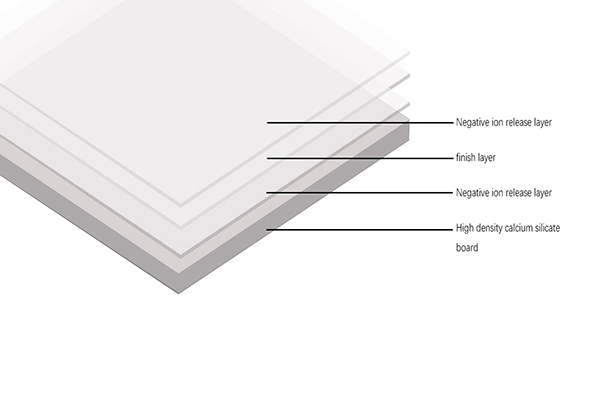
Negative ion healthy panel systems use calcium silicate substrates that are coated with special antibacterial paint and piezoelectric minerals like tourmaline or rare earth compounds. When these minerals are exposed to changes in temperature and humidity, they create a steady ion field of 1,500 to 5,000 ions per cubic centimetre near the walls. This is similar to how forests work in nature.
How Wall-Integrated Systems Differ from Standalone Devices
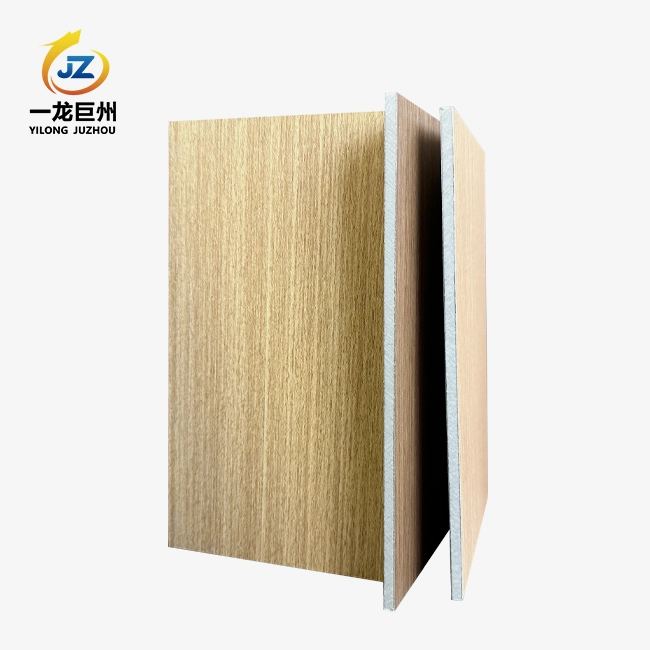
Traditional ionisers use power and need to have their collection plates cleaned on a frequent basis. Wall panel systems clean the building materials directly, so there are no more costs or maintenance schedules for running the system. The base is made of calcium silicate board, which is strong and meets Class A fire protection standards. The antibiotic paint on top continuously releases ions without any power being applied. This method takes into account both air quality and building code compliance in a single material specification.
Mechanisms of Indoor Air Quality Improvement
Particulate Matter Reduction
The ionisation process gets rid of the positively charged dust, pollen, and PM2.5 pollutants that normally float around in conditioned air. When these particles are negatively charged, they stick together and fall to the floor, where they are forever removed by regular cleaning. Laboratory tests show that particulate reduction rates are higher than 75% in protected areas with enough panel covering.
Chemical Pollutant Degradation
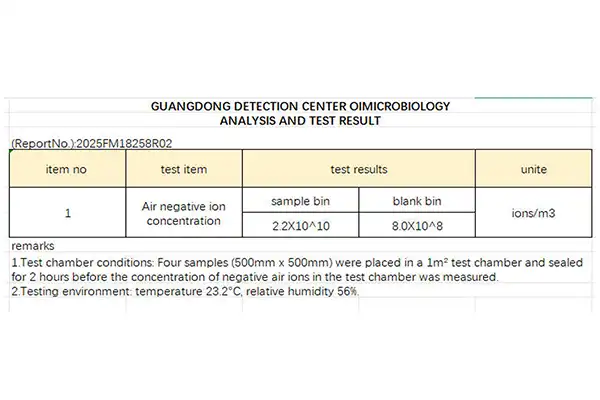
For months after work is done, furniture, glues, and building materials will still give off formaldehyde, benzene, and other VOCs. These organic molecules are broken down into carbon dioxide and water vapour by hydroxyl radicals that are made when ions interact with each other. Studies done in separate chambers show that formaldehyde breaks down at rates higher than 85% after 24 hours of contact. This is a very important issue to address in recently rebuilt schools and healthcare facilities where vulnerable people spend a lot of time with Negative Ion Health Wall Board.
Microbial Contamination Control
These panels kill 99.99% of common pathogens, such as Staphylococcus aureus and Escherichia coli, with their antibacterial properties. Nano-silver substances in the surface paint break down the cell walls of bacteria, and negative ions stop the spread of respiratory droplets carrying viruses through the air. This two-way defence is especially useful in places like surgery rooms, clean rooms for drugs, and food processing plants where keeping things clean has a direct effect on how well things run.
Health Benefits Documentation
Clinical findings in buildings that use negative ion technology show that the health and happiness of the people who live there have gotten better. Lowering the levels of allergens in a building helps people with asthma and breathing problems. When the air quality in an office building is better, more oxygen gets to cells, which makes people more focused and less tired. Some studies suggest that negative ions may change the way serotonin is used, which could explain why people say they feel better in places that have been treated.
Comparing Performance with Conventional Air Treatment
Operational Advantages Over Mechanical Systems
Regular filter replacement, fan energy use, and repair shutdowns are all things that HEPA filtering systems need. Negative ion healthy panels work without any effort on your part and don't cost anything extra besides regular cleaning. The Class A fire-rated calcium silicate construction can handle temperatures higher than those of regular gypsum board. It also has better impact resistance, which keeps it from getting damaged in areas with a lot of foot traffic.
The ability to keep water and wetness out solves a common problem that happens in damp places where regular building materials allow mould to grow. Panels don't change size when the humidity level changes in ways that would make wood-based products warp or peel. This means they can be used in hospital clean hallways, business kitchens, and industrial areas with process humidity.
Complementary Integration Strategies
Facility managers who are smart know that stacked air quality methods work best. Negative ion healthy panels clean the air continuously in the background, and filtration built into the HVAC system handles bulk air exchange. Because of this division of labour, mechanical equipment can be shrunk, which lowers the cost of capital and ongoing energy use. In retrofit situations, installing panels improves the air quality without having to make expensive changes to the structure or ductwork.
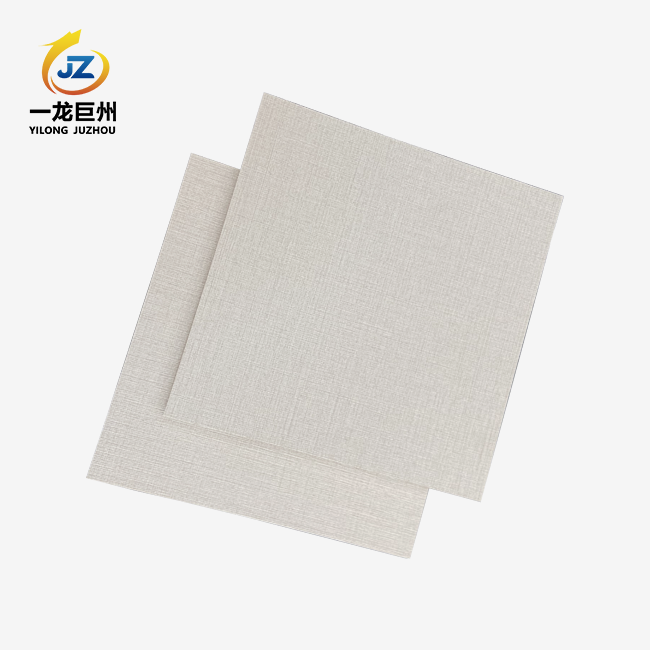
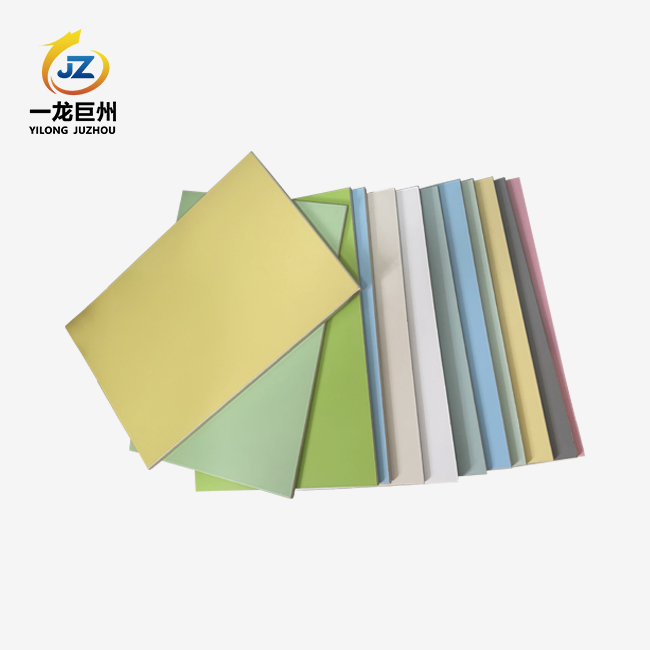
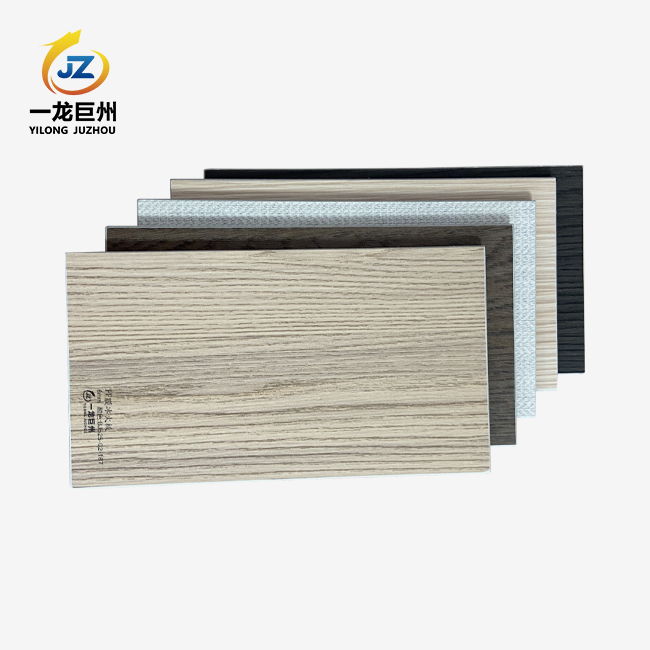
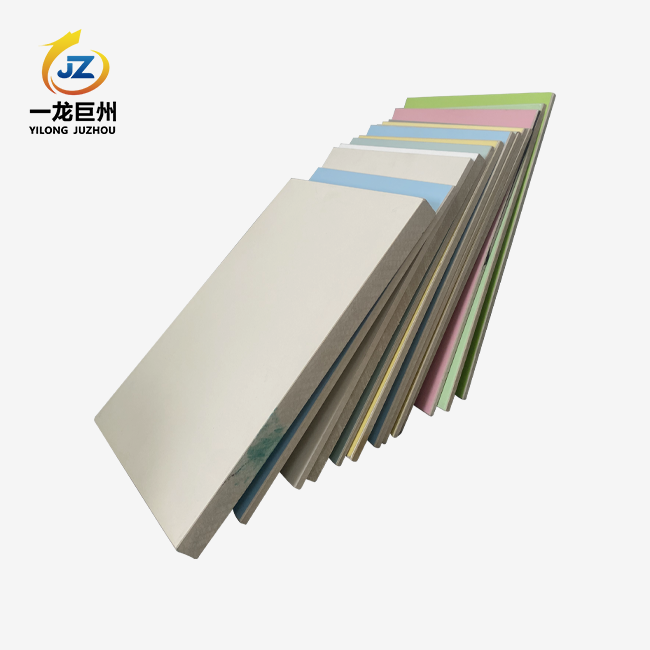
Different projects can use this product, which comes in common sizes of 1220mm, lengths up to 3050mm, and thicknesses ranging from 4.5mm to 15mm. Solid colour finishes match the look of buildings while still doing their job well in hospital greens, industrial whites, and business greys.
Strategic Procurement Considerations
Supplier Qualification Criteria
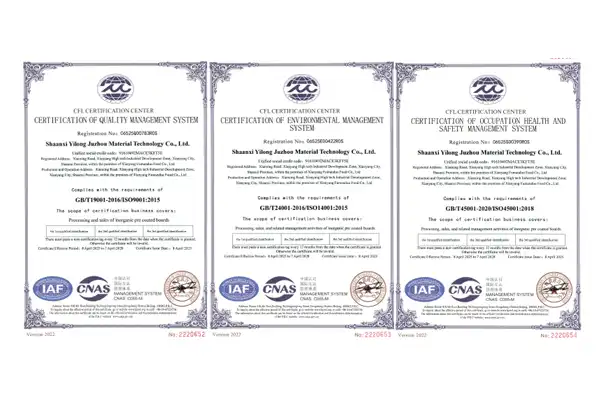
When buying Negative ions healthy panels, teams in charge of procurement should check that the suppliers have third-party certifications like ISO quality control systems and CE compliance for foreign projects. Environmental certifications like ENF grade show that the panels themselves give off low levels of VOCs, which is very important for their air quality mission. When a manufacturer can do both OEM and ODM for Negative Ion Health Wall Board, it shows that they have a lot of technical knowledge and can adapt to the needs of any project.
When planning when to deliver parts of a building project, production capacity factors are important. When suppliers keep 50,000 square meters of inventory on hand, they can respond to tighter schedules without affecting other project deadlines. Response times of less than 24 hours for technical questions indicate strong engineering support during the creation of specifications and troubleshooting during installation.
Total Cost of Ownership Analysis
The starting prices of materials may be higher than those for regular gypsum board, but lifecycle research shows that there are big savings over time. Three-year quality guarantees are popular in business specifications. These warranties lower risk compared to goods with shorter warranties. If there are no upkeep needs, there are no ongoing labour costs for changing filters or servicing equipment, which eat up property management funds over the lifecycle of a building, which is 10 years.
How well an installation is done affects both project plans and labour funds. When compared to complicated tile systems or multi-step finishing processes, panels that are made to be easy to install require fewer skilled labour hours. Standard framing systems that work with the substrate don't need to be changed, which saves money and time on projects.
Sample Evaluation Protocols
The first step in responsible buying is to test a real sample on the actual job site. Manufacturers who offer free sample programs with shipping windows of three to five days show that they are confident in the performance of their products and want their customers to be happy. The surface should be tested for hardness to see how well it resists contact; it should be exposed to water to see if it really is waterproof; and if possible, portable ion counters should be used to measure the amount of ions present.
Practical Implementation in Commercial Facilities
Application-Specific Deployment
Materials used in healthcare settings must meet strict standards for preventing infections. Class A fire resistance and antimicrobial surfaces that can stand up to harsh chemical disinfection protocols are good for operating rooms and CT scan centers. The constant generation of ions is an addition to, but never a replacement for, the proper ventilation and sterilisation processes that medical facility codes demand.
Schools have to meet air quality obligations to kids and workers while also staying within their budgets. When put in schools, libraries, and cafeterias, negative ion healthy panels make a noticeable difference without making noise like mechanical air cleaners do. Impact resistance is useful in basic schools, where daily activities damage the walls and need to be fixed often.
Transportation hubs, like airports, train stops, and tube platforms, serve tens of thousands of people who come and go every day. These areas with a lot of traffic collect pollution from cars, people breathing, and particles that are tracked in. When you install panels on the walls and ceiling, they make continuous treatment zones that work with expensive HVAC filtration systems that are running at high air exchange rates to help them out.
Installation Best Practices
Ion distribution is based on electromagnetic principles, and coverage depends on how big the panel is compared to the volume of the room. Ion concentration is best in busy areas where continuous installation is specified across major wall surfaces. Covering only part of a wall makes it less effective, especially in big, open rooms with high ceilings where stratification can happen.
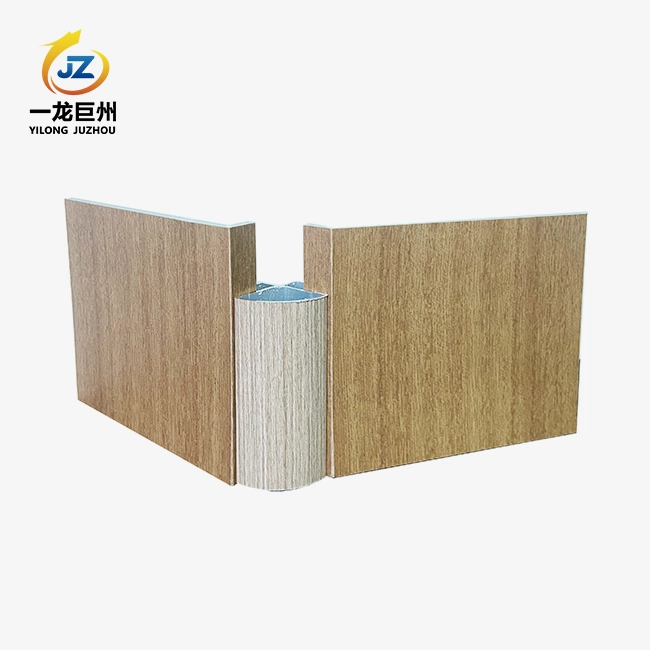
Standard installation follows standard methods for finishing the inside of a building, using the right glue or mechanical fastening systems that work with calcium silicate surfaces. The ENF-grade environmental approval makes sure that the materials used for installation don't add any new sources of pollution that would hurt air quality goals. Working together with the plumbing, electrical, and mechanical trades stops holes that could damage or stop working panels.
Maintenance Requirements
Regular cleaning is all that's needed to keep things working well for a long time. The antibacterial surface stops biofilm from forming, which is what breaks down regular painted walls in damp places. Normal cleaning products that can be used on painted surfaces keep them looking good without harming the ion-releasing minerals that are contained in the layer. The antibacterial finish will last longer on the panel if you don't use rough tools.
Since there are no filters, fans, or electronic parts, there are no scheduled replacement cycles that take up space that is already being used. Installing panels during the building process or a big renovation can last for decades without losing their efficiency. This supports whole-building lifecycle planning and sustainable building standards.
Conclusion
Negative ions healthy panel technology is a big change from thinking of indoor air quality as a cost to thinking of it as something that is built into buildings. Multiple procurement priorities can be met by a single material specification that has Class A fire resistance, 99.99% antibacterial effectiveness, continuous ion generation, and no operational costs. Healthcare facilities get better ways to prevent infections; schools get cheaper ways to protect the health of their students; and business developers meet stricter wellness building standards without having to use complicated mechanical systems. Building codes are getting stricter about indoor air quality, and people's expectations are rising. Passive purification technologies that are built into the building envelope offer long-term solutions that improve health and last for a long time.
FAQ
1. Are negative ion panels effective compared to HEPA filtration?
These systems work together instead of against each other. HEPA filters literally catch particles in moving airstreams, but they need fan power and need to be replaced every so often. Negative-ion healthy panels charge particles electrostatically, which makes breathing zones settle without adding any energy. Combined usage uses panels to clean the air in the background all the time, while HVAC systems handle the large air exchange. This lowers both the capital and operating costs of the building over its entire lifetime.
2. Do negative ion panels produce harmful ozone?
When quality panels are made with the right mix of minerals, they produce very little ozone, well below the 0.05 ppm amount that the EPA considers safe. The piezoelectric effect in tourmaline and rare earth substances creates negative ions through different ways of moving electrons than corona discharge ionisers, which create ozone as a result. Reputable makers provide proof from third-party testing that ozone levels can't be found during normal operation. This eases safety worries for enclosed areas with people.
3. Can these panels help with allergies and asthma?
There is clinical proof that particulate reduction and allergen settling can help relieve nasal discomfort. Asthma triggers like pollen, dust mites, and pet hair are less likely to get into breathing areas where ion-generating surfaces are present. Chemical toxins that make sensitive people's breathing worse are dealt with by the VOC decay capability. Negative ion-generating panels make indoor air cleaner in a measurable way, but they shouldn't be used instead of medical treatment for breathing problems that have already been diagnosed.
Partner with YILONG JUZHOU for Advanced Air Quality Solutions
Yillong Juzhou has two production sites in Shaanxi and Guangdong provinces and is ready to support your next project with designed negative-ion healthy panel systems. Our EU-approved panels are shipped from the ports of Shenzhen, Guangzhou, Shanghai, and Qingdao. They can be made in 3–7 days, which works well for tight schedules. Negative ions healthy panel maker with a long history, we offer OEM and ODM customisation, free sample programs, and technical design services that turn your air quality goals into cost-effective, legal requirements. You can email our engineering team at cnyang2000114@gmail.com to talk about bulk purchasing prices, project-specific customisation, and installation support for your healthcare, educational, or commercial building. You will hear back from experts within 24 hours who know how long it takes to build things for businesses.
References
1. United States Environmental Protection Agency. (2021). Indoor Air Quality: Introduction for Health Professionals. Washington, DC: EPA Office of Air and Radiation.
2. Krueger, A.P. & Reed, E.J. (1976). "Biological Impact of Small Air Ions." Science, 193(4259), 1209-1213.
3. Wyon, D.P. (2004). "The Effects of Indoor Air Quality on Performance and Productivity." Indoor Air, 14(Suppl 7), 92-101.
4. Zhang, X., Wargocki, P., Lian, Z. & Thyregod, C. (2017). "Effects of Exposure to Carbon Dioxide and Human Bioeffluents on Cognitive Performance." Procedia Engineering, 205, 2997-3003.
5. Bailey, W.H., Williams, A.L. & Leonhard, M.J. (2015). "Negative Air Ionization and Its Effects on Airborne Bacterial Contamination in Animal Quarters." Journal of Environmental Science and Health, 50(4), 416-424.
6. Goldstein, N., Goldstein, R.N. & Merzlyak, T. (1992). "The Influence of Ionized Air on Patients with Bronchial Asthma." International Journal of Biometeorology, 36(4), 209-211.

Send Inquiry
Related Industry Knowledge
- Why Choose a Negative Ion Healthy Panel for Interior Wall Decoration?
- Why Is Negative Ions Panel Ideal for Eco-Friendly Interior Wall Decoration?
- Why the PP Healthy Panel is the Best Choice for Medical and Hygiene Applications?
- Why Choose Inorganic pre-coated panels for Wall Cladding Systems?
- Medical Clean Board for Hospital Wall and Ceiling Systems
- Medical Clean Board Features and Benefits Explained
- What Is Medical Clean Board and Where Is It Used?
- What are aluminum composite panels used for?
- How do I choose the right aluminum composite panels for my building?
- Things to Know About Aluminium Composite Panels