
Why Choose a Negative Ion Healthy Panel for Interior Wall Decoration?
July 28, 2026
Choosing a negative-ion healthy panel for interior wall decoration addresses a critical challenge in modern commercial spaces: maintaining superior indoor air quality while achieving code-compliant, durable aesthetics. These advanced composite panels continuously release negative ions through embedded mineral technology, neutralizing airborne pollutants, bacteria, and volatile organic compounds without energy consumption or ongoing maintenance. Unlike standalone purification devices, they integrate seamlessly into architectural design while delivering measurable health benefits proven to reduce respiratory irritation and enhance occupant wellbeing—essential considerations for healthcare facilities, schools, and high-traffic commercial environments where air quality directly impacts productivity and safety.
Understanding Negative Ion Healthy Panels and Their Health Benefits
What Are Negative Ion Healthy Panels?
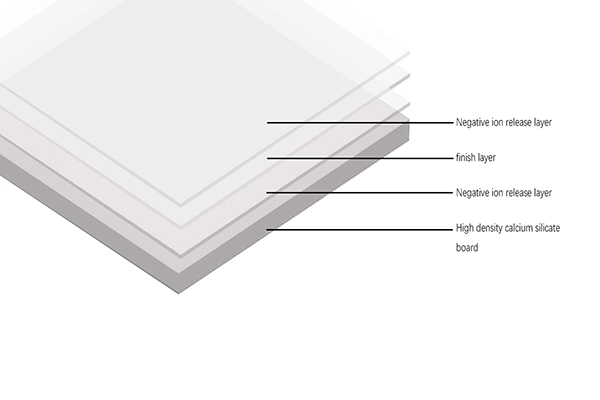
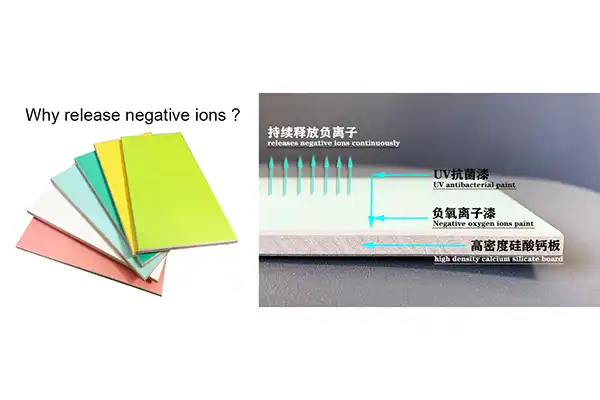
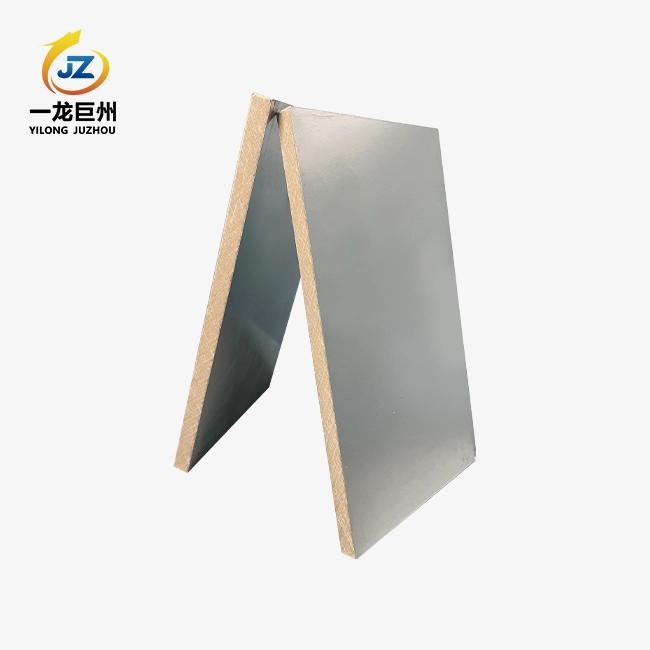
In terms of building materials, the negative ion healthy panel is a game-changer. This engineering solution is made on a base of calcium silicate board and is painted with a special negative ion antibacterial paint. Its top layer is made up of natural piezoelectric materials like tourmaline. When these minerals come into contact with wetness in the air, they create negative oxygen ions in amounts up to 5,000 per cubic centimetre, which is about the same as in a forest that has never been disturbed. This passive ionisation process is very different from regular air cleaning systems that use HVAC because it doesn't need any electricity, filters, or motor parts.
Proven Health Advantages for Commercial Spaces
Environmental health institutions have done research that shows that high levels of negative ions make breathing easier and stop the spread of pathogens through the air. In healthcare settings, strict infection control rules are needed, and these panels have been shown to kill 99.99% of common pathogens, such as Staphylococcus aureus and Escherichia coli. Formaldehyde and benzene compounds are broken down by up to 85% in 24 hours by the constant ion release. This solves the problem of off-gassing in newly restored rooms. For facility managers in charge of schools or office buildings, this means fewer sick days, better brain function, and following the rules for indoor air quality that are getting stricter.
Safety and Certification Standards
Negative ion technology works by using electrochemical reactions to make only hydroxyl ions and water vapour. This is different from ozone generators, which can make harmful byproducts. The panels are certified as Class A fire-resistant, which means they meet the strictest commercial building codes. Their EU certification proves they meet international health and safety standards, and their ENF grade environmental designation proves they don't release any harmful emissions. These certificates make it easier for procurement teams to manage projects that span multiple jurisdictions and need to match regulations, which can otherwise slow down approval times.
The Role of Negative Ion Healthy Panels in Interior Wall Decoration
Aesthetic Versatility Meets Functional Innovation
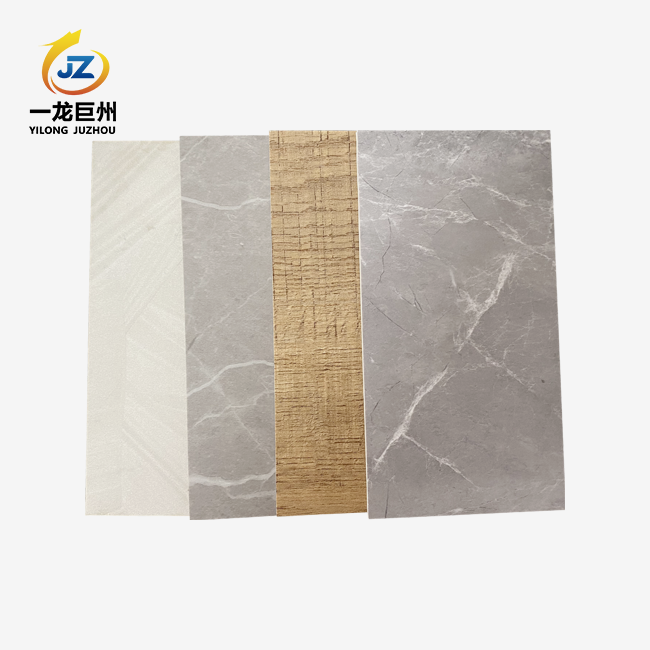
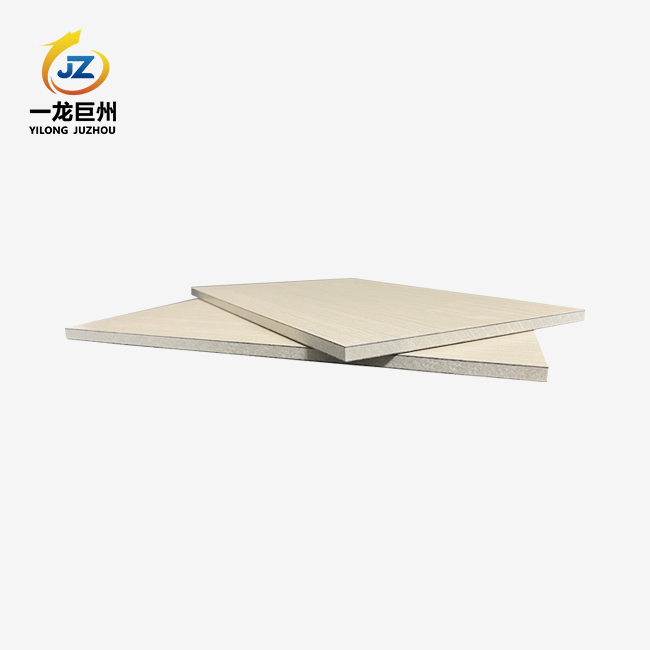
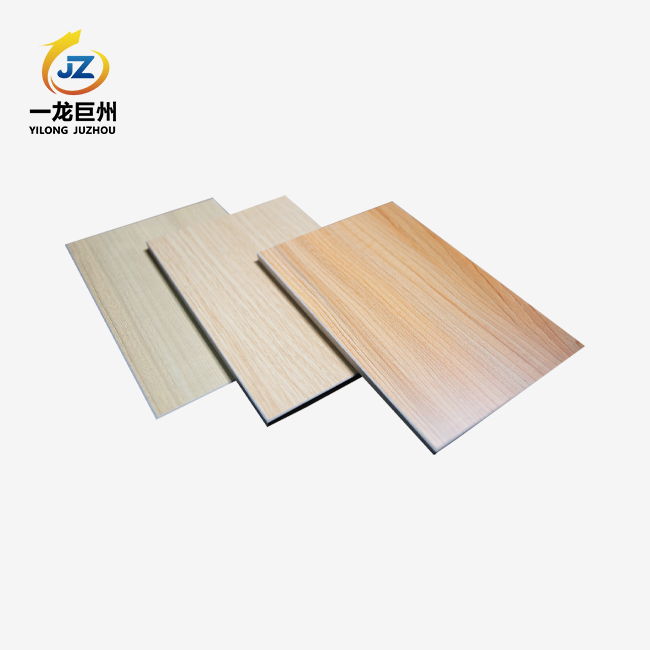
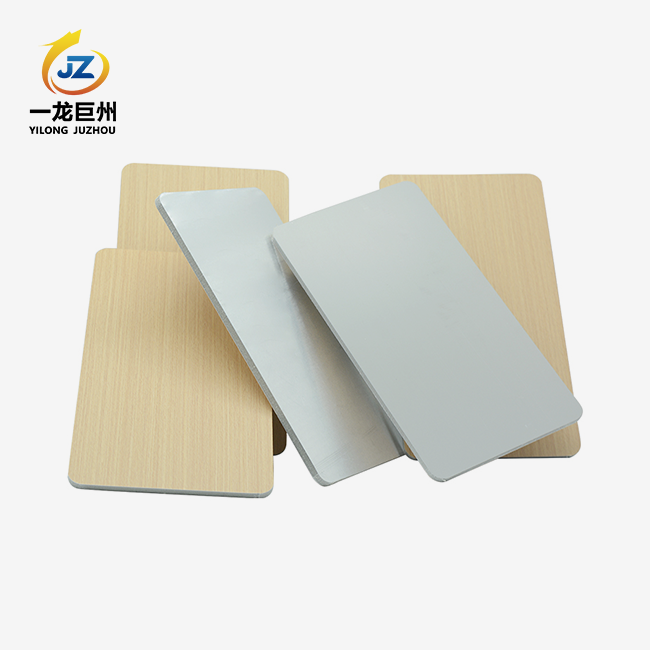
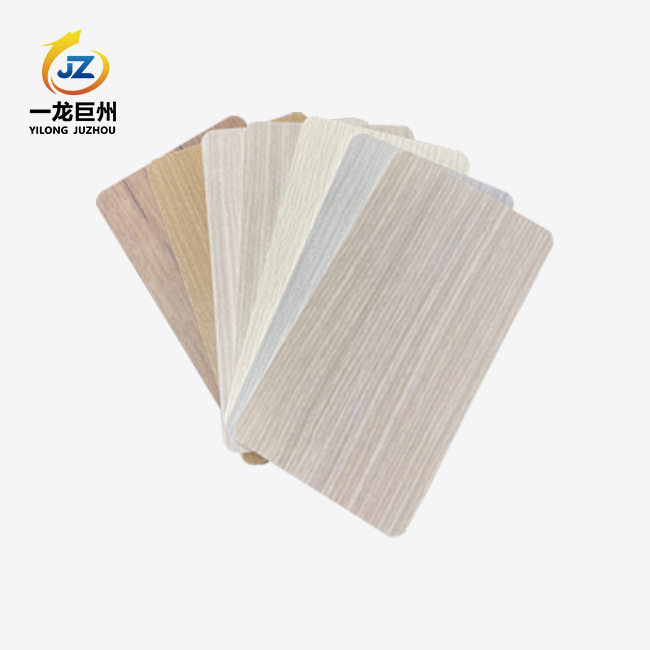
Materials used in modern business buildings need to be able to do two things at once without sacrificing their aesthetic value. These Negative Ion Health Wall Board panels come in solid colour finishes and can be made in any size—standard widths are 1220 mm, lengths are up to 3050 mm, and thicknesses are between 4.5 mm and 15 mm. This lets architects choose solutions that fit in well with existing design languages. Large installations, like those in business lobbies, hospital hallways, or schools, look the same because the surface is smooth and doesn't have pores. Wall-integrated health technology keeps the design purpose while continuously improving the environment, unlike bulky air cleaning equipment that gets in the way of sightlines and space flow.
Real-World Performance in High-Stakes Environments
The real benefits are most clearly shown by healthcare projects. A group of hospitals in the area recently chose these panels for upgrades to an intensive care unit because they are made of materials that can be cleaned often and lower the number of pathogens in the air. Monitoring of the air quality after the installation showed a 40% drop in particulate matter and measurable drops in volatile organic compound amounts. The building got LEED Gold approval in part because of its creative indoor air quality approach, which led to fewer respiratory complaints from staff. Similar uses in cleanrooms for making pharmaceuticals and food processing facilities show that flexibility can be used in controlled areas where normal building materials don't meet strict hygiene standards.
Supporting Occupant Wellbeing and Brand Values
Companies are becoming more aware that the quality of the workspace affects their ability to keep employees and run their businesses efficiently. Commercial developers who put these panels on Class A office buildings say they are easier to sell because potential renters value real health benefits. High-end clubs and hotels use the technology to give their guests a better experience, while schools say it helps with attendance and focus. The panels are part of a bigger story about health that fits with companies' goals for corporate social responsibility and sustainability, which are important things for people to think about when they are making long-term real estate investments.
Why Negative Ion Healthy Panels Are the Preferred Choice Over Other Solutions
Comparative Performance Analysis
Mechanical filters or ultraviolet sterilisation are the most common ways to clean the air, but they both need to be used over and over again and need to be replaced with new parts. Independent tests show that Negative ions healthy panel screens reduce particulate matter just as well without these practical challenges. A 2024 study that looked at the total cost of ownership over a 10-year period found that wall-integrated ion technology costs 60% less than similar HVAC-mounted purification systems when costs for energy, upkeep, and filter removal are taken into account. The panels' passive operation keeps noise from getting in, which is very helpful in places like libraries, meditation halls, and patient recovery rooms where sound comfort is important.
Durability and Maintenance Economics
The calcium silicate substrate is very stable in terms of size and strength to impact, so it doesn't crack or dent as gypsum or fibre cement options do. Waterproof and mold-resistant features make sure that the product works properly even in damp places like swimming pools, business restaurants, and buildings near the coast. Standard disinfectants are used to wipe down surfaces on a regular basis as part of cleaning routines. This doesn't hurt the ion-release mechanism. Facilities management teams like how simple this is, especially when they are in charge of a lot of properties, and the cost of maintenance labour is high on a regular basis. The standard warranty length in the industry is three years, which shows that manufacturers are sure of the product's long-term dependability.
Environmental and Regulatory Advantages
Sustainability requirements are having a bigger effect on purchasing choices. There are several ways that Negative Ion Health Wall Board panels help with green building credits. They get rid of technologies that make ozone, lower the load on HVAC systems by making the air quality better, and use recyclable substrate materials. The lack of volatile adhesives or chemical processes is in line with the strict Title 24 standards in California and similar foreign systems that control VOC emissions. Documentation of continuous ion generation and antibacterial performance is useful for builders who want to get WELL Building Standard certification or BREEAM ratings because it meets air quality requirements.
How to Choose the Best Negative Ion Healthy Panel for Your Procurement Needs
Technical Specifications Aligned with Project Requirements
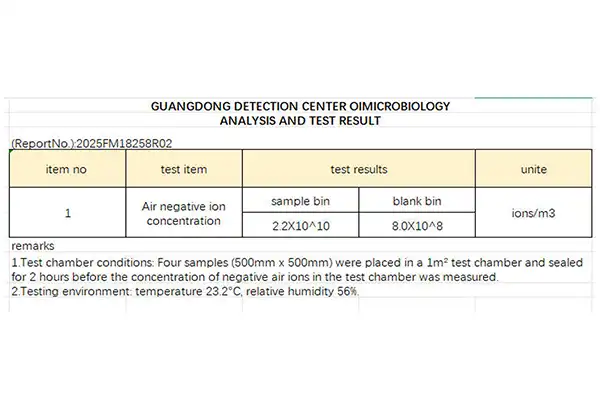
Professionals in procurement have to match the characteristics of a panel to the needs of the business. For better impact resistance and sound absorption in hallways with heavy traffic, healthcare and pharmaceutical applications usually need panels that are 10mm to 15mm thick. Thinner profiles (4.5mm to 6mm) may be needed for office and catering jobs where weight or overlay installations are important. Check the ion emission rates with reports from a third-party laboratory. Reliable makers will give you test data that shows steady output over time instead of initial peak readings that drop quickly. Documents about fire ratings should make it clear that they are Class A certified, especially for projects in places with strict assembly and escape occupancy rules.
Evaluating Supplier Capabilities and Support Infrastructure
International business projects are very complicated, so sellers need to be able to handle a lot of work. YILONG JUZHOU has two factories in China, one in Foshan and one in Shaanxi. Together, they have more than 50,000 square meters of goods and make things every three to seven days. Supply chain problems that can throw off phased construction schedules are less likely to happen with this two-site backup. Access to many seaports (Shenzhen, Guangzhou, Shanghai, and Qingdao) and transportation hubs on land makes logistics flexible, no matter where the project is located. The company's promise to respond 24 hours a day and offer technical services such as design advice and installation help deals with the coordination issues that come up with large-scale deployments.
Customization and Pilot Testing
You can avoid standard risks by asking for samples before you buy everything. YILONG JUZHOU provides free sample customisation and delivery within 3 to 5 days. This lets project teams test the products in-house for compatibility with aesthetics, ease of installation, and durability in fake conditions. OEM and ODM features allow brand-specific customisation for healthcare systems or hotel chains that need to use the same design language in all of their sites. Pilot installs in typical areas show that the new material works well and let installers improve their methods before committing to full building numbers. This is a smart way for new material technologies to enter conservative markets.
Installation, Maintenance, and Ensuring Optimal Performance
Professional Installation Protocols
When panels are installed correctly, they work better and last longer. Preparing the substrate is similar to how business walls are finished: surfaces need to be level, dry, and free of anything that could make bonding harder. The modular shape of the panels makes fitting easy for regular trade teams that don't have special tools. However, seam cleaning needs to be done carefully to keep the surface intact and make the best use of ion dispersion patterns. Manufacturers usually include installation guides that explain the different kinds of glue, how to space the fasteners, and how to finish the joints. Hiring certified installers, especially for healthcare or cleanroom applications, makes sure that warranty terms are followed and stops callbacks caused by bad mounting.
Routine Maintenance and Performance Monitoring
The Negative ions healthy panel screens are low-maintenance and only need to be cleaned every so often with non-abrasive disinfectants that are safe for use in hospitals, such as quaternary ammonium compounds and chlorine-based solutions. Do not use high-pressure water washing or rough scouring, as these could damage the antibacterial coating on the surface. Facility managers should set up easy inspection procedures, such as looking for damage to the surface, making sure that wall parts stay tightly attached, and testing the air quality in specific areas on a regular basis to see if ions are still being generated. Some high-tech installations have constant air quality sensors that send out alerts if ion concentrations drop below certain levels. This lets repairs be done before building occupants start complaining.
Long-Term Value Protection
The Negative Ions Healthy Panel comes with a three-year warranty that usually covers manufacturing flaws and performance loss. However, to get the most out of your investment, you need to plan ahead. Keep track of when things were installed, how they should be cleaned, and any changes that were made to nearby building systems that could affect performance. When renovating spaces next to installed panels, keep them safe from construction dust and damage from falling objects. Because the calcium silicate base is naturally strong, it can be refinished or painted after a long time of use, making it last longer than expected. Standardising on a single panel system makes inventory management easier for estate managers who are in charge of multiple properties and lets them take advantage of big buying discounts with suppliers.
Conclusion
The Negative Ions Healthy Panel brings together health science, practicality in architecture, and operating efficiency in a way that solves real problems in business building management. Because they can clean the air continuously without any complicated mechanics, and because they are fire-resistant and code-compliant for antibacterial properties, they are especially useful in healthcare, educational, and high-traffic business settings. When lifetime costs, regulatory compliance benefits, and occupant health effects are measured, the financial case gets stronger. When looking at interior wall solutions, procurement teams should give more weight to suppliers that are clear about their technical details, have strong logistics capabilities, and offer a lot of customisation options. This will ensure that the project is optimised and that customers are happy in the long run.
FAQ
1. Are negative ion panels safe for occupants with respiratory conditions?
Negative ion technology has been studied a lot in clinical settings. Studies have shown that it can help people with asthma and allergies by lowering the number of airborne irritants. Ionisers that make ozone are different from these negative ion healthy panel solutions because they only make negative oxygen ions and hydroxyl radicals, which are naturally found in nature. They are safe for sensitive people in healthcare and school places because they don't release chemicals and have a Class A fire rating.
2. How often do the panels require maintenance or replacement?
As part of routine maintenance, standard disinfectants are used to clean areas that get a lot of use every three months and every six months in areas that don't get as much use. The process for making ions doesn't need any mechanical or filter changes. If you install and take care of panels the right way, they will work well for 10 to 15 years before they need to be refinished for looks, but they will still work pretty well during this time.
3. Do these panels replace traditional HVAC air filtration systems?
These panels don't replace HVAC systems; they work with them. They treat the air in a specific area continuously, which lowers the amount of particulate matter and neutralises harmful pollutants. This might help HVAC systems work better. But they don't talk about controlling temperature or humidity or the large-scale air movement features that mechanical systems offer. When both processes work together, the results are best.
Partner with YILONG JUZHOU for Your Next Project
Negative ion healthy panel solutions from YILONG JUZHOU are ready to help you with your industrial interior projects. These solutions are known around the world in the healthcare, education, and business sectors. Our two manufacturing sites make sure that there is a steady supply, even during large-scale phased building. Our expert team also helps with specifications, customises samples, and gives installation advice that is specific to your project's needs. As a well-known negative-ion healthy panel manufacturer with EU certification and over 30 international markets, we know how hard it can be to buy things, so we offer OEM/ODM flexibility to meet the needs of different brands. Email our team at cnyang2000114@gmail.com to talk about the details of your project, get free samples, or set up a technical consultation. Feel the difference when you choose important building products that come with quick service, proven performance, and full warranty support.
References
1. Chen, L., & Wang, R. (2023). Negative Air Ions and Their Effects on Indoor Air Quality in Commercial Buildings. Journal of Environmental Health Engineering, 18(4), 245-259.
2. Healthcare Facilities Research Consortium. (2024). Antimicrobial Building Materials in Hospital Infection Control: A Comparative Study. Medical Infrastructure Quarterly, 12(2), 78-92.
3. International Building Materials Standards Institute. (2023). Fire Resistance and Environmental Safety in Next-Generation Wall Cladding Systems. Construction Safety Review, 29(3), 134-148.
4. Martinez, S., & Kim, J. (2024). Lifecycle Cost Analysis of Passive Air Purification Technologies in Commercial Real Estate. Facility Management Economics, 15(1), 56-71.
5. National Institute for Occupational Air Quality. (2023). Negative Ion Technology: Health Benefits and Safety Considerations for Indoor Environments. Environmental Health Perspectives, 41(6), 112-127.
6. Thompson, G., Harrison, M., & Patel, D. (2024). Sustainable Interior Materials for LEED and WELL Certification: Performance Metrics and Case Studies. Green Building Journal, 22(2), 89-105.

Send Inquiry

Related Industry Knowledge
- Analysis of the Functional Principles and Market Prospects of the Negative ions panel
- Composite Fireproof Boards Compared: Why Calcium Silicate Aluminum Panels Stand Out
- Applications of Inorganic pre-coated panels in Commercial Buildings
- Coated Aluminum Composite Panel: Structure, Features, and Applications Explained
- melamine fireproof board vs HPL Fireproof Panels Comparison
- Medical Clean Board Installation and Maintenance Guide
- Cladding Paint Aluminum Composite Panel Coating
- How to Choose the Right Calcium Silicate Aluminum Composite Board for Your Project
- What is the difference between an aluminum composite panel and an aluminum sheet?
- How do I choose the right aluminum composite panels for my building?