
Inorganic pre-coated panels for Modern Architectural Applications
July 14, 2026
When commercial architects and procurement managers face the critical challenge of selecting durable interior wall systems for high-traffic environments, they increasingly turn to solutions that combine uncompromising safety with long-term performance. Inorganic pre-coated panels represent a transformative material category that addresses these exact demands. Built on a calcium silicate board foundation and finished with UV antibacterial painting, these panels deliver Class A fire resistance, 99.99% antibacterial efficacy, and zero-VOC emissions. They're engineered specifically for demanding spaces—from operating rooms and pharmaceutical facilities to subway tunnels and food processing plants—where traditional materials simply cannot meet the rigorous hygiene, safety, and durability standards required by modern building codes and institutional procurement processes.
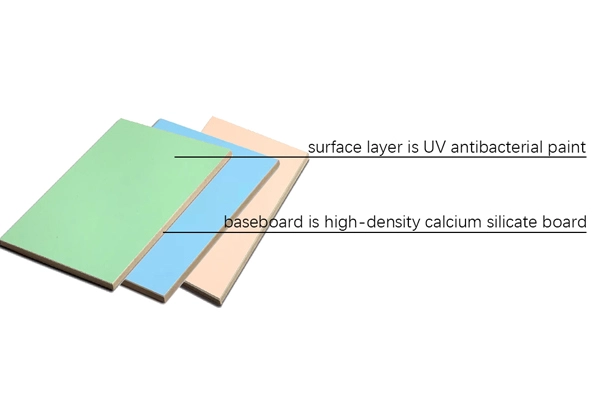
Understanding Inorganic Pre-Coated Panels: Properties and Production Processes
What Sets Inorganic Systems Apart?
The fact that these walls are all one piece is what makes them unique. Aluminum composites use polymers that can catch fire, but calcium silicate surfaces joined with UV-cured inorganic coatings make an assembly that can't catch fire at all. This main difference leads to GB8624 Class A approval, which is needed for hospitals, public transit systems, and protected public areas in the United States according to fire codes like IBC and NFPA 101.
The way the product is made guarantees uniformity so that finishes that are put in the field can't match. Factory-controlled UV curing makes a molecular link between the antibacterial layer and the base. This eliminates the risk of delamination that comes with systems that are painted on-site. Because the factory is under strict control, YILONG JUZHOU can keep the thicknesses very close to each other. The thicknesses range from 4.5 mm to 20 mm, and the typical sizes are 1220 mm wide and up to 3050 mm long to cover the whole wall.
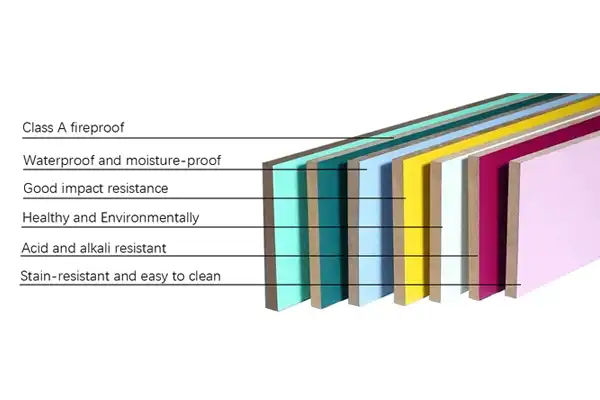
Core Material Composition and Performance Data
The structural benefits of the calcium silicate base have a direct effect on project timelines and upkeep budgets. These panels stay the same size even in damp places like industrial restaurants or hospitals near the coast because they have a density of 1.4 to 1.7 g/cm³ and a water absorption rate below 10%. The UV antibacterial layer on top has a Mohs hardness of 4-6H, which means it can handle daily hits and abrasions that would cause softer gypsum-based options to break down early.
Testing data shows that there are real benefits. After 3,000 hours of xenon lamp aging tests, there is still very little color change (Delta E < 5), which means that hospital hallways keep looking the way they should without having to go through expensive repainting processes. The antibacterial coating gets rid of 99.99% of skin pathogens, which is what healthcare buying teams need for operating rooms and isolation rooms to follow infection control rules.
Environmental and Health Compliance
Developers who care about the environment will like that these panels don't have any benzene, formaldehyde, or volatile organic chemicals in them. The UV curing process makes a thick film that protects and seals the base, stopping any leaks that might still be there. Projects can be filled right away after installation, which is very helpful for renovation plans in buildings that are already used, like schools or office towers.
Being able to be recycled adds another level to their environmental image. Calcium silicate panels can be crushed and used again as gravel, which is different from composite materials that need special separation methods. This is in line with LEED material reuse points and circular economy ideas that are becoming more important to university clients.
Performance and Applications in Modern Architecture
Healthcare and Cleanroom Environments
The operating room may be the most difficult place to use an app. In addition to being clean, these areas need surfaces that won't break down when exposed to strong sterilization methods like vaporized hydrogen peroxide, quaternary ammonium compounds, and bleach solutions. The chemically neutral surface of UV-coated panels doesn't react with these things, and the joints stay smooth so germs can't grow in them.
Calcium silicate substrates (inorganic pre-coated panels) are naturally antistatic, which is useful for pharmaceutical production sites. The problem of dust sticking to plastic laminates is almost gone, which helps keep ISO 14644 cleanroom classifications. Using pressure strips for quick installation cuts down on building dust and shortens validation times. For drug makers working under tight FDA clearance schedules, this has a direct effect on project ROI.
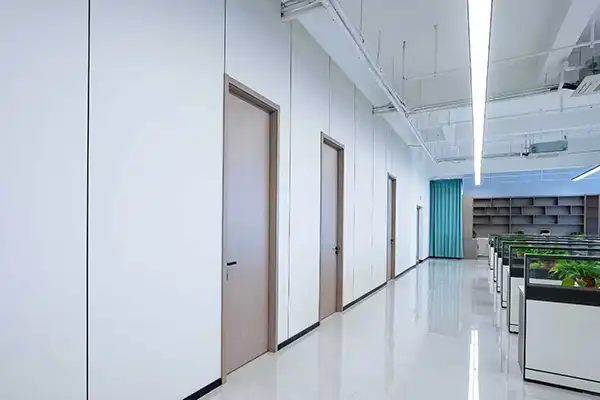
Transit Infrastructure and Tunnel Systems
Different rules apply to subway stops and highway shafts. In small areas with few ways out, fire safety is very important. These panels are Class A non-combustible, which means they don't give off poisonous smoke when they're under a lot of heat. This is an important thing to look at when judging life safety systems. In big cities, transport officials now require non-combustible wall systems as standard. This means that organically coated options are not allowed in bid packages.
In addition to their fire-retardant qualities, certain surface finishes can also reduce driving glare in tunnel uses while increasing the efficiency of lighting. This optical engineering lowers the amount of energy used by fake lighting systems. This helps keep running costs low over the 30+ years that transit infrastructure usually lasts. Diesel particulate matter doesn't stick to the surface, which makes maintenance cleaning cycles easier because lanes don't have to be closed and traffic isn't slowed down.
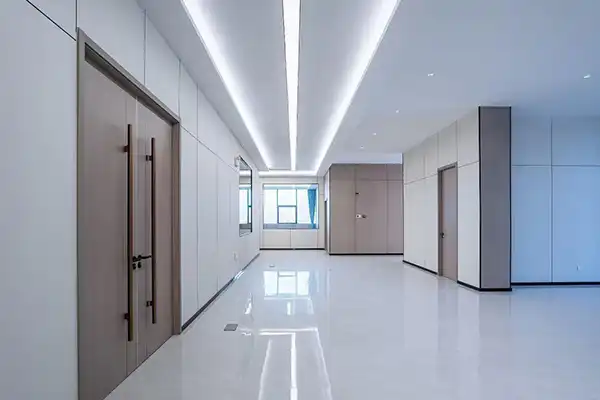
Commercial and Institutional Interiors
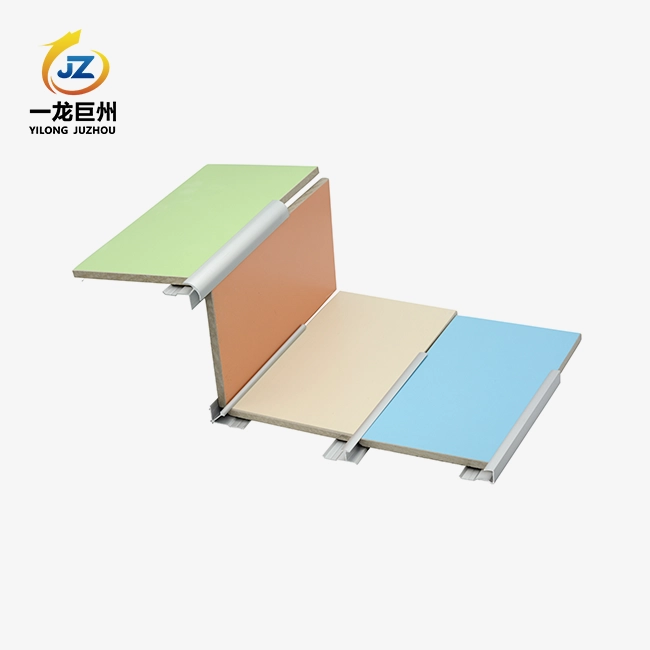
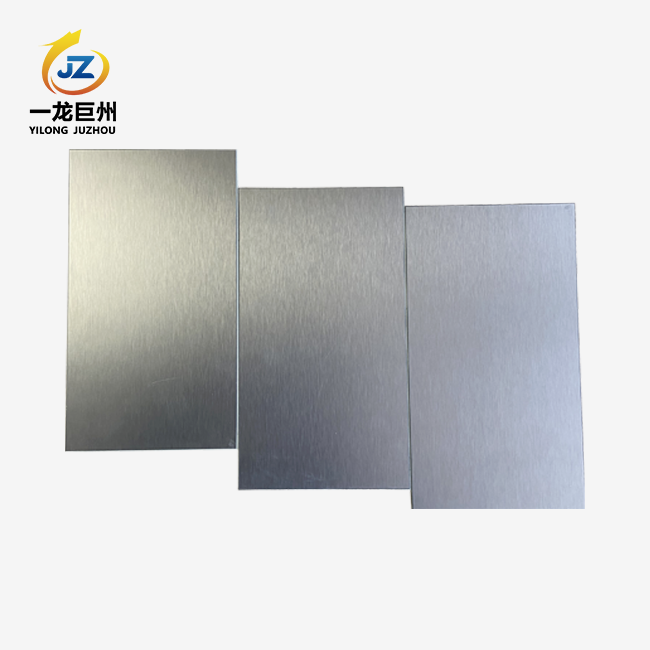
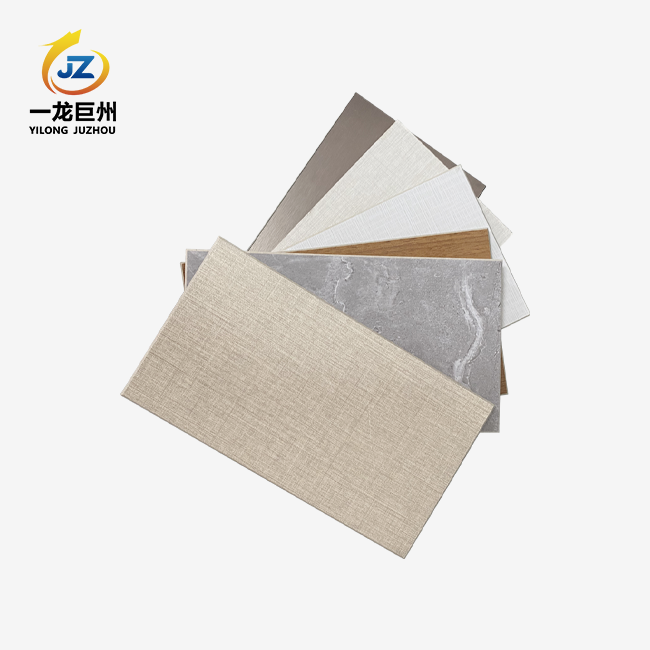
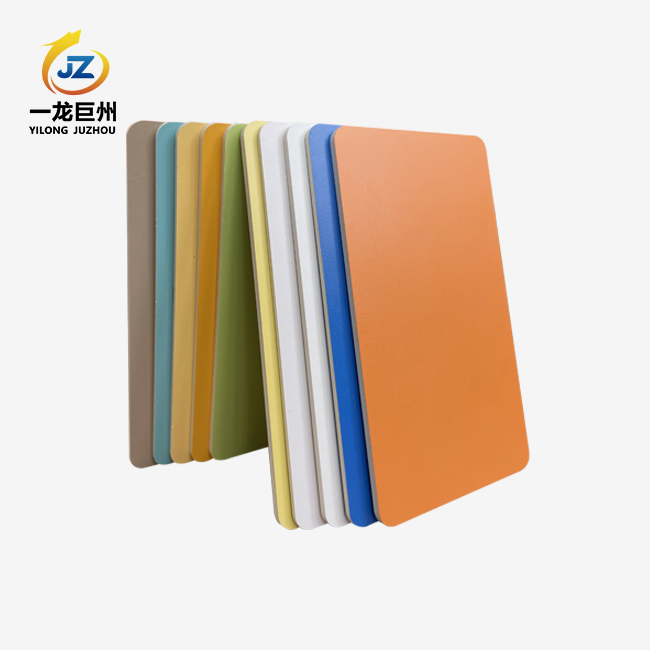
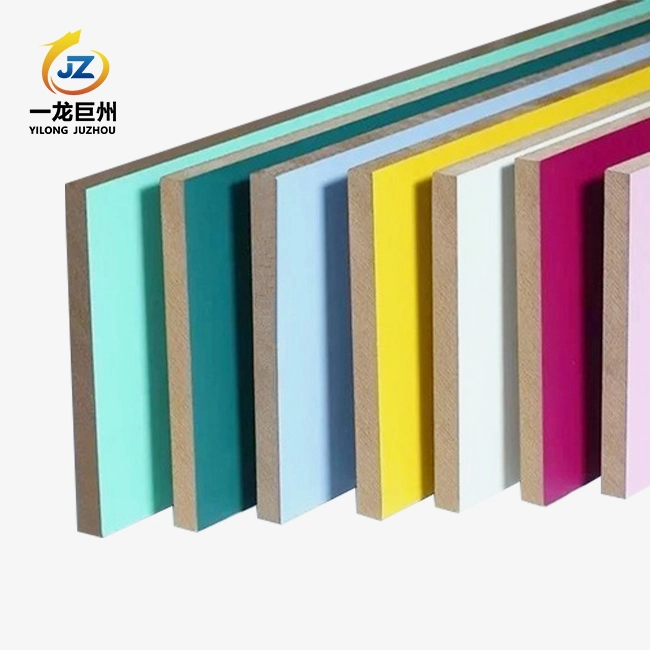
In places like shopping malls, airport hubs, and schools, wall systems need to be able to balance how they look with how long they last when people are constantly touching them. The panel can be customized with solid colors, wood grain textures, marble patterns, metallic finishes, and cloth effects, which help builders achieve their design goals without losing performance. This design flexibility comes from the fact that advanced printing technologies are used during the UV finishing stage. These technologies create lifelike surfaces that look great for a much longer time than vinyl films or painted plasterboard.
Impact resistance stops the dents and cracks that happen a lot in areas with a lot of foot traffic. For example, backpacks, equipment carts, and student action are always moving through school halls. The strong base can take these hits without damaging the structure, so there is no need to patch and paint, which costs a lot and hurts building management budgets. Installation speed is also important. Factory-customized panels can be put on top of current surfaces, so there is less downtime during school or store hours.
Decision-Making Guide: Choosing the Right Inorganic Pre-Coated Panel for Your Project
Matching Panel Specifications to Project Requirements
The choice of thickness has a direct effect on both the soundproofing and the load on the structure. In healthcare settings, 6mm or 8mm panels are usually chosen to balance controlling sound transmission with the weight limits of the current frame. In industrial cleanrooms, 10mm or 12mm choices may be needed to meet impact requirements without the need for extra backing layers. If you understand these connections, you won't make too many specifications, which drives up costs, or too few specifications, which leads to change orders.
Choosing a surface finish isn't just about how it looks. High-gloss surfaces reflect light better in rooms without windows, but they might be too bright in stores. Matte or rough finishes make surfaces less reflective and better hide scratches in service areas. The technical team at YILONG JUZHOU helps with these choices by sending sample sets so that they can be tested in real lighting situations before full-scale orders are placed.
Certification Verification and Supplier Reliability
Managers of procurement must make sure that panel approvals are in line with the rules in their area. GB8624 Class A meets Chinese standards, but for insurance purposes, U.S. projects may need ASTM E84 flame spread tests or FM 4880 approval. ISO certification shows that a company has quality control systems in place for manufacturing, but fire test records from approved labs are what you need to get a permit and get a job with a contractor.
Lead times are another important factor. Standard color panels can be shipped within 3–7 days from YILONG JUZHOU's 50,000 m² warehouse, which works well for tight deadlines. Custom color matches or special designs need to be coordinated during the plant production cycle, which usually takes an extra 10 to 15 days. Knowing these dates while the plan is being made keeps schedules from clashing when the building starts.
Cost Analysis and Volume Pricing Strategies
Developers who want to stick to a budget often compare the prices of panels and fireproof board to painted plasterboard or plastic laminates without taking into account the costs over the course of the panels' life. Even though the materials are more expensive at first, there are big savings when you don't have to pay for painting labor, future painting, or mold removal. A 20-year lifecycle study usually shows that panel systems have a 35–40% lower total cost of ownership in institutional situations where upkeep funds are tight.
Volume price systems encourage people to buy in bulk. For projects that buy more than 30 sheets, there are tiered discounts available, with big breaks at 500 m² and 1000 m². Developers who are in charge of multi-building sites or staged construction can take advantage of these benefits by combining orders from different projects. This lowers the cost per square foot while keeping the look of the materials uniform across the portfolio.
Procurement Insights: Navigating the Buying Process for Inorganic Pre-Coated Panels
Evaluating Supplier Credentials and Production Capacity
Choosing a supplier has effects that last longer than just the price. YILONG JUZHOU has two production bases: one in the Xianyang High-tech Zone in Shaanxi Province and one in Foshan, Guangdong. This geographical diversity helps ensure supply consistency. This two-facility layout lets you ship from any of the ports in Shenzhen, Guangzhou, Shanghai, or Qingdao, so you can get the best freight rates and travel times for your projects.
When project plans get squished or multi-site rollouts speed up, production capacity matters. Facilities that keep their output steady and keep a lot of supplies on hand avoid the allocation delays that single-facility producers face during busy building seasons. The promise to respond to technical questions and quotes within 24 hours helps with the quick decision-making that happens a lot in competitive bid settings.
Sample Evaluation and Pre-Purchase Testing
Asking for samples is common practice, but smart sampling leads to better results. Instead of focusing on a single standard, ask for pieces with a range of thicknesses and finishes. Put these samples through stress tests that are specific to the project. Use the cleaning products you've chosen, do impact tests that match how the samples will be used, and check the color accuracy with your lighting systems. This real-world testing stops design mistakes that are hard and expensive to fix after the fact.
YILONG JUZHOU offers free samples that are sent out within three to five days. This lets you evaluate the samples at the same time that the design paperwork is being made. Teams can do testing at the same time by sending copy samples to separate labs for proof testing while facilities inside the company check to see if the installation will work with current framing systems.
Logistics Planning and Quality Assurance Protocols
International buying adds factors that need to be managed proactively. How the containers are loaded affects how efficiently freight moves. Standard 1220x2440mm panels work best in 20' and 40' containers, but special lengths need to be carefully calculated to avoid dimensional costs. During intermodal transport, especially when interior trucking comes after ocean freight, packaging must protect the sides and faces.
Procedures for quality checking should happen at more than one stop. Before the goods' interior wall decoration 6mm inorganic pre-coated fireproof wall panels leave the plant, they are inspected to make sure they meet the specifications. When the goods arrive, statistically true sampling shows that transportation hasn't damaged the quality of the goods. Setting these rules during the contract discussion process makes it clear who is responsible for what and speeds up the settlement process if problems arise.
Conclusion
When projects require uncompromised fire safety, long-term longevity, and cleanliness performance that conventional materials can't provide, inorganic pre-coated panels have become the best option. When it comes to healthcare, transport, industry, and institutions, the calcium silicate base with a UV antibacterial layer solves the problems that procurement managers have. From having 99.99% antibiotic effectiveness, which is important in operating rooms, to having a Class A fire rating, which is required in tube systems, these panels meet all the rules. They also lower lifecycle costs by needing very little upkeep and lasting a very long time. As building rules get stricter and people become more concerned about the environment, people choose materials that offer both short-term performance and long-term value. This is exactly what inorganic pre-coated panels deliver for a wide range of design uses.
FAQ
1. How do inorganic pre-coated panels compare to traditional painted drywall for healthcare projects?
The main benefits are preventing infections and lowering upkeep costs. Paint-coated gypsum board needs to be repainted every three to five years, and it gets tiny cracks that bacteria can live in. But UV-coated calcium silicate panels keep their smooth, germ-killing surface for decades. Pathogens are killed 99.99% of the time, which meets medical infection control standards that painting surfaces can't meet. It's also important how quickly the panels are installed. Since they don't need to be taped, mudded, or painted, clinical areas can be used again faster after repairs.
2. Can these panels be installed over existing wall surfaces?
Of course. With the pressure-strip mounting method, you can put it up straight on top of sound plasterboard, concrete block, or plaster that is already in place. This feature greatly lowers the prices of renovations and the amount of construction waste in buildings that are already occupied. The base needs to be physically sound and mostly flat, but small flaws can be hidden behind the panel face. Because they can be retrofitted in so many ways, they are perfect for updating hospital wings, schools, or office buildings where keeping operations running is important.
3. What thickness should we specify for high-traffic commercial corridors?
When installed over standard framing, 6mm or 8mm panels usually work well in commercial hallways. The thicker 8mm choice is better at resisting impacts in tough places, like hospital hallways, where equipment carts are always moving. For low-contact places like ceilings or upper wall parts, 4.5mm or 5mm panels are enough. Even at these low widths, the substrate's natural stiffness stops it from bending, which is what breaks thinner plastic laminates.
Partner with YILONG JUZHOU for Your Next Project
Inorganic pre-coated panels from YILONG JUZHOU are ready to be your reliable provider. They have a lot of experience with healthcare, transit, and educational uses in North America and around the world. We have two factories in Shaanxi and Guangdong provinces. Each one keeps a large inventory—more than 50,000m²—so we can finish even the biggest jobs quickly. We know that choices about specifications have long-term effects, which is why we offer free samples within 3–5 days and full expert help during the whole evaluation process. Our team has the certifications, customisation options, and reliable supply chain that you need, whether you're a commercial developer in charge of multiple building campuses, a healthcare facilities manager planning to upgrade surgical suites, or a procurement professional looking at different options for your next institutional project. Email us at cnyang2000114@gmail.com to talk about your unique needs, get full specifications, or set up shipping of samples.
References
1. American Society for Testing and Materials (2023). "ASTM E84 Standard Test Method for Surface Burning Characteristics of Building Materials." West Conshohocken, PA: ASTM International.
2. National Fire Protection Association (2022). "NFPA 101: Life Safety Code, Interior Finish Requirements for Healthcare Occupancies." Quincy, MA: NFPA Publications.
3. International Organization for Standardization (2021). "ISO 14644-1: Classification of Air Cleanliness by Particle Concentration in Cleanrooms and Clean Zones." Geneva: ISO Standards.
4. China National Standards (2023). "GB8624-2012: Classification for Burning Behavior of Building Materials and Products." Beijing: Standards Press of China.
5. U.S. Green Building Council (2022). "LEED v4.1 Building Design and Construction: Material Ingredients and Health Product Declarations." Washington, DC: USGBC.
6. Building Research Establishment (2021). "BREEAM International New Construction: Material Life Cycle Assessment and Environmental Impact Criteria." Watford, UK: BRE Global.

Send Inquiry



Related Industry Knowledge
- What Are The Advantages of an exterior ACP Sheet?
- What is an aluminum composite panel?
- PE Aluminum Composite Board Sheet: Sizes, Specs and Uses
- Aluminium Composite Panels (ACP/ACM): 8 Essential Points
- Medical Clean Board Installation and Maintenance Guide
- Top 10 Tips for Working with Aluminum Composite Material Panels
- What are the key steps for installing aluminum composite panels?
- What is the difference between an aluminum composite panel and an aluminum sheet?
- How do I choose the right aluminum composite panels for my building?
- How Antibacterial Wall Panels Improve Hygiene in High-Traffic Areas