
What Is a Fiberglass Resin Board Used For?
October 12, 2026
A fiberglass resin board is a high-performance composite panel built from fiberglass felt bonded with resin and finished on both sides with melamine paper. It serves as a durable, fire-resistant, and antibacterial interior wall material across hospitals, schools, hotels, airports, and commercial buildings. Procurement managers, architects, and distributors selecting interior cladding solutions will find this material relevant because it meets demanding building codes, supports hygiene requirements, and accommodates diverse design aesthetics — all within a single wall panel system.
What Is a Fiberglass Resin Board? — Structure and Core Properties
Product Structure and Surface Layer
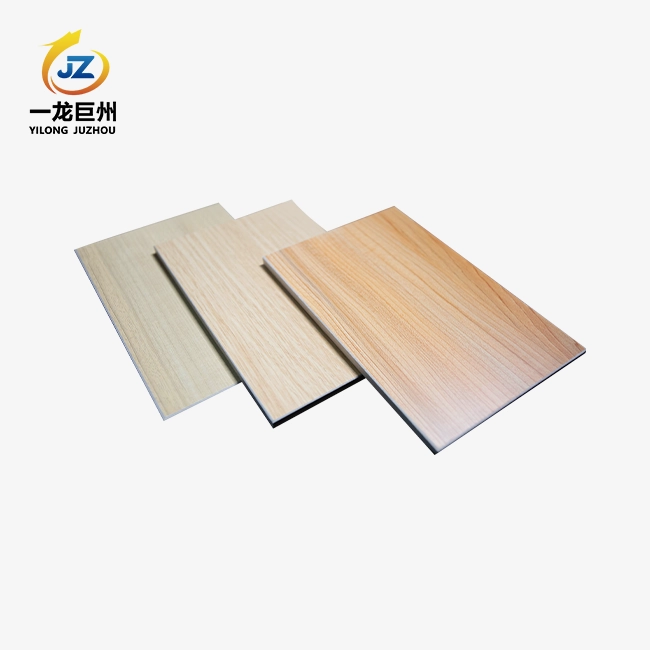
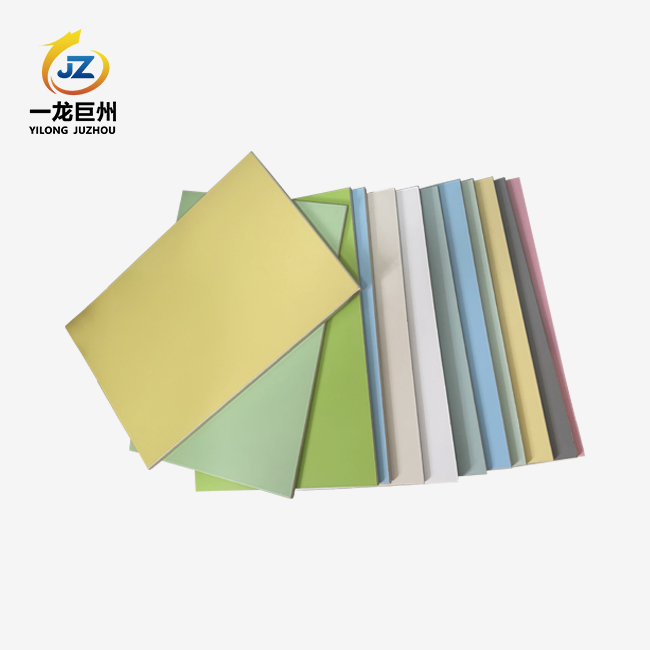
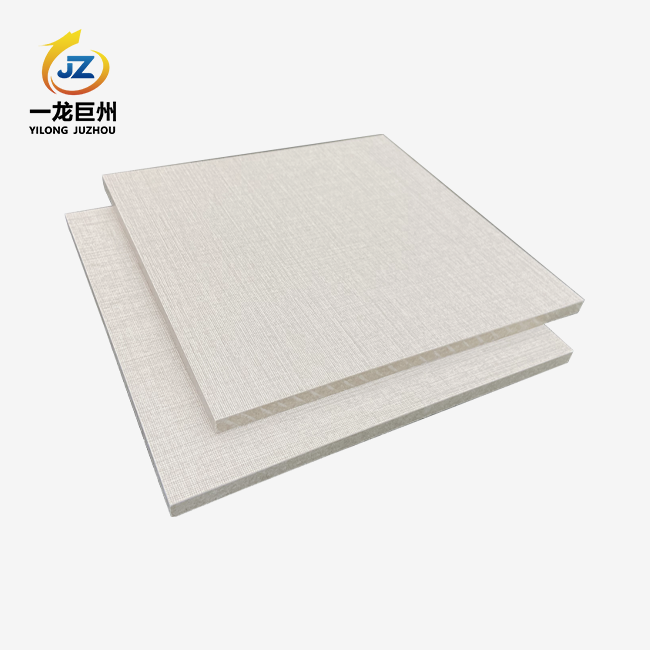
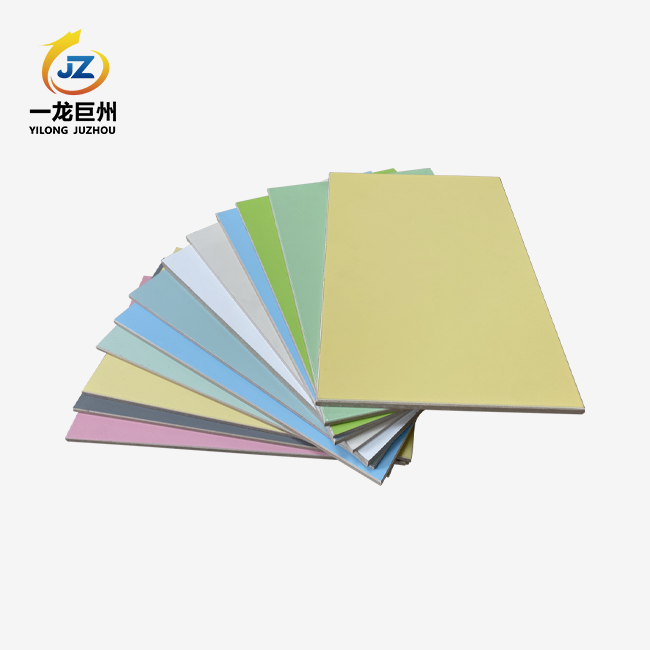
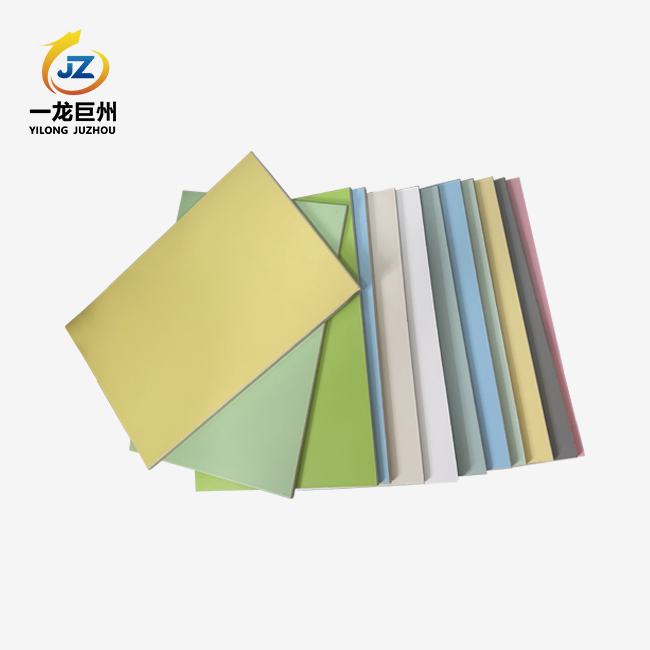
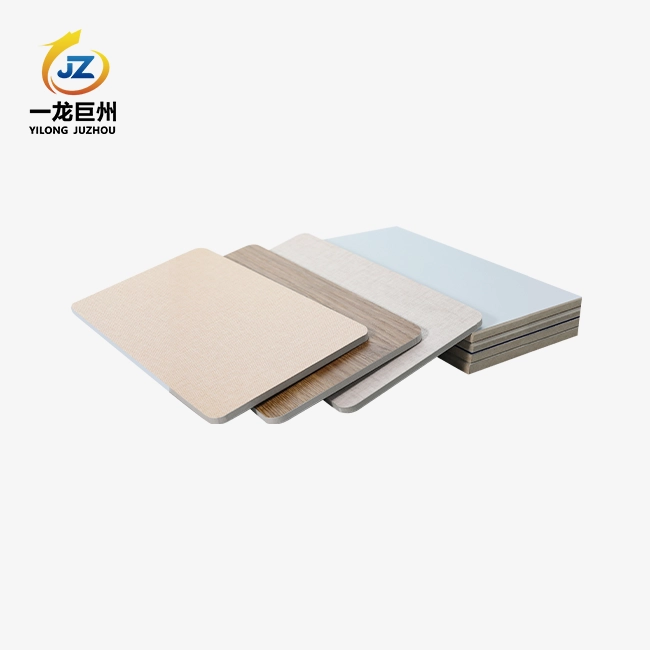
The fiberglass resin board from YILONG JUZHOU has a fiberglass felt core and melamine paper on both sides. The melamine top layer makes the surface resistant to wear, easy to clean, and decoratively flexible. This panel comes in a standard sheet size of 1220 × 2440 mm and thicknesses of 1, 2, 3, 4, 5, 6, and 8 mm. It can be used for a lot of different wall applications without having to switch out materials during different stages of a project.

Key Performance Attributes
Class A Non-Combustible wall boards have Grade A non-combustible approval, which means they meet fire safety standards in controlled settings. They kill 99.99% of bacteria, which was confirmed by independent testing. This makes them perfect for places where infections are likely to spread. The resin matrix keeps water from being absorbed much, so even in humid engine rooms or tube linings, mold doesn't grow, or wetness gets in.
Common Applications of Fiberglass Resin Board Across Industries
This wall panel system can be installed in an incredibly large number of places. Knowing where it works best helps procurement teams match the specs of a material to the needs of a project without making the solution too complicated.

- Healthcare and educational facilities: The 99.99% antibacterial surface stops the spread of pathogens in hospitals, clinics, kindergartens, and schools. The smooth melamine finish doesn't wear down easily, so it costs less to keep clean in the long run.
- Transportation infrastructure: Panels that can handle a lot of foot traffic, mechanical impact, and being cleaned often are needed in subways, airports, and train stations. Even when the board is under a lot of physical stress, it doesn't damage or crack when it hits something.
- Commercial and hospitality spaces: Hotels, high-end clubs, shopping malls, villas, and office buildings can use the panel's different surface options, such as solid colors, woodgrain, marble, metallic, and cloth patterns, to match the building's style without sacrificing durability.
- Industrial and specialized environments: Food processing plants, drug factories, and tunnel spaces need wall systems that don't let water in, don't grow mold, and don't rust. The fiberglass felt core doesn't let chemicals get through, and the sealed melamine top keeps dirt from getting in.
All of these areas need the same thing: a wall material that works well over time and doesn't need to be replaced or fixed all the time. This panel takes that demand into account in a structural way.
Comparing Fiberglass Resin Board to Alternative Interior Wall Materials
Fiberglass resin boards are often looked at with gypsum board, PVC panels, and clay tile by buying teams. Each material has a good reason for being used, but the difference in performance is clear in tough situations.
Gypsum board soaks up water and breaks when hit hard. In some forms, it can't meet Grade A fire guidelines, and it doesn't naturally kill bacteria. PVC panels don't absorb water, but they're not as good at preventing fires. Also, their surface breaks down when exposed to UV light or chemical cleaners that are common in healthcare settings.
Ceramic tile is good for cleanliness, but it makes wall systems heavier, makes phased installation harder, and limits design options after it's put in. The fiberglass resin board is easy to put up, doesn't weigh as much per square foot, and can handle changes in the surface pattern between stages of a project without needing to be fixed in the structure. That flexibility saves money for procurement teams that are in charge of handling multi-phase building projects for hospitals or businesses.
How to Choose the Right Fiberglass Resin Board for Your Application?
To choose the right panel standard, you need to make sure that the setting matches the panel's thickness, surface finish, and certification profile.
Thickness Selection by Environment
When the foundation is sound and time is of the essence, thinner panels (1–2 mm) work well for repair overlays. For new buildings like schools, businesses, and flats, thicknesses in the 3–5 mm range work well. Heavy profiles (6–8 mm) provide the impact resistance needed in tunnels, industrial corridors, and transit hubs with a lot of foot traffic, where wear and tear is normal.
Certification and Supplier Evaluation
Choosing a panel without checking its approval paperwork adds danger to the project. The panels made by YILONG JUZHOU are certified by ISO, CE, and the China Environmental Protection Standard. Before committing to bulk orders, procurement teams should ask for technical data sheets and sample panels. Samples are sent out within 3–5 days, OEM and ODM configurations are supported, and the company keeps a production inventory of 50,000 m² to meet shipping plans that are spread out over time.
Advantages of Fiberglass Resin Board That Benefit Your Business
Choosing the right Class A Non-Combustible wall boards affects more than just the cost of installation. They also affect the safety of the people who live or work in the building and the project's compliance. Here are the main performance benefits that make this material stand out in B2B buying decisions:
- Grade A non-combustible rating: Meets the strictest fire safety classifications needed in public buildings, healthcare facilities, and transit infrastructure. This lowers liability and makes sure that building codes are followed.
- 99.99% antibacterial performance: Antibacterial qualities that have been independently tested help keep hospitals and food-grade areas free of infections without the need for skin treatments that wear off over time.
- Waterproof, moisture-proof, and mildew-proof construction: The resin-soaked fiberglass felt core stops water from moving through the base, so the panel can be used in bathrooms, kitchens, and below-grade installs.
- Wear and scratch resistance: The melamine surface layer can handle daily mechanical contact without showing any signs of wear and tear. This makes the panel last longer and require less replacements.
- Diverse decorative finishes: Five types of surface patterns—solid color, woodgrain, marble, metallic, and cloth—allow buying teams to get materials from fewer suppliers instead of hiring separate companies for each style.
- Healthy and environmentally friendly composition: The panel follows rules for protecting the environment and helps with the certification processes for green buildings that are related to LEED or similar programs.
These benefits directly lead to lower lifetime costs and easier processes for buying things. A single certified supplier that can provide different finishes, thicknesses, and custom sizes gets rid of the need for multiple suppliers, which can be time-consuming and difficult to coordinate.
Conclusion
The fiberglass resin board meets the main performance standards for modern industrial and educational buildings, such as fire safety, cleanliness, durability, resistance to moisture, and the ability to be designed in a variety of ways. The fiberglass felt core and melamine-covered surface give it consistent performance in schools, hospitals, airports, hotels, and factories. The panel's certification level, variety of surfaces, and supplier's ability to make it all help procurement teams working on different stages of a building project. This material is a good choice for B2B buyers looking at interior wall systems because it is technically sound and doesn't cost too much.
FAQ
Q1: What thickness should I specify for a hospital corridor renovation?
A 4–5 mm panel is the best choice for a hospital hallway makeover because it is both resistant to impact and light enough to be easily installed. The antibacterial melamine surface meets the needs of infection control, and the Grade A fire grade meets the building rules for healthcare facilities. Thinner panels might work well in exam rooms with little foot traffic where the substrate is stable.
Q2: Can the surface pattern be customized for a branded interior environment?
You can choose between OEM and ODM versions. Patterns, colors, and sizes on the surface can be changed to fit the design brief for each project. YILONG JUZHOU can make unique samples in 3–5 days, so design teams can check how things look before committing to a large order.
Q3: How does this panel perform in moisture-heavy industrial environments?
Together, the fiberglass felt core and resin matrix stop water from getting into the structure. The panel doesn't allow mold to grow, rust, or chemical exposure, so it's a good choice for food processing plants, drug manufacturing spaces, and tunnel linings.
Q4: What certifications support procurement decisions?
The panels are certified by ISO, CE, and the China Environmental Protection Standard. You can get these documents if you ask for them, and they can be used for formal bids, third-party audits, and green building compliance checks.
Partner With YILONG JUZHOU — Trusted Fiberglass Resin Board Supplier
YILONG JUZHOU has two production bases in Foshan and Xianyang. It keeps 50,000 m² of ready-to-use goods and makes things every three to seven days. We are an experienced fiberglass resin board manufacturer that ships to over 30 countries. We accept OEM/ODM orders, offer free samples within 3–5 days, and guarantee the quality of every shipment for three years. To get a quote on a sample or a job, please email our team at cnyang2000114@gmail.com.
References
1. Construction Materials Science and Technology — Journal of Building Engineering, 2021.
2. Fire Resistance Classification of Building Products — European Standard EN 13501-1, 2018.
3. Composites in Construction: Structural and Functional Applications — Elsevier Science, 2020.
4. Antibacterial Surface Technologies in Healthcare Environments — Journal of Hospital Infection, 2022.
5. Global Interior Wall Panel Market Analysis and Forecast — Grand View Research, 2023.
6. Fiberglass Reinforced Composite Laminates: Properties and Industrial Applications — Materials Today Proceedings, 2019.

Send Inquiry


Related Industry Knowledge
- How to Choose an Exterior wall ACP panel for Your Building
- PE aluminum composite board vs PVDF: Which Is Better?
- Fiberglass Resin Board: Composition, Performance, and Industrial Applications
- How Does a Negative Ion Healthy Panel Improve Indoor Air Quality?
- Modern Wall System Innovation: PP healthy panel for Durable, Aesthetic, and Healthy Interiors
- Applications of Inorganic pre-coated panels in Commercial Buildings
- Why Choose Inorganic pre-coated panels for Wall Cladding Systems?
- HYG Antimicrobial Sheets & Wall Cladding Solutions
- How to Choose the Right Calcium Silicate Aluminum Composite Board for Your Project
- How to spray paint on aluminum composite panels