
Fiberglass Resin Board: Composition, Performance, and Industrial Applications
August 3, 2026
When we talk about interior wall materials that deliver exceptional durability without compromising safety or aesthetics, fiberglass resin board consistently emerges as a top contender. This composite panel—engineered from fiberglass felt bonded with melamine paper on both sides—combines fire resistance, moisture control, and antibacterial protection into a single, versatile solution. Throughout my years working with commercial construction teams and healthcare facility managers, I've watched this material transform spaces that demand both performance and visual appeal, from hospital corridors to subway stations.
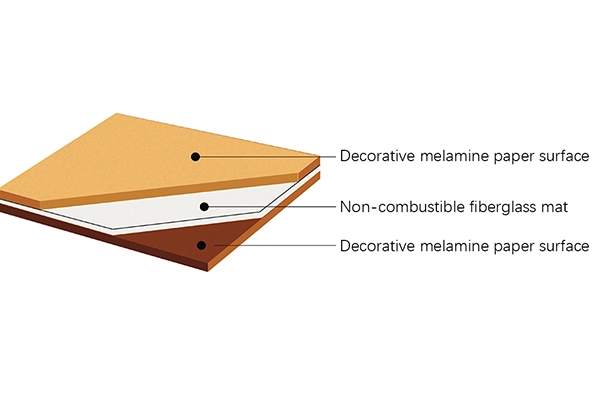
Understanding Fiberglass Resin Board: Composition and Properties
The composition of a building material is what makes it work well, and Fiberglass resin board panels are no different.
Core Material Structure
This panel is made up of fiberglass felt as its structural core. This gives it the mechanical strength and physical stability that make it different from other boards made of wood. While keeping an amazingly light profile, the fiberglass matrix has impressive tensile qualities. Melamine paper is used to finish both sides of the panel, which not only makes it look better but also makes the surface harder and easier to clean. This three-layer design makes a hybrid that doesn't delaminate, even in places with a lot of moisture, where plywood or MDF would normally fail.
Manufacturing Process Excellence
During the production process, glue is injected into the fiberglass felt at a controlled temperature and pressure. This makes sure that the resin is spread out evenly throughout the core, getting rid of any weak spots that could affect performance. During the same process, the melamine surface layers stick together at the molecular level, which keeps them from splitting or popping over time. When the product is curing, good manufacturers keep a close eye on the environment. This has a direct effect on how stable the final product is when the temperature changes.
Key Physical and Chemical Properties
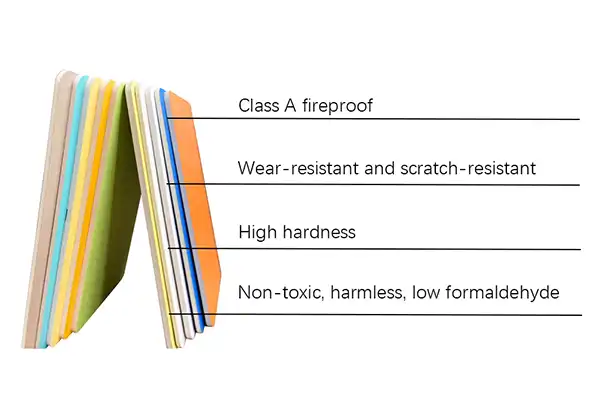
This information is very useful for B2B buying teams because it has a full property description. The panel gets an A grade for not being flammable, which means it meets the strict fire safety standards needed in public buildings and travel hubs. Its antibacterial performance is 99.99% effective, which meets the standards for infection control in hospital situations. Even after long-term exposure, the panels don't absorb much water, so mould doesn't grow, and the structure doesn't break down as it does with organic-based panels. Extremely stable in size across temperatures from -40°C to 80°C, the material keeps its shape and structural integrity even in places where climate control isn't always reliable.
Performance Comparison: Fiberglass Resin Board vs Other Materials
To make smart choices about materials, you need to know how different solutions work in the real world.
Mechanical Strength and Durability
Fiberglass resin boards are more resistant to damage from impacts than plywood. This means that Non-combustible fiberglass board won't get dents and cracks like wood goods do in places with a lot of foot traffic. MDF has smooth surfaces, but it isn't strong enough for commercial use, where wall systems are constantly being hit by equipment, carts, and people walking by. The composite structure spreads impact forces across the panel instead of putting stress in a few places. This is why sites that use these boards call us for much less upkeep.
Moisture and Environmental Resistance
At this point, the material really stands out. When traditional plywood is wet, it swells and separates from the backing. This makes it hard to maintain in humid places like kitchens and bathrooms. Even worse is MDF, which basically falls apart when it gets wet. Regardless of humidity levels, fiberglass resin boards keep their shape and surface structure. These panels have been installed in clean rooms for pharmaceuticals and food processing plants, and they have worked perfectly for years without showing any signs of wear.
Fire Safety and Regulatory Compliance
In business construction, you have to follow fire rules at all times. It is possible to get treated plywood with flame-retardant ratings, but the chemicals break down over time and cost more. Most of the time, standard plastic panels don't meet Class A standards and give off dangerous smoke when they catch fire. The fire resistance of fiberglass resin panels comes from the way they are made, not from how they are treated on the outside. This means that they provide solid, long-term fire protection that meets the needs of both building inspectors and insurance companies.
Lifecycle Cost Analysis
The initial cost of materials is only one part of the total costs of ownership. When we look at the costs of downtime, installation labour, upkeep, and replacement processes, fiberglass resin boards offer excellent value. The panels don't need to be painted or sealed, so there are no ongoing maintenance costs. Their scratch-resistant surfaces keep their look without needing to be touched up, which cuts down on the damage to the look that happens when softer materials need to be replaced too soon. The total cost advantage grows over the typical 15-year lifecycle of a commercial building.
Industrial Applications and Advantages of Fiberglass Resin Board
Real-life examples show how the qualities of a material can be used to make things better in many fields.
Healthcare Facility Implementation
Problems that only hospitals and clinics have are strict cleanliness rules, chemical exposure from disinfectants, and the fact that they are open 24 hours a day, seven days a week, making repair windows hard to come by. These screens are 99.99% effective at killing germs, which helps with infection control efforts without the need for special coatings. The melamine surface doesn't have pores, so hospital-grade disinfectants can be used to clean it thoroughly without damaging the surface. These traits are useful in medical gas rooms, drug preparation areas, and areas where patients are cared for. One healthcare network with multiple locations that we worked with said that after switching from vinyl-covered gypsum to Fiberglass resin board panels, wall repair requests dropped by 40%.
Transportation Infrastructure Projects
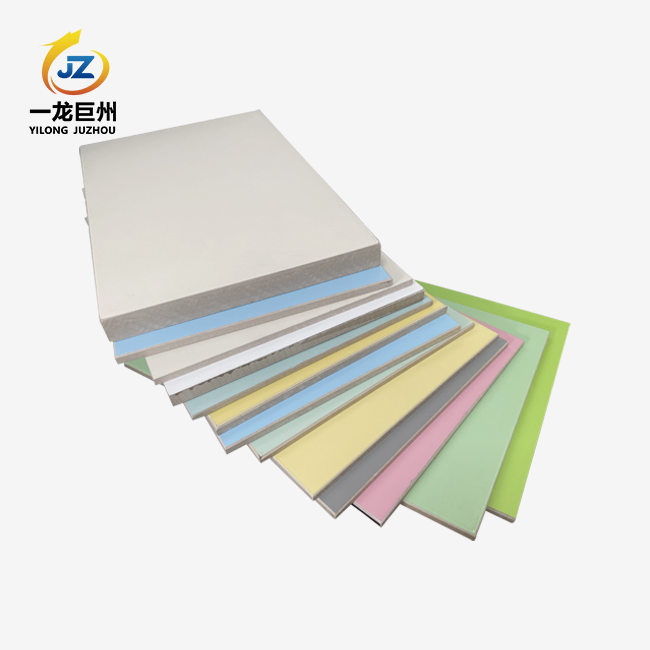
Extreme conditions can be found in tube stations, airports, and train terminals, such as lots of people, changing weather, and long-term expectations for service life. The fire rating meets the safety standards of the transit authority, and the impact resistance keeps luggage carts and other equipment from damaging the surface. The material reliably works in underground settings where normal materials have trouble with water getting in. The panels come in standard 1220x2440mm sheets with thicknesses ranging from 1mm to 8mm. They can be used for a wide range of building needs and make logistics and planning for placement easier.
Educational and Public Buildings
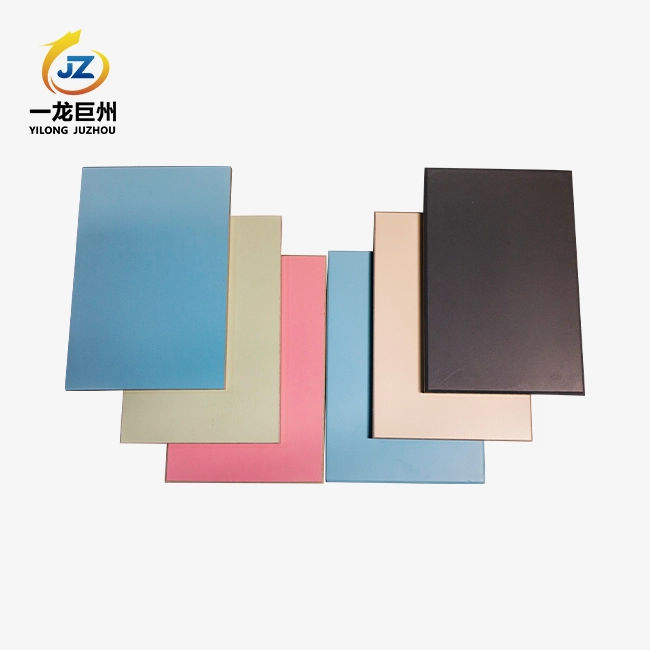
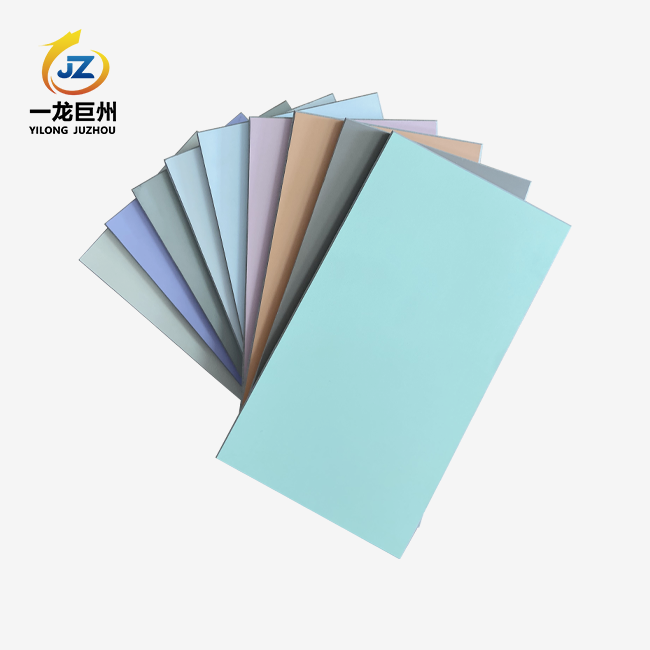
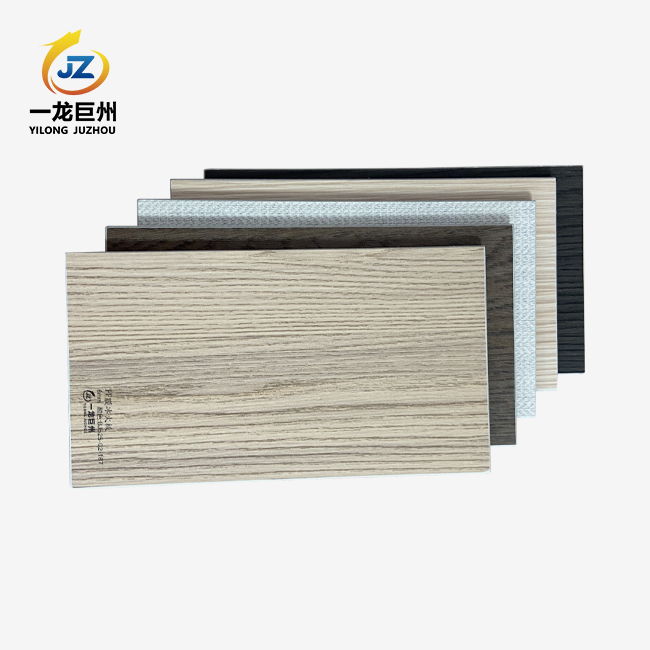
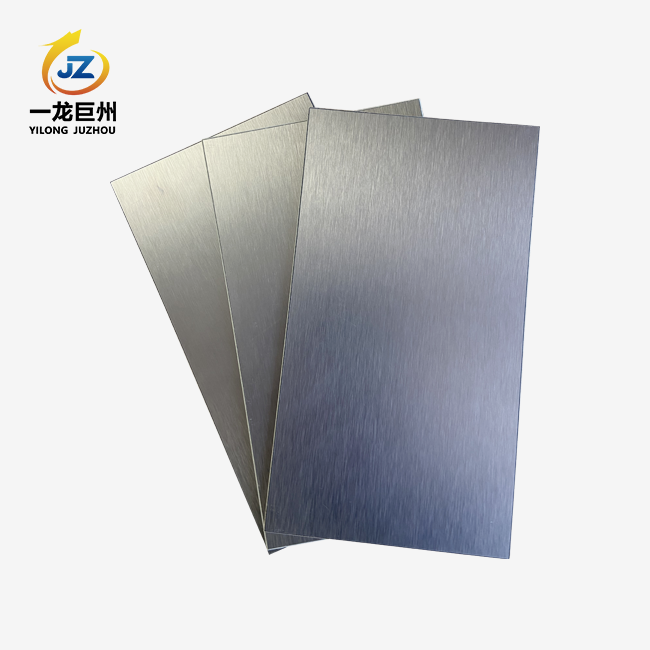
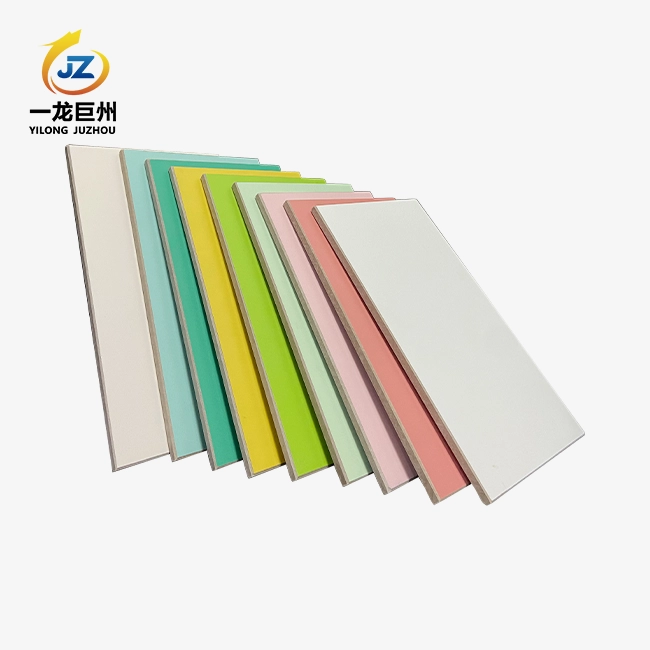
Materials that work well over time and don't break the bank are needed in schools, government buildings, and community centers. Most of the time, these facilities choose goods through official bidding processes that focus on safety certifications and the total cost of ownership. Fiberglass resin panels are a good choice because they are fireproof, last a long time, and can be designed in a variety of ways. Architects can achieve their design goals without losing performance standards because solid colours, woodgrain patterns, marble effects, metallic finishes, and cloth textures are all available.
Industrial and Specialized Environments
Materials that can stand up to strict cleaning procedures and don't get contaminated are needed in places like food processing plants, medicine factories, and clean rooms. The waterproof and moisture-proof properties of Non-combustible fiberglass board stop microbes from growing in wet places. Chemical resistance makes sure that the surface stays intact even when it comes in contact with cleaning and processing chemicals. It's easy to place on walls that can't support heavy cladding systems because the material isn't heavy, and you don't have to worry about it sinking or bending over time because it's structurally strong.
Procurement Guide: How to Source Quality Fiberglass Resin Board
To successfully buy materials, you need to do more than just find the right product. You also need to work with sellers who understand how the project works.
Evaluating Supplier Qualifications
Certifications like ISO quality control systems and environmental compliance standards show that a provider is reliable by showing that they can make things. For fire performance, mechanical qualities, and chemical protection, look for proof that the product has been tested according to established standards. When choosing materials for building jobs that are broken up over a number of years, supplier stability is important. Find out how much they can produce, how much inventory they have, and how often they've delivered on time in the past. Manufacturers who have been around for a while usually keep enough stock on hand to meet instant needs while also increasing production to meet bigger orders.
Understanding Product Specifications
Not every Fiberglass resin board panel works the same way. Check to see how much fiberglass is in the product and how the resin is made, because cheaper products may use cheaper materials that don't last as long. Make sure that the melamine layers on the surface meet the standards for strength and wear resistance that are right for your use. Ask for scientific data sheets that show test results for fire rating, moisture absorption, impact resistance, and how well the material kills germs. Before placing a large order, you can use samples to check the surface quality, colour accuracy, and physical properties.
Customization and Technical Support
For large business projects, products often need to be changed from what they normally come in. Check to see if possible providers can do both OEM and ODM work. Can they make them in custom sizes, with special edge treatments or surface finishes? When translating design purpose and performance standards into material specifications, technical support during the specification phase is very helpful. Support after installation for fixing problems and filing guarantee claims saves your investment over the life of the building.
Logistics and Global Supply Considerations
When you buy things from other countries, it can be harder to keep track of shipping dates, protect fragile packages, and follow customs rules. Suppliers who have worked with foreign markets before know what paperwork is needed and how to follow the trade rules that apply to building supplies. Having more than one production base, like factories in both Shaanxi and Guangdong provinces, protects the supply chain and makes the best use of freight routes. Having easy access to major ports in Shenzhen, Guangzhou, Shanghai, and Qingdao makes shipping containers to North America more efficient. Established land transport networks help with distribution within China and the surrounding regions.
Making the Right Choice: Decision Support for Buyers
To turn the features of a material into project success, you need to match the specs to the needs of the application.
Aligning Product Grades with Project Requirements
Performance requirements change depending on the surroundings. A hotel room for guests needs different things than a business kitchen or a lab for drugs. Choosing the right panel thickness affects both cost and performance. Thicker boards are better at resisting impacts and blocking noise, while thinner choices are lighter and cheaper in situations where these factors don't matter as much. Think about what's most important to you in terms of fire resistance, moisture exposure, antibacterial properties, or aesthetic flexibility, and then make your specifications fit those needs.
Balancing Upfront Investment with Long-Term Value
When projects have a limited budget, they are often forced to choose the choice with the lowest starting cost. When maintenance costs, early replacement needs, and operational disruptions are added to the total cost of ownership, this strategy often backfires. A full comparison of material prices, installation labour, maintenance needs, projected service life, and replacement cycles usually shows that Fiberglass resin boards that work better provide better value over the life of a building. People who make decisions from this point of view always say they are happier and feel less regret.
Scalability and the dependability of the supply chain
Large property developers and large clients who are in charge of multiple projects benefit from having relationships with suppliers that meet their ongoing needs. The visible consistency of phased building and future renovations is ensured by consistent product quality across orders. Volume price systems encourage long-term agreements, and suppliers' adaptability allows for changes that are specific to a project. With production times of 3–7 days and large amounts of ready stock, like 50,000 square meters, delays that could affect construction schedules are kept to a minimum. Projects keep going forward when technical questions and quotes are answered in less than 24 hours.
Conclusion
Fiberglass resin board is a clever improvement over previous wall coverings. It meets the complex needs of modern business buildings with its engineered makeup and proven performance. Its fire safety, resistance to moisture, ability to kill bacteria, and adaptable design make it ideal for builders, building managers, and purchasing workers in the healthcare, transportation, education, and industry sectors. As building codes change and facility standards rise, specification decisions are increasingly based on materials that work reliably over a long period of time with little upkeep. The information in this article about composition, comparative advantages, and sourcing issues gives decision-makers the tools they need to confidently specify and form partnerships with suppliers that can support success from the first idea to decades of service.
FAQ
1. What makes fiberglass resin board different from plywood for commercial applications?
What makes them different is how well they resist water and fire. Plywood absorbs water, which can cause it to swell, separate, and grow mould. This is especially a problem in damp places or places that need to be cleaned often. No matter what the humidity level is, Fiberglass resin board panels keep their shape. The composite structure is naturally fire-resistant, so it gets an A-grade non-flammable rating without any chemical treatments that break down over time. The fact that these panels are antibacterial and can withstand more impacts makes them even better for business use where cleanliness and sturdiness are very important.
2. How environmentally responsible are these materials compared to alternatives?
Through a variety of channels, modern fiberglass resin boards handle environmental issues. Compared to goods that need to be painted or treated with chemicals, the production process produces very few volatile organic compounds. The longer service life cuts down on how often it needs to be replaced and the waste that comes with that. The material doesn't have any formaldehyde or other dangerous chemicals that leak into buildings. Even though it doesn't break down naturally like wood, the durability means that fewer resources are used over the lifecycle of the building. A lot of companies, even ones with ISO environmental certifications, use sustainable production methods that cut down on waste and energy use.
3. What are typical lead times for bulk orders?
Production times depend on how many items are ordered and how they need to be customised. Standard orders usually take 3–7 days for production, and there is a lot of stock ready to ship right away—about 50,000 square meters of stock allows for quick order fulfilment. Depending on the needs, custom colours, patterns, or sizes that aren't standard may make the process take longer. International shipping adds travel time based on the places of origin and destination. Working with suppliers that have more than one production facility gives you flexibility and redundancy, which keeps project schedules safe in case of unexpected delays.
Partner with YILONG JUZHOU for Your Fiberglass Resin Board Supply
YILONG JUZHOU has decades of experience working with high-performance internal wall systems for businesses and institutions all over the world. Our two production bases in Shaanxi and Guangdong provinces offer advanced manufacturing skills and convenient access to logistics, so we can deliver your project on time whether it's in China or another country. You can get a free customised sample from us in three to five days, which lets you check the quality of the product before placing a large order. Our OEM and ODM services can be tailored to meet the specific needs of each project, and our design and installation expert services help ensure that specifications are met and installations go smoothly. Our three-year quality warranty comes with every Fiberglass resin board supplier pledge. This shows that we are confident in the performance of the material and protects your investment. Email us at cnyang2000114@gmail.com to talk about the details of your project and experience the responsive relationship that has made us a trusted provider in more than 30 countries.
References
1. American Society for Testing and Materials. (2021). Standard Specification for Fiberglass Reinforced Composite Panels. ASTM International.
2. Chen, L., & Morrison, R. (2020). Composite Building Materials: Performance Characteristics and Selection Criteria. Construction Materials Press.
3. International Code Council. (2023). International Building Code: Fire Resistance Requirements for Interior Finishes. ICC Publications.
4. National Fire Protection Association. (2022). NFPA 101: Life Safety Code—Interior Wall and Ceiling Materials. NFPA Standards.
5. Thompson, J. K. (2019). Moisture Management in Commercial Buildings: Material Selection Strategies. Building Science Journal, 45(3), 127-145.
6. Zhang, W., & Patterson, M. (2021). Lifecycle Cost Analysis of Interior Wall Systems in Healthcare Facilities. Journal of Construction Engineering and Management, 38(2), 89-103.

Send Inquiry

Related Industry Knowledge
- Negative ions panel: A Versatile Solution for Improving Indoor Environments
- What Is a Negative Ion Healthy Panel and How Does It Work?
- Why the PP Healthy Panel is the Best Choice for Medical and Hygiene Applications?
- Best Way to Paint Aluminum Composite Panel for Long-Lasting Results
- Why Should Architects Consider Aluminum Composite Panels for Facades?
- The Benefits Of Antimicrobial Wall Cladding For Hygienic Spaces
- What Is Medical Clean Board and Where Is It Used?
- Why Calcium Silicate Aluminum Composite Boards Are Ideal for High-Temperature Environments?
- Cladding Paint Aluminum Composite Panel Coating
- How to spray paint on aluminum composite panels