
PE aluminum composite board vs PVDF: Which Is Better?
September 7, 2026
If you are sourcing wall cladding panels for a commercial build, hospital renovation, or industrial facility in the United States, you have almost certainly encountered this question. Both PE aluminum composite board and PVDF aluminum composite panel (ACP) deliver the signature sandwich structure—aluminum skins bonded to a polymer core—yet they serve distinctly different project demands. PE (polyester-coated) panels excel in interior decoration and cost-sensitive applications, while PVDF (polyvinylidene fluoride-coated) panels are engineered for high-exposure exterior facades. Choosing the wrong coating can compromise aesthetics, longevity, and code compliance. This guide cuts through the confusion so your procurement team can make a data-backed decision.
What Are PE and PVDF Aluminum Composite Boards?
The anatomy of a PE aluminum composite board
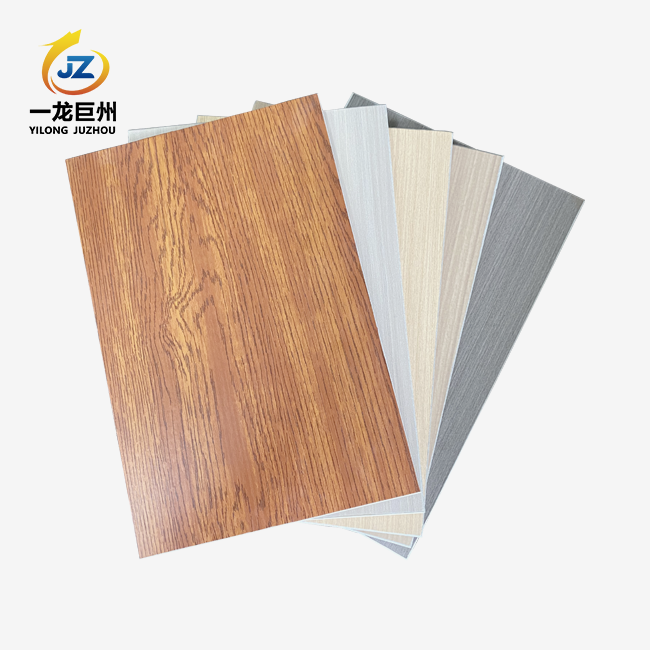
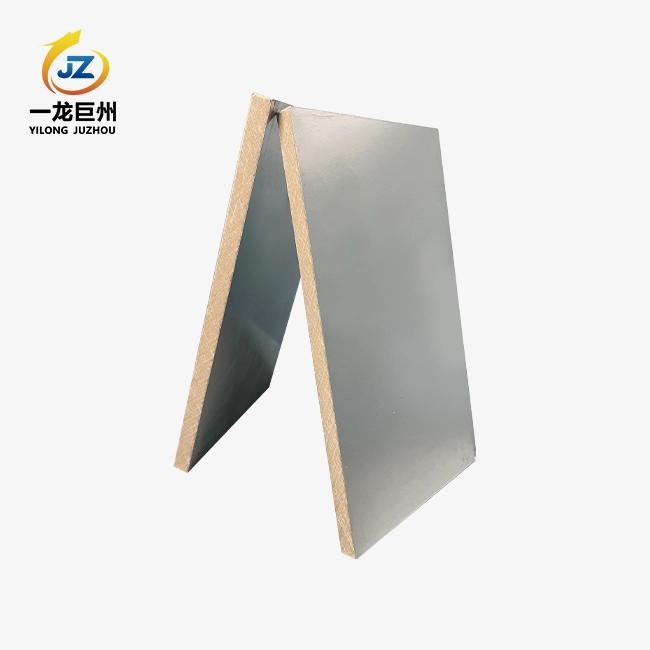
The core of a PE aluminum composite board is made of low-density polyethylene (LDPE), and the skins are made of aluminum alloy. The outside is finished with molecularly bonded polyester paint, PET film, PVC film, or PP film. The polyester layer usually has a film thickness of at least 16 μm. This gives the color a bright, even look and makes UV flatbed printing and vinyl bonding easy. Standard panel thicknesses range from 2 mm to 6 mm, and panel widths can be 1,220 mm, 1,500 mm, or 2,000 mm. The length can be changed to any length, and panels longer than 3 meters are often made. Skin thicknesses for aluminum can be anywhere from 0.1 mm to 0.5 mm, based on the needs of the structure.

The anatomy of a PVDF aluminum composite panel
PVDF panels have the same sandwich shape, but instead of a polyester topcoat, they use a fluorocarbon resin system. That chemistry gives better resistance to UV light and chalking, and it has a warranty that the color will stay the same for 15–20 years when exposed to direct sunlight. In exchange, the price per square meter is much higher, and the finish needs more specialized handling when it is made.
Material Properties and Performance Comparison
Where PE panels lead
Class B1 fire-resistance certification means that PE aluminum composite board goes out on its own under controlled burn conditions. This is a good certification for indoor areas covered by IBC and NFPA rules. The LDPE core is naturally waterproof, resistant to moisture, and not prone to mildew. This means it can be used in humid areas of hospitals, train stops, and food processing plants. The panel doesn't contain any dioxin, doesn't smell bad, or give off radiation. It meets the green building material standards that healthcare buying teams are requiring more and more. Its adaptability is a real engineering asset: the board can be rolled and bent into curves, drilled, nailed, and routed with a single-flute carbide CNC bit without the polyester coating microcracking.

These are the technical standards that design engineers care about the most:
- Peel strength: 180° peel strength greater than 5 N/mm, as confirmed by ASTM D1781 or GB/T 17748-2016. This proves that the aluminum will stick to the core throughout the product's lifetime.
- Pencil hardness: Minimum HB/H grade for pencil hardness, which means it won't scratch during manufacturing and installation—this is very important in high-traffic build areas.
- T-bend compliance: Can withstand a 2T bend test without paint cracking, which lets you do intricate 90-degree flanging on column covers, ceiling tunnels, and curved wall systems.
- Coating durability: 100 double MEK rubs showed that the coating wouldn't soften when exposed to solvents, proving that it was fully cured before shipping.
Because of these qualities, PE composite panels are a good choice for difficult internal projects from a technical point of view. However, the polyester coating breaks down more quickly when exposed to direct UV light for a long time. This is where PVDF really shines.
Where PVDF panels lead
The Journal of Coatings Technology and Research (2019) says that after 10 years of exposure tests in Florida, fluorocarbon coatings still have over 90% of their original gloss. This is in contrast to normal polyester systems, which only keep about 60% to 70% of their gloss. The PVDF premium is clearly justified when it comes to the outside of office towers, hotels, and airports, where recoating during the project's lifecycle would be too expensive.

Cost Analysis and Procurement Considerations
Balancing price against project lifecycle
Most of the time, PE aluminum composite boards cost 20–40% less per square meter than PVDF panels of the same size. For a 10,000-square-meter interior fit-out project like a shopping mall or meeting center, that difference means a big budget recovery. When you buy in bulk, you save even more because most approved sellers offer discounts at order levels of 500 m², 2,000 m², and 5,000 m².
Procurement teams have to look at three things at once: the initial cost of the materials, the cost of maintenance over a 10-year period, and the number of times they need to be recoated or replaced. PE panels always have a lower total cost of ownership for interior walls in places like airports, train stations, art galleries, and gyms where there isn't much natural UV load. PVDF is the only smart financial choice when the panel will be exposed to long-term weathering outside.
When choosing a seller, you should also think about lead times, minimum order amounts, and how the port works. On phased construction programs, schedule risk is greatly reduced when there is a reliable manufacturer with two production bases, an inventory that is always in stock, and more than one export port option.
Application Scenarios and Suitability
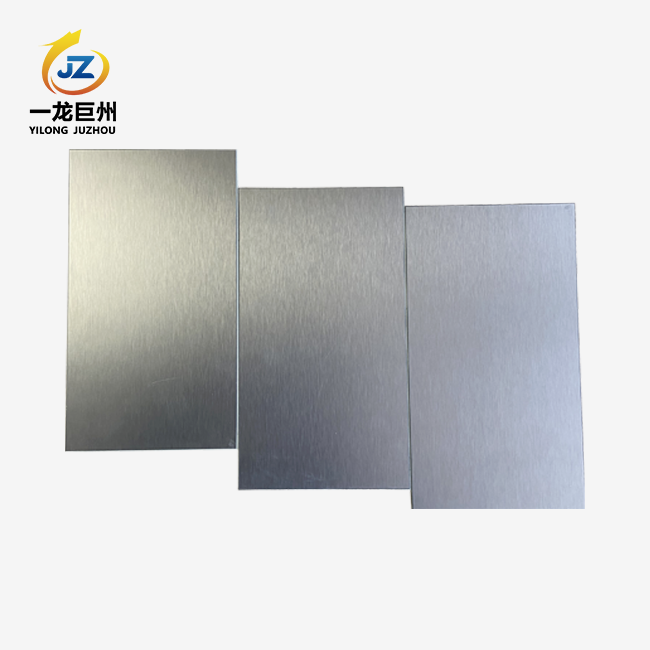
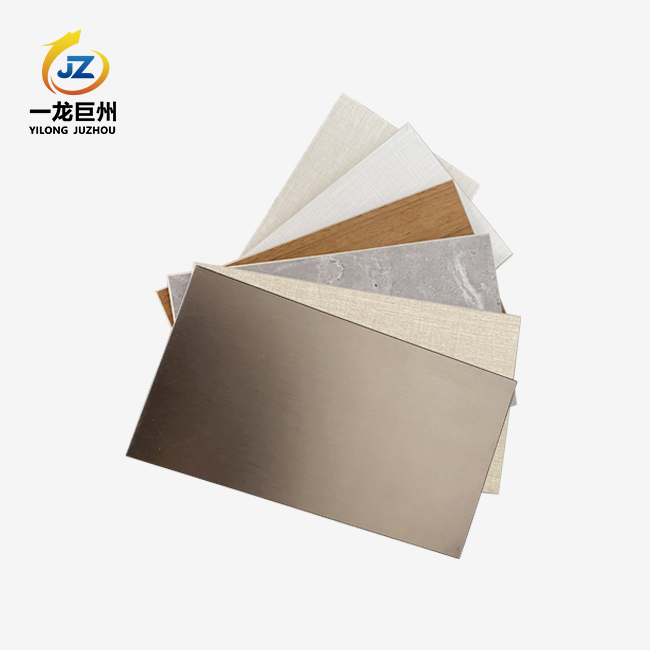
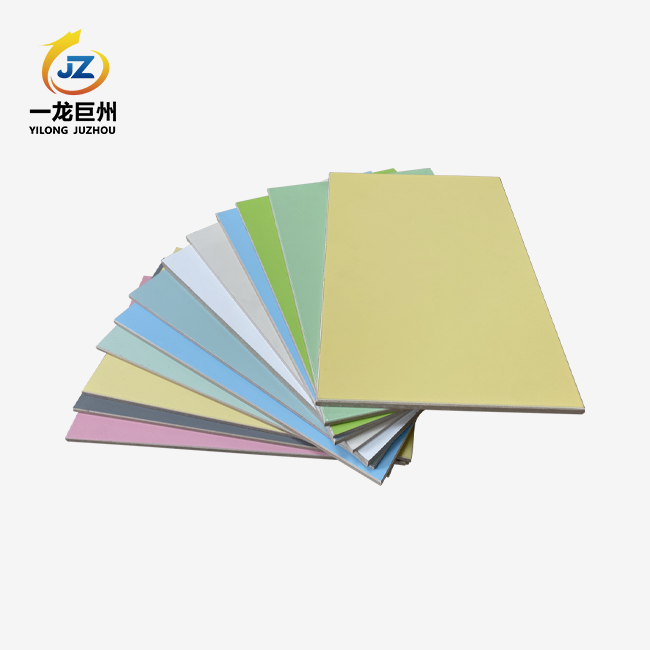
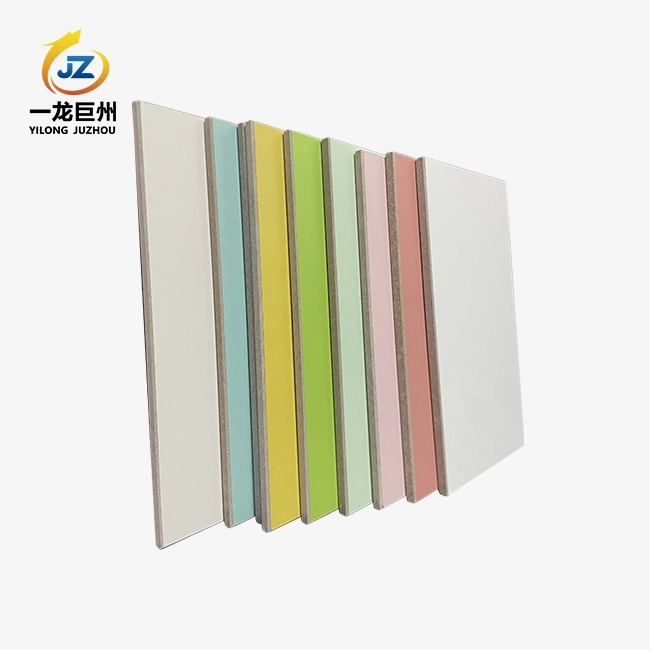
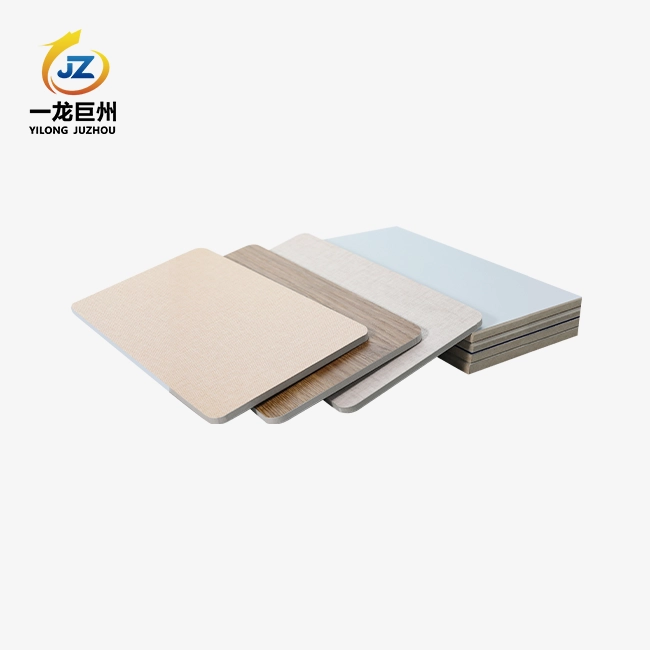
PE ACP boards are the standard choice for a lot of different types of indoor settings. They are used as column cladding and hallway walls in hospitals and medical beauty centers because the smooth, non-porous surface is easy to clean. They are used in schools, offices, homes, hotels, stadiums, and meeting centers because they come in a wide range of colors and can perfectly match architectural design plans. These colors include solid colors, woodgrain, marble patterns, metallic finishes, and cloth textures. The panels' strong, impact-resistant structure is used in subways and transit hubs because it doesn't break under mechanical stress as glass or clay panels do.
PVDF panels are only used on a few types of buildings: high-rise exterior walls, rooftop canopies, and business buildings near the coast where the extra cost is worth it because they are resistant to UV light and salt spray. Aluminum composite panels with either coating type are lighter (3.5–5.5 kg/m²) and easier to work with than other materials like solid aluminum sheet, PVC panels, or glass. They can also be designed in a variety of ways.
Installation and Maintenance Insights
Installing PE composite panels correctly
Standard dry-hung aluminum subframe systems or direct glue bonding can be used to place PE aluminum composite board. For V-grooving panel sides before folding cassette forms, CNC cutting is the best way to do it. Because the LDPE core cuts cleanly, cutting it on-site with a circular saw or track saw makes smooth lines without the risk of delamination, as long as the blades are sharp and the feed rates are kept in check. Panels are tough and don't break easily, which makes them safer to handle on busy building sites.

For regular upkeep, all you need is a soft cloth, mild soap, and water. You should never use rough cleaners on polyester because they will scratch the surface. In places like transit and healthcare, where cleanliness is regularly checked, areas are usually cleaned every three to six months.
PVDF panels are installed in the same way, but they need extra care during manufacturing because deep CNC scoring close to the aluminum skin can damage the fluorocarbon coats more, and touch-up paints need to be fluorocarbon-matched to avoid differences in sheen that can be seen.
Conclusion
Neither material is the best in every situation; the project environment chooses. PE aluminum composite board is a practical and cost-effective option for decorating the inside walls of hospitals, schools, hotels, shopping malls, subways, and airports. It has Class B1 fire resistance, moisture protection, design flexibility, and a low price. PVDF panels earn their high price in outdoor walls that have to last 15–20 years with UV damage. Make sure the coating is right for the environment it will be exposed to, check that it has third-party certifications, and work with a supplier that can provide consistent quality on a large scale. That mix gets rid of important risks on any size project.
Frequently Asked Questions (FAQ)
1. Can a PE aluminum composite board be used outdoors?
PE panels can be installed outside, but the polyester finish isn't made to withstand long-term UV exposure. Chalking and fading get worse on south-facing walls within 3–5 years, which is why PVDF is the best material for outdoor cladding.
2. Does PE composite board meet US fire codes?
The Class B1 rating is the same as the flame-spread indices that are recognized by ASTM E84. But buying teams should check with the local government to see what the rules are, because healthcare or high-rise projects may need a mineral-core FR or A2-rated PE aluminum composite board.
3. Is the PE core environmentally safe?
Yes, good quality panels don't have any formaldehyde, smell, or radiation. They meet the requirements of the China Environmental Protection Standard Certification, ISO, and CE, all of which are the same as the requirements for LEED material credits.
4. How durable is the polyester coating?
If the polyester coating is properly cured, it will be HB/H hard and will pass 100 MEK double rubs. For indoor use with normal lighting, color warranties usually last between 5 and 8 years.
Partner with YILONG JUZHOU — Trusted PE Aluminum Composite Board Supplier
Join forces with YILONG JUZHOU, a reliable supplier of PE aluminum composite board. We have two factories in China, one in Foshan and one in Shaanxi. They have 50,000 m² of stock that can be sent out within 3–7 days. We offer OEM/ODM services, free samples that are sent out in three to five days, unique sizes over three meters, and a quality warranty that lasts for three years. There are certifications from ISO, CE, and China Environmental Protection for our panels. To get a reasonable price, email our specification team at cnyang2000114@gmail.com.
References
1. Olsson, A., & Sandberg, M. (2020). Performance Assessment of Polymer Composite Panels in Interior Construction Applications. Construction and Building Materials, 241, 117–126.
2. American Composites Manufacturers Association (ACMA). (2022). Aluminum Composite Material Design and Installation Guide. ACMA Technical Series.
3. Journal of Coatings Technology and Research (2019). Comparative UV weathering performance of polyester and fluorocarbon coating systems. Springer.
4. ASTM International. (2021). ASTM E84: Standard Test Method for Surface Burning Characteristics of Building Materials.
5. U.S. Green Building Council (USGBC). (2023). LEED v4.1 Material Ingredient Reporting and Optimization Credit Guide.
6. International Organization for Standardization. (2017). ISO 2813: Paints and Varnishes — Determination of Gloss Value at 20°, 60° and 85°.

Send Inquiry
Related Industry Knowledge
- Inorganic pre-coated panels Fire Resistance and Performance Data
- Top Manufacturer of Calcium Silicate Fireproof Board
- Top Applications of Calcium Silicate Aluminum Composite Boards in Fireproof Systems
- UV Antibacterial panels Installation and Maintenance Guide
- Modern Wall System Innovation: PP healthy panel for Durable, Aesthetic, and Healthy Interiors
- How Does UV light curing board Technology Improve Surface Hardness?
- Benefits of Using UV light curing board in High-End Interiors
- Inorganic pre-coated panels for Modern Architectural Applications
- What Is ice fireproof board and How Does It Resist High Heat?
- The Importance of Adhesion Testing for ACM Panels as Painting Supports