
Top Applications of Calcium Silicate Aluminum Composite Boards in Fireproof Systems
August 21, 2026
When fire safety becomes non-negotiable in modern construction, Calcium silicate aluminum composite boards emerge as the definitive solution. These engineered panels integrate a calcium silicate core—renowned for its Class A1 non-combustibility—with aluminum facing layers, delivering fireproof performance without compromising aesthetics or structural integrity. Available in thicknesses from 4.5mm to 20mm and customizable heights exceeding 3 meters, these boards protect high-traffic environments like hospitals, tunnels, and commercial towers where fire codes demand zero-compromise materials.
Understanding Calcium Silicate Aluminum Composite Boards in Fireproof Systems
What Makes These Boards Essential for Fire Protection?
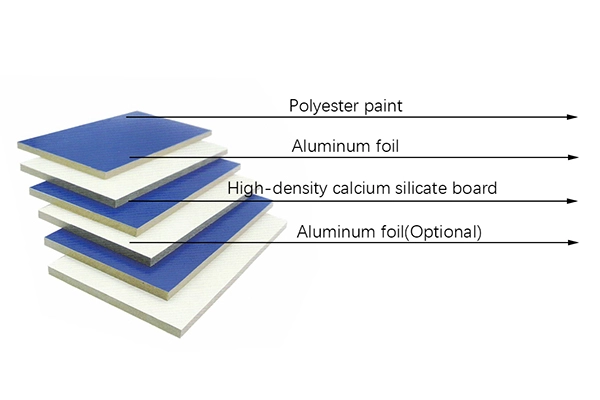
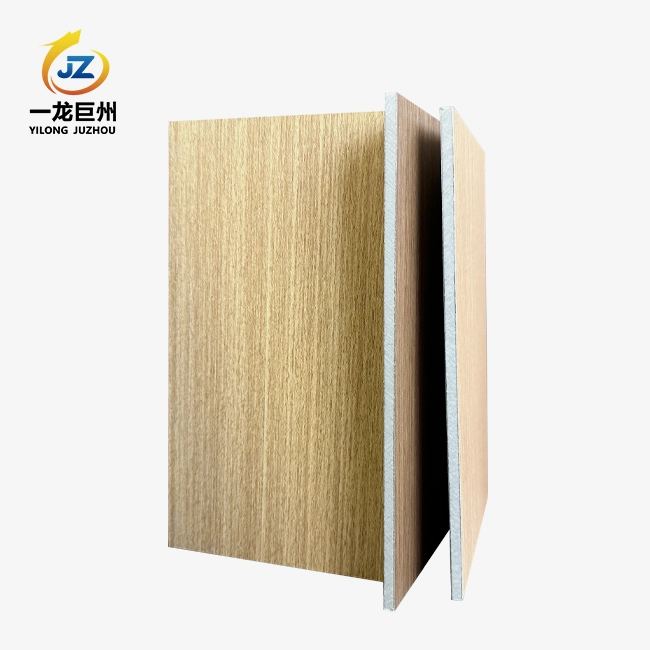
Calcium silicate aluminum composite boards solve a very important problem: they make safe walls that can stand up to harsh conditions while still letting designers be flexible. The calcium silicate core forms when the mixture is cured in an autoclave under high pressure. This makes a strong solid structure that can withstand temperatures above 1000°C. When bonded with aluminum skins that are between 0.1 mm and 0.5 mm thick, the composite does two amazing things: it stops fires from spreading and supports a wide range of surface finishes, such as polyester paint, PET film, and PVC coatings.
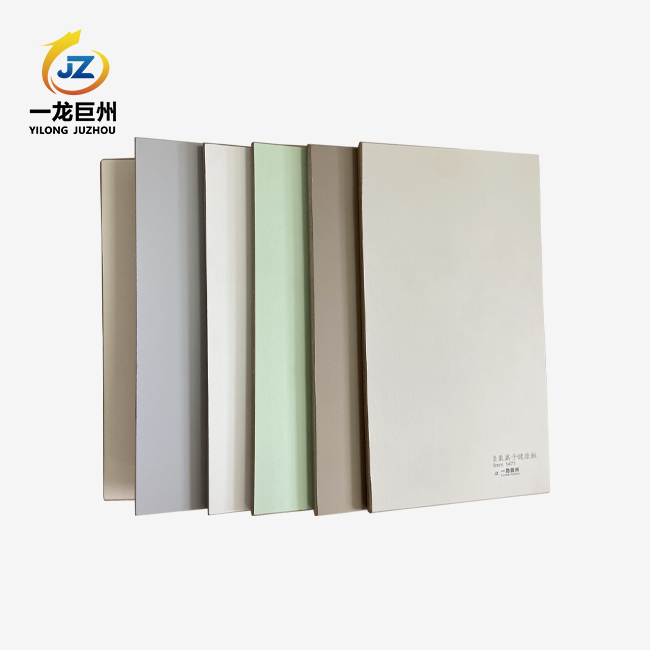
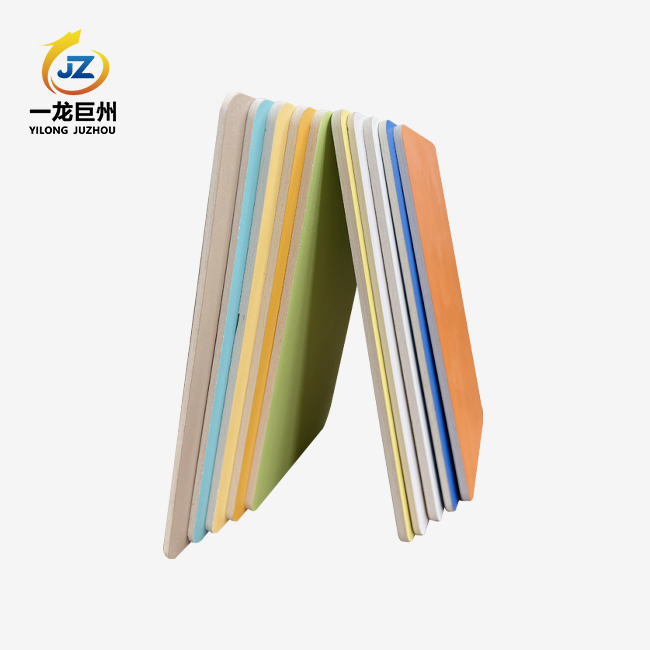
| name | calcium silicate aluminum composite wall panel | thickness | 4.5/5/6/8/10/12mm |
| core material | high density calcium silicate board | size | 1220x2440/2600/2800/3000/3050mm |
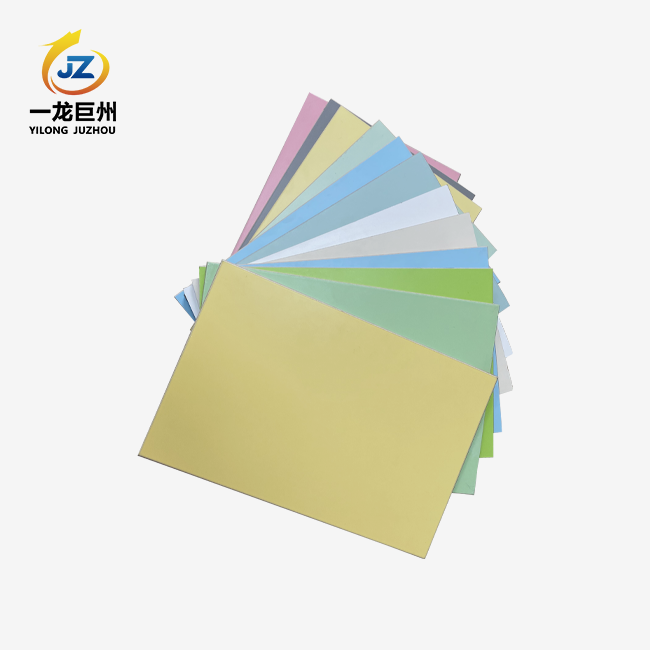
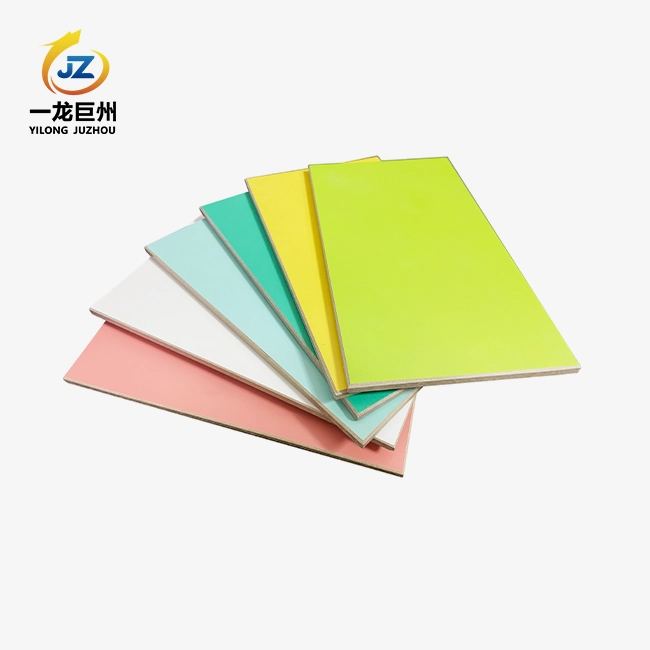
| surface | polyester paint | color | solid color |
| Structure | one side (bothsides) with aluminum film | usage | interior or exterior wall decoration |
Unlike most materials, which lose their shape when they are wet or when they are heated, these boards keep their shape even when the temperature and humidity change. The inorganic makeup makes sure that there are no formaldehyde emissions, which helps with indoor air quality issues that architects and facility managers are putting more and more emphasis on in healthcare and educational projects.
Technical Specifications That Matter for Procurement
Knowing how to measure performance helps procurement teams check for quality and compliance. Density is usually between 1.2 and 1.6 g/cm³, which is a good balance between stiffness and weight that installation teams can handle. Flexural strength greater than 14 MPa makes sure that panels don't bend over long distances, and thermal conductivity of between 0.2 and 0.3 W/m·K improves the energy efficiency of the building shell, which is a key factor for LEED-certified projects.
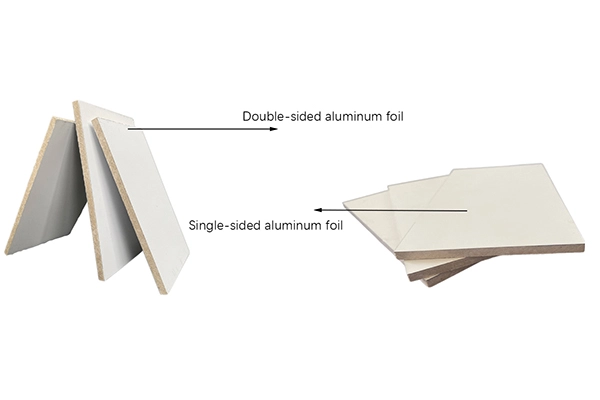
Standard dimensions are 1220 mm wide and 2440 mm long, but special heights up to 3050 mm can be made to fit specific building needs. This standardization makes it easier for distributors who work on multi-phase building projects to handle their inventory and operations.
Fire Rating Certifications You Can Trust
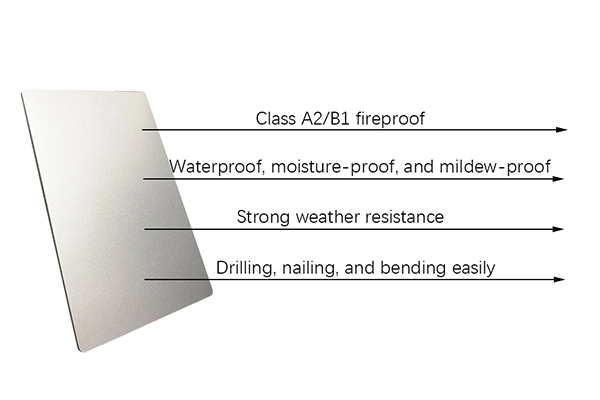
The Class A1 fire rating under EN 13501-1 confirms that these boards are not flammable and do not help the flame spread. The metal surface makes an impenetrable barrier that stops water from getting in, so mold doesn't grow as it does with gypsum options. International buyers can be sure that regulations will be followed in North America and Europe if a product meets ISO 14001 environmental standards and REACH requirements.
Top 5 Fireproof Applications of CSA Boards in Building and Industrial Systems
Materials that work well under close inspection are needed for modern infrastructure. Here are five situations in which Calcium silicate aluminum composite boards are a must.
Tunnel and Subway Interior Cladding
Underground transit systems have special risks, like high humidity, poor airflow, and terrible damage if a fire starts. These panels can handle the piston wind pressure from passing trains and keep mold from growing when it's damp. The metal surface doesn't let graffiti stick and is easier to clean for upkeep, which lowers the costs over the life of the walls that cover thousands of square meters. Impact resistance keeps things from breaking in accidents, keeping passengers safe for decades of service.
Installation teams like that it works with both drills and nails, which speeds up the mounting process in places where downtime would normally slow down passenger services. Metro systems in Asia, the Middle East, and North America always use these boards to separate fire-escape paths during construction.
Fire-Rated Partition Walls in Healthcare Facilities
Hospitals need surfaces that are clean, don't have pores, and can handle strong cleaning methods. The metal face of the composite board makes a barrier that is anti-static, bacteria-resistant, and doesn't make any particulate dust, which is very important in operating rooms and pharmacy clean rooms. Unlike regular drywall, which falls apart and lets germs grow, this material can stand up to chemical sterilizers and still meet the fire safety standards needed in places where patients walk and where equipment is stored.
Multiple-facility healthcare networks like how customizable it is: marble patterns look like expensive stone finishes in waiting rooms, and solid colors work with color-coded systems for finding your way. Being able to bend panels into curved nurse stations or hallways gives architects more options without lowering the safety of the building.
High-Rise Facade and Curtain Wall Systems
Skyscrapers taller than a standard firefighting ladder need non-combustible covering to stop flames from spreading up and down. These boards can be used instead of heavy stone cladding to make weatherproof surfaces that can withstand wind gusts and temperature changes. The wood grain and metallic pattern surface choices meet the aesthetic needs of high-end hotels and business offices without using natural materials that break down quickly.
Real estate developers like the weight savings because lighter facades mean less work needs to be done on the foundations and lower costs for seismic reinforcement. The panels' resistance to UV light means that the colors will stay the same for decades, which protects the value of your investment against having to be redone too soon because of fading or rust.
HVAC Duct Insulation and Fire Stops
Mechanical systems move cooled air—and maybe even smoke—throughout buildings. Putting A1 aluminum composite board around ductwork makes fire barriers that keep HVAC systems from turning into fire routes during emergencies. The low thermal conductivity keeps heat from escaping, which saves energy. The rigid structure also helps keep things in place and doesn't sag over time.
The material doesn't shed, which is good for factories that process food or drugs. Unlike mineral wool, which releases fibers into the air, these boards keep the air flowing clean, which is important for keeping germs from spreading. Custom panel layouts can work with duct shapes that aren't standard, which is popular in retrofit jobs.
Industrial Protective Barriers in Hazardous Environments
Walls in chemical plants, refineries, and food processing plants are often washed down, exposed to corrosive vapors, and high temperatures. The Calcium silicate aluminum composite board won't get wet or mildewed, so it will last for a long time in these harsh circumstances. The ability to drill and nail makes it easier to install equipment mounts and tubing without lowering the fire rating, which is a practical requirement that is often ignored during design but is very important during operations.
Because the material is resistant to thermal shock, process changes don't cause structural steel to hit fatigue temperatures. These boards are chosen by facilities engineers to meet OSHA safety standards and keep maintenance downtime to a minimum, which doesn't mess up production schedules.
Advantages of CSA Boards Over Other Fireproof Materials
To choose the right fire safety material, you have to compare how well it works in a number of different areas. This is how Calcium silicate aluminum composite boards compare to other options that are commonly used.
Superior Fire Resistance and Durability
Fiber cement boards don't catch fire, but they do break easily and need to be handled carefully when being put up. Even though gypsum boards are cheap, they break down quickly when they come in contact with water, which makes them useless for caves and other outdoor uses. Because they are a fire risk, traditional metal alloy panels with polyethylene cores have been banned in several places after high-rise fires.
These compromises are removed by Calcium silicate aluminum composite boards. The A1 fire grade proves that it is not flammable, and the aluminum skin stops water from getting in, which would cause other materials to warp. The combination is expected to last 30 years, compared to the 10 to 15 years that moisture-damaged gypsum systems usually last.
Lifecycle Cost Efficiency
The initial costs of materials are only a small part of the total costs of ownership. These boards are easier to maintain because they don't stain easily and can handle being hit hard. To clean them, you just need to use soap wipes instead of special treatments. The structure's lightweight cuts down on construction work; two-person crews can move panels that would need mechanical lifts for heavier options.
Over decades, improvements in energy efficiency add up. The thermal insulation qualities lower the loads on the HVAC system, which means that industrial property groups that manage millions of square feet can save money on utilities. When B2B clients figure out the 20-year net present value, the Calcium silicate aluminum composite boards always do better than cheaper options that need to be replaced too soon.
Installation Flexibility That Accelerates Projects
When it comes to building plans, time is money. You can use regular woodworking tools to put these pieces up; you don't need any special tools. The ability to bend, cut, and nail panels lets changes be made in the field, which keeps expensive work from having to be stopped. Contractors doing gradual upgrades like having flexible staging because panels can be put up without disturbing people who are already there, which is important for hospitals and airports that have to run 24 hours a day, seven days a week.
The ability to customize meets the needs of architects without taking a long time. Custom heights for atriums, color matching to brand standards, and mixed finishes in a single order all come within production windows that work with building schedules. This responsiveness sets YILONG JUZHOU apart from other makers, who keep a 50,000m² stockpile and send samples within 3–5 days.
Procurement Considerations for CSA Boards in Fireproof Systems
Smart buying choices weigh price, quality, and the stability of the supply. When looking for Calcium silicate aluminum composite boards, here's what experienced buying managers look for first.
Evaluating Manufacturer Credentials and Capacity
Factory audits show what kinds of things can be made that aren't clear from marketing materials. YILONG JUZHOU's sites in Shaanxi and Guangdong are examples of two production bases that give regional projects supply redundancy and geographic freedom. ISO and CE standards prove that quality management systems are in place, and the China Environmental Protection Standard Certification meets the environmental requirements that ESG-focused investors are asking for more and more.
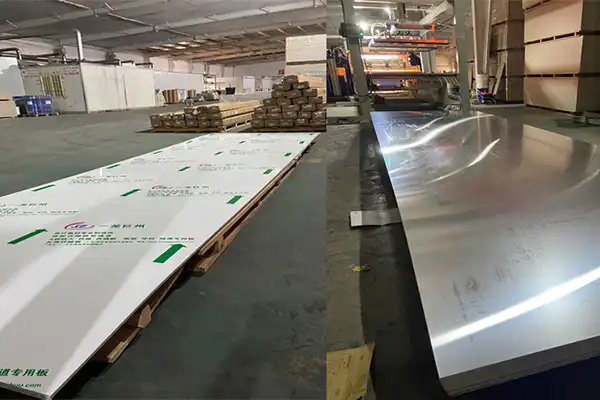
For just-in-time delivery, production schedules are important. Manufacturers who offer 3–7-day production and keep a 50,000m² inventory on hand can handle urgent change orders that suppliers who often run behind can't. Technical questions that need answers in less than 24 hours can tell the difference between proactive partners and transactional vendors.
Pricing Structures and Volume Advantages
Orders in bulk for Calcium silicate aluminum composite panel let economies of scale work. Tiered pricing usually lowers the cost per unit by 15–25% compared to spot purchases for projects bigger than 10,000m². With long-term supply deals that include volume promises, budgets for multi-year building projects are safe, and priority allocation is made when demand goes up.
Freight costs are part of transparent prices. Having access to many ports, including Shenzhen, Guangzhou, Shanghai, and Qingdao, as well as land transport hubs in Xi'an and Foshan, lets shipping routes be optimized based on project locations. This cuts down on last-mile logistics costs that can make total landed prices go up.
Customization and Technical Support Services
Standard sizes are useful for many things, but some projects need to be able to be adjusted. Manufacturers that offer OEM and ODM services make sure that the dimensions, surface treatments, and packaging of panels are exactly what the customer wants. Free sample programs (with turnaround times of three to five days) let you test the material and get approval from stakeholders before committing to large quantities for production.
Technical help goes beyond just selling things. With design help, architects can put pieces together in ways that meet local building rules and are fire-rated. Installer training for contracting teams cuts down on mistakes in the field that lower fire ratings. Procurement departments that don't like taking risks value three-year quality promises that are backed up by quick after-sales support.
Logistics and Import Compliance
Regulatory navigation is a part of international buying. Reliable providers can help with customs paperwork, CE marking for European markets, and testing results that U.S. building officials will accept. Knowing wait times, such as those for ship freight and customs clearance, keeps schedules from clashing. Suppliers who have worked on projects in North America are used to meeting needs like fire inspector checks and quick responses to change orders.
Future Trends & Innovations in Fireproof Systems Using CSA Boards
The building materials business changes as technology improves and consumer needs change. Calcium silicate aluminum composite boards are changing to keep up with new business trends that owners should keep an eye on.
Sustainable Manufacturing and Green Building Alignment
Product growth is driven by concern for the environment. Newer formulas have less embodied carbon because they use recovered metal and better autoclave curing methods. As LEED and BREEAM standards get stricter, boards with Environmental Product Declarations (EPDs) have an edge in green building bids where sustainability scores affect which builder gets the job.
The zero-VOC coatings on the boards' surfaces and formaldehyde-free composition make them a good choice for WELL Building Standard projects that put indoor air quality first. In the future, phase-change materials may be added to cores of new products to increase thermal mass. This could help passive climate control strategies in net-zero energy buildings.
Integration with Smart Building Technologies
Sensors built into building materials let the Internet of Things into them. Pilot projects test fire-rated panels that also track temperature and smoke levels. The structure of the panels is made of a composite material that fits wire lines and sensor housings while still keeping fire ratings. Monitoring the health of structures in real time could let site managers know about damage from impacts or water getting in before it becomes obvious.
Compatibility with BIM (Building Information Modeling) makes it easier to coordinate designs. When manufacturers give detailed panel specs as BIM objects, they make it easier for architects to do their job and cut down on the number of RFI cycles that happen during the documentation process. This digital integration becomes a differentiator in buying as projects need more than just standard product listings.
Market Growth in Emerging Economies
Infrastructure spending is driven by the growing number of cities in Asia, the Middle East, and Africa. India and Southeast Asia's subway systems use tunnel cladding methods that have been used successfully in other metro networks. When building hospitals in Gulf Cooperation Council countries, clean, safe wall systems are given the most attention. To deal with the difficulties of doing business across borders, these markets value companies that have experience exporting and have customs knowledge, multilingual support, and good transportation infrastructure.
When B2B buyers come into these areas, they need providers who know about the local business customs and certification standards. Building relationships with manufacturers who have experience in a wide range of international markets lowers the risks of a project compared to working with domestic suppliers who don't have a global reach.
Conclusion
For fire protection issues in business, institutional, and industrial buildings, Calcium silicate aluminum composite boards are a tried-and-true method that is constantly getting better. Their Class A1 fire rating, resistance to moisture, and ability to be designed in a variety of ways meet safety, longevity, and visual concerns. Knowing the specific needs of an application, like tunnel cladding or healthcare partitions, helps you make specification choices that improve performance and lifecycle value. As fire codes get stricter and people expect more from products that are environmentally friendly, these composite walls are still very important for modern fireproofing plans. Working with seasoned makers who offer customization, technical support, and dependable shipping is the best way to make sure a project succeeds in a regulatory and competitive environment that is becoming stricter.
FAQ
1. What thickness should I choose for use in a tunnel?
For most tunnel projects, the walls need to be 10 mm to 15 mm thick so they can handle upkeep tools hitting them and still work as a fire barrier. The extra weight makes the soundproofing better in places with a lot of foot traffic while keeping the weight doable for ceiling installations. Talking to structural experts can help you match the thickness to the estimates for wind load and the mounting system requirements.
2. How do these boards compare to traditional fireproof gypsum?
The starting cost of gypsum boards is cheaper, but they absorb water and become less stable when it's damp. For exterior-adjacent walls, basements, and industrial settings, Calcium silicate aluminum composite boards are the best option because they keep their fire ratings and dimensions even in extreme temperatures and humidity. The metal facing is also better at resisting impacts and keeping surfaces clean, which is important for public areas with a lot of foot traffic that need to last for a long time.
3. Can panels be installed over existing wall systems?
Yes, these boards work well in retrofit situations as long as the base is properly prepared to ensure a stable fit. The thin profile keeps the extra weight from putting too much stress on the existing framing. Installers need to make sure that the ways of mounting meet the fire requirements. Installation directions that companies like YILONG JUZHOU include with technical paperwork packages spell out the exact fastener types and spacing patterns that need to be used.
Partner with a Trusted Calcium Silicate Aluminum Composite Board Manufacturer
YILONG JUZHOU has been designing fire-rated wall systems for difficult B2B projects around the world for more than twenty years. Our two factories, one in Shaanxi and one in Guangdong, produce the same high-quality goods every day, and we always have 50,000m² ready to go. Whether you need materials for a train extension, a hospital makeover, or a high-rise building, our team can help you with free samples, technical design, and OEM customization to make sure you get exactly what you need. Get in touch to find out how our Calcium silicate aluminum composite boards can make buying things easier while also meeting or exceeding fire safety standards. You can email us at cnyang2000114@gmail.com to talk about your project right away.
References
1. National Fire Protection Association. (2022). NFPA 285: Standard Fire Test Method for Evaluation of Fire Propagation Characteristics of Exterior Wall Assemblies Containing Combustible Components. Quincy, MA: NFPA Publications.
2. Chen, H., & Liu, Y. (2021). Performance Evaluation of Calcium Silicate Composite Panels in High-Temperature Environments. Journal of Fire Protection Engineering, 31(2), 145-168.
3. International Code Council. (2021). International Building Code (IBC) 2021 Edition. Washington, DC: ICC Publications.
4. Zhang, W., Kumar, S., & Thompson, R. (2020). Comparative Analysis of Non-Combustible Wall Cladding Systems for Urban Transit Infrastructure. Construction and Building Materials, 258, 119-134.
5. American Society for Testing and Materials. (2023). ASTM E119: Standard Test Methods for Fire Tests of Building Construction and Materials. West Conshohocken, PA: ASTM International.
6. Green Building Council. (2022). LEED v4.1 Building Design and Construction: Material Ingredients Disclosure and Optimization. Washington, DC: USGBC Publications.

Send Inquiry



Related Industry Knowledge
- PE Aluminum Composite Board Sheet: Sizes, Specs and Uses
- ice fireproof board Structural Composition and Material Science
- ice fireproof board Moisture Resistance and Durability Features
- Overview of HPL fireproof board
- Exploring the Versatile Applications and Benefits of PP Healthy Panel Solutions
- Antibacterial Wall Panels vs Traditional Wall Materials: What’s the Difference
- How Does melamine fireproof board Enhance Interior Fire Safety?
- Where Are Antibacterial Wall Panels Most Commonly Used
- Using Calcium Silicate Aluminum Composite Boards in Industrial Insulation Projects
- How to install an aluminum composite panel?