
ice fireproof board Moisture Resistance and Durability Features
August 7, 2026
When we talk about building materials that need to withstand the toughest conditions, ice fireproof board stands out for its remarkable ability to resist moisture while maintaining structural integrity over decades. This advanced calcium silicate panel combines waterproof properties with exceptional durability, achieving water absorption rates below 10% while delivering Class A fire resistance. For project managers overseeing hospitals, subway stations, or food processing facilities, understanding how these boards maintain performance in high-humidity, high-traffic environments can mean the difference between a successful long-term installation and costly maintenance issues.
Send Inquiry
Understanding Ice Fireproof Board: Composition and Core Features
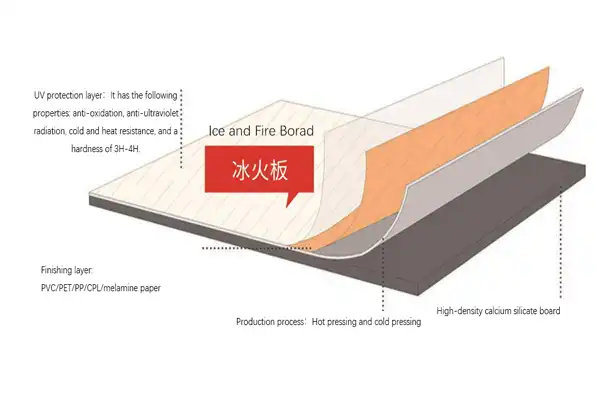
An designed composite panel with specialty film-coated surface layers is referred to as ice fireproof board. It is constructed on a calcium silicate base. Unlike regular gypsum or cement boards, this material meets more than one performance need at the same time.
The Engineering Behind Moisture-Resistant Construction
The board is made up of a high-density calcium silicate base that is strengthened with fiber networks. Because it is mostly inorganic, it gets rid of organic materials that tend to attract water and mold. The top layers, which can be finished in PVC, PET, PP, melamine paper, HPL, or CPL, make a barrier that stops water from getting inside while still letting the material breathe enough to avoid internal condensation buildup.
Through high-pressure lamination and UV-curing technology, our production process joins these layers together to make a single panel structure. The calcium silicate core keeps its shape even when the temperature changes, and the film layer protects against cleaning products that are often used in sterile areas.
Meeting International Safety Standards
In business buildings, choosing materials is based on compliance. These panels are certified as Class A1 non-combustible under ASTM E84 standards for U.S. markets and EN 13501 standards for European projects. The material doesn't contain any asbestos and keeps formaldehyde emissions at E0 levels, which meets the stricter environmental rules in schools and hospitals.
The density of the board is usually between 1.2 and 1.4 g/cm³, which gives it a lot of strength without being too heavy. The surface hardness is higher than 3H on the pencil hardness scale, which means it won't scratch easily, which is important for public areas that get a lot of use. These technical specs directly lead to lower costs for maintenance and longer periods between replacements.
Moisture Resistance and Durability: Detailed Performance Analysis
Managing moisture is what sets great wall systems apart from average ones. We have tested and installed calcium silicate panels with protective coatings in a variety of climates and labs to show how they work when exposed to high humidity for a long time.
Quantifying Water Resistance in Real Conditions
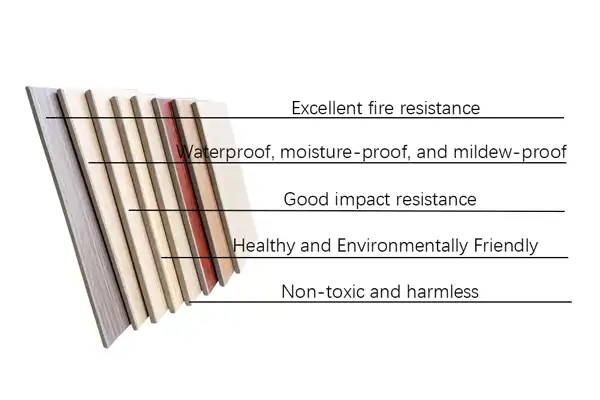
Even after long soaking tests, the material's water absorption rate stays below 10%. This is much better than regular gypsum boards, which can take 40% or more of their weight in water. Materials that are sensitive to water won't swell, warp, or separate because of this low absorption.
Vapor permeability tests show that the ice fireproof board lets controlled amounts of moisture move through it, which keeps condensation from building up behind the panel surface. This quality is very important in places like operating rooms in hospitals, where the difference in temperature between the climate-controlled rooms and the outside walls can cause condensation.
Real-life installations in subway tunnels show how it works in real life. Groundwater seepage keeps the air humid all the time in underground transit environments that also have changes in temperature and vibration stress. The structure and appearance of panels installed in tunnels have not changed after five years of continuous exposure. There is no visible mold growth or surface wear. Antibacterial properties that are certified to work 99.99% of the time stop microbes from colonizing, even when there is temporary moisture on the surface.
Structural Durability Through Thermal and Physical Stress
Durability includes more than just resistance to water; it also includes resistance to contact and temperature cycles. The composite structure can resist impact forces that would crack regular cement boards. This keeps the walls from getting damaged in places with a lot of equipment or a lot of foot traffic, like industrial sites or college hallways.
Thermal cycling tests mimic changes in temperature that happen with the seasons and throughout the day. If the panels are fitted correctly, they change size by less than 0.5 mm after 100 freeze-thaw cycles. This means that the joints stay tight and the panels look the same. This stability is especially important in clean rooms used to make medicines, where even small cracks can make it harder to keep germs out.
This substance can handle acids and bases, and its pH runs from 3 to 11 without losing its surface. This chemical stability is directly useful for food processing plants because the walls can be cleaned over and over with industrial-strength sanitizers without turning yellow or losing their protective coating.
Comparing Ice Fireproof Board with Traditional Fireproof Materials
To make a purchase decision for fireproof wall panels, you need to know how the different types of wall panels compare in a number of performance areas. We looked at real-life project examples to see how calcium silicate composite panels stack up against other options. Ice fireproof board provides a superior alternative to conventional materials in high-demand settings.
Performance Benchmarks Across Material Categories
Traditional cement board is pretty good at keeping fires out, but it's not very good at keeping water out. Most cement-based products absorb between 15 and 25 percent of their own weight in water. This changes their size, which can crack grout lines and make installations less reliable in damp places. Even though there are moisture-resistant versions of gypsum board, it doesn't last very long in areas with a lot of moisture. Also, these materials need a lot of finishing work, which raises the cost of installation labor.
Although mineral wool and rock wool boards are good at putting out fires and can handle some moisture, they are not suitable for clean healthcare environments because they are porous and collect dust and allergens. It's harder to install these materials because they need extra protective coverings to make areas that can be cleaned.
Calcium silicate panels with protective coatings have the fire resistance of inorganic boards, the finished look, and the moisture resistance that were only previously available in ceramic tile or stainless steel. They are also much lighter and less expensive. The integrated surface gets rid of the need for extra finishing steps, which greatly shortens the time it takes to install.
Project-Specific Material Selection Framework
Along with fire safety, hospital remodeling projects put an emphasis on cleanliness and preventing infections. These panels are great for patient rooms, hallways, and operating rooms because they don't let bacteria grow on their surface and still have Class A fire ratings. The antibacterial certification of the material is proof that it meets the requirements for Joint Commission accreditation.
Underground transportation systems have to deal with high humidity and need materials that can't catch fire and don't give off smoke in case of a fire. Calcium silicate composites are the best choice for train platforms, walking walkways, and station concourses because they don't absorb water well and have a Class A1 fire rating.
When industrial facilities have to balance performance goals with limited budgets, they find that the higher starting cost of advanced composite panels pays off over time through lower upkeep costs, longer replacement intervals, and lower labor costs during installation. For a pharmaceutical factory project we worked on, installing walls 30% faster than with ceramic tiles was possible, which sped up the opening of the facility.
Installation Practices That Maximize Performance and Longevity
When put wrong, even the best products don't work as well as they should. Our technical support team has found the best ways to install ice fireproof board so that it lasts and doesn't get damaged by water over thousands of square meters of finished projects.
Surface Preparation and Panel Fixing Techniques
Before installing the panels, the base needs to be clean, dry, and physically sound. We suggest checking wall surfaces for moisture and making sure results are below 15% to avoid problems with trapped moisture. Leveling solutions are used on uneven areas to make panel support more even. This keeps stress from building up in one place, which could cause boards to crack when the building moves.
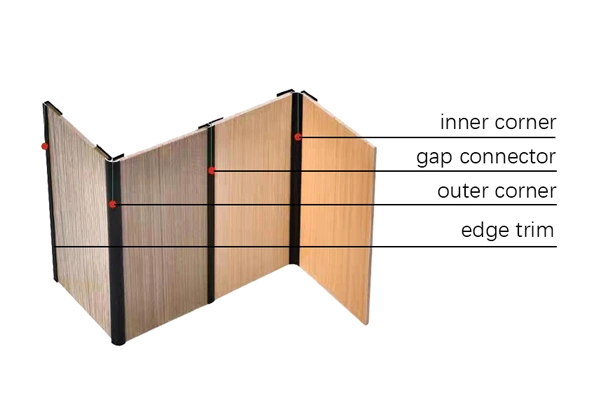
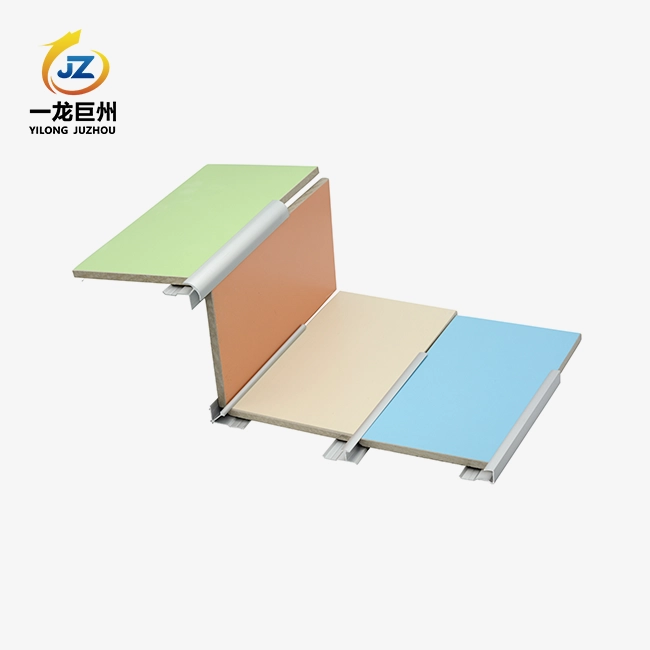
Depending on the type of substrate and the needs of the project, either mechanical fasteners with pressure strips or structural adhesive bonding are used to attach panels. We came up with a pressure strip method that can be quickly installed without the need for special tools. This cuts down on labor costs while maintaining consistent joint quality. Adhesive installation makes smooth surfaces that are great for clean rooms, but they need to be put down carefully so there are no gaps that could trap moisture.
How well joints resist water over time depends on how they are treated. When choosing a sealant, you need to think about how the building will move, the temperature ranges, and the chemicals that will be used for cleaning. Silicone or polyurethane sealants that have antimicrobial additives work best in food processing and healthcare settings. The right joint spacing—usually between 3 and 5 mm—allows for heat expansion without putting too much stress on the sides of the panels.
Common Installation Errors and Prevention Strategies
We've seen mistakes that keep happening that hurt the success of interior wall decoration fireproof board panel installations. When you over-tighten mechanical bolts, you create stress clusters that make them more likely to crack. When edge sealing isn't done well, moisture can get into panels around the edges that are weak. When you mix materials that don't work well together, like when you use metal bolts in damp places without coatings that protect against rusting, you get rust stains and structural damage.
The curing and performance of adhesives and sealants are affected by the temperature during installation. Installing panels when the temperature outside is below what the manufacturer recommends can stop them from bonding properly, which can lead to delamination problems in the future. The weather should be taken into account in project schedules, especially in areas that don't have air conditioning.
Maintenance methods make things last a lot longer. Cleaning surfaces regularly with pH-neutral cleaners keeps them in good shape without harming the coverings chemically. Joint inspections done on a regular basis can find sealing degradation before water gets in, so fixes can be focused on specific areas instead of having to replace whole panels. These simple steps keep things looking good and working well for decades, which makes the initial material investment worthwhile.
Procurement Strategies for B2B Buyers Seeking Reliable Supply
Finding good wall panel systems means knowing what the manufacturers can do, what certifications are needed, and how to handle supplies, all of which affect project timelines and budgets. Procurement of ice fireproof board requires a verified supplier with strong technical documentation.
Supplier Evaluation and Certification Verification
Manufacturers with a good reputation keep their ISO 9001 quality management approval and testing records for each product. Ask for copies of the results of ASTM E84 fire tests, water absorption tests, and antibacterial performance certifications from accredited labs when you are looking at possible providers. Instead of relying on marketing materials, these documents prove the performance claims.
The power to produce things affects how reliably big projects are delivered. YILONG JUZHOU has two factories, one in Shaanxi Province and one in Guangdong Province. Together, they store more than 50,000 square meters of goods. With lead times of 3–7 days, this production infrastructure can handle container-load shipments that need to be built in stages. Our response time for technical questions and quote requests is always within 24 hours, which lets you make quick decisions about what to buy.
A supplier's export experience shows how well they understand foreign regulations and how complicated processes can be. Our panels are shipped through the ports of Shenzhen, Guangzhou, Shanghai, and Qingdao. These ports have created freight forwarding ties that make clearing customs and moving goods within China easier. We've delivered to hospitals, public transit systems, and commercial developments in more than 30 countries, so we know how to meet the specific documentation and packaging needs of each market.
Customization Options and Sample Programs
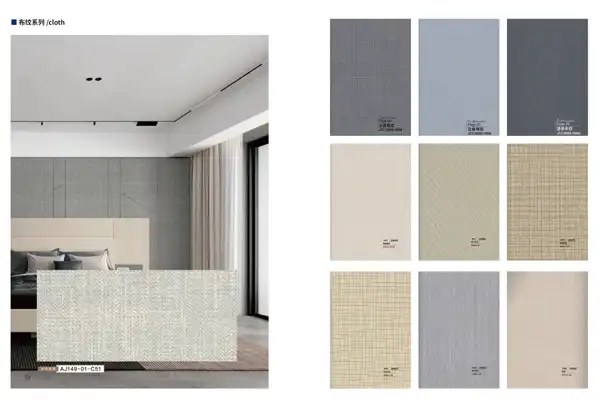
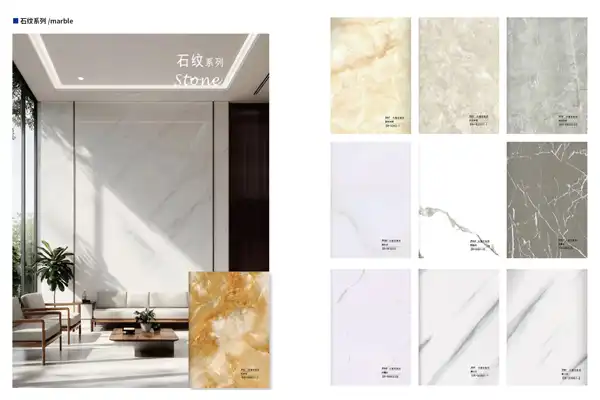
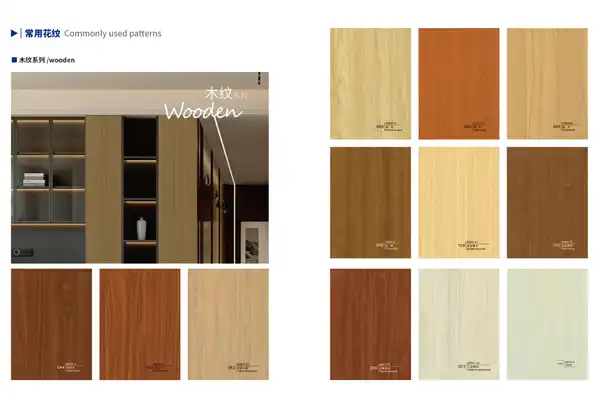
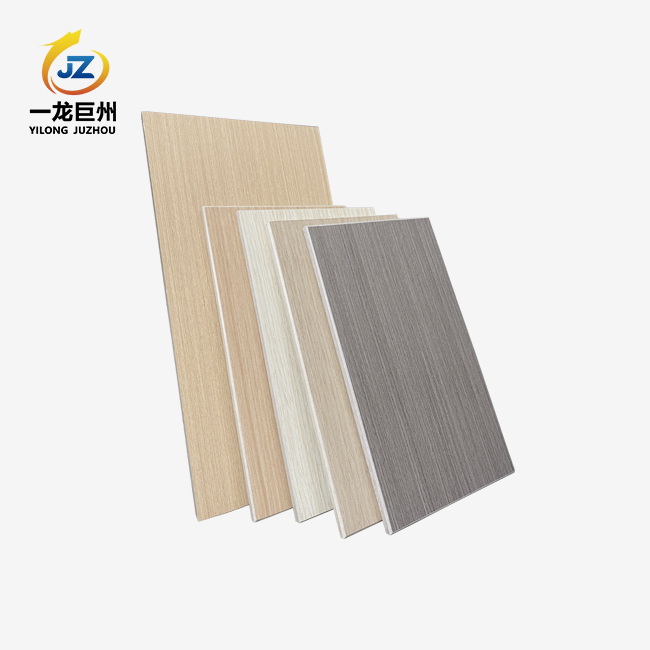
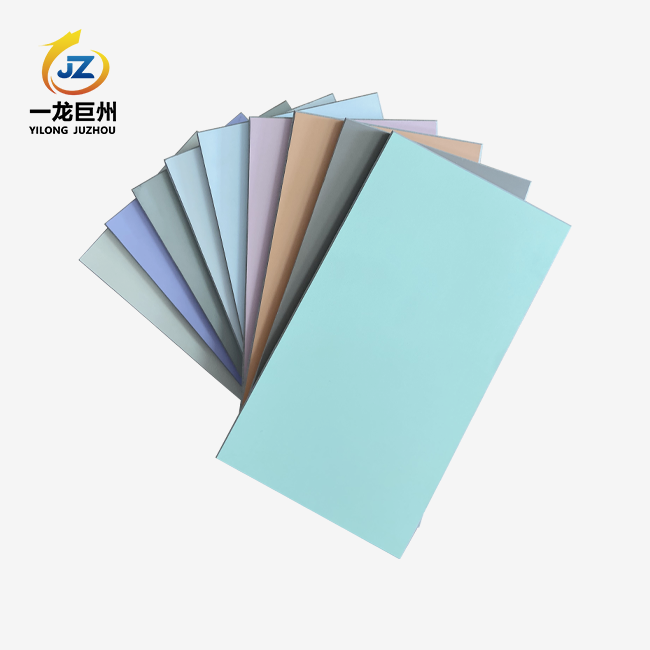
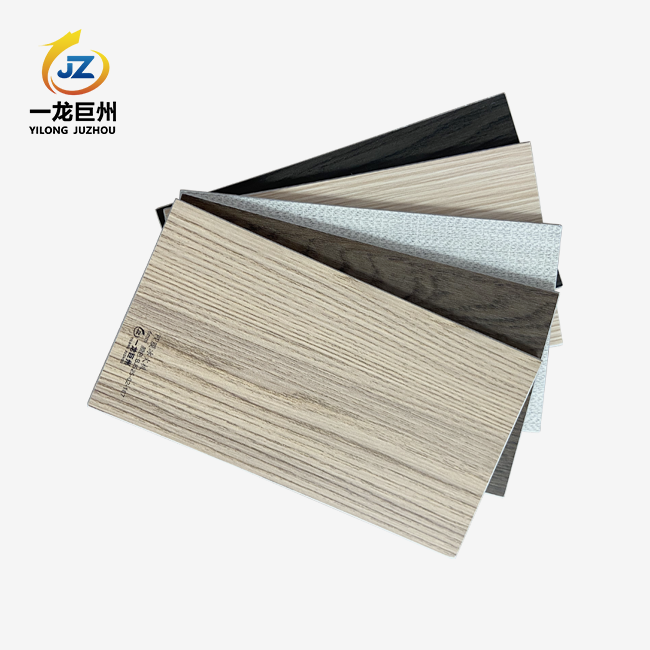
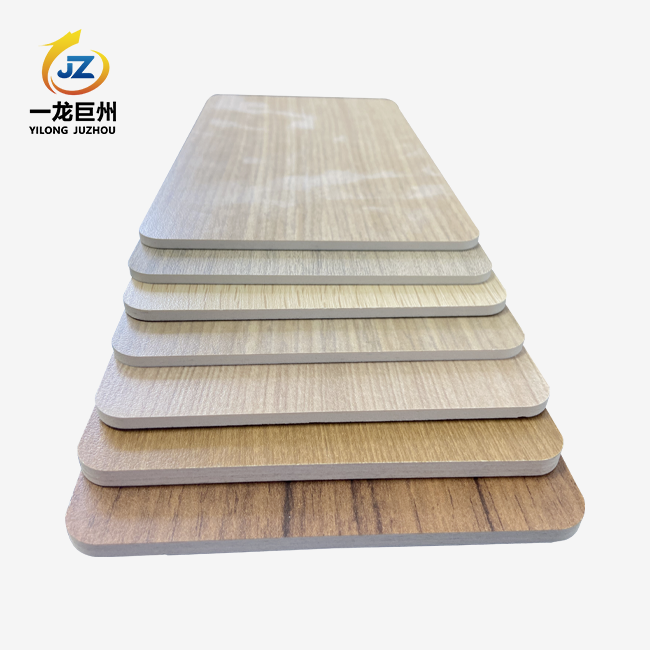
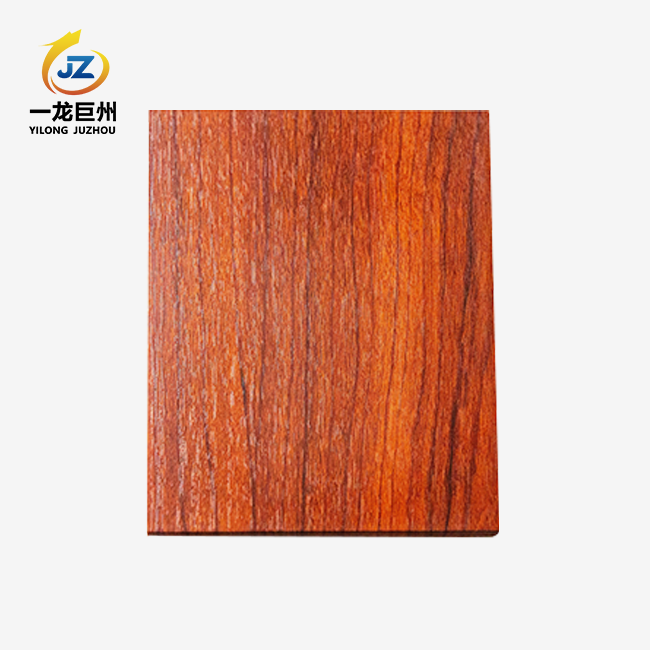
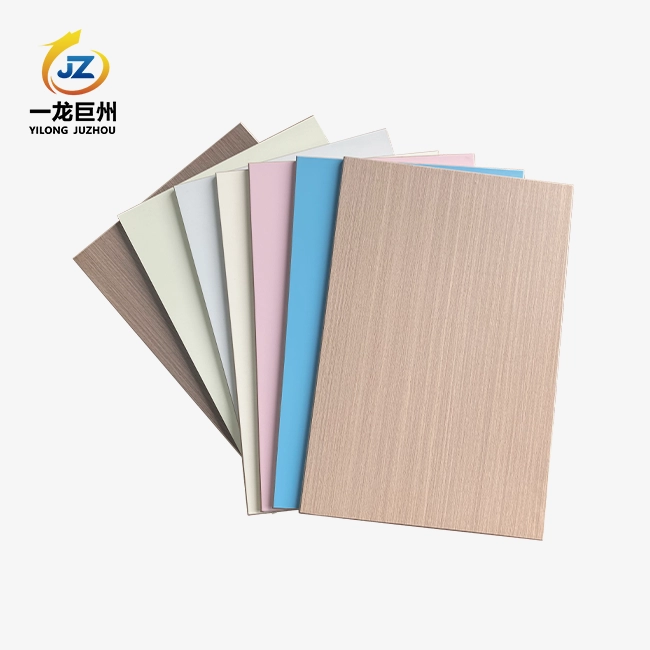
Specifications for projects often call for non-standard sizes, colors, or surface patterns. With OEM and ODM capabilities, panel layouts can be changed to fit building plans without lowering performance standards. Boards that we make come in normal widths of 1220mm and lengths of up to 3050mm. Their thickness ranges from 4.5mm to 15mm. Surface styles come in plain colors, woodgrain patterns, marble patterns, metallic looks, and fabric textures, so designers can meet a wide range of aesthetic needs.
Sample programs lower the risk of buying things by letting you test them out in real life before placing a big order. We send free samples within 3–5 days so that you can test the material in settings that are right for your job. Samples help make sure that the color, surface texture, and compatibility with current building systems are correct, which helps avoid costly design mistakes.
Pricing models are based on the number of orders, the level of personalization, and the location of the delivery. The most cost-effective way to ship goods is by container load, but smaller amounts can be used for pilot projects or construction programs that are built in stages. Clear talks about prices during the quote phase to set reasonable budget goals and avoid confusion during the project's execution.
Conclusion
Long-term success in tough industrial settings where wall systems are constantly exposed to humidity, temperature changes, and physical wear is determined by how well they resist moisture and how long they last. Ice fireproof board composite panels have clear benefits, including water absorption rates below 10%, Class A fire ratings, and impact resistance that keeps them from getting damaged as other materials do. Because of these technical features, upkeep costs are lower, replacement cycles are longer, and strict safety rules are met in industry, transportation, and healthcare settings. When you place materials correctly and buy them from experienced makers, you can get the most out of their natural benefits, which helps your project succeed.
Frequently Asked Questions
1. How does water absorption below 10% impact real-world performance?
When there is low water absorption, the dimensions don't change, which can lead to warping, cracking, and delamination in damp places. When compared to gypsum or cement boards, which absorb a lot more water, this stability keeps the joints and surface looking in good shape for the life of the building. This means that a lot less upkeep is needed for the ice fireproof board installation.
2. Can these panels withstand frequent chemical cleaning in sterile facilities?
The substance can handle acids and bases with a pH range of 3 to 11, and industrial-strength disinfectants can be used on it without damaging the surface. The certification that says it is 99.99% antibacterial shows that it keeps killing microbes even after multiple cleaning cycles. This meets the infection control standards in hospitals and drug manufacturing facilities.
3. What makes calcium silicate composites more durable than traditional fireproof boards?
The artificial makeup gets rid of biological materials that break down when they come into contact with water or microbes. With their protective surface coatings and high-density core structure, these panels can withstand damage from chemicals, impact, and temperature cycles that would normally break down cement or gypsum boards. This makes them last a lot longer.
Partner with YILONG JUZHOU for Your Next Interior Wall Project
Every calcium silicate panel system that YILONG JUZHOU makes is backed by decades of experience in both material science and manufacturing. Our two factories, one in Shaanxi and one in Guangdong, consistently produce high-quality goods that are backed by ISO, CE, and China Environmental Protection Standard approvals. We offer expert help from the beginning of the planning process until the installation is finished, whether you're choosing materials for a hospital renovation, a subway expansion, or a pharmaceutical manufacturing facility. Get a free sample of our moisture-resistant, long-lasting ice fireproof board today to see if they meet the needs of your project. You can email our team at cnyang2000114@gmail.com to get more information about our products, prices for large orders, and OEM customization choices that fit your architectural vision.
References
1. National Fire Protection Association. NFPA 101: Life Safety Code – Interior Finish Requirements for Health Care Occupancies. 2021 Edition.
2. American Society for Testing and Materials. ASTM E84-21: Standard Test Method for Surface Burning Characteristics of Building Materials. ASTM International, 2021.
3. Green Building Council. Material Health Certifications for Interior Wall Systems in Commercial Construction. LEED v4.1 Building Design + Construction Guide, 2020.
4. European Committee for Standardization. EN 13501-1: Fire Classification of Construction Products – Classification Using Data from Reaction to Fire Tests. CEN, 2018.
5. International Code Council. International Building Code: Chapter 8 – Interior Finishes in High-Humidity Applications. 2021 Edition.
6. 7Building Research Establishment. Moisture Control in Commercial Building Envelopes: Material Selection and Performance Testing. BRE Trust Report, 2019.

Send Inquiry
Related Industry Knowledge
- How Does a Negative Ion Healthy Panel Improve Indoor Air Quality?
- Analysis of the Functional Principles and Market Prospects of the Negative ions panel
- Exploring the Versatile Applications and Benefits of PP Healthy Panel Solutions
- melamine fireproof board Durability in High-Traffic Environments
- Why Choose Inorganic pre-coated panels for Wall Cladding Systems?
- Medical Clean Board for Hospital Wall and Ceiling Systems
- Where Are Antibacterial Wall Panels Most Commonly Used
- A Buyer's Guide to Aluminum Composite Material (ACM)
- How to spray paint on aluminum composite panels
- Things to Know About Aluminium Composite Panels