
Top Manufacturer of Calcium Silicate Fireproof Board
September 1, 2026
When evaluating suppliers for your next commercial project, calcium silicate fireproof boards from a certified manufacturer deliver unmatched fire protection and structural integrity. We understand the pressure procurement managers face when sourcing materials that balance strict safety codes, design flexibility, and budget constraints. As a specialized producer with two manufacturing facilities serving global markets, we've watched this industry evolve from basic fire barriers to sophisticated wall systems that meet Class A fire ratings while offering antibacterial surfaces and custom aesthetics. Our marble calcium silicate board combines advanced fire-resistant technology with film-coated finishes that transform spaces from hospital corridors to airport terminals.
Introduction
Fire safety is still an important part of modern building, especially in healthcare centers, schools, and commercial areas with a lot of foot traffic. The materials used for interior walls need to protect people while also meeting the ever-changing and complicated rules for building in different places. Calcium silicate fireproof boards have become the best option because their special mineral makeup can handle high temperatures without giving off harmful fumes or weakening the structure.
When B2B procurement workers are in charge of projects at various sites, the choice of manufacturer has a direct effect on project timelines, governmental approval, and long-term upkeep costs. Third-party certifications show that reliable suppliers consistently provide high-quality goods. They also make sure they have enough stock for phased construction schedules and offer technical support during specification and installation. The relationship between the customer and the maker goes beyond just buying something; it turns into a team effort to protect people and property.
Understanding Calcium Silicate Fireproof Board: Key Properties and Benefits
Core Composition and Fire Performance
These boards are made of calcium silicate hydrate compounds that are formed when siliceous materials, calcareous materials, and reinforcement fibres are cured under high-pressure steam. This material doesn't contain asbestos and has Class A1 non-combustibility grades, which means it doesn't catch fire or add to the fuel in a fire. The porous microstructure makes millions of tiny air pockets that greatly slow down the passage of heat. This means that the structure can often stay intact for more than two hours at temperatures over 1000°C.
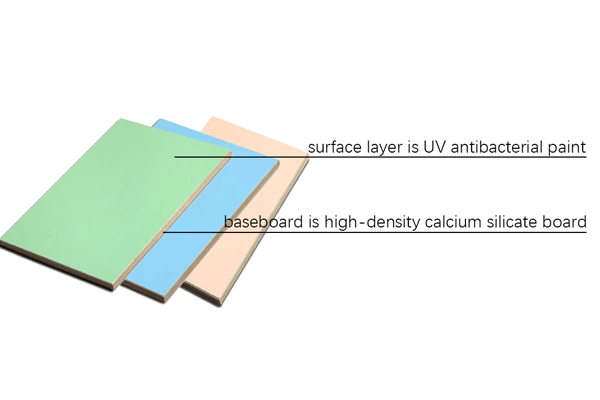
In the way we make things, we use UV-cured film coating technology to attach decorative layers directly to the core board. This new idea gets rid of the volatile chemical substances that adhesive-based laminators usually give off, so the building can be used right away after installation. The marble film surface layer looks like natural stone and adds a barrier that kills 99.99% of germs, which is very important for keeping hospital settings free of infections.
Durability and Environmental Advantages
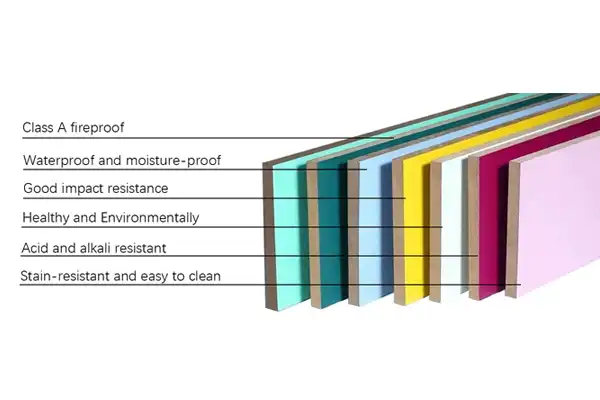
These boards are different from traditional gypsum ones because they don't absorb water. The Calcium silicate fireproof board binder keeps its shape even when the humidity level is high enough for gypsum or fibre cement to crumble. We've put up panels in places like food processing plants, pharmaceutical clean rooms, and subway tunnels that are constantly wet and need materials that don't support mould growth or biological breakdown.
Environmental concerns are becoming more and more important in buying choices. Our factories in Shaanxi and Guangdong provinces follow the China Environmental Protection Standard Certification, as well as ISO and CE rules. The boards don't have any heavy metals, formaldehyde, or benzene in them, which meets LEED approval standards. When the mineral composition has served its purpose, it can be recycled into aggregate materials so that it doesn't end up in a landfill.
Comparing Calcium Silicate Fireproof Board with Other Fireproof Materials
Performance Against Common Alternatives
There are often more than one acceptable material listed in project specifications, but in the real world, the differences in performance become clear. Standard gypsum board loses its strength quickly when it comes in contact with water, so it needs to be replaced after it gets damaged. Fibre cement is better at resisting water, but it's heavier, which makes placement and figuring out how much weight a structure can hold more difficult. At first glance, magnesium oxide boards look like a good deal, but within five years, they often lose their shape and become less shiny.
When it comes to impact protection, our marble Calcium silicate fireproof board is the best. It keeps places with a lot of foot traffic from getting cracks and dents. With a film-coated surface, the colour stays the same over time, unlike painting or bonded surfaces. It blocks out noise up to 46 decibels, which meets the soundproofing needs of open office spaces and hotel hallways without the need for any other treatments.
Cost Analysis and Long-Term Value
The initial cost of materials is only one part of the total cost of the project. The cost of installation labour is very high, and our quick pressure strip mounting system cuts on-site time by about 40% compared to traditional wet-application methods. Customising in the factory to exact measurements cuts down on waste and cutting in the field. This is especially helpful when working with complex patterns or close limits.
Because they cost less to maintain over a building's lifetime, sturdy materials are better. The UV-cured surface doesn't stain and is easy to clean with regular disinfectants. It keeps its look without having to be painted over and over again. We offer a three-year quality warranty that covers delamination, discolouration, and structural flaws. You can be sure of this because both of our production sites have ISO-certified quality control.
How to Choose the Right Calcium Silicate Fireproof Board Manufacturer
Certification and Quality Standards
Checking the manufacturer's credentials guards against low-quality materials that could hurt the project's acceptance and the safety of the people who live or work there. Suppliers who are honest will gladly give you test records from approved labs that show fire resistance scores, smoke development indices, and structural load capacities. We keep our ISO certification up to date and send our goods to be tested independently against ASTM and EN standards. This makes sure that our Calcium silicate board meets the requirements of markets around the world.
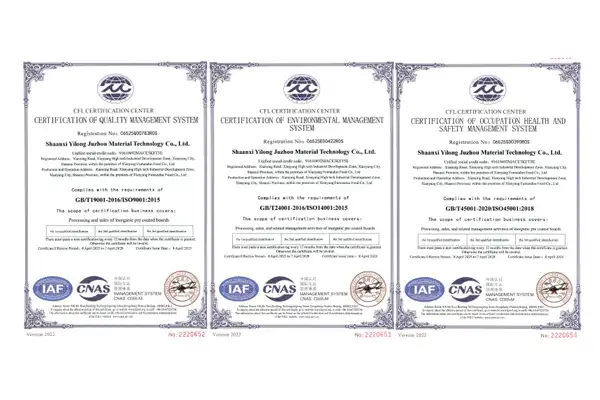
Transparency in manufacturing shows a dedication to quality. Our Xianyang plant in the Shaanxi High-tech Zone and our Foshan plant in Guangdong Province are both happy to have customer checks. During these visits, procurement teams look at where raw materials are sourced, how production is controlled, and how finished products are tested. This level of transparency sets established makers apart from trade companies that don't have direct control over production.
Customization and Technical Support
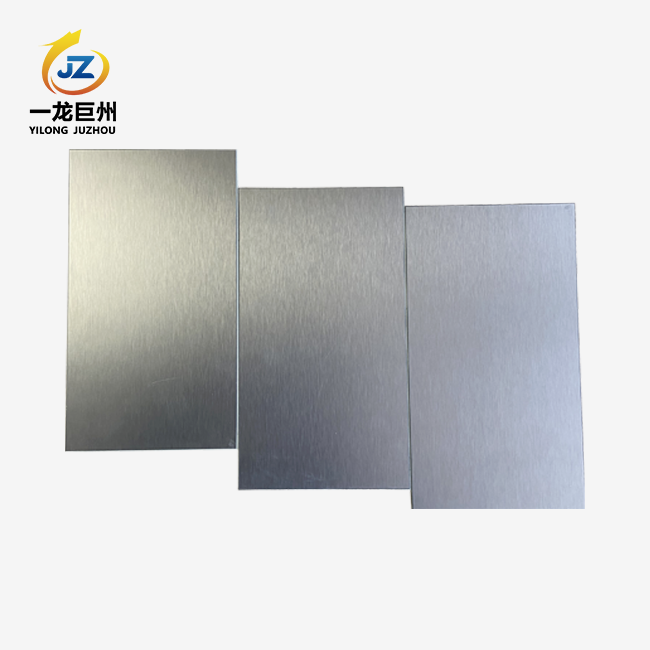
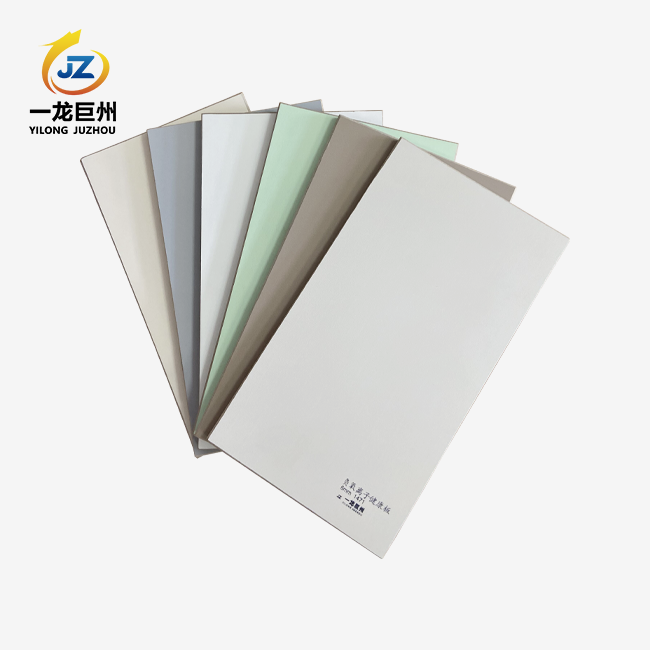
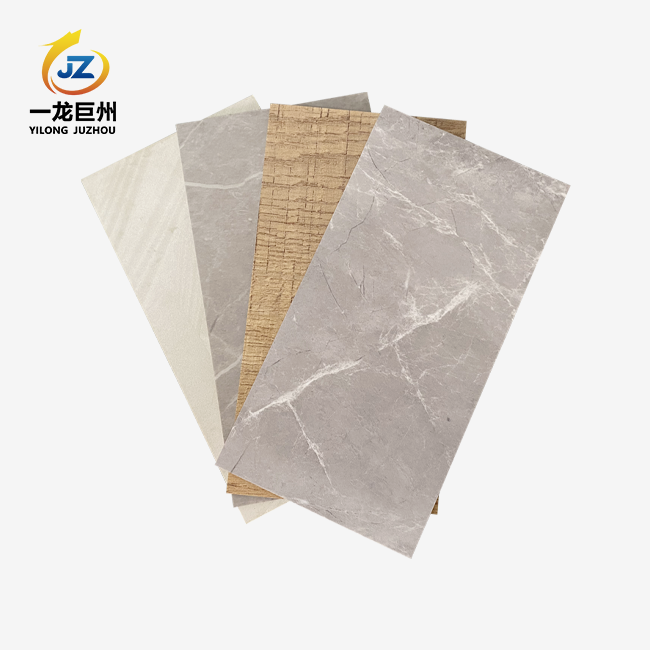
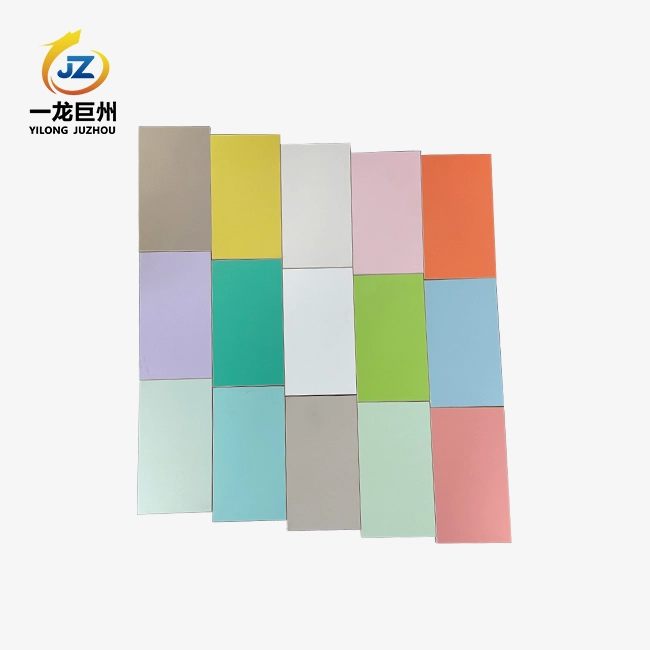
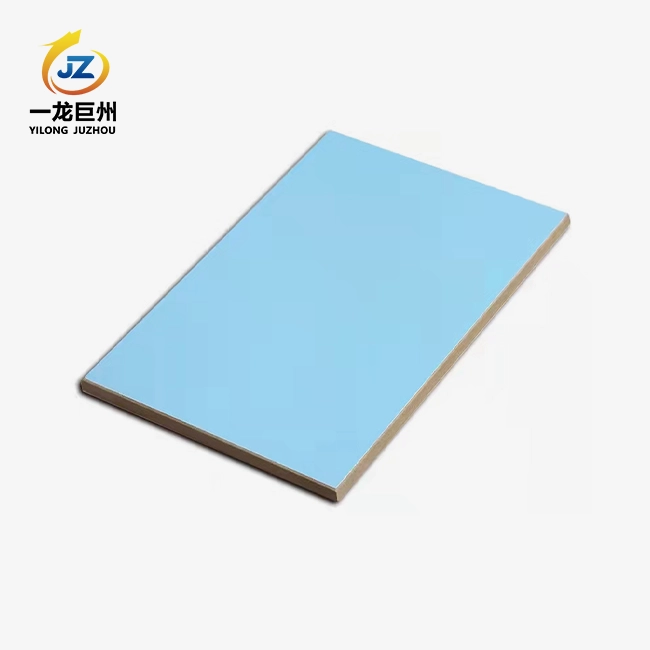
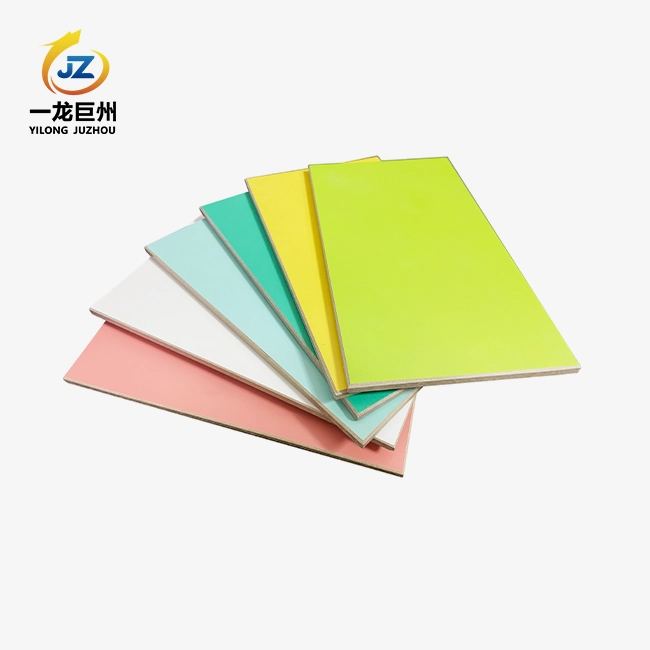
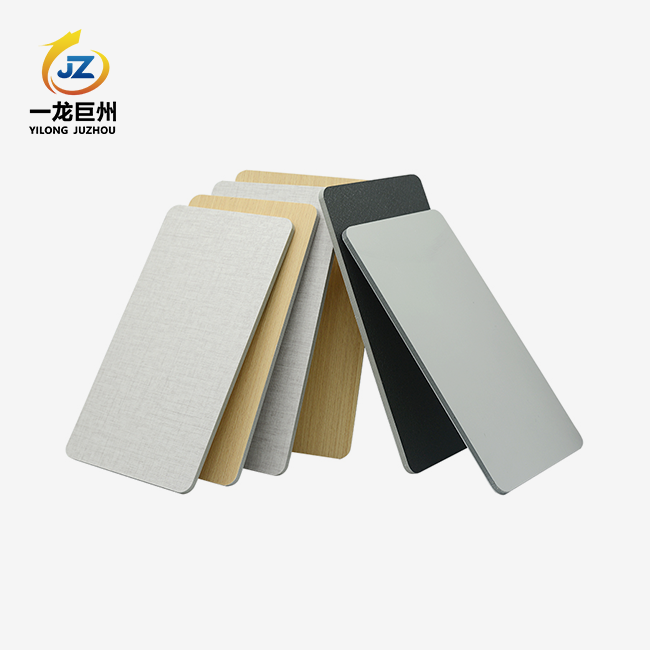
For complicated projects, you need more than just catalogue items. For example, healthcare renovations might need custom-thickness panels to fit current frames, while business developers are looking for marble designs that match architectural drawings. You can choose from thicknesses ranging from 4.5mm to 15mm, standard widths of 1220mm, and lengths of up to 3050mm. Surface finishes come in plain colours, wood grain, marble patterns, metallic textures, and fabric effects. There are more than 200 design changes to meet a wide range of aesthetic needs.
Technical help fills in the gaps between what the product specs say and how well it is installed. Our team helps with design, does load estimates, and gives installation advice that is unique to each job. This help is especially helpful for clients from other countries who don't know how to follow building codes or for contractors who are new to film-coated panel systems.
Supply Chain Reliability
Costs go up, and identities get hurt when projects are delayed because of a lack of materials. We keep 50,000 square meters of ready-to-use inventory in both of our sites. This lets us produce normal orders in 3–7 days and quickly meet pressing needs. Strategic sites near the seaports of Shenzhen, Guangzhou, Shanghai, and Qingdao make export operations run smoothly. Our promise to respond within 24 hours means that buying teams can get price information, technical data, and shipping updates without having to wait for time zone delays.
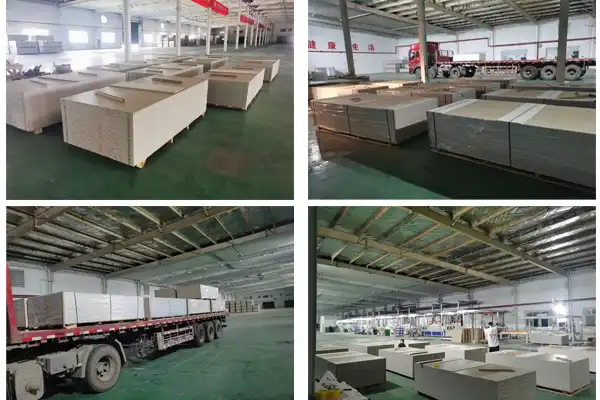
Long-term relationships form when providers show that they are always available, even when the market changes. Distributors in 30 countries depend on our ability to make a lot of things so that we can meet contractor orders without worrying about distribution. This stability helps developers work on multiple projects at once and helps institutional clients plan renovations that will be done in stages over a number of years.
Installation Guide and Best Practices for Calcium Silicate Fireproof Boards
Surface Preparation and Handling
A good review of the substrate is the first step to a successful fitting. The load standards for wall building are written down in technical documents. Usually, steel or aluminium studs spaced 400 to 600 mm apart are used. Surface flaws bigger than 3 mm need to be fixed to keep panel stress concentrations from happening. Before attaching the panel, you should test the concrete or brick surfaces for moisture to make sure that levels are below 8%.
Material handling saves the money you spend on high-quality goods. Boards should be kept in their original package until they are installed and stored flat in dry, climate-controlled places. Damage to the edges during transport or cutting lowers the fire rating and makes the product look worse. Our panels come with protective corner guards and clear instructions on how to handle them.
Fixing Techniques and Common Mistakes
The pressure strip attachment method hides the fasteners so that the lines look clean while still letting the Asbestos-free cement fiberboard material expand when it gets warmer. At regular intervals, vertical strips connect to the frames. Next, panels slide into channels and are held in place by horizontal cap strips. This mechanical connection spreads the load out evenly and lets you replace a single panel without affecting the sections next to it.
Some common mistakes are overtightening screws, which can crack boards, not leaving enough space around the edges for growth, and starter strips that are not lined up correctly. We teach you how to install our products and give you thorough drawings that show the right way to do things, how to treat joints, and how to connect the ceiling and floor features. By following the manufacturer's instructions, you can avoid callbacks and make sure that the fire-rated assembly works properly.
Maintenance and Inspection Protocols
Regular cleaning keeps things looking good and keeps them clean without hurting the surface's properties. The film covering that kills germs can stand up to hospital-grade disinfectants, bleach solutions, and high-pressure cleaning. Any collision damage, edge delamination, or bolt loosening that needs to be fixed should be found during regular inspections. Damaged panels are usually replaced one at a time, without having to do a lot of demolition.
Maintaining rated parts over the life of a building is important for keeping the fire system working properly. Any holes that need to be filled for electrical boxes, pipes, or HVAC parts must have the right firestop products installed. Every year, these features are checked to make sure they stay protected and work. We give fire marshals the technical data they need to do reviews and renew building certifications.
Why Partner with a Top Manufacturer for Your Fireproof Board Needs?
Quality Control and Regulatory Compliance
Excellence in manufacturing is what sets industry stars apart from providers of basic goods. Automated mixing systems make sure that the calcium-silicate ratios are always the same, computer-controlled curing chambers keep the temperature and humidity at exact levels, and inline quality scanners find surface flaws before the products are packed. Statistical process control keeps an eye on important factors and takes corrective action when data stray too far from the limits set by the manufacturer.
Compliance with regulations is more than just meeting the bare minimum. We are heavily involved in industry groups that are making the next wave of environmental and fire safety rules. This helps us keep our products up to date with changes to the code, which keeps our clients from having to pay for expensive upgrades when rules get stricter.
Innovation and Sustainability Leadership
Investing in research gives a business a competitive edge. Our UV film covering technology came about when we worked with material science schools to look into low-VOC ways to finish things. The main goals of the current growth projects are to use recycled material, make bio-based surface films, and improve the soundproofing. These new ideas meet the needs of developing markets while also being better for the earth.
Sustainability efforts are supported by builders, building owners, and the rules for buying things in institutions. We have proof that heat recovery systems and renewable power sources can cut the energy used to make panels by 30%. To help green building certifications, product lifetime evaluations measure the amount of carbon that is built into a product. Buyers who care about the environment are more likely to buy when these measures are clear.
Proven Track Record and Client Success
Project references show performance in the real world, not just in the lab. Our panels keep patients safe in Southeast Asian hospital developments, make learning safe in government school programs, and make lobby areas look great in foreign hotel chains. Years of service in tough situations show that these systems live up to the claims made about the products.
There are several places where costs can be cut. Installing things faster cuts down on labour costs and shortens project timelines, which lowers finance costs and speeds up the production of money. Total operating costs go down because services last longer and need less upkeep. Case studies that show return on investment for clients who chose high-end products over cheaper options show these benefits.
Conclusion
Choosing the right Calcium silicate fireproof board manufacturer has a big effect on the success of the project, the safety of the people who will be using the building, and how well it works in the long run. It's not enough to just compare prices; you also have to look at certifications, manufacturing capabilities, customisation options, and the reliability of the supply chain. Our marble Calcium silicate fireproof board is the next generation of fire-resistant wall systems. It has clean surfaces, doesn't absorb water, and can be designed in a variety of ways to fit healthcare, education, transportation, and business needs. We help procurement workers manage complicated projects in a wide range of markets by keeping a large inventory in two production sites, providing full technical support, and having a track record of success in foreign markets. Buying good products from well-known brands is an investment that pays off in the long run through legal compliance, lower installation costs, and longer service life.
FAQ
1. What certifications should I verify when selecting a fireproof board manufacturer?
Suppliers with a good reputation keep their quality management systems ISO certified and keep proof of testing from approved labs for each product. To make sure a product is safe for use in Europe, it should have CE marking, meet environmental standards set by China Environmental Protection or a similar organization, and have fire resistance ratings certified to ASTM E119 or EN 13501. Instead of believing general claims, ask for copies of test results that show specific performance data.
2. How does calcium silicate compare to magnesium oxide boards for long-term durability?
Over long periods of time, Calcium silicate fireproof board shows better dimensional stability and resistance to moisture. When magnesium oxide boards are exposed to changes in air, the edges often swell, the surface flakes off, and the strength decreases. In places with a lot of wetness, like hospitals and food processing plants, where magnesium oxide needs to be replaced too soon, our marble Calcium silicate fireproof board keeps its shape and look for decades.
3. What customization options are available for specialized industrial applications?
We offer a wide range of unique options, such as non-standard widths from 4.5mm to 15mm, lengths up to 3050mm, and more than 200 different surface finish choices, such as solid colours, fabric effects, metallic textures, and marble patterns. Unique architectural needs can be met with custom edge profiles, pre-cut holes for fixtures, and color-matched accessories. Our technical team works together on specifications to make sure that products meet both performance standards and the goals of the designers.
Connect with YILONG JUZHOU for Your Next Project
YILONG JUZHOU is ready to help you with your buying needs by providing marble Calcium silicate fireproof board that is designed for tough industrial uses. Our two factories, one in Shaanxi and one in Guangdong, keep 50,000 square meters of stock on hand, so we can quickly finish projects of any size. We know how hard it is for business-to-business buyers to find fire-resistant wall systems that meet safety standards, look good, and don't break the bank. You can get free samples of our marble, wood grain, glossy, and solid colour finishes by emailing our technical sales team at cnyang2000114@gmail.com. We're happy to work with OEMs and ODMs to create unique solutions. We can help with design, help with installation, and offer low prices for large orders. Trust a company that makes Calcium silicate fireproof boards and has worked with people all over the world.
References
1. American Society for Testing and Materials. "Standard Test Methods for Fire Tests of Building Construction and Materials" ASTM E119-20. West Conshohocken: ASTM International, 2020.
2. Chen, J., & Liu, H. "Thermal Performance and Fire Resistance of Calcium Silicate Board Systems in Commercial Buildings." Journal of Construction Materials and Building Science, vol. 15, no. 3, 2022, pp. 145-162.
3. European Committee for Standardization. "Fire Classification of Construction Products and Building Elements" EN 13501-1:2018. Brussels: CEN, 2018.
4. International Organization for Standardization. "Quality Management Systems—Requirements" ISO 9001:2015. Geneva: ISO, 2015.
5. National Fire Protection Association. "Building Construction and Safety Code" NFPA 5000:2021. Quincy: NFPA, 2021.
6. Zhang, W., Anderson, K., & Patel, R. "Comparative Life Cycle Assessment of Interior Wall Panel Systems for Healthcare Facilities." Building and Environment Journal, vol. 28, no. 4, 2023, pp. 89-107.

Send Inquiry

Related Industry Knowledge
- Understanding Aluminum Composite Panels for Beginners
- Inorganic pre-coated panels Environmental and Safety Advantages
- 7 Facts About Aluminum Composite Panels
- ice fireproof board Structural Composition and Material Science
- Antibacterial Vinyl Wall Sheet with various styles
- Calcium Silicate Fireproof Board - the reliable and safe choice for fire doors
- Why Is Medical Clean Board Important in Cleanrooms?
- What Are Inorganic pre-coated panels and How Are They Made?
- How to spray paint on aluminum composite panels
- Print on Aluminum Composite Panel: A Modern Twist on Traditional Wall Art