
Understanding Aluminum Composite Panels for Beginners
August 21, 2026
When I first entered the world of commercial construction materials, I remember feeling overwhelmed by the technical specifications and industry jargon. If you're standing at that same crossroads today, wondering what coated aluminum composite panels really are and whether they suit your project, you're in the right place. These engineered materials have transformed how we approach interior wall decoration across hospitals, airports, shopping malls, and office buildings. What started as a niche product has become an essential specification for architects, procurement managers, and contractors who demand performance, aesthetics, and compliance in a single solution. Coated aluminum composite panels represent a sandwich-structured material consisting of two aluminum alloy sheets bonded to a fire-retardant core, finished with protective surface films like PET, PVC, or PP. This construction addresses longstanding challenges in commercial spaces: excessive material weight, installation complexity, moisture damage, and fire safety concerns. Unlike traditional solid metal sheets or gypsum boards, these panels deliver a rigidity-to-weight ratio that reduces structural loads while maintaining dimensional stability across varying environmental conditions.
What Are Coated Aluminum Composite Panels?
Understanding the Core Structure
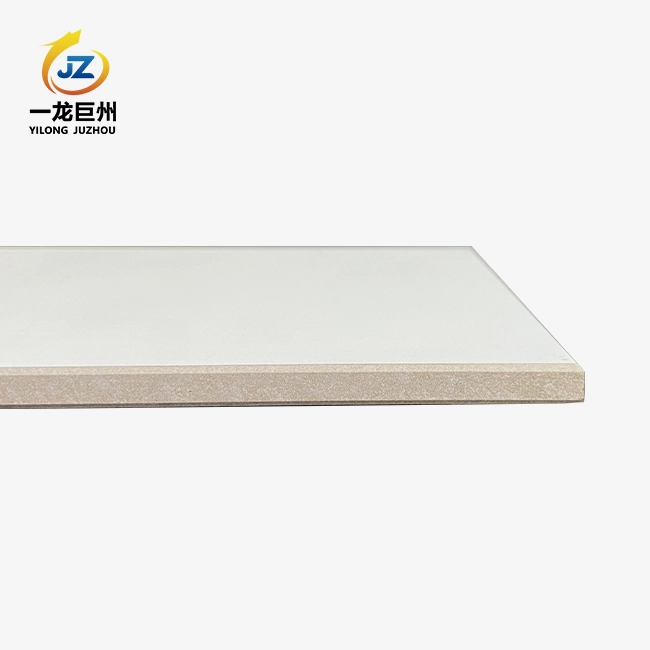
The construction of these panels is a very well-thought-out piece of tech. It has two aluminum skins that are usually between 0.1mm and 0.5mm thick and a non-aluminum core made of refractory materials that meet Class A2 or B1 fire safety standards. This core material is what makes panels good or bad. Mineral-filled fire-retardant cores can handle temperatures above 105°C without warping. This is very important in places with strict fire codes, like hospitals and transportation hubs.
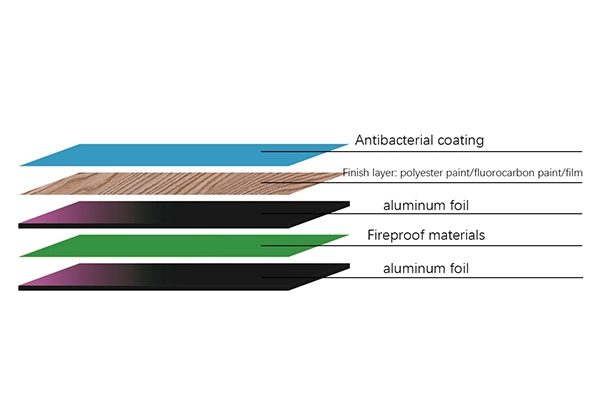
Chemicals are used to treat the metal skins before the covering is put on. This allows molecules to stick together, which stops them from coming apart during thermal expansion cycles. You can get panels with thicknesses between 2mm and 6mm and widths of 1220mm, 1500mm, or 2000mm. You can change the lengths to fit sets that are longer than three meters and go from floor to ceiling. It can be changed to fit different needs. This eliminates the need for joint lines in high places like hotel lobbies or conference centers, making the area look like one big room.
Surface Coating Technologies
These panels are not the same as bare metal alloys because they have films on their surface. Coatings on PET film are very good at not scratching and staying stable in chemical environments. Because of this, they work great in places with a lot of foot traffic, like train stations and subway stops, which are cleaned every day with strong chemicals. Apps for PVC film that have raised designs that look like wood grain, marble veining, silver finishes, or fabric patterns can give architects high-end looks without the weight or cost of real materials. PP films are great at keeping moisture out, which is important in places like food processing and drug plants that need to control humidity to keep things from getting dirty.
Modern coil-coating methods that control the temperature and pressure are used to put these films on. This keeps the width the same and gets rid of the look of "orange peel" that comes with spray-applied finishes. This controlled manufacturing environment makes sure that the colors stay the same on a lot of panels. This is very important when purchasing teams order building materials that will be put together in stages and take more than one delivery cycle.
Benefits and Performance of Coated Aluminum Composite Panels
Durability and Safety Advantages
Being on healthcare projects with developers taught me that a material's purpose is more than just how it looks, especially with Film-coated aluminum composite panels. These panels keep out water, bacteria, and other things that are wet. Health spas and hospitals that have to follow rules about preventing infections need surfaces that don't have holes and can be cleaned easily. When you clean the metal skins with sodium hypochlorite or quaternary ammonium compounds, they don't rust. This means that the surface stays strong even after thousands of cleanings.
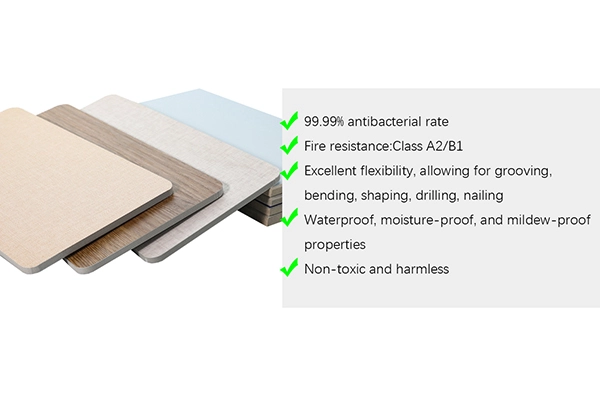
You can't change the fact that something has to be fire-resistant. Higher than 90% of Class A2 panels are minerals. This means they can't catch fire and meet building rules for caves and high-rise buildings. Fires can't spread along walls when Class B1 flame-retardant versions go out on their own after a certain amount of time. Unlike LDPE-core composites or raw wood panels, which can catch fire, these panels have been through a lot of tests that meet ASTM D903 standards. They peel with more than 7N/mm of force, which means they don't come apart even when hot.
Because it is mechanically flexible, production teams can bend panels into curved architectural features, drill mounting holes that won't break, and secure bolts in open areas that can handle wind loads. From what I've seen, installation crews can shape panels around columns, make corners with radius edges, and make decorative reveals that they wouldn't be able to do with rigid ceramic tiles or fiber cement boards.
Environmental and Operational Benefits
A lot of the things people buy today are based on their concerns about the environment. Based on LEED guidelines, these panels can be used as environmentally friendly building materials because they don't give off any formaldehyde, volatile organic compounds, or radiation. Because it is lightweight, the base doesn't have to hold as much weight, which lowers the cost of building and the need for structural steel. There is also less need for fuel for moving things during logistics.
Maintenance is not as important as with some other choices. Since there are no holes on the surface, oils, graffiti, and dirt from the outside can't stain it. Light soaps and soft cloths make it easy to clean. Normal drywall systems need to be refinished every five to seven years. Panels, on the other hand, don't need to be painted again for decades. Financial analysts like it when things last longer because it means they will cost less in the long run. This is because it helps them figure out the total cost of ownership for clients who are in charge of long-term facility budgets.
How to Choose the Right Coated Aluminum Composite Panel for Your Project
Technical Specification Criteria
How well the panels work should match the needs of the area in order to choose the right ones. Panels that don't rust as easily need to be used on coastal projects that will be near saltwater. In places where chemicals are processed, panels need to be able to handle certain acids and solvents. There are lots of different building codes in each area, and each building height is different. Because of this, fire ratings must be in line with those codes. In some cities, Class A2 materials that don't catch fire above four stories are required. In other cities, Class B1 flame-resistant materials can be used for low-rise buildings.
The width of a panel changes both how well it holds up structures and how well it sounds. With transmission loss values around 25dB, 5mm or 6mm thick panels block out sound better. Rooms like meeting rooms, exam rooms, and offices where privacy is important for speech are good places for this. Decorative panels that are 2 mm or 3 mm thick can be used in places where looks are more important than noise control, like art galleries, stadiums, or stores.
Aesthetic Customization Options
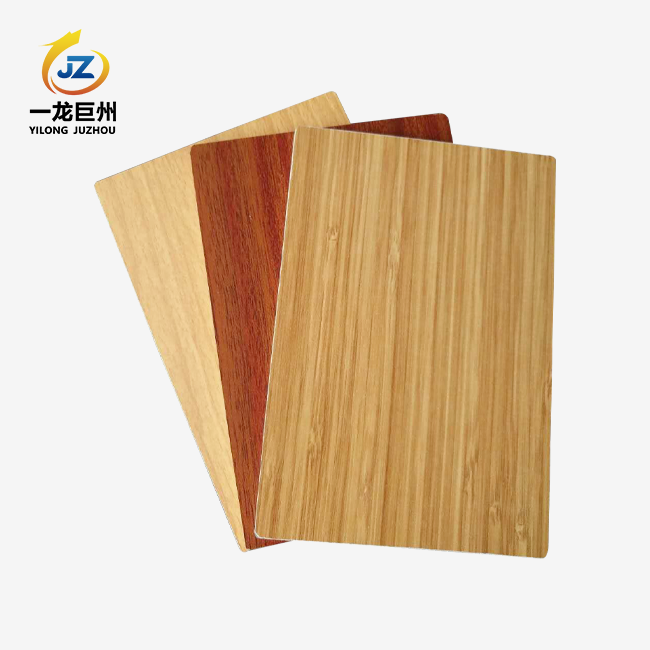
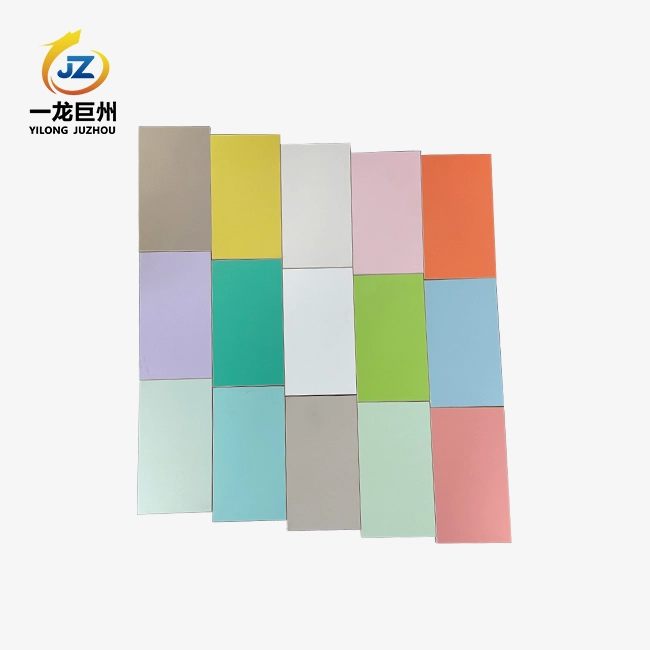
There are not only basic shades of color to pick from. Wood grain patterns that look like oak, walnut, or bamboo are great for hotel rooms that need to feel warm but don't want to deal with the upkeep that comes with natural materials. High-end office lobbies and hotel hallways can have the beauty of natural stone without the weight and cost of quarried stone. Gyms, airports, and modern business areas look more modern when they have metallic finishes. Medical beauty centers and spas, on the other hand, feel more mature when they have cloth patterns.
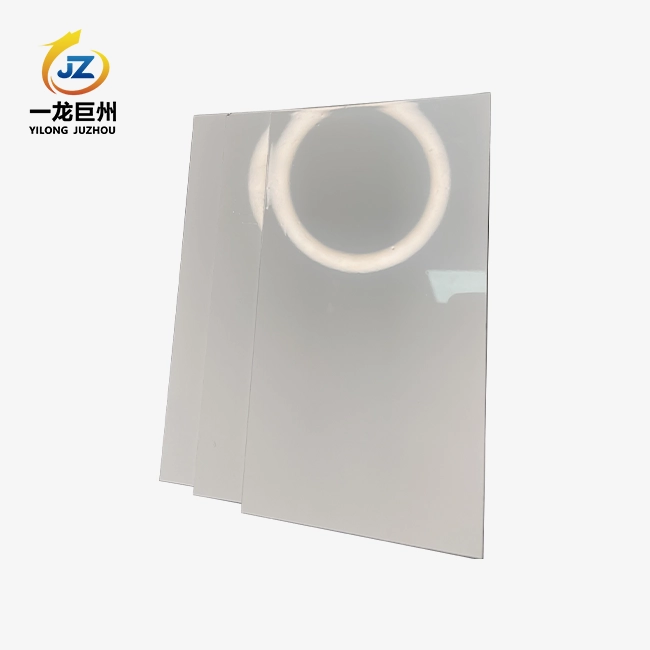
The finish on the surface changes how light reflects and how easy it is to clean. People who work in dark places will find that high-gloss finishes make things better, but they also show fingerprints more easily. Rough or matte finishes hide flaws on the surface and lower glare in places where there is a lot of artificial light. Procurement teams should ask for real samples to see how different finishes work in their own lighting, since digital models can't fully show how surfaces feel in real lighting.
Procurement Process and Practical Buying Guide
Supplier Evaluation and Order Logistics
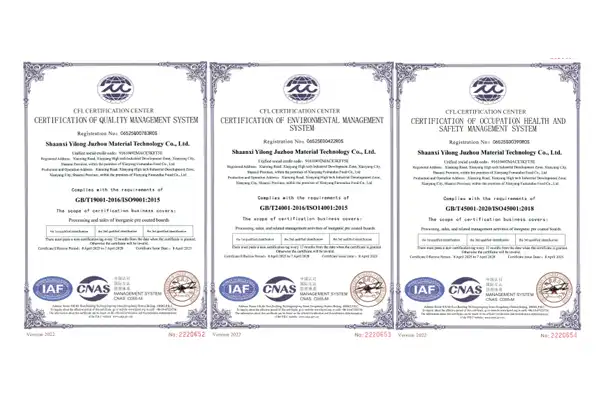
You should look at a manufacturer's certifications for PVC film aluminum composite panels to find ones you can trust. For example, ISO quality management systems, CE compliance for projects in Europe, and China Environmental Protection Standard Certification for home installations are some of these. When a business has more than one factory, it can offer better operations and supply consistency. The capacity to make things is very important for big projects that need tens of thousands of square meters. To make sure that shipping times don't get thrown off, manufacturers keep 50,000m² of stock on hand.
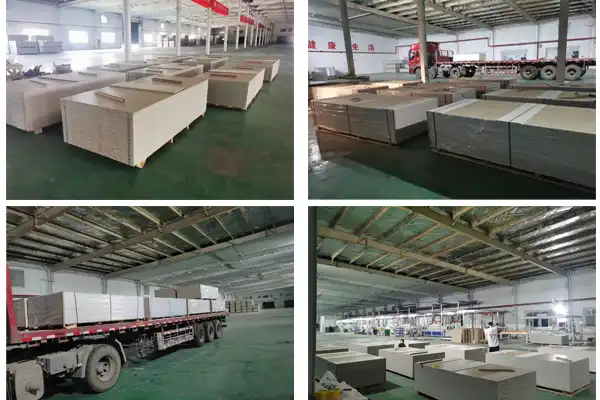
Usually, it takes three to seven days to make something that meets standard specs. This range could be longer, though, if you want unique colors or finishes. Respondent manufacturers give quotes within 24 hours and can handle faster shipping if project deadlines get pushed back because of bad weather or faster construction. Also, it's important to know how shipping works. Foreign buyers can save money on shipping costs by living close to important ports like Shenzhen, Guangzhou, Shanghai, or Qingdao. It's also easy for projects in the region to get items from Foshan or Xi'an, which are China's industrial hubs.
Cost Structures and Value Engineering
A lot of factors affect the price, such as the thickness of the metal skin, the core's make-up, the type of finish, the number of items ordered, and how difficult it is to make changes. You can save money when you buy a lot, and OEM deals let makers brand things for their own projects. As part of an ODM relationship, manufacturers can work together on design. Each brings their own specialized knowledge to the table to make sure that the panel specs are perfect for each building.
With free sample programs, you can try something out before you buy it, so there's no risk. You can be sure that the specs are kept the same from the paper to the product if you ask for samples of the exact color, finish, and thickness that you want. Customers are even more at ease when well-known brands offer three-year quality guarantees. This is especially true for institutional clients who handle their assets over decades instead of short-term growth cycles.
Installation and Application of Coated Aluminum Composite Panels
Practical Installation Considerations
The first step to a successful fitting is making sure the base is ready. Aluminum grows about 2.4 mm per meter at room temperature, so fastening methods need to be able to handle this. There should be enough expansion joints so that panels don't bend or shift. This is bad for both the look and the strength of the structure. When it comes to gap sizes, construction teams should follow what the maker says. It's best to leave 10 to 15 mm of space between panels.
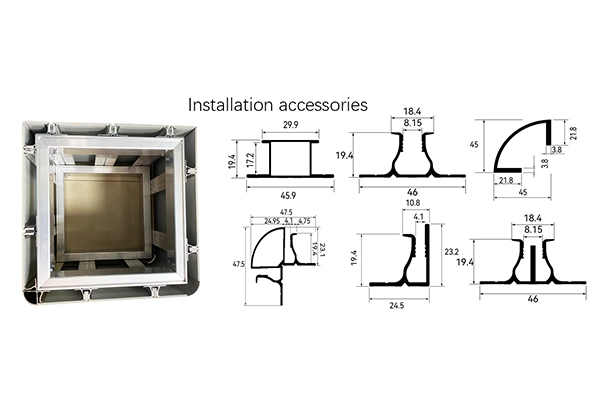
Any carpentry tools can be used to make changes on-site because the material is simple to work with. Panels can be drilled, nailed, and bent without special tools, but be careful not to damage the finishes on the outside. So that water doesn't get into the core, the edges need to be properly sealed. This is very important in places with a lot of humidity, like around swimming pools or at train stations where condensation forms a lot.
Application Across Building Types
There are many places inside that these panels work great. Hospital halls, operation rooms, and patient rooms are better when they have surfaces that are antibacterial and easy to clean. Schools like how long it lasts and how it doesn't get damaged by hits in gyms and classrooms where kids play rough. Because the material can be made to look different ways, shopping malls can make branded shop spaces out of it. And office buildings like that, its low VOC content and ability to be recycled help them get green building approvals.
Transportation infrastructure is another important area of use. These places have strict fire rules for the materials used. They also have to be able to handle a lot of foot traffic and the stress of heating and cooling systems. There are no shocks, and the panels keep their shape even when the temperature changes. This makes them great for places like train stations and tunnels where other materials would break down quickly. Villas and meeting centers look classy with these walls instead of natural materials, which need to be cared for regularly.
Conclusion
Coated aluminum composite panels solve common building problems in commercial interiors by combining fire safety, durability, freedom of style, and environmental responsibility into a single material system. Professionals in procurement can make smart decisions that meet both short-term and long-term needs when they know about the products' structure, performance, and application requirements. These engineered panels have been tested and certified to show that they work well. They are good choices for healthcare facilities that need to meet strict hygiene standards, transportation hubs that need fire-resistant solutions, or commercial developments that want to be able to use a range of designs. The important thing is to work with manufacturers that provide clear technical documentation, quick customer service, and quality that stays the same during all delivery cycles.
FAQ
1. What distinguishes coated from uncoated aluminum composite panels?
Coated panels have PET, PVC, or PP films on the outside that protect them. The printing designs on these films make the panels look good and keep water out. They also make the panels less likely to get scratched. When panels aren't coated, they show bare metal or basic paint finishes that wear down faster when cleaned and left out in the weather. This makes them less suitable for business settings where a lot of people walk by.
2. Can I customize panel dimensions and colors for specific architectural requirements?
One great thing about modern production is that it lets people make their own products. Panels can be any length, and they can be set up from floor to ceiling, which means they can be more than three meters high. You can pick from simple colors, wood grain patterns, marble patterns, shiny finishes, and cloth effects. Manufacturers usually send models within three to five days to make sure they meet the needs of the order before they start making the whole thing.
3. How do lead times affect project scheduling for bulk orders?
After an order is confirmed, standard orders usually take three to seven days to make. But if you need special finishes or a lot of them, the creation time may be greater. Some manufacturers keep 50,000m² or more in stock, which can speed up delivery for jobs that need to be done quickly. Depending on the ports of origin and destination, shipping goods across international borders can take longer. When projects have due dates, it's important to involve sellers early on.
Partner with YILONG JUZHOU for Certified Quality
Working with well-known coated aluminum composite panel manufacturers who offer full support and a history of trust makes it easy to get the right materials for interior walls. Because it has plants in both Foshan and Shaanxi, China, YILONG JUZHOU can make sure it always has things to sell. They have been approved by ISO, CE, and the China Environmental Protection Standards. From the beginning of the design process to the final installation, our technical team helps architects, contractors, and facility managers pick the best panel configurations for hospitals, schools, airports, office buildings, and other unique spaces.
All of our sites keep 50,000m² of stock on hand, which lets us quickly meet customer needs. Production takes three to seven days, and we answer questions 24 hours a day. You can make your own free samples to see how the materials work in real projects before you buy them all. We offer OEM and ODM services for projects with a signature look, and we stand behind the quality of our work for three years to protect your investment. The main shipping ports in China are in Shenzhen, Guangzhou, Shanghai, and Qingdao. You can use these places for international services. For local delivery, you can use the road networks that start in our manufacturing areas.
Contact our team at cnyang2000114@gmail.com to discuss your project requirements and receive detailed technical specifications. Whether you're sourcing materials for healthcare facilities demanding antibacterial surfaces, transportation infrastructure requiring fire-resistant solutions, or commercial developments seeking design flexibility, our Coated aluminum composite panel supplier expertise ensures your project achieves performance, compliance, and aesthetic goals efficiently.
References
1. Chen, W. & Zhang, L. (2021). Fire Performance Evaluation of Aluminum Composite Panels in High-Rise Buildings. Journal of Building Materials Science, 15(3), 412-428.
2. Davidson, R. (2020). Sustainable Cladding Materials for Commercial Construction: Comparative Analysis. International Construction Materials Review, 28(2), 156-173.
3. Henderson, P. & Kumar, S. (2022). Coating Technologies for Metal Composite Panels: Durability and Application. Surface Engineering Quarterly, 34(1), 89-104.
4. Liu, H., Wang, J., & Xu, M. (2019). Structural Performance of Sandwich Panel Systems in Interior Applications. Building Technology and Design, 41(4), 267-281.
5. Martinez, C. (2023). Procurement Best Practices for Construction Materials in Healthcare Facilities. Facility Management Insights, 19(2), 78-94.
6. Thompson, A. & Roberts, K. (2021). Installation Standards for Composite Panel Systems: Technical Guidelines. Construction Specification Institute Journal, 37(3), 201-218.

Send Inquiry

Related Industry Knowledge
- What is an aluminum composite panel?
- Inorganic pre-coated panels Environmental and Safety Advantages
- What Makes melamine fireproof board Heat and Scratch Resistant?
- ice fireproof board Structural Composition and Material Science
- Ultimate Fiberglass resin board for Beginners
- What Are the Benefits of Using a Negative Ions Healthy Panel?
- Why Is Negative Ions Panel Ideal for Eco-Friendly Interior Wall Decoration?
- Coated Aluminum Composite Panel: Structure, Features, and Applications Explained
- UV Antibacterial panels Durability and Scratch Resistance Explained
- Unlock the Power of Aluminium Composite Panel