
Ultimate Fiberglass resin board for Beginners
July 29, 2026
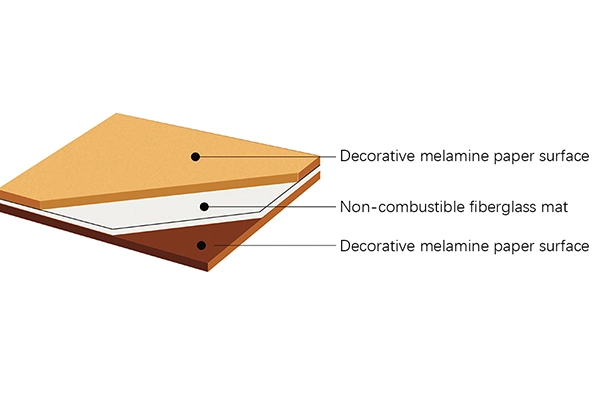
When exploring interior wall solutions for commercial projects, I've watched countless procurement managers struggle with balancing performance, aesthetics, and budget. Fiberglass resin board—a composite panel constructed from fiberglass felt reinforced with melamine paper surfaces—solves these challenges by delivering exceptional durability, fire safety, and design flexibility. This material combines glass fiber reinforcement with resin matrix technology, creating panels specifically engineered for high-traffic environments like hospitals, schools, transportation hubs, and commercial buildings. Its layered structure provides mechanical strength while the melamine finish offers scratch resistance and antibacterial protection, making it an increasingly popular choice for architects and facility managers who refuse to compromise on safety or aesthetics.
What is Fiberglass Resin Board? Key Properties and Applications
Understanding the Composition and Structure
Fiberglass resin board is a new type of internal wall material that combines the performance needs of industrial applications with the needs of building design. The core is made up of crushed fiberglass felt that gives the structure strength and is layered between layers of melamine paper that look good and protect well. Traditional plasterboard or MDF panels can fall apart when they get wet or hit something. This composite construction, on the other hand, makes a solution that is both rigid and light.
Under controlled heat and pressure, the manufacturing process joins these layers together, making a flat panel that won't delaminate even in tough circumstances. The standard panel size of 1220x2440mm fits with standard building modules, making installation easier and cutting down on waste during large-scale projects. Panel thicknesses range from 1mm to 8mm.
Core Performance Characteristics That Matter
I've learnt what makes excellent wall panels from ordinary ones while working with company development teams. Fiberglass resin board excels in a number of long-term construction operation criteria.
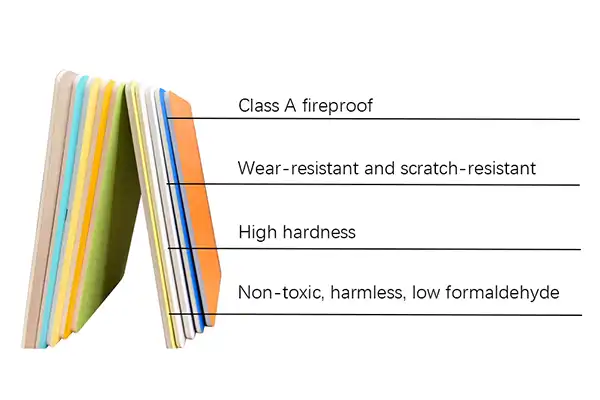
Class A non-combustible addresses public building safety's biggest challenge. This material fulfills severe school, hospital, and transportation hub construction standards since it doesn't spread flames. These panels are always accepted by fire marshals during facility examinations without fire retardant coatings.
Antibacterial performance is 99.99% efficient in standard tests. This is crucial in healthcare, as materials are chosen to avoid infections. Melamine won't attach to bacteria, thus no chemical coatings that break down or release volatile substances are needed.
Moisture resistance eliminates mold formation in humid areas. Traditional gypsum boards absorb water and produce bacteria, making them costly to repair and potentially dangerous. This waterproof composite panel may be utilized in food processing factories, medication plants, and basements where dampness is difficult to manage.
Diverse Application Scenarios Across Industries
Building managers constantly struggle to find materials that suit a variety of operational demands. They can manage this complexity because fiberglass resin panels have several surface types and good structural properties.
Surfaces that are simple to clean and durable help hospitals. In hospital halls, equipment carts, gurneys, and maintenance work move constantly. Impact strength prevents holes and breaks in the panel, unlike conventional wall systems. Also, the smooth melamine surface makes cleaning easy without damage.
School materials must appear nice after years of use. The scratch-resistant surface keeps them looking good after daily use, and the mildew-proof qualities keep Class A Non-Combustible wall boards in schools with variable airflow healthy.
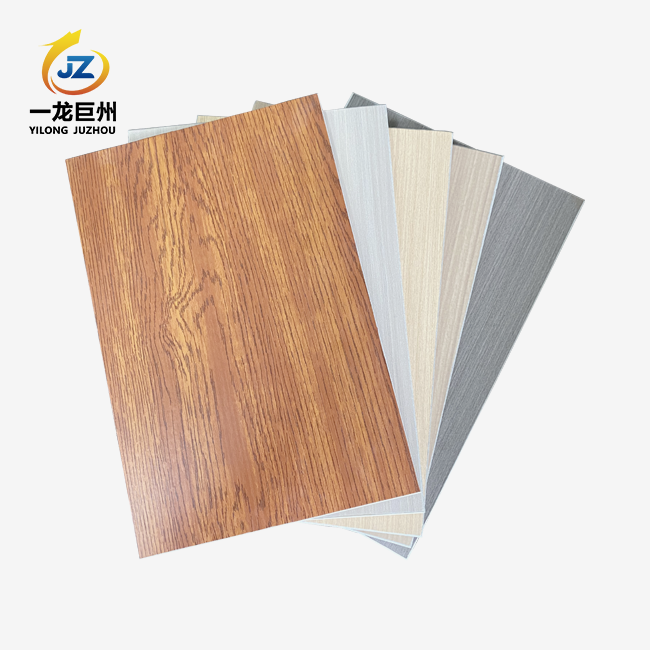
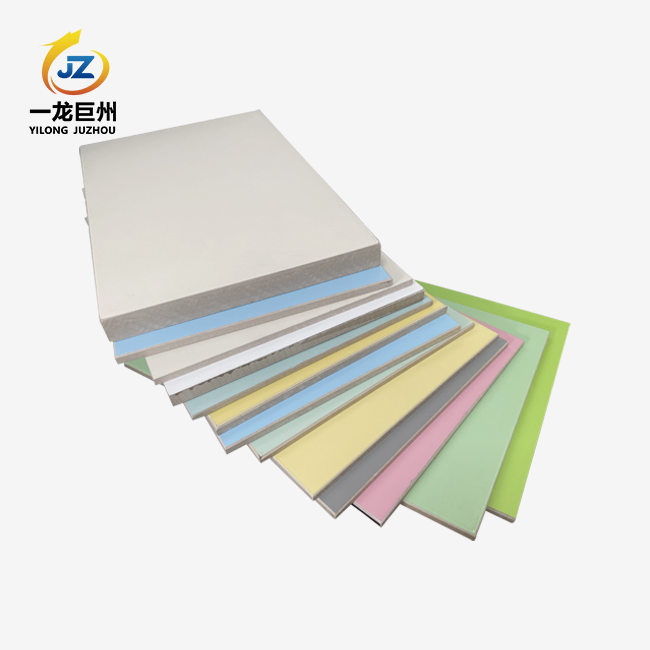
Train stations, tube stations, and airports require durable, easy-to-design materials. Builders may create distinctive environments with a single material platform that makes repair and maintenance easy by selecting from solid colors, woodgrain patterns, marble effects, metallic effects, and fabric textures.
Comparing Fiberglass Resin Board with Other Popular Materials
Performance Analysis Against Traditional Options
Material selection frequently depends on performance rather than marketing promises. I've compared fiberglass resin board composite walls to others and found them extremely different.
Plywood and MDF boards are still utilized inside since they're cheap and simple to deal with. However, wood-based products absorb water and expand, distort, and break in moist spots. Fiberglass resin panels are dimensionally stable, thus the structure will always have level sides and tight seams, eliminating these concerns.
Plastic composite panels can tolerate some water, but they don't generally satisfy Class A fire standards; thus, they can't be utilized where restrictions apply. Building managers worry about their safety duties since plastic may catch fire. In high-traffic areas, plastic surfaces show scratches and scuff lines more quickly than melamine finishes, speeding up visible wear and tear.
Ceramic tile is durable and simple to clean, but it's harder to install, heavier, and more expensive. Grout lines make tiles difficult to clean and may pose a health concern in medical settings. Faster wall panel installation with fewer skilled tradesmen reduces construction time and labor costs.
Selecting Appropriate Thickness for Your Project
Procurement works better when standards meet performance requirements. Panel width impacts construction strength and cost; thus, it's crucial to predict expenses.
The thickness ranges from 1 mm to 8 mm to suit various buildings and budgets. For renovation projects where the present walls offer ample support and the purpose is to enhance the appearance and provide protection, thinner panels (1-2 mm) perform effectively. These lighter options save shipping costs and simplify installation.
In most commercial scenarios, 3–4 mm widths work well. These impact-resistant panels are economical for large-area setups. Strong construction enables direct fitment to conventional frames without backing materials.
Industrial establishments and regions with high mechanical stress need heavier panels (5-8 mm). Food processing companies, pharmaceutical production zones, and institutional kitchens benefit from better durability that prevents equipment penetration damage.
Buyers may select the optimum material standards by understanding how these thicknesses are employed. They can prevent over-engineering, which raises costs, and ensure materials operate in real life this way.
How is Fiberglass Resin Board Made? Insights into Manufacturing and Quality Assurance
Production Process and Technical Precision
Long-term fiberglass resin board performance depends on manufacturing quality, yet purchasing teams seldom know how panels are created. Understanding the manufacturing process may help you identify high-quality items.
First, prepare the fiberglass felt for the structure's core. These layers of glass fiber are tested for density and orientation, which influence the panel's mechanical properties. Unevenly distributed fibers might create weak patches that break rapidly under force.
The fiberglass core absorbs resin, binding the fibers into a strong framework. Its fire resistance and chemical stability depend on how the resin is applied and its chemistry. Innovative producers utilize controlled viscosity formulations to fully encapsulate fibers without adding unnecessary resin weight and expense.
Melamine paper is laminated by activating its adhesive properties with regulated heat and pressure, joining the top layers to the core permanently. The panel's delamination resistance impacts how well it remains together when cleaned, heated, or stressed.
Curing and finishing strengthen chemical connections and prepare panels for assembly. Precision cutting and edge cleaning provide accurate measurements, making field installation simpler and reducing wastage from mismatched materials.
Quality Certifications and Compliance Standards
Compliance with regulations makes procurement harder, particularly for multi-country projects. Certification documentation proves Class A Non-Combustible wall boards fulfill checkable performance criteria.
Fiberglass plastic panels approved by the China Environmental Protection Standard, ISO, and CE fulfill European product safety, quality control, and environmental protection criteria. These certifications address concerns regarding material composition, manufacturing uniformity, and regulatory compliance.
Performance claims are supported by testing methodologies and basic certifications. Standard fire protection tests assess flame propagation, smoke, and material burn. Standard microbiological challenge techniques evaluate bacteria destroyed to determine antibacterial efficacy.
Asking vendors for detailed test reports and certification documents helps procurement managers verify claims and reduces the likelihood of noncompliance. Reliable manufacturers are eager to give scientific data throughout the quotation process.
Procurement Guide: How to Buy Fiberglass Resin Board Efficiently
Understanding Cost Factors and Pricing Structures
To handle a budget, you need to know more than just how much a panel costs to understand the factors that affect material costs. The choice of thickness has a direct effect on price, since bigger Fiberglass resin boards need more raw materials and take longer to make. The 1mm options are cheaper for projects that need to stick to a budget, while the 8mm panels cost more because they perform better.
Complexity of the surface finish also affects how much things cost. Solid color panels are the most cost-effective option because they use simple coloring methods. Patterns like woodgrain, marble, and metal need special printing or embossing methods that add steps to the production process and cost. But these decorative finishes often get rid of the need for other finishing trades, which could save money on the total cost of the job.
Customization requests for non-standard sizes, colors, or performance characteristics usually come with longer wait times and minimum order amounts. Finding the right balance between standardization and customization is key to getting the best cost and time performance.
Supplier Evaluation and Selection Criteria
Choosing the correct material supplier affects project success beyond product quality. Complex construction timelines need delivery reliability, technical assistance, and communication.
Production capacity indicators like stock and production time indicate a provider's ability to satisfy project deadlines. Shaanxi Yilong Juzhou Material Technology has 50,000 square meters of stock in two plants in Guangdong and Shaanxi. This helps them fulfill pressing requirements fast. Standard manufacturing cycles of 3–7 days aid project planning and reduce work site material storage.
Logistics infrastructure affects material delivery to project locations. Multiple sea ports in Shenzhen, Guangzhou, Shanghai, and Qingdao, together with land transport hubs in Xi'an and southern towns, provide for flexible shipping routes at affordable rates.
Technical services distinguish partners from sellers. Help with design, installation, and three-year quality guarantees prove that the organization cares about project success, not simply transactions. Architects and owners may modify and get samples within 3–5 days to examine genuine materials before ordering full project quantities.
Leveraging OEM and ODM Capabilities
Manufacturing partnerships that offer more than just basic products can be helpful for big projects or ties with distributors. As an OEM (Original Equipment Manufacturer), you can specify specific product features under a buyer's brand. As an ODM (Original Design Manufacturer), you and the buyer work together to create a product.
These adaptable ways of making things are especially helpful for property developers who are in charge of several properties and want to use the same materials across all of them, or for distributors who serve regional markets with specific taste in style. The ability to change panel sizes, patterns on the surface, and performance features makes it possible to stand out in markets with lots of competition.
Benefits of Using Fiberglass Resin Board for B2B Clients
Lifecycle Cost Advantages and Durability
When purchasing, those who simply consider the initial cost of goods typically overlook ongoing expenditures like maintenance, replacement, and operational downtime. The detailed cost research reveals why high-quality Fiberglass resin board materials are generally more cost-effective.
This durable surface doesn't need painting or maintenance like other wall systems, so it stays looking good over time. Durability reduces maintenance labor and material costs and eliminates renovation issues in existing structures.
Impact resistance prevents softer materials from being damaged in busy environments. Avoiding machine-contact wall damage saves hospitals a lot of money. The sturdy panel structure doesn't shatter or fracture, so it's stable and attractive.
Waterproof and mildew-resistant qualities prevent wetness-related failures that necessitate premature replacement in humid environments. Pharmaceutical and food processing businesses can reduce wall system replacements and mold contamination hazards.
Safety and Compliance Benefits
Compliance with regulations puts a lot of management work on facility operators and makes them vulnerable to liability. Specifications for materials that go beyond the base code standards give you practical margin and lower regulatory risk.
The highest level of fire safety is Class A non-combustible, which goes above and beyond what most building types need. This great performance gives facility managers who are in charge of the safety of the building's occupants peace of mind and gives them a strong case during regulatory inspections and insurance underwriting.
Antibacterial qualities that work 99.99% of the time help keep healthcare settings free of infections and support cleaning rules in schools and food service establishments. In contrast to surface treatments that wear off when cleaned, the material's natural antibacterial properties last for as long as it is used.
Environmental health certifications show that there are no harmful emissions and that the indoor air quality standards are being met. People are looking more closely at building materials to see how they might affect their health. Documented environmental compliance helps green building certification goals like LEED and others while also addressing these concerns.
Design Flexibility and Aesthetic Options
Performance shouldn't be compromised for architectural design. With so many surface designs, designers may obtain the appearance they desire and use a single material platform for faster purchasing and installation.
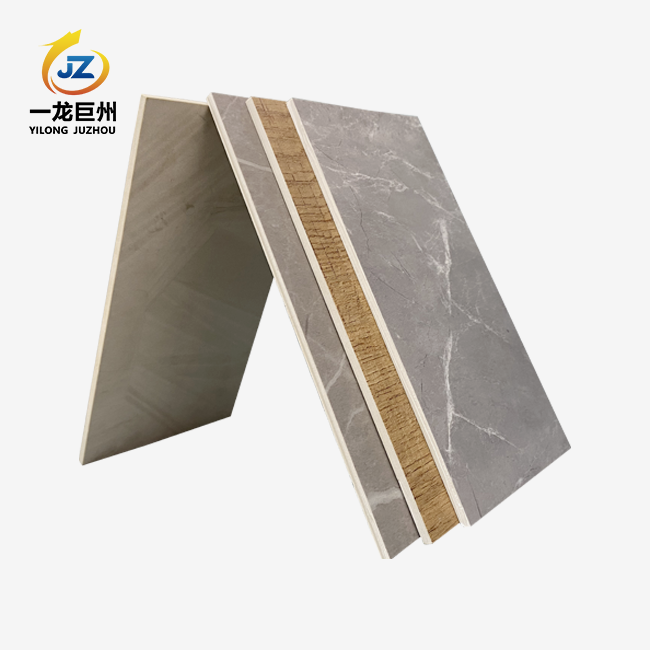
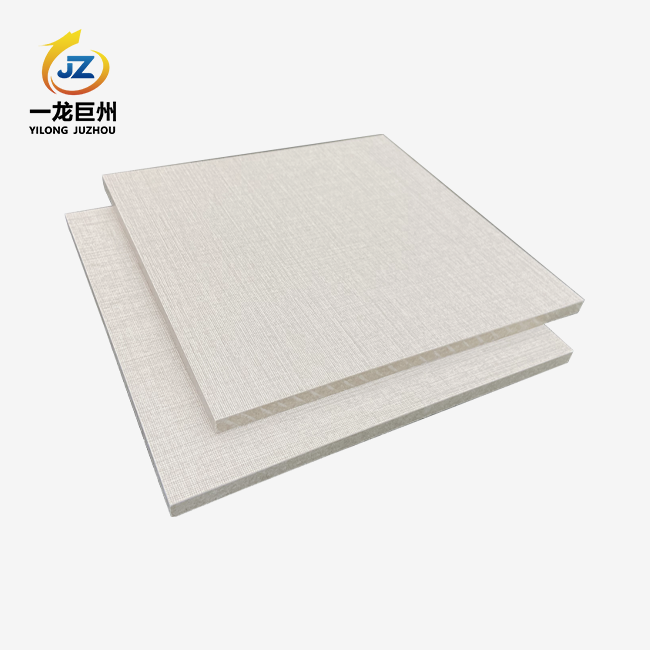
Solid colors are clean and contemporary, perfect for basic designs. A space with woodgrain designs feels cozy without the care and moisture sensitivity of real wood. Marble coatings provide surfaces with the beauty of stone without the weight, expense, or installation hassles.
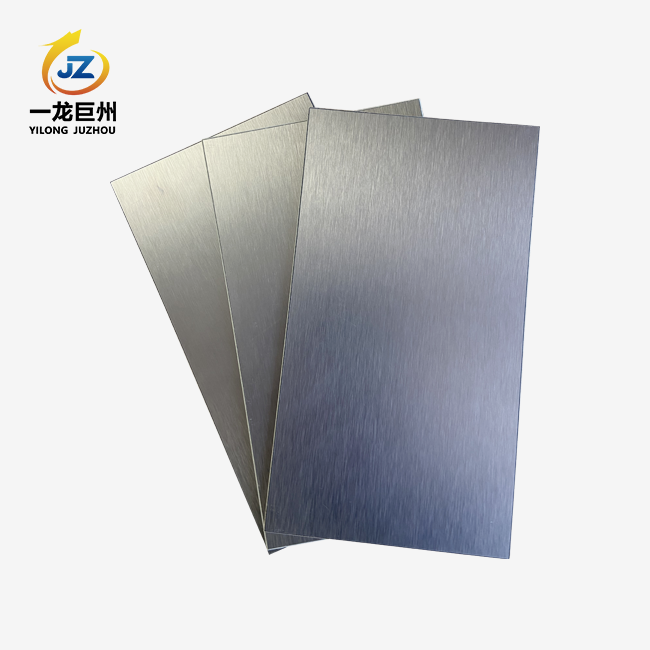
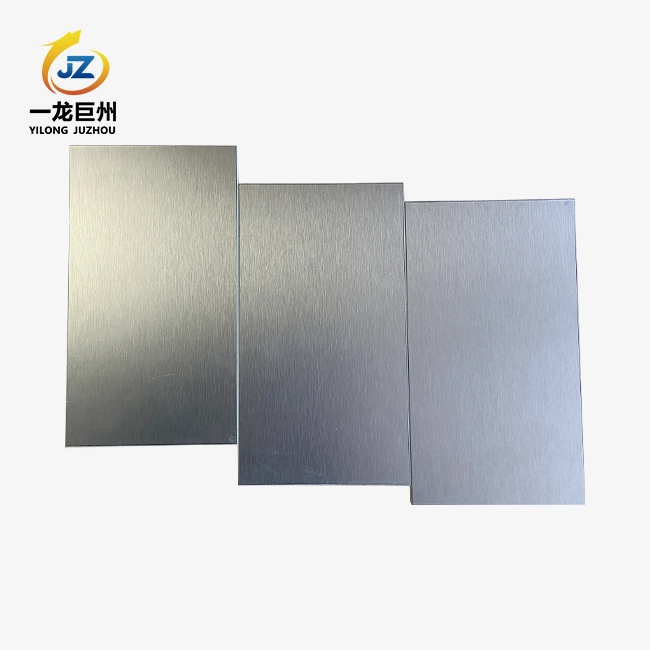
Metallic and cloth texture patterns reflect design concepts that make places stand out. Color and pattern assist transit facilities in helping passengers find their route, while careful material choice helps hotels provide customers with unique experiences.
The simplicity of fitting reduces building time compared to tile or stone. Wet-set materials need particular expertise and extended curing periods, although panels may be joined to regular frame systems using normal fasteners. This construction efficiency speeds up projects and reduces general contractor expenses.
Conclusion
Fiberglass resin board technology satisfies the complex demands of contemporary industrial construction with safety, durability, and creative flexibility. The composite construction improves fire resistance, impact tolerance, and moisture control. Flexible surface coatings satisfy a variety of aesthetic objectives. When procurement professionals understand industrial quality, thickness, and the supplier's ability to distinguish excellent material specifications from bad ones, they can make better judgments. Higher initial expenditures are usually worth it due to reduced lifetime costs from fewer maintenance and longer service lives. Particularly in demanding locations like hospitals, schools, and transportation infrastructure. Utilizing materials that exceed current safety and environmental standards can preserve an asset's value when construction laws tighten.
FAQ
1. What thickness should I specify for hospital corridor applications?
Heavy equipment travels through hospital hallways, which poses a major impact risk. The best balance between impact resistance and cost-effectiveness for a Fiberglass resin board installation is to specify a thickness of 4 to 5 mm. This range can handle touch with gurneys and equipment carts and is still affordable for large-area installs. If you hit thinner panels over and over, they might get damaged, and bigger ones don't really help and cost a lot more.
2. How does this material compare to ceramic tile for cleanability in food processing facilities?
Both materials are very easy to clean, but the panel system is faster to install and has areas without joints. Even though ceramic tile grout lines are cleaned regularly, they can still be places where germs can hide. Continuous panel surfaces, on the other hand, don't have these problems. The melamine surface is about as resistant to bacterial growth as glazed ceramic, but it can be installed in a lot less time, which means that the building can be used during renovations more quickly.
3. Can I obtain samples in custom colors before committing to full project quantities?
Sample customization lets you check the color and finish of an item before buying a lot of it. Samples are usually sent within three to five days, which gives architects and owners time to look at real materials in the lighting conditions of a project. This evaluation method lowers the risk of the specification and makes sure that the end look of the installation matches the design purpose.
Partner with a Trusted Fiberglass Resin Board Manufacturer for Your Next Project
For material procurement to go well, it's not enough to just know what the product is; suppliers must also be reliable, offer expert help, and provide quick service. YILONG JUZHOU has two excellent production facilities and offers full project support that handles the complicated aspects of building businesses. Our 50,000-square-meter store level makes sure that Fiberglass resin board materials are always available, which keeps projects on schedule, and our promise to respond within 24 hours shows that we are committed to the success of our clients. Whether your project is for a hospital that needs to be very careful about infections, a school that needs something that will last, or a transport hub that needs to be able to change how things are designed, our expert team can help you come up with the best specifications for both performance and cost. We welcome enquiries from procurement professionals, builders, and developers who are looking for a reliable Fiberglass resin board seller who knows how hard it can be to complete complicated building projects. You can email our team at cnyang2000114@gmail.com to talk about your specific needs, ask for custom samples, or get detailed technical documentation that will help you make smart material decisions.
References
1. Chen, W., & Liu, H. (2021). Composite Materials in Modern Construction: Properties and Applications. Building Science Press.
2. International Code Council. (2022). Fire Safety Requirements for Interior Finish Materials in Commercial Buildings. ICC Publications.
3. Morrison, R. T. (2020). Advanced Wall Systems for Healthcare Facilities: Material Selection and Performance. Medical Construction & Design Journal, 15(3), 78-95.
4. National Institute of Building Sciences. (2023). Lifecycle Cost Analysis for Interior Wall Systems in Public Infrastructure. NIBS Research Report Series.
5. Zhang, J., & Wang, S. (2022). Fiberglass Reinforced Composites: Manufacturing Processes and Quality Control. Materials Engineering Quarterly, 28(2), 145-162.
6. American Society for Testing and Materials. (2023). Standard Test Methods for Fire Resistance and Antibacterial Properties of Building Materials. ASTM International Standards.

Send Inquiry

Related Industry Knowledge
- Why is the Negative Ions Healthy Panel Ideal for Hospital Wall Decoration?
- Exploring the Versatile Applications and Benefits of PP Healthy Panel Solutions
- How Does UV light curing board Technology Improve Surface Hardness?
- Why Choose Inorganic pre-coated panels for Wall Cladding Systems?
- Medical Clean Board for Hospital Wall and Ceiling Systems
- Where Are Antibacterial Wall Panels Most Commonly Used
- What Is ice fireproof board and How Does It Resist High Heat?
- What Is Medical Clean Board and Where Is It Used?
- How to Choose the Right Calcium Silicate Aluminum Composite Board for Your Project
- How Antibacterial Wall Panels Improve Hygiene in High-Traffic Areas