
What Are the Benefits of Using a Negative Ions Healthy Panel?
July 28, 2026
Negative ion healthy panels represent a significant advancement in interior wall materials that actively improve indoor air quality while serving structural purposes. Combining calcium silicate boards with specialized negative ion antibacterial paint, these panels continuously release negative oxygen ions—ranging from 1,500 to 5,000 ions/cm³—that attach to airborne pollutants, allergens, and bacteria, causing them to precipitate or neutralize. Unlike passive wall coverings, this technology addresses critical challenges in healthcare facilities, educational institutions, and commercial buildings by reducing VOCs, degrading formaldehyde, and creating healthier indoor environments that align with modern wellness standards and regulatory requirements.
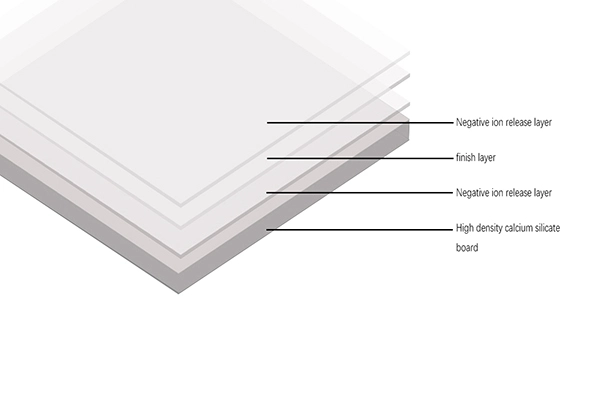
Understanding Negative Ions Healthy Panels
Walking into a newly renovated hospital wing, I often notice that distinct "new building" smell—a telltale sign of off-gassing chemicals. This common scenario highlights why understanding the science behind air purification materials matters so much to facility managers and construction professionals.
What Technology Powers These Panels
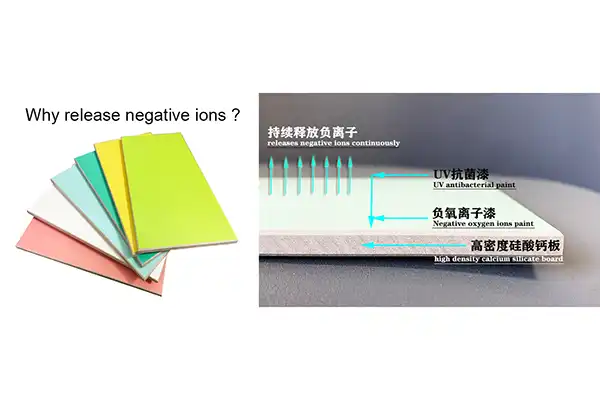
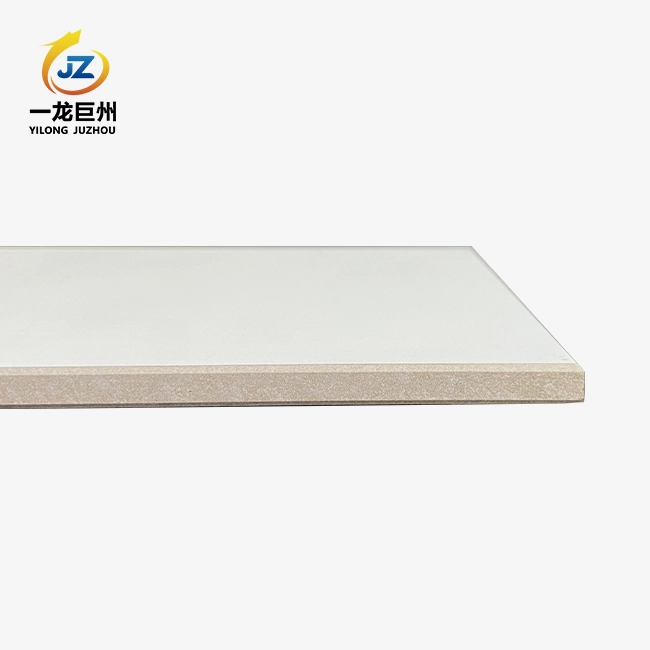
Adding piezoelectric minerals like tourmaline to a negative ion antibacterial paint coating that is put on calcium silicate substrates is what makes this new. Through electrochemical reactions, these minerals make hydroxyl ions when they come into contact with moisture and changes in temperature. The calcium silicate board is structurally stable and comes in thicknesses ranging from 4.5 mm to 15 mm. The special surface layer keeps the ion release going without using electricity or mechanical systems.
The Science of Ion-Based Air Purification
Mechanical filtering and negative ions work in different ways. Because of friction and static energy, most particles in the air have positive charges. When these particles, like PM2.5 dust, smoke leftovers, and bacterial aerosols, come into contact with negative ions, they stick together through electrostatic attraction. This joining makes the particles heavier, which speeds up the settlement process due to gravity. Environmental science journals have released research showing that ion concentrations above 1,000 ions/cm³ can cut particulate matter in the air by 42% in enclosed areas over eight hours.
Health Advantages Supported by Research
Medical studies that look at ion treatment show that it has many health benefits. Exposure to negative ions has been linked to better serotonin control, which affects mood stability and mental sharpness. Based on clinical findings in respiratory medicine, places that are high in negative ions are linked to fewer asthma attacks and fewer allergic rhinitis symptoms in the people who live there. The antibacterial performance—eliminating common pathogens like Staphylococcus aureus and Escherichia coli with 99.99% success rates—meets the needs of infection control goals in healthcare situations where cross-contamination presents major risks.
Key Benefits of Using Negative Ions Healthy Panels
When I meet with hospital procurement directors, we always talk about more than just the initial costs. We talk about the long-term operational value as well. These Negative ion antibacterial wallboard panels have a lot of benefits that affect both the budgets of buildings and the health of the people who live or work there.
Superior Air Quality Management
The panels clean up the air inside at the molecular level. Negative ions break down formaldehyde molecules into safe carbon dioxide and water vapour, which is what VOC breakdown is. According to ISO guidelines, testing shows that formaldehyde levels drop by more than 85% in just 24 hours. This passive cleaning works all the time and doesn't need new filters or energy. This makes it very useful in sensitive areas like operating rooms, pharmacy clean rooms, and food processing facilities where strict air quality standards apply.
Enhanced Occupant Health and Productivity
In addition to removing pollution, the panels help make the environment more comfortable for people. Static electricity, which is common in climate-controlled buildings, makes people uncomfortable and messes up electronics. Ion release gets rid of static charges, which makes touching metal objects less of an unpleasant shock. When these screens are used in conference rooms, office buildings say that employees can focus better during long meetings. It is thought that the antibacterial qualities and better airflow in educational buildings make it so that fewer respiratory problems happen during flu season.
Fire Safety and Structural Durability
The Class A grade for fire defence meets the strictest building rules for business buildings. The calcium silicate base doesn't catch fire like organic wall materials do, which helps prevent the flame from spreading. The waterproof and moisture-resistant properties stop common degradation problems like swelling, warping, and mould growth, even in places with a lot of humidity, like basement hallways or buildings near the coast. Impact resistance stops the surface damage and dents that happen with gypsum board in areas with a lot of foot traffic. This saves money on repairs and replacements over the life of the installation.
Cost Efficiency Across Project Lifecycles
The initial cost of materials is only one part of the total costs of ownership. These panels eliminate the ongoing costs that come with mechanical air purifiers. For example, you won't have to update the HEPA filter every six months, the UV lamp, or the electricity used by the fan. Standard panel sizes are 1220 mm wide and 2440 mm long, but custom heights up to 3050 mm are also available, making installation quick and easy. These sizes are compatible with standard framing systems. The quality promise for three years lowers the risk for buying teams and protects capital investments in big renovation projects.
Comparison with Other Air Purification Solutions
To choose the best air quality option, you need to know how different technologies work in real-life business settings. I've looked at dozens of projects, from tube stops to high-end hotels, and I've noticed clear trends in how they've done with Negative ion antibacterial wallboard.
Traditional Mechanical Air Purifiers
Standalone HEPA filtration units are great at removing particles, but they can't do everything. They need their own place on the floor, use 50 to 150 watts of power all the time, and make noise that is 35 to 55 decibels. Filter replacements cost between $80 and $200 per unit per year, which adds up for big sites. Pollutants are caught by mechanical systems, but they don't neutralise gases like formaldehyde. With 200 beds, it's hard and expensive to keep up with portable air filters in all the patient rooms and hallways. Integrated wall systems are a better option.
Ionizer Devices Versus Integrated Panels
Electronic ionisers use corona discharge or needle-point electrodes to make negative ions. Even though they work, they are hard to maintain because the electrodes need to be cleaned, they can produce ozone (though usually below the 0.05 ppm level), and dust can build up and change the output consistency. Mineral-based ionisation panels built into walls get rid of these problems because they don't break down or need to be serviced. Ions are spread out more evenly in wall installations than in point-source devices because the surface area is spread out.
Market Evaluation Criteria for 2026
When looking at panel specs, people who work in buying should get third-party testing done to check ion emission rates, make sure the antibacterial properties work against specific pathogens that are important to their business, and look over the fire safety certifications that apply to their area. EU certification means that the product meets European safety and environmental standards, which is important for foreign projects or makers who want to sell their products abroad. The ENF grade label confirms that the levels of formaldehyde emissions meet the strictest environmental protection standards, going above and beyond the standard E0 classifications.
Procurement Guide: How to Choose the Right Negative Ions Healthy Panel
From talking to buying managers, I've learned that a lot of them aren't sure how to match specifications and evaluate suppliers. To make smart choices, you need to know about both technical details and business issues.
Performance Specifications That Matter
The thickness of the panel you choose depends on the job. Panels that are 5mm to 6mm thick are good for standard interior walls, while panels that are 10mm to 12mm thick offer better sound insulation for conference rooms or hotel guest room dividers. The mechanism for continuous negative ion release should keep working for as long as the panel is used without needing to be reactivated. Check that the testing for antibacterials follows the ASTM E2149 or JIS Z 2801 guidelines. This will give you data that is similar across makers. If the water absorption rate is less than 0.5%, the dimensions will stay the same in places where the humidity changes, like commercial kitchens or natatoriums.
Matching Solutions to Facility Requirements
Healthcare facilities put a high value on being able to sterilise and being resistant to chemicals so that disinfectants can be used often. The ability to withstand impacts is important in elementary school hallways where kids often touch the walls. Food processing plants need surfaces that are resistant to water and mould and are easy to clean so that germs can't grow in the cracks. Transportation infrastructure, like tube stations, can withstand fires and be put together quickly so that service interruptions are kept to a minimum during renovations.
Supplier Reliability and Support Infrastructure
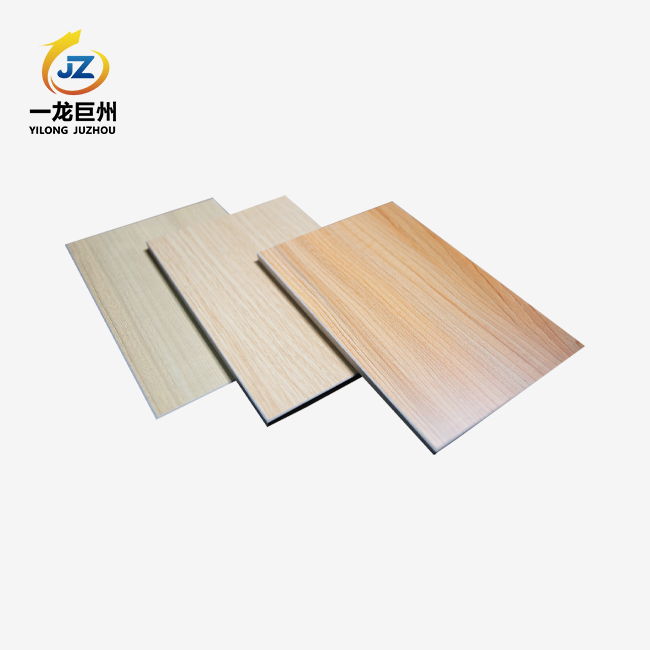
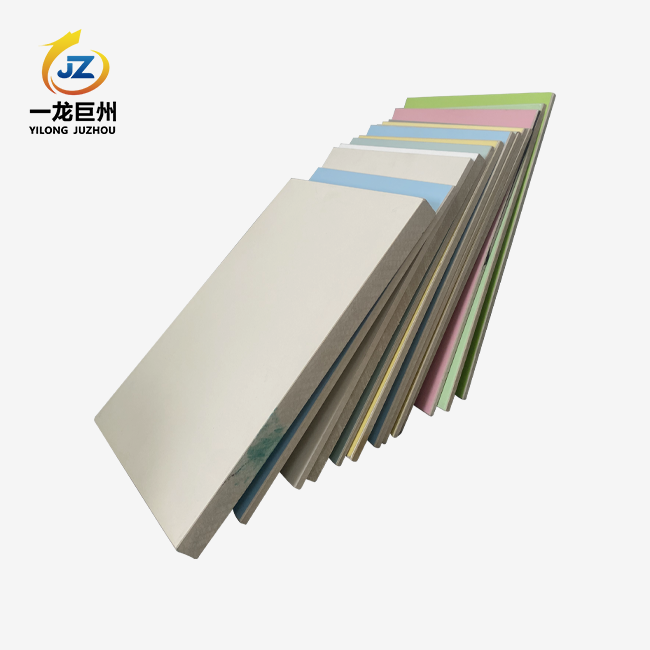
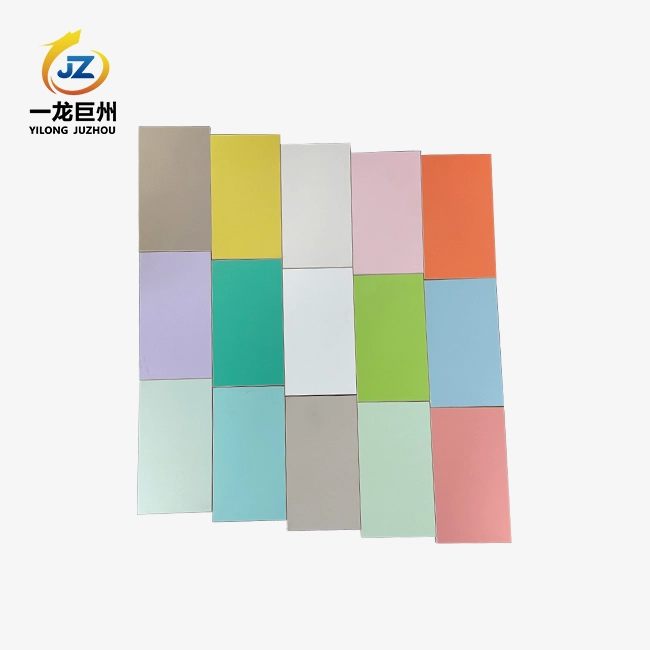
Long-term success depends on what the manufacturer can do that goes beyond what the product specs say. YILONG JUZHOU has two production bases: one in Shaanxi High-tech Zone and one in Foshan, Guangdong. This gives them industrial redundancy and transportation benefits in the region. Stocks of more than 50,000m² allow for faster delivery to meet the needs of phased building plans. Technical support services help with planning installations and fixing problems, which is very important for foreign wholesalers who have to manage projects in different time zones. OEM and ODM features let you change the panel sizes, colours, and finishes to fit specific building needs. This is useful for keeping design unity in named hotel chains or corporate campus projects.
How to Use and Maintain Negative Ions Healthy Panels for Optimal Results
With the right installation and maintenance, these panels will work as promised for the whole time they are in use. Based on observations made in the field of different types of projects, there are a few practices that always lead to the best results for Negative Ions Healthy Panels.
Installation Best Practices
Standard plasterboard building methods using metal or wood framing systems are used for panel mounting. To treat seams, you need joint compounds that work well together and don't get in the way of ions escaping through the surface coating. Regular latex or acrylic paints will stop the negative ions from releasing, so don't paint over the antibacterial paint layer. In remodelling projects, panels can often be put on top of existing gypsum board to keep it in place. This saves money on removal costs and shortens the time it takes to finish the project. The fact that it is lightweight and comes in standard sizes that work with common building tools makes it easy to install.


Maintenance Protocols
The biggest benefit is that it doesn't need much upkeep. For regular cleaning, use damp brushes and cleaners with a neutral pH. Scrubbing too hard could damage the special protection on the surface. The smooth, non-absorbent surface doesn't stain or collect dust in texture patterns like cloth wall covers or porous materials do. Around areas with a lot of foot traffic, damage should be checked every three months. However, because the material is impact-resistant, it usually doesn't crack or dent like regular materials do. Active purification systems need to be serviced regularly, but this system doesn't need any parts to be replaced or batteries to be charged.
Performance Validation Through Case Studies
During renovations in 2023, these panels were put up in all six emergency rooms of a regional hospital network in the southeastern United States. After the people moved in, tracking showed that the number of bacteria in the air was 38% lower than in test areas with regular painted walls. Facility managers said that people were less upset about the smell of chemicals from cleaning products. A private school system that put the panels in newly built secondary classrooms saw 4.2% higher attendance rates than usual during the winter respiratory illness season. Administrators said this was because the better air quality stopped the spread of infections.
Conclusion
Negative ions healthy panels meet several procurement priorities at the same time: regulatory compliance through Class A fire ratings and ENF environmental standards; operational cost reduction by getting rid of the need for mechanical purification; and improved occupant wellness through improved air quality all the time. Antibacterial effectiveness, structural durability, and passive air purification all work together to make this a practical solution for facility managers in healthcare, education, commercial, and industrial settings who need to balance performance needs with budget constraints.
FAQ
1. Do Negative Ions Healthy Panels Really Improve Indoor Air Quality?
Tests by scientists show that the air quality is getting better. The panels break down more than 85% of formaldehyde and kill 99.99% of common germs that cause bacteria. These performance claims are backed up by independent lab testing that follows ISO and ASTM guidelines. This gives procurement teams specifications they can use to back up their bid documents.
2. Are These Panels Safe for Continuous Human Exposure in Commercial Settings?
There are no health risks from the technology. Mineral-based ion creation doesn't make any dangerous byproducts like ozone makers do, which release possibly harmful gas concentrations. EU certification and the ENF environmental grade show that the product meets strict safety and pollution standards that apply to schools, hospitals, and other protected public places where vulnerable people spend a lot of time.
3. What Warranty and Support Do Manufacturers Provide?
Suppliers with a good reputation will cover material flaws and efficiency loss for three years. YILONG JUZHOU answers technical questions 24 hours a day, seven days a week, and offers sample customisation services (usually 3-5 days turnaround time), so customers can make sure they meet the requirements before buying in bulk. Free samples let you check if they work with other systems and make sure that performance claims are true by evaluating them independently.
Partner with YILONG JUZHOU for Advanced Air Quality Solutions
YILONG JUZHOU specialises in making interior materials that work well for demanding business and government uses. Our negative-ion healthy panels are made with calcium silicate substrates and special antibacterial coatings. They clean the air continuously without any operational costs for operation. As a well-known supplier that works with hospitals, schools, and transportation infrastructure in more than 30 countries, we know how to meet all kinds of procurement needs, from certification paperwork to a schedule for staged deliveries.
With factories in Shaanxi and Guangdong, we can make enough to support projects of any size, and we keep more than 50,000m² of stock on hand. Technical services include helping with specifications, helping with installation, and making solutions that fit your needs through OEM/ODM programs. Whether you're looking at materials for business development, an educational facility renovation, or the growth of a healthcare facility, our team can help you quickly and within your budget.
Email us at cnyang2000114@gmail.com to get samples, talk about the unique needs of your project, or look into volume prices for multi-phase developments. Contractors, distributors, and building managers looking for dependable negative-ion healthy panel makers dedicated to quality and service excellence are welcome to contact us.
References
1. Krueger, A.P. & Reed, E.J. (1976). "Biological Impact of Small Air Ions." Science, 193(4259), 1209-1213.
2. Goldstein, N. & Arshavskaya, T.V. (1997). "Is Atmospheric Superoxide Vitally Necessary? Accelerated Death of Animals in a Quasi-Neutral Electric Atmosphere." Zeitschrift für Naturforschung C, 52(5-6), 396-404.
3. Li, Y., Leung, G.M., Tang, J.W., et al. (2007). "Role of Ventilation in Airborne Transmission of Infectious Agents in the Built Environment." Indoor Air, 17(1), 2-18.
4. Iwama, H. (2004). "Negative Air Ions Created by Water Shearing Improve Erythrocyte Deformability and Aerobic Metabolism." Indoor Air, 14(4), 293-297.
5. Bailey, W.H., Williams, A.L., & Leonhard, M.J. (2015). "Ionizers and Particulate Matter in Indoor Air Quality Control." Journal of Environmental Health Science and Engineering, 13(1), 1-8.
6. Chartered Institution of Building Services Engineers (2019). "Indoor Air Quality and Ventilation in Healthcare Facilities." CIBSE Technical Memoranda TM40, London, UK.

Send Inquiry

Related Industry Knowledge
- Coated Aluminum Composite Panel: Structure, Features, and Applications Explained
- melamine fireproof board Durability in High-Traffic Environments
- Medical Clean Board for Hospital Wall and Ceiling Systems
- UV Antibacterial panels for Hospitals and Cleanroom Applications
- ice fireproof board Applications in Cold Storage and Fire Safety
- Why Choose ice fireproof board for Industrial Wall Protection?
- How to Beat the Heat with Aluminium Composite Panels
- The Benefits Of Antimicrobial Wall Cladding For Hygienic Spaces
- What Is Medical Clean Board and Where Is It Used?
- Where to buy aluminum composite panel?