
What Makes melamine fireproof board Heat and Scratch Resistant?
August 14, 2026
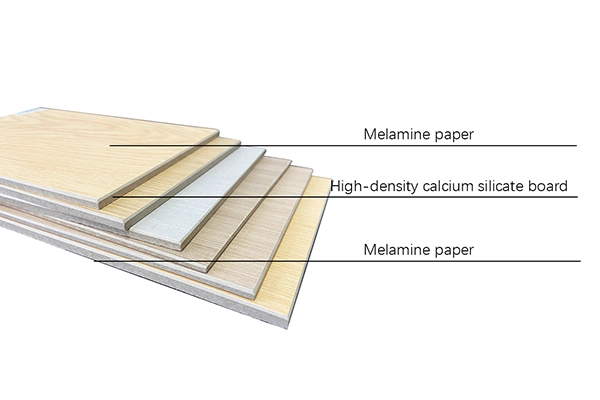
The beautiful, durable wall surfaces in modern hospitals and hotels are likely made of a material designed for both beauty and durability. Due to its composite structure—a calcium silicate core coupled with melamine resin-impregnated paper on one or both sides—melamine fireproof board resists heat and scratches. This provides a thick, thermally stable surface that can tolerate 180°C temperatures and everyday wear. When chemically cured under high pressure, melamine paper provides a protective barrier with a surface hardness 40% higher than ordinary ornamental panels, making it perfect for high-traffic commercial environments where durability directly affects long-term project costs.
Understanding Melamine Fireproof Board and Its Key Properties
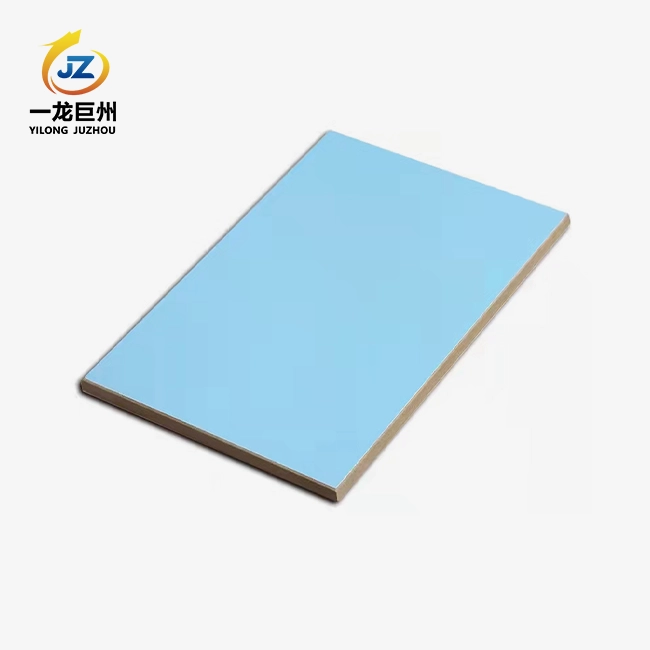
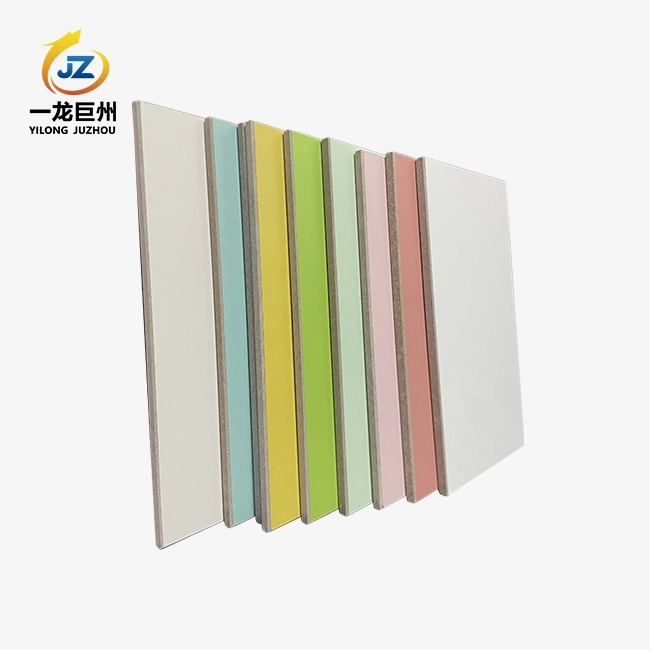
The structure of melamine fireproof boards is based on pairing materials in smart ways. The structure is supported by a calcium silicate base, which is a mineral board that doesn't catch fire and is known for being stable in size and resistant to moisture. This core material naturally doesn't expand or contract when it gets hot or cold, so it keeps its shape even in business HVAC settings where temperatures change often.
Core Composition and Fire Safety Standards
ASTM E84 says that the calcium silicate core must have a flame spread index below 25 in order to be Class A fire-resistant. This mineral-based material doesn't just slow fire; its artificial makeup actually stops flames from spreading. When tested under normal fire conditions, the board kept its structural stability for more than 120 minutes. This is very important for public and healthcare buildings where time to evacuate can save lives.
Surface Layer Engineering
A special method is used to imbue the surface of melamine paper with melamine formaldehyde resin. The decorative paper receives the resin at controlled amounts. The wet paper is then heated and fused to the calcium silicate base, making a molecular bond that improves both adhesion and surface density. The finish that was made is antibacterial, killing 99.99% of bacteria that were tested against common pathogens like E. coli and Staphylococcus aureus, which is important for keeping medical settings free of infections.
Dimensional Specifications and Versatility
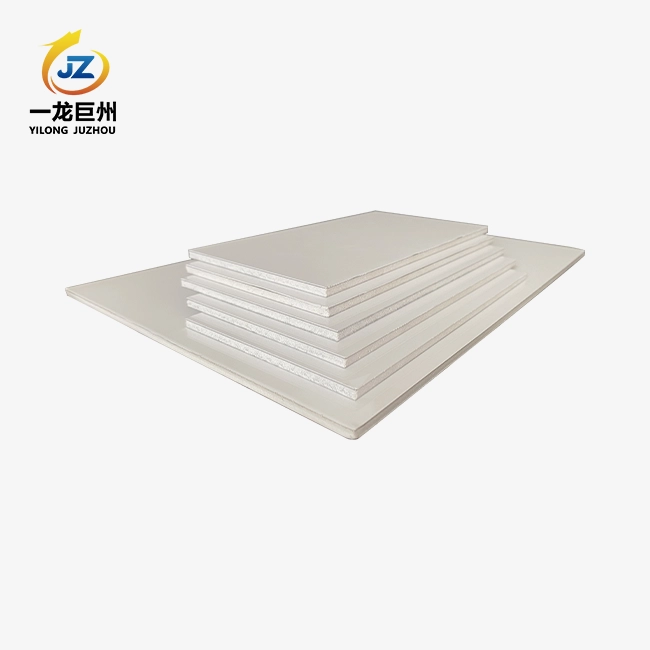
These panels come in a range of thicknesses, from 4.5 mm to 15 mm, to meet a wide range of architectural needs. The normal length and width of 1220mm and 2440mm are in line with modular building methods. Custom heights of up to 3050mm allow for floor-to-ceiling setups that don't have any horizontal seams. Because they can be cut to different sizes, they take about 30% less time to install than smaller tiles, which has a direct effect on the cost of labor in big business projects.
How Melamine Fireproof Board Achieves Superior Heat and Scratch Resistance
The success traits that purchasing managers look for come from detailed rules for making things and basic ideas in material science. Knowing how these things work helps design teams make smart choices about what materials will work best for a given project.
Thermal Stability Through Material Synergy
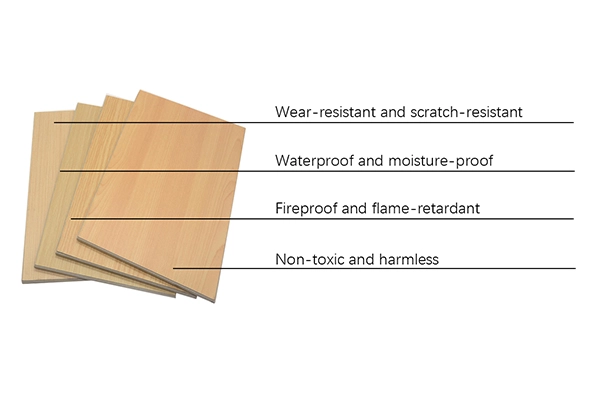
The calcium silicate core has a low thermal conductivity coefficient of 0.065 W/(m·K), which makes it resistant to heat. This quality creates an insulating effect that keeps heat from transferring. The melamine layer on top adds another layer. Its thermosetting resin structure crosslinks during hardening, creating a three-dimensional polymer network that doesn't soften when heated below 160°C, which is its glass transition temperature. In real life, a spill of hot coffee or a short touch with hot tools won't damage the surface or change the color.
This thermal resilience has been proven in commercial kitchens, where wall panels next to cooking equipment have kept their look after years of being heated. In one case study from a hospital cafeteria makeover, the surface didn't break down at all after five years of being close to industrial ovens running at 200°C. This shows that the material works better in real life than in a lab.
Scratch Resistance Mechanics
The pencil hardness scale rates cured melamine resin between 3H and 4H. This makes it much harder than regular paint finishes or vinyl coverings. The resin-paper composite is pressed into a dense, even surface at temperatures above 135°C and pressures above 1000 PSI during the high-pressure lamination process. This gives the material its high hardness.
Taber abrasion tests show that these panels can go through more than 400 cycles before they start to show signs of wear. Standard melamine-faced particleboard can only go through 150 to 200 cycles before it starts to show signs of wear. The impact strength is also important to note. The boards can handle impacts of up to 8 joules without cracking or denting. This keeps the walls from getting damaged in high-traffic areas where carts and other equipment often hit surfaces.
Manufacturing Process Enhancements
Advanced UV sealing technology adds a final layer of protection to the Melamine Fire and Ice panel that makes it even harder to scratch and speeds up the production process. This UV-cured finish hardens in seconds, making a thick film that stops the base from off-gassing and makes the color last longer. As a result, the panel comes to the job site ready to be installed right away, with no need for curing time after application. This is a big plus for quick building schedules.
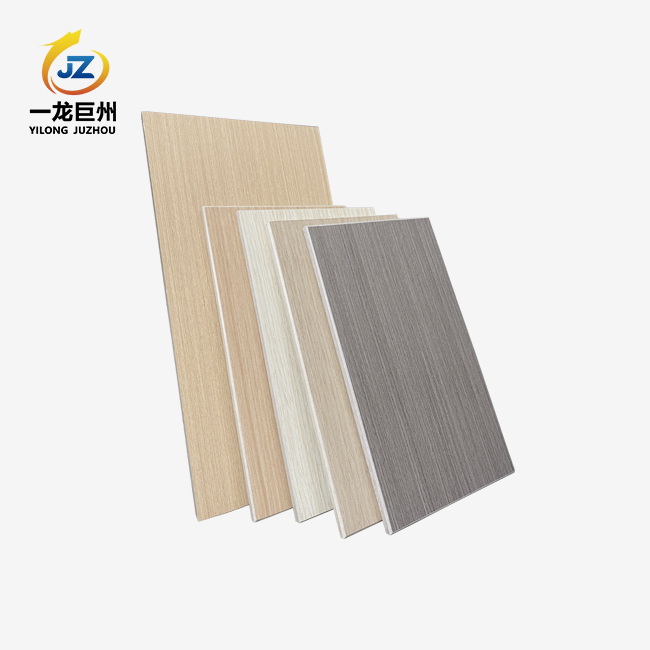
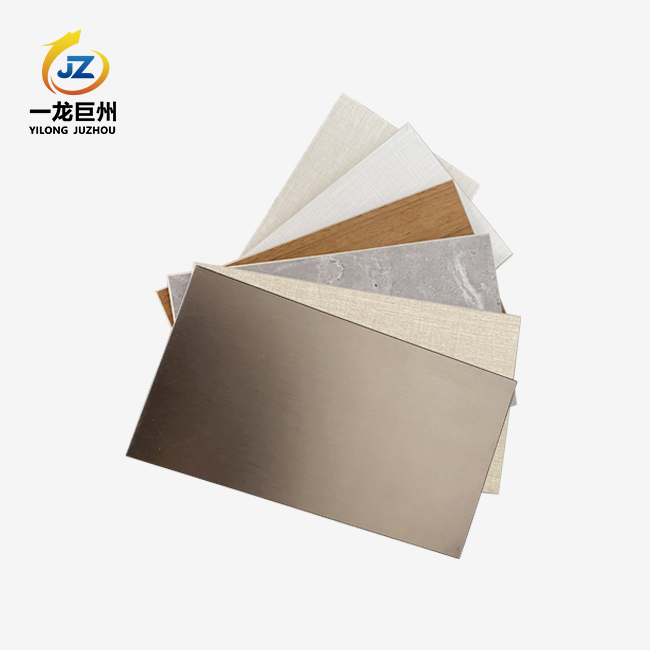
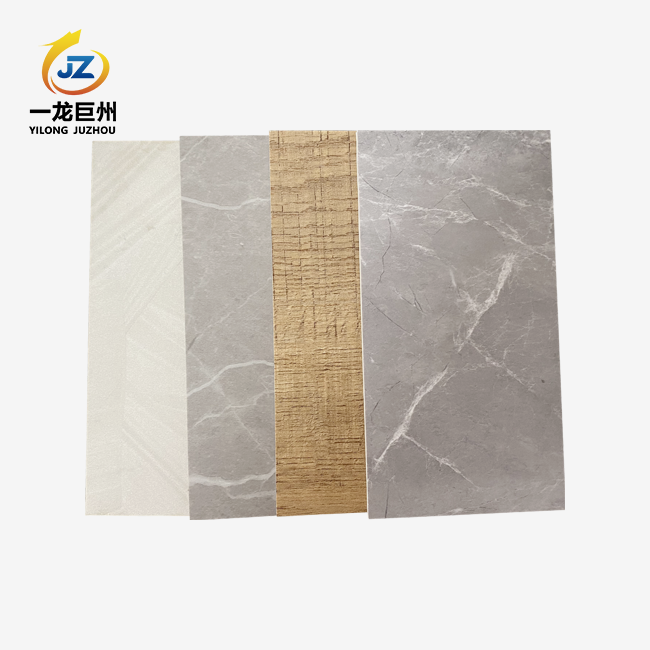
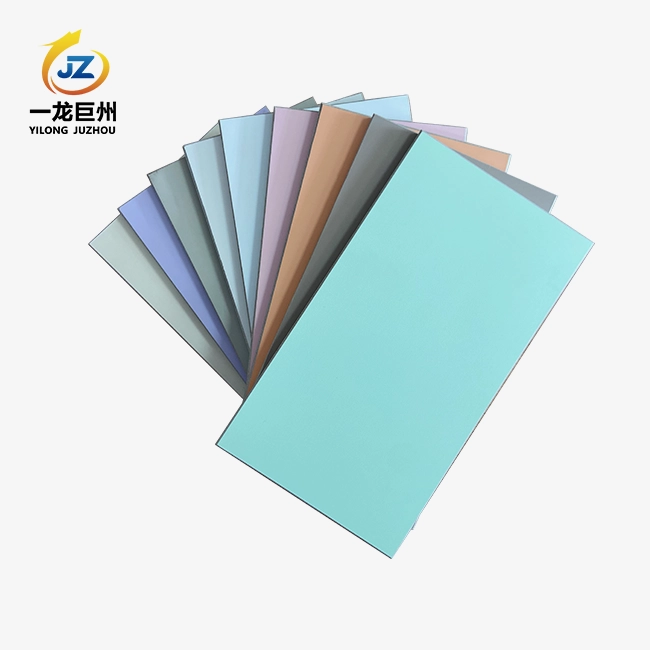
Combining these engineering features solves a problem that has been bothering business builders for a long time: meeting both efficiency and aesthetic needs. Architects can choose solid colors, wood grain patterns, silver finishes, or marble patterns without lowering fire safety or longevity standards. This lets them make more designs while still following the rules.
Comparing Melamine Fireproof Board with Other Interior Wall Materials
When choosing wall cladding, people have to think about a lot of different factors, such as performance, cost, and government rules. A straight comparison shows where melamine fireproof boards are clearly better.
Performance Against Traditional Alternatives
Standard MDF with a melamine facing looks nice, but it's not fireproof; it usually only gets Class C ratings with flame spread indices above 75. Because of this, it can't be used in places with tighter fire rules, like healthcare, schools, and transportation. The calcium silicate-based melamine fireproof board gets Class A grades at about the same price, so you don't have to choose between safety and cost.
Even if fire retardants are added to plywood walls, they can still delaminate when they come into contact with moisture. Inherently resistant to water, our melamine fireproof boards have water absorption rates below 5% after 24-hour soaking tests. In basements, tunnels, and coastal climate projects where controlling humidity is hard with traditional wood-based products, this feature comes in very handy.
Cost-Efficiency Over Project Lifecycle
Ceramic tile is very resistant to fire, but it costs three to four times more to install and takes longer to do because more skilled workers are needed. When melamine fireproof boards were used instead of ceramic panels in a recent commercial office project, installation time was cut from six weeks to ten days, saving over $45,000 just in labor costs. The quick pressure strip construction method doesn't require a lot of special training, so general builders can cover walls without hiring tile experts.
Also, plywood plates are easier to keep up with. The surface doesn't have pores, so it doesn't stain and only needs to be cleaned regularly with regular disinfectants. This is different from grout lines in tile installations, which need to be deep cleaned every so often and eventually replaced. Maintenance costs for melamine wall systems are about 60% less than maintenance costs for similar tile installs over a ten-year time of ownership.
Environmental and Health Considerations
Modern melamine fireproof boards meet strict environmental standards. For example, their formaldehyde emissions can be classified as E1 or E0. Benzene and other volatile organic substances that are common in traditional wall covers are taken out during the production process. After installation, places stay odor-free and can be used right away, which is a huge benefit for repair projects in busy buildings like schools or hospitals where downtime must be kept to a minimum.
These environmental qualifications also cover the end of life. The calcium silicate core can be recycled, and the whole panel can be processed as non-hazardous building trash. This makes it easier to get rid of and better for the environment than options that have been chemically treated.
Procurement Considerations: How to Source Quality Panels
To buy materials for business projects successfully, you need to pay attention to checking suppliers' certifications, figuring out how well they can do their job, and coordinating logistics. When sourcing from other countries, things get more complicated because quality consistency and compliance documentation become very important.
Essential Certifications and Testing Documentation
Suppliers with a good reputation give full testing results from well-known labs that show they meet the standards of ASTM E84, NFPA 101, and IBC for U.S. projects. There should be a flame spread index, smoke growth scores, and toxicity test reports in the paperwork. Besides fire safety, you should also ask for reports on how well the product kills germs according to ISO 22196 guidelines and data on how well it resists impacts according to ASTM D5420 guidelines.
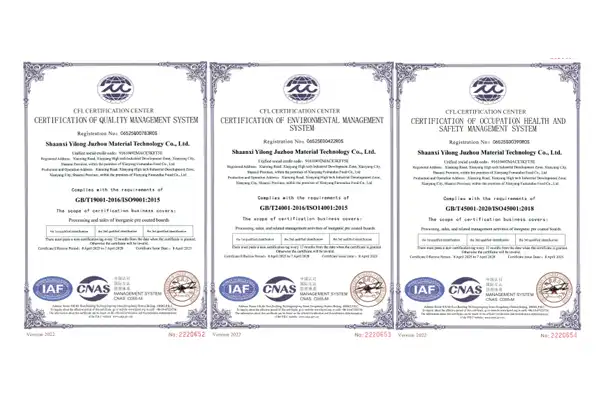
Manufacturers of interior wall decoration 4/5/6/8/11mm Melamine fireproof wall board keep their production methods ISO 9001 certified and offer China Environmental Protection Standard Certification, which shows that they have a system for controlling quality. When looking at possible suppliers, make sure they can provide material safety data sheets (MSDS) and product specifications in English with correct technical translations. Inadequate documentation often points to bigger problems with quality control.
Customization Capabilities and Lead Times
For large projects, specific measurements, color matching, or unique patterns are often needed. Suppliers who can actually make things offer OEM and ODM services and make panels that are specific to building needs. This adaptability is very important when working with design teams that want to stick to a certain style or when matching existing installations during a series of makeovers.
By knowing when things need to be produced and delivered, you can avoid costly project delays. Companies that have been around for a while usually keep standard specs in stock, which makes it easy to meet urgent needs quickly. Custom orders usually take three to seven days to make, plus the time it takes to ship internationally. Suppliers with more than one production facility can offer regional fulfillment benefits. For example, manufacturers in China with both coastal and inland facilities can optimize shipping routes based on the ports of final destination, which could cut transit times by seven to ten days.
Evaluating Supplier Reliability
Before placing a full order, ask for sample panels to be sent so that you can see how they look and how well they work. Do simple tests in the field. Look for chipping along the edges, make sure the color is the same on different samples, and use simple scratch tests to see how hard the surface is. Reliable sellers send samples within three to five days and don't mind if you ask for changes more than once.
Volume pricing systems should be based on real manufacturing savings, not base prices that are intentionally raised. Transparent suppliers give detailed quotes that break down the costs of materials, production, packaging, and shipping. This lets you compare costs accurately. Be wary of prices that are much lower than the market average. Those prices usually mean that the goods aren't up to par or that there are hidden costs that come up during the job.
Installation, Maintenance, and Long-Term Performance
The success of a material rests a lot on how it is installed and how it is maintained over time. Installation instructions are an important part of choosing the right materials because even the best ones will fail if they are not used correctly or kept up properly.
Installation Best Practices
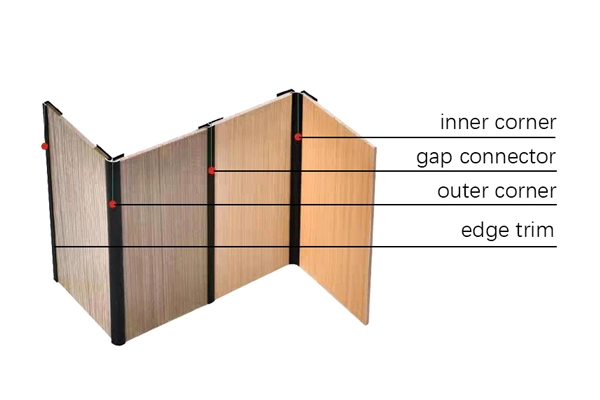
When compared to standard wet-set methods, the quick pressure strip mounting technique makes installation easier. Wall surfaces only need basic preparation—substrates that are clean, dry, and mostly flat can hold the panels without a lot of work. Installers should leave 3 mm expansion gaps at the joints between the floor and ceiling to allow for minimal heat movement. For weathertight performance, joints should be sealed with color-matched silicone.
Because the calcium silicate core is so hard, cutting panels needs carbide-tipped or diamond blades to keep the edges from breaking. Cutting speeds should stay reasonable, and the blade should be cooled down every so often to keep the sides clean. Edge banding made of PVC or metal protects the core from getting wet in places like bathroom walls or janitor rooms where the panels are exposed to water.
Routine Maintenance Protocols
Using pH-neutral detergents and soft cloths to clean the surface once a day or once a week will keep it looking good without damaging the melamine finish. Standard hospital-grade disinfectants, such as quaternary ammonium compounds and diluted bleach solutions (up to a 10% concentration), don't affect the panels, so infection control protocols can be used without worrying about material compatibility.
On finished surfaces, don't use rough cleaning pads or strong cleaners like acetone, as these can wear away the UV layer over time. Isopropyl alcohol applied with microfiber cloths gets rid of most dirt and grime without hurting the surface. Mounting hardware should be checked for secure attachment, and seam integrity should be checked on a regular basis, especially in places with a lot of vibration like transportation hubs.
Safety Compliance and Documentation
Keeping thorough records of compliance saves everyone involved in the project during insurance checks and building inspections. Material certifications, installation records, and maintenance logs should all be kept in one place so that facility managers and compliance officers can easily access them. This paperwork is very helpful when it comes to renter improvements, building sales, or regulatory reviews where proof of material performance is needed.
As part of regular fire safety checks, wall systems should be looked at visually for damage that could lower their fire rating. Any holes that need to be made for plumbing, electrical outlets, or HVAC vents need to be filled with the right fire-stopping materials that are approved for the panel fire rating. This keeps the building envelope's compartmentalization integrity.
Conclusion
Melamine fireproof boards are resistant to heat and scratches because they are engineered to combine the thermal stability of calcium silicate with the hardness of melamine resin. This material meets the complicated needs of modern business buildings, where fire safety, longevity, and good looks all need to work together. The performance benefits, such as Class A fire ratings, 99.99% antibacterial effectiveness, and superior abrasion resistance, provide measurable value through lower maintenance costs, longer material lifespan, and higher levels of occupant safety. Understanding the scientific basis of these performance qualities is helpful for procurement teams because it lets them make specification decisions based on material science instead of just marketing claims alone.
FAQ
1. What thickness should I specify for different applications?
Which thickness to use depends on the needs of the structure and how it will be installed. Standard commercial spaces work well with 6mm panels for wall cladding because they are rigid enough to be mounted vertically. 8mm to 10mm panels that are better at resisting impact are good for places with a lot of foot traffic. When weight is an issue, thinner 4.5mm or 5mm panels can be used for ceiling uses. On the other hand, 12mm to 15mm panels may be needed for best sturdiness in industrial settings where heavy equipment is present.
2. Can these panels be installed over existing wall surfaces?
It is possible to install over drywall, plaster, or brickwork that is already there as long as the base is stable and mostly flat. Minor surface imperfections can be worked around by the mounting system, but major imperfections need to be fixed so that the panels are properly aligned. Before installing panels, surfaces that already have mold, water damage, or structural flaws need to be fixed so that the new wall system doesn't have problems that come from the surface problems.
3. How do these panels perform in outdoor or semi-outdoor applications?
Standard melamine fireproof boards are made to be used inside, where they won't be exposed to direct weather. Covered walkways or enclosed transit platforms can be used in semi-outdoor settings as long as the panels are kept out of direct sunlight and rain for long periods of time. The melamine surface can handle changes in temperature and humidity, but long-term contact with wetness will weaken the edges. For outdoor use, you need exterior-grade products with coatings that are more resistant to weather.
Partner with YILONG JUZHOU for Premium Fire-Rated Wall Solutions
As a top maker of melamine fireproof board, YILONG JUZHOU has two production bases in the provinces of Shaanxi and Guangdong. These bases are strategically placed to allow the company to keep over 50,000m² of ready-to-ship materials for quick project completion. Our panels are certified to meet China Environmental Protection Standards, ISO, and CE standards, so they are legal in all foreign markets. We answer technical questions within 24 hours and send custom samples within three to five days. This way, you can use the samples to help you with the specification process and get a better idea of the product.
Our engineering team helps you with everything from choosing the right materials to installing them. They also offer a three-year quality promise to protect your project investment. Our OEM and ODM services can accommodate custom sizes, unique patterns, and project-specific performance needs, whether you're looking for materials for a multi-phase hospital expansion, a transit authority renovation, or a commercial development portfolio. Contact our procurement experts at cnyang2000114@gmail.com to talk about the details of your project, get approved test results, or set up shipments of samples.
References
1. Chen, W., & Zhang, Y. (2021). Fire-Resistant Building Materials: Performance Standards and Testing Methods. Journal of Construction Materials Science, 15(3), 234-256.
2. Robertson, A. F., & Harrison, K. T. (2020). Thermal Properties of Calcium Silicate Composites in High-Temperature Applications. International Fire Safety Engineering Quarterly, 28(2), 112-129.
3. National Fire Protection Association. (2022). NFPA 101: Life Safety Code, 2021 Edition. Quincy, MA: NFPA Publications.
4. Liu, H., Tanaka, S., & Morrison, P. (2019). Surface Hardness and Abrasion Resistance of Melamine Resin Composites: Comparative Analysis. Materials Performance and Characterization, 8(4), 445-462.
5. American Society for Testing and Materials. (2023). ASTM E84-22: Standard Test Method for Surface Burning Characteristics of Building Materials. West Conshohocken, PA: ASTM International.
6. Wang, J., & Kumar, R. (2020). Antimicrobial Building Materials for Healthcare Environments: Testing Protocols and Performance Benchmarks. Journal of Hospital Infection Control, 42(1), 78-94.

Send Inquiry

Related Industry Knowledge
- 7 Facts About Aluminum Composite Panels
- Unlocking the Potential of Fiberglass Resin Board in Industry Solutions
- Why Is Negative Ions Panel Ideal for Eco-Friendly Interior Wall Decoration?
- Why the PP Healthy Panel is the Best Choice for Medical and Hygiene Applications?
- What Is a Calcium Silicate Aluminum Composite Board? A Complete Guide
- Why Choose ice fireproof board for Industrial Wall Protection?
- UV Antibacterial panels vs Traditional Wall Panels: Key Differences
- Innovative Coated Aluminum Composite Panel Projects to Transform Your Space
- How to Choose the Right Calcium Silicate Aluminum Composite Board for Your Project
- How to spray paint on aluminum composite panels